Gifted Expertise Offers Remarkable Guidance Efficiently
That shot ended up in the Atlantic Ocean
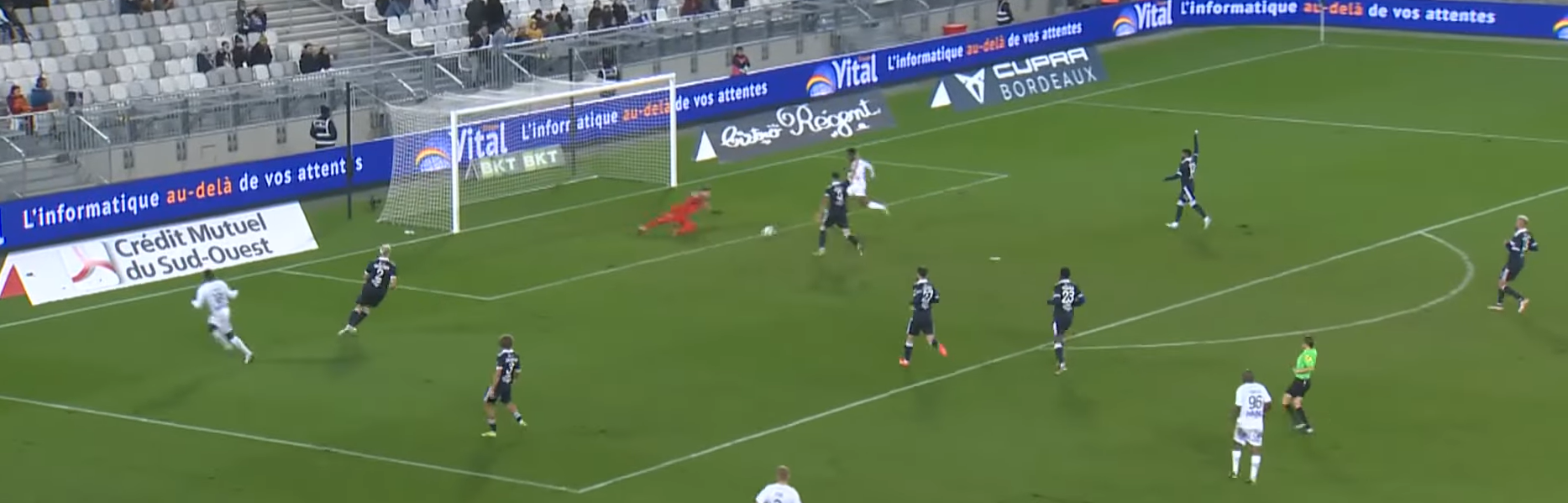
What would’ve destroyed a 16 year old striker’s confidence forever (losing 1-0)
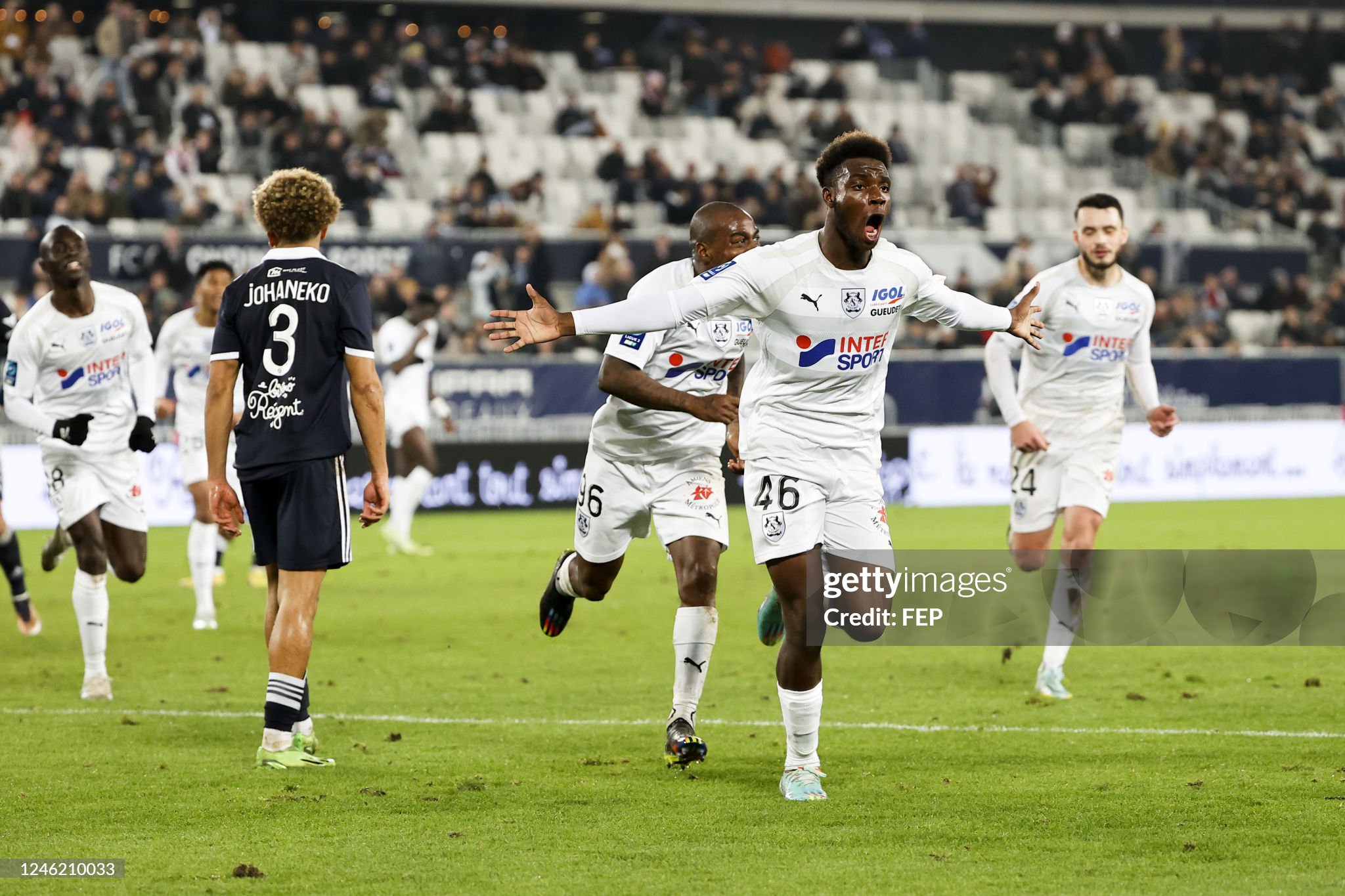
Did not deter George Ilenikhena, who scored *that* goal moments later
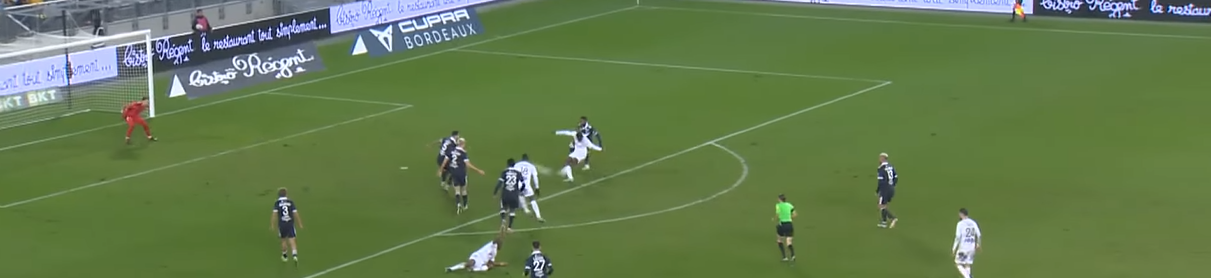
First time, top bins, curtains. Thank you very much.
One of the evergreen truths of scouting (or cheat codes), look at the next play after a good/bad one, which will tell you more about the player than the initial play you flagged up.
Background
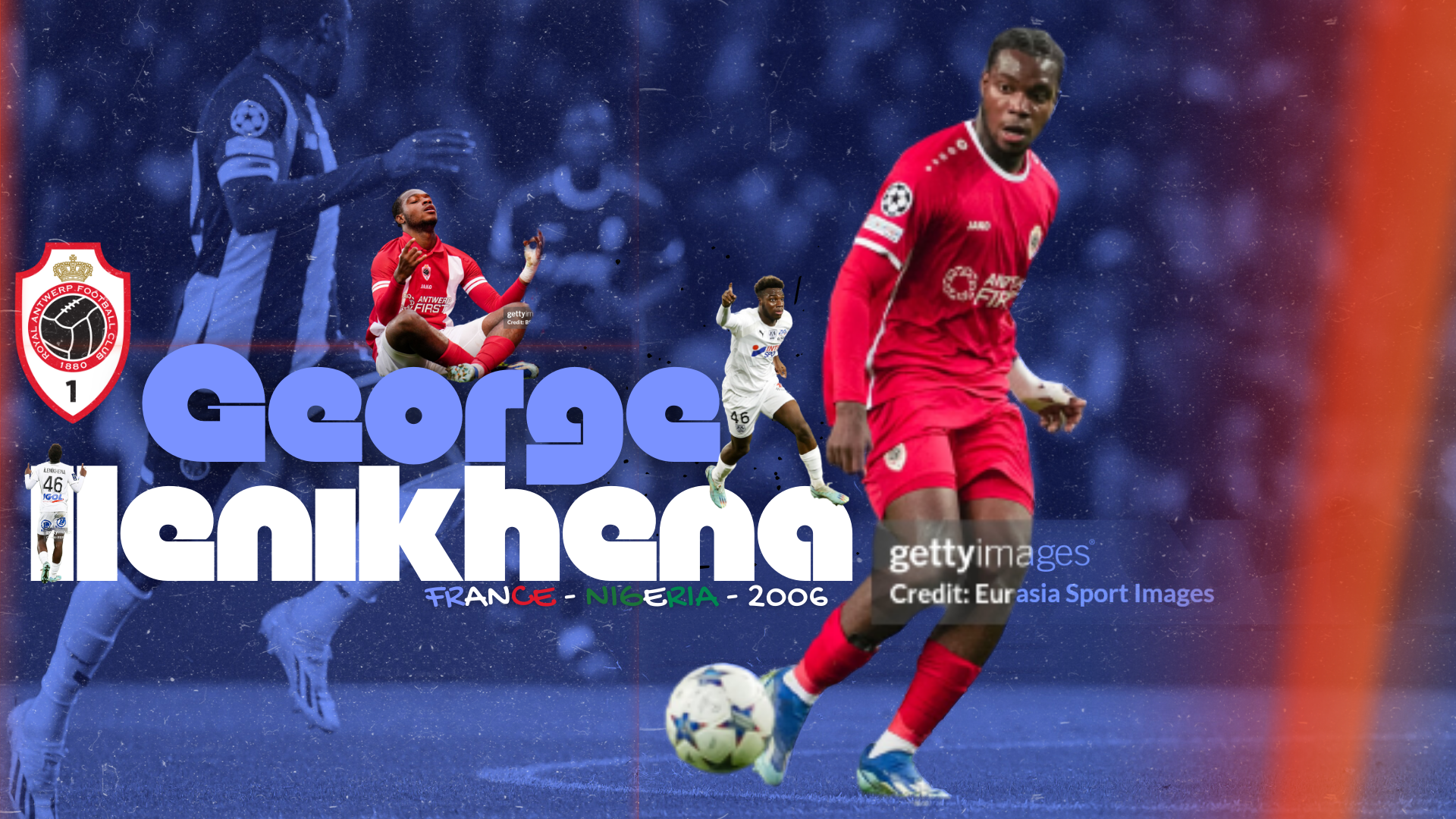
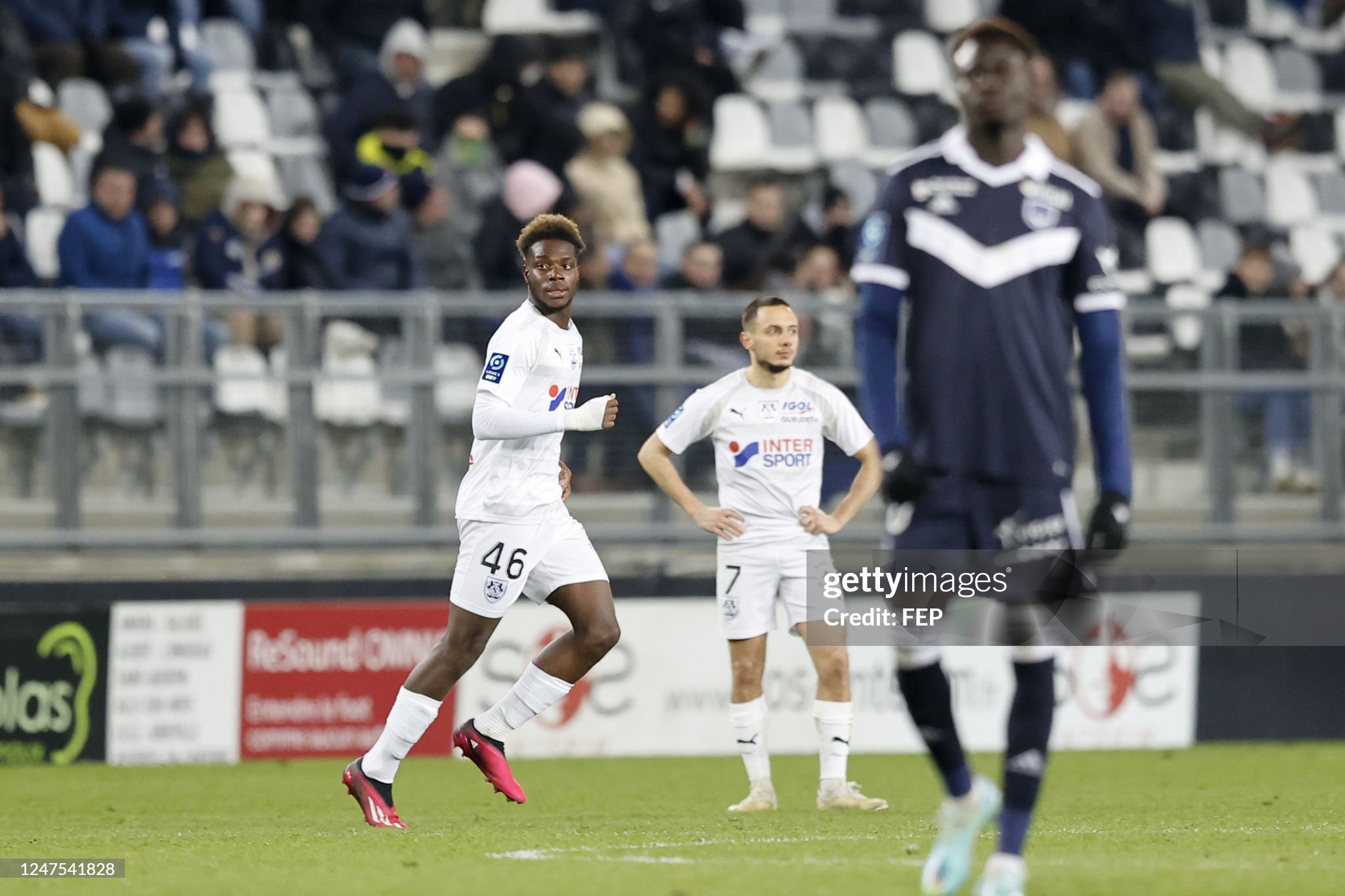
George Osrzehmen Ilenikhena was born on August 16, 2006* in Lagos (Nigeria)
*: Argentina-Serbia Montenegro 6-0 in the 2006 World Cup. God dammit.
Moved to France age 3 with his four siblings.
Joined amateur club Antony (south Paris suburb) in U11.
Scored 11 goals in 5 games at U15 level in the doomed 2020/21 season that was curtailed in October. Then joined professional club Amiens SC where he shared the pitch with Gaël Kakuta and Papiss Cissé.
George scored 24 goals in U17 whilst being U16 in 2021-22.
His 2022-23 season was a goalfest, as U17
Scored 10 in 6 National U19 games
then 6 in 10 for the National 3 team (5th tier)
Then promoted in the first team where he scored 2 in 2 starts (and 14 subs appearances)
Becoming the club’s youngest ever goalscorer at 16 years, 4 months and 28 days
Ligue 2’s youngest goalscorer since 2005-2006, and the first 2006-born player to score in GER, ANG, ESP, FRA and ITA.
Now plays for Antwerp, with former Spurs Toby Alderweireld and (shadowing) Vincent Janssen.
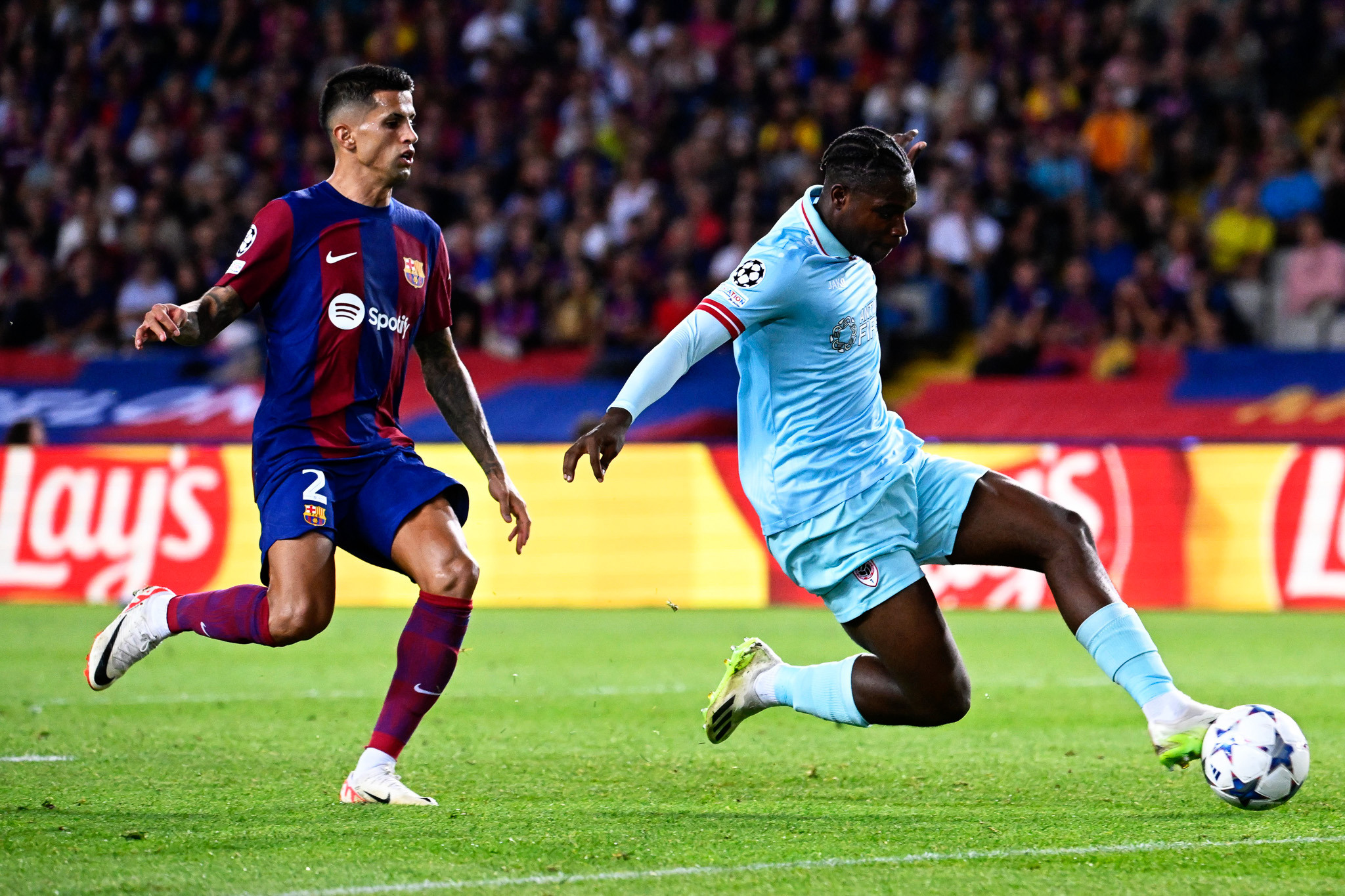
Profile
George Ilenikhena is a quick, 6ft1 (185cm) trigger happy left footed forward keen to run in behind and run the channels. His movement in the box especially on crosses is surprisingly mature, so is his ability to contest and get the better of senior defenders in a variety of duels

His game back to play has solid foundations and he’s shown repeated ability to retain the ball in final third with composure by setting up team mates.
He works hard across the backline off the ball.
His overall game will top up, and his headed play might be the aspect with the biggest room for improvement as of now.
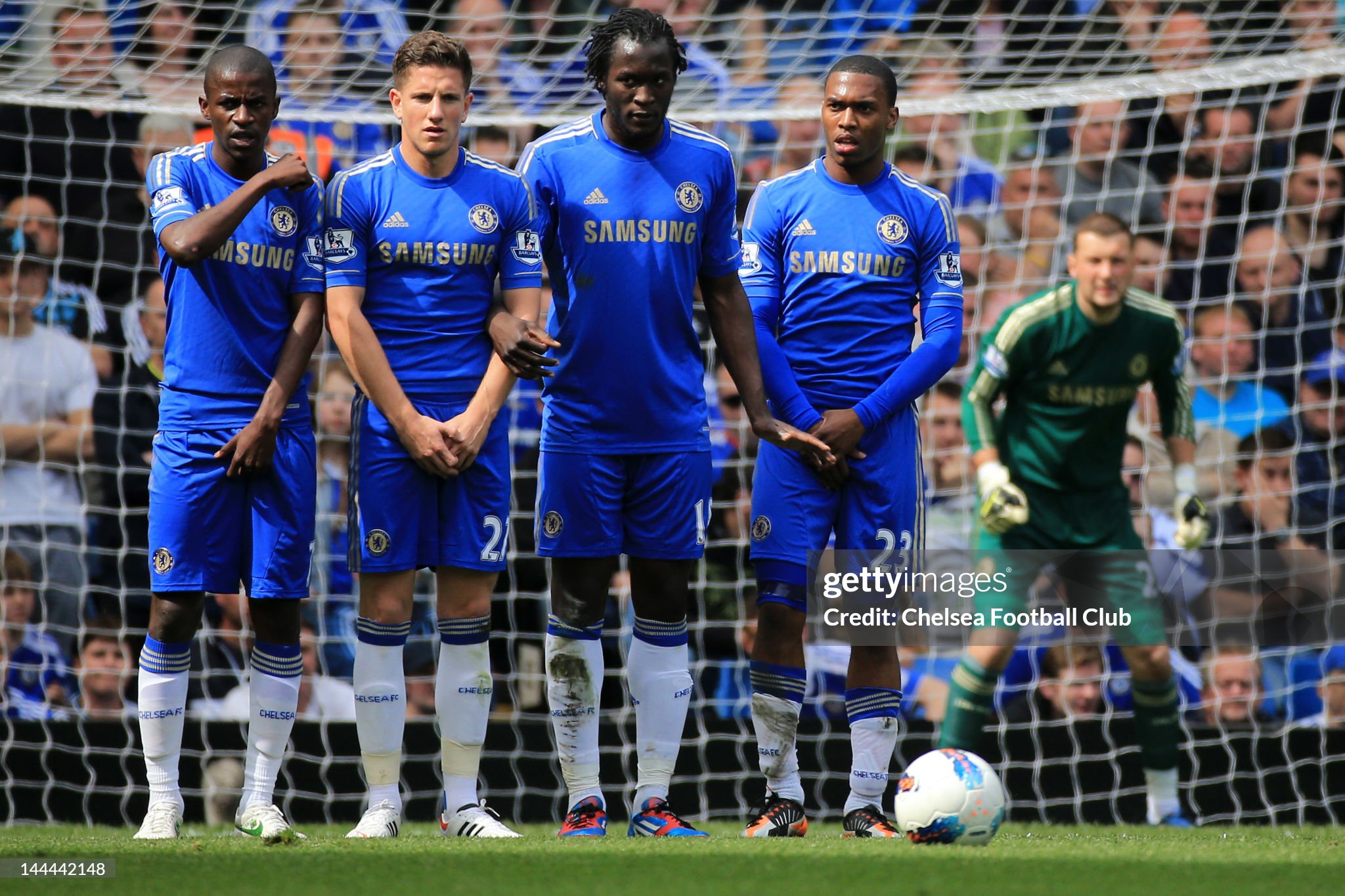
There’s non unwarranted parallels with Lukaku’s layoffs and runs in behind (and similar early struggles with Law XI), and Sturridge’s left footed variety of explosive actions off and behind the front with a similar first touch.
Format
There’s two ways to approach this George article, one relates to the player himself whilst the second encompasses the full “catalogue” of 9 plays.
I’m not using video for copyright reasons, however screenshots are chosen in a way to pay specific attention to footwork and act as “dots” on the trajectory of runs.
Most of the coaching points are therefore evergreen, and re-usable, which is the thought process behind these presentations.
We’re gonna call him George because it feels convenient to do so.
Separation movement
Separation on crosses
Double movement in the box
Run behind the CBs
Double movement in open play
Evading the defender’s field of vision
Dotting the i on needle passes
Cat and mouse
Out of sight close to heart
Channel running
Roll the CB
Intimidate the CB
Separation to cut inside
Creating space
Back to goal
Finishing
Carrying
Playmaking
Headed play
Flick ons
Workrate against the ball
Gamemanship
DATA ROOM
Um, maybe wait for him to like, start a game?
Under the radar, but still over Osimhen’s radar
Separation movement
Striker movement can be worked on, and in case of George, probably has been.
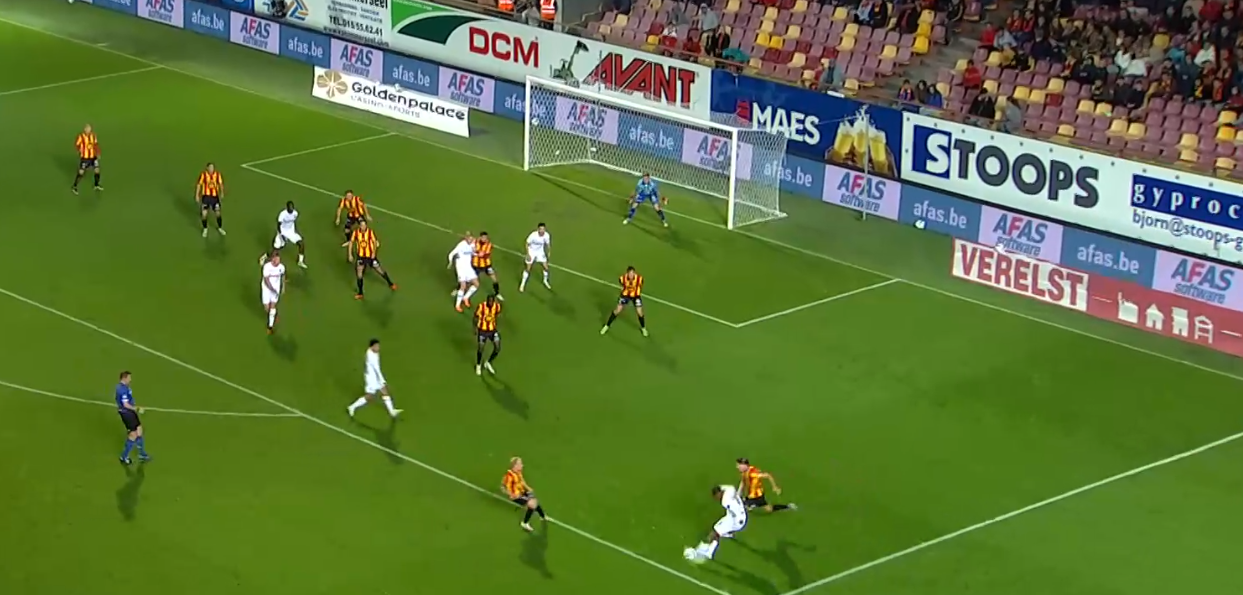
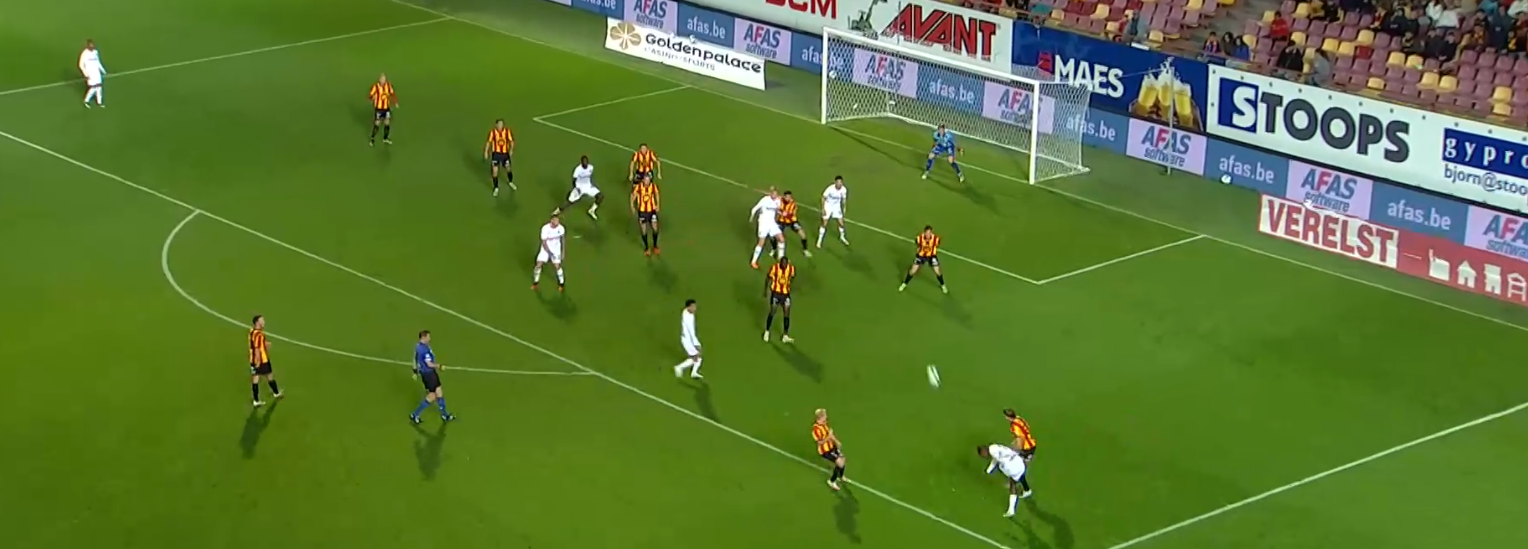
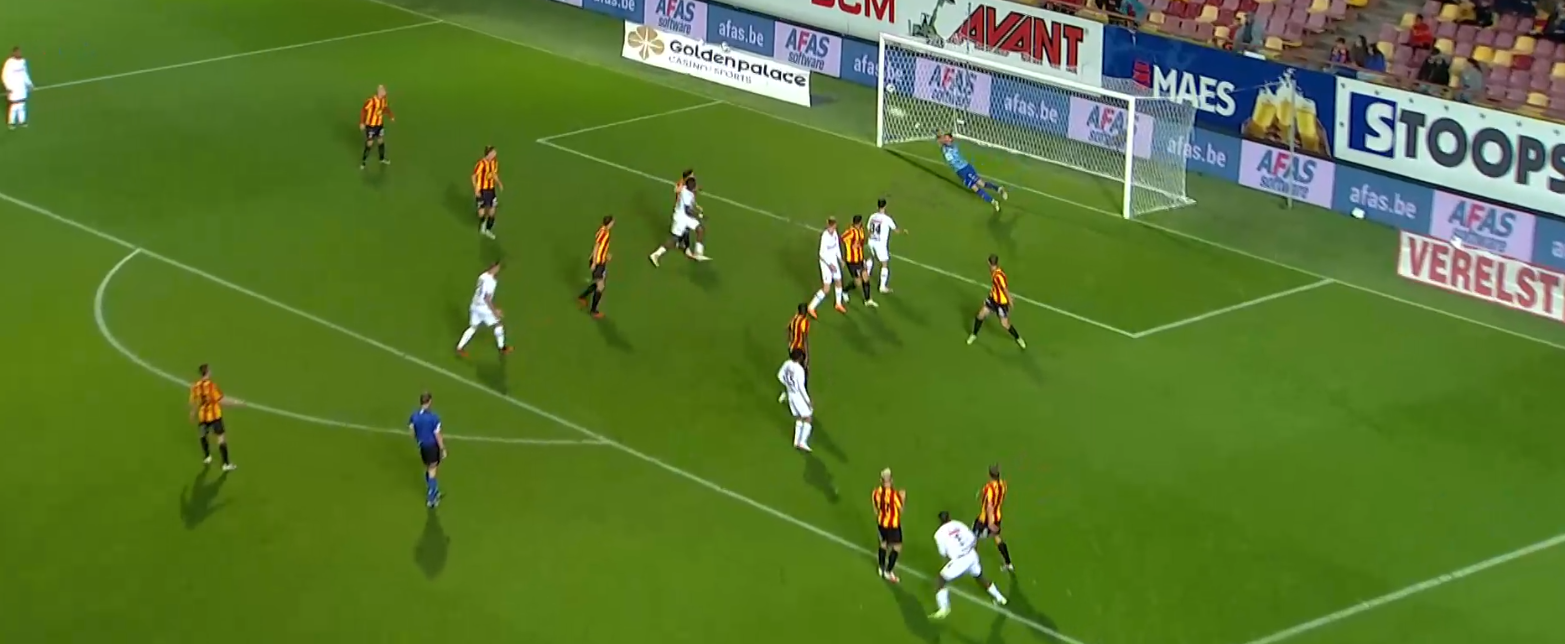
A first look at his goal vs KSK Lierse Kem gives a good idea about how dynamic and alive George is inside the box.
Nevertheless, players usually find what works best to receive the ball in prime positions on crosses or in open play.
It’s about identifying good tendencies, as it’s always better to have a good base to work on (rather than expect Kai Havertz to not ask the ball at the third post this time)
Strikers are like sunflowers, if the ball is the sun.
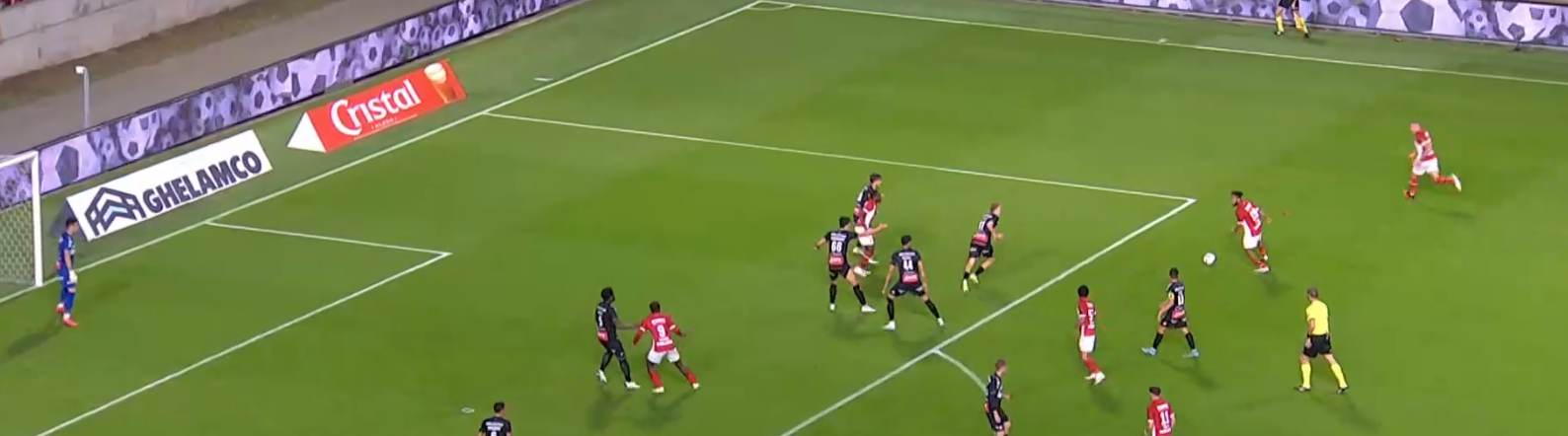
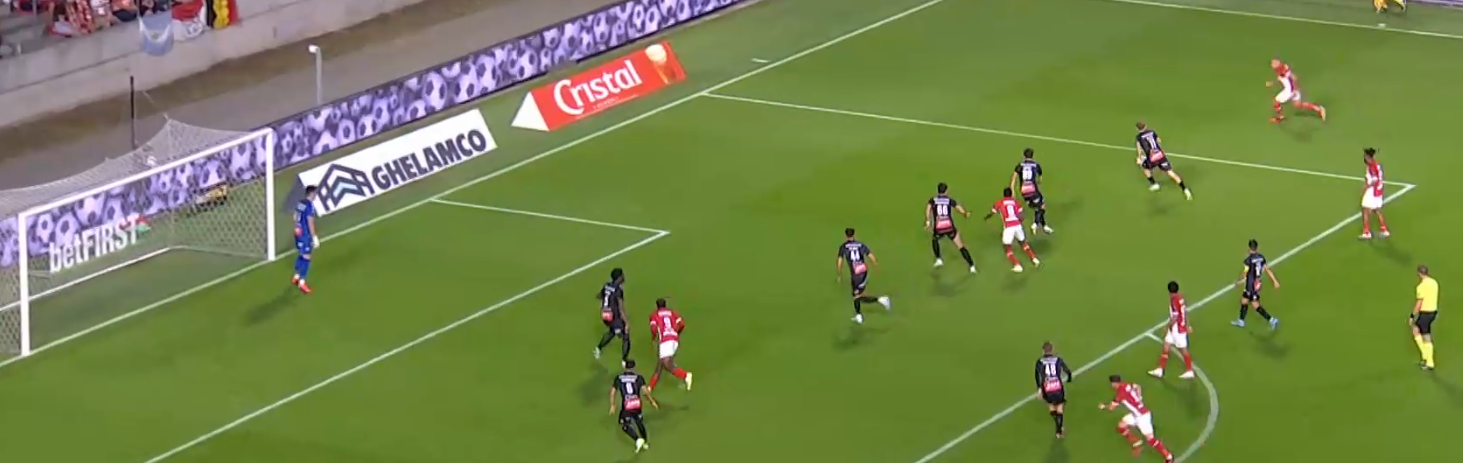
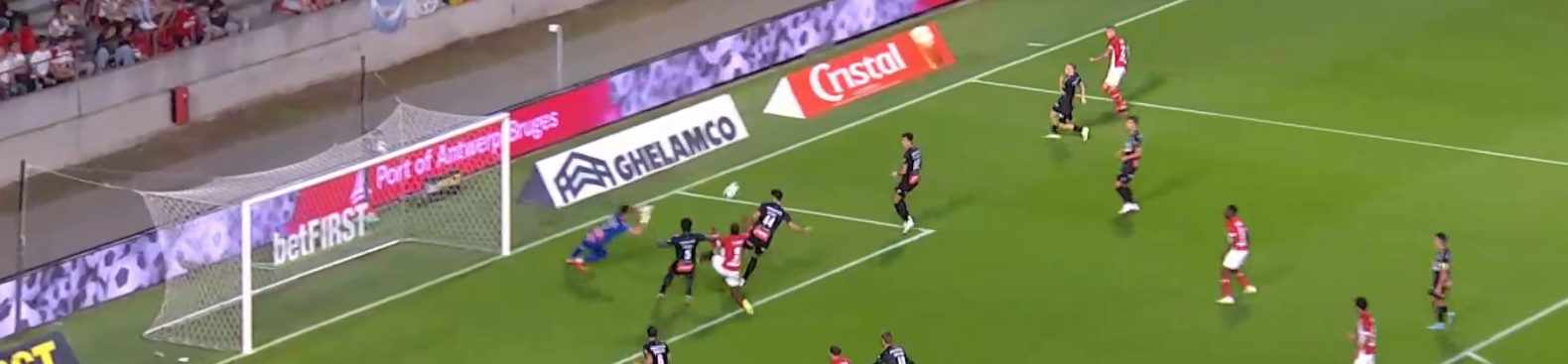
Separation on crosses
Finding separation on crosses rely to three pillars:
Gather momentum
Exit the defender’s field of vision
Dart when the ball is hit


Double movement in the box
Strikers need to “be alive in the box”, therefore have to go again if the first move doesn’t work out because not in sync with the passer.
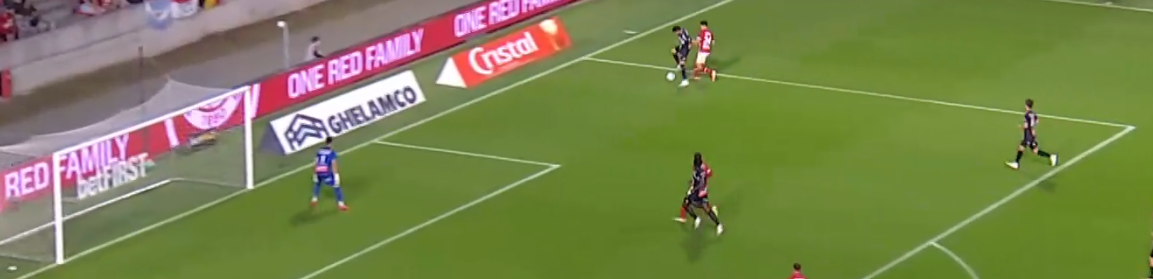
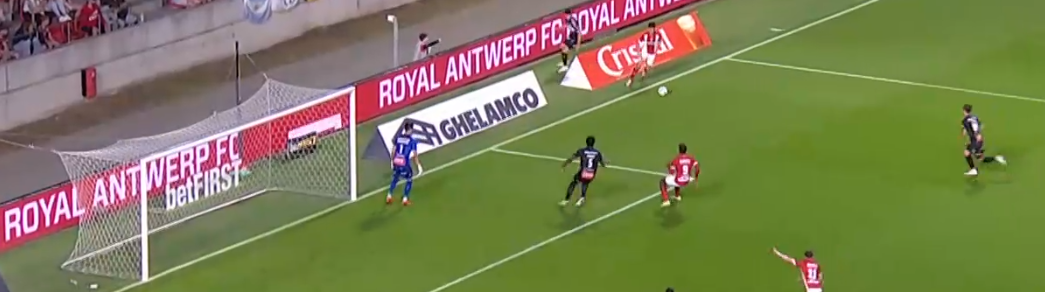
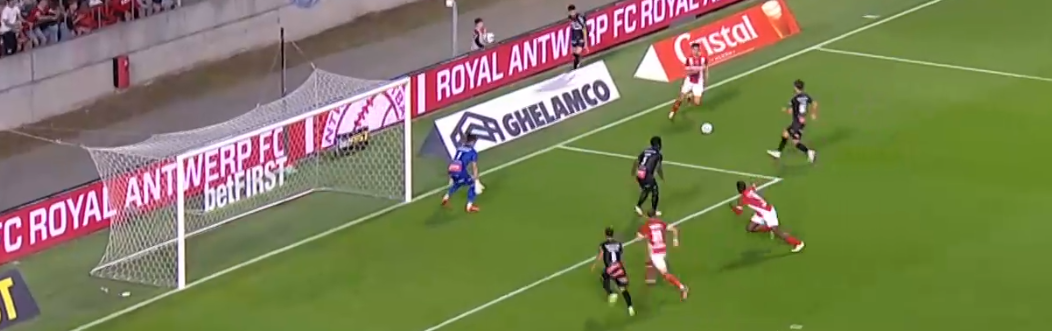
Runs behind CBs
Attacking decision making relies on the reading of a set of similar situations, such as the behaviour of the CB pairing when exposed: do CB1 and CB2 stay in position, are pulled out (and do the fullback take a nap).
The quickest strikers computes it and takes advantage of the space vacated, the better. Football is a game of real time problem solving and quick thinking.
Not playbook memorizing with wall passes 9.

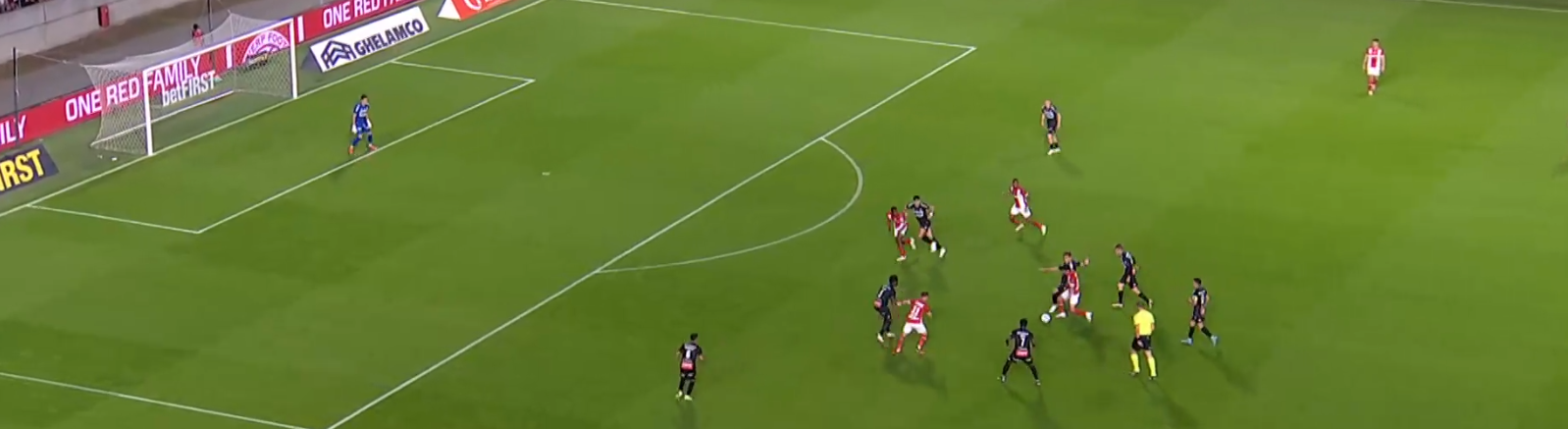
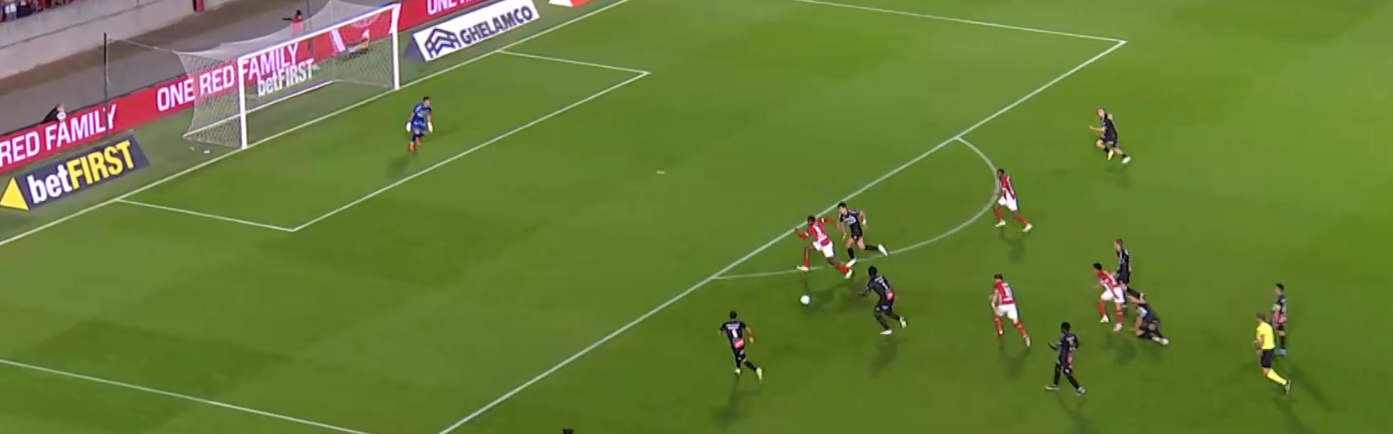

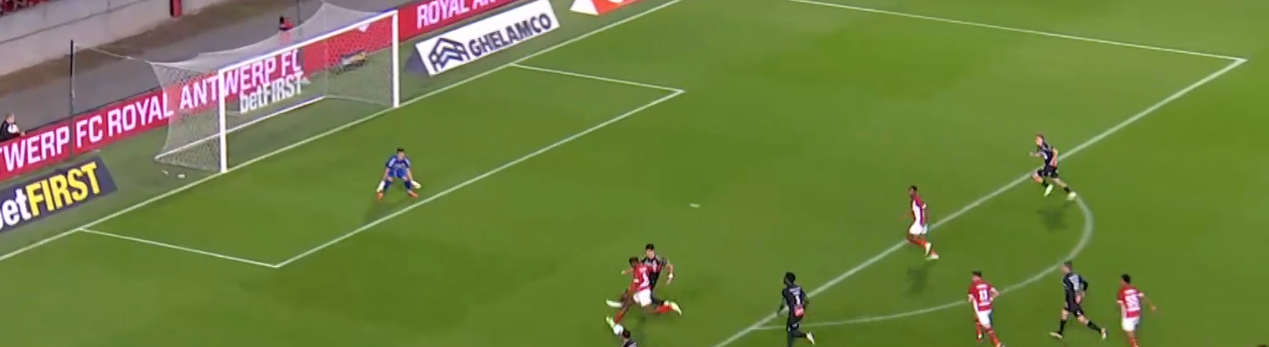
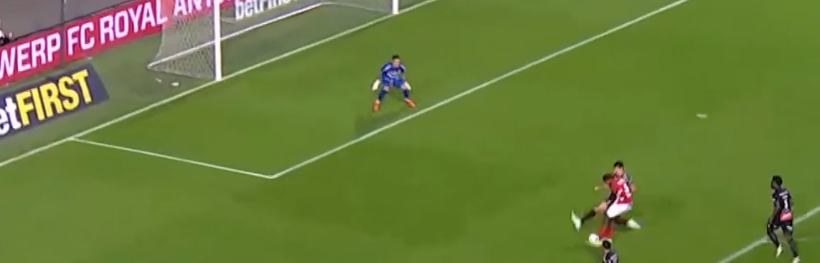
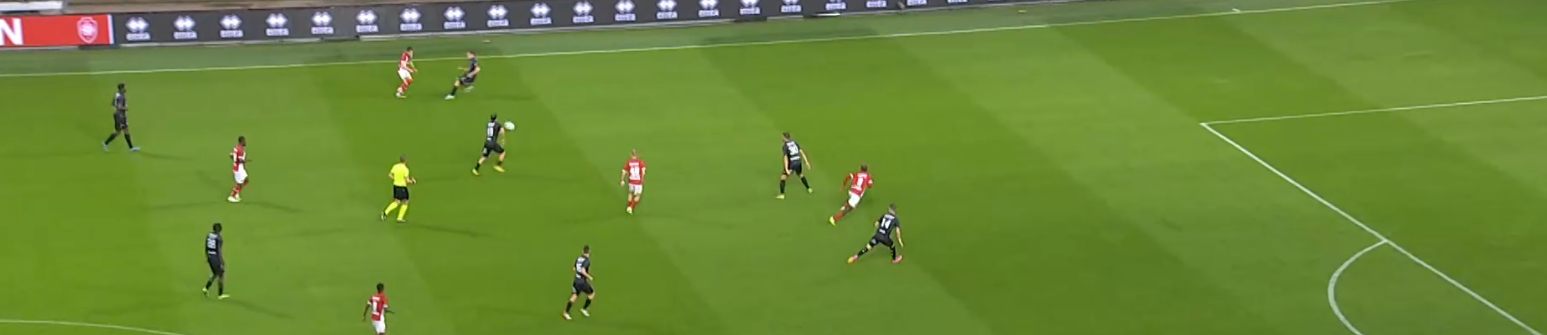
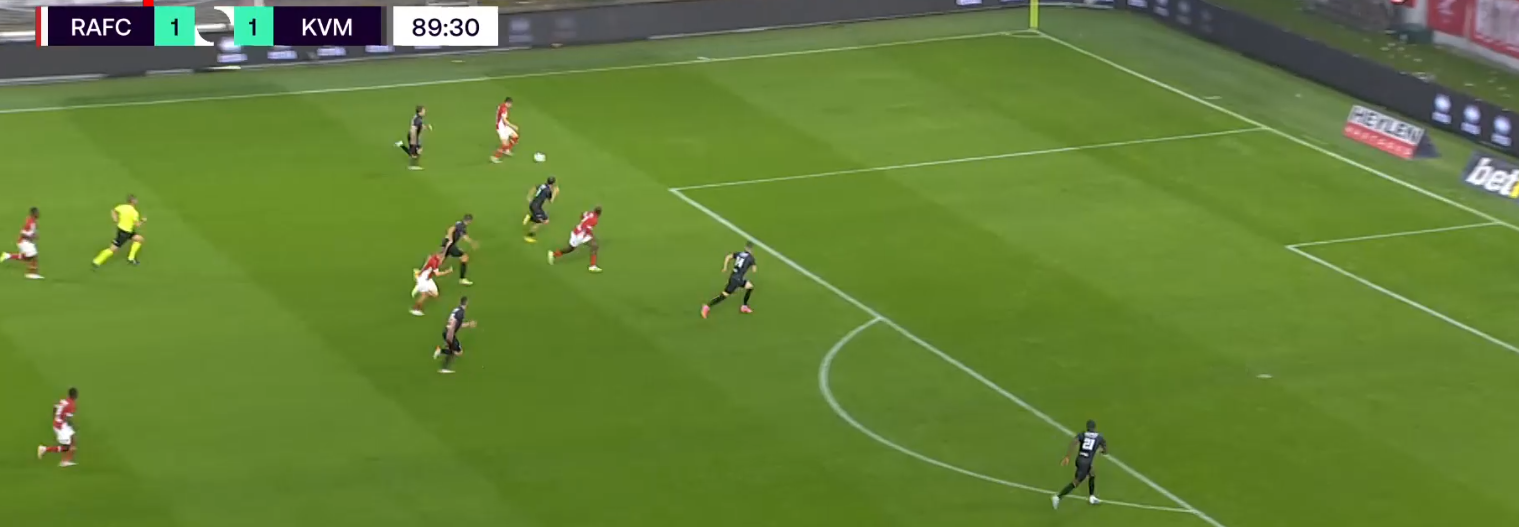
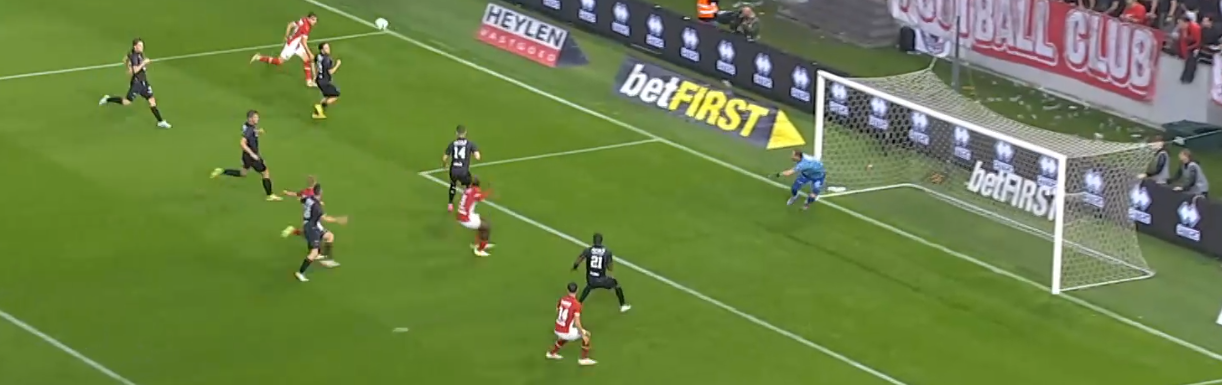
Double movement in open play
Succesful strikers’s rate of “runs” for “runs for service” has to be akin to 4 to 1.
No different on that play, especially when different players have different readings of the situation.
Antwerp have a LW on the ball, a 10 and George upfront.
Lack of pressure on the carrier + fullback drawn out invites to exploit the space behind the fulback.
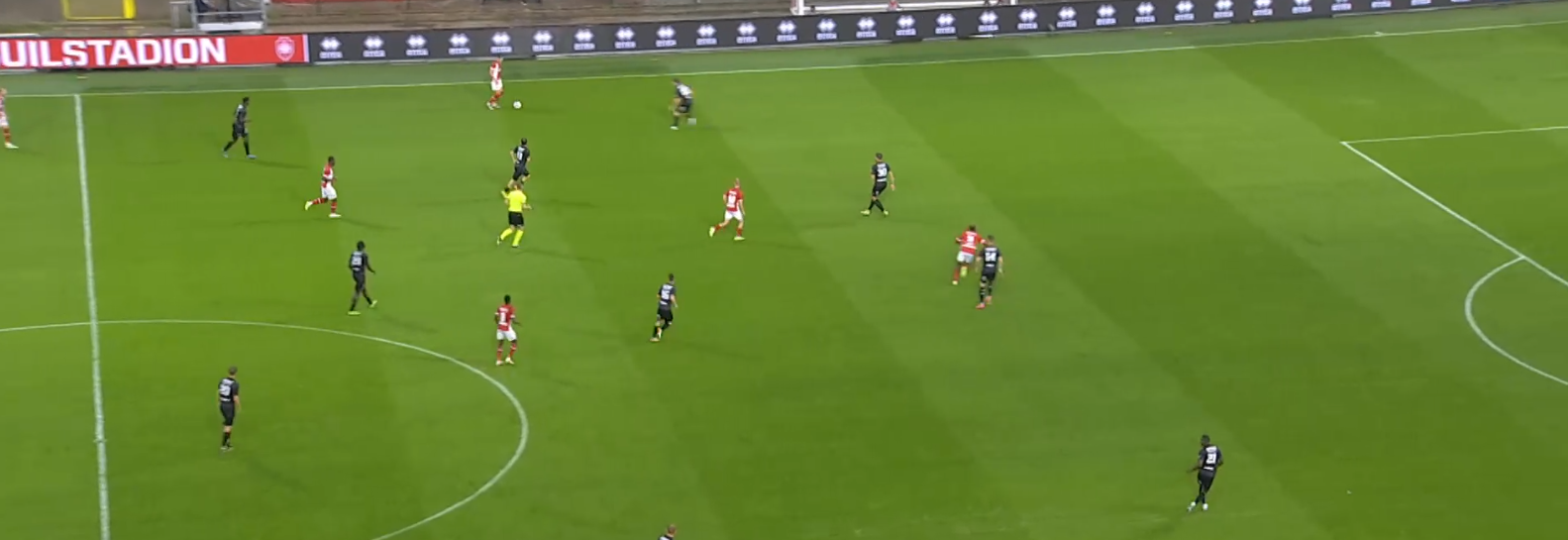
Evading the defender’s field of vision
Working the backline with runs still need to feature the succesful criteria that is to evade the defender’s field of vision at some point.
Strikers are usually invited to stay whithin “half a box” wide of each other (20 meters / yards) and exploit consecutive intervals
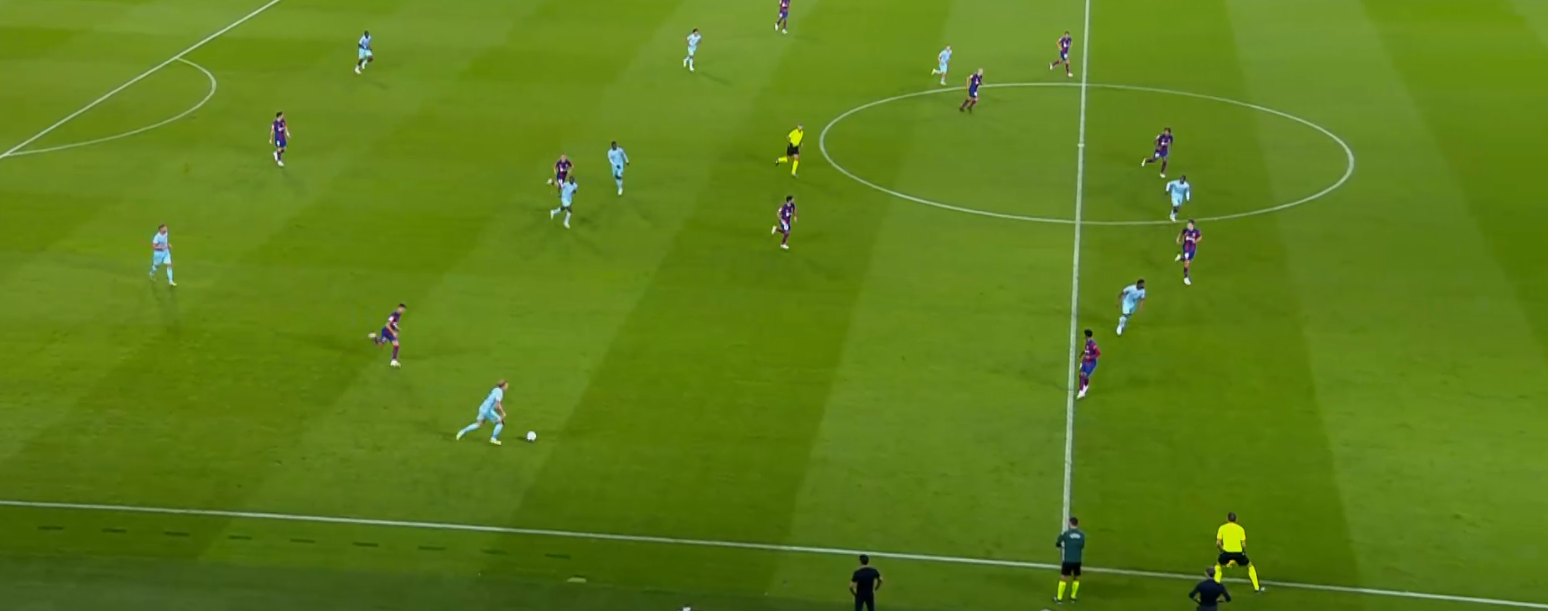
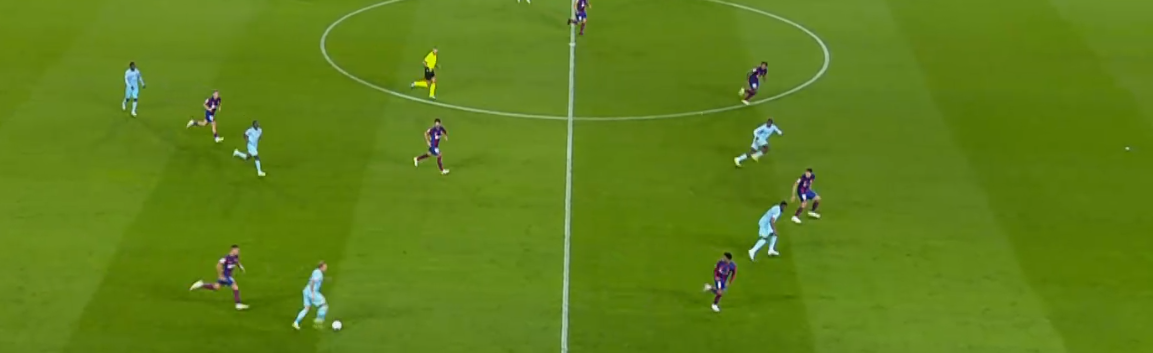
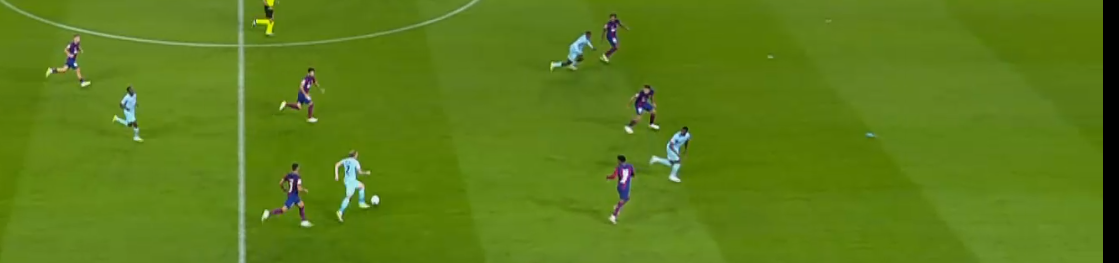
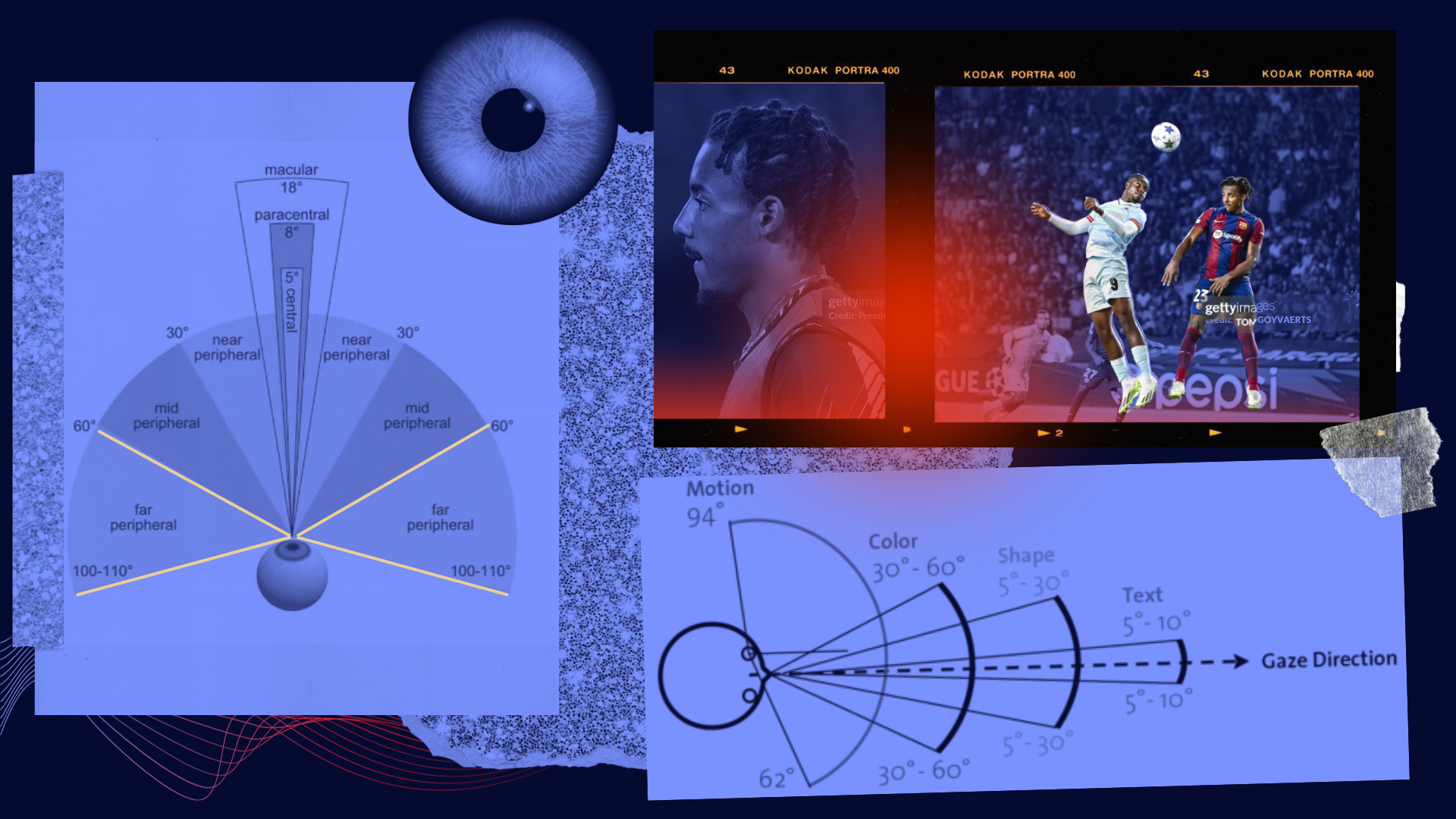
An introduction to how the field of vision functions helps to figure out what strikers have to take advantage of. Put it simply, strikers need to be a presence in the area where they’re a “moving color shape” at the edge of the field of vision (the “far peripheral” area).
Defender knows there’s something moving there, but unsure what it’s really about, will inevitably check his shoulder (at the very moment when he should be making a decision to step in or back off).
That’s what gives the striker the edge, and makes the defender trailing.
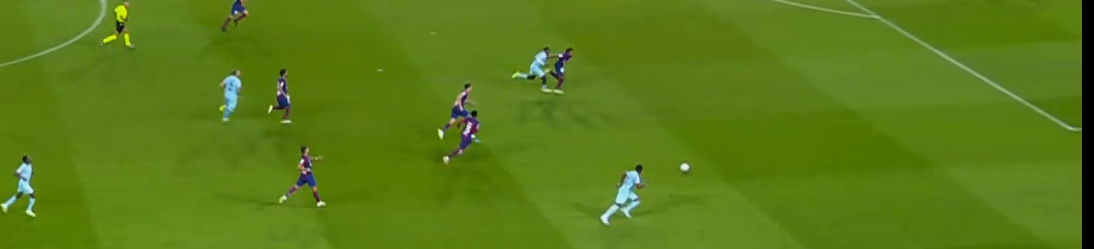
Let’s keep in mind the importance on staying on that “far peripheral” area
and how George (and every half decent striker pulling his weight, really) fares on every play.
Dotting the i on needle passes
One of the things midfielders love is to have options ahead of them
One of the thing strikers love is service into feet
Why can’t they find a common ground more often?
It’s got to do with synchronisation, and exploiting small windows of shared “affordances” (defenders sees the space / option and feels he can play it, so can the striker). Coaches’ role is to design situations in training where players encounter these situations, not scribble a whiteboard and waste erasable ink.
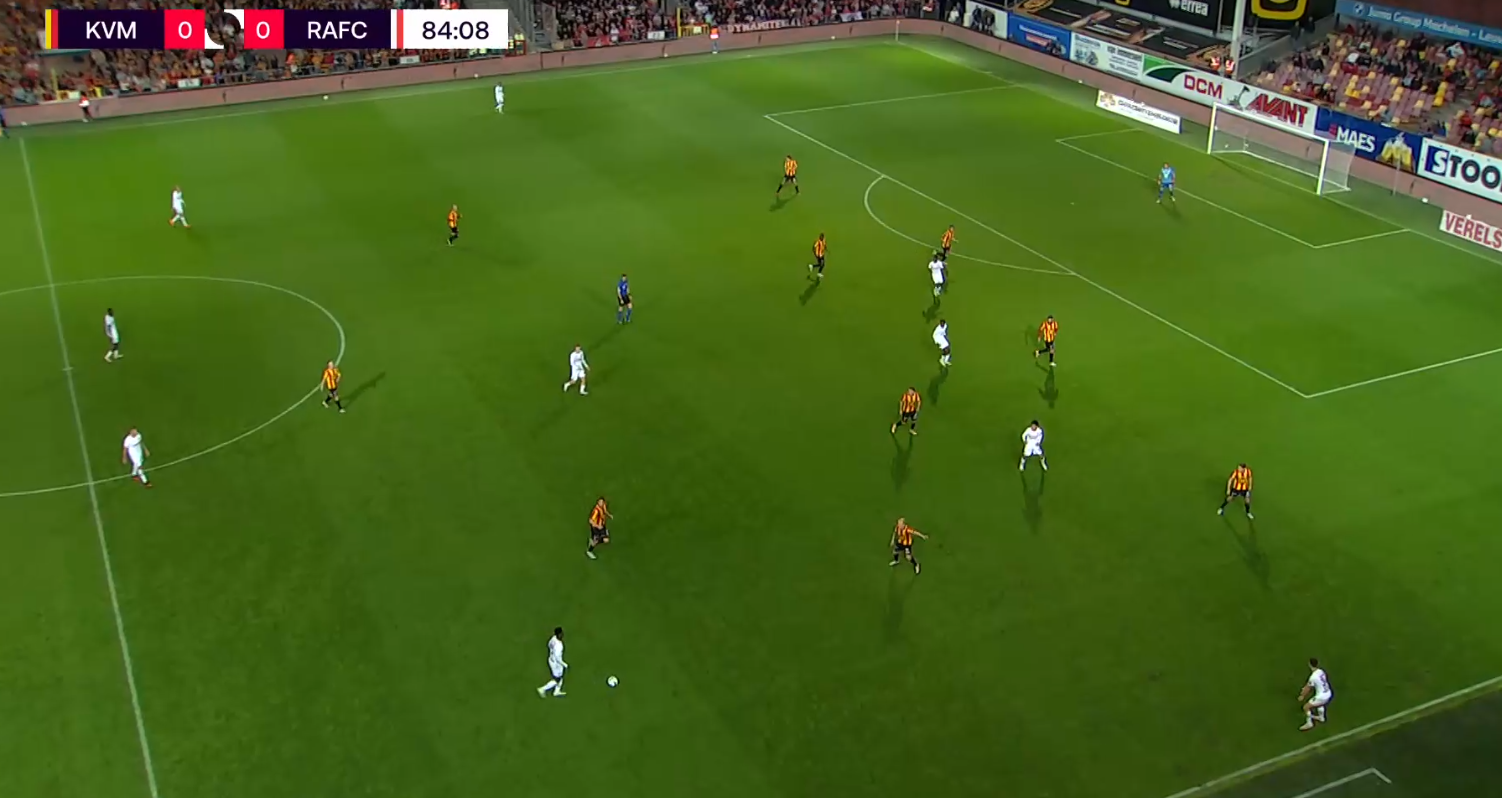
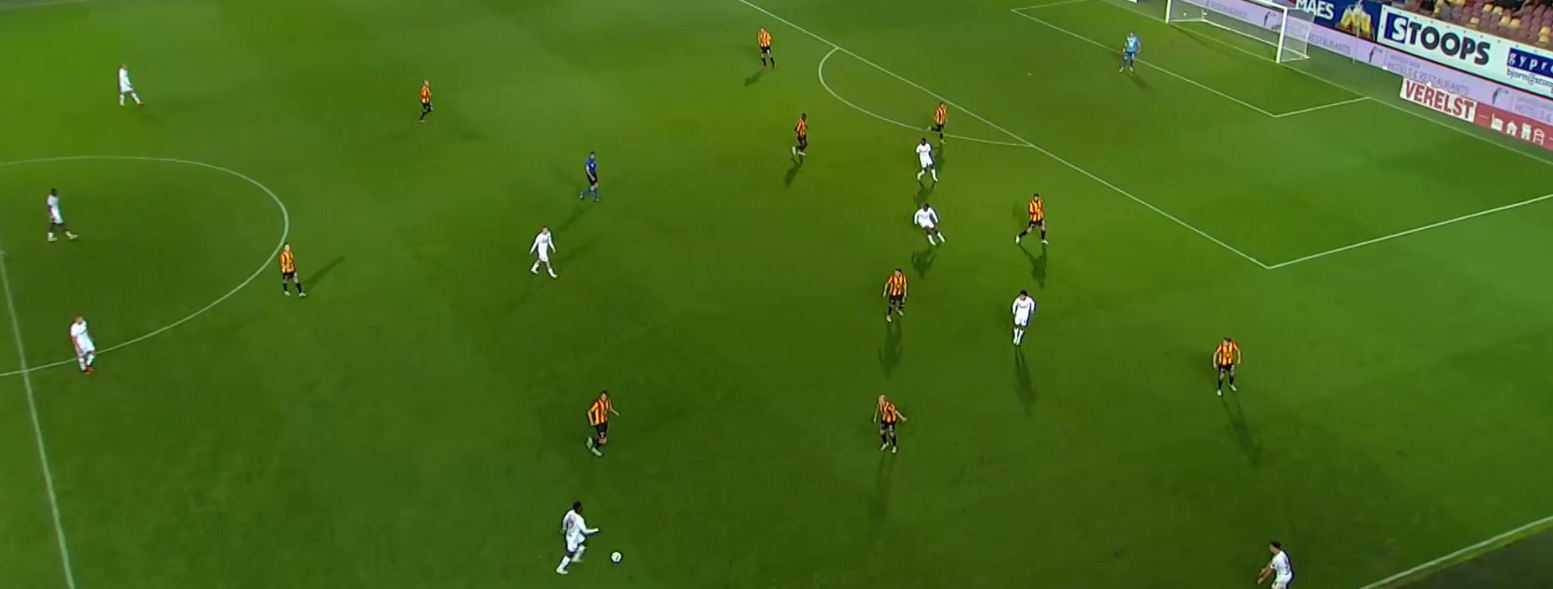

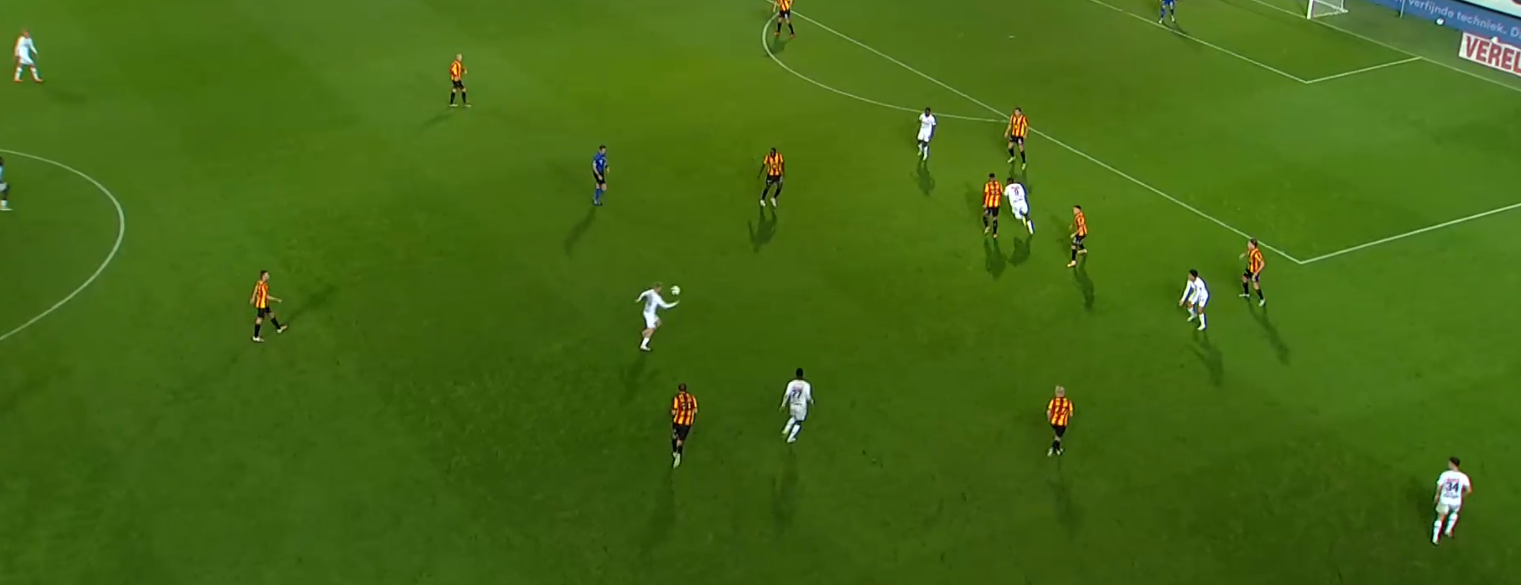
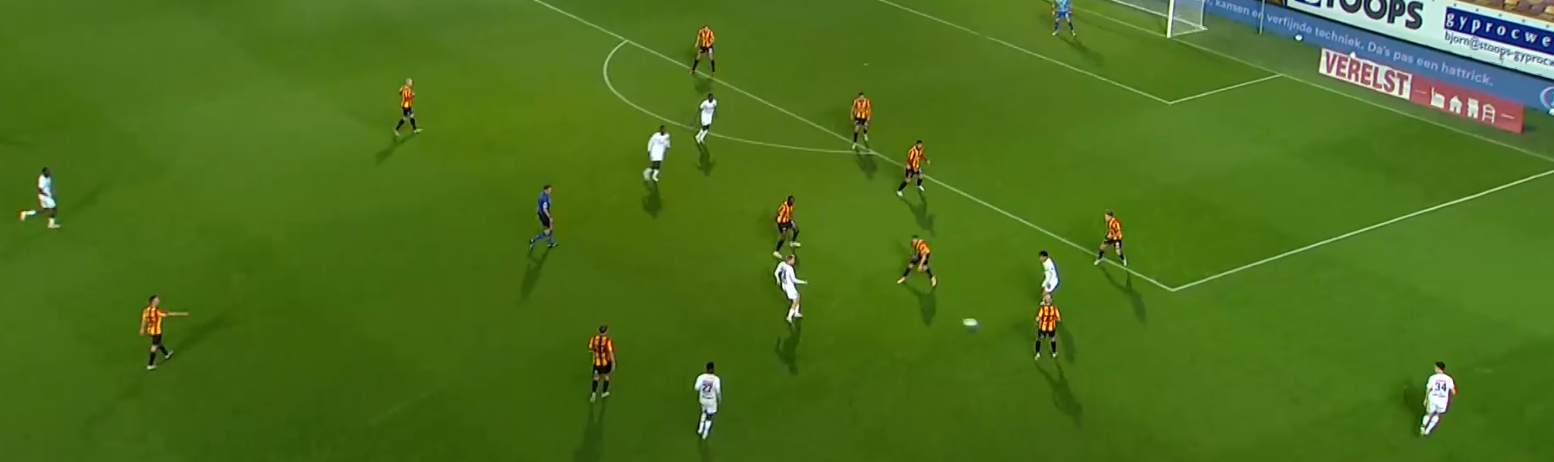
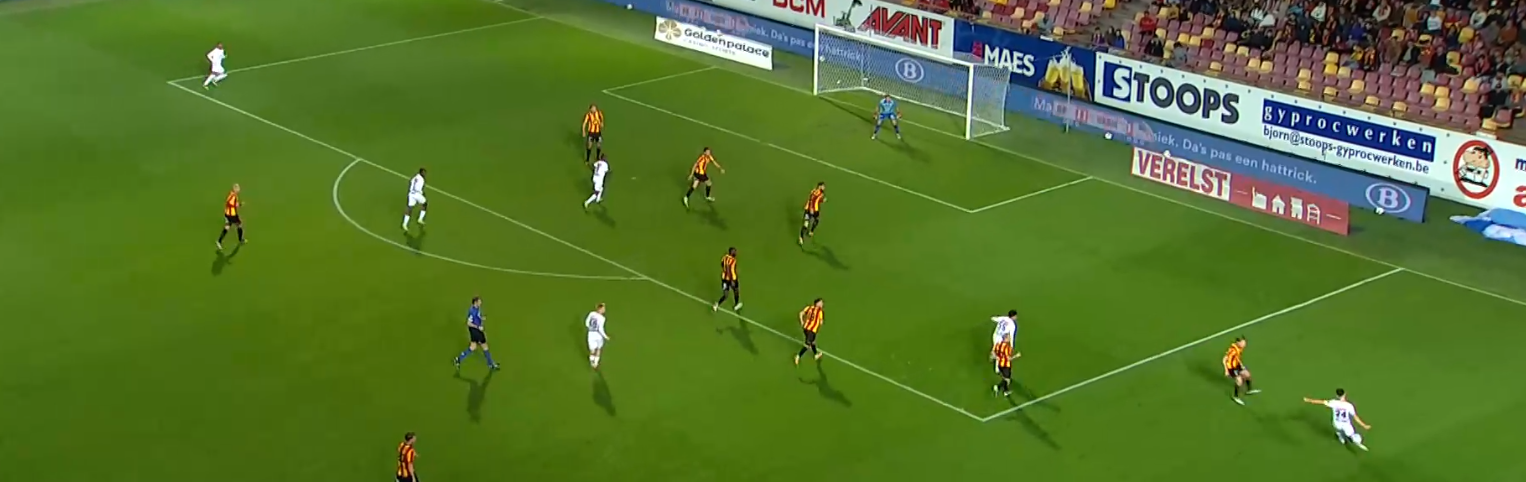
Cat and mouse
One of the most important things to teach strikers is to go against the flow, play cat and mouse… basically being different.
This is why holistic recruitment is the only way to succeed when scouting forwards.
You want mavericks, because they think differently.
– Ball moves to the right, you go left –
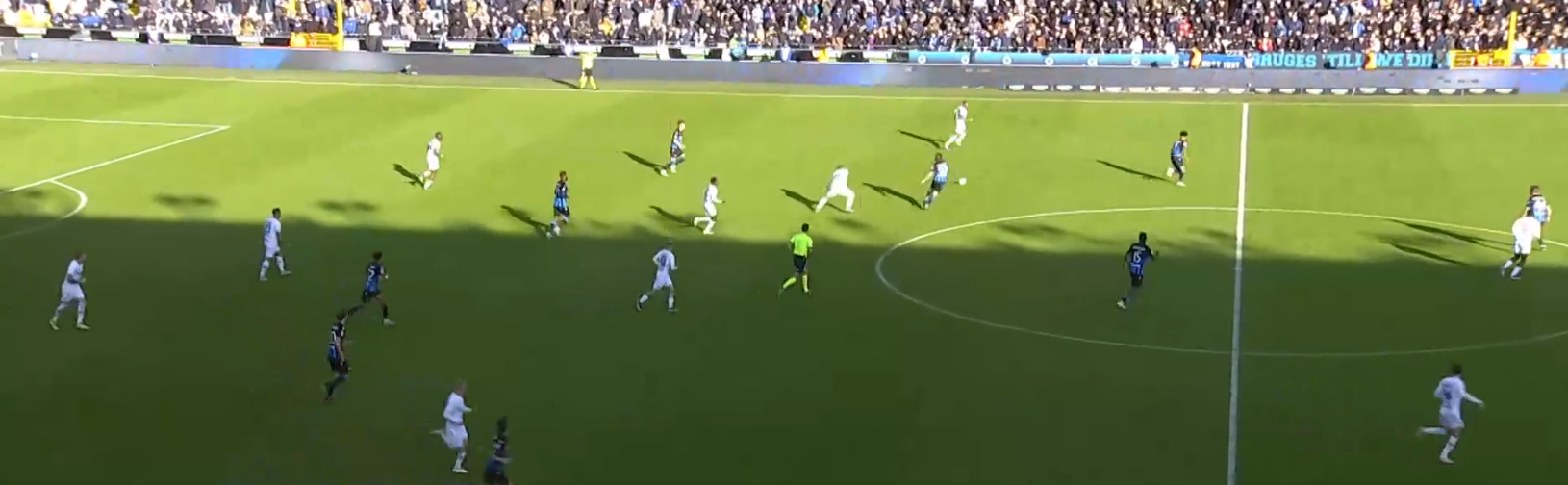
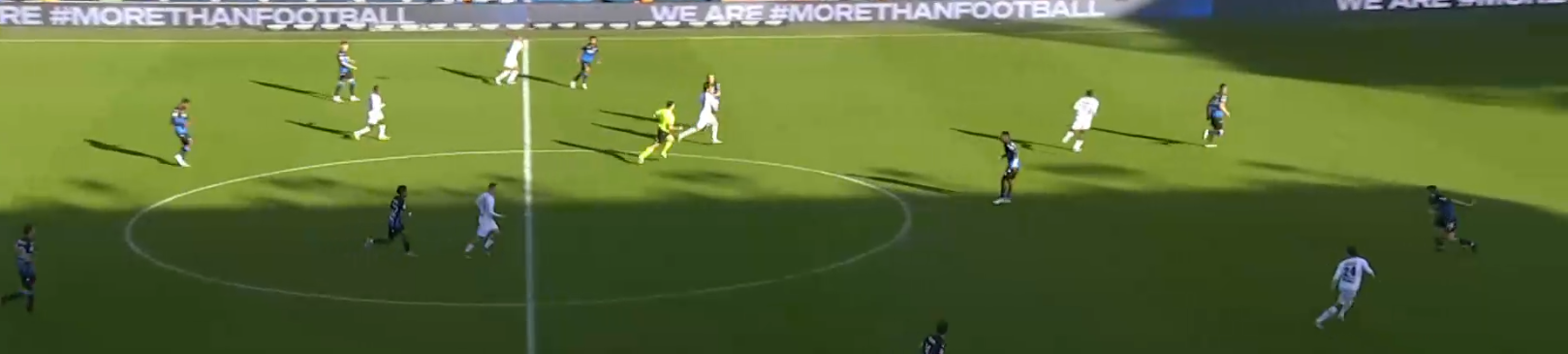
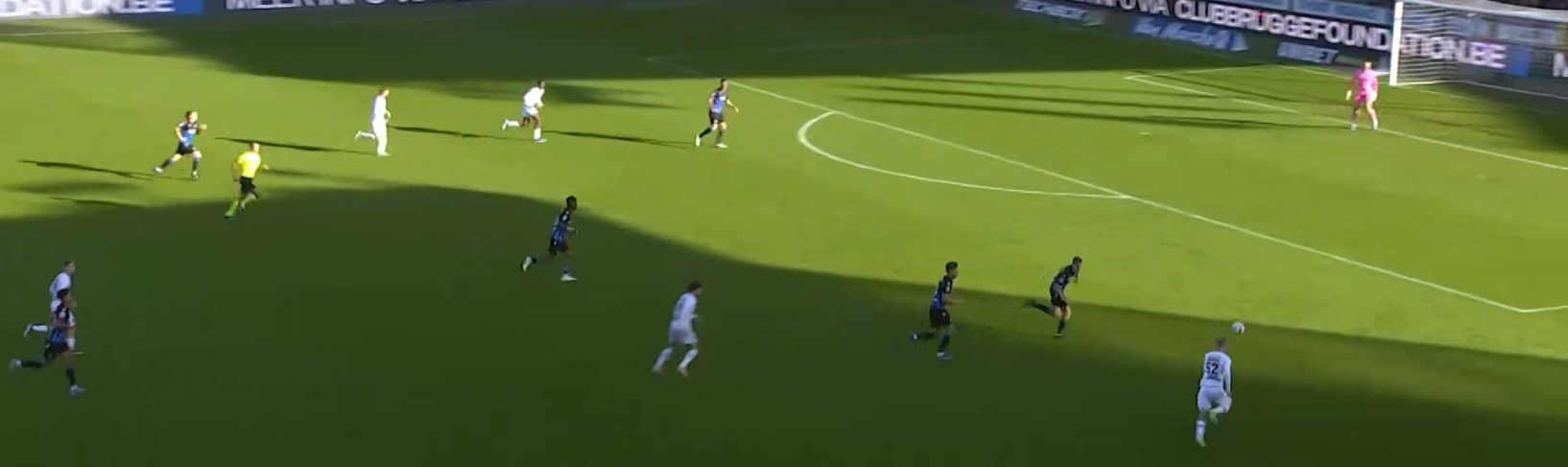
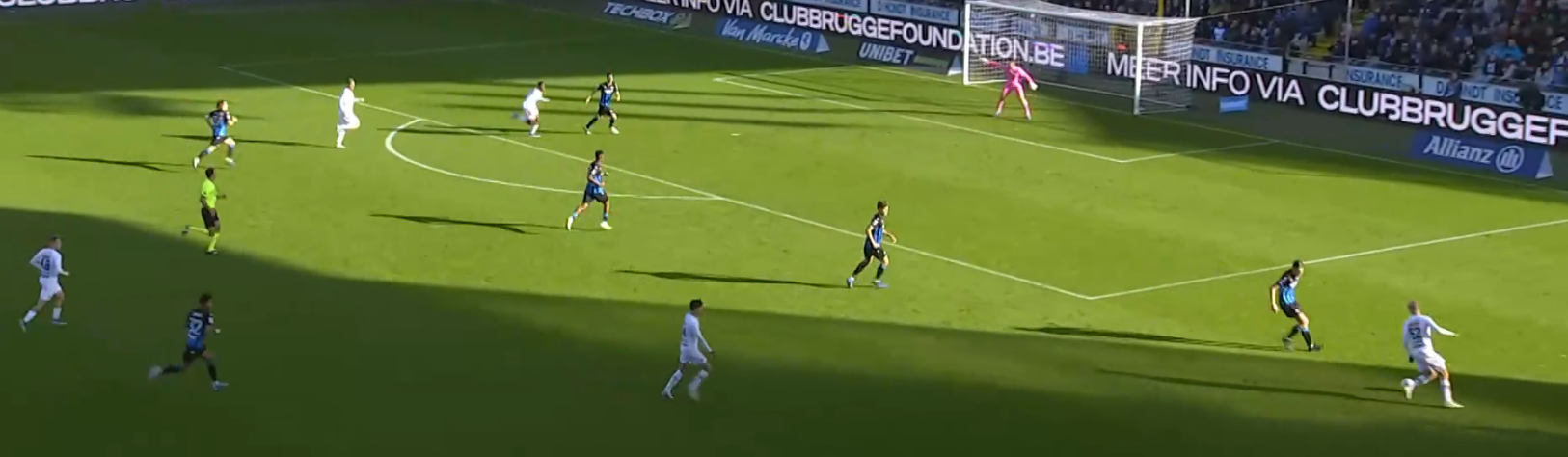
Out of sight close to the heart
Always starting from the opposite side CB (ideally, 2/3 distance between them) which ranks between walking on a LEGO brick and an english power plug for CBs as for things defenders don’t like.
George’s still kind of the far side CB’s zone but not quite, and not really in the near CB’s zone.
When exactly do you pass on the marking duty.
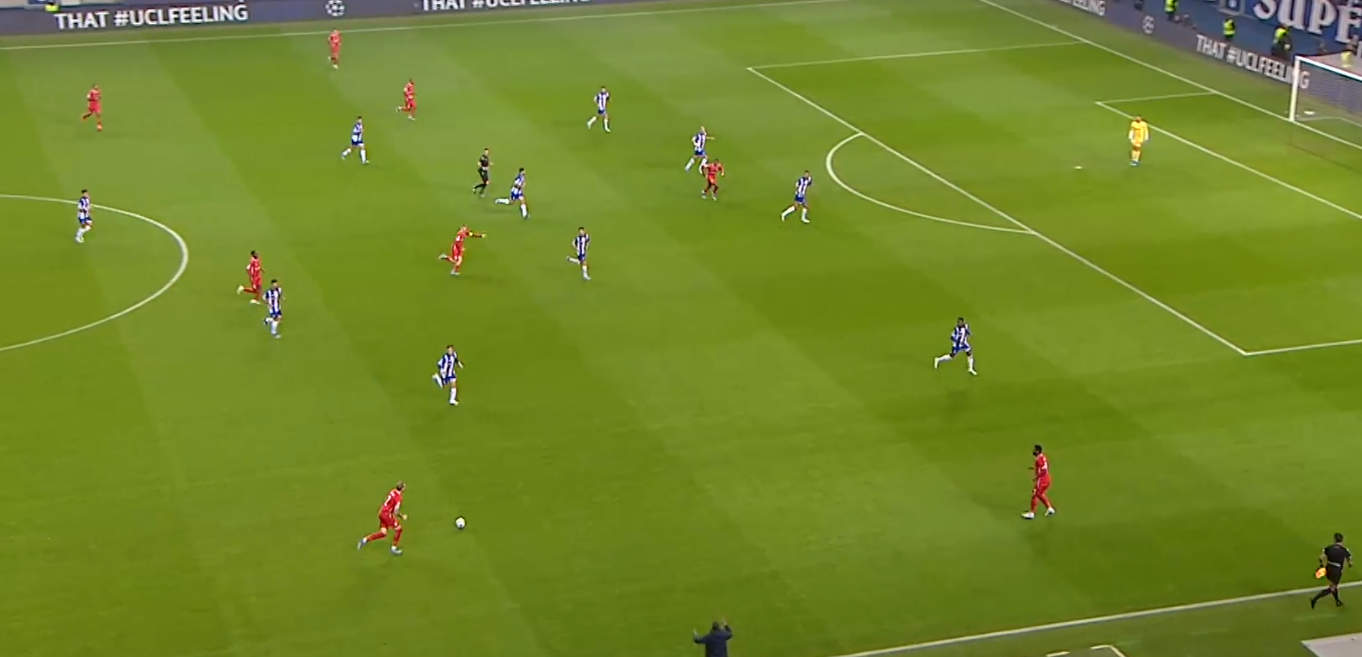
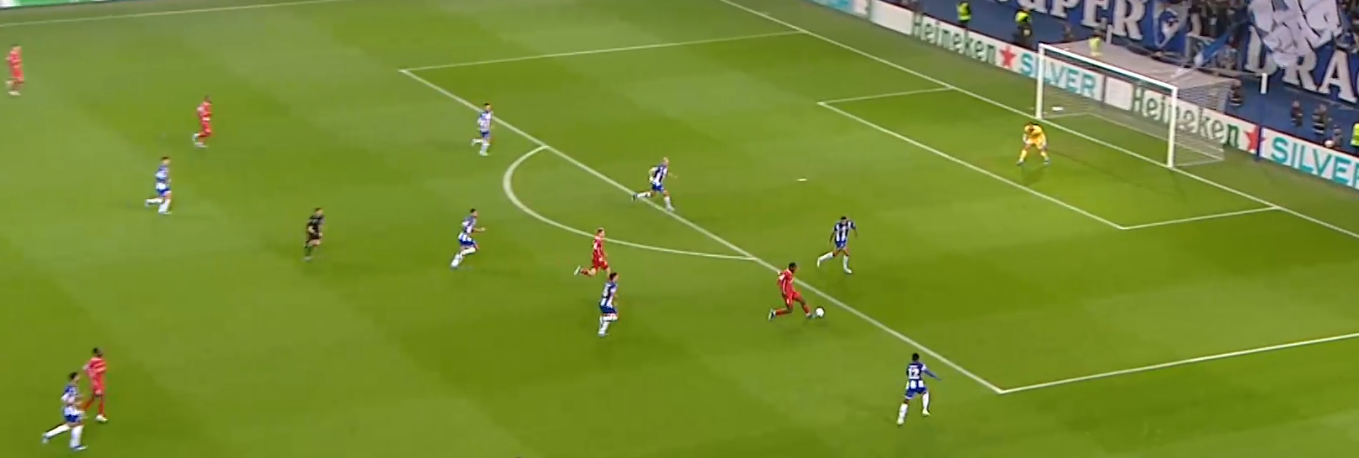
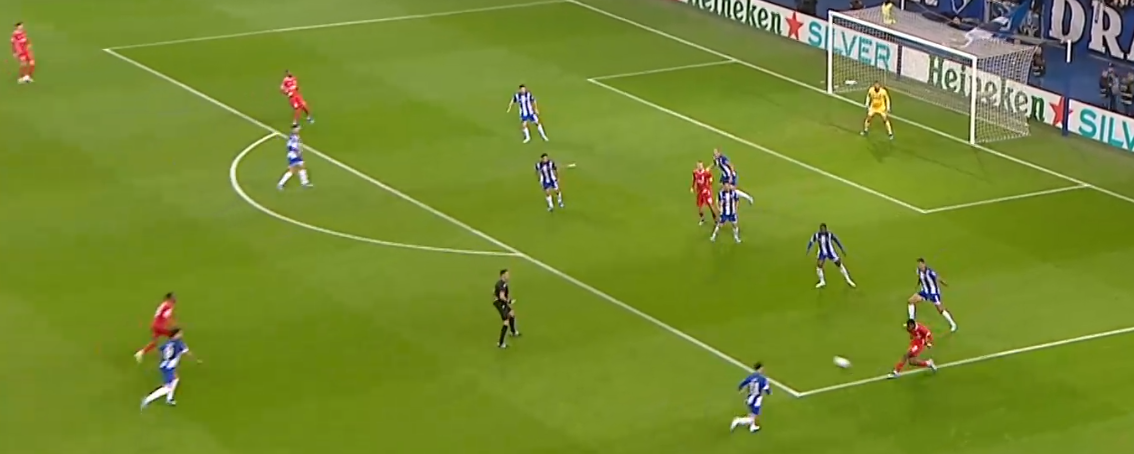
Channel running
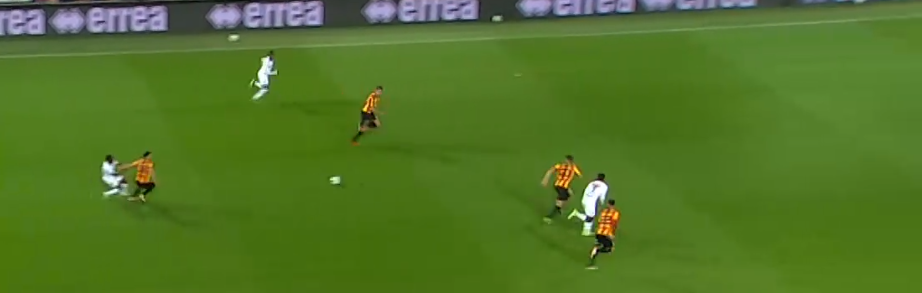
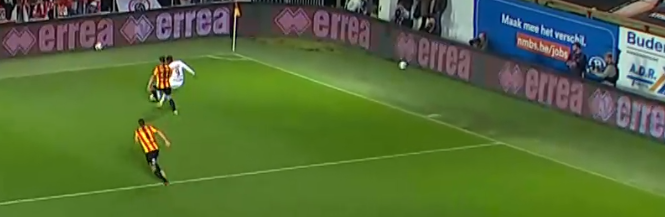
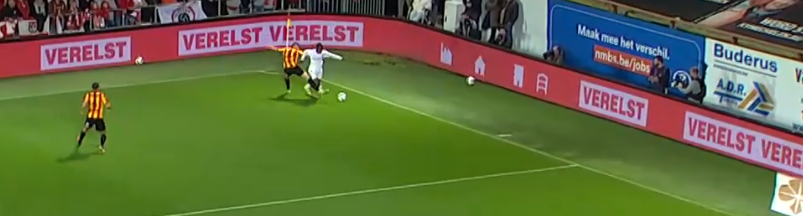
Running the channels is an essential game demand (yet doesn’t appear in most galaxy brain tacticoachs’ game model), to relieve pressure to teams when they want to get out of their half.
It answers to the reading that the opposition’s fullback is out of position, therefore asks a question to CBs whether to track that run wider than the box.
CBs hate having to defend wider than the box
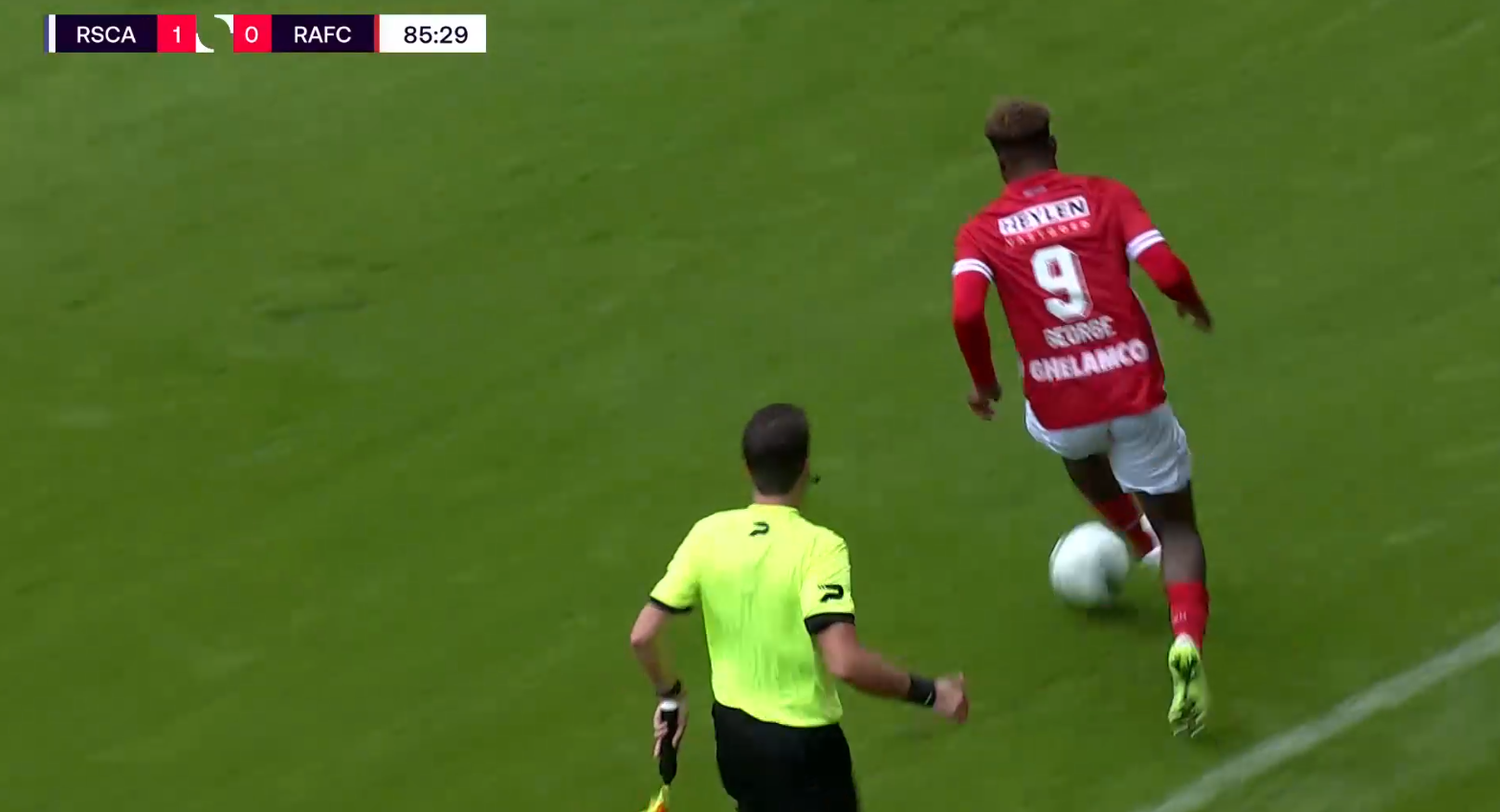
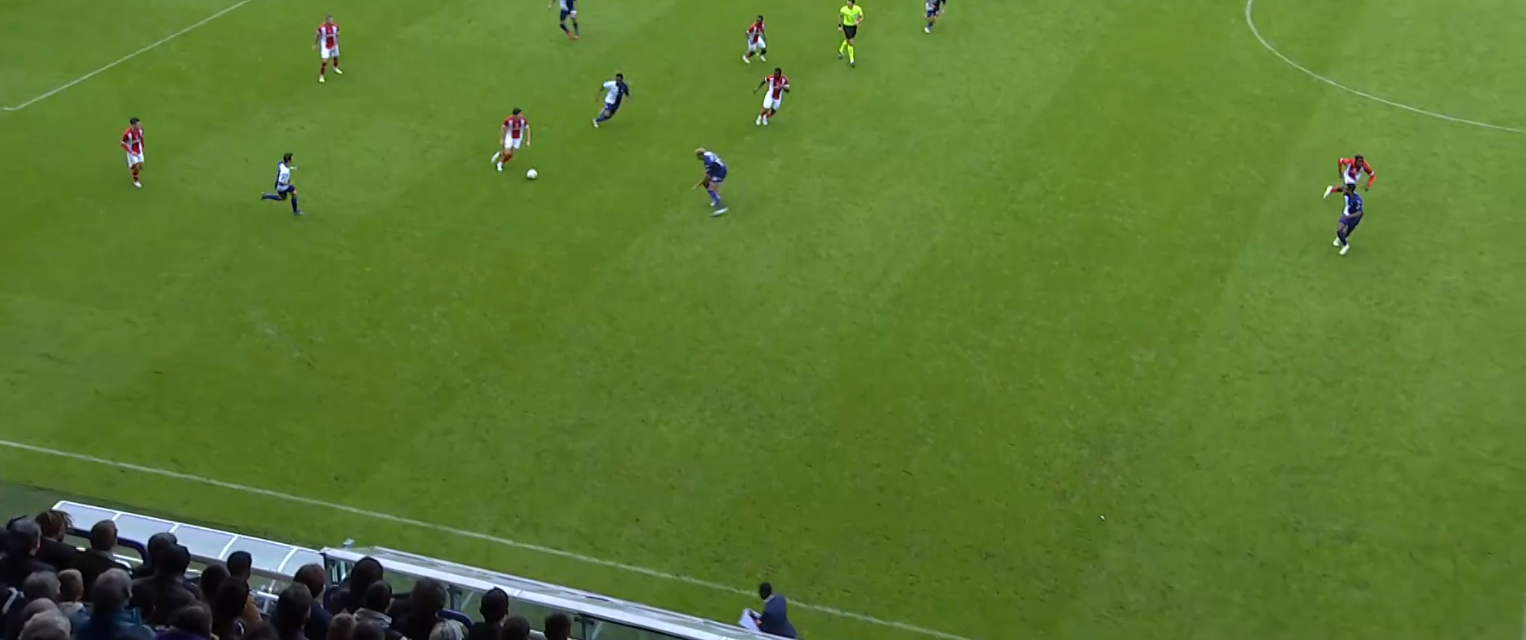
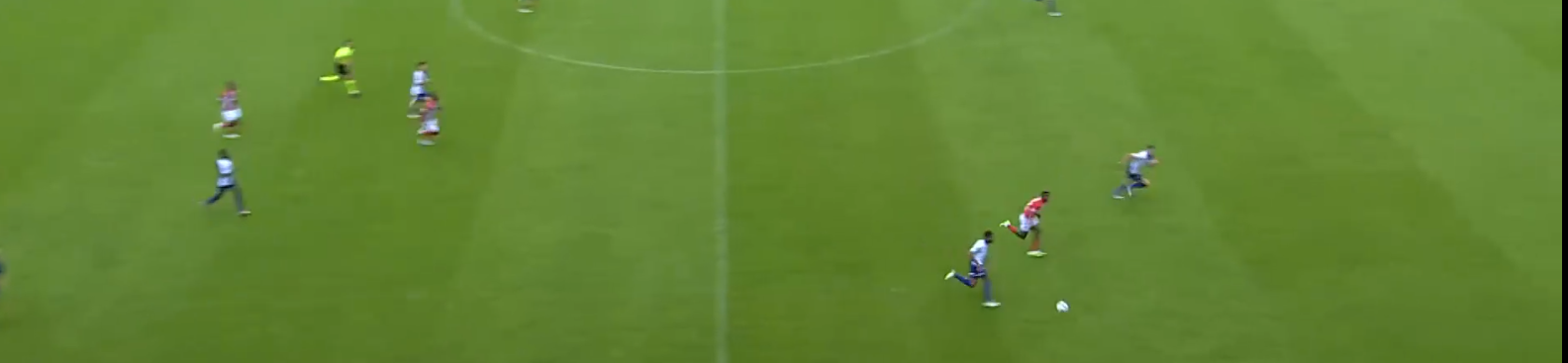
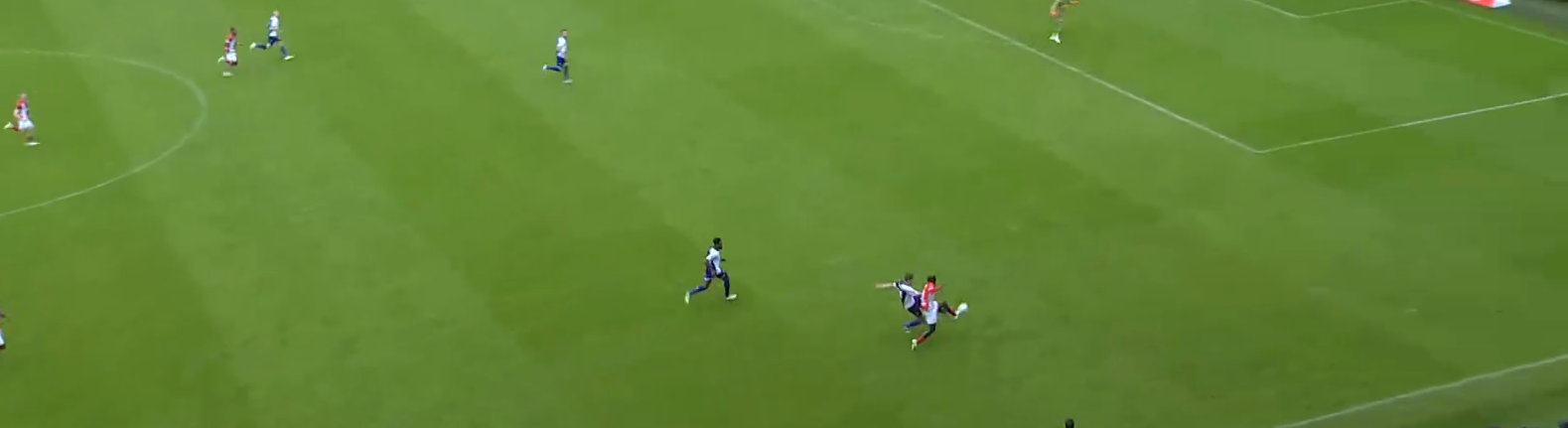
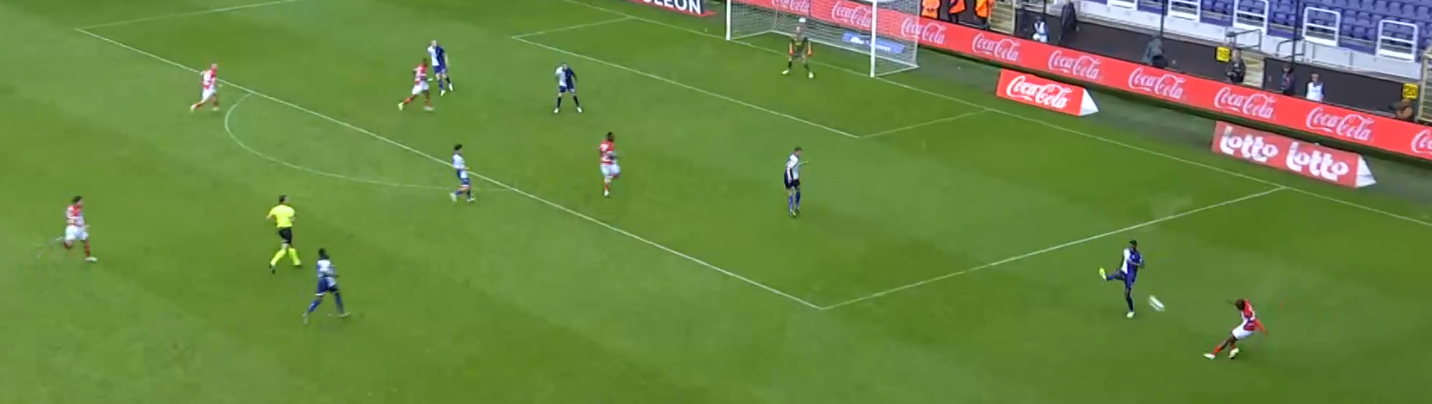
There’s running the channels, and there’s doing it with poise


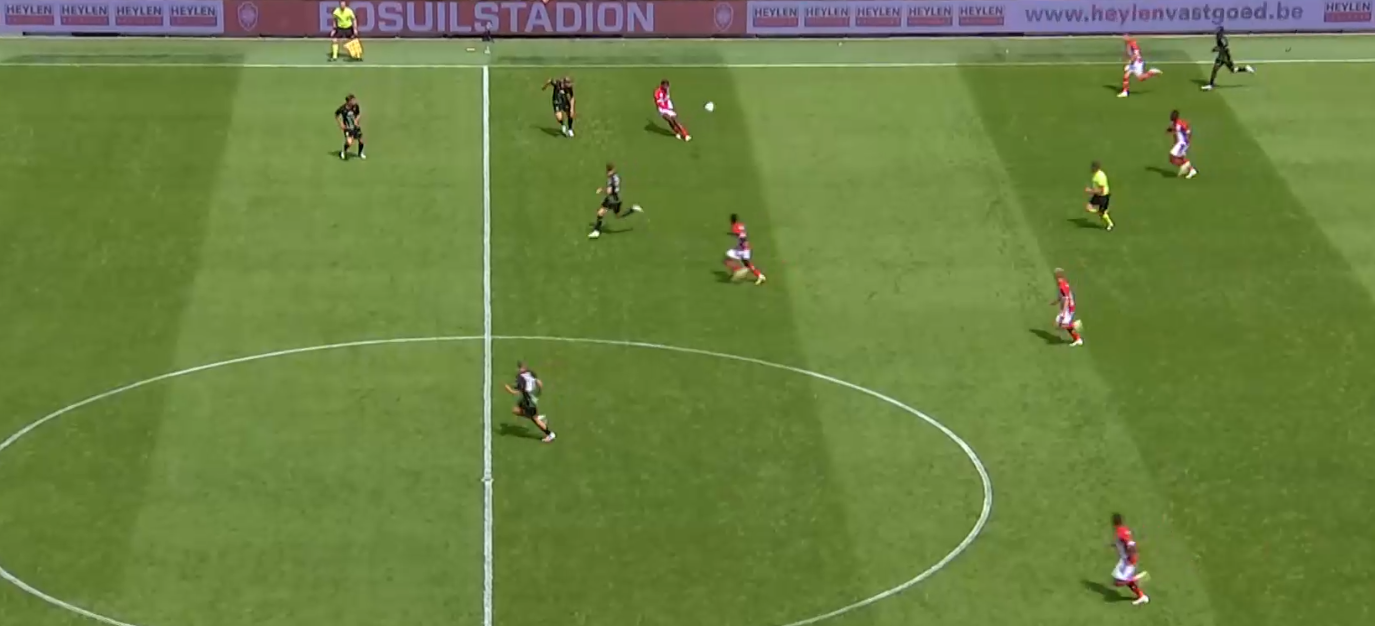
There’s running the channels, and there’s doing it with guile
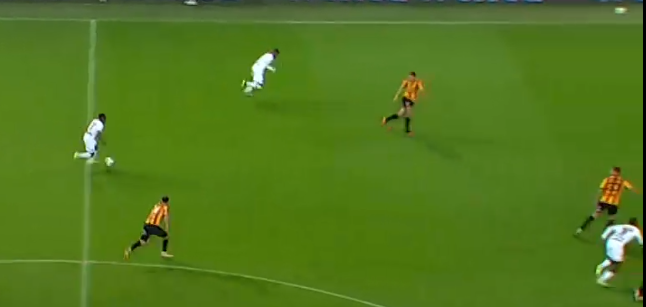

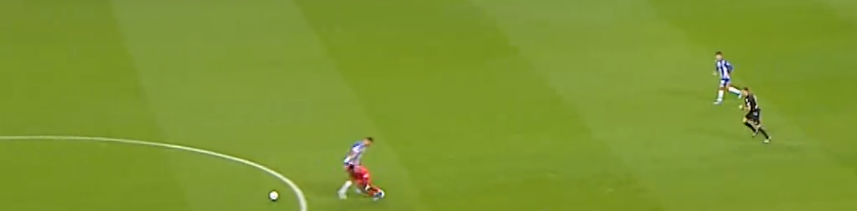
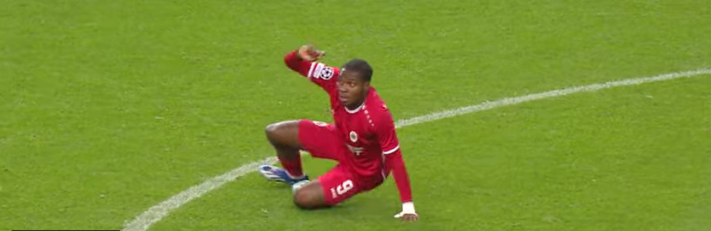
Roll the CB
Strikers need to bring CBs to the tipping point on the pitch.
A good place to do so is the acute angles of the box, where CBs hate to be drawn towards
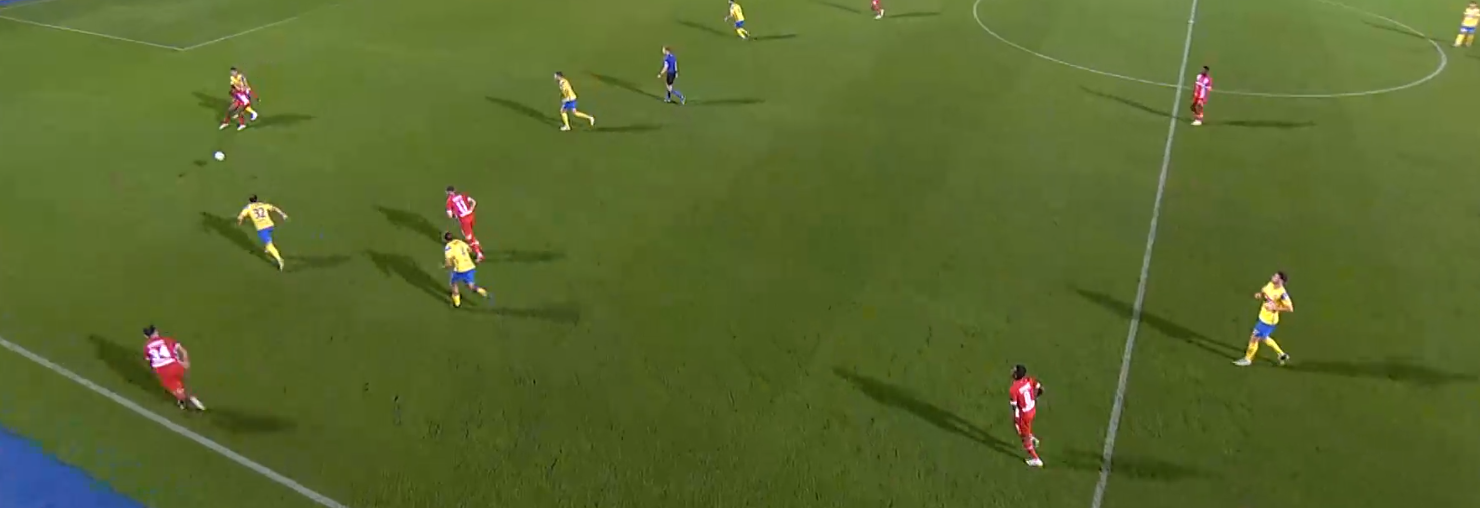


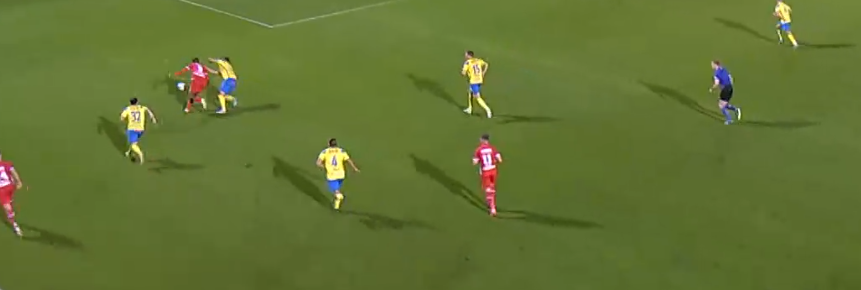
It takes some form of anticipation to get the leg in front, keep balance (with shoulders above feet) so that the defender bumps into the quad and goes flying
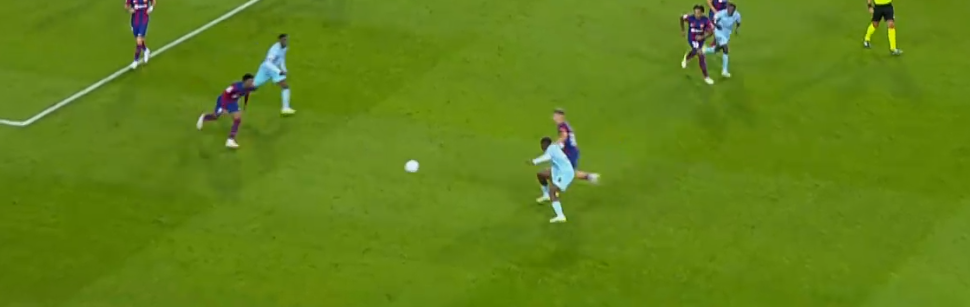
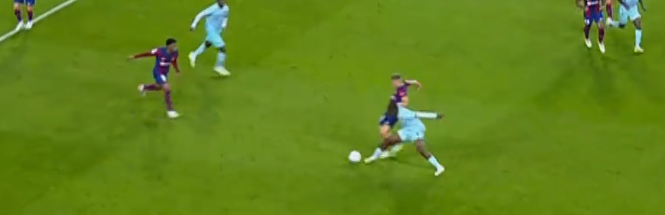
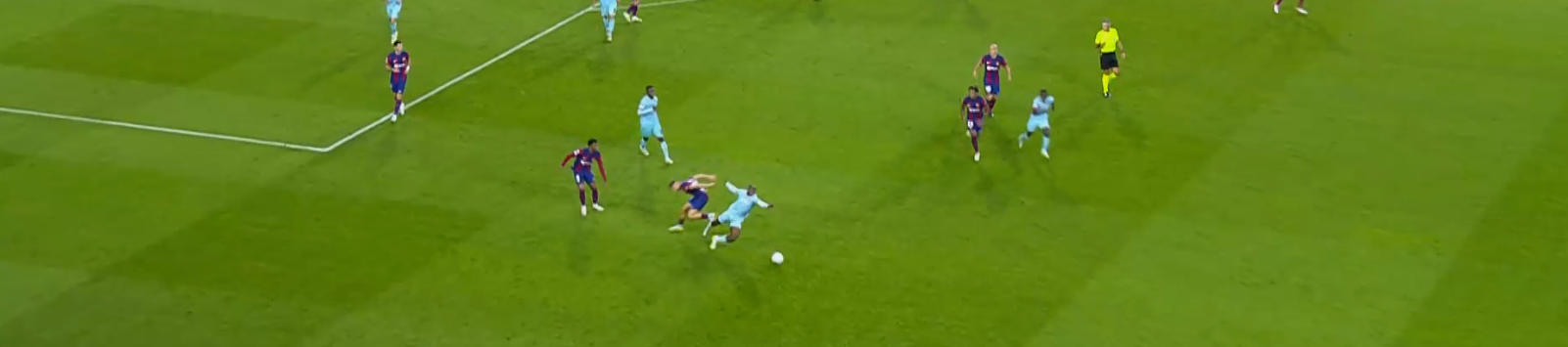
Not everything relies on pure strength and manipulation of the defenders’s body.
This time, George plays that “quick witted U15 striker feint” (that usually stops working, sometimes because coaches yell, or defenders get better)
But mavericks, they back themselves more than they listen to whatever they’re told.

Intimidate the CB
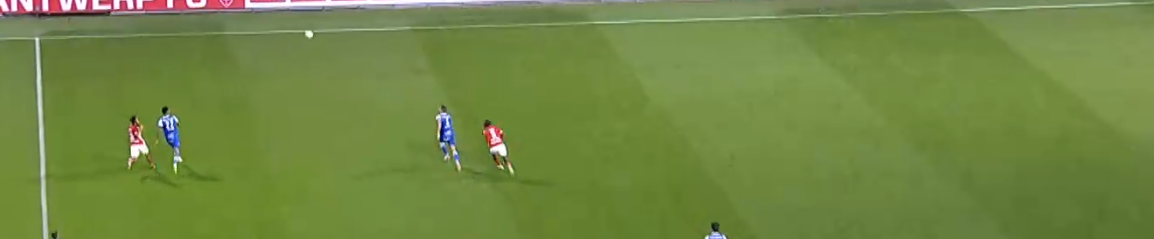
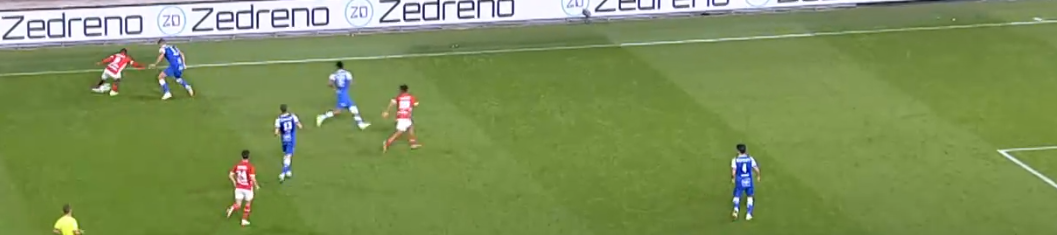
Faring in duel, and standing one’s ground is paramount, but sometimes the challenge can be won before being played.



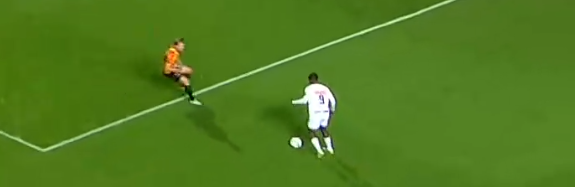
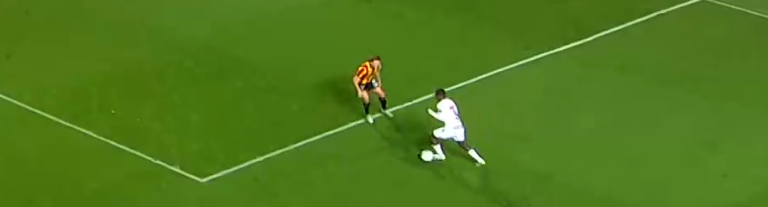
Separation to cut inside
Get the ball on the right wing to cut inside blah blah blah
There’s a line in the sand, separating house cats with ruthless 1v1 animals.
The difference mostly lies on whether the attacking player waits for the defender to set his (terrible) defensive footwork, or if that he attacks him straight away.
Madueke, Saka, Doku. Some are nicer than others.
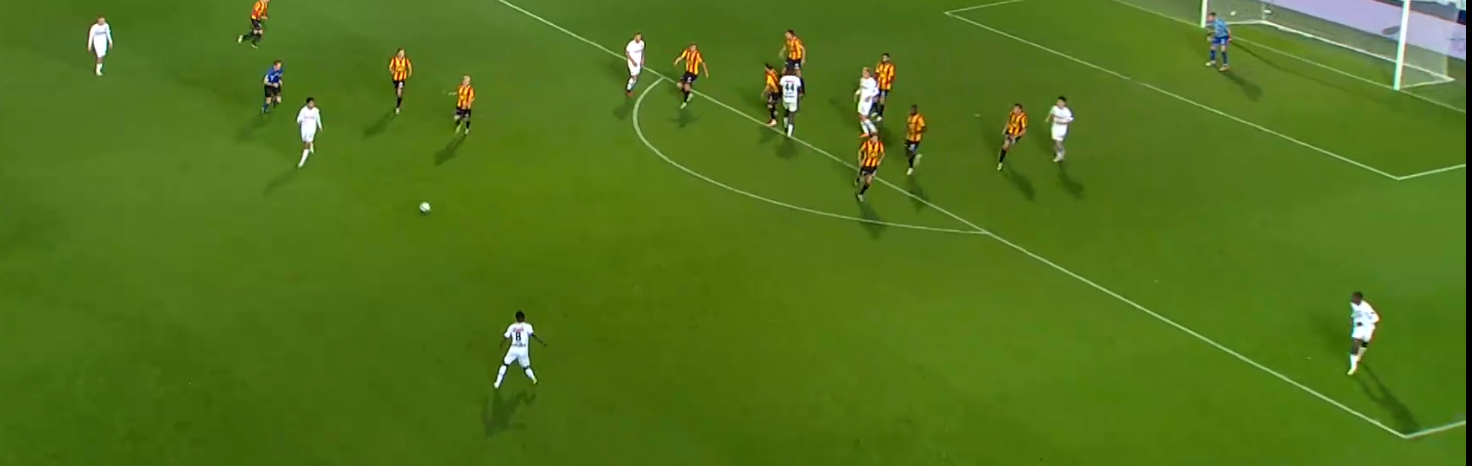
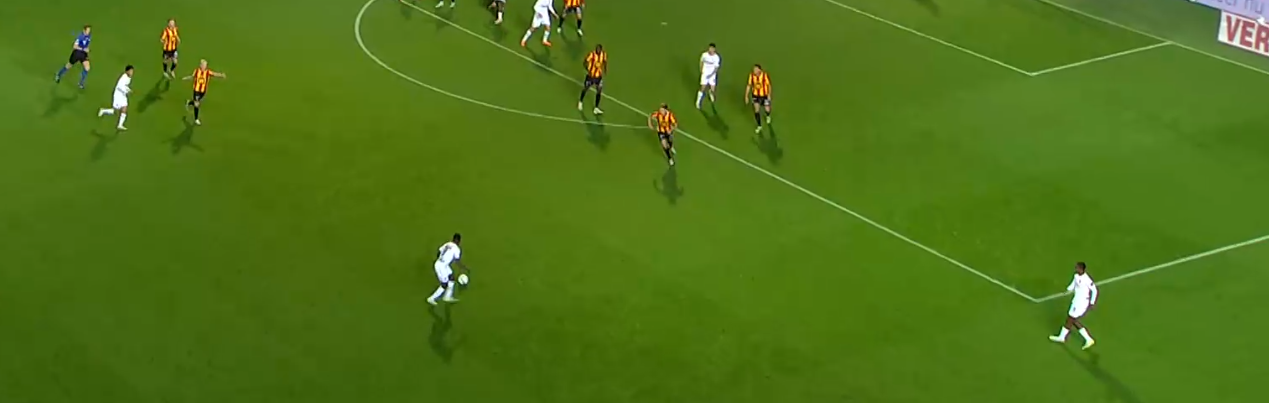
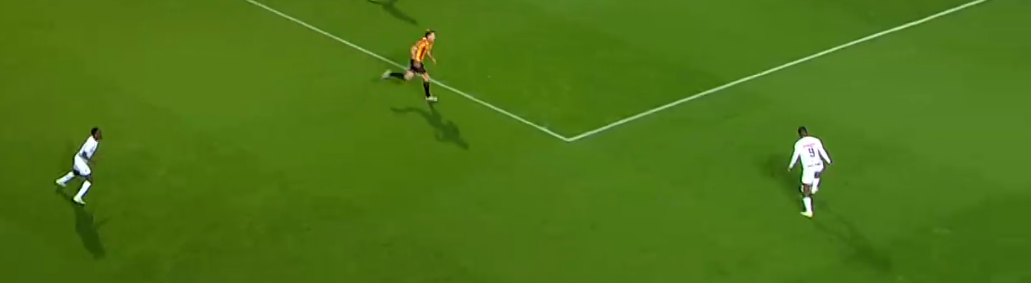
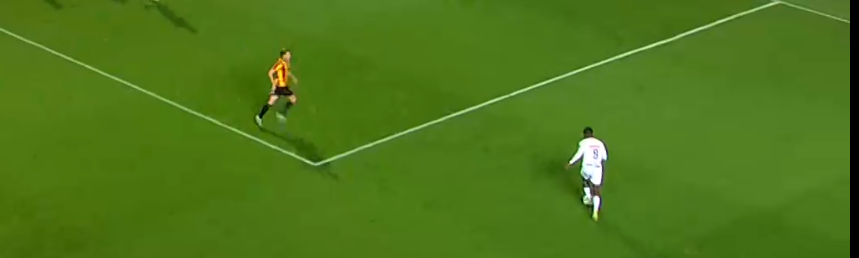
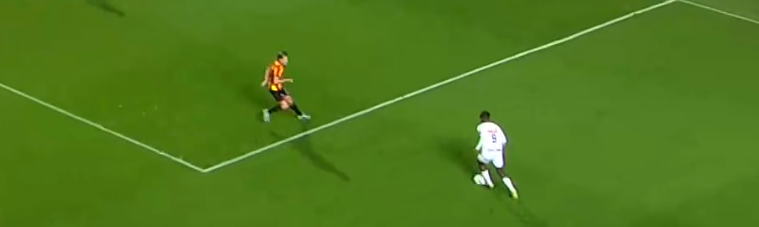
Defender: SPRINT – SLOW DOWN – SET FOOTWORK
Striker: FIRST TOUCH – ( SET ) – SHIFT IT
Good attacking play is to make to have the defender trailing at the stage prior
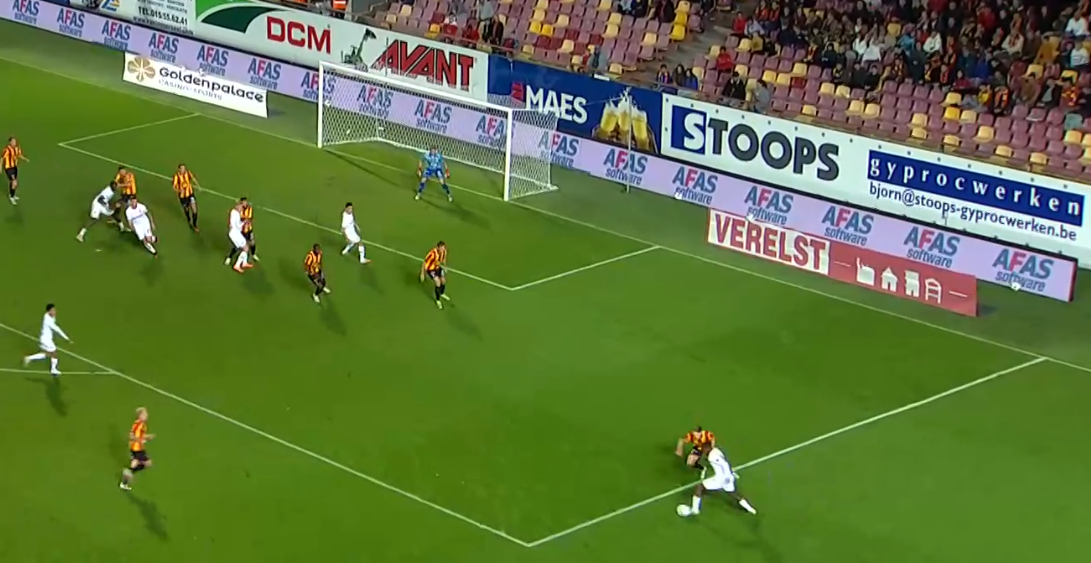
Creating space
A succesful counter relies on space creation to pick the best option.
Having the nous to not squeeze the ball carrier’s path is a form of game intelligence which George certainly displays here
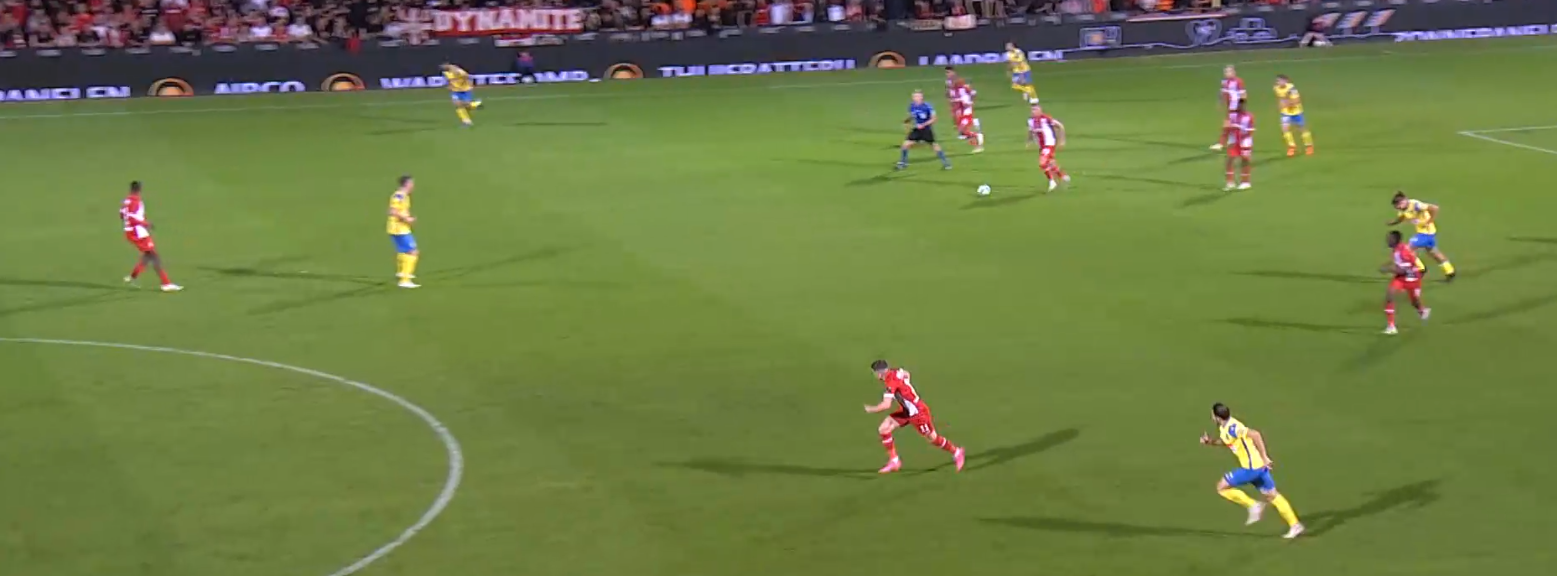
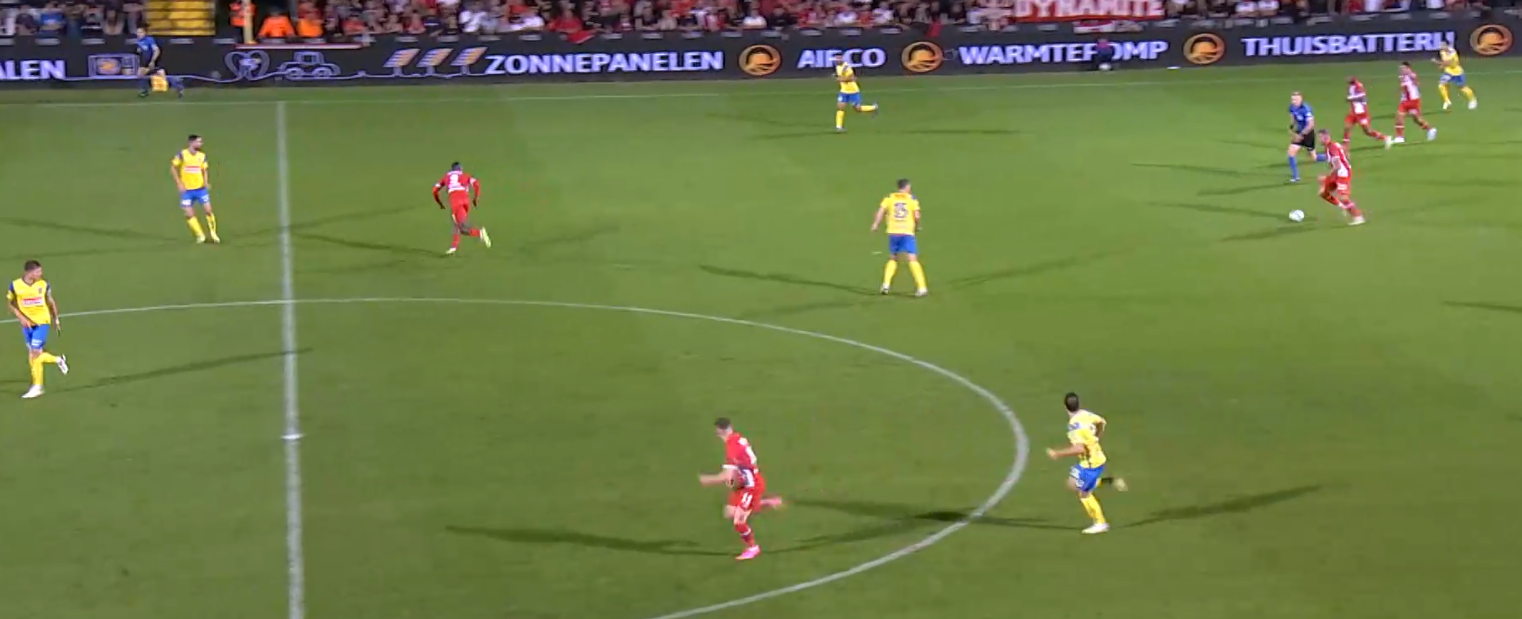
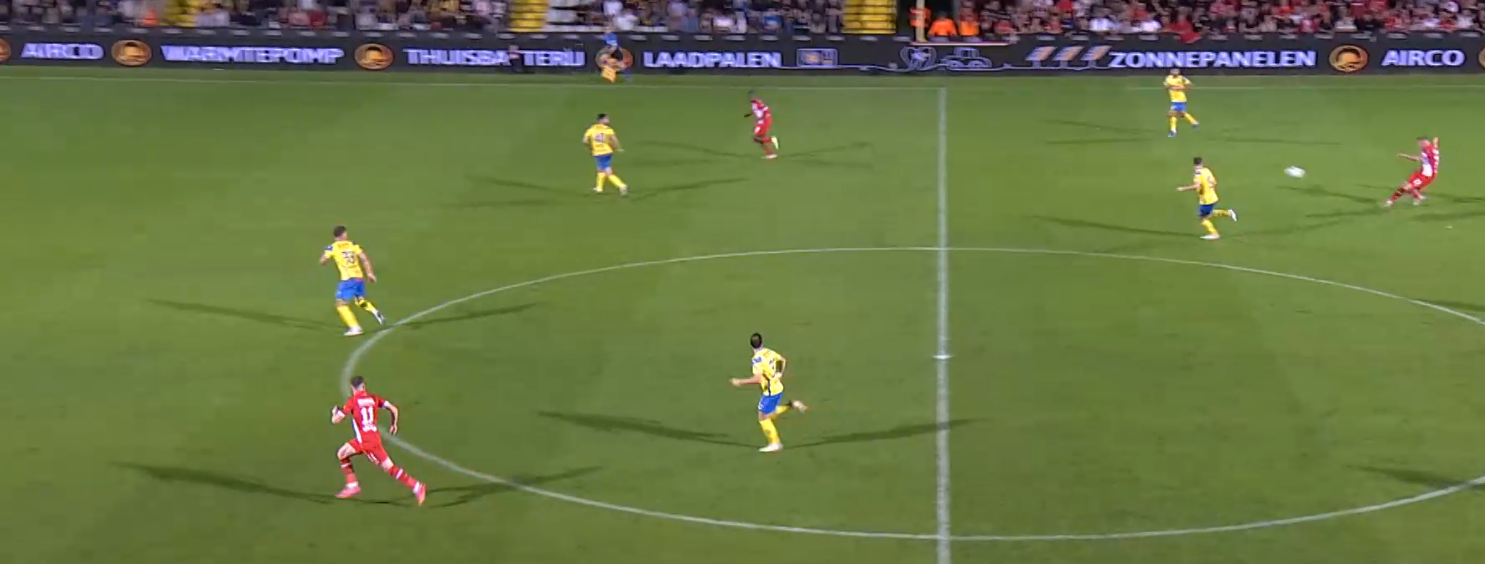
Identifying you’re the one starting from the centre (to go wide) and acknowledge that creating space will benefit a team mate is a valuable thing, especially coming from a 17 year old poacher you’d absolve for asking the ball for him and himself only.
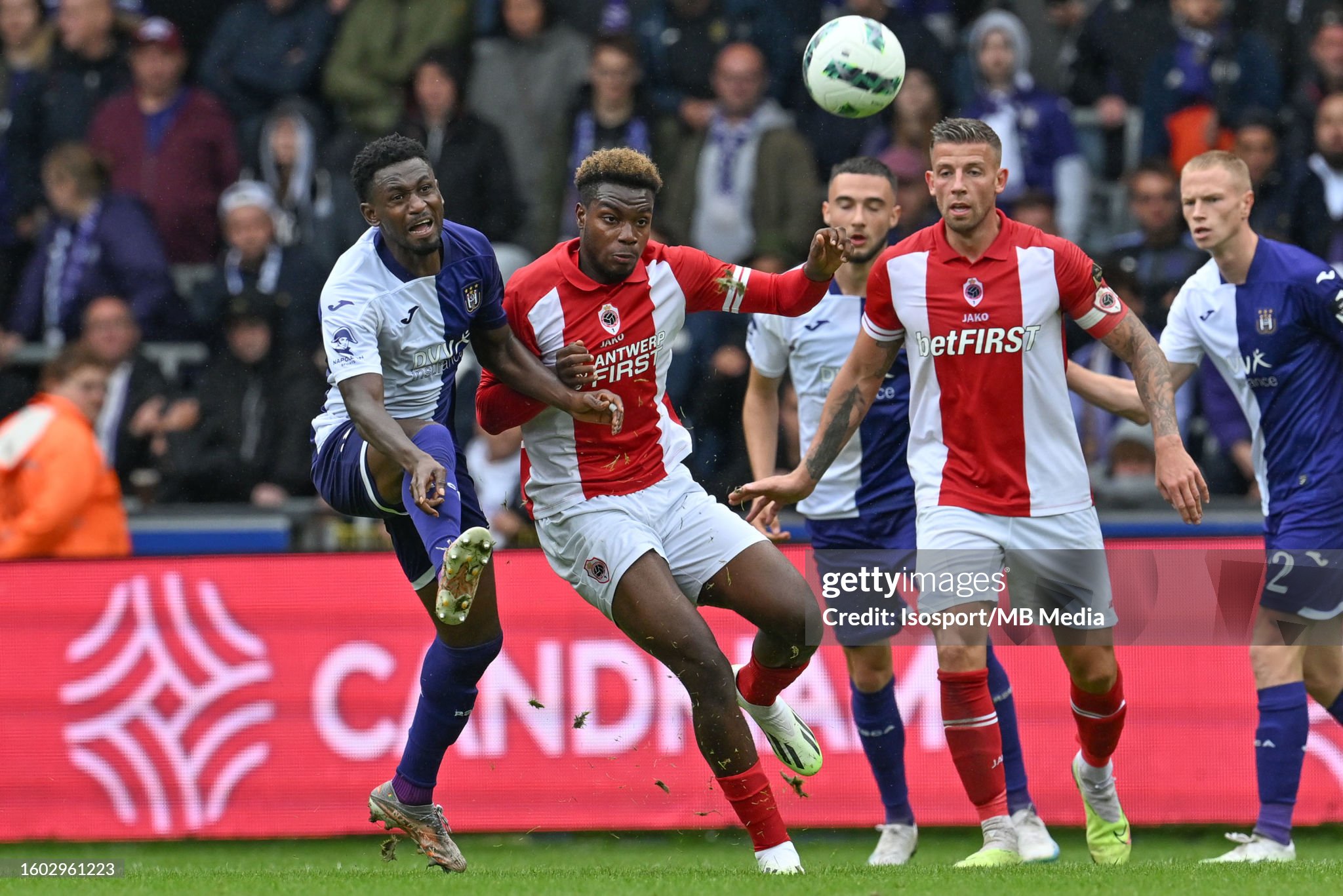
Back to goal
Some of George’s involvement back to goal rely on some nice bits of technique and improvisation, with a (volleyed or clipped) touch reminiscent of a young Daniel Sturridge
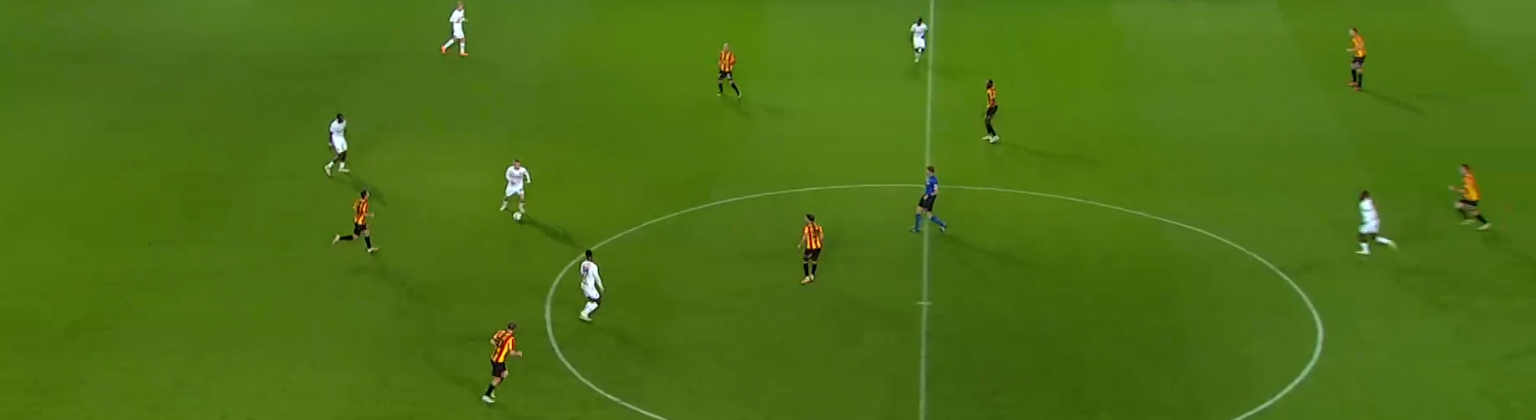

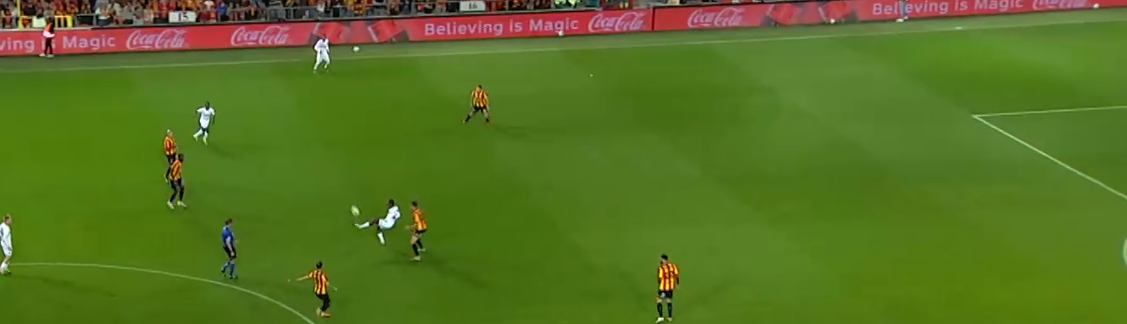

When there’s defenders closing down from behind, strikers need to adopt a set position but open up their body so that the near foot (sole) touch makes the ball difficult to reach
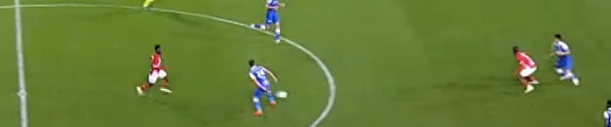

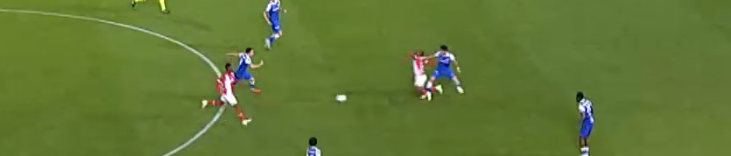
One of George’s go to moves in attack is to ask in behind straight after a layoff, this time really reminiscent of a young Lukaku.
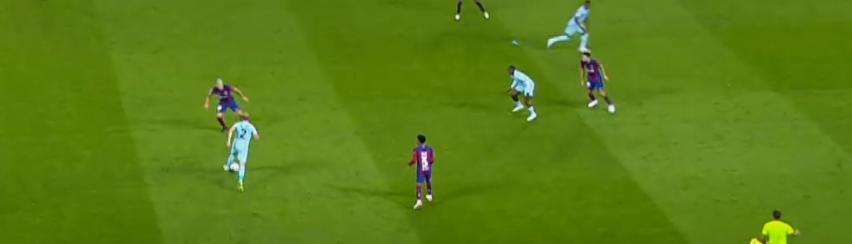
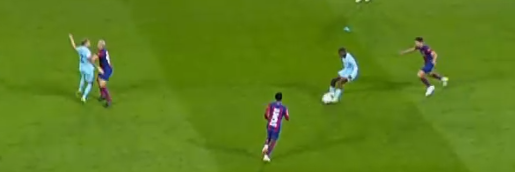
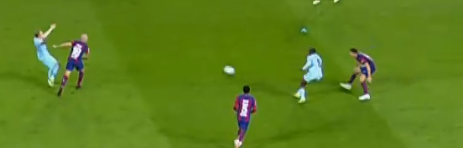
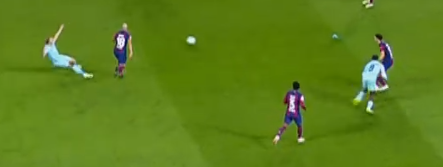
George’s timing to find separation is quality, so is the technical execution to keep the layoff on the floor
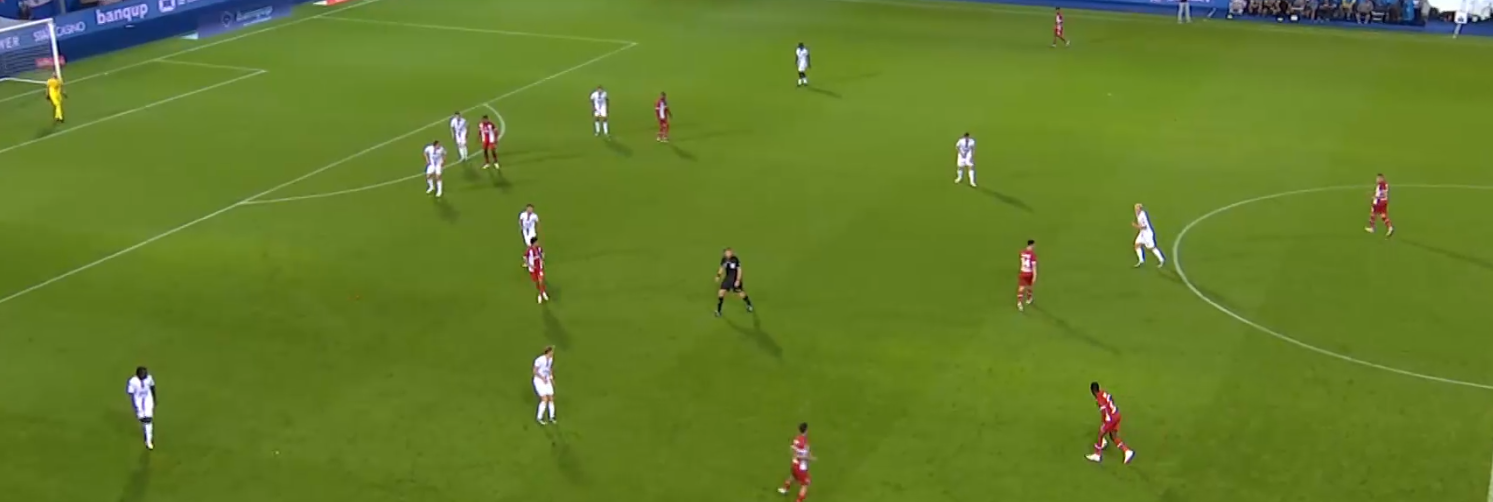
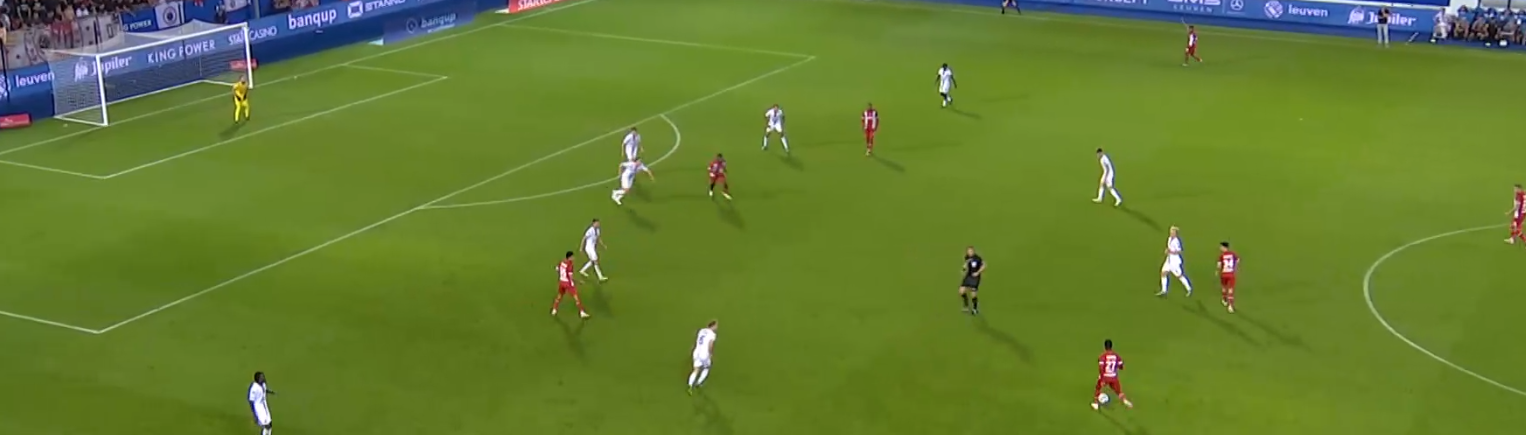
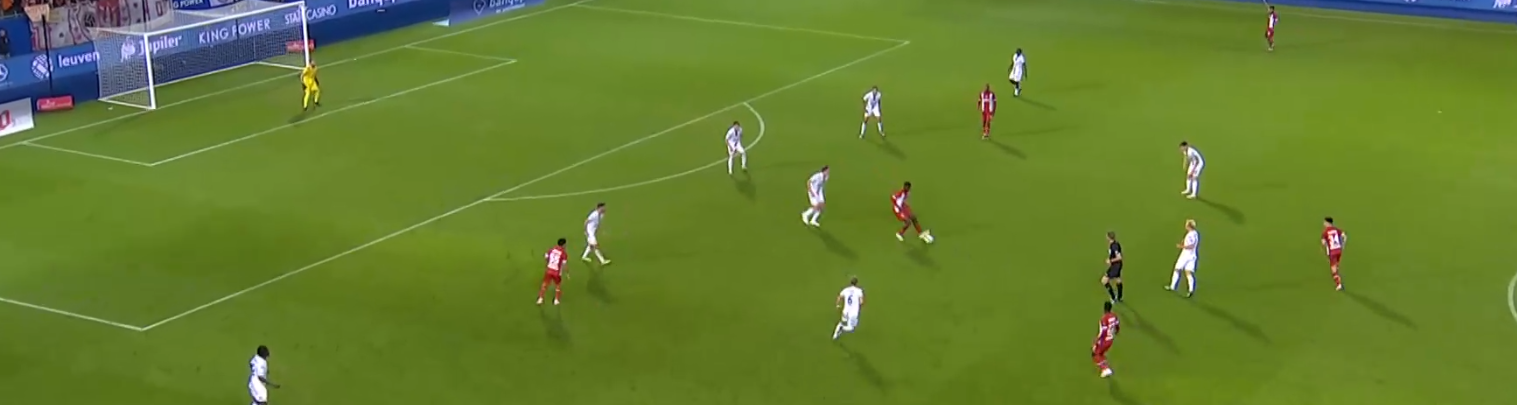

Senior football comes with its lot of vicissitudes, one of which acknowledging that if you don’t swing an arm, you’ll likely be the one at the receiving end of it.
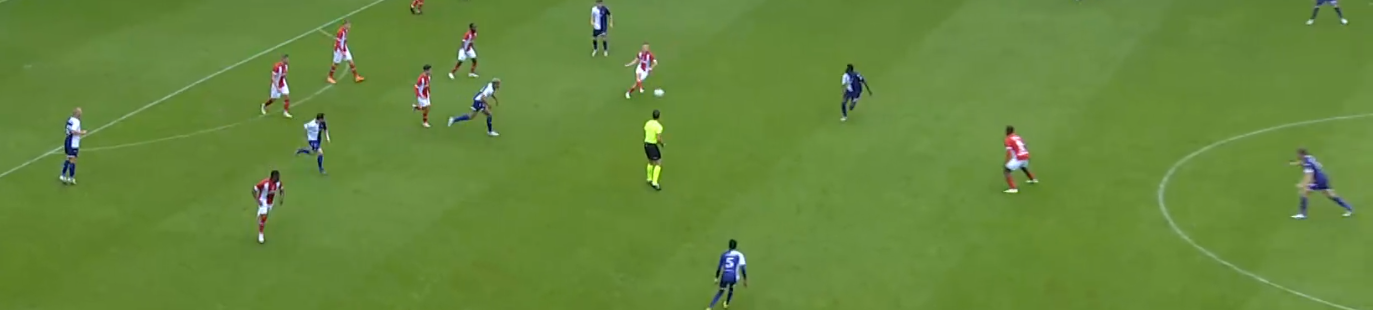

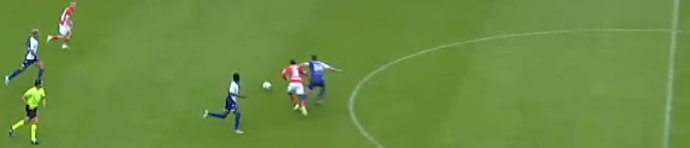
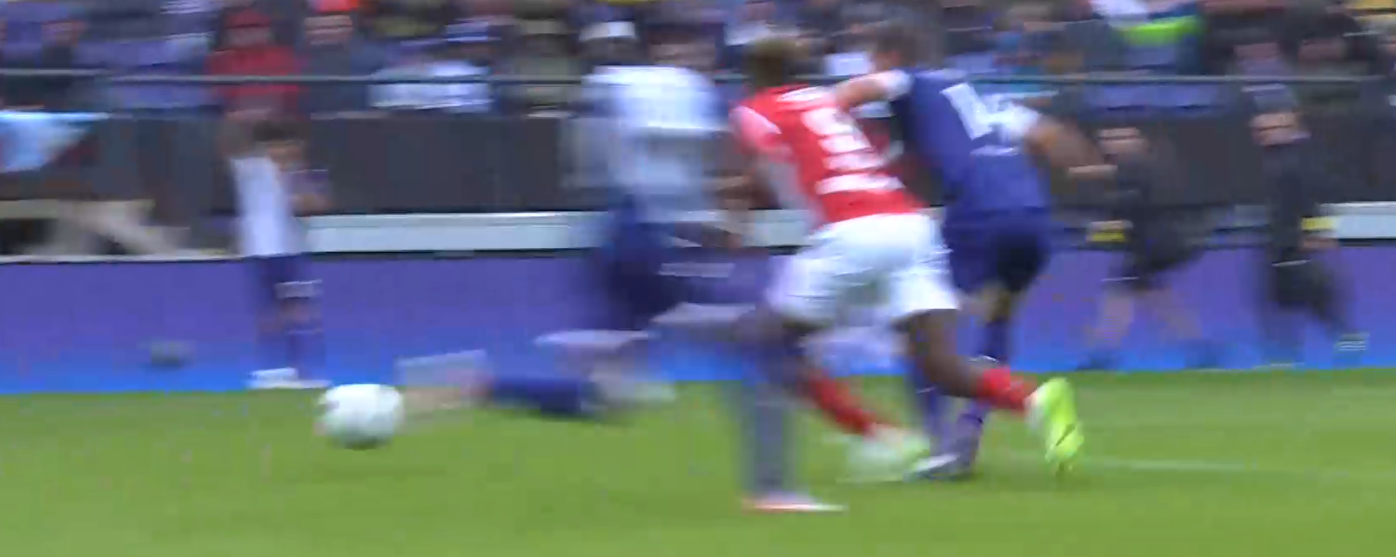
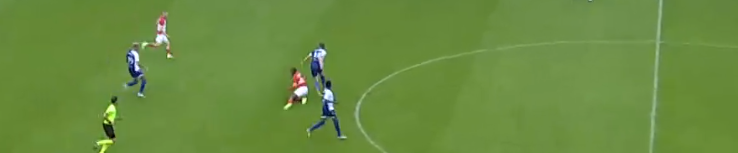
Being reachable also comes with the realization that technical distances have to be maintained. Too close, that’s redundant
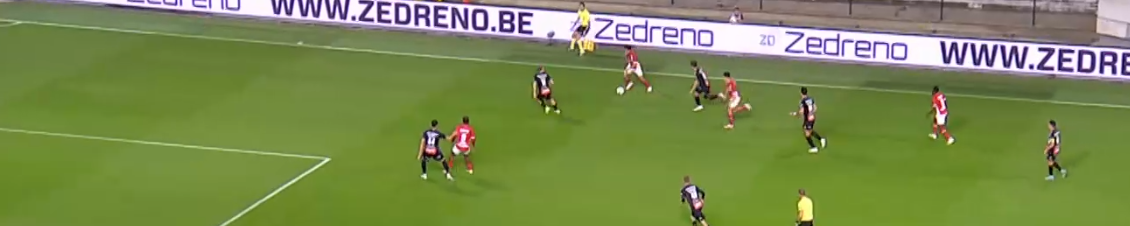

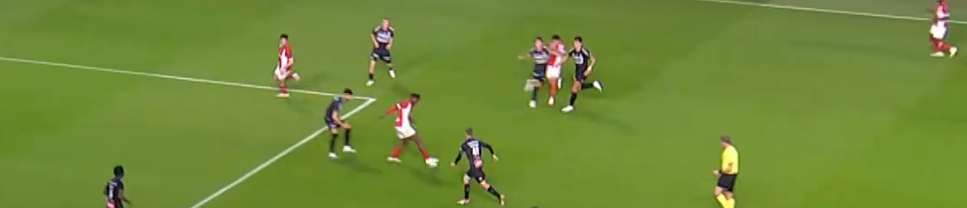
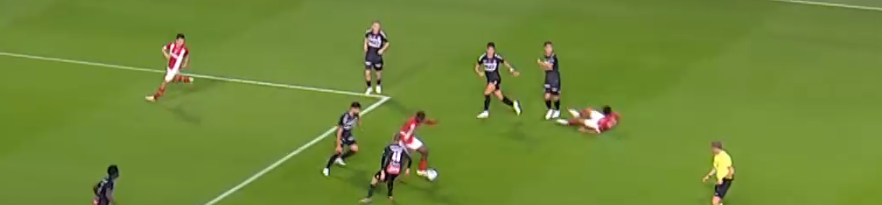

There’s instances however, where George lets the ball bounce in front of him, because he’s focused on holding off the defender, losing an advantage that taking it before it lands would have created
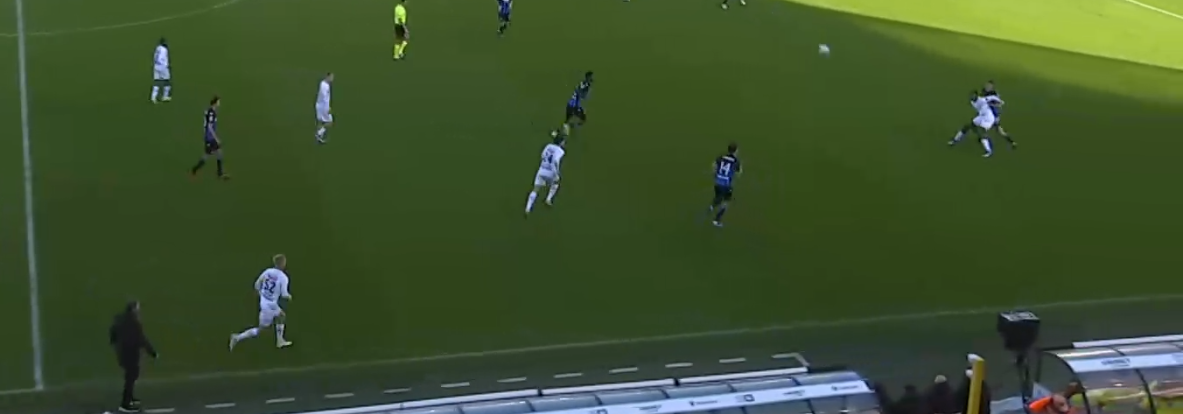

Strikers who can play back to goal are good (strength)
Strikers who can run in behind and stay on the move are good (power, speed)
Strikers who can do both in the same play are rare
George belongs to the third category (and he can carry)
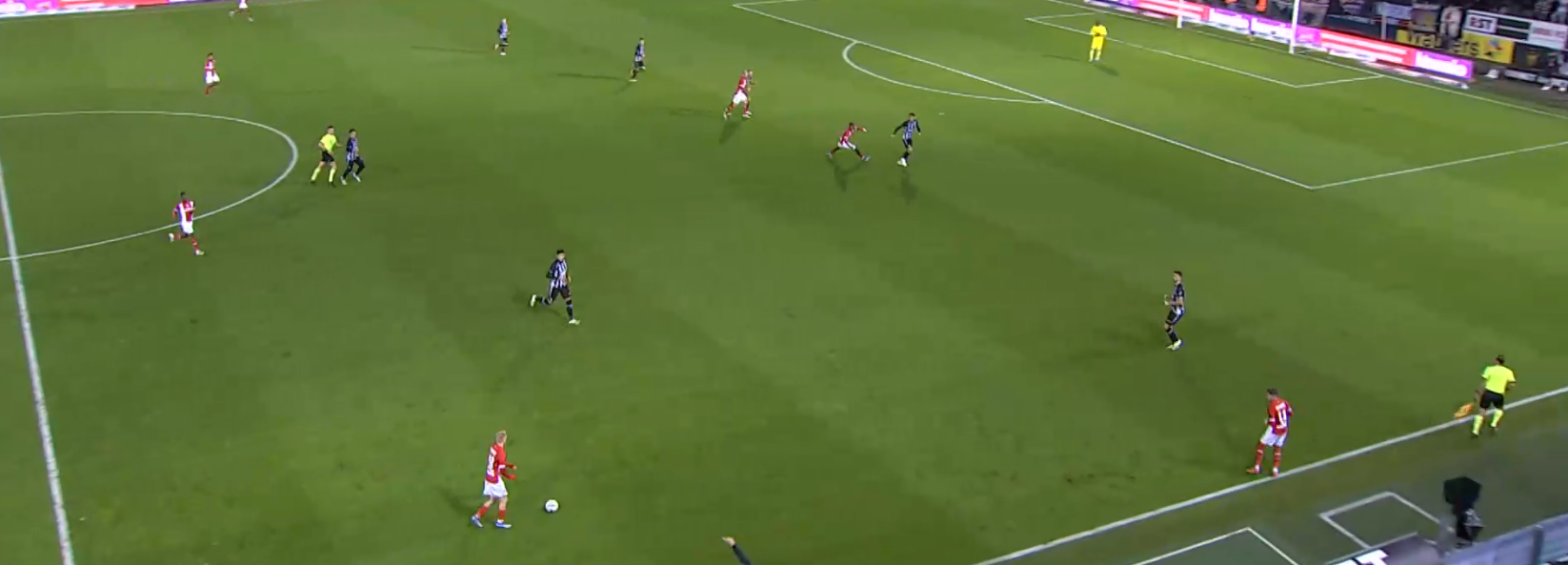
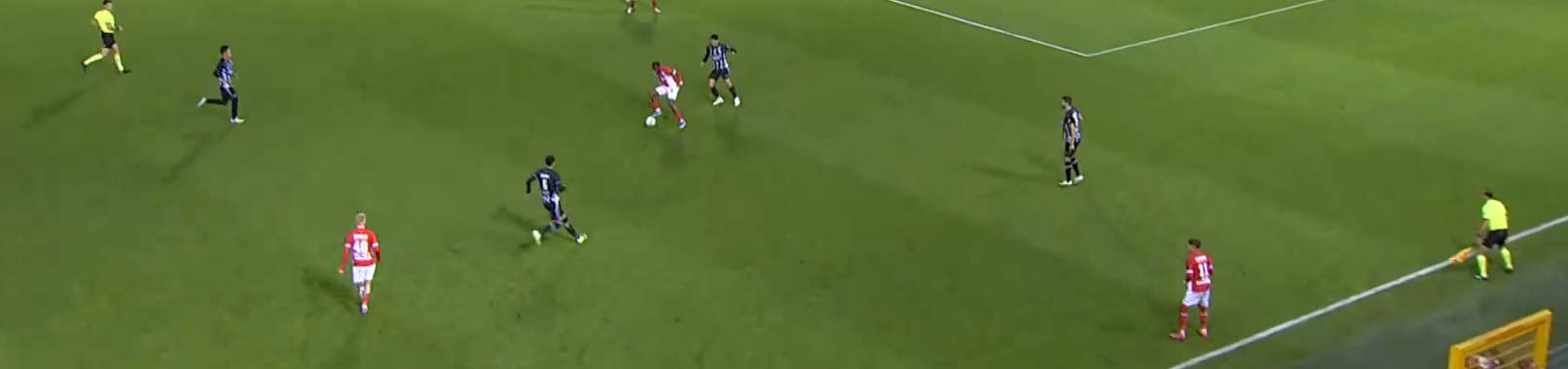
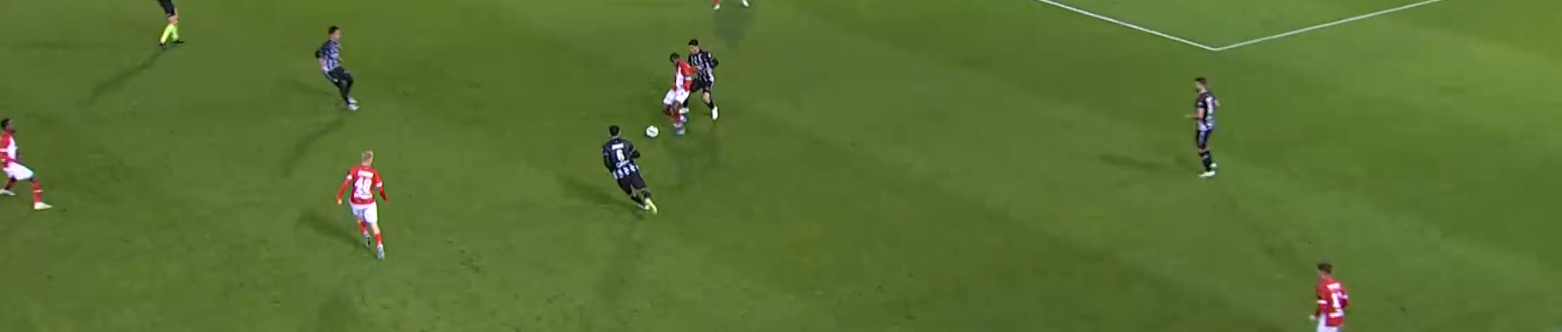

Another instance of doing two demands in the same action, much more per adaptation than design this time
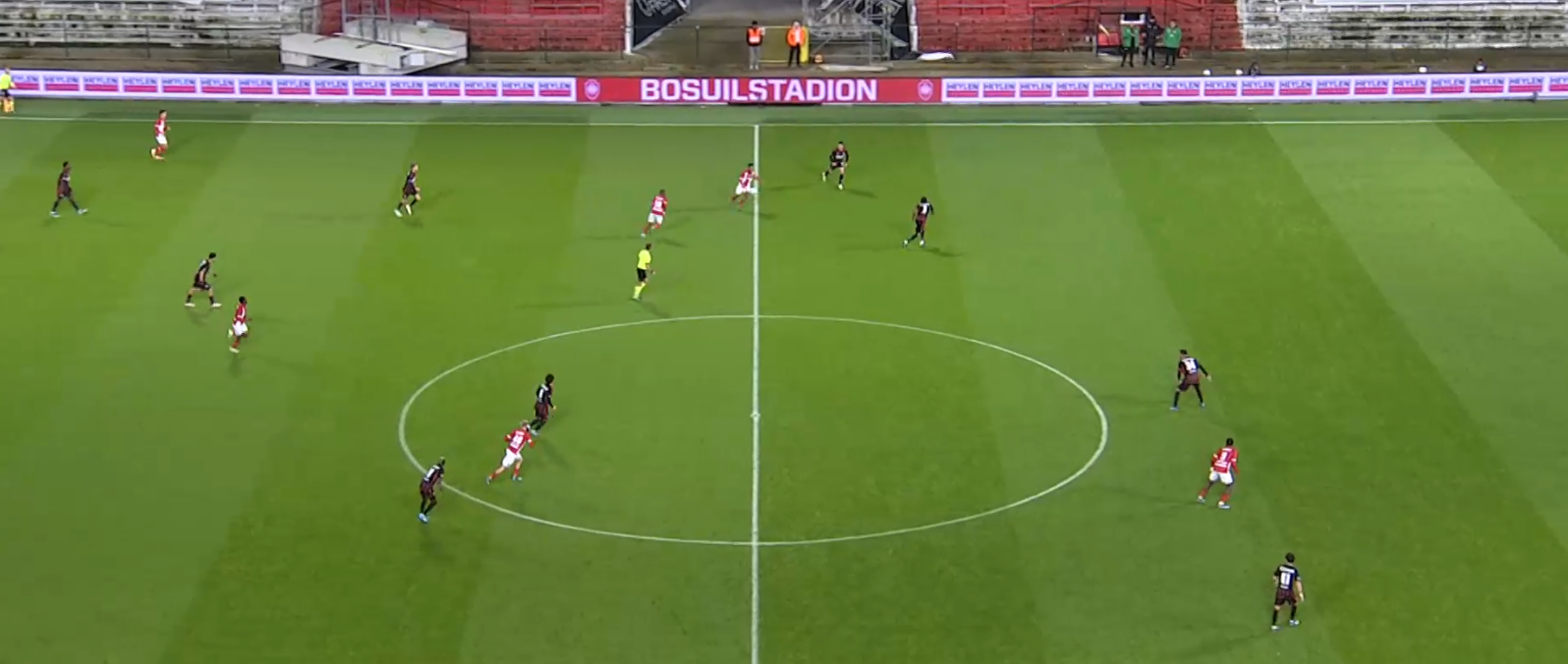

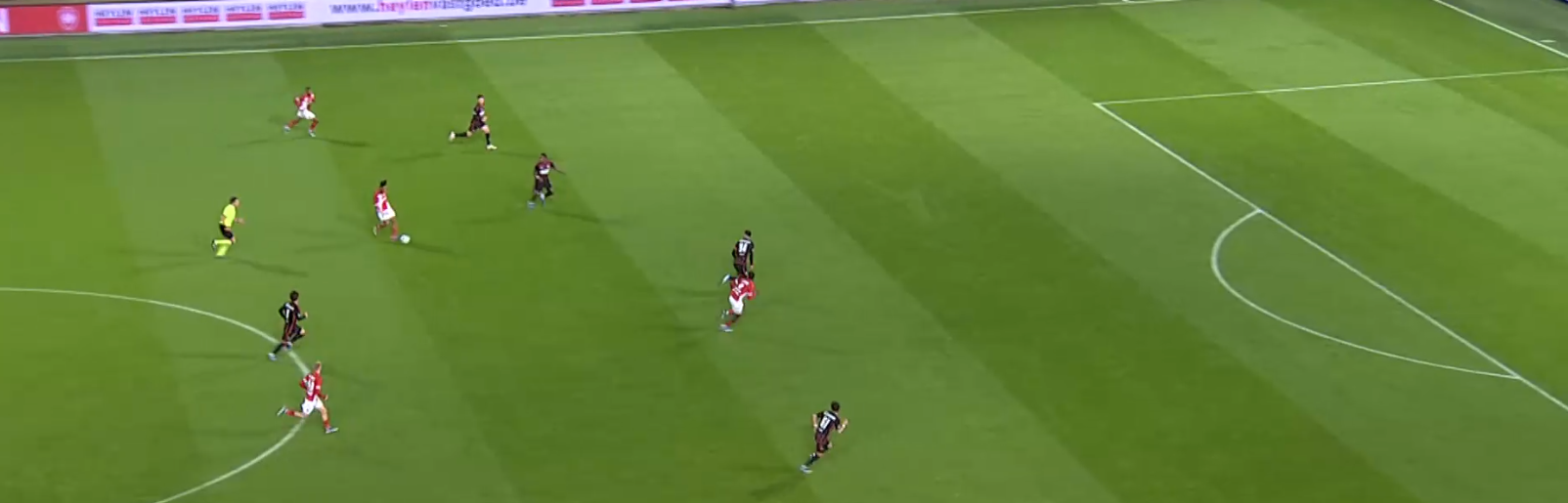
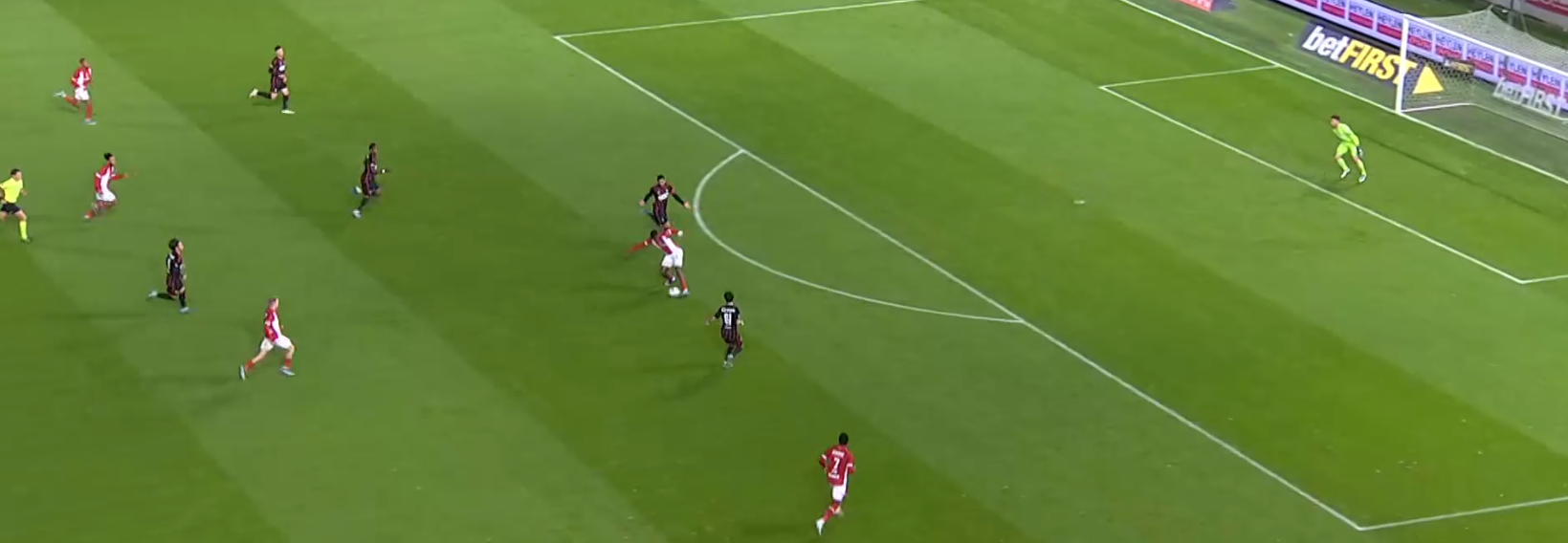
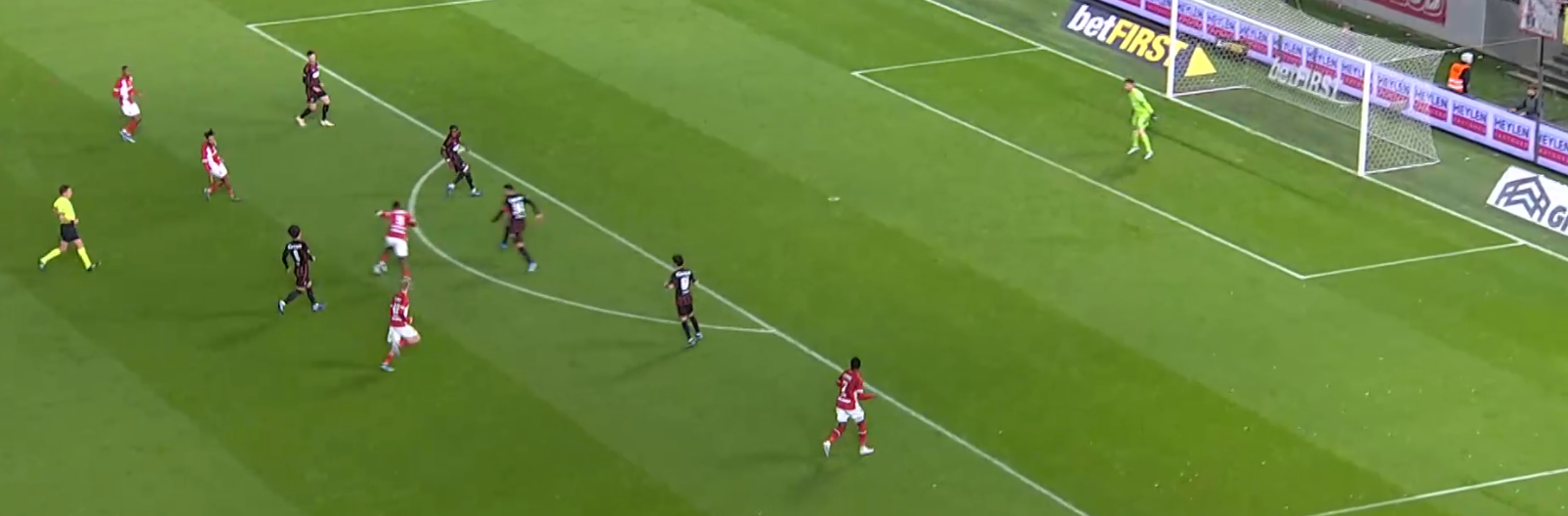
Unless the coach purposefully designs his team with a hologram upfront, any decent striker ought to be solid therefore capable of getting his body in the way


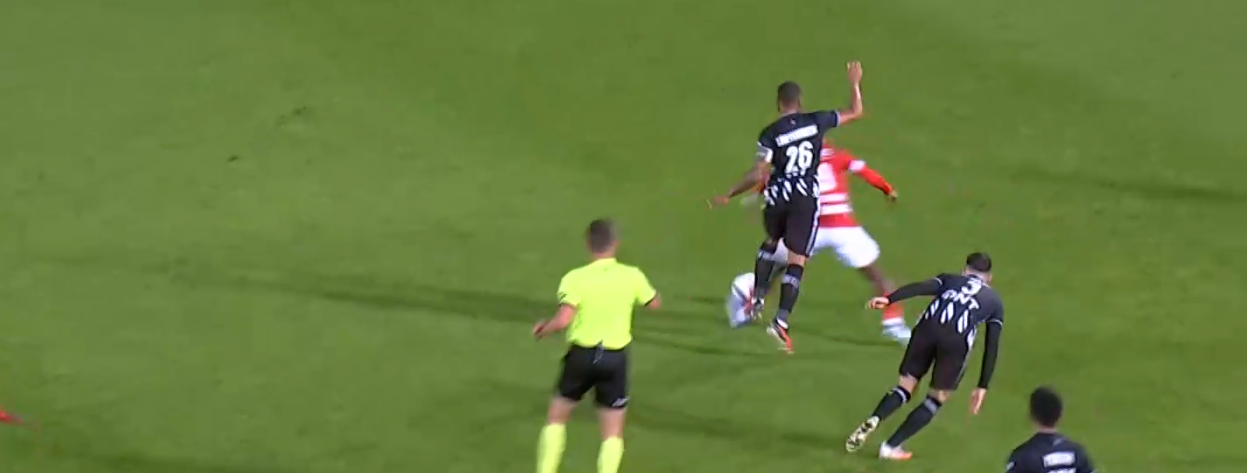
Strikers don’t always receive clean and immaculate service, this is a combination of the technical quality of the passes they receive, the type of passes (a throw in, here) or just having to resist to defenders using every trick (and more) from the playbook to put them off balance off the ball
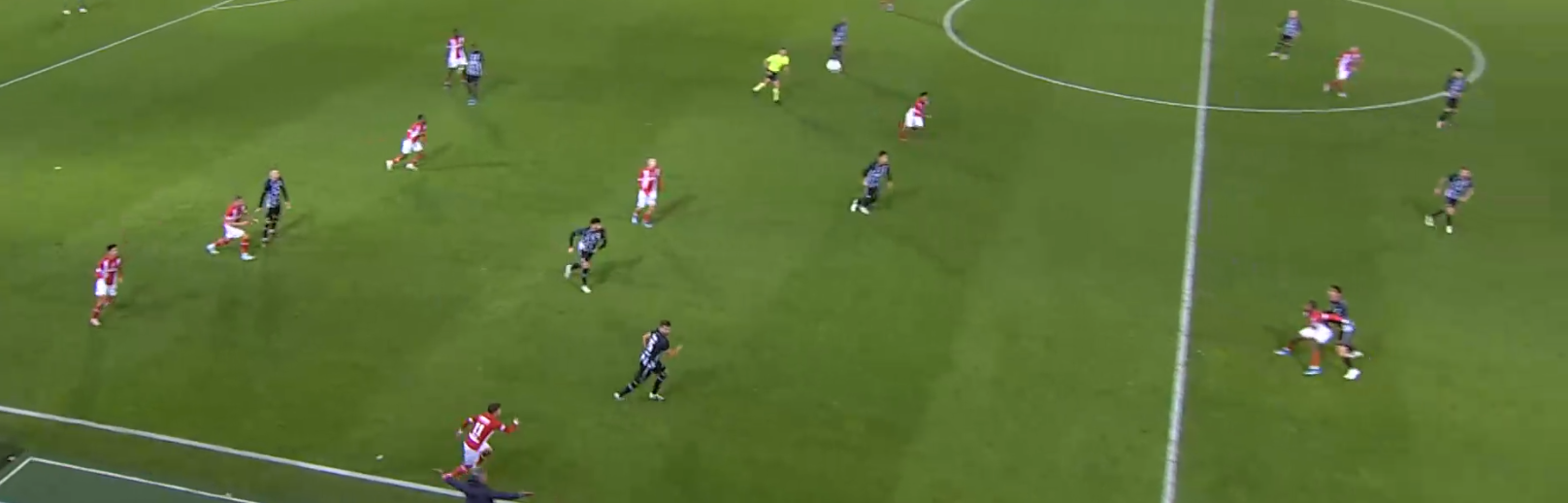
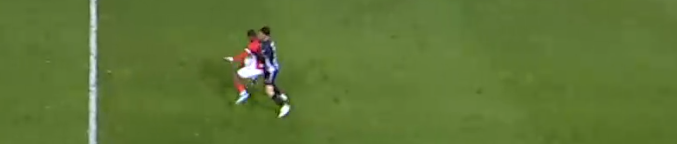

Creativity stems from coming up with unexpected solutions to problems.
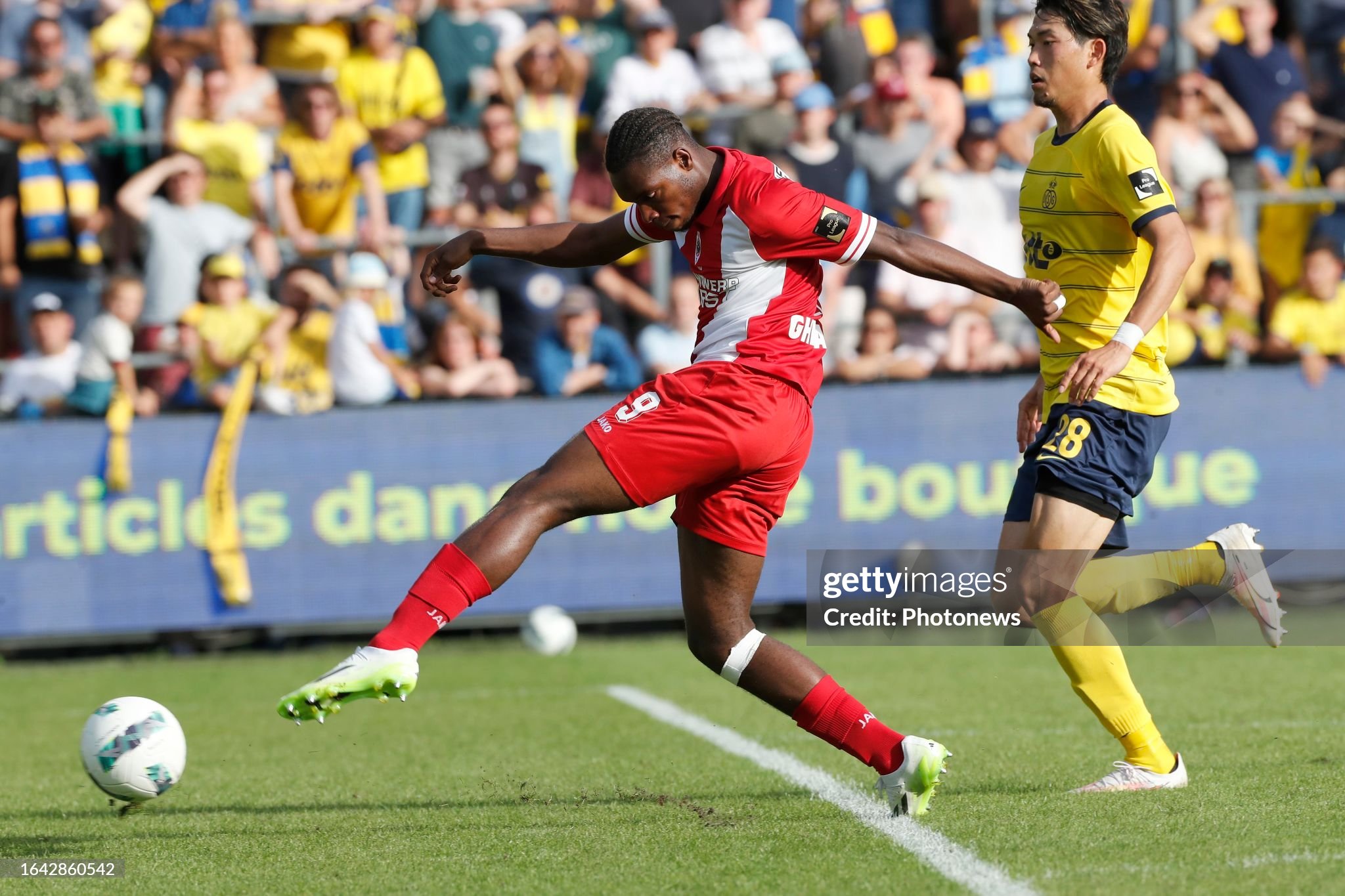
Finishing
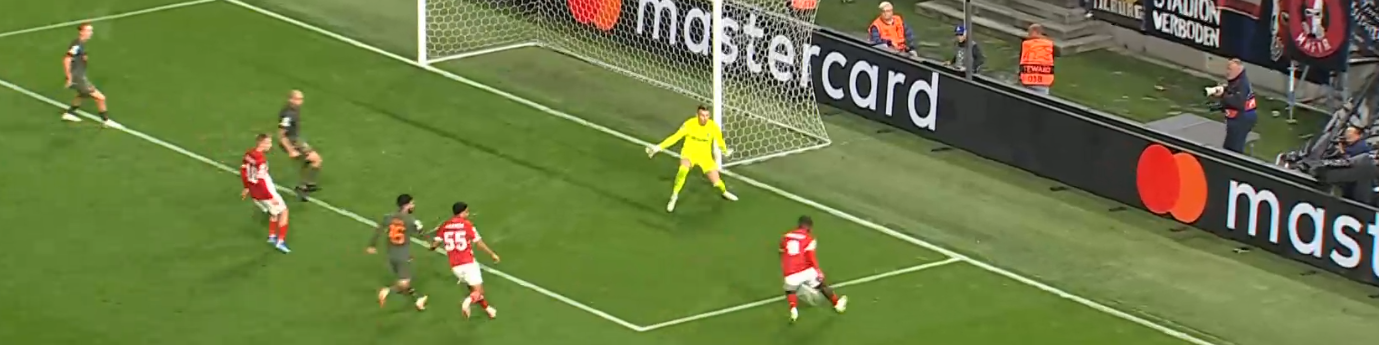
George has some pure striker instinct to connect with crosses and make sure he’s gonna trouble goalkeepers.
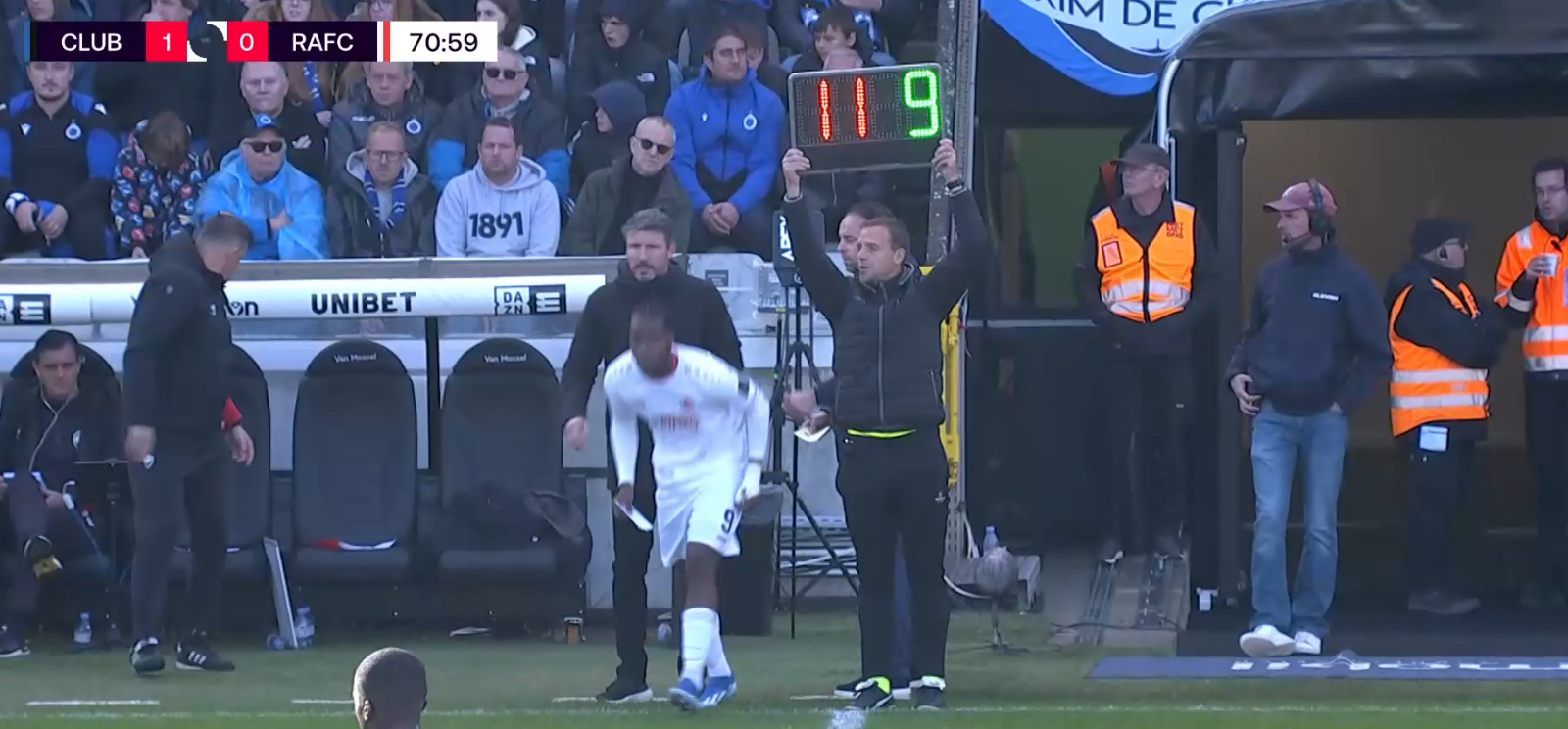
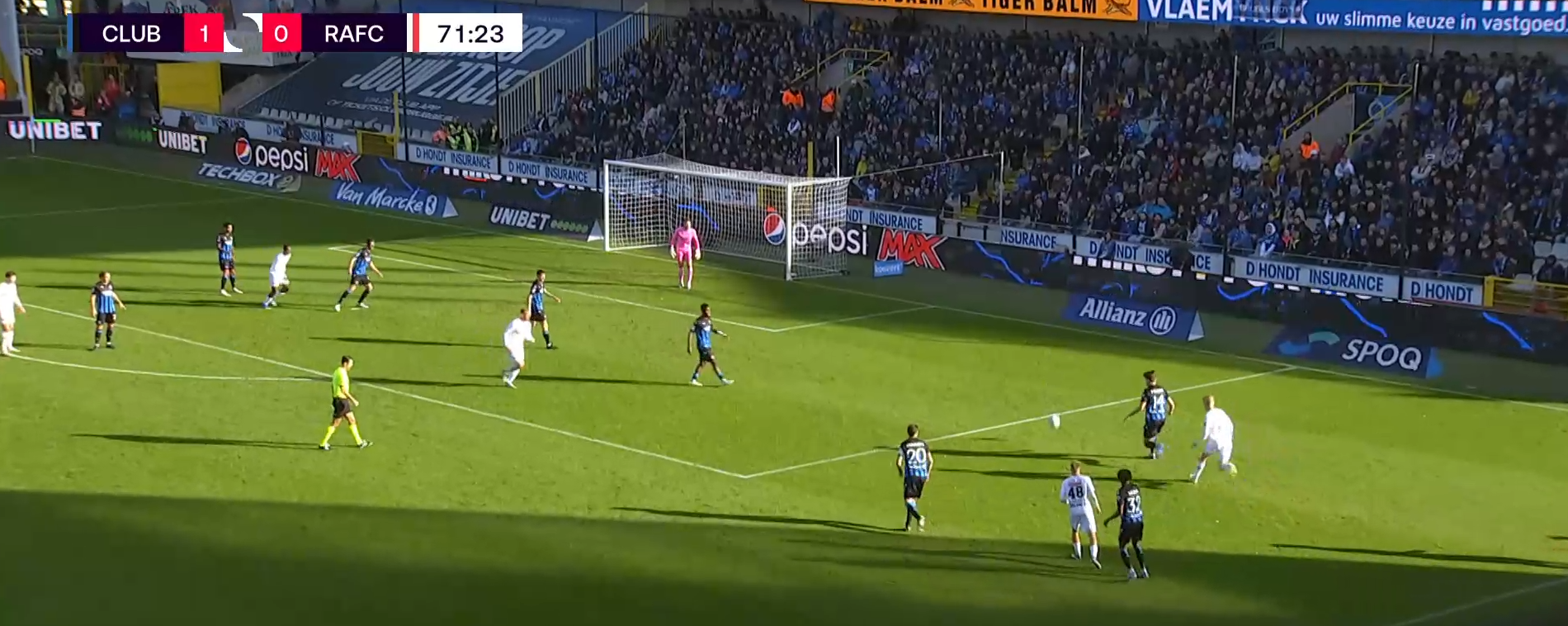
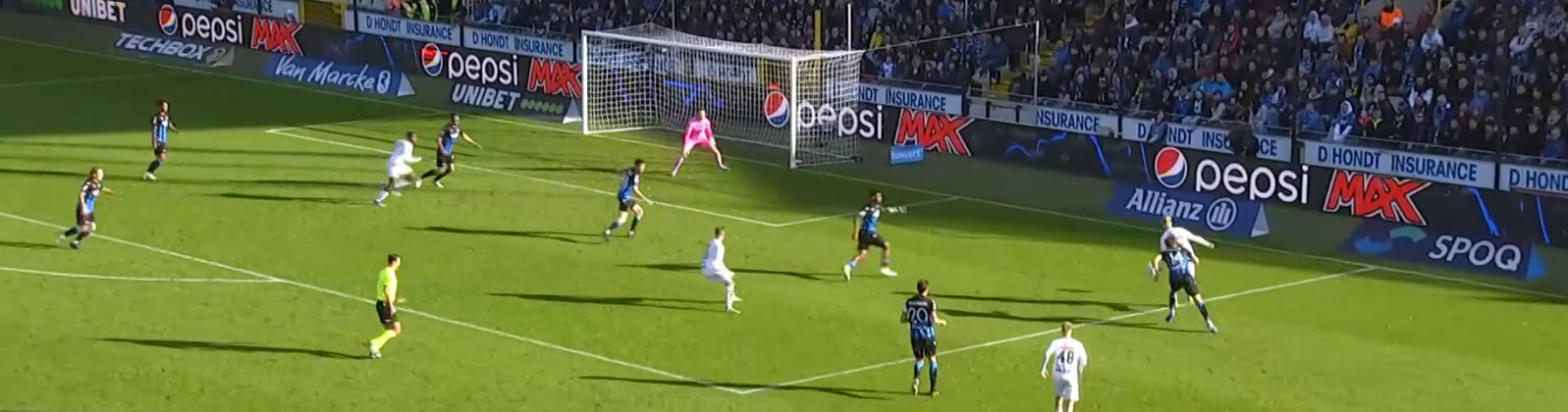

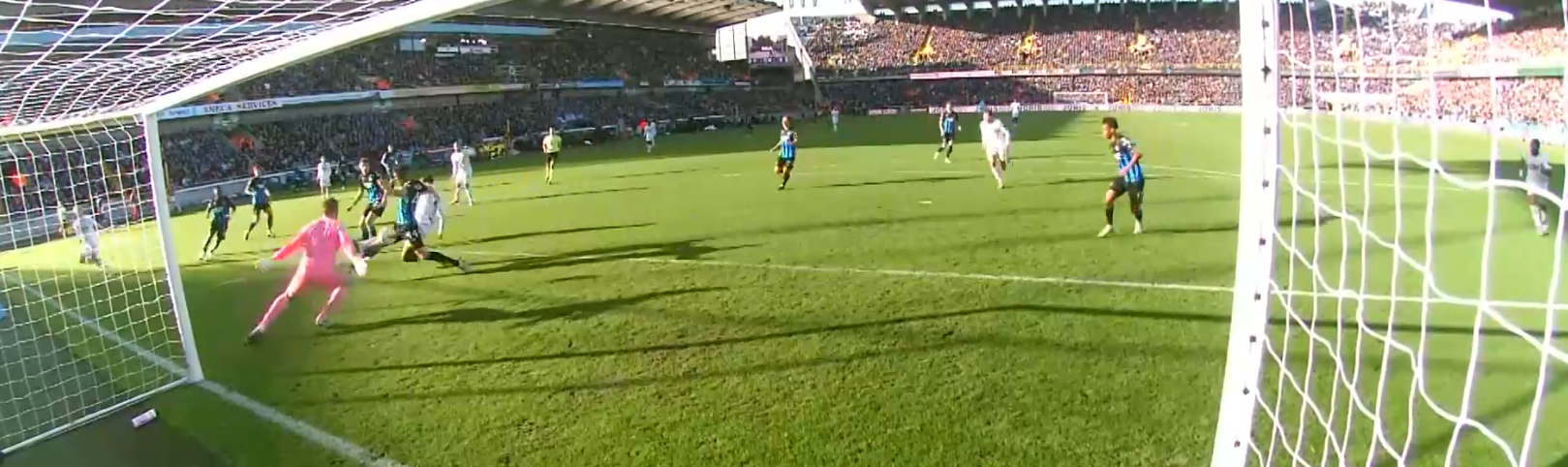
Scoring goals by connecting with crosses is much more a matter of timing and deception, rather than pure technique. Players just need to feel how they can flick the ball, and it doesn’t really matter which part of the knee or shinpad creates the required backlift.
George certainly does that here and gets his reward.
Going round the penalty spot on the opposite side to shot the ball at an angle is a good and repeatable coaching point to succeed at crosses
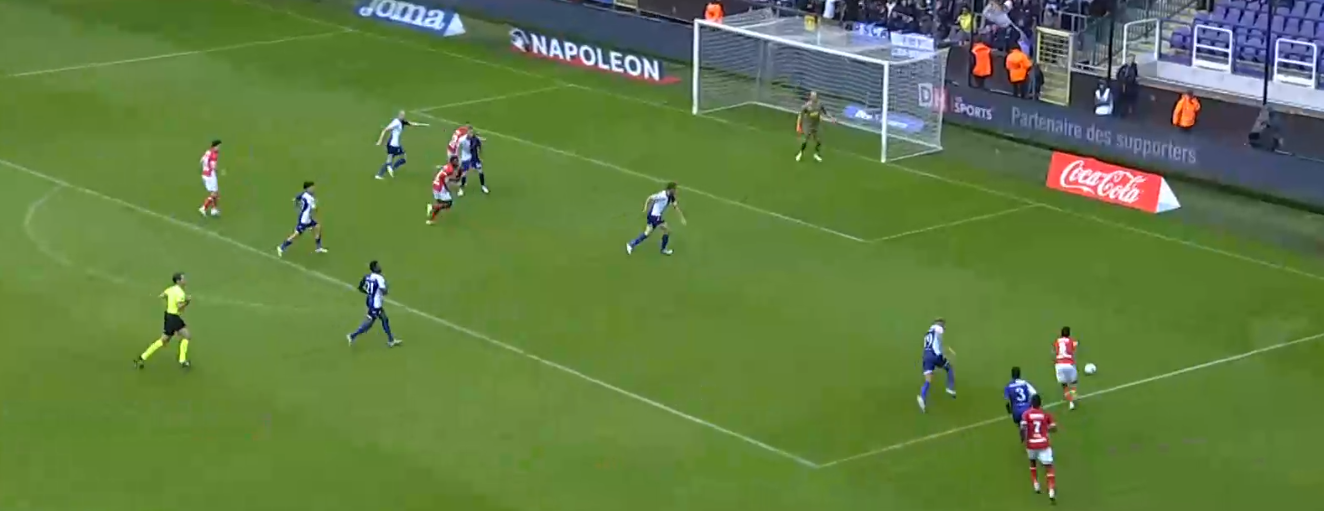
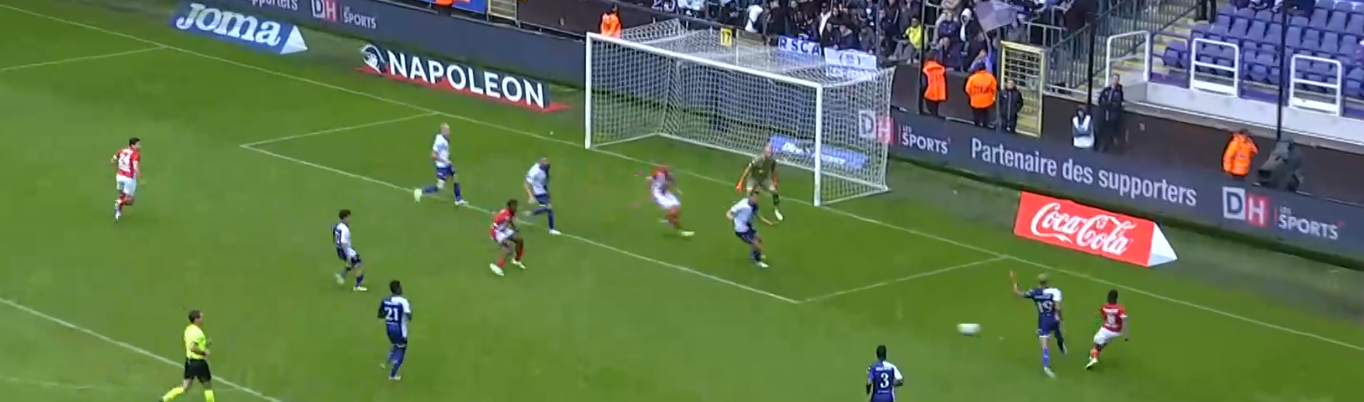
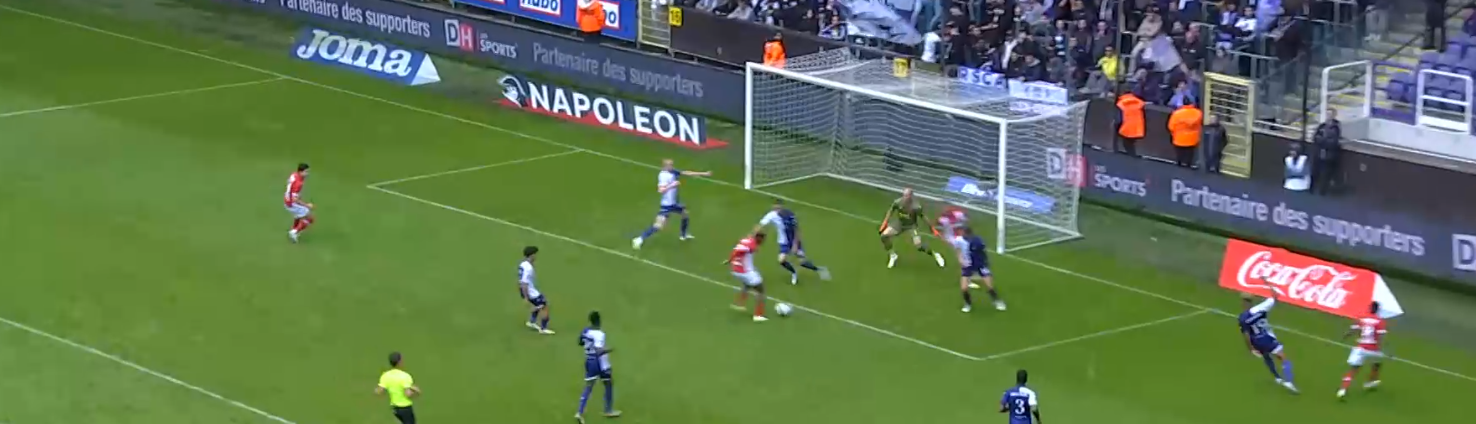
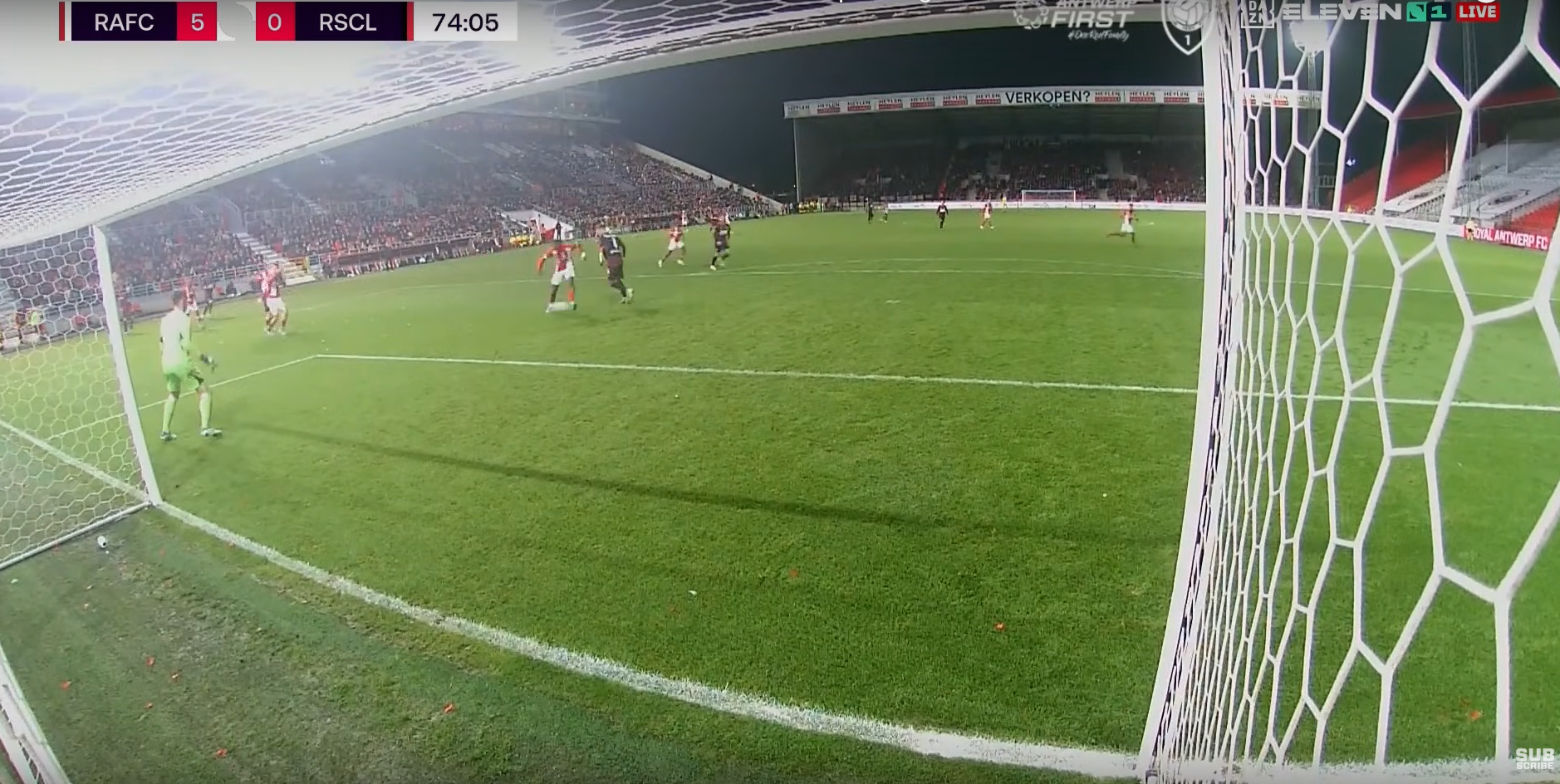
On this one, George is played through resulting on rolling the defender on a … long goal kick because why not
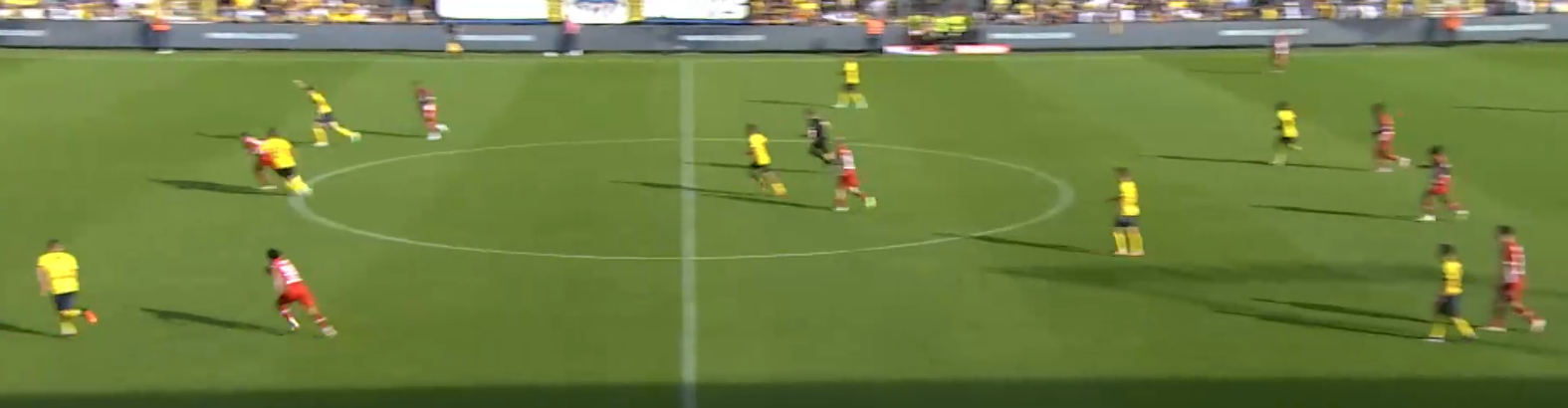
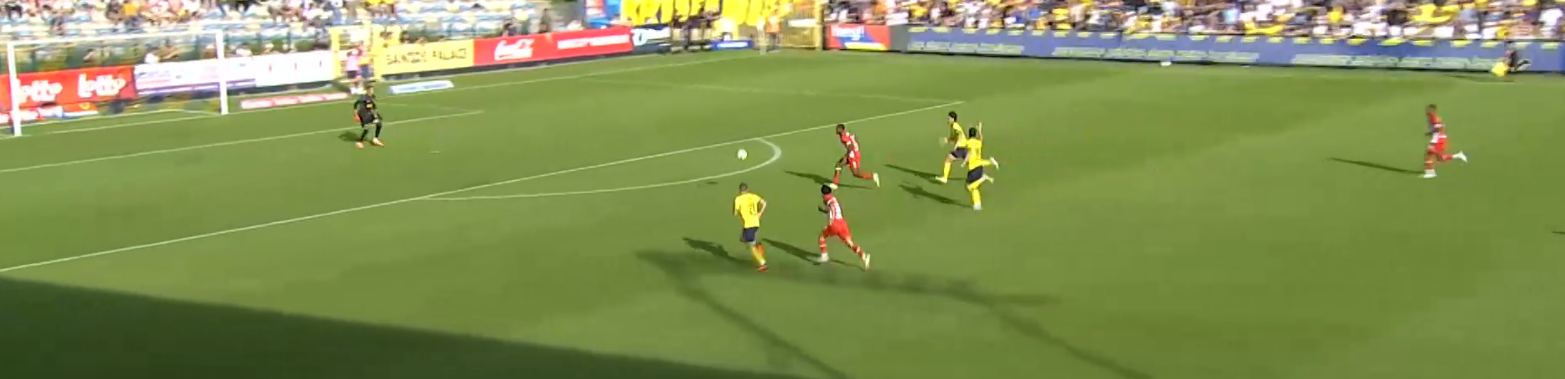
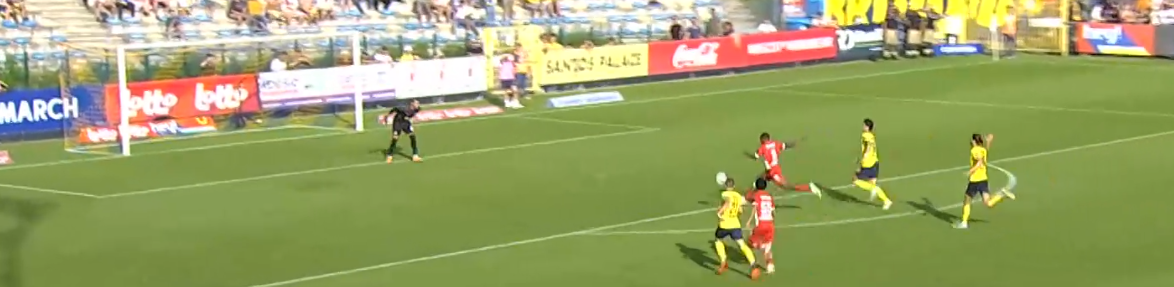
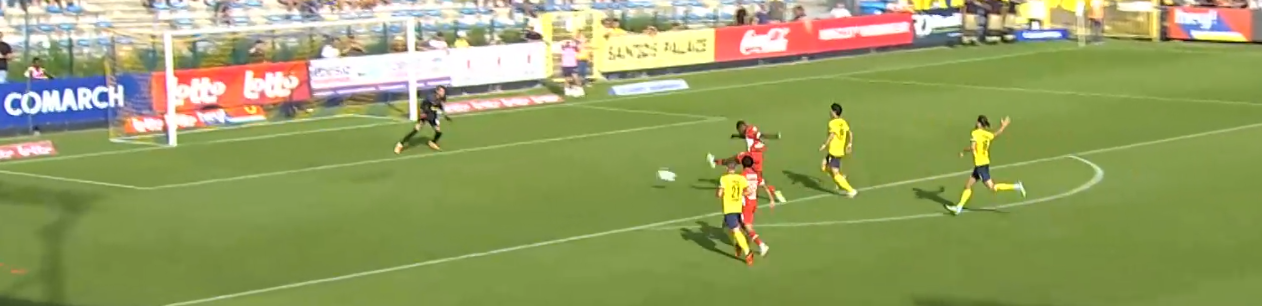

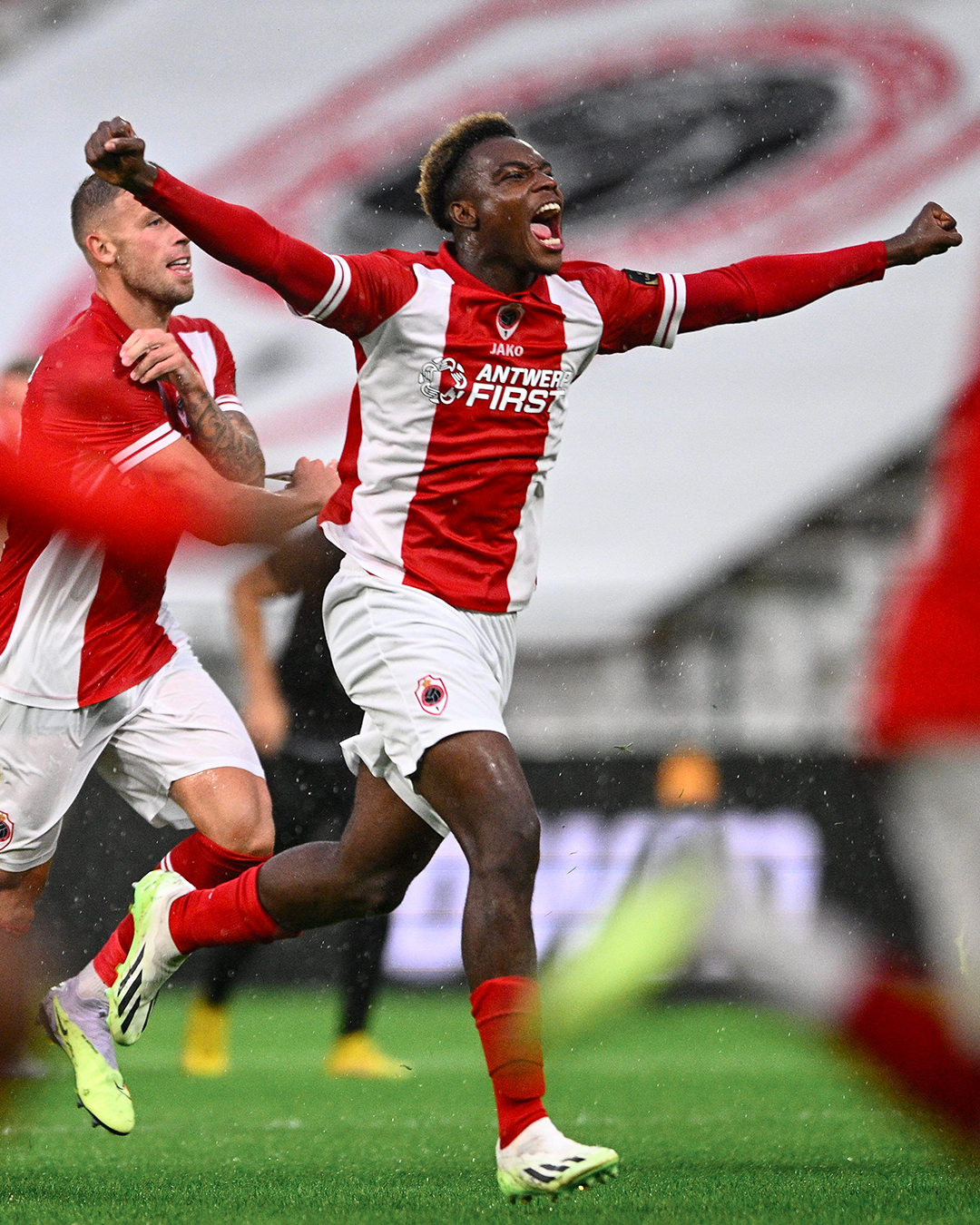
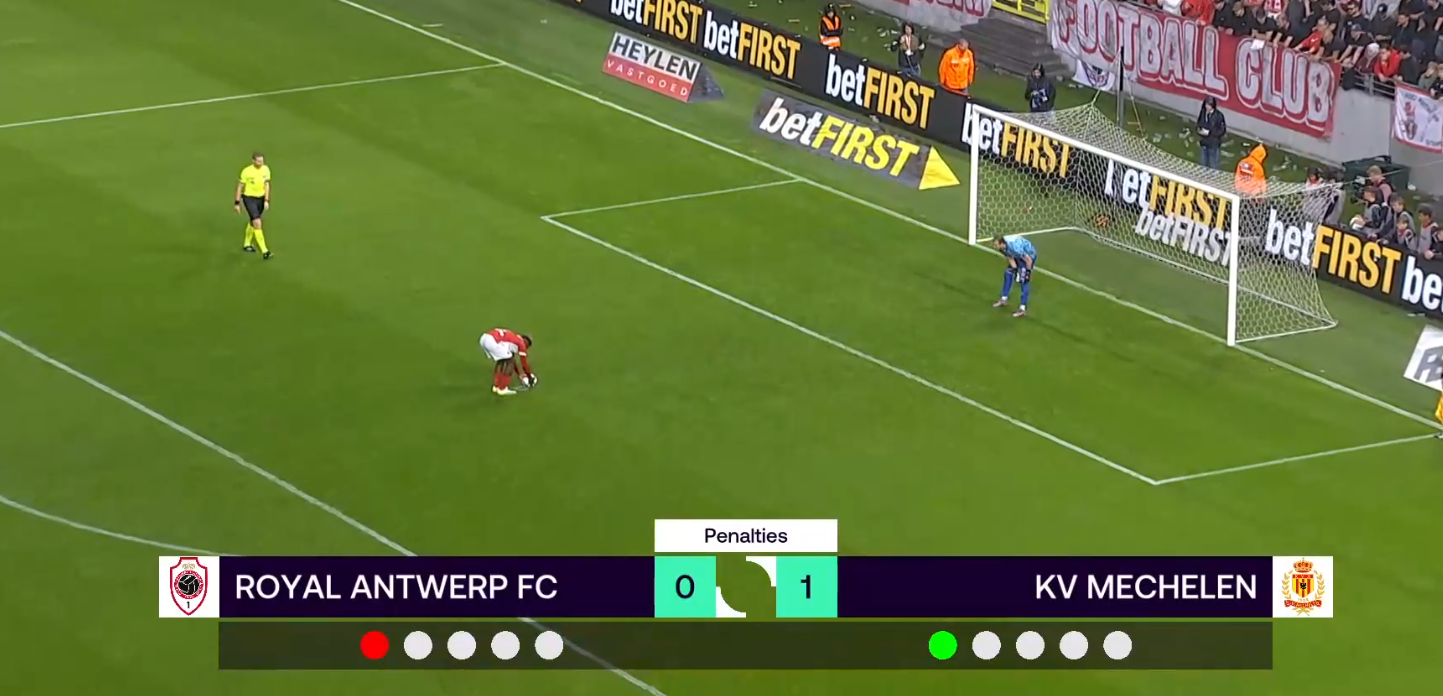
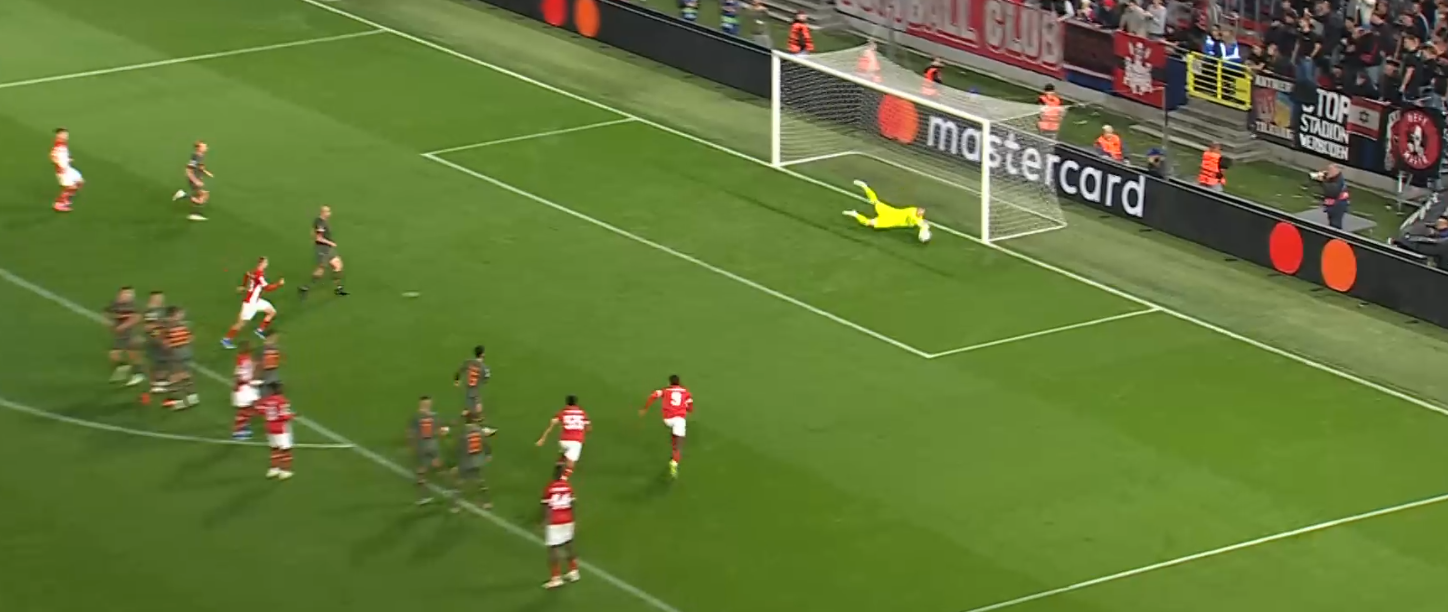
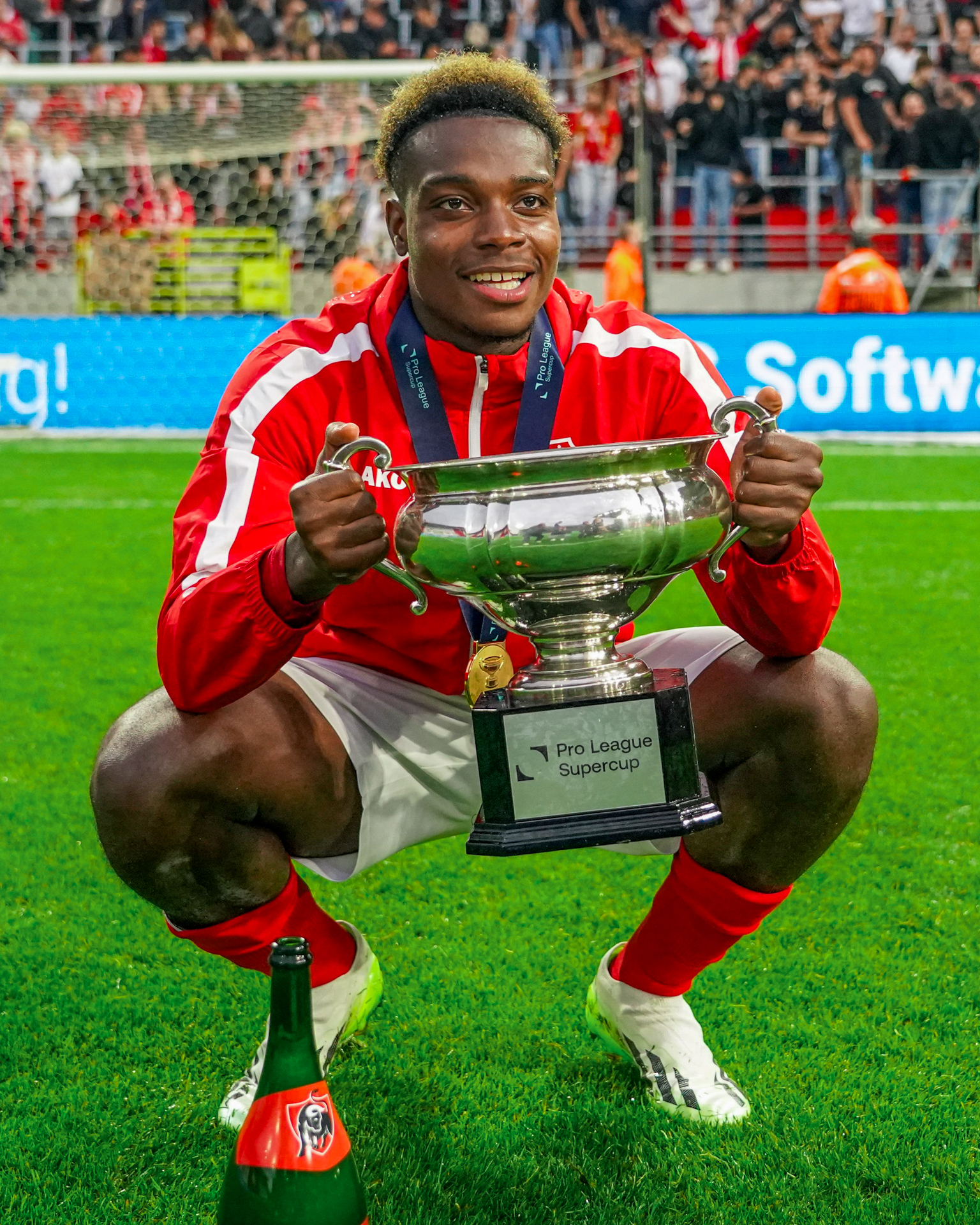
Taking a penalty when the team missed the first one, to win the Belgian Supercup
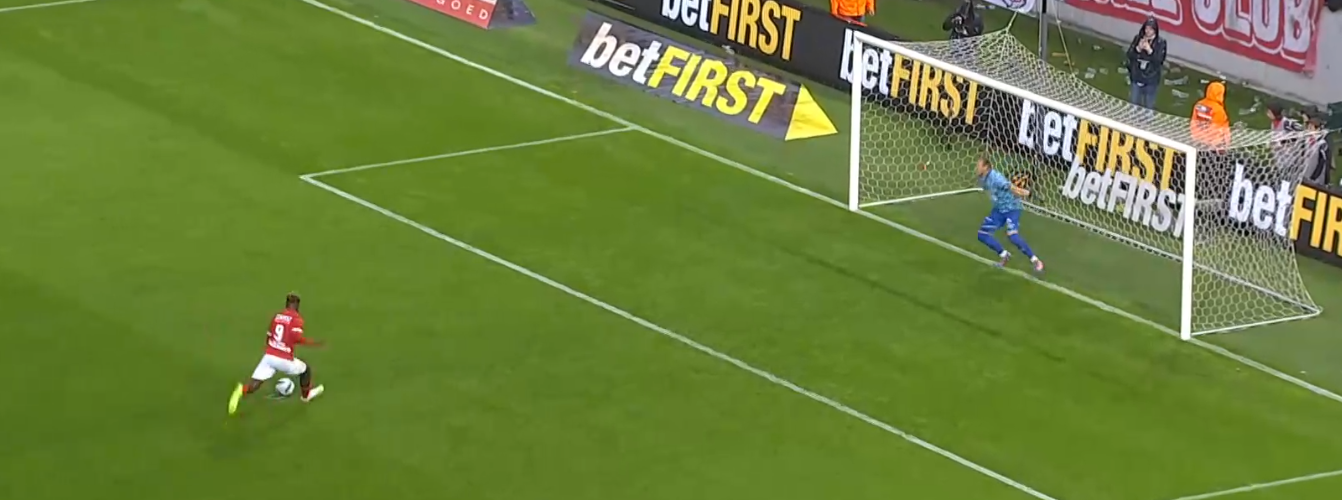
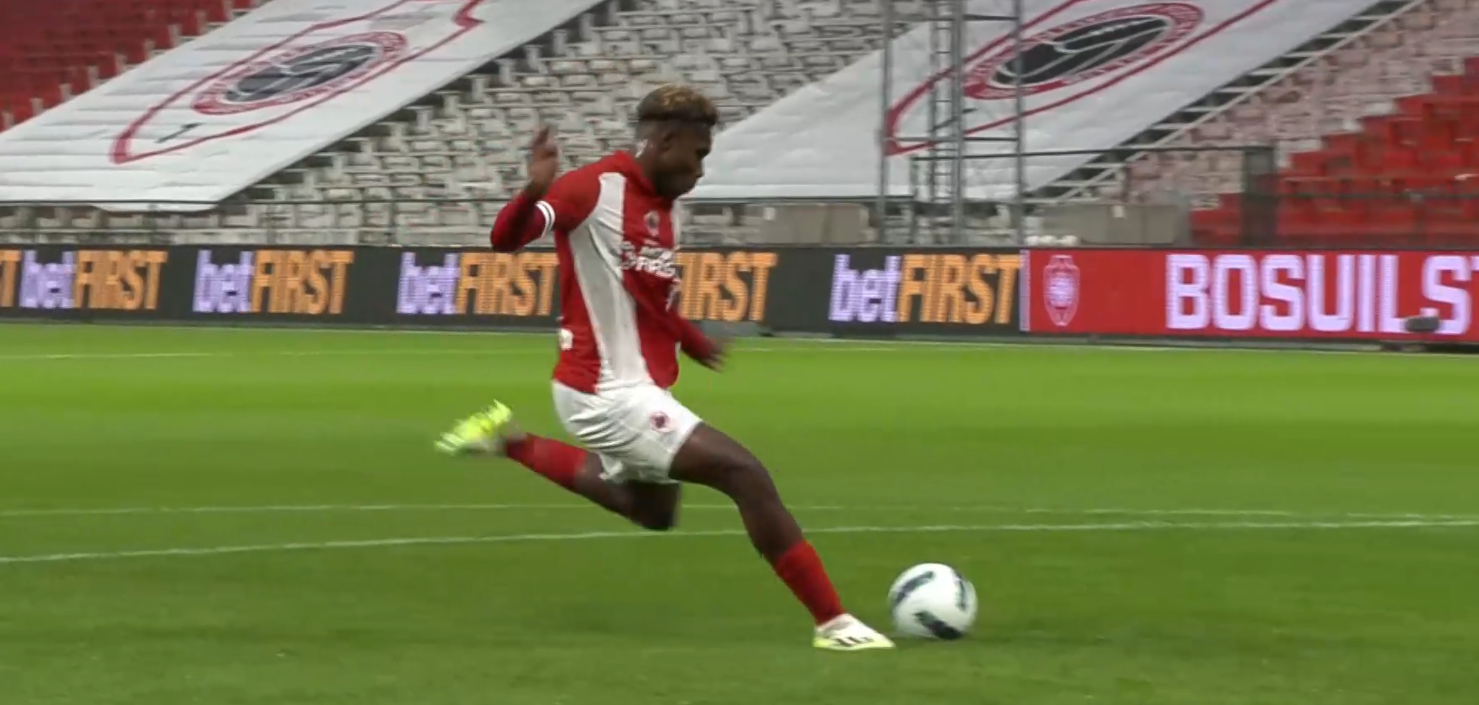

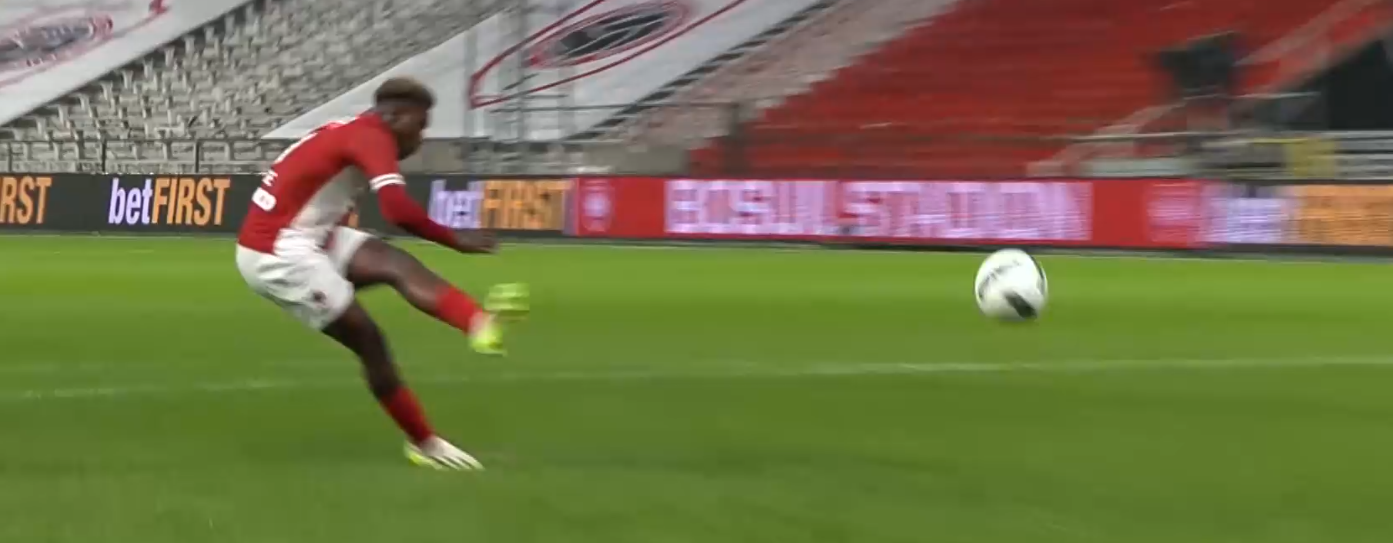


Finishing in a crowded box? Composure

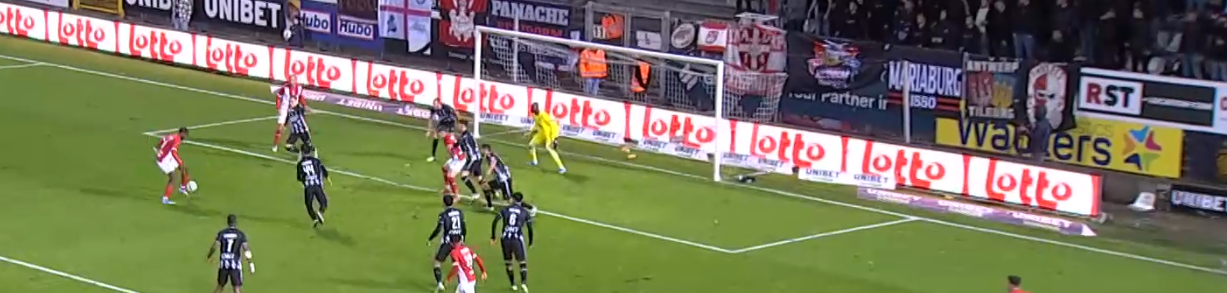
Quick strikers aren’t usually very gifted with their feet.
Daniel Sturridge was an exception. So does George Ilenikhena by the looks of it
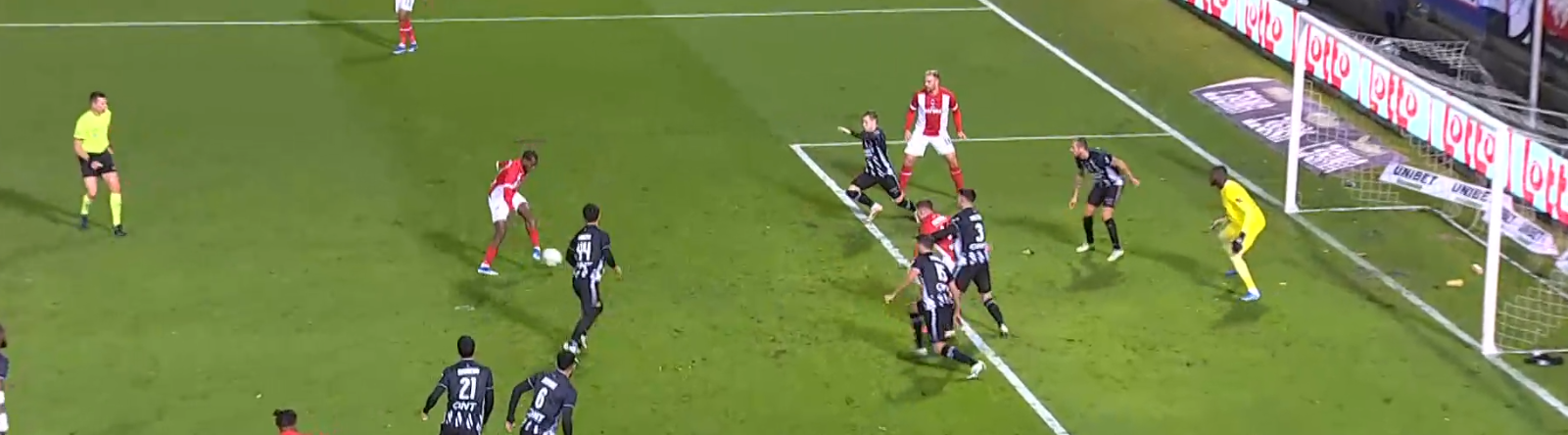
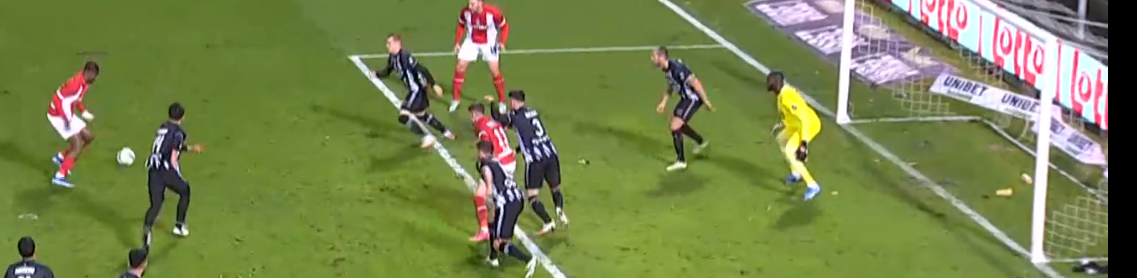
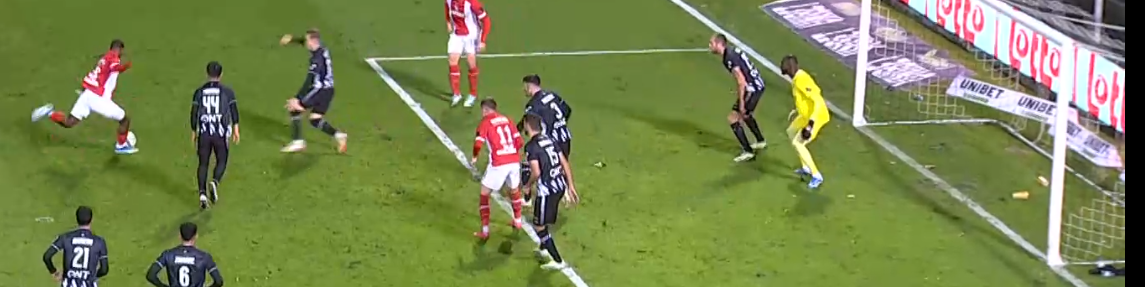
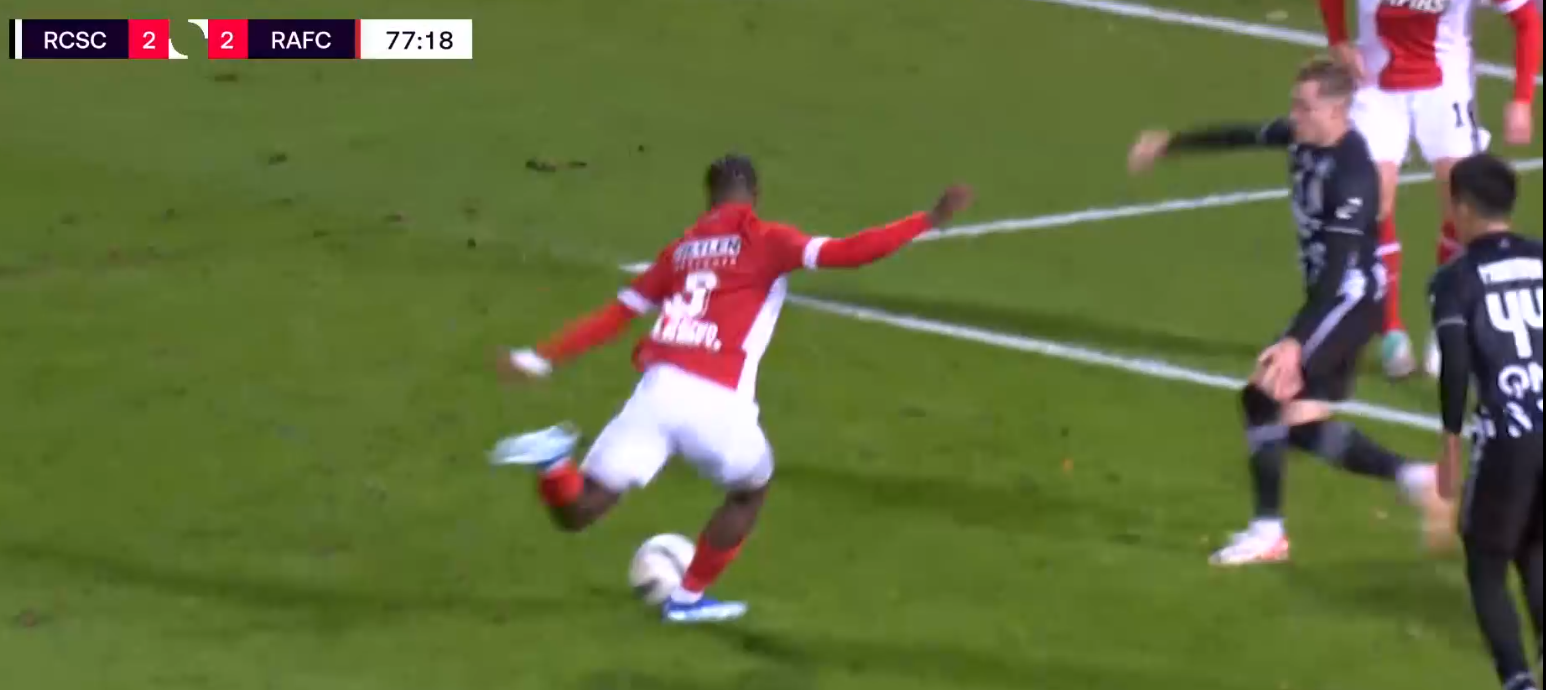

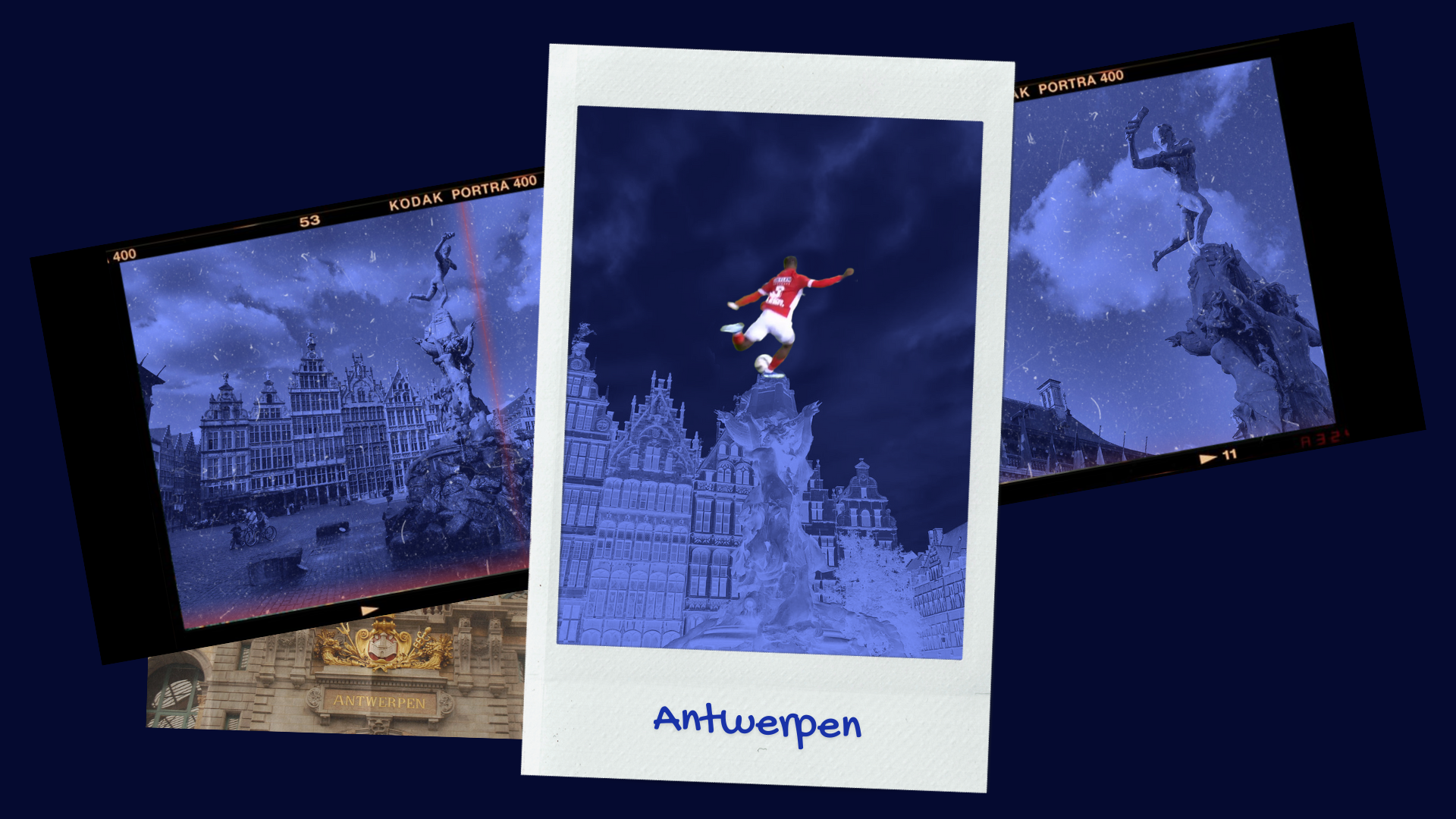
The Bee Gees had it right in 1977. Strikers need to stay alive in the box.
No centre forward (nor any player, really) should ever be flat footed in the box.
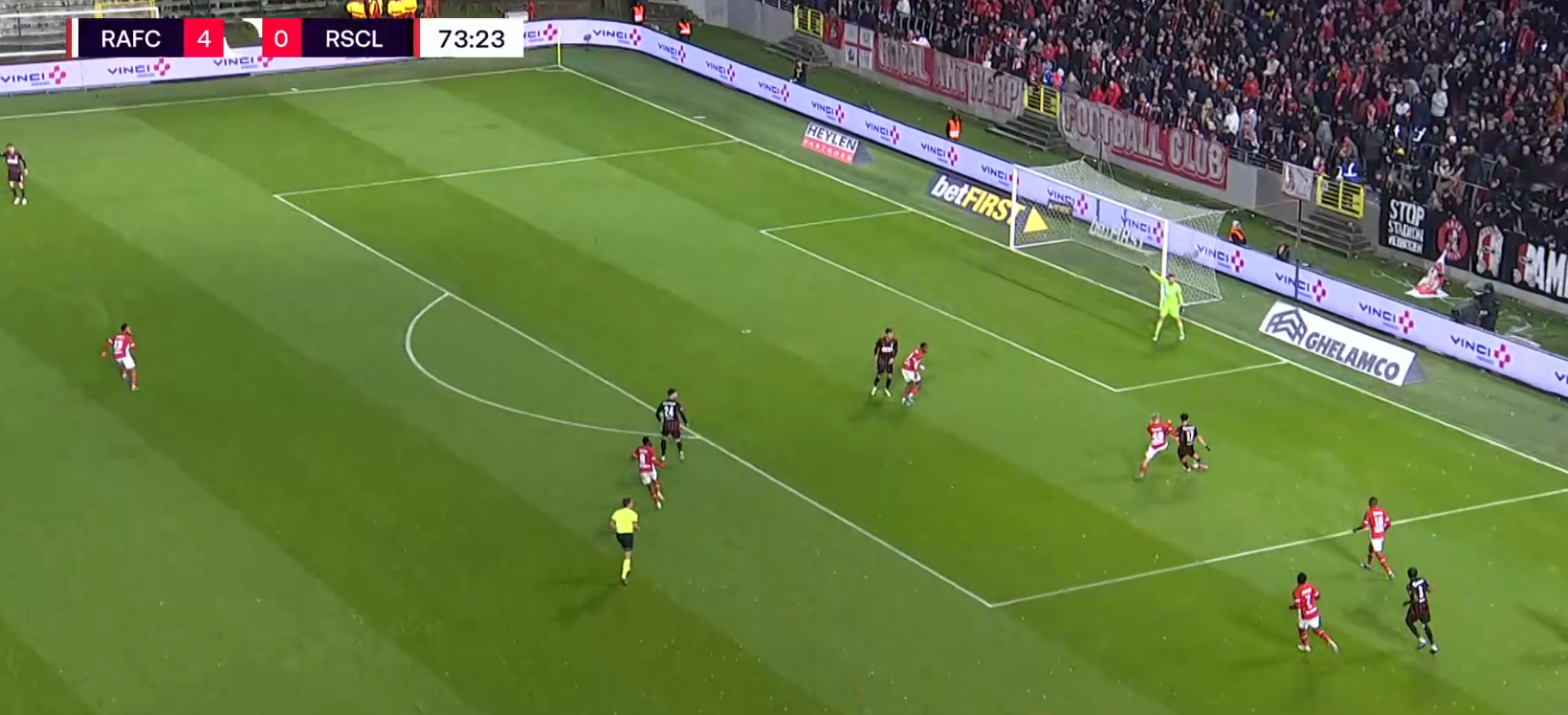

Carrying
Football’s never really evolving into *new* things (#SayNoToTacticos), as opposed to performing the same moves but quicker, sooner and more often.
Ball carrying forwards have always existed, the peculiar Nicolas Anelka was probably the most “talented” French forward of the past 25 years with Thierry Henry.
Both could take on an entire backline on the ball.
Chelsea identified Nicolas Jackson very early and saw in his second striker / winger outings, the guy to lead the line for Chelsea.
Good thing, George already looks like a 9 for anyone willing to pay attention.

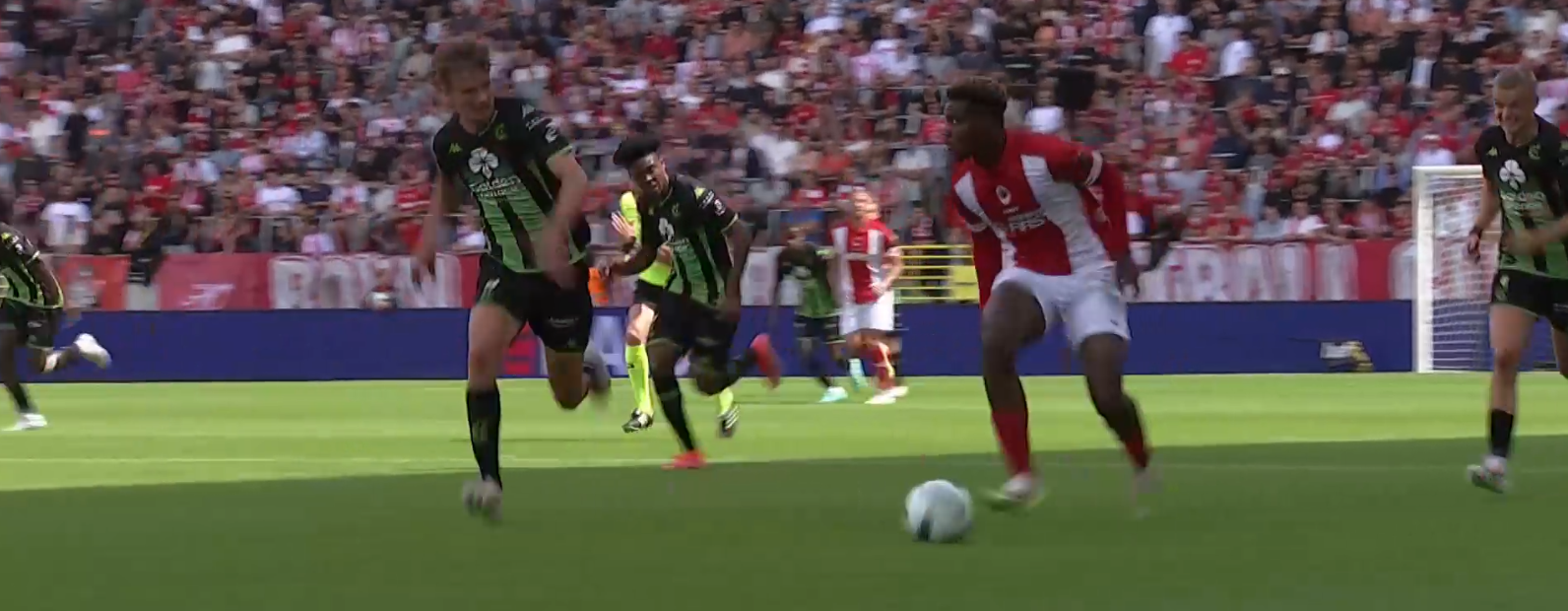
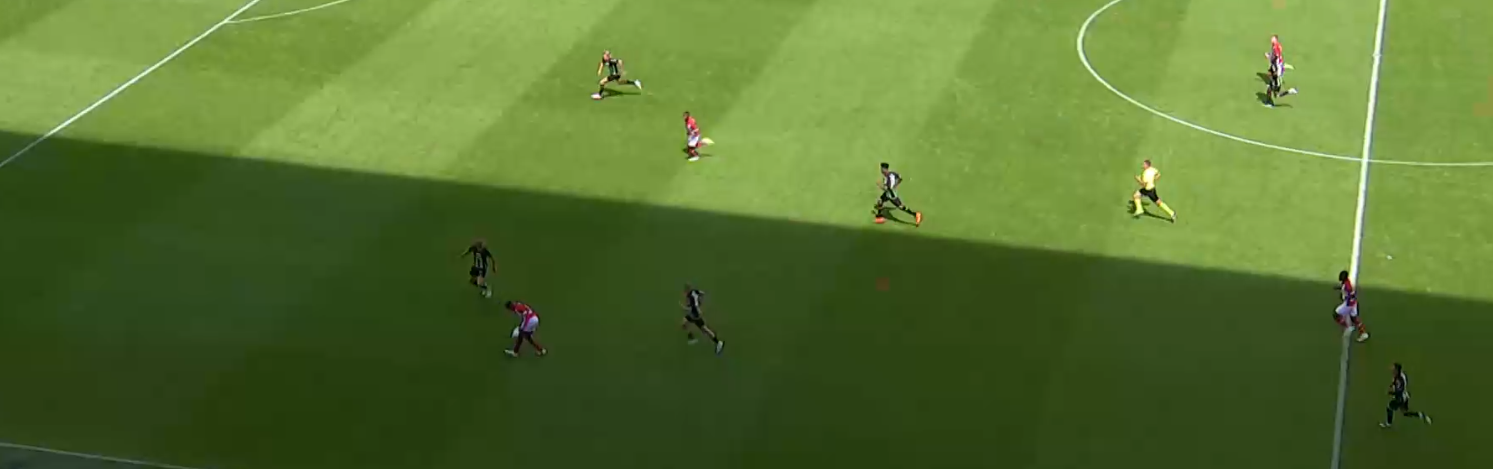
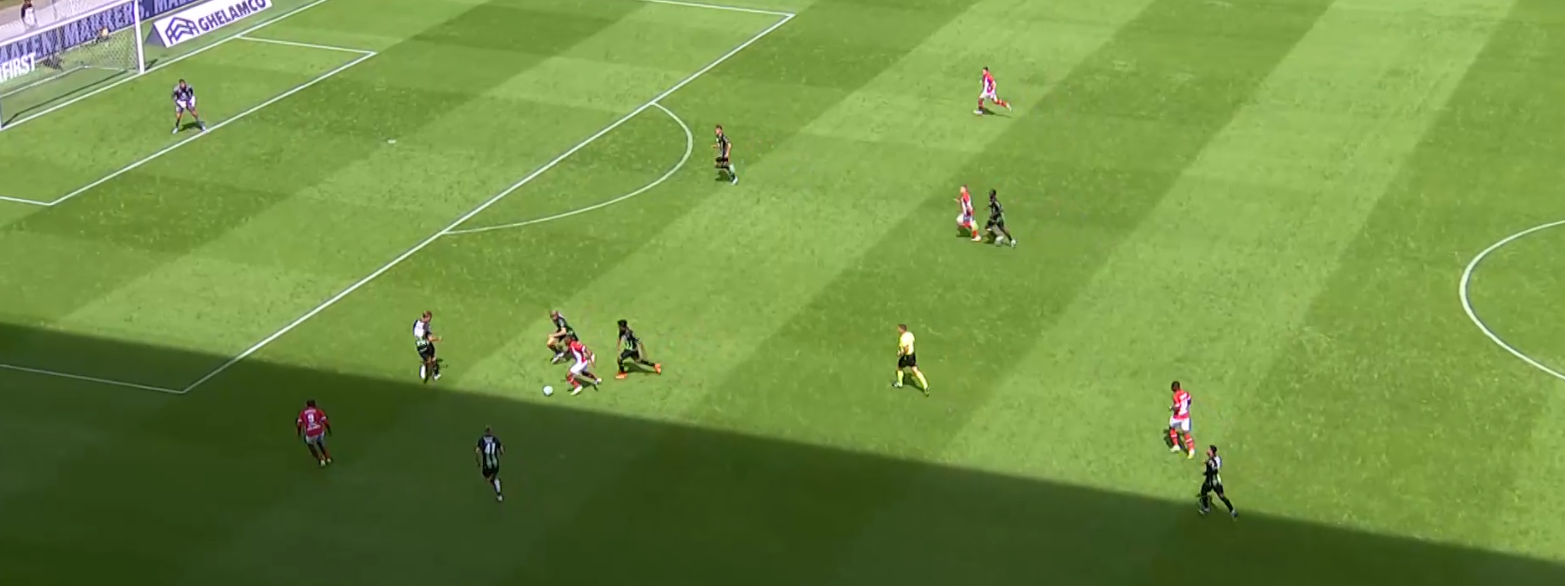
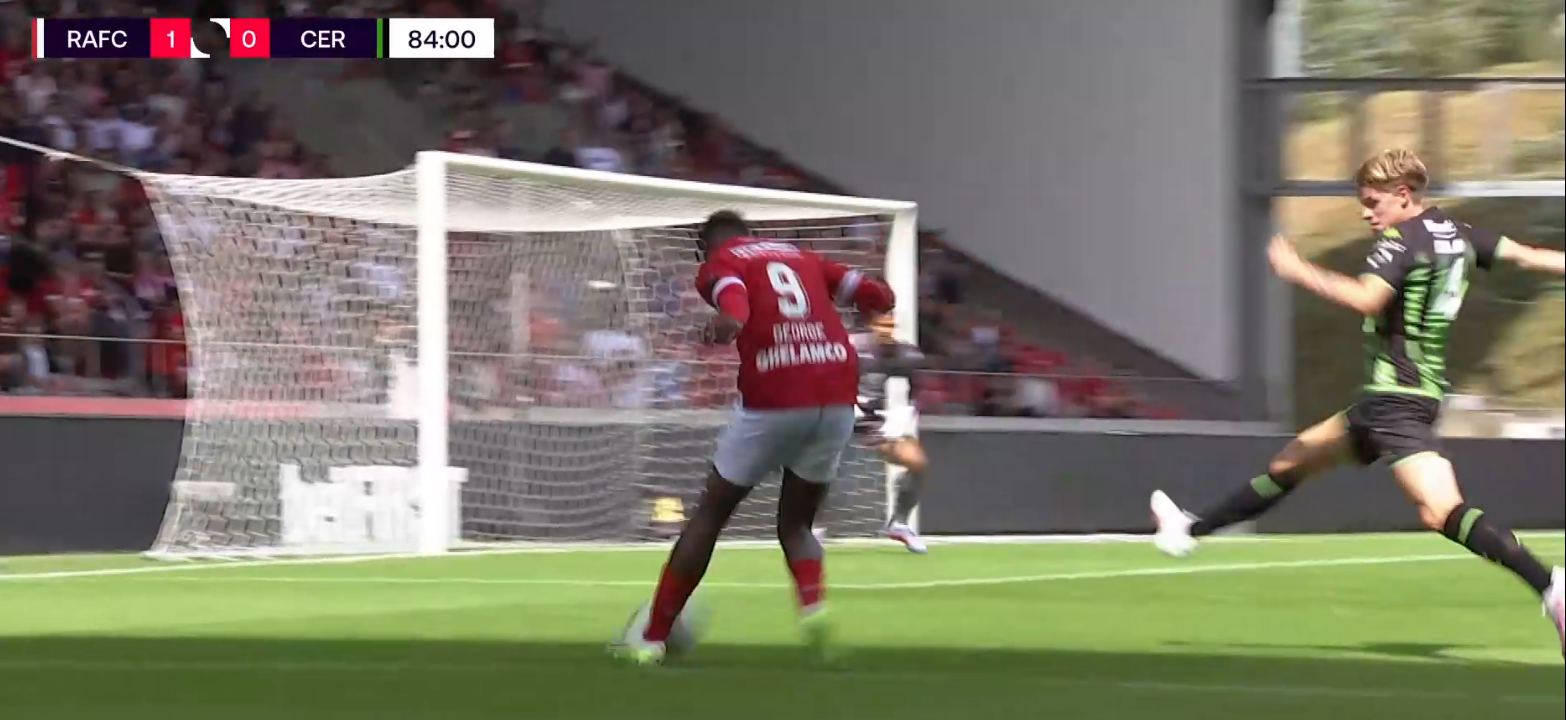
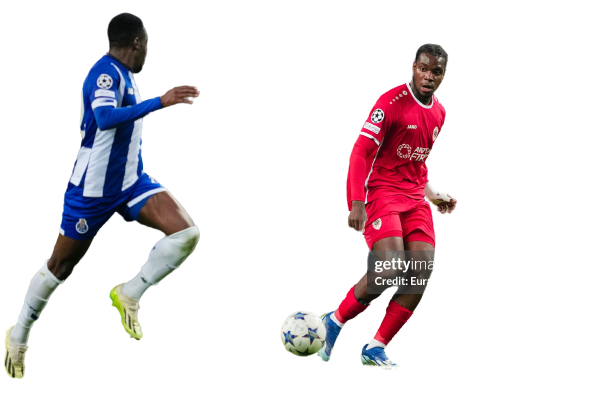
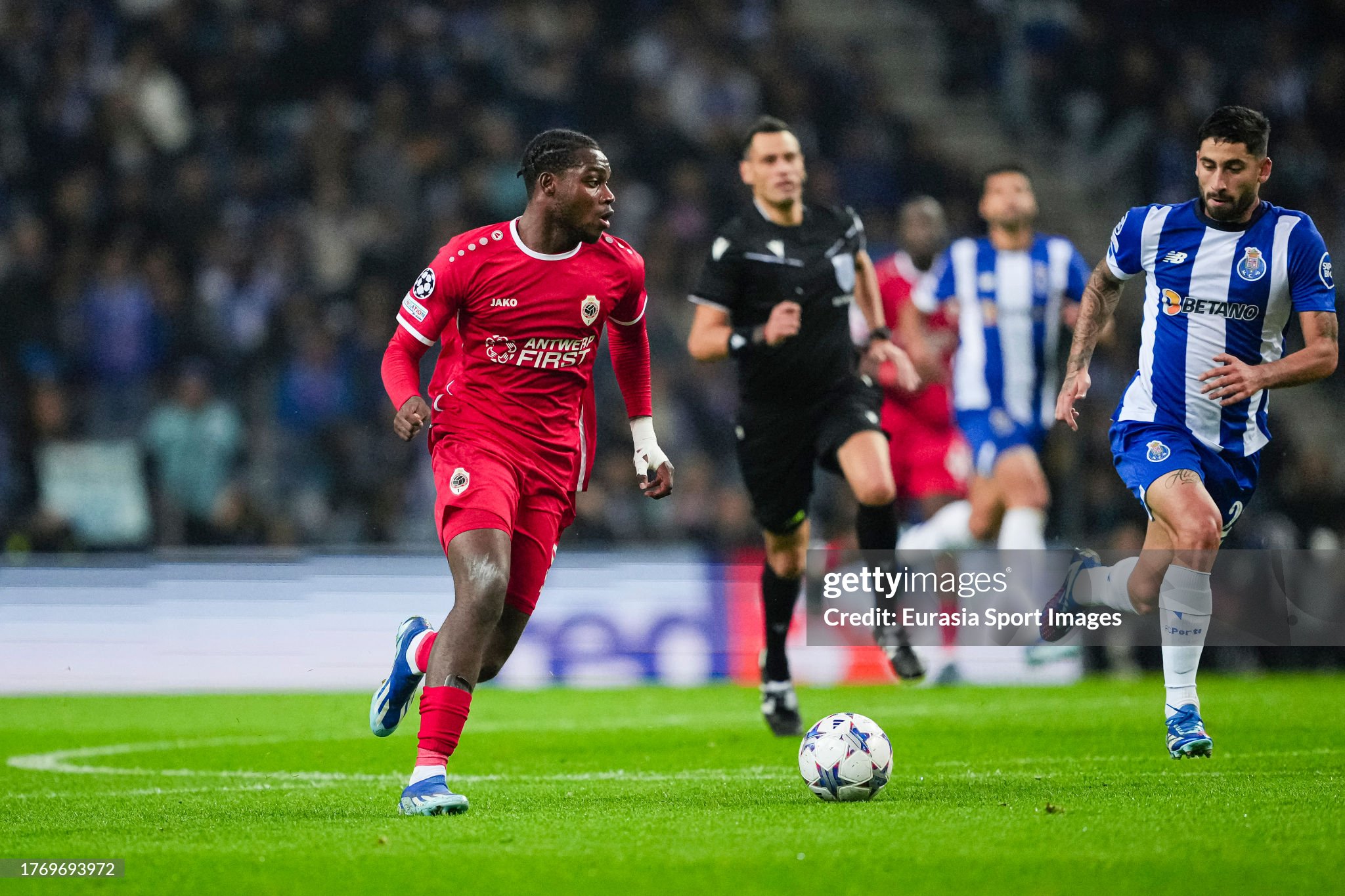
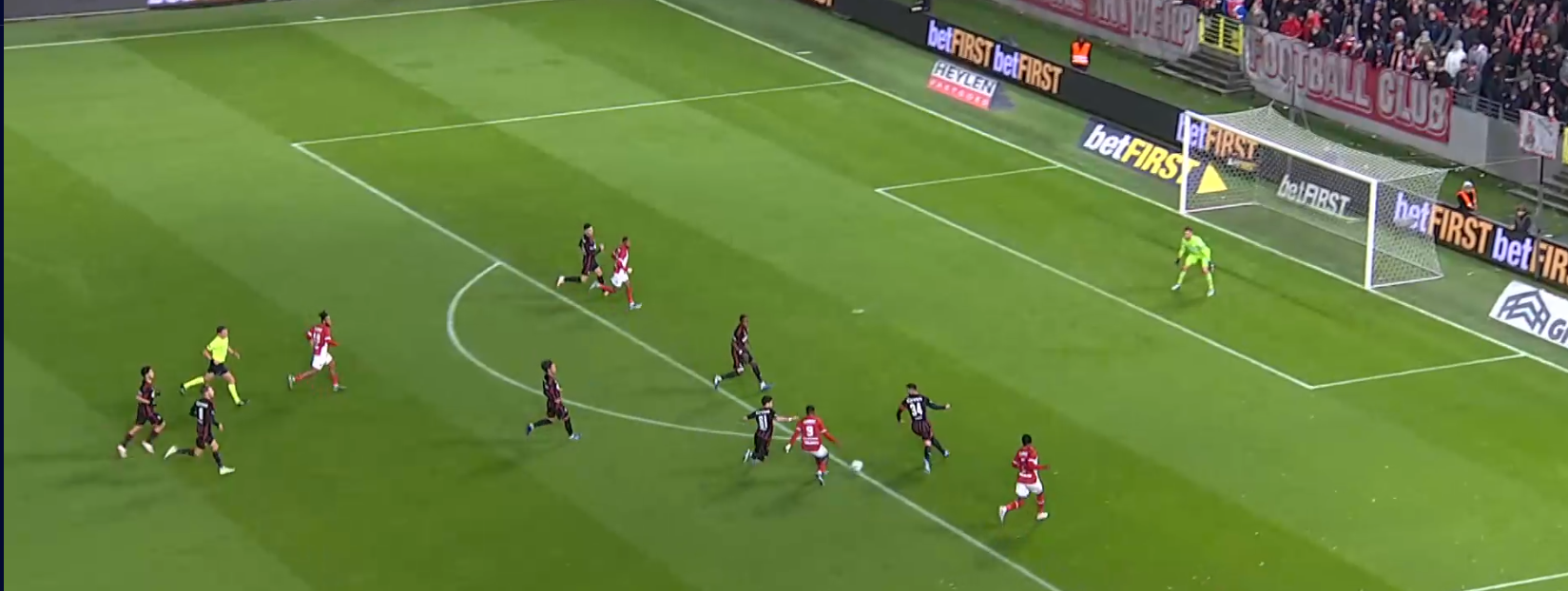
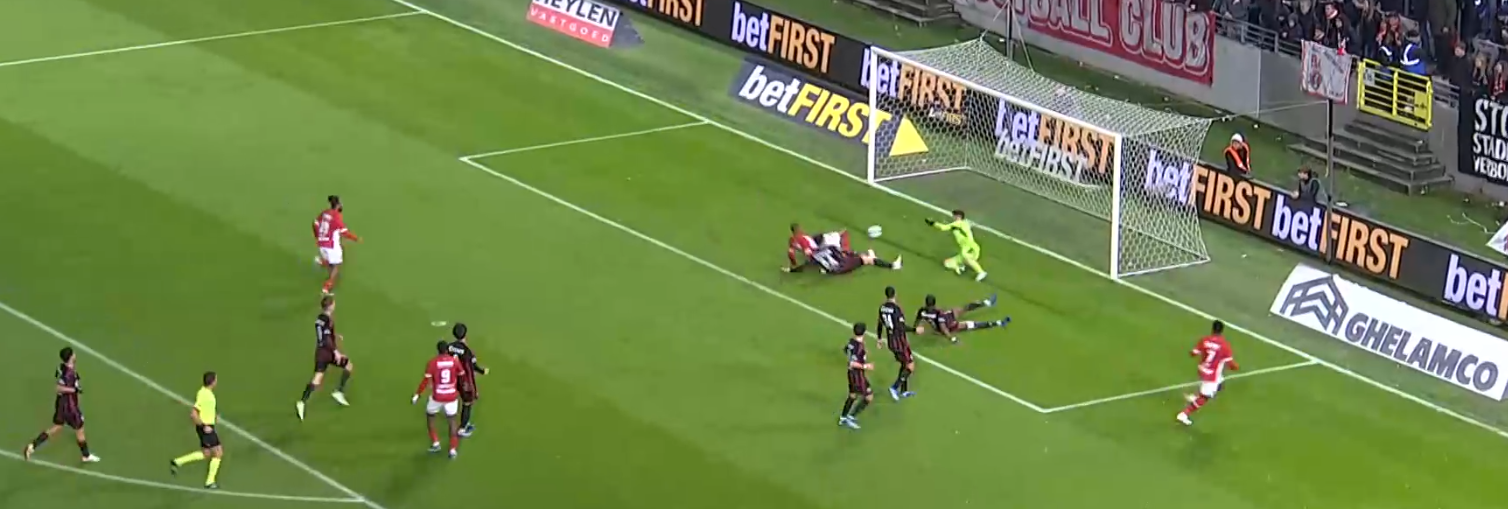
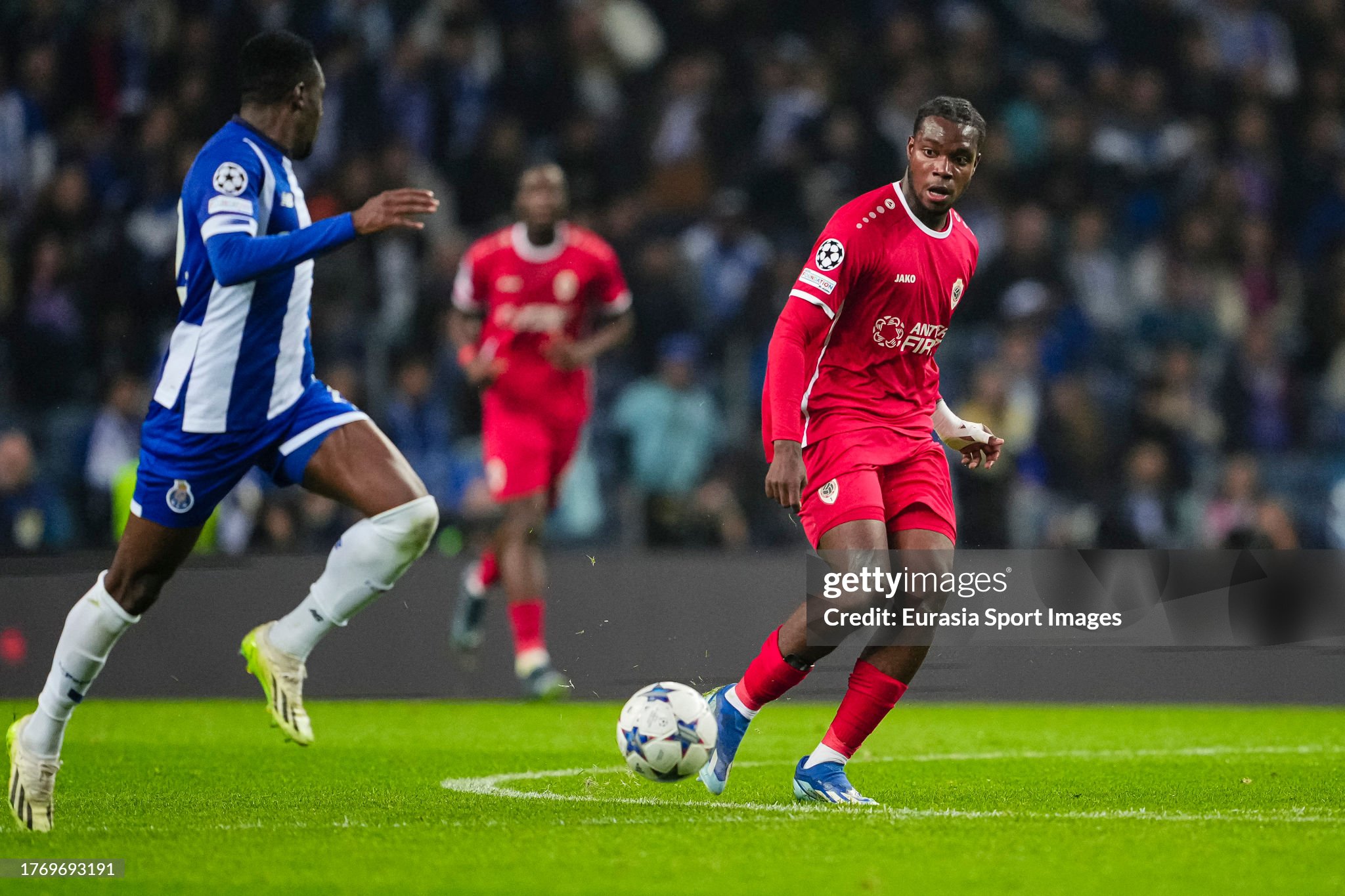
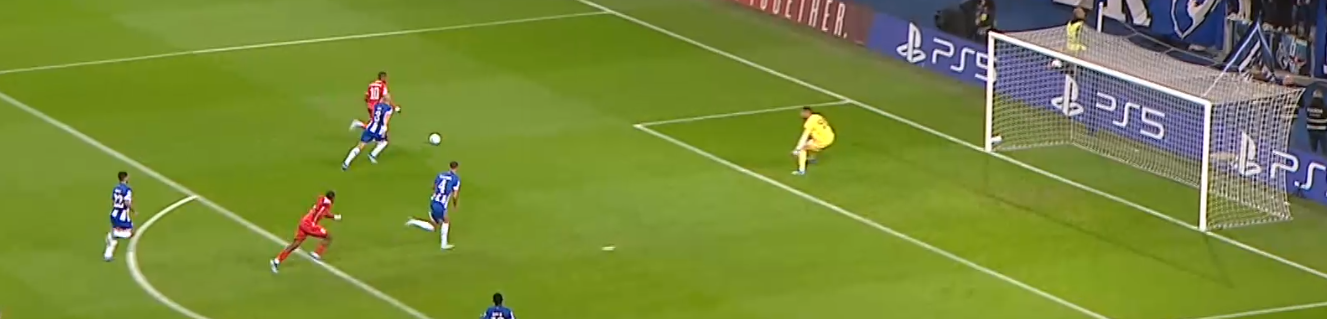
Composure when carrying often doesn’t come with the package, it’s knock it past first, think after. Not for George who showed at Porto that he could be an outlet to bring the ball into final third, but help retain it

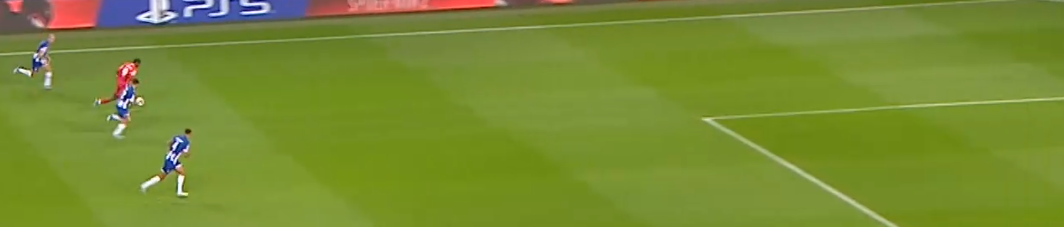
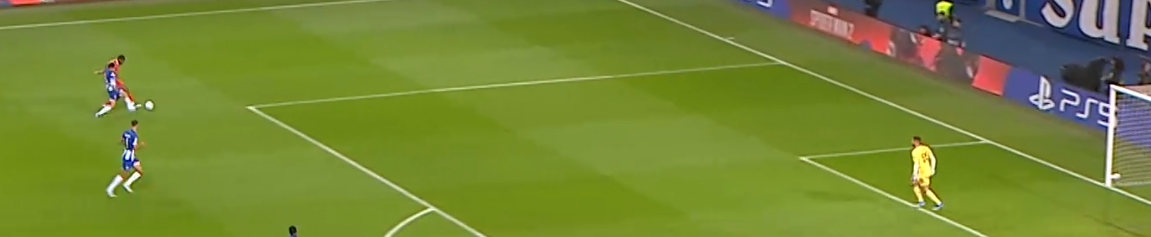
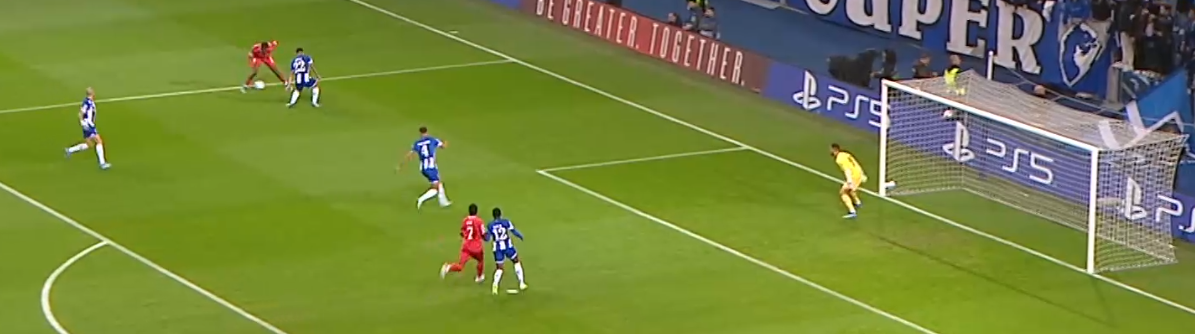
In a perfectly normal instance for a 17 year old CF able to take on an entire defence, making sure to create “stages” on the way to clear the pathway, or make sure nobody gets into his personal space.
Dribbling to score a solo goal is an enticing trail of candy to follow, but effectiveness might dictate to draw a foul if an arm can’t be used to move players out of the way.
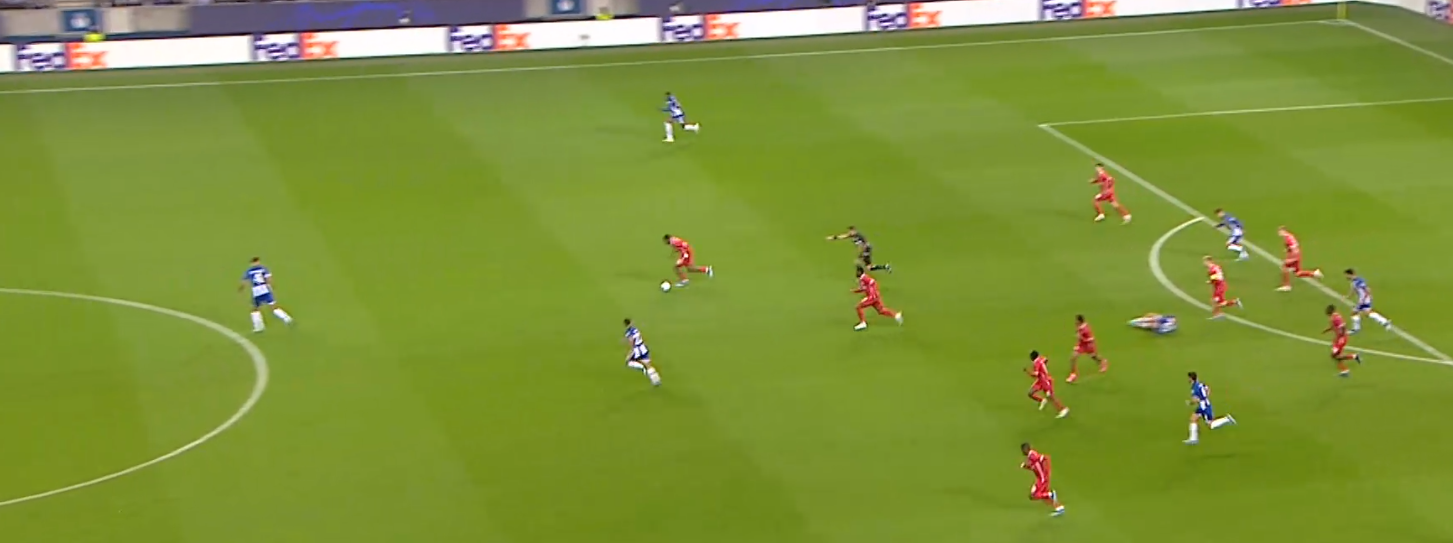
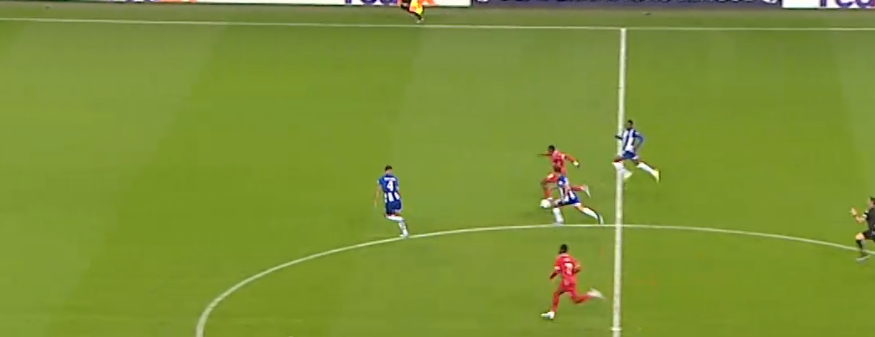
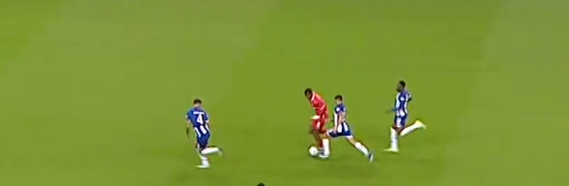
Counter attacking decision making answer to a clear set of universal actionable coaching points to make it work.
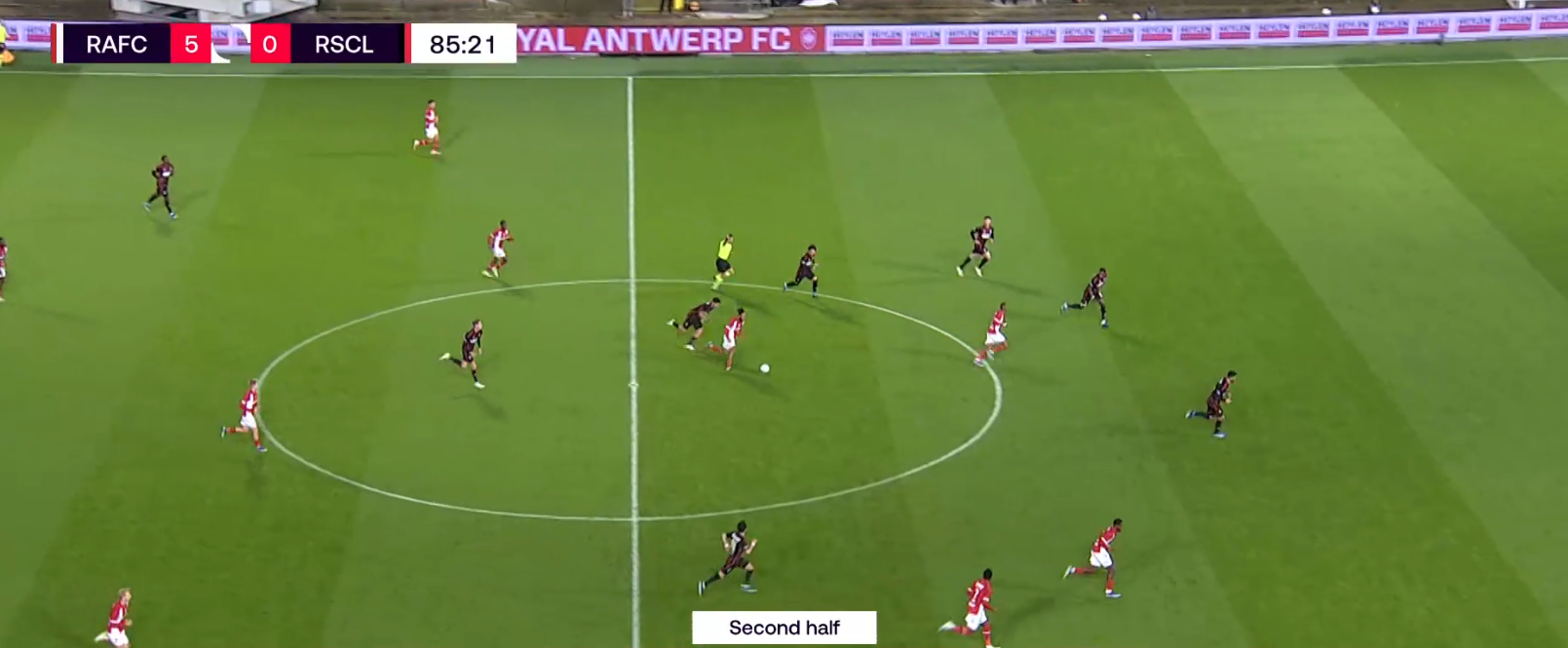
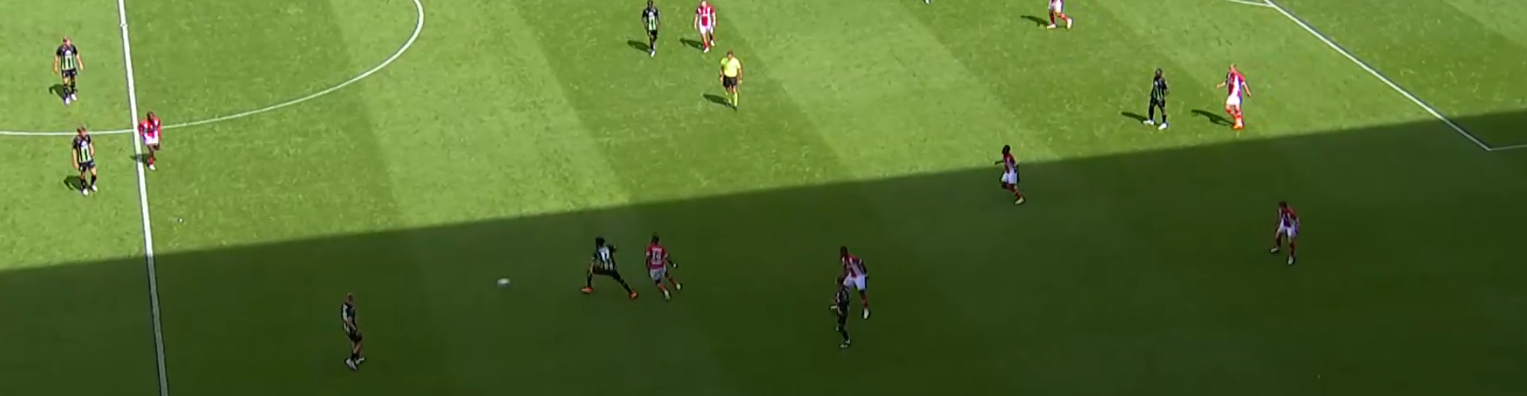
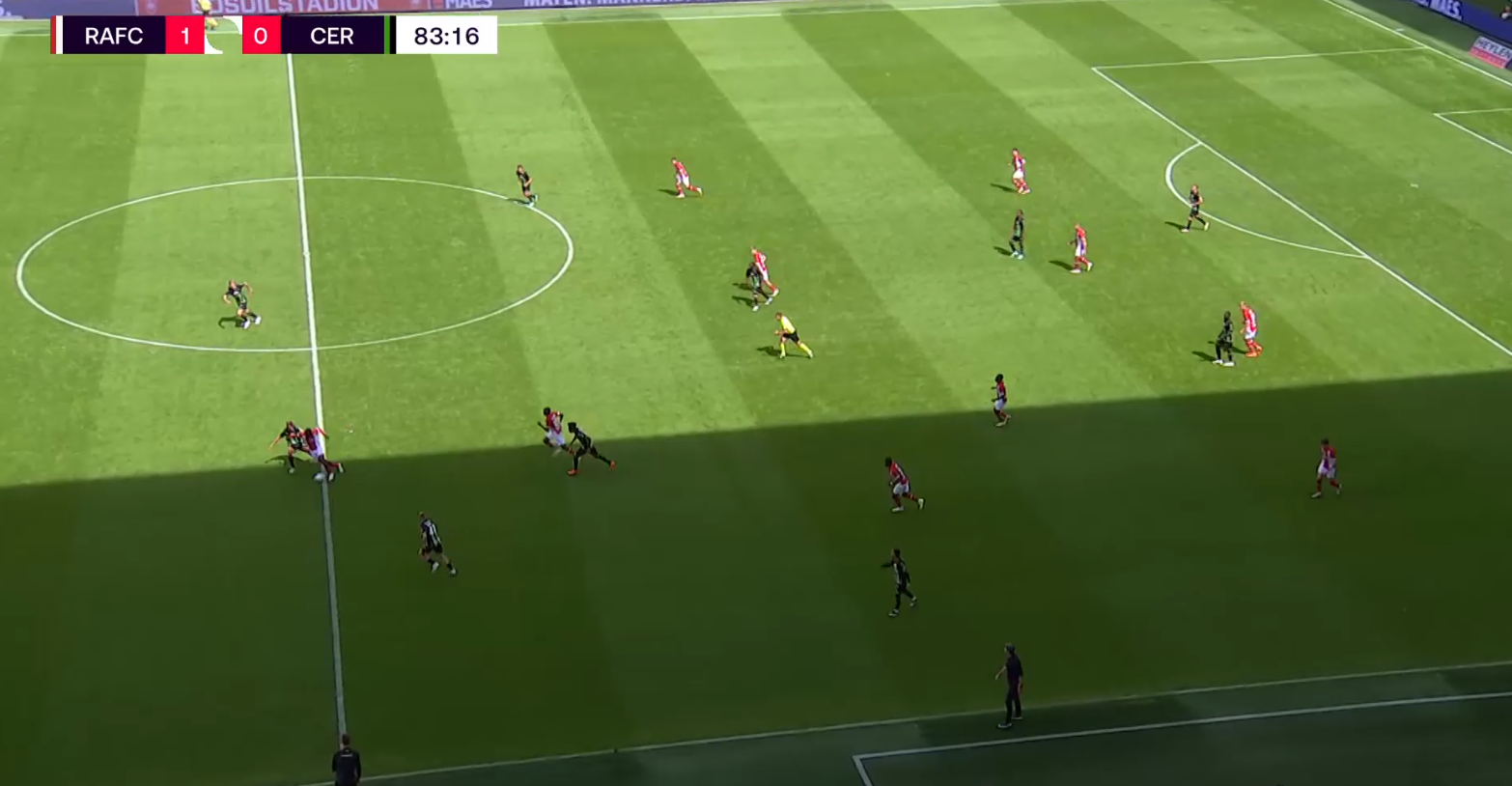
The most important one is to never carry in a straight line, because straight for a straight pass doesn’t open the picture enough, as opposed to diagonal – that commits defenders – to set a straight pass toward goal.
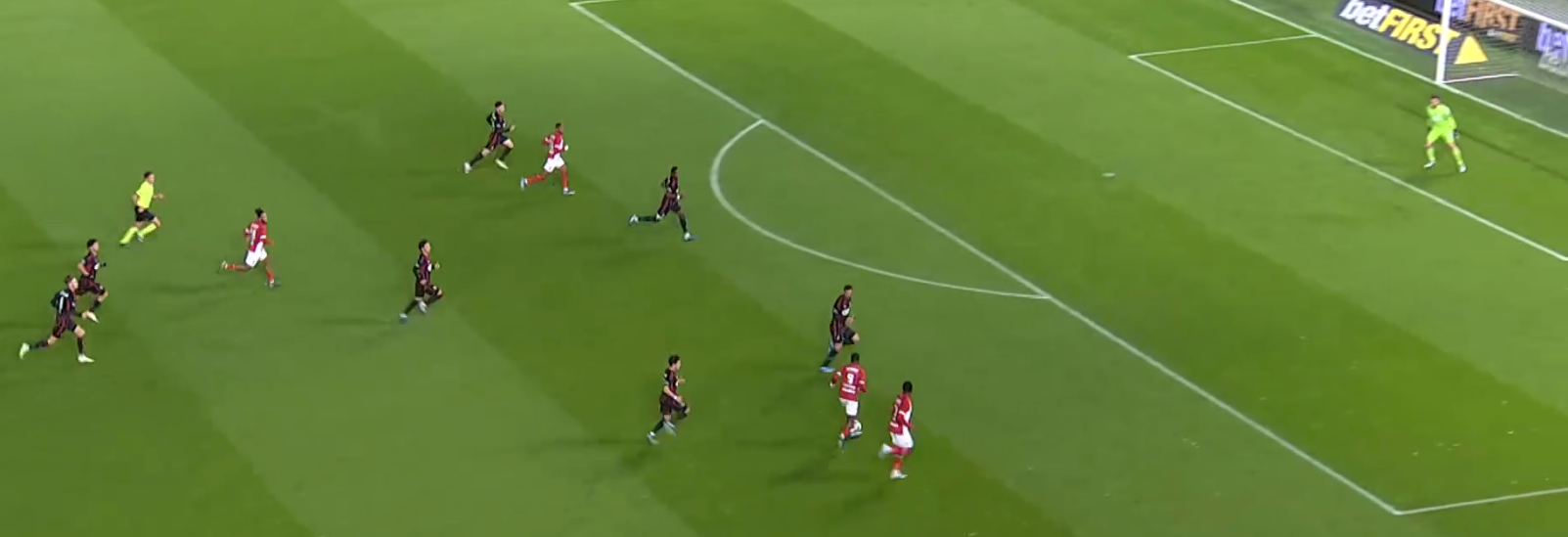
Ideally, and that’s a free gold coaching tip, get players to aim for the angle of the 6yd box
Playmaking
Setting team mates in a better position requires to overcome the urge to get a shot off yourself, combined with an ability to see the picture quickly enough
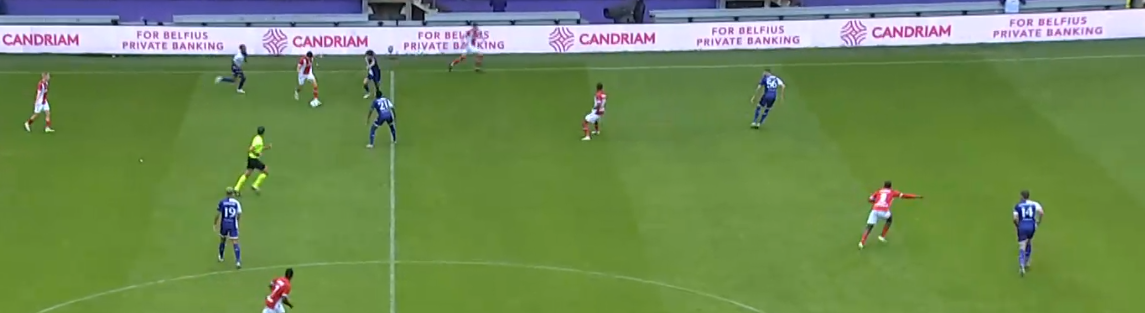
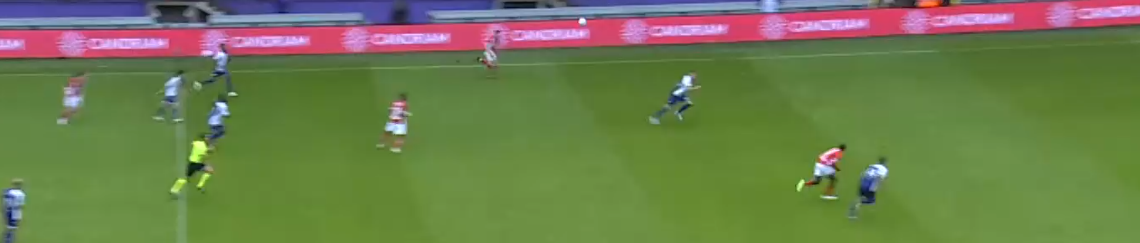


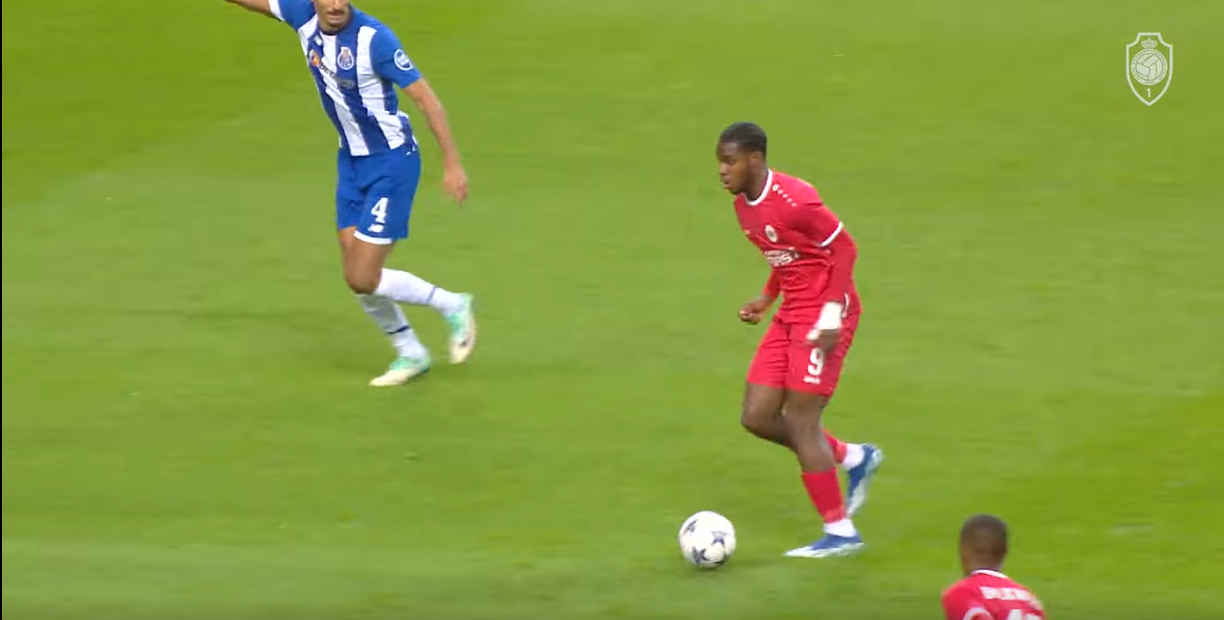
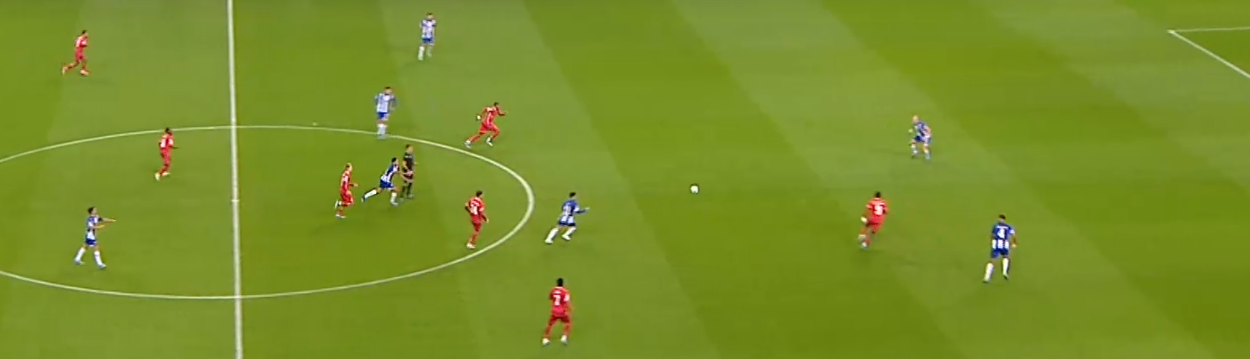
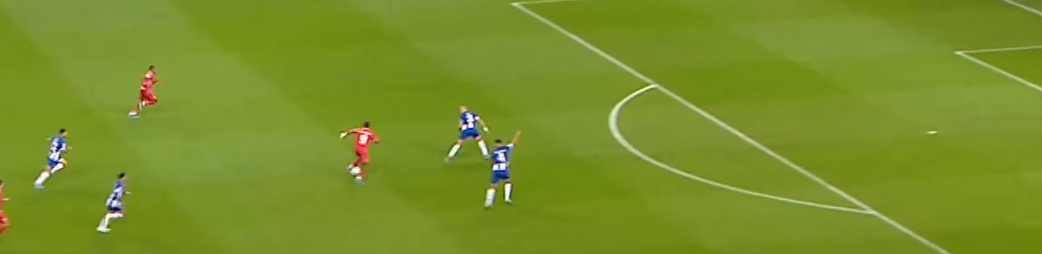
This one is “elite” behaviour on a counter.
Diagonal carry for a straight pass, and that’s exactly what George does
Chance favors only the prepared mind
Louis Pasteur
Headed play
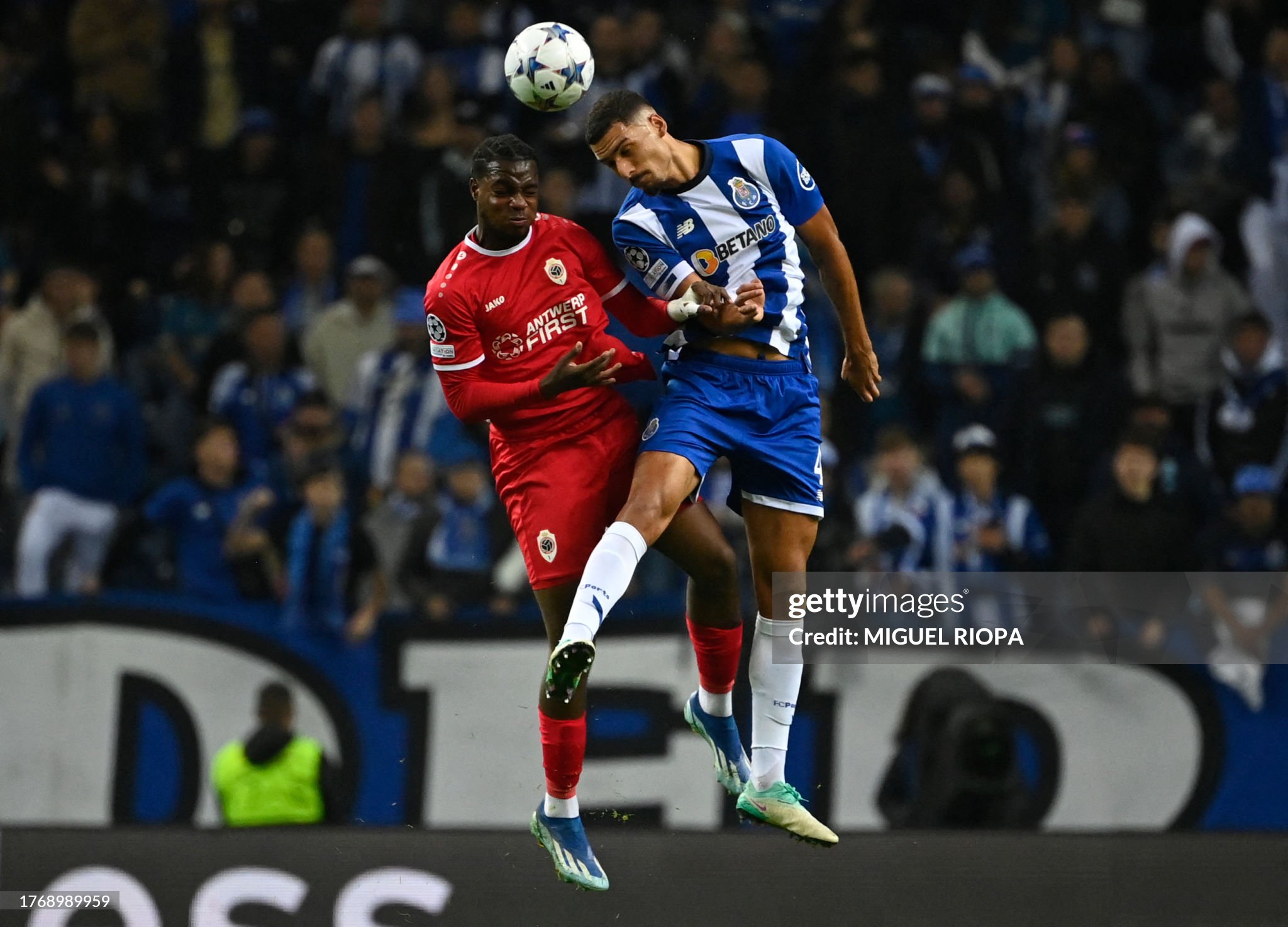
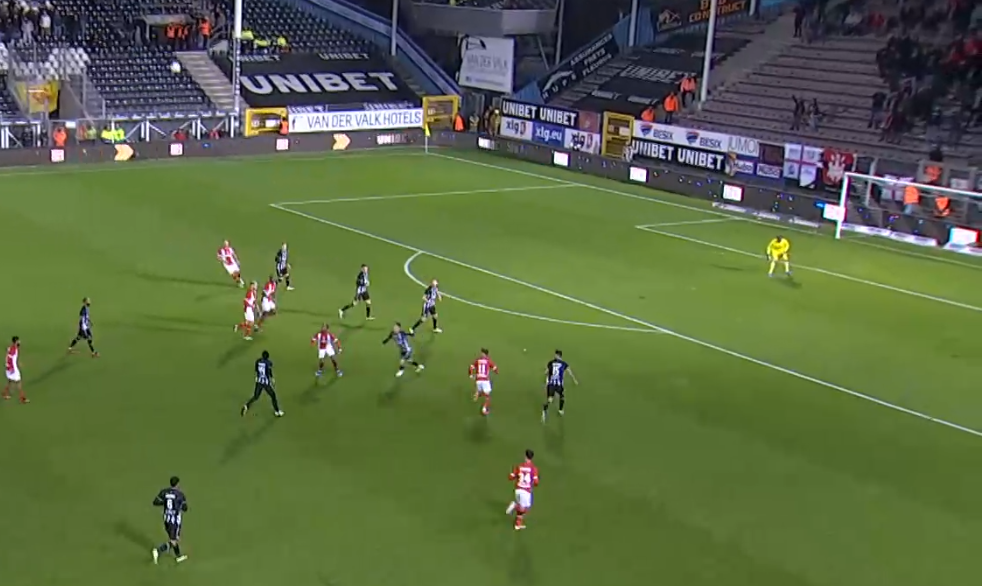
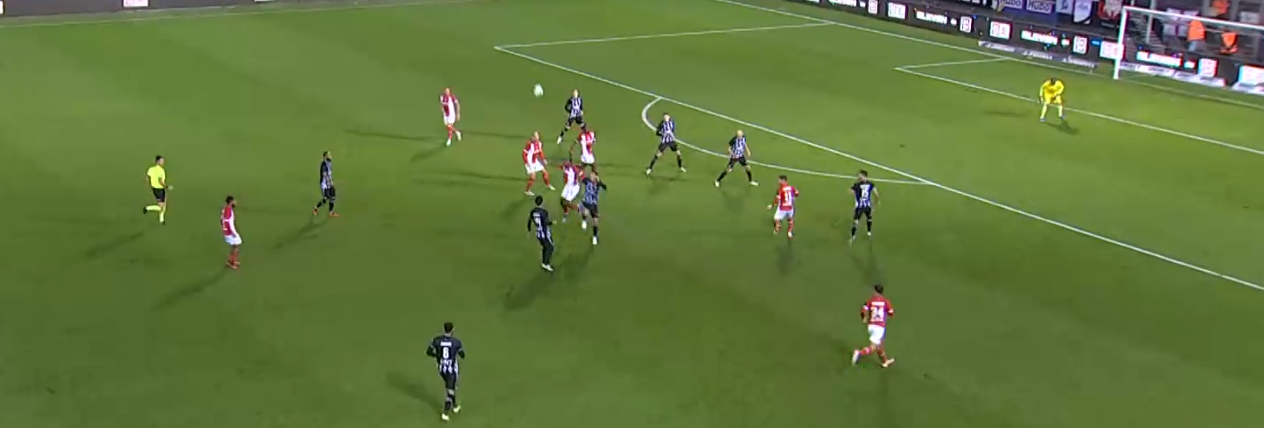
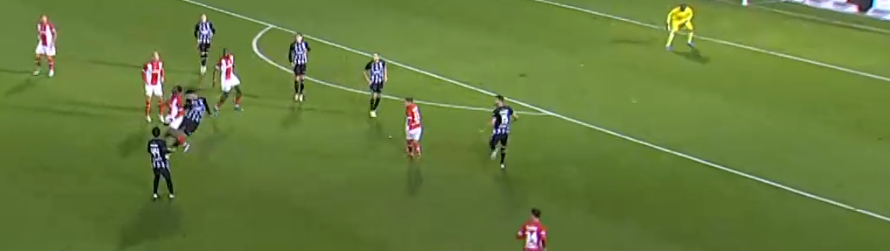
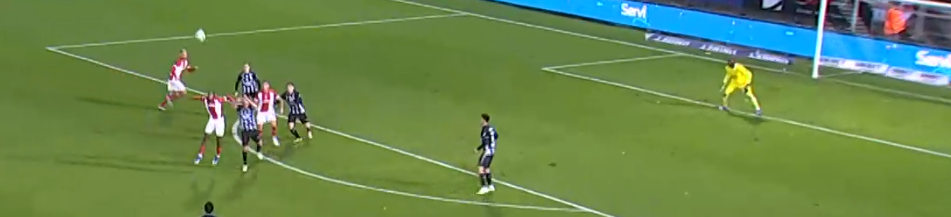
George however isn’t the most succesful header of the ball, at 6ft1 (185cm)
The reason for this is that he mis-times jumps by taking off too early (so on his way down when the ball actually reaches the drop point).
Wanna win the ball? Start jumping from the apex point
Flicks ons
Forwards need to stay alert. Ball is for me, I jump, is not, I anticipate the flick in a realistic drop point
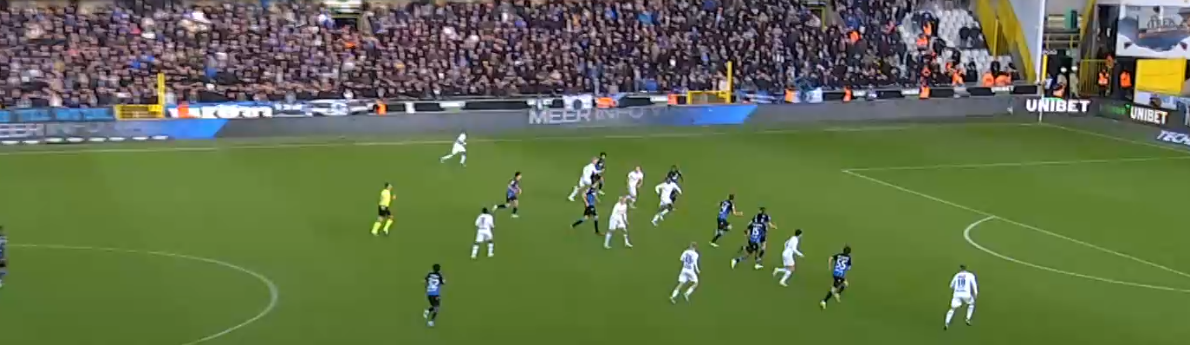
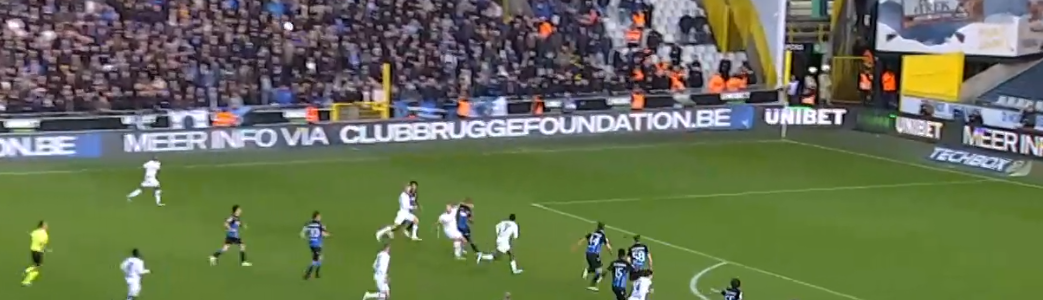
There’s other ways for strikers to be useful on aerial duels (or at least when the ball is up in the air), which doesn’t always involve logging a “1” on a spreadsheet
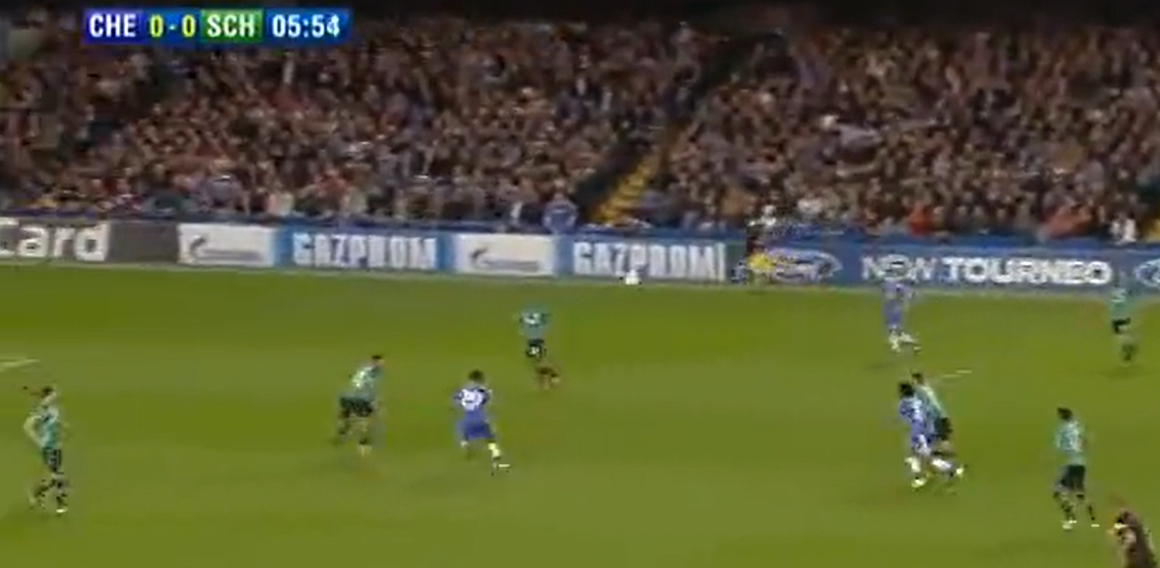
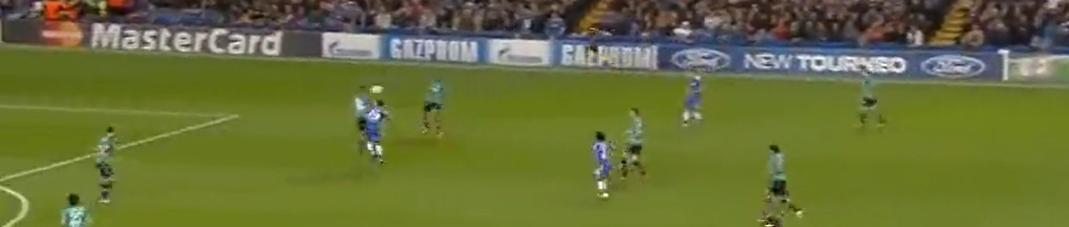
Samuel Eto’o (5ft11 – 180cm) was an expert at disrupting defender’s jump by mis-timing (early, as he’s shorter) his jumps… on purpose
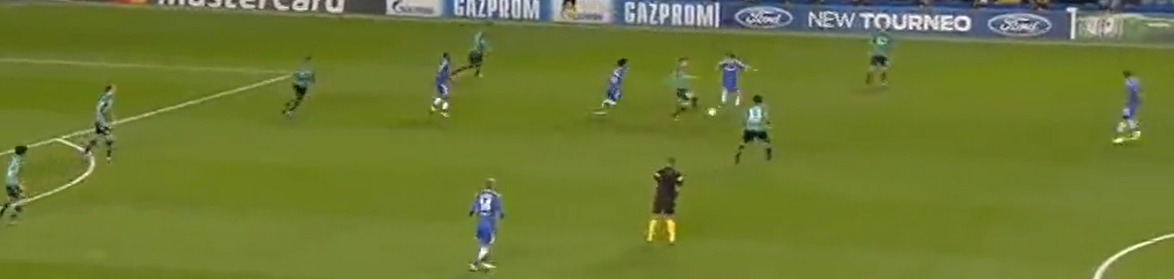
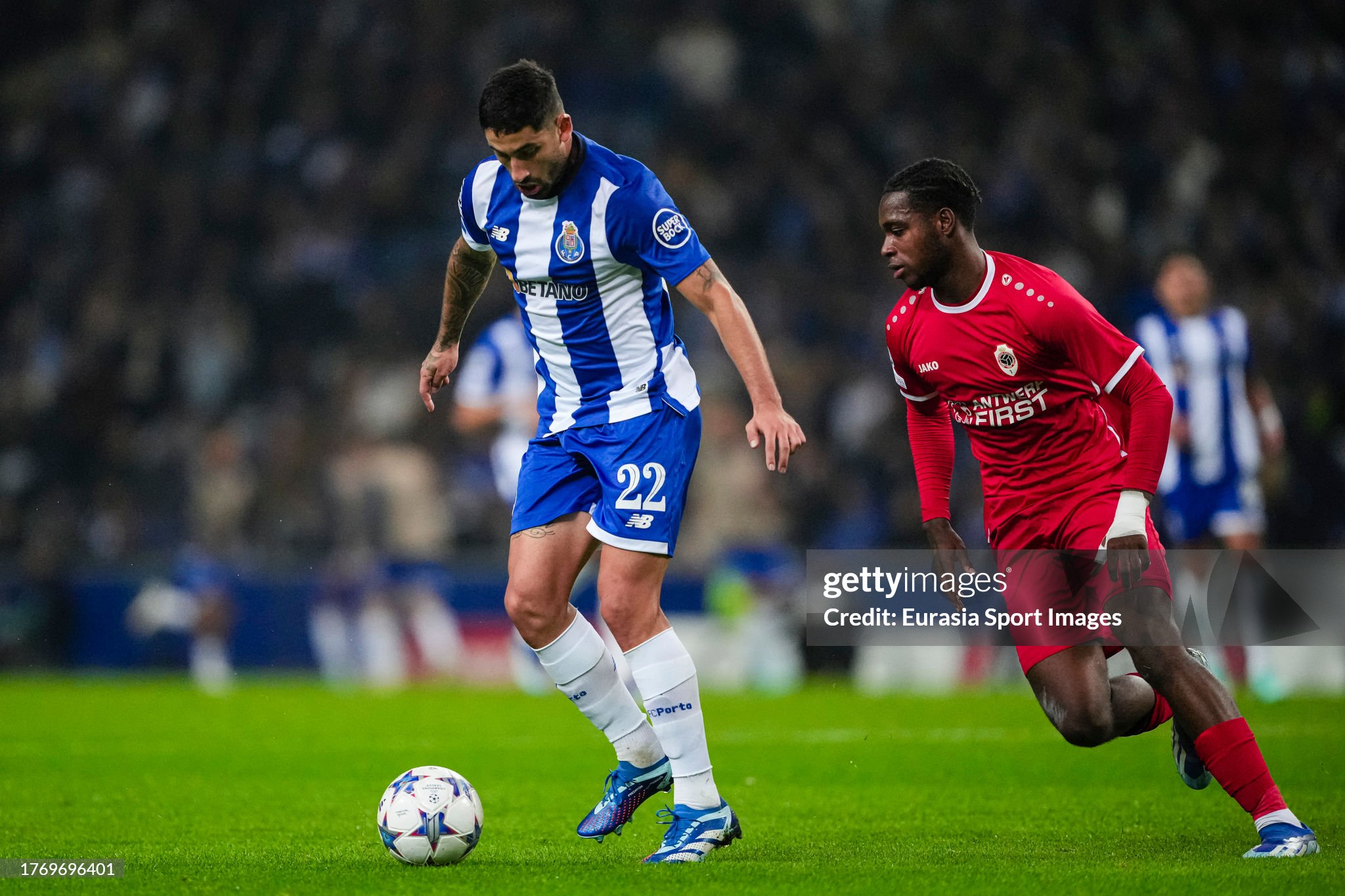
Workrate against the ball
One of the good things about George is that he’s hardly the kind of striker who’s gonna play in a hoop for 90s (think Klaas-Jan Huntelaar), too bad for that spheric thing that rolls past him this time.
Working the backline is part of a defensive strategy:
As the first screen, so that midfielders can set pressing traps and midfielders/defenders intercept.
There’ll be three layers, so the deeper it starts on the pitch, the more it exposes the back line.
As a match pile up of small things over 90’, if you want the opposition’s CB to cock up big time from the hour mark on, make sure he can’t see any more of you beforehands with these “predatory” closing down runs on the edge of defender’s field of vision

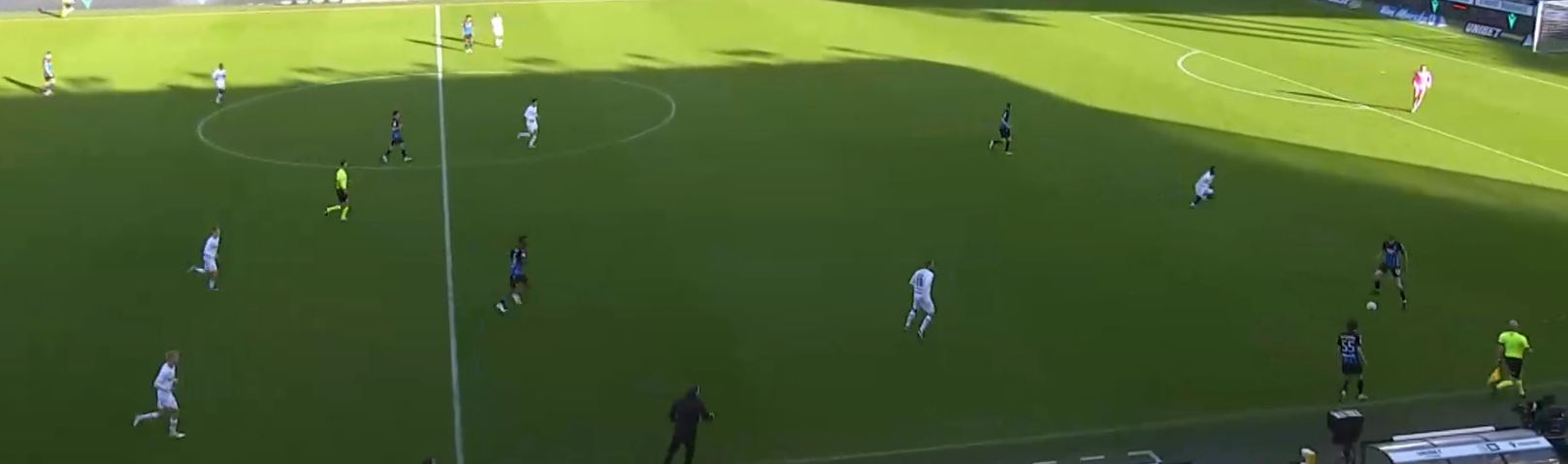
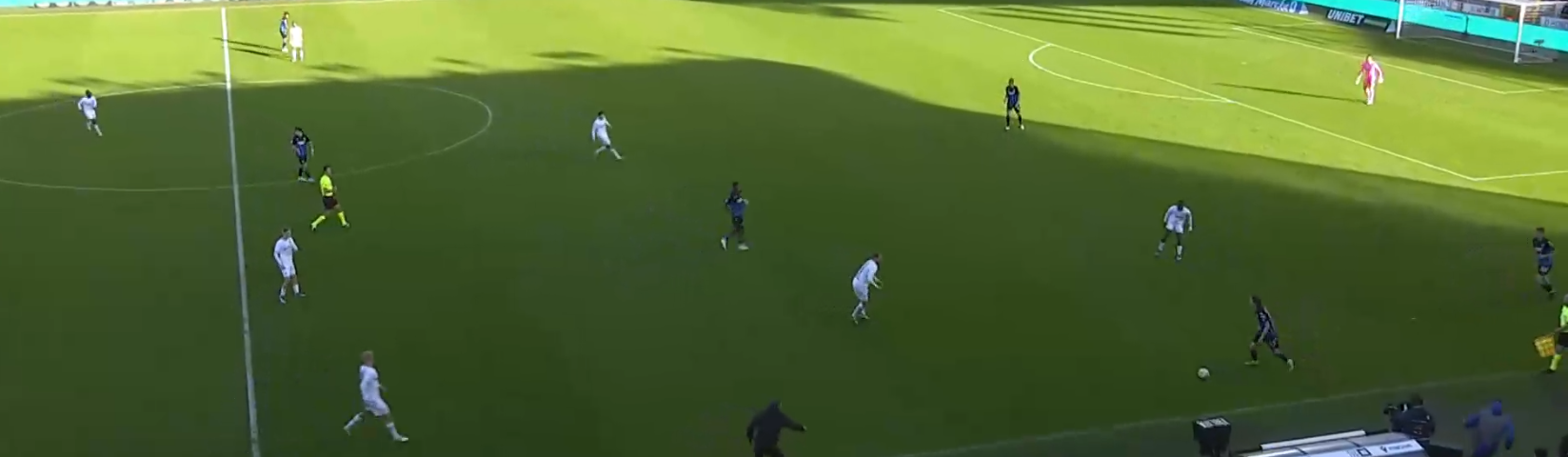

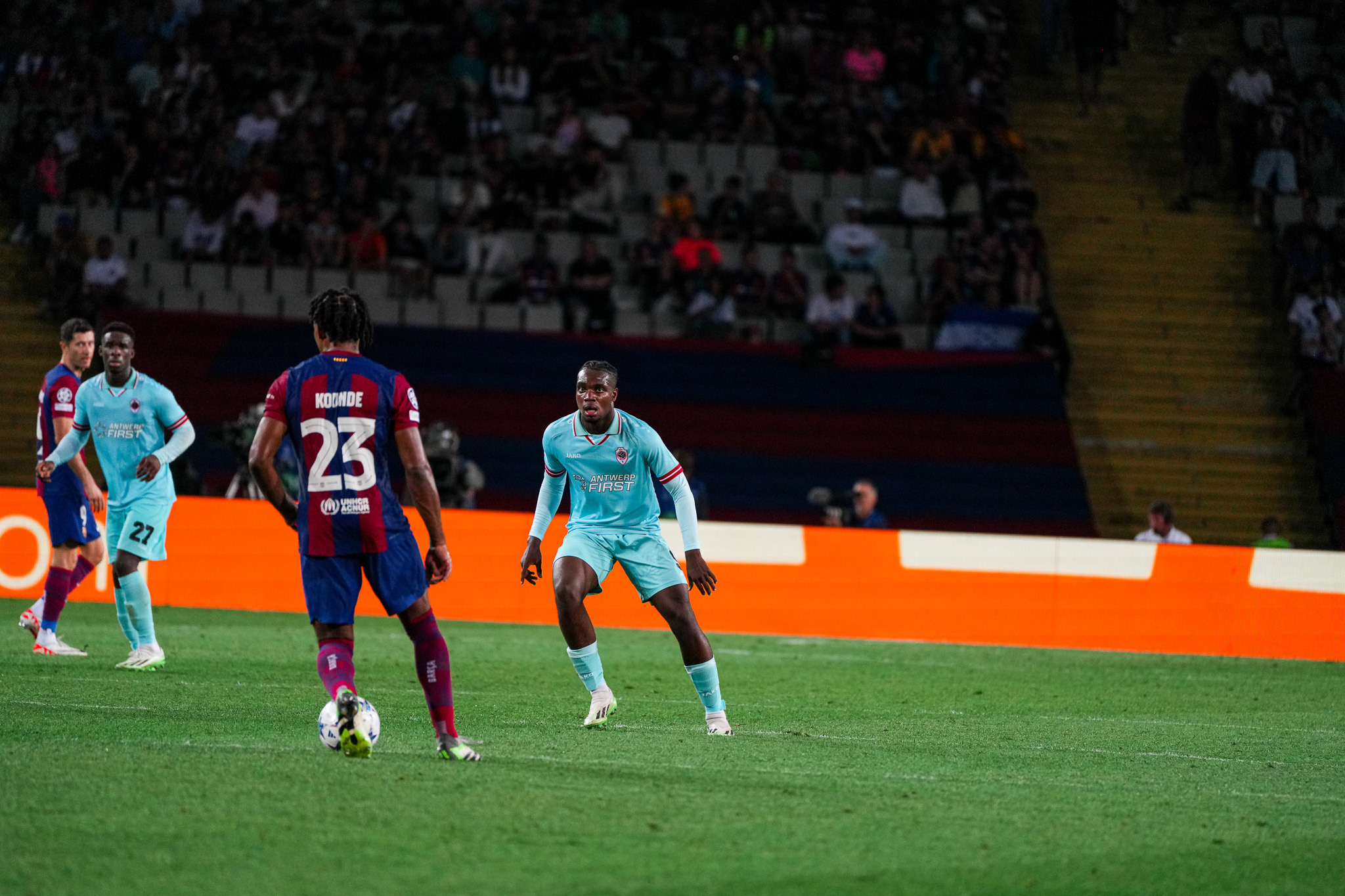
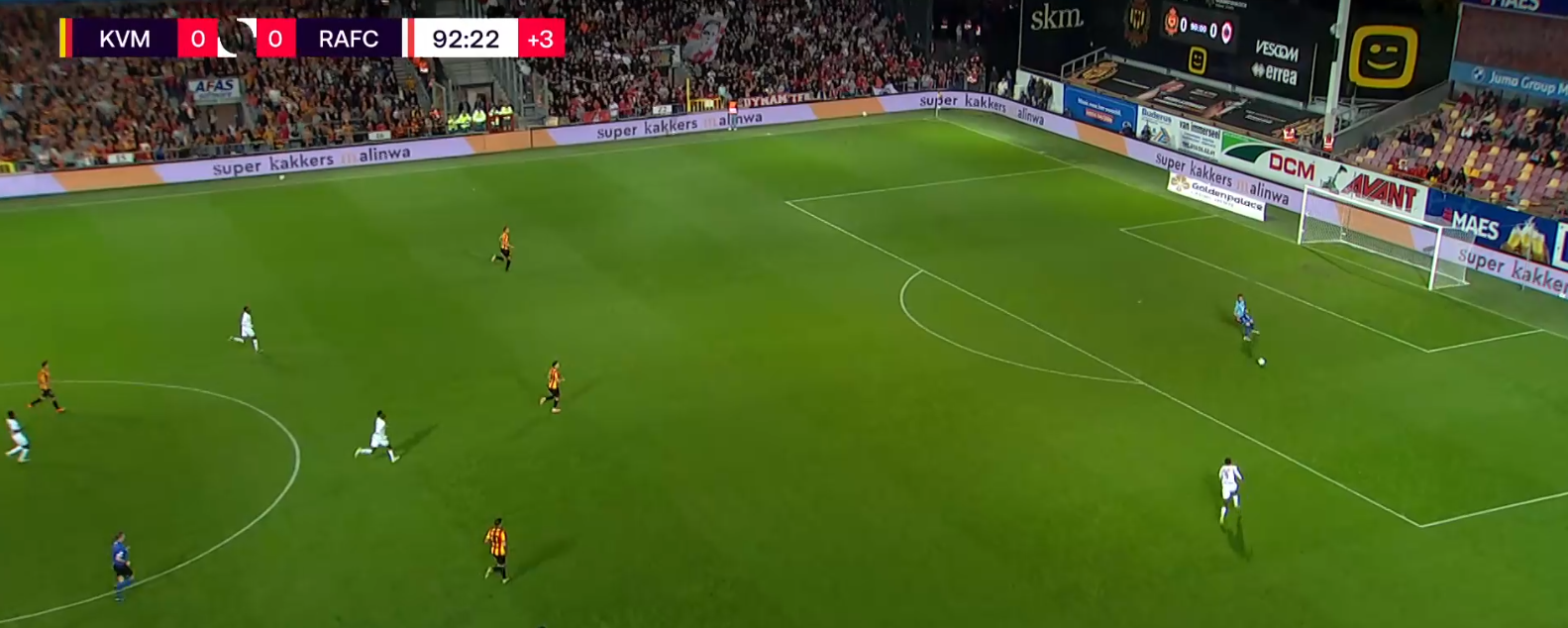
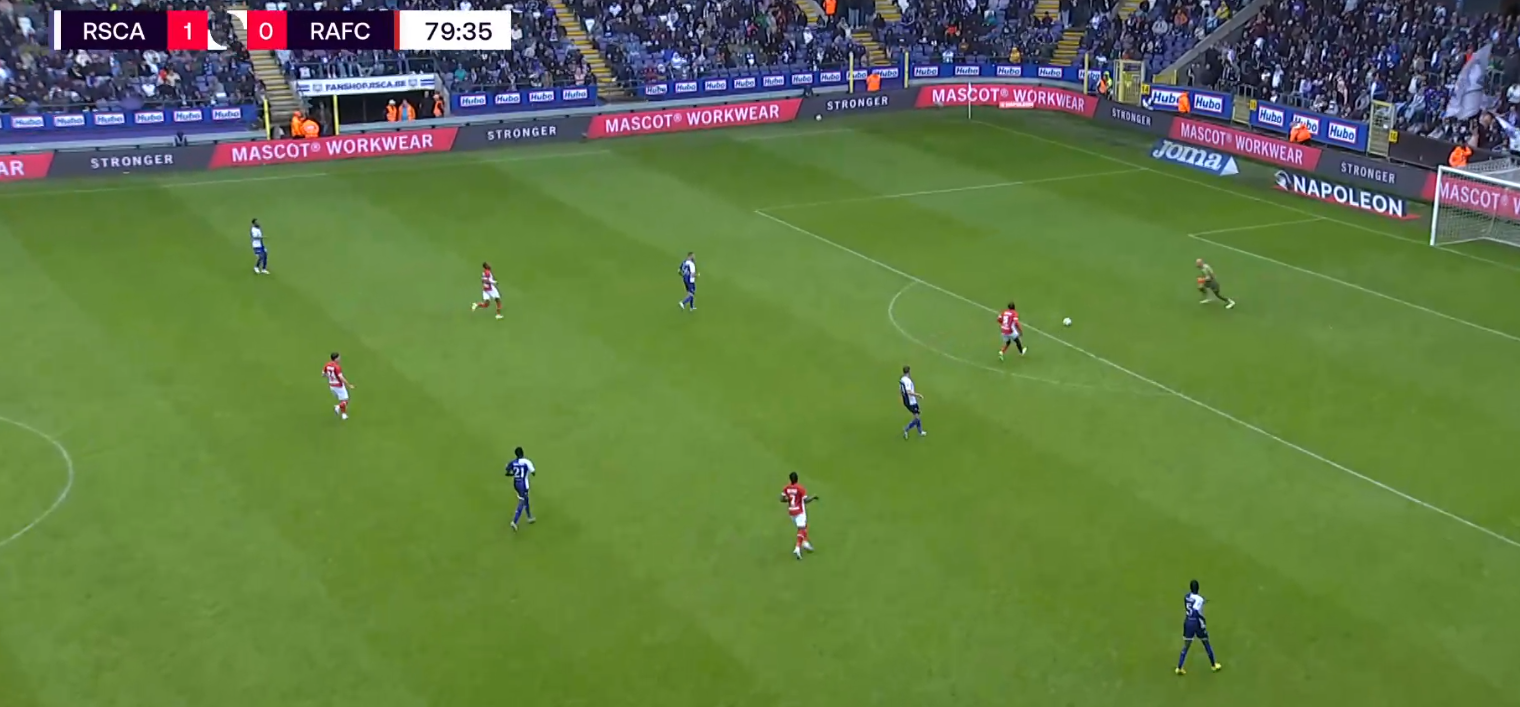
Another thing that George isn’t stingy with is closing down goalkeepers, he loves forcing long armed and long legged folk to fire stray kicks out of play
Gamemanship
There’s however bits here and there that George will improve over time.
As a matter of context, and even if there’s usually no need to underline the obvious, George’s base to start is mightily impressive.
Every aspect of it won’t be taught, but developped over time
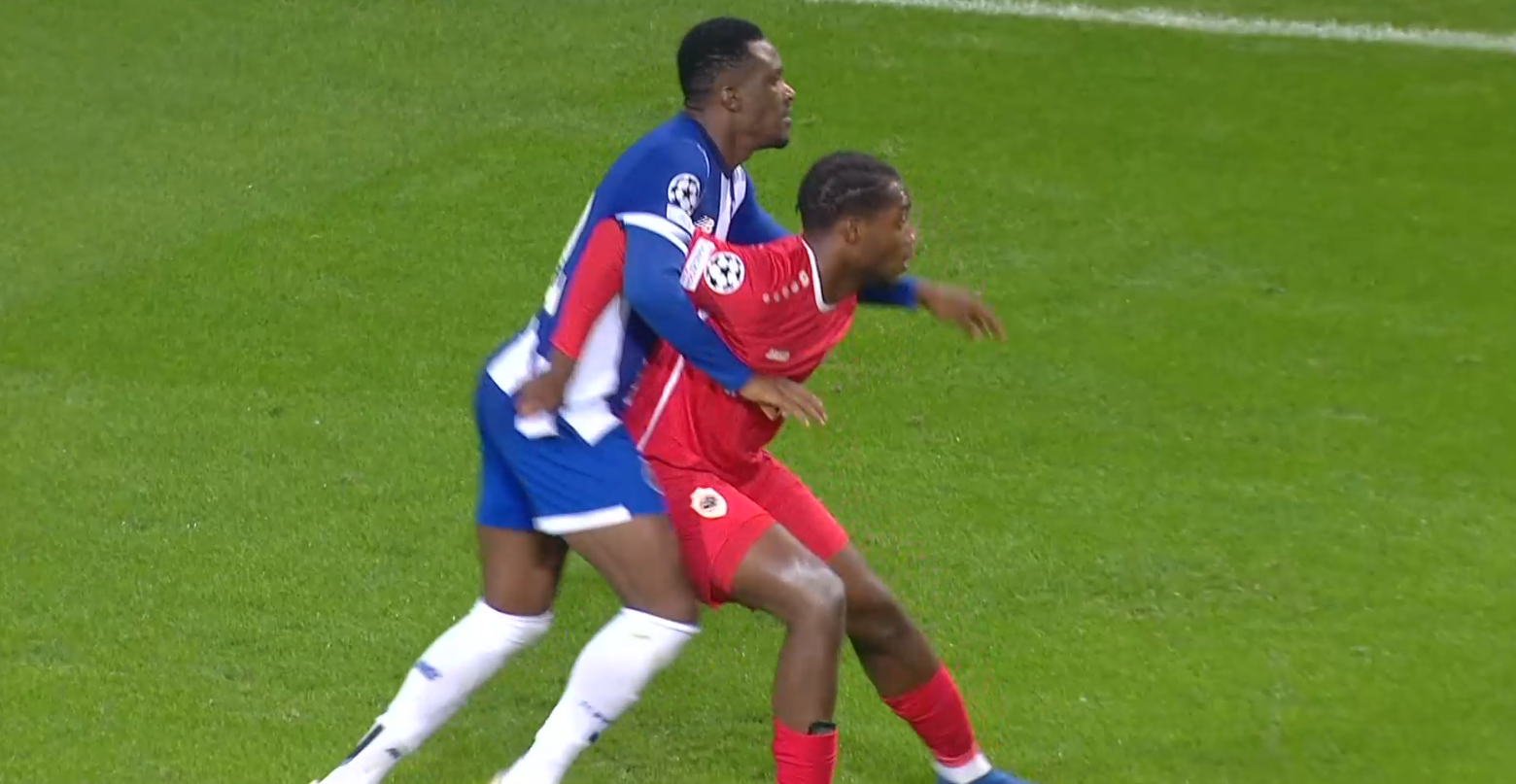
Shirt pulling to back off defenders
In order to back off a defender efficiently, shenanigans are always useful.
They are meant to complement a strong “set posture” (which is the strongest position)
Pulling shirts helps, towards the floor is definitely less obvious to notice for the middle man.
George’s right leg “stutters” and isn’t anchored to resist, his balance is slightly leaning on the defender.
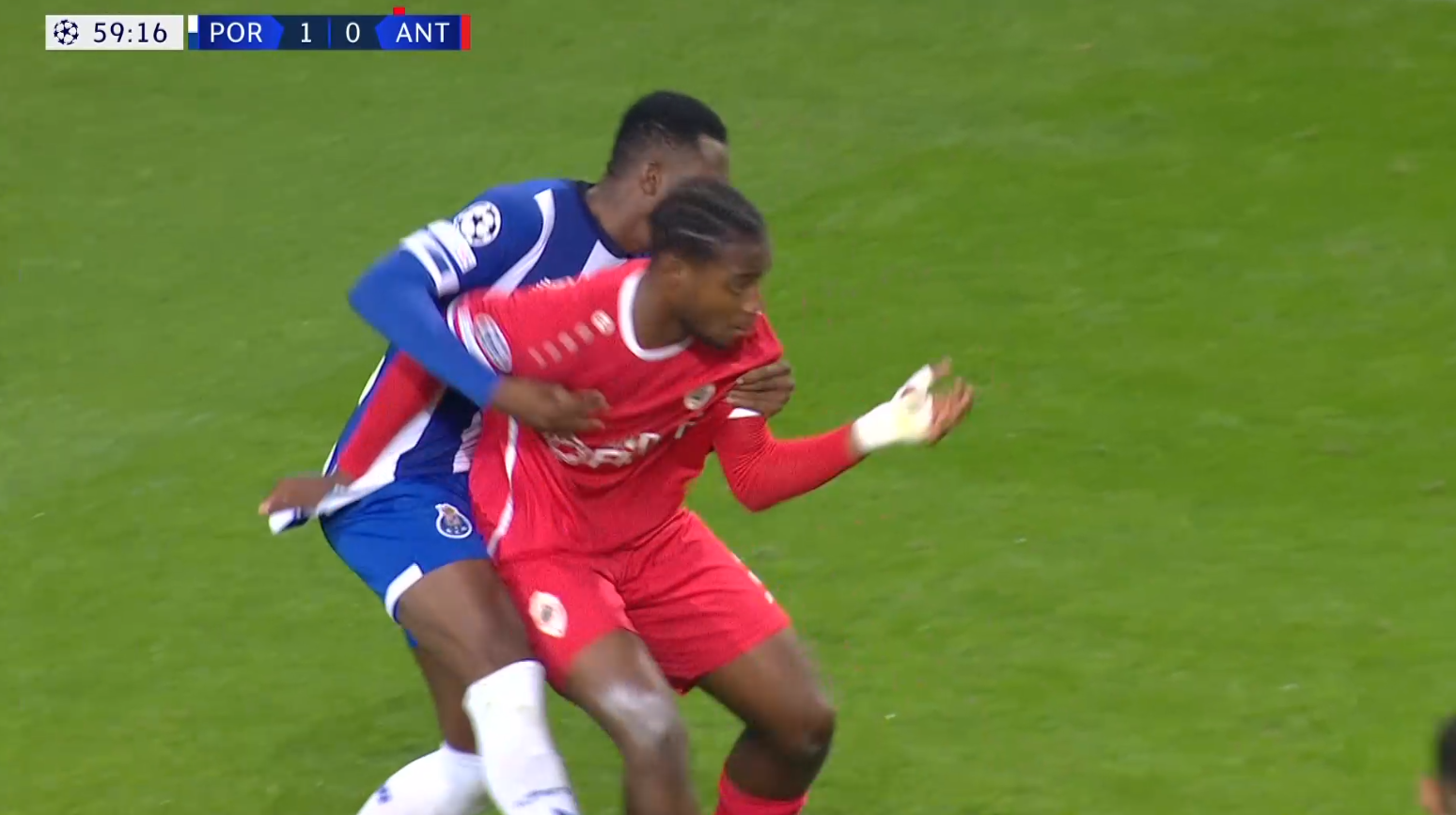
Pull the shirt harder, get the right leg more solidly planted, closer to the defender
Defender only needs to tilt George and he loses balance
George’s stride when finding separation is noticeable, making sure he’s
keeping his eyes on the prize
getting away from the ball carrier to ask questions
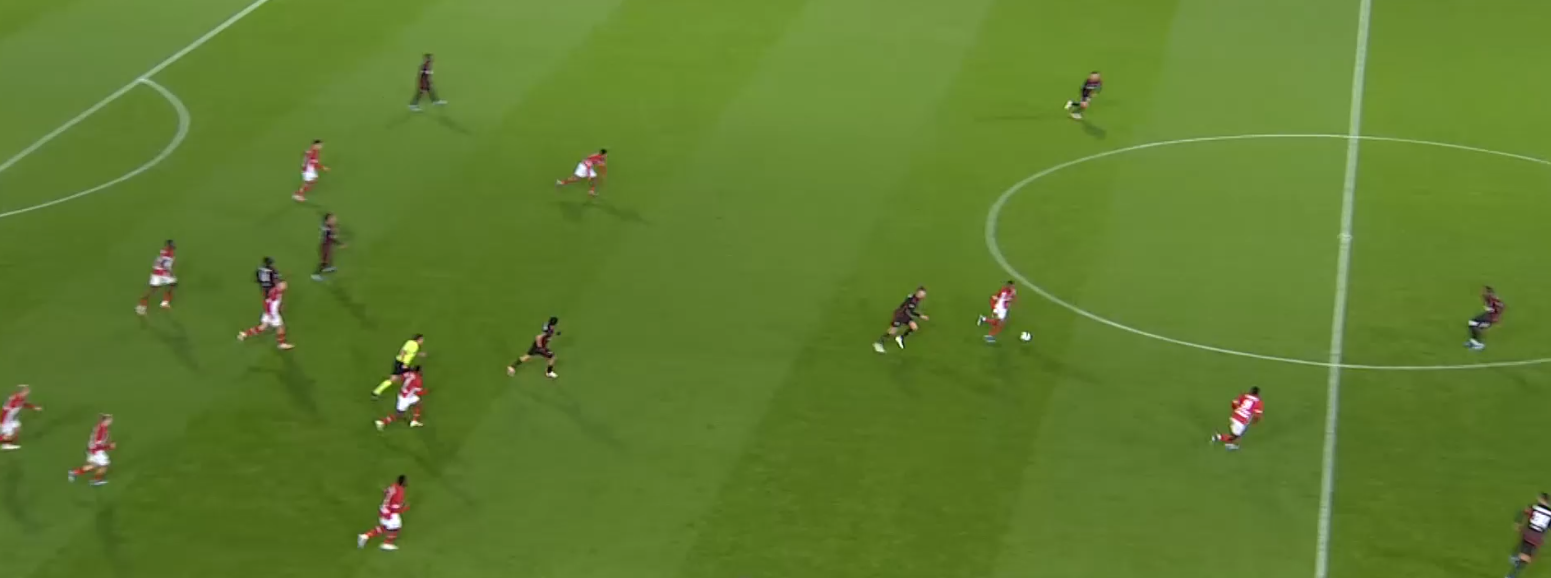
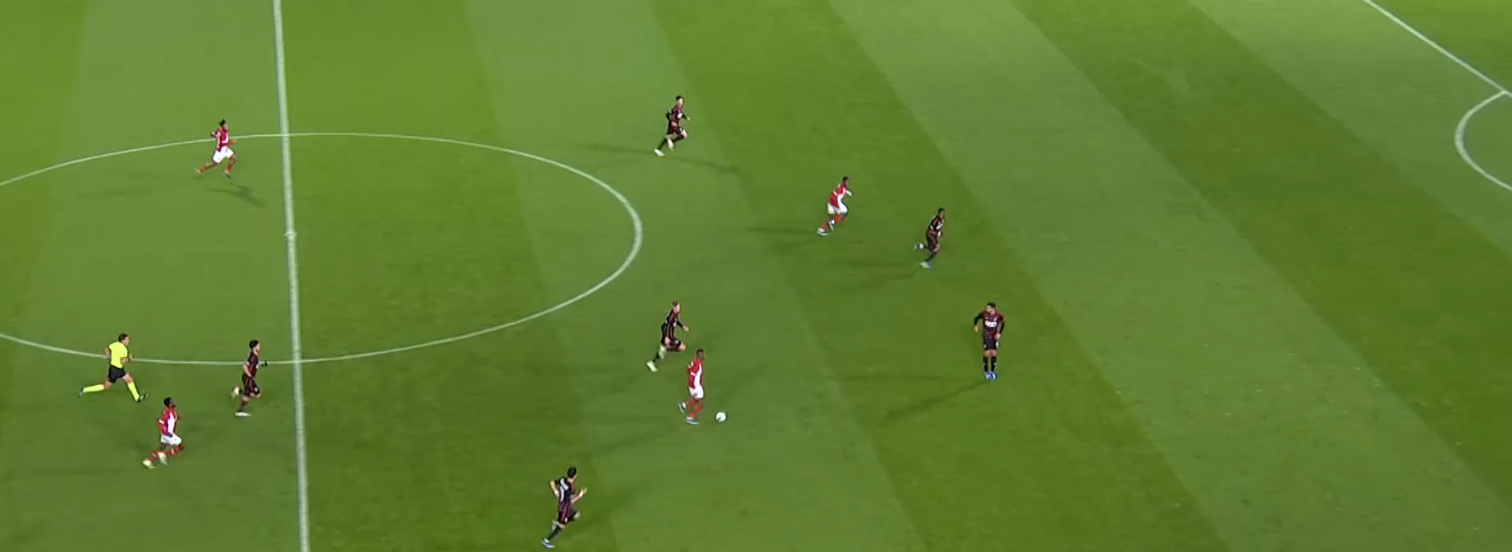
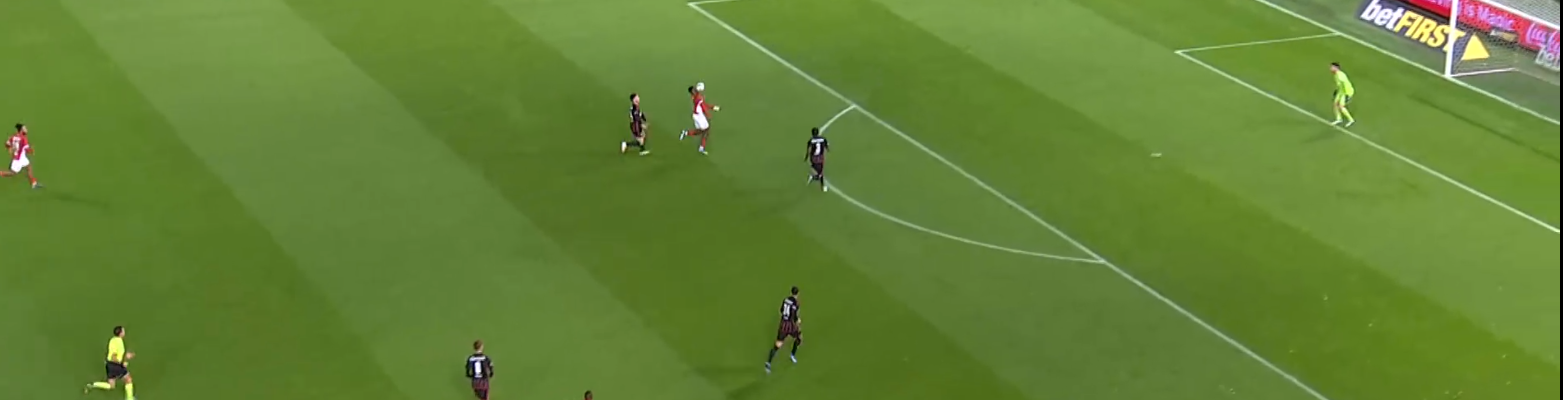
Anything up to the chest touch is perfect, then he falls victim of the defenders’ gamemanship at senior level. That’s probably a cheap foul, but something strikers can take advantage of by
taking a step to make the defender’
facemeet the armtaking a step to maintain a posture to absorb the shove, then go again

Trashtalking
Scouting forwards is a holistic process. If you want mavericks because the desired football actions come more naturally to them (hide and seek, play cat and mouse, move opposite side to the flow of the ball), that means acknowledging that the “behavioural trait” are part of the package
And by no mean something that needs ironing out, George takes no prisoners and vents his frustration or reactions to defenders as part of his endeavour to work the backline all game long
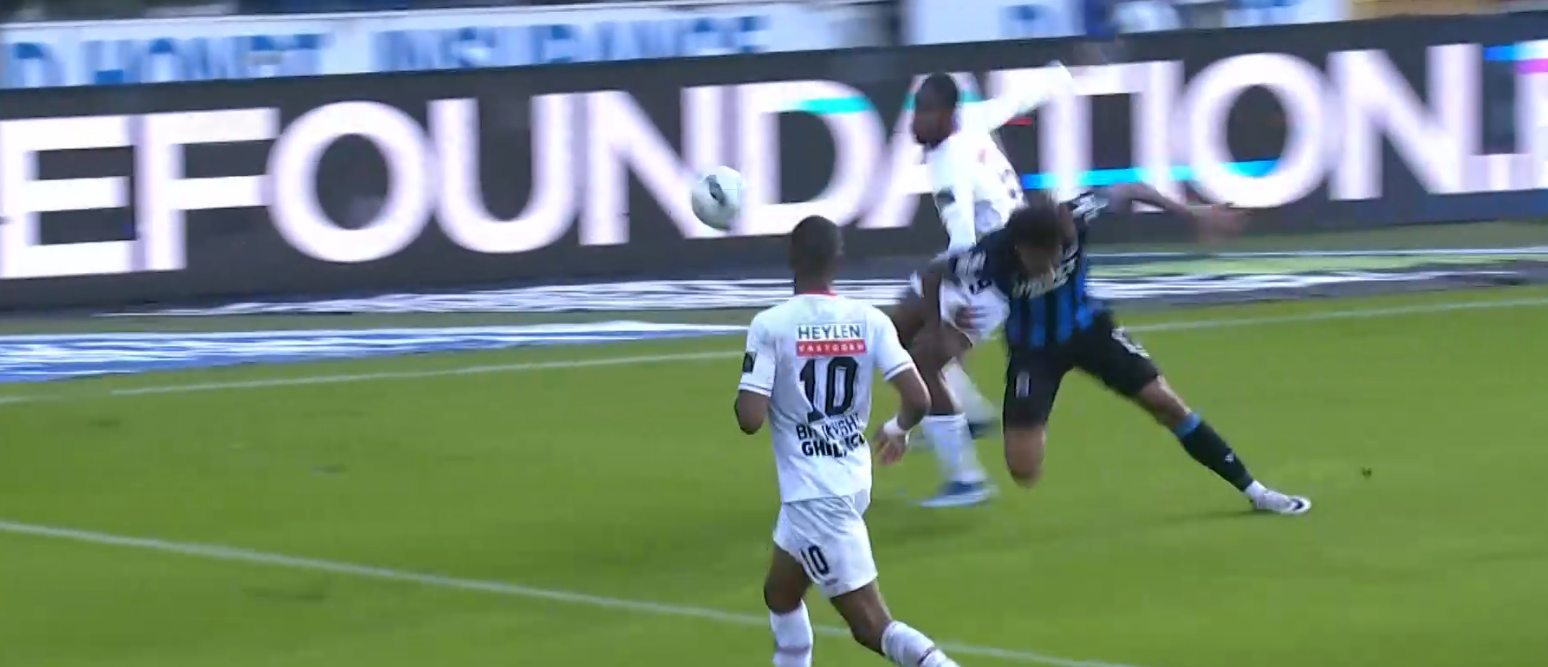
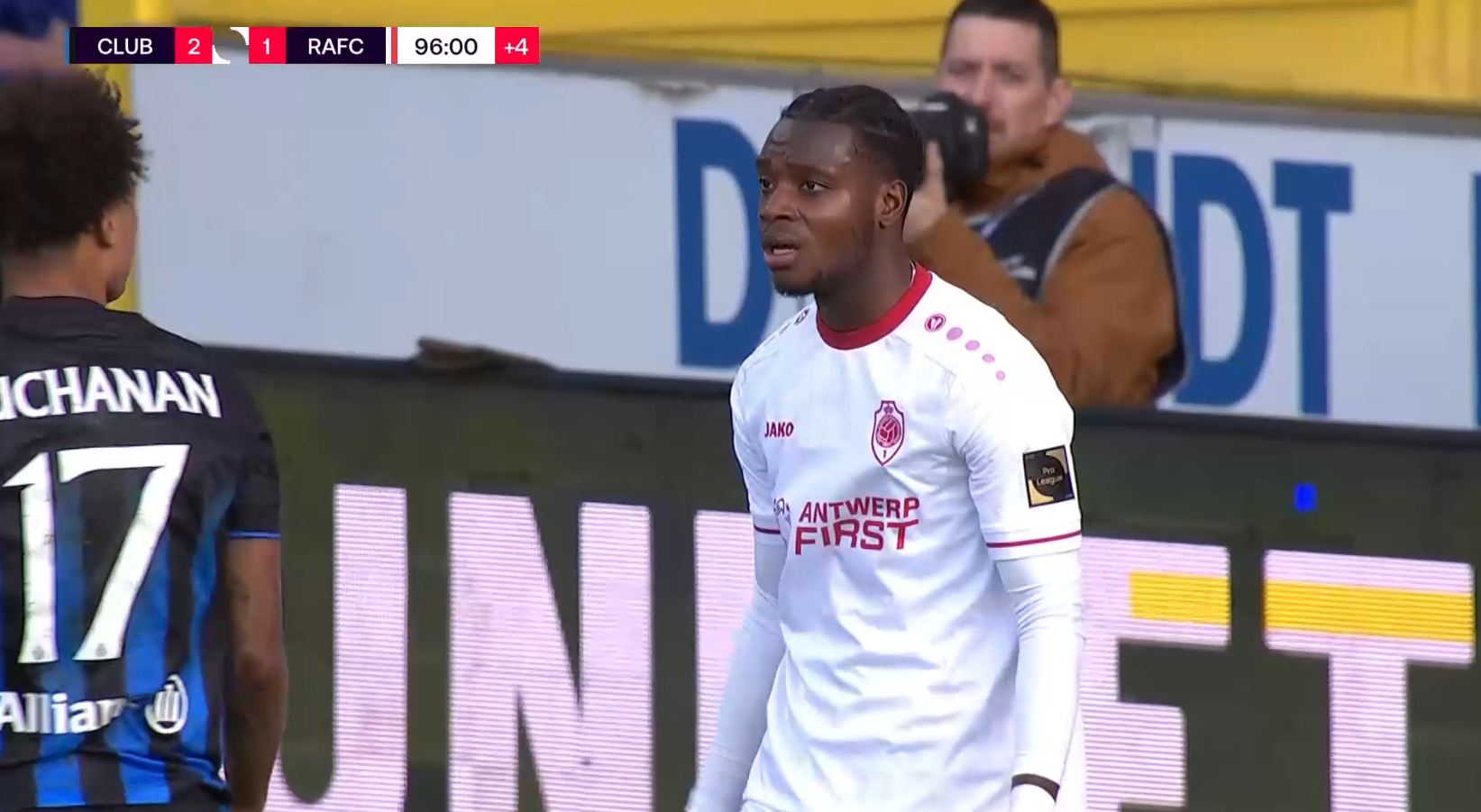
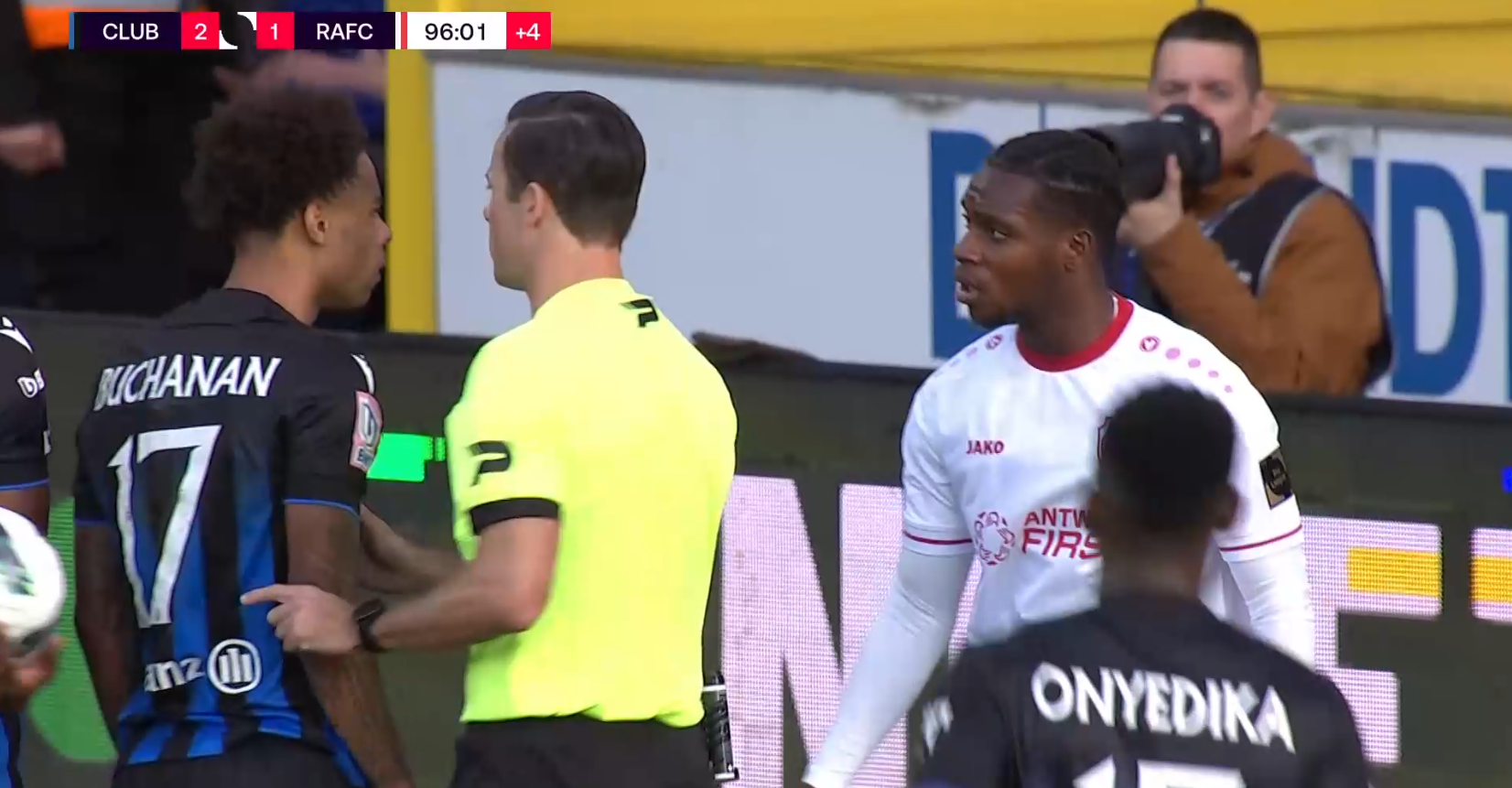
Because as Green Day put it in 1997 (about a decade before George saw the light for the first time, take that, old reader), nice guys finish last.
Oh, nice guys finish last
When you are the outcast
Don’t pat yourself on the back
You might break your spine
DATA ROOM
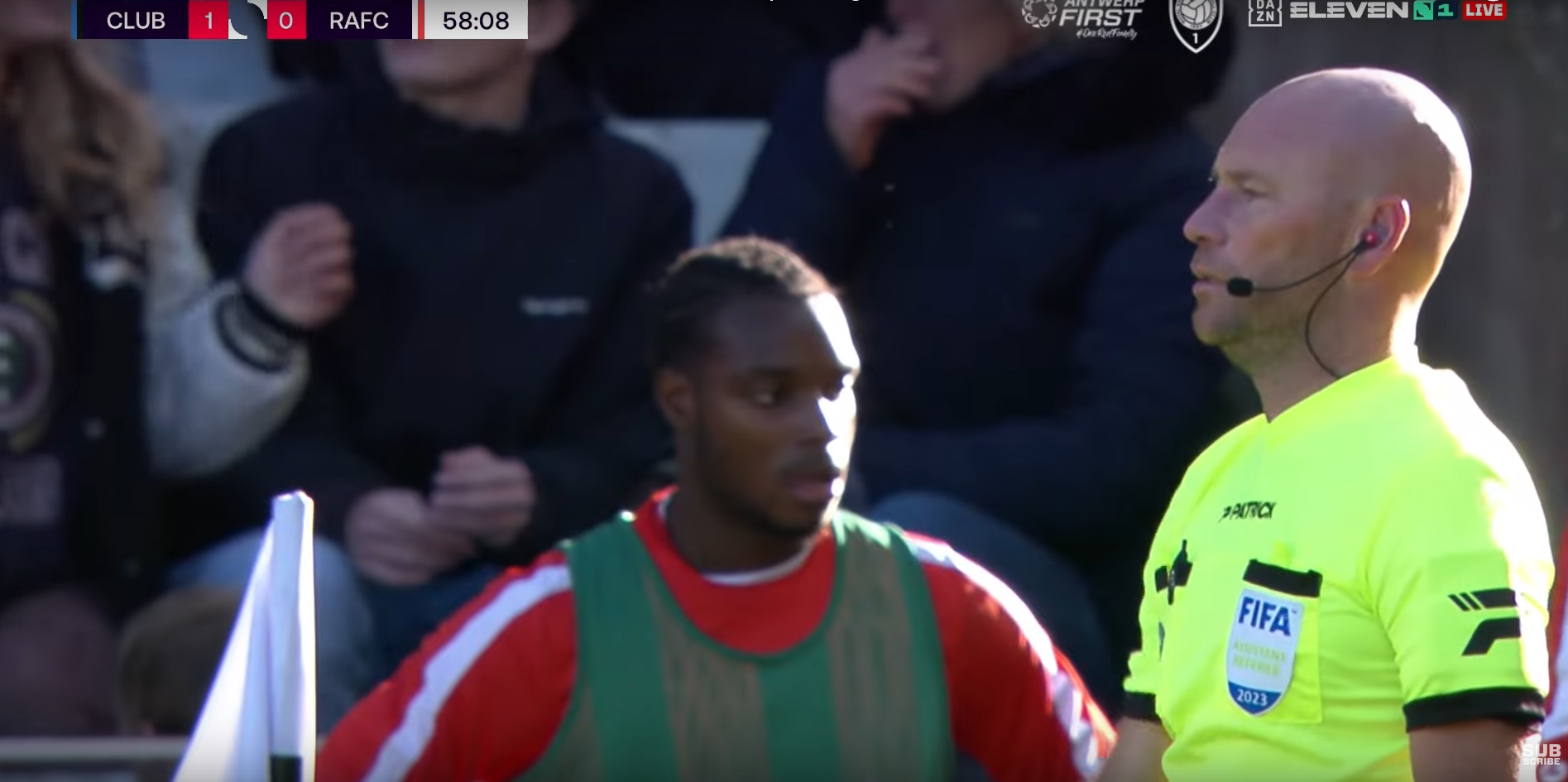
Um, maybe wait for him to like, start a game?
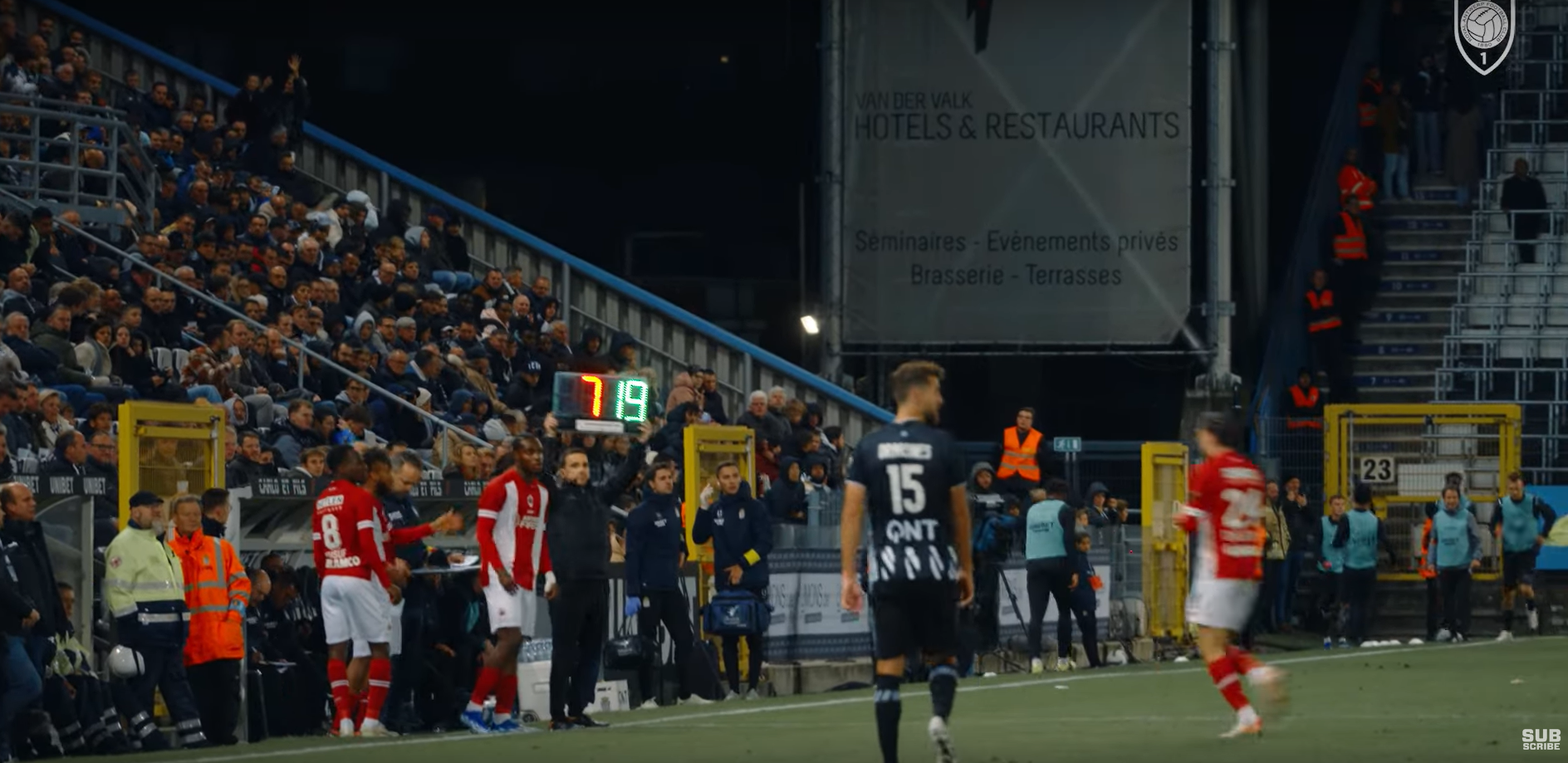
George hasn’t started a Jupiler Pro League game, however is on 3 goals in his last 4 games – or shall we say for the sake of accuracy; last 55 minutes on the pitch. There’s also a goal in the Croky Cup on November 1.
Which makes it 4 in 5 before the November international break.
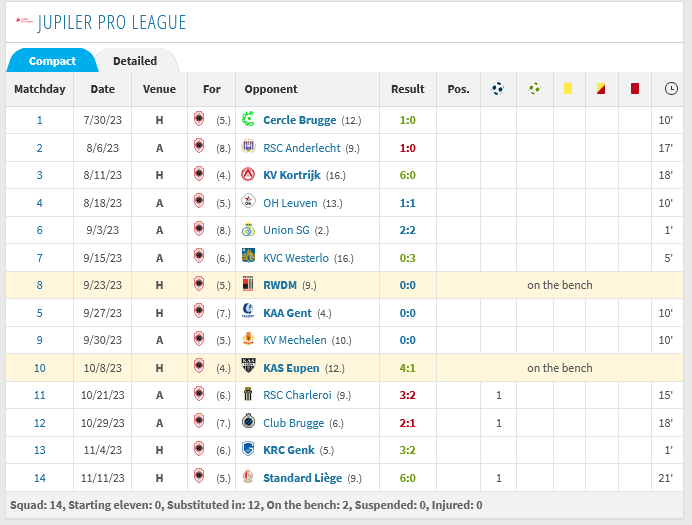
Had more game time including a start away at FC Porto, well documented here.
That’s a 130 minute radar, with the very important caveat that not all minutes are equal in football (Jurisprudence Michy Batshuayi).
9 x 10’ cameos don’t equal 90’ with the pressure related to starting against fresh CBs
Under the radar, but still over Osimhen’s radar
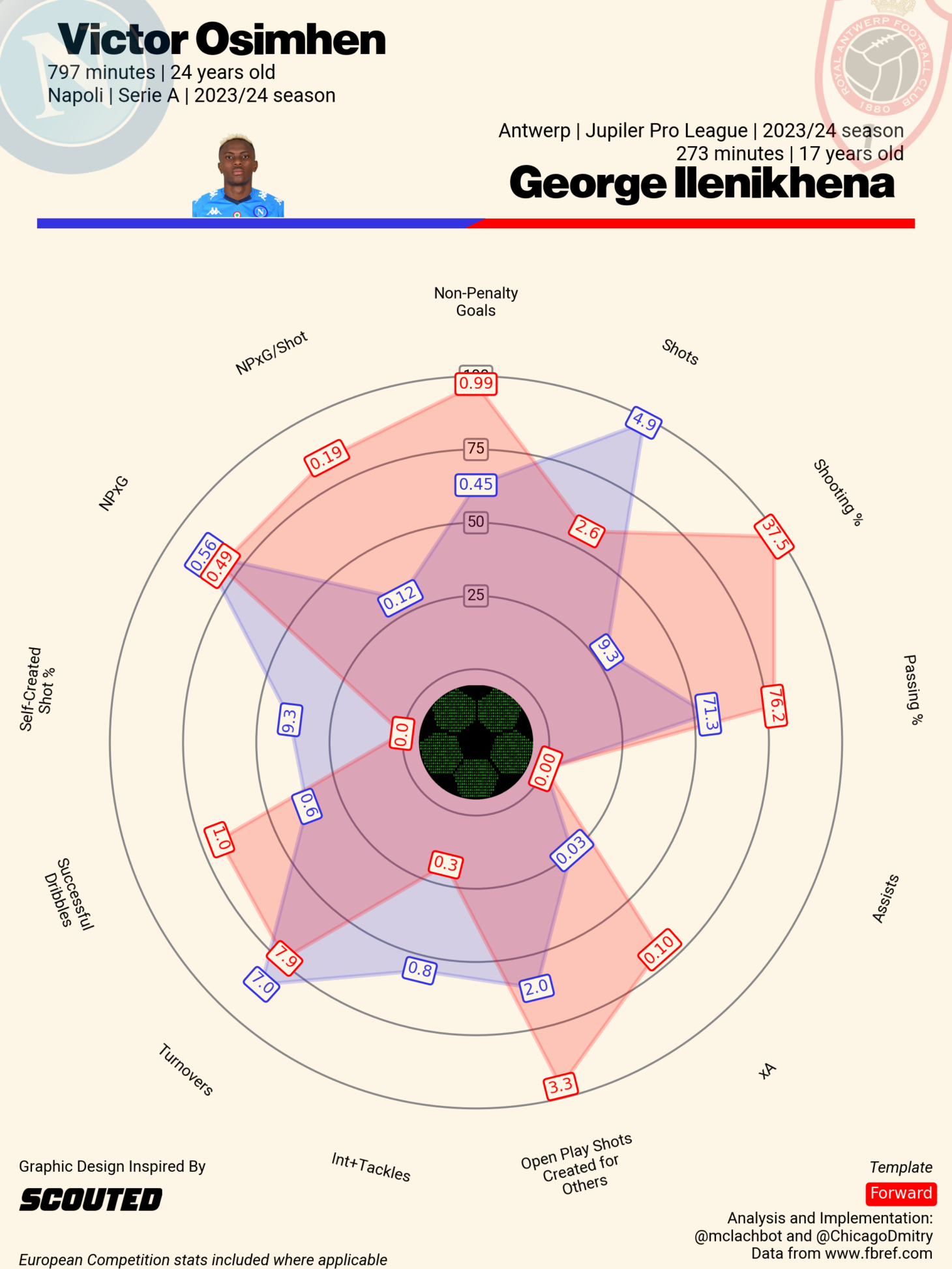
If we want to look at Osimhen’s season compared to George’s 260 minutes in Jupiler Pro League and Champions League, the results certainly invite at a closer reading.
None of the numbers quoted here seem out of place judging
George’s excellent movement especially in the box (hence the high NPxG/shot)
George’s passing accuracy which is decent (8/10), as seen on footage
Open play shots created for others, as shown why and how
George likes a dribble too
George doesn’t turn the ball over cheaply
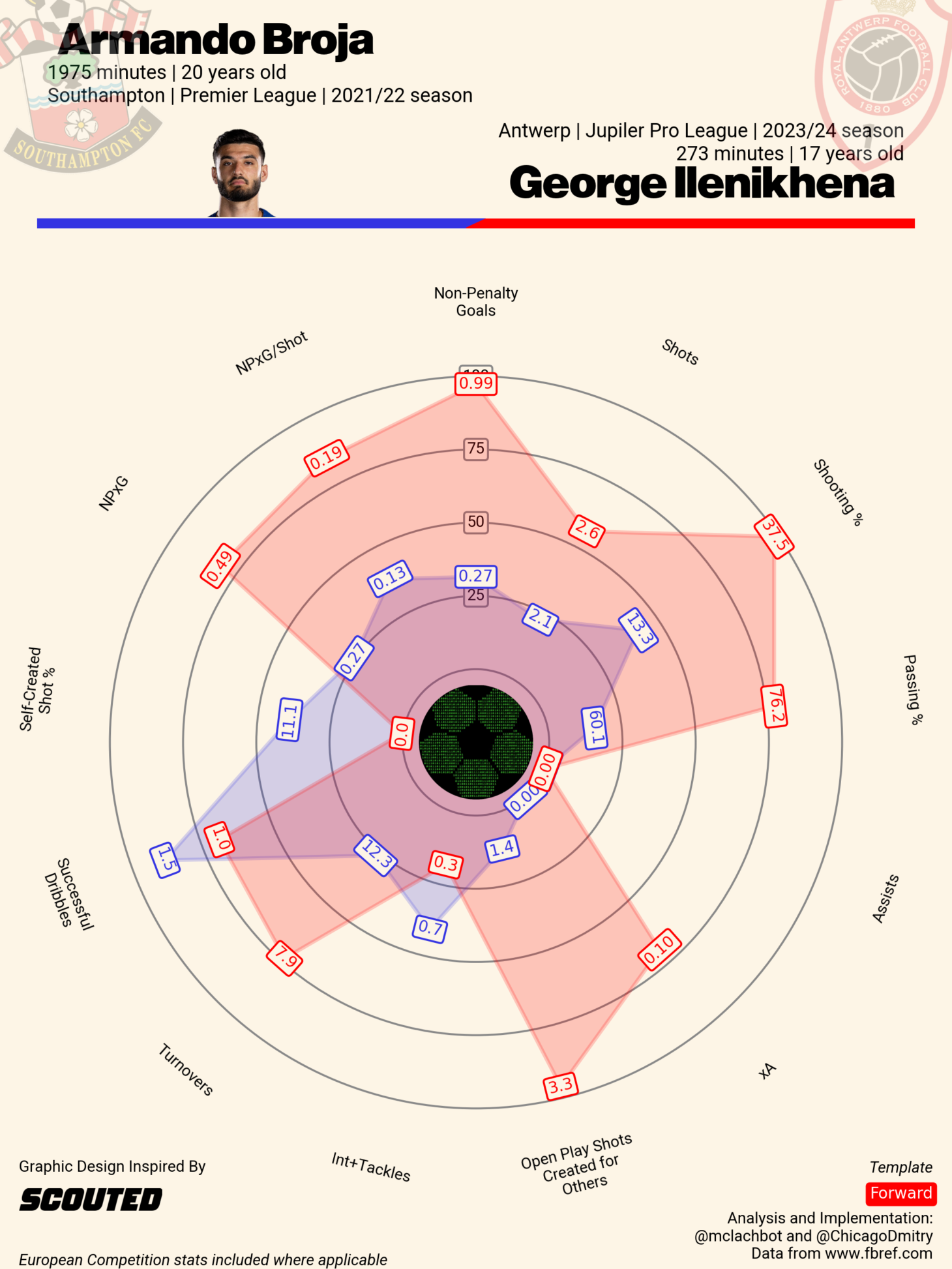
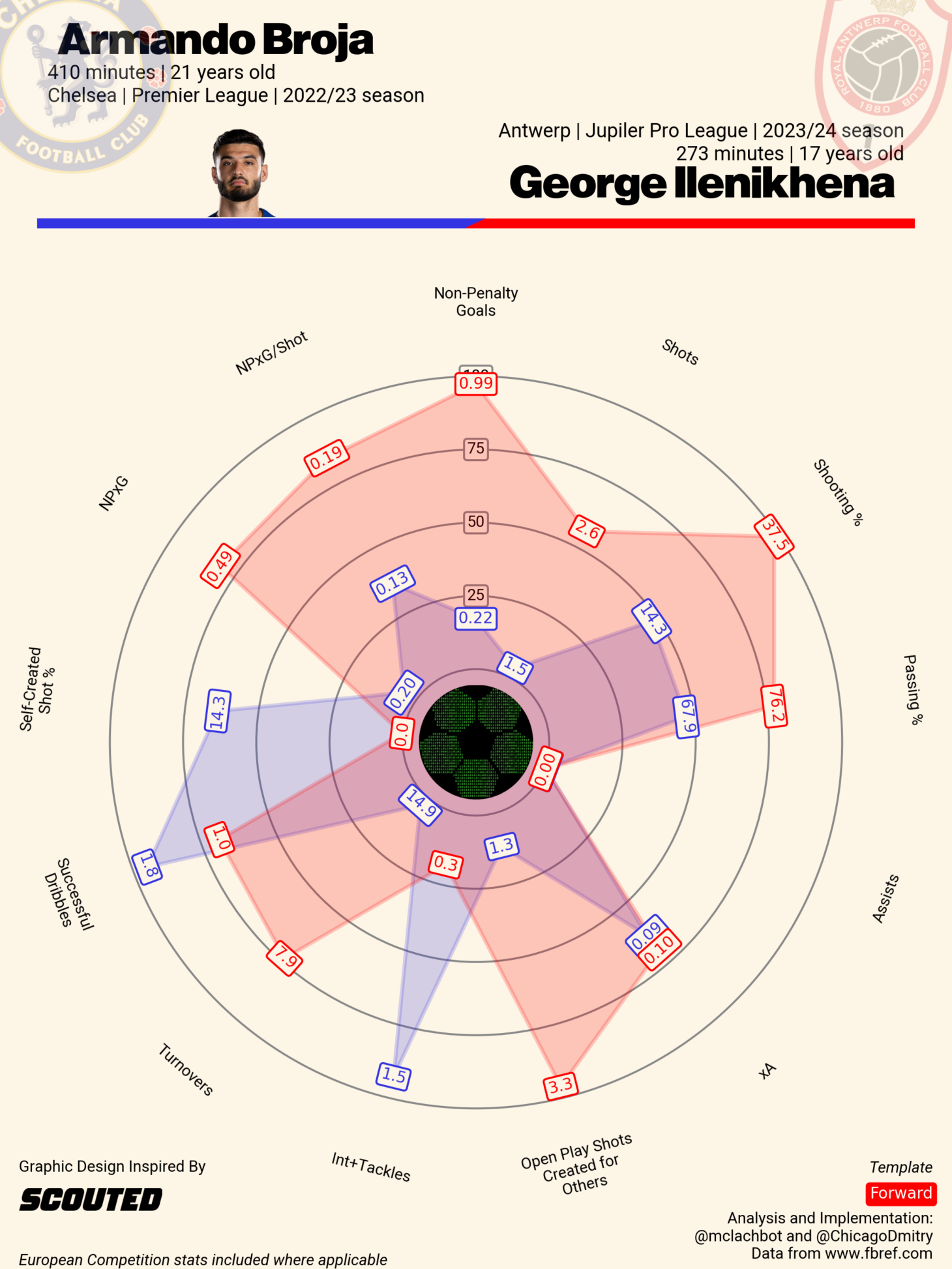
Broja is a valuable option off the bench, to get shots and stretch defences.
Broja’s goal vs Wolverhampton was a real indication of his finishing ability in a certain set of situations. Nevertheless, he hasn’t shown a lot more in open play (and in finesse to finish chances in the box – even if he likes early shots from weird angles in the box) to warrant getting a starting role at Chelsea.
Champions League passmaps
Yeah, Royal Antwerp shipped 14 in 4 games, including 7 when George was on the pitch. How did you know
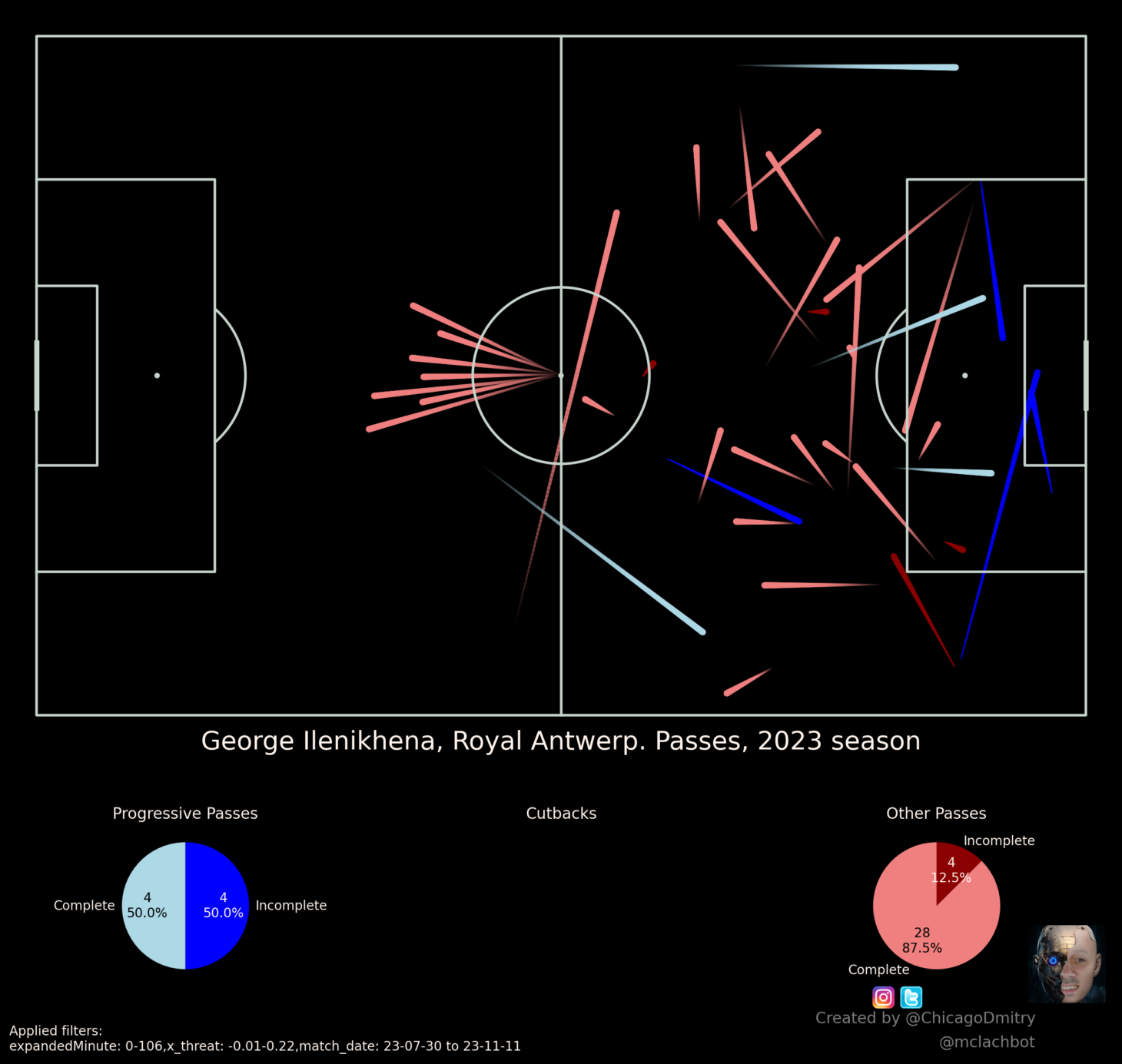
The ball retention is quite sound nevertheless, in the “penalty box in front of the penalty box”.
Breakfast of Champions
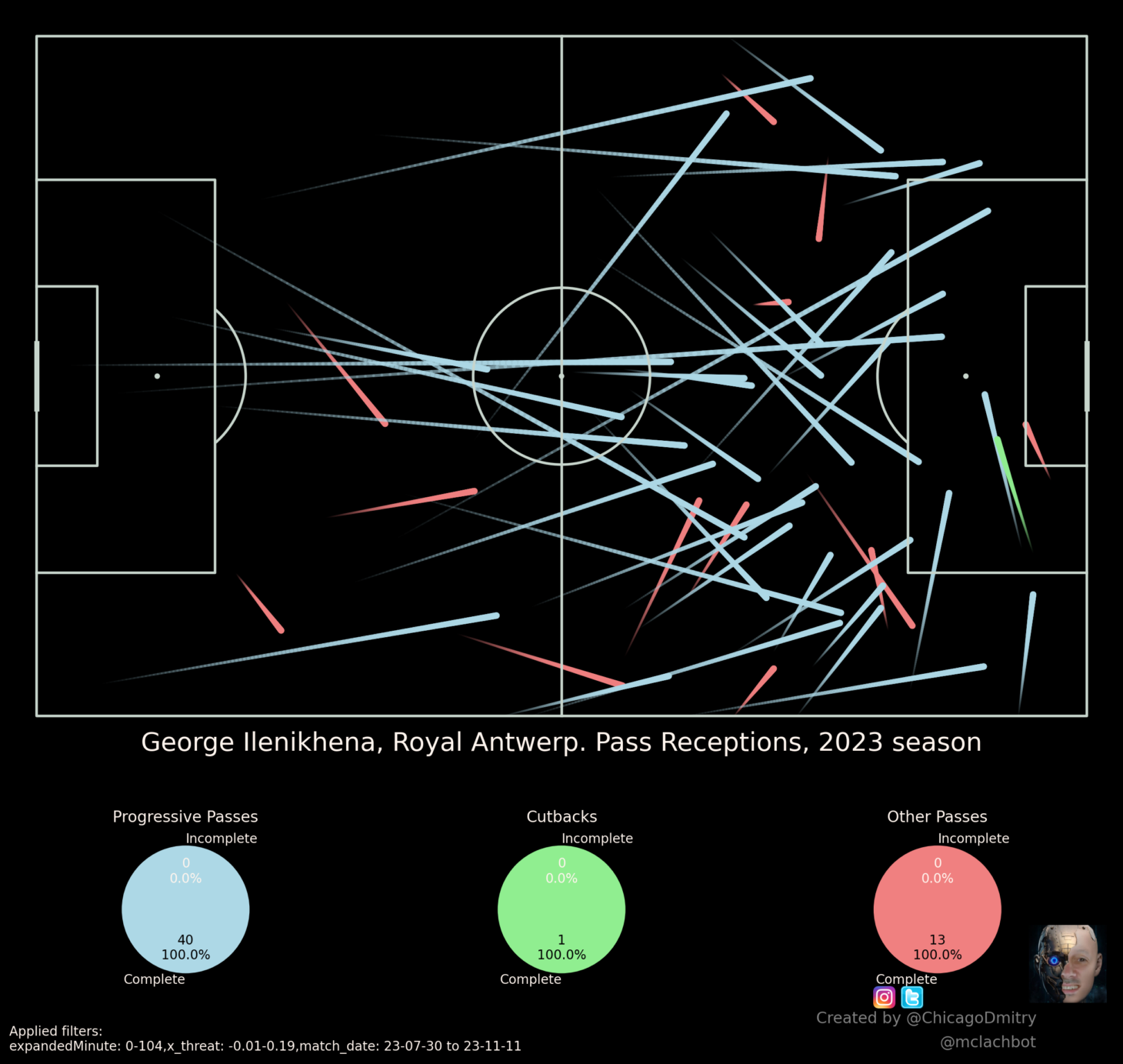
Receptions suggest he’s quite a reliable outlet for his team mates and all across the front, despite being rock bottom with 4 defeats in 4 as a team.
There’s channel receptions, passes in the D, passes back inside, receptions inside the box, some long passes as well.
National team
George was capped at U16 level for France in August 2021


However this solitary call up for a camp (no friendlies) wasn’t followed up by subsequent call ups for France U16
No more call up for France U16 in 2021-22, where the team took part in the Montaigu Tournament (and finished 6th out of 8)
No call up for France U17s in 2022-23 where the team was playing the qualifiers for the 2023 Euros in Macedonia then the tournament in Hungary
No call up for France U18s as of yet.
My opinion / thinking out loud
Due to the scarcity of the 9 market in Europe (if we’re really here to discuss Vlahovic, Toney as 80 million strikers and whether Havertz can finally turn into one after failing to show any sign he could in over a hundred games)
Anyone displaying some natural (or worked on) ability to do 9 things is worth a look.
The fact that George shows such a level of ability on his cameos that are reminiscent of Lukaku and Sturridge’s debuts make him a very interesting prospect.
He doesn’t look like to be over-trying like maybe Sturridge was in 2009-2010 (with some very shot oriented cameos) and looks to be moving more seamlessly than a 18 year old Lukaku was in 2011.
It’s generally rare to have quick strikers with a good touch in open play, so are strikers able to get involved across the front line but still keen to run in behind.
The movement, stride makes it very surprising that clubs didn’t wake up yet.
Being one or two Fabrizio tweets away from fame (for whatever that means about the state of football reporting – do people even like football anymore) doesn’t take away anything from his current run of form, only interrupted by the November international break.
Two once Belgian based striker transfers come to mind:
Loïs OPENDA and Jonathan DAVID,
who got a 15 million transfer from Brugge to Lens in 2022 for the former
who got a 27 million transfer from KAA Gent to Lille in 2020
None of the fees are outlandish.
It wouldn’t be the dumbest idea for Chelsea to take a punt at Ilenikhena, continue developping him by giving opportunities to see out games.
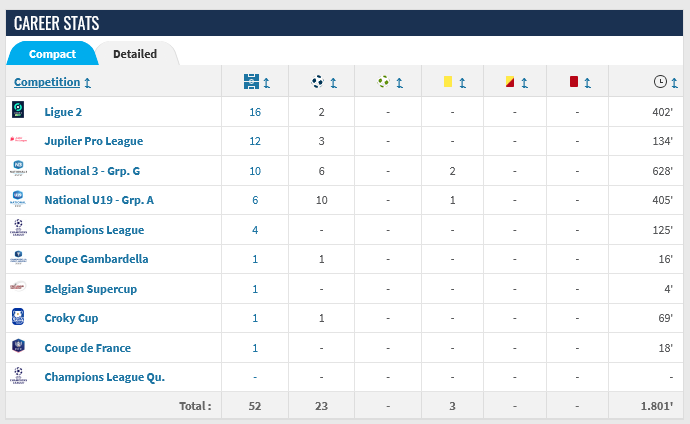
George turned 17 in August, and has 32 pro games to his name already.
His next stage is backup striker at Chelsea, not a loan at Strasbourg.

 Sébastien Chapuis