#1 SQUAD BUILDING


SQUAD BUILDING 101
Naming a team on the week end is at the interface of: training and squad building.
Get players to play together, and these players are remunerated for their exploits (including foul throw-ins).
Every club has a spending limit, if not absolute, in terms of how much they can spend in a specified timeframe (or allegedly).
These are the key takeaways
Sir Alex Ferguson said that a team could get away with 1 or 2 passengers every week, but not more than that
Sir Alex Ferguson can recall on both hands the amount of times he had 11 players playing in unison over his illustrious career
Train the team properly, and avoid non-contact injuries over 10 days that prevent continuity in lineups. Contact injuries and non-contact injuries <10 days are part of the game.

In terms of resource allocation
Theoretical squad design
A playing squad is 20+2 goalkeepers. Can stretch to 25, accounting for 3 (different) young players who make up the numbers
A theoretical repartition is 8-8-8:
8 starters, 8 backups and 8 squad players.
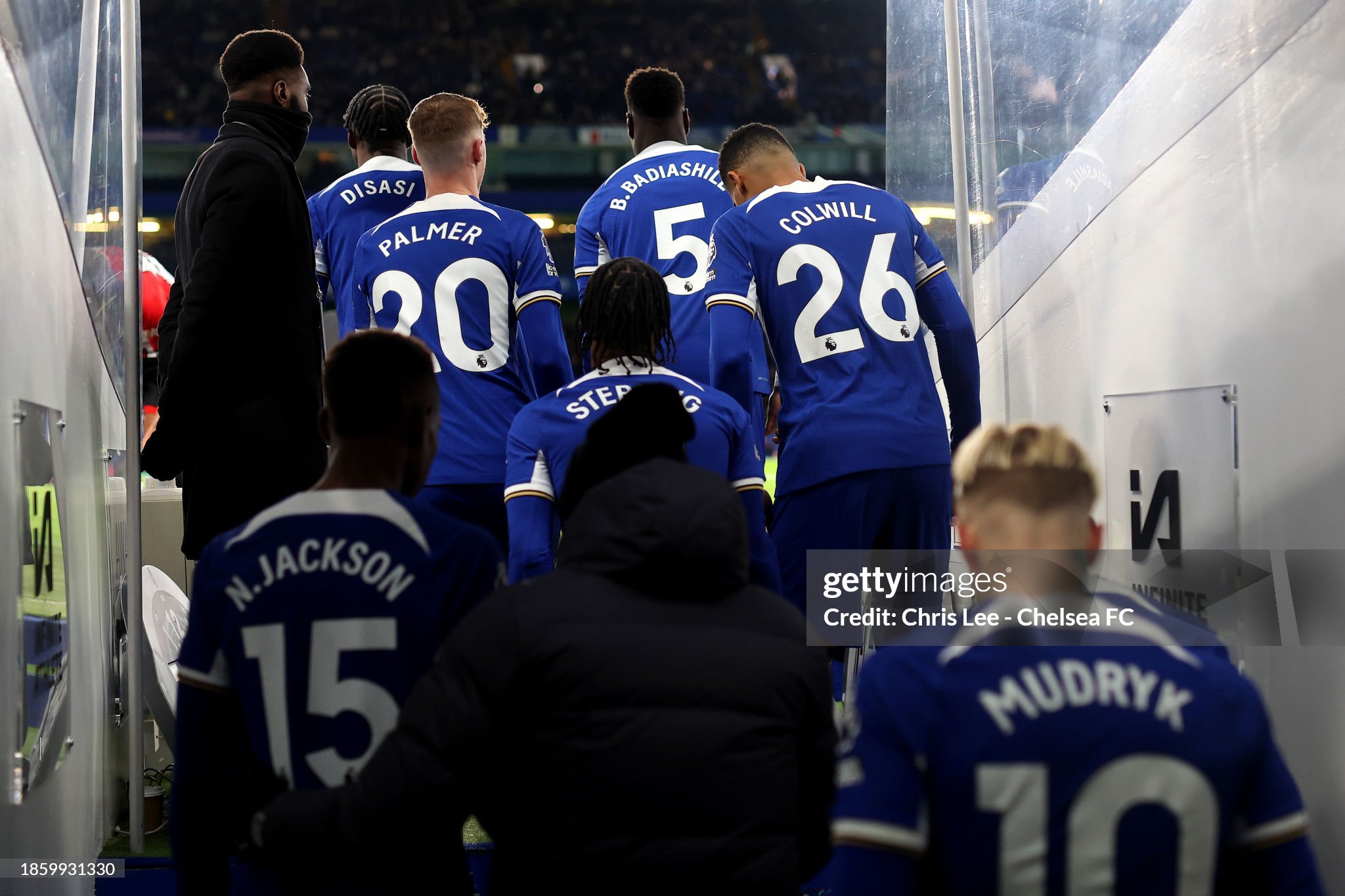
STARTERS are the matchwinning talent identified on an open market, who move the needle and impact results: Hazard, Sterling, Kanté.
BACKUPS are the players that allow the previously mentioned to be in the best position to do so. Azpilicueta, Gallagher, Chalobah, Broja
SQUAD PLAYERS are the players that allow training sessions to be competitive and intense, because their performances in training and minset is focused on giving the best version of themselves everyday: Emerson, Malang Sarr, Marcus Bettinelli
Players mentioned here are only nominal examples in order to illustrate.
Theoretical salary structure
STARTERS are the ones you put the money on. Once they’re identified, pitch the best project (and best remuneration) to attract them. And yes, that means some big fat commssions somewhere on the way.
BACKUPS are supposed to be on the league’s average salary per position, and be rotation players for the top 10 and starting for bottom 10 teams.
SQUAD PLAYERS are fundamental and need to be on the right wavelength between turning up to pick up a paychek and knocking on the manager’s door with a dubious self evalutation of their own abilities (or some innovative complot theories) every Thursday after the bib vs non bib 11v11.

Implementing the salary structure, and the practical leeway
Paying elite salary to elite talent makes sense, nobody good enough will accept to earn less than he would elsewhere.
Paying elite salary to squad players or backup is just shambolic, soil-less squandering of resources.
That being said, the other practical truth of squad building is that the best advice to any football player growing up supporting a club is to never play for them, because they’re going to get paid below value and accept it because they love the club (or are settled in the city etc)
That’s how football works, and does or could take advantage of more often.

The outlook of a squad template
Elite academies are meant to produce the second aplenty. Be a backup to a title winning team. That’s Manchester United under Ferguson.
You’re Wes Brown or you have a top career in the Football League (or both)
Big academies have reasonable pull (or liberal interpretation of FIFA’s rule wrt international transfers) and can also identify the Bellingham, Mbappé, Hudson Odoi or Musiala (or Nathan Aké) of this world to get them in the loop.
If that happens every couple of years, good for them
A squad needs to be
30% (8 players) of elite matchwinning talent – external or internal if you’re lucky to have and nurture them in house (Saka, Hudson-Odoi)
30% (8 players) of league level players – that have to be internal options unless for some reason you cannot produce a left back (Chelsea 1995s -2005s?). Conor Gallagher
30% (8 players) that – for any non unserious footballing institution are either very young and meant to become 1. or young and meant to be 2. whithin a year.
Once you connect dots together, you’ll figure out that the squad can effectively be 60% homegrown and 30% outside.
One perspective is that is strengthens the bond between a fanbase and the club’s playing squad.
Another perspective for people who think about MONEY and RETURNS is that it allows you to focus the spending on one third of the team and UNDERPAY the remaining 60%.
And I am flabbergasted at the sheer level of stupidity in football that let people in charge be willingly talked into not building their squads like that.
Because if you don’t like your club nor like money, what exactly are you doing here.
That’s it. Overpaying 29 year old dross that incidentally played under your manager in two different clubs already (you’re the third. Couldn’t write a script like that etc etc…)
Congratulations, you’re a donut.

Because Chelsea live (and will die by) the 9 they finally need to sign for whatever money he’s asking, the general theme of this blueprint is to imagine how much money can be poured into the fantasized Osimhen bucket.
And if Osimhen’s not quite your thing, then the next one might be.
But that’s the energy.

 Sébastien Chapuis