
Charting a blueprint: let’s recast Chelsea’s one billion spent since the takeover.
The angle of this take will be at the intersection of squad building, player analysis and coaching.
Player analysis: the set of skills to compete in games, how good is it, does it align with the demands of the league
Squad building: how to provide the man who picks the lineup, reasonable interchangable options without turning starting XI into a sick whack a mole challenge
Coaching: how to assemble players together
I am going to rely on the McLachBot scouting tool.
The Market Value (MV) is an educated guess based oon how the selling club is run.
Salaries, when mentioned, are sourced on capology, and are meant to provide a ballpark.
Each sector will be looked at, in terms of players brought in / departures
In terms of player departures, I will not mention senior players who left after joining Chelsea. I will however point at the options Chelsea had in house
The player pitch is meant to be impactful, and not throrough
We’ll then decide whether to #TrustTheProcess or #FlushTheProcess
THE PROJECT
SQUAD BUILDING 101
Resource allocation
Theoretical squad design
Theoretical salary structure
Implementing the salary structure and practical leeway
The outlook of a squad template
GOALKEEPERS
DEFENDERS
Left back
Centre back
Right back
MIDFIELDERS
Distance management and associated challenges
Shorten distances, for who, what for
Speed dating minute pitch
Find a girafe, why, what for
Football’s vernacular language to decypher
LMFAO since when you judge a midfielder on goals
Litterature behind the front 3
ATTACKERS
MSF: Mané Firmino Salah
Crashing the box
Expected shiver (xShiver)
Foundations or penthouse
Profiling the attack
LEFT WINGERS
RIGHT WINGERS
PLAYMAKER
STRIKER
THE ROLE OFFSET
THE PROJECT
Whilst the exact nature and ambition of the project can only be second guessed from what we think we know rather than anything remotely looking like a clear explainer (conference tidbits aren’t a thing), some of it is also pretty new as much in terms of personel turnover and raw amount of money spent.
In a nutshell, we don’t know. We’ll nevertheless keep in mind that in general terms, there was no sugar daddy anymore filling in to balance the books. In such a situation, clearing out the wage bill seemed necessary in order to re-invest differently.
A club project, with a multiclub model is a vast area to comment on, so we’ll stick with these questions
What is the end game? Sell once they play well enough to draw offers superior to their remaining book value?
Sign talent on “low” wages, long contracts; how much reassurances have we got to make sure they can improve by coaching and playing time, whilst delivering something else than 12th place mediocrity?

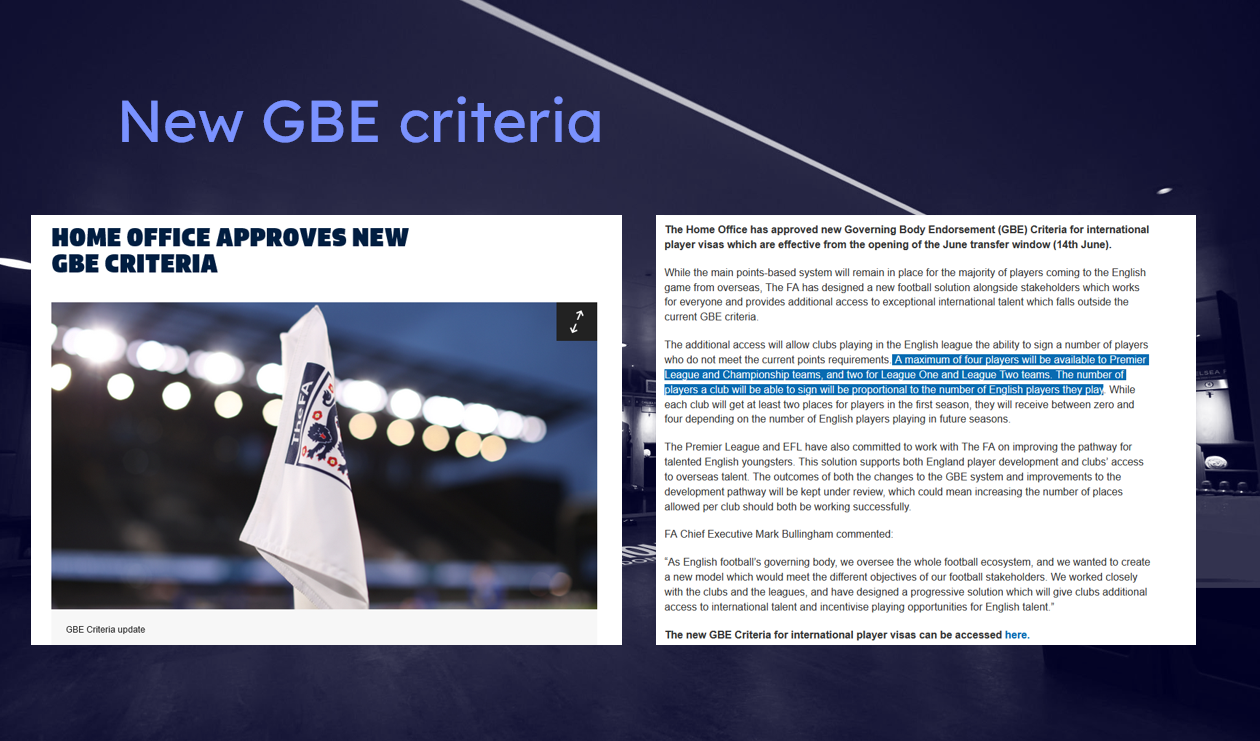
Taking advantage of the new GBE criteria (4 spots) surely has to prevent having to revert to signing a 26 year old 3rd choice goalkeeper?
How do you turn profit on a 30 million player that doesn’t play (well)? And how many times can you sell lemons to other clubs before the aliexpress dropshipping gets called out?

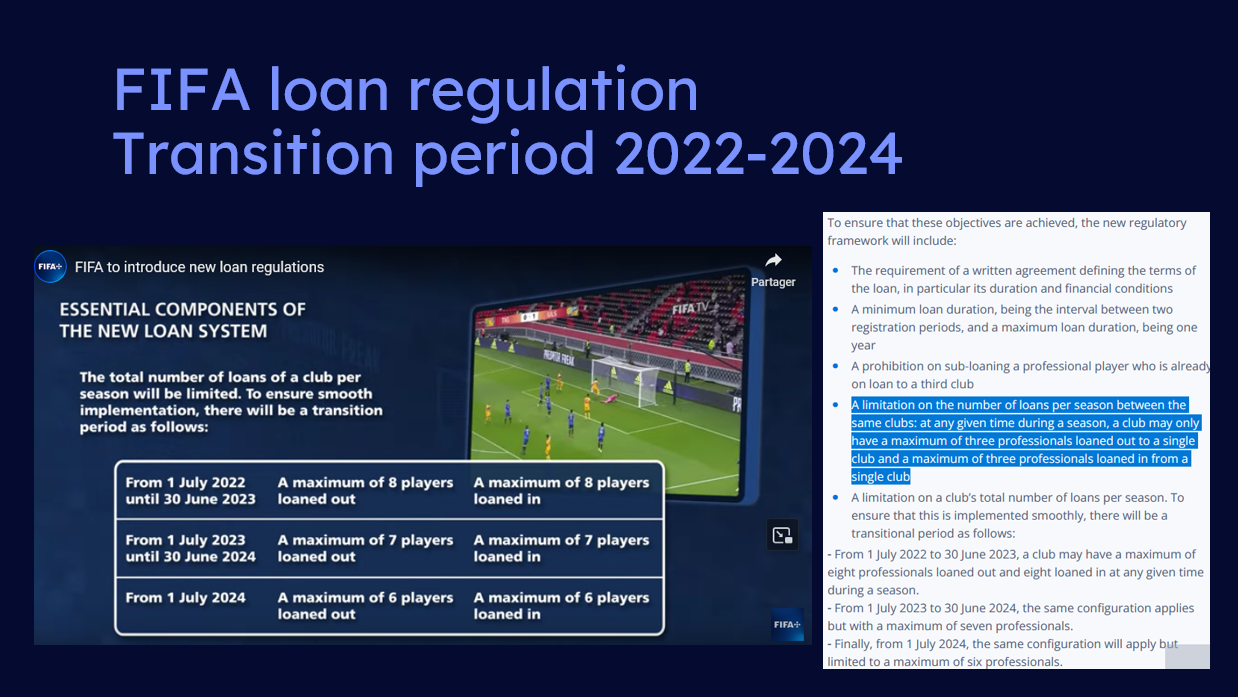
Where are the “young talent” meant to play, accounting for FIFA’s 6 loan restriction from 2024 (and 3 from the same club)? Buy more clubs?
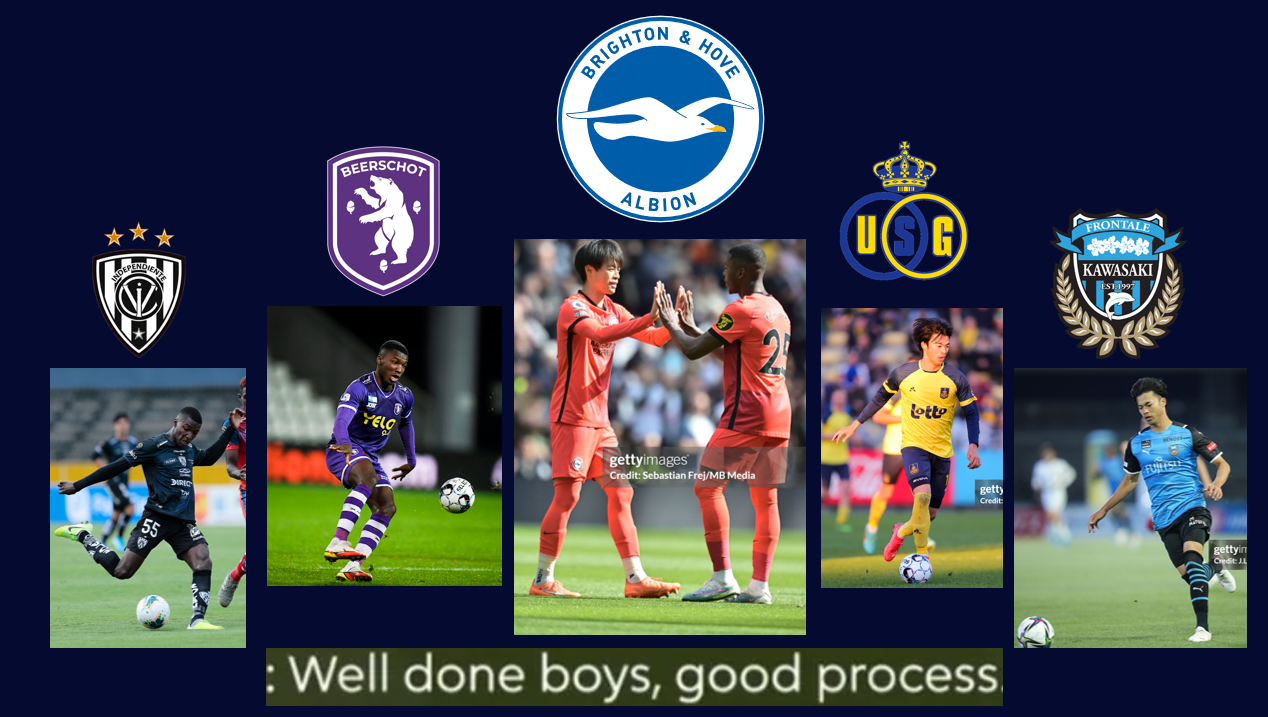
What happens with lemons that don’t turn good? How many head coaches get sacked before the sunk cost fallacy stops being a thing? Whose “expertise” is on the line first?

Balance the books with Academy graduates, but what is the pathway to make sure the up and coming Academy grads get the minutes Mount, Tomori, Abraham got for Chelsea in Champions League that made them (
WIN THE CHAMPIONS LEAGUE) and attract offers between 30-50 million when deemed suplus to requirement (PURE FFP PROFIT)? Fabio Borini, 162 minutes at first team level was sold for 0.3 million back in 2011.How can we make sure these players aren’t replaced by bang average signings that don’t move the needle on the pitch but thankfully and incidentally re-uniting with former work colleagues? Still a better love story than Twilight.

Is there any coaching veto to that air-conditioned squad building, especially when to account for stuff nobody thinks about (like second ball, headers and gamemanship), that won’t always be succesfully circumvented by 4 CBs or winding up players (that only end up picking 30 bookings for dissent by Boxing Day)
Where does the money come from once all the family jewell (academy players) are sold on a stall, the PL2 team sees 20 million Deivid Washington only running one-way and jumping over tackles, and Lyon send Diego Moreira back to London via Easyjet after failing to make the bench at rock bottom Lyon? A shirt sleeve sponsor?
There’s the project, and the people tasked to deliver it on and off the field.
#TheProject can’t possibly include “keeping a few spare bucks to light on fire with João Félix’s loan to cosplay Wout Weighorst” once the team is bang on every mid table metric including the league table halfway through the season. Or sell Lewis Hall for 5 million after a season without playing whilst Cucurella disappoints in another “fresh start” given by the half a dozen people tasked th name a lineup already.
Why did we get here, and was it a neccesary step?
Not everything has been *bad*, but a significant amount of questions remain unanswered.

SQUAD BUILDING 101
Naming a team on the week end is at the interface of: training and squad building.
Get players to play together, and these players are remunerated for their exploits (including foul throw-ins).
Every club has a spending limit, if not absolute, in terms of how much they can spend in a specified timeframe (or allegedly).
These are the key takeaways
Sir Alex Ferguson said that a team could get away with 1 or 2 passengers every week, but not more than that
Sir Alex Ferguson can recall on both hands the amount of times he had 11 players playing in unison over his illustrious career
Train the team properly, and avoid non-contact injuries over 10 days that prevent continuity in lineups. Contact injuries and non-contact injuries <10 days are part of the game.

In terms of resource allocation
Theoretical squad design
A playing squad is 20+2 goalkeepers. Can stretch to 25, accounting for 3 (different) young players who make up the numbers
A theoretical repartition is 8-8-8:
8 starters, 8 backups and 8 squad players.
STARTERS are the matchwinning talent identified on an open market, who move the needle and impact results: Hazard, Sterling, Kanté.
BACKUPS are the players that allow the previously mentioned to be in the best position to do so. Azpilicueta, Gallagher, Chalobah, Broja
SQUAD PLAYERS are the players that allow training sessions to be competitive and intense, because their performances in training and minset is focused on giving the best version of themselves everyday: Emerson, Malang Sarr, Marcus Bettinelli
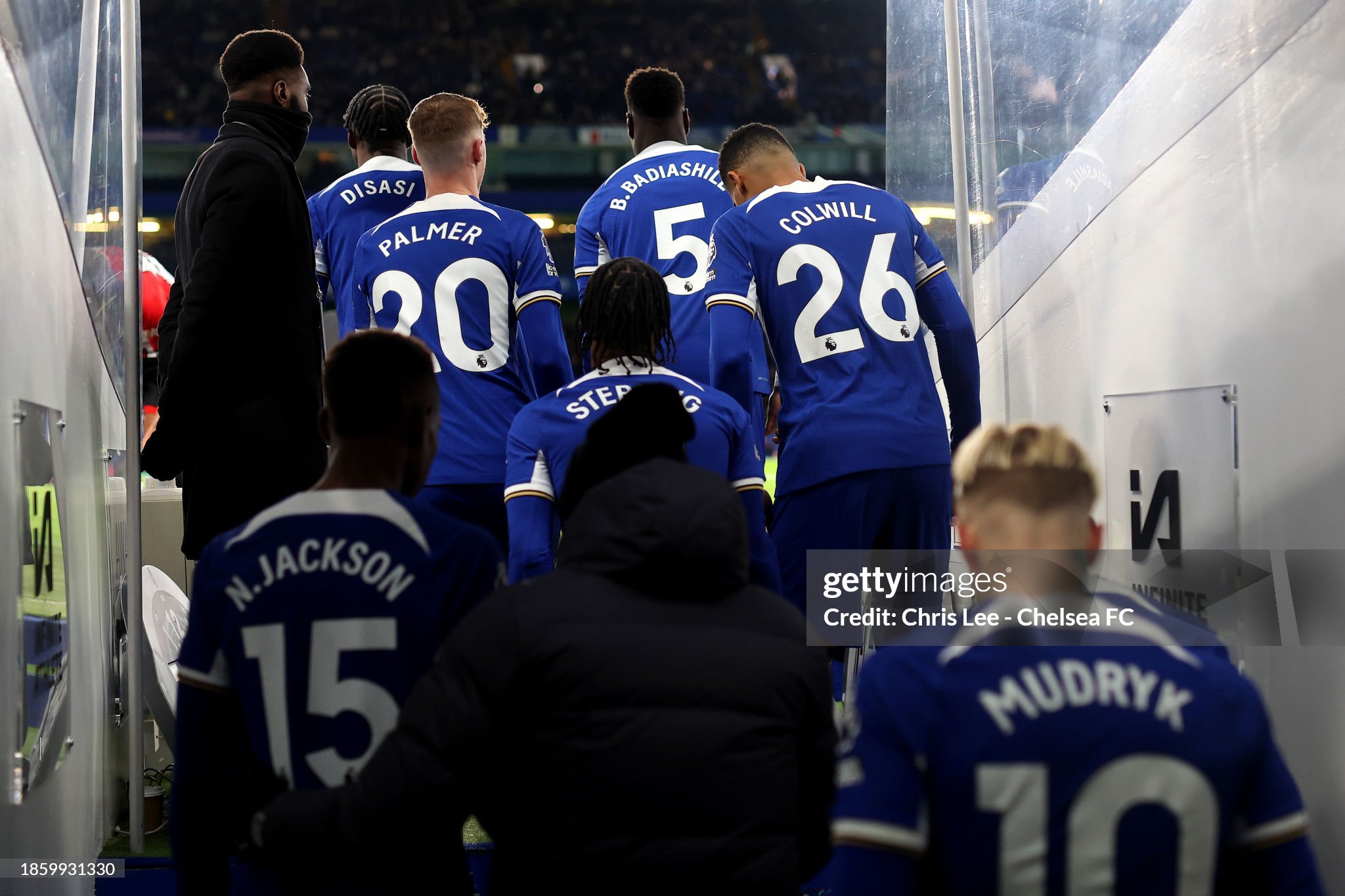
Players mentioned here are only nominal examples in order to illustrate.
Theoretical salary structure
STARTERS are the ones you put the money on. Once they’re identified, pitch the best project (and best remuneration) to attract them. And yes, that means some big fat commssions somewhere on the way.
BACKUPS are supposed to be on the league’s average salary per position, and be rotation players for the top 10 and starting for bottom 10 teams.
SQUAD PLAYERS are fundamental and need to be on the right wavelength between turning up to pick up a paychek and knocking on the manager’s door with a dubious self evalutation of their own abilities (or some innovative complot theories) every Thursday after the bib vs non bib 11v11.

Implementing the salary structure, and the practical leeway
Paying elite salary to elite talent makes sense, nobody good enough will accept to earn less than he would elsewhere.
Paying elite salary to squad players or backup is just shambolic, soil-less squandering of resources.
That being said, the other practical truth of squad building is that the best advice to any football player growing up supporting a club is to never play for them, because they’re going to get paid below value and accept it because they love the club (or are settled in the city etc)
That’s how football works, and does or could take advantage of more often.

The outlook of a squad template
Elite academies are meant to produce the second aplenty. Be a backup to a title winning team. That’s Manchester United under Ferguson.
You’re Wes Brown or you have a top career in the Football League (or both)
Big academies have reasonable pull (or liberal interpretation of FIFA’s rule wrt international transfers) and can also identify the Bellingham, Mbappé, Hudson Odoi or Musiala (or Nathan Aké) of this world to get them in the loop.
If that happens every couple of years, good for them
A squad needs to be
30% (8 players) of elite matchwinning talent – external or internal if you’re lucky to have and nurture them in house (Saka, Hudson-Odoi)
30% (8 players) of league level players – that have to be internal options unless for some reason you cannot produce a left back (Chelsea 1995s -2005s?). Conor Gallagher
30% (8 players) that – for any non unserious footballing institution are either very young and meant to become 1. or young and meant to be 2. whithin a year.
Once you connect dots together, you’ll figure out that the squad can effectively be 60% homegrown and 30% outside.
One perspective is that is strengthens the bond between a fanbase and the club’s playing squad.
Another perspective for people who think about MONEY and RETURNS is that it allows you to focus the spending on one third of the team and UNDERPAY the remaining 60%.
And I am flabbergasted at the sheer level of stupidity in football that let people in charge be willingly talked into not building their squads like that.
Because if you don’t like your club nor like money, what exactly are you doing here.
That’s it. Overpaying 29 year old dross that incidentally played under your manager in two different clubs already (you’re the third. Couldn’t write a script like that etc etc…)
Congratulations, you’re a donut.
Because Chelsea live (and will die by) the 9 they finally need to sign for whatever money he’s asking, the general theme of this blueprint is to imagine how much money can be poured into the fantasized Osimhen bucket.
And if Osimhen’s not quite your thing, then the next one might be.
But that’s the energy.

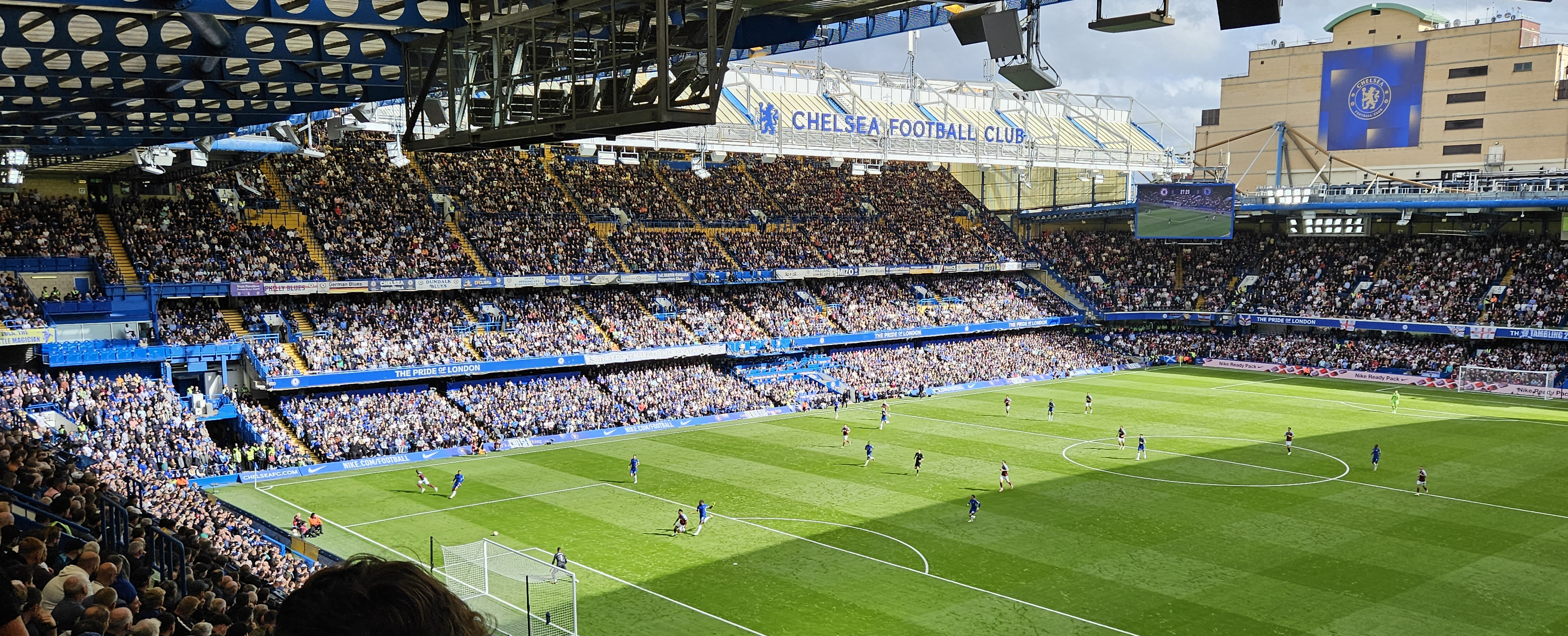
GOALKEEPER
in: Sanchez Petrovic
out: Kepa, Mendy
Pitch:
Able to claim crosses
Able to distribute long to bypass PL team’s wild approach to pressing
Don’t make mistakes in possession (acknowledge when the long and short option is or not on)
Long arms to catch the ball even off balance
Reasonable game model demands on GK commands an adequate transfer fee
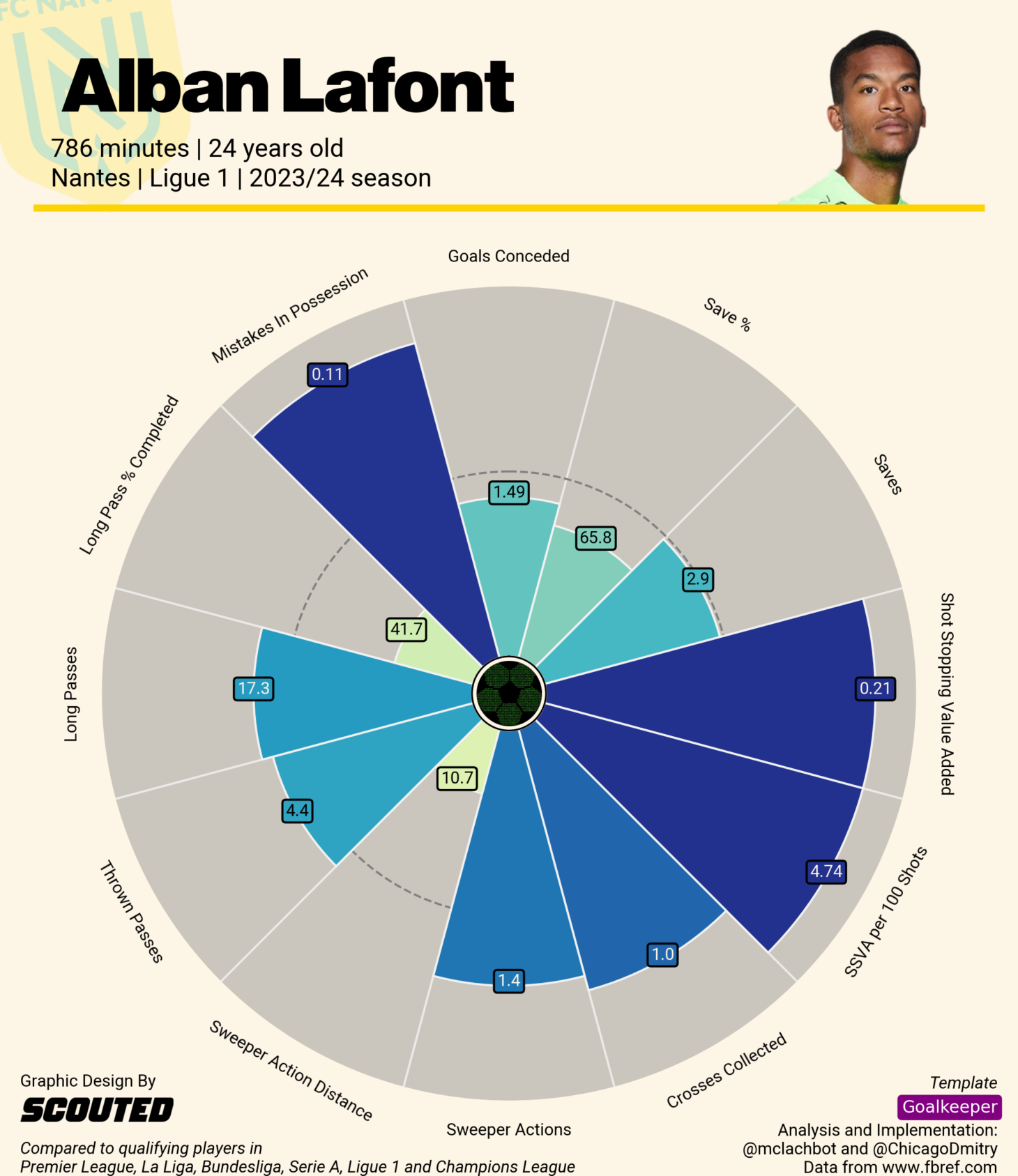
GK: Alban LAFONT – 1999
300 pro games at 24, trophy winning club captain, no nonsense 6ft5 goalkeeper with unspectacular efficiency that will win points for his team.
MV: 10-15 million
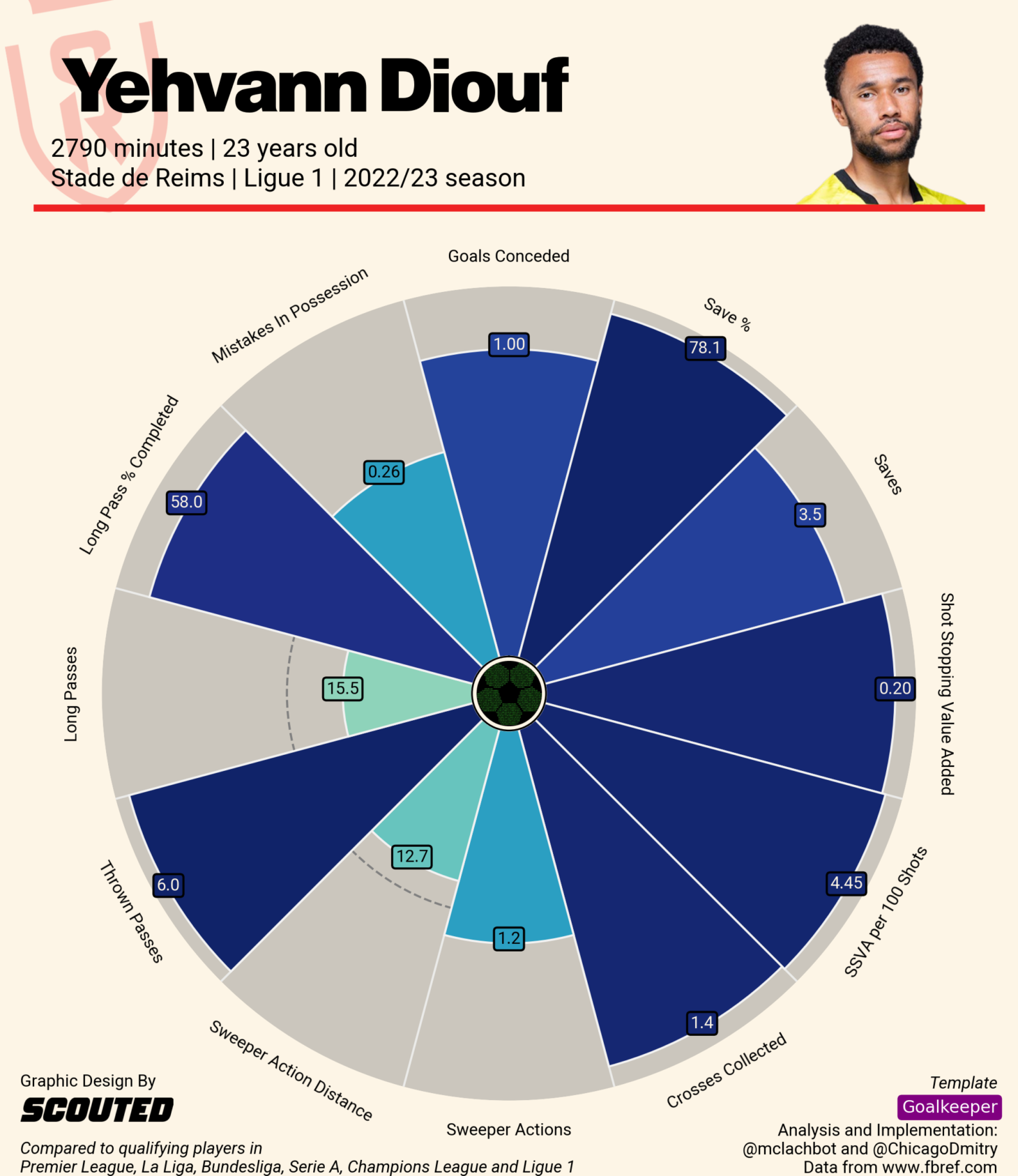
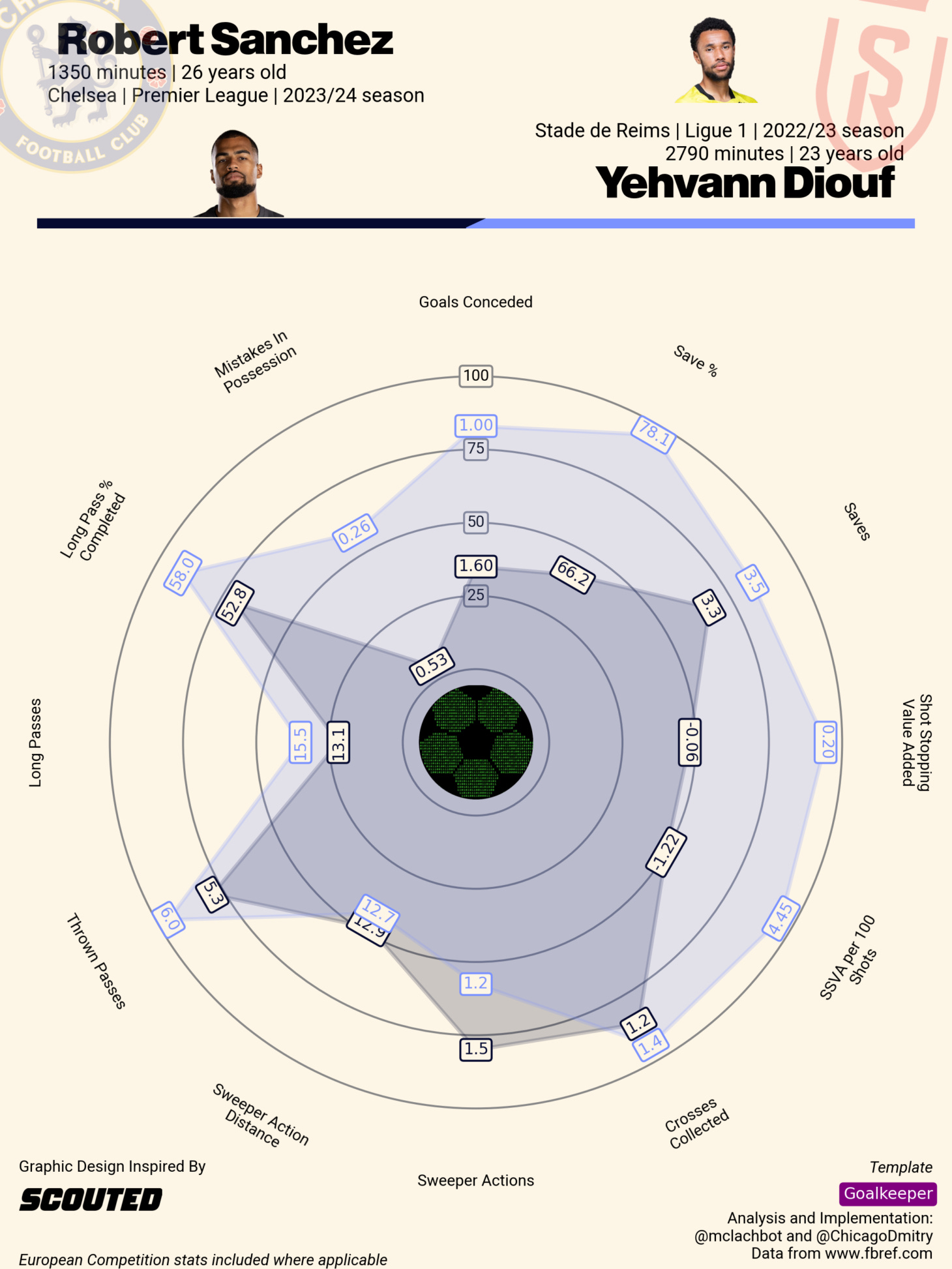
GK: Yehvann DIOUF – 1999
Efficient dynamic and commanding 6ft3 goalkeeper, influential in his team’s 15 clean sheet season – boasting a better save % than Edouard Mendy in 2018/19 for the same Stade de Reims.
MV: 15-20 million
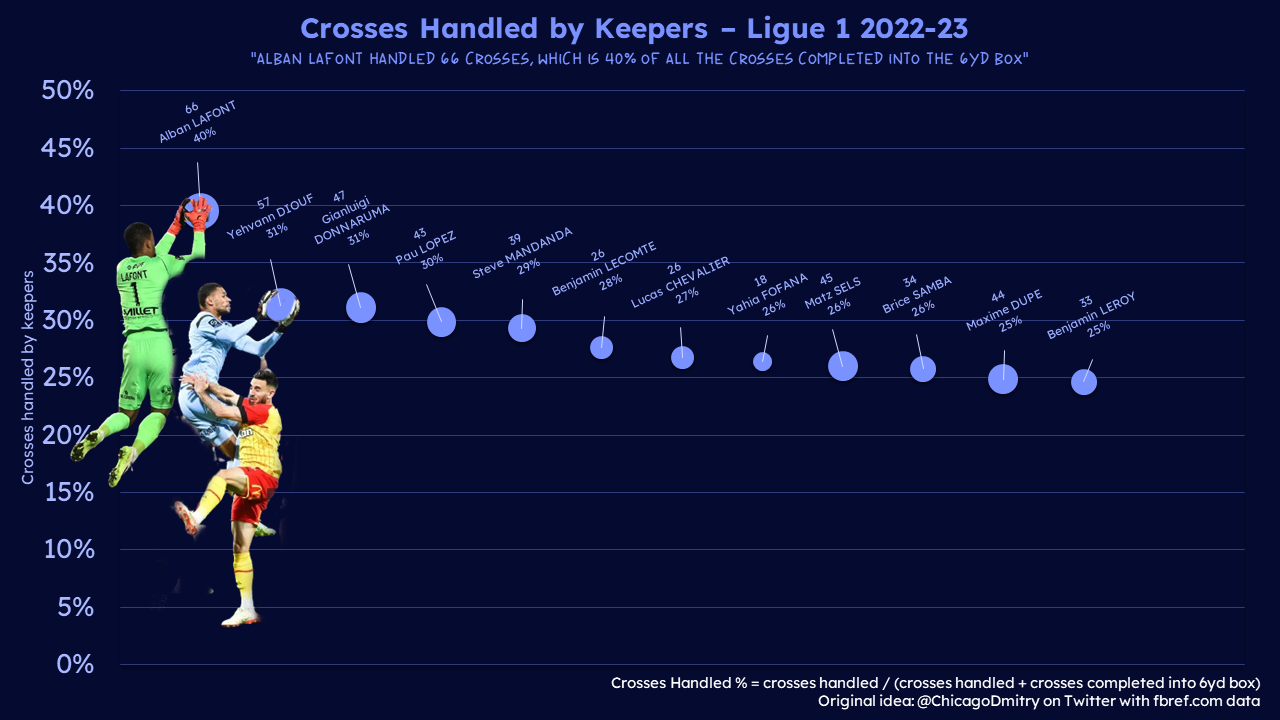
This cross handling metric has been developped by @ChicagoDmitry
New Metric – A Slightly Better Cross Handling Percentage for keepers than provided by fbref Methodology:
crosses handled – any ball either collected by the keeper or punched away within the 6 yard box only crosses completed – any cross into 6 yard box completed to opposition
Crosses Handled % = crosses handled / (crosses handled + crosses completed) Reasoning: Focus on 6 yard box restricts us to an area where a keeper is expected to be aerially active. Removing any crosses intercepted by defenders focuses only on what the GK had chance to handle
On this metric;
Robert SANCHEZ would have 26% in 2023-24 for Chelsea
Alban LAFONT would have 40% in 2022-23 for FC Nantes
Yehvann DIOUF would have 31% in 2022-23 for Stade de Reims
GK: Đorđe PETROVIC – 2001
Signed for 14 million backed with the reputation of being one of MLS’ best goalkeepers, Đorđe Petrović is a significant contribution to break the wall that is gatekeeping (and bigotry). A wall that Edouard Mendy already broke a few years ago.
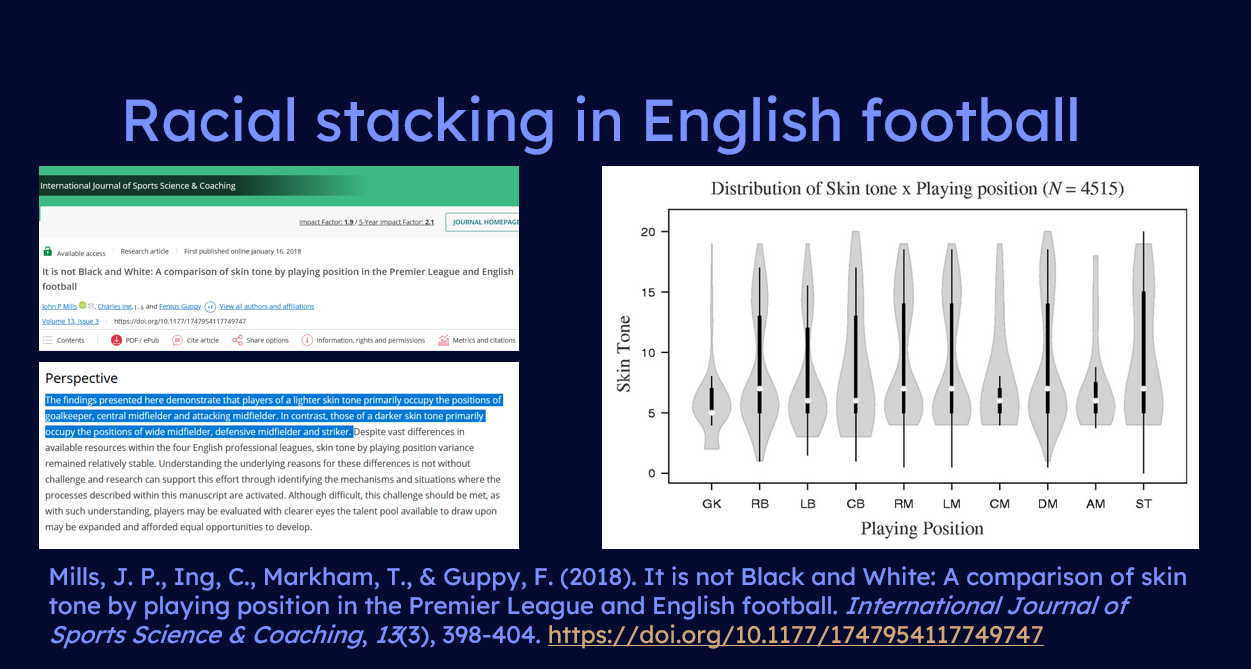
Football’s biggest challenge is access to opportunities, not galaxy brain short goalkicks.

There is no reason why the global talent pool can’t be scoured in the era of information, and Đorđe Petrović is proving his worth since his inclusion in the team
A warm welcome at Stamford Bridge
And a warmly welcomed penalty save to knock Newcastle out
Petrovic v Diouf v Lafont
Chromatic eyesore, soz.
GK: Flush The Process
Robert Sanchez, Brighton’s 3rd choice goalkeeper: 25 million
Alban Lafont or Yehvann Diouf: 10-15 or 15-20 million
Đorđe Petrović: 14 million and not set to lose his spot anytime soon.
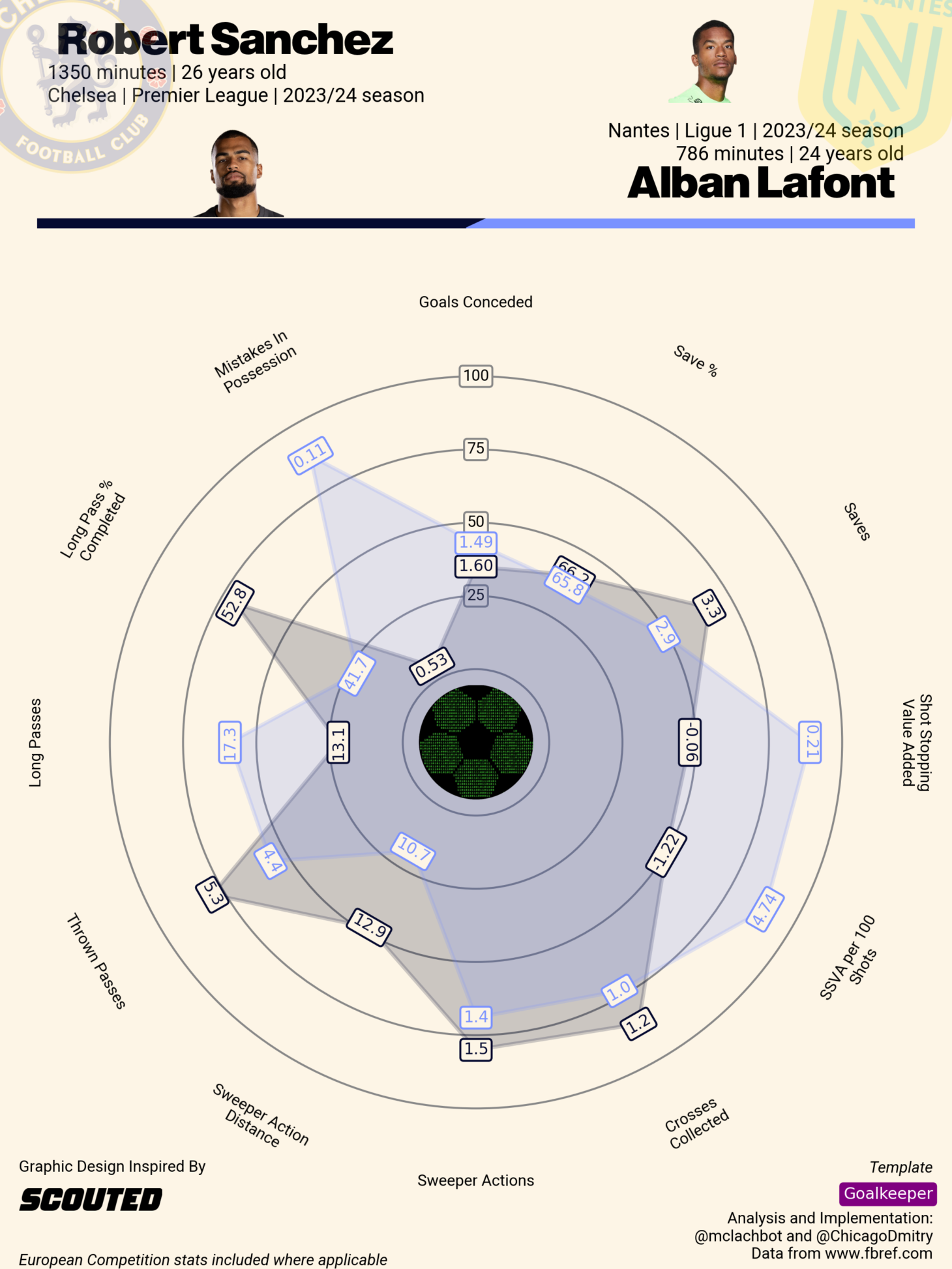
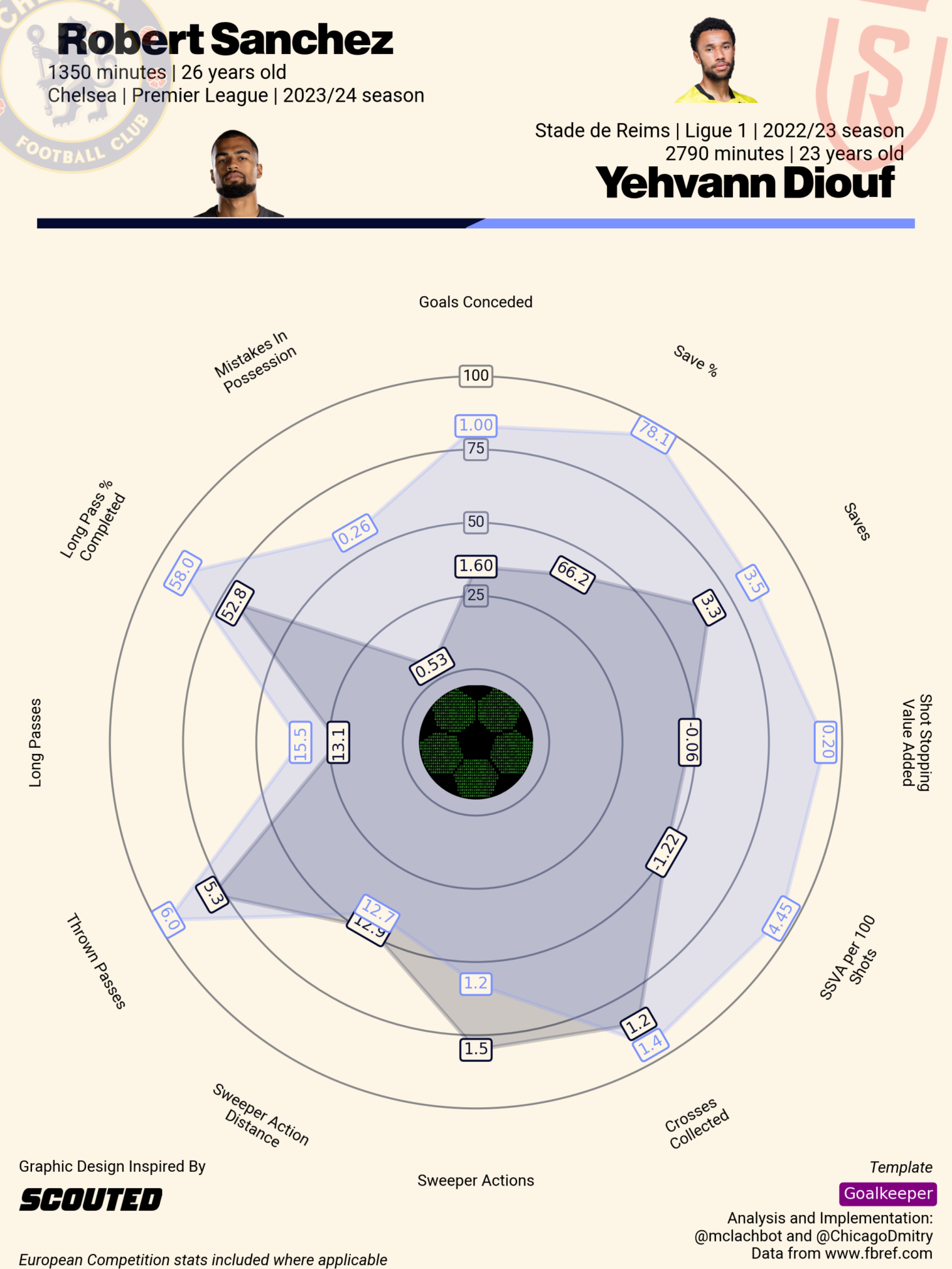
A very surprising turn of events occured; after losing his place to a League One goalkeeper, Robert Sanchez became #3 at Brighton but got himself a £25 million move at Chelsea. Only to end up on the bench challenging Marcus Bettinelli when he gets back from injury.
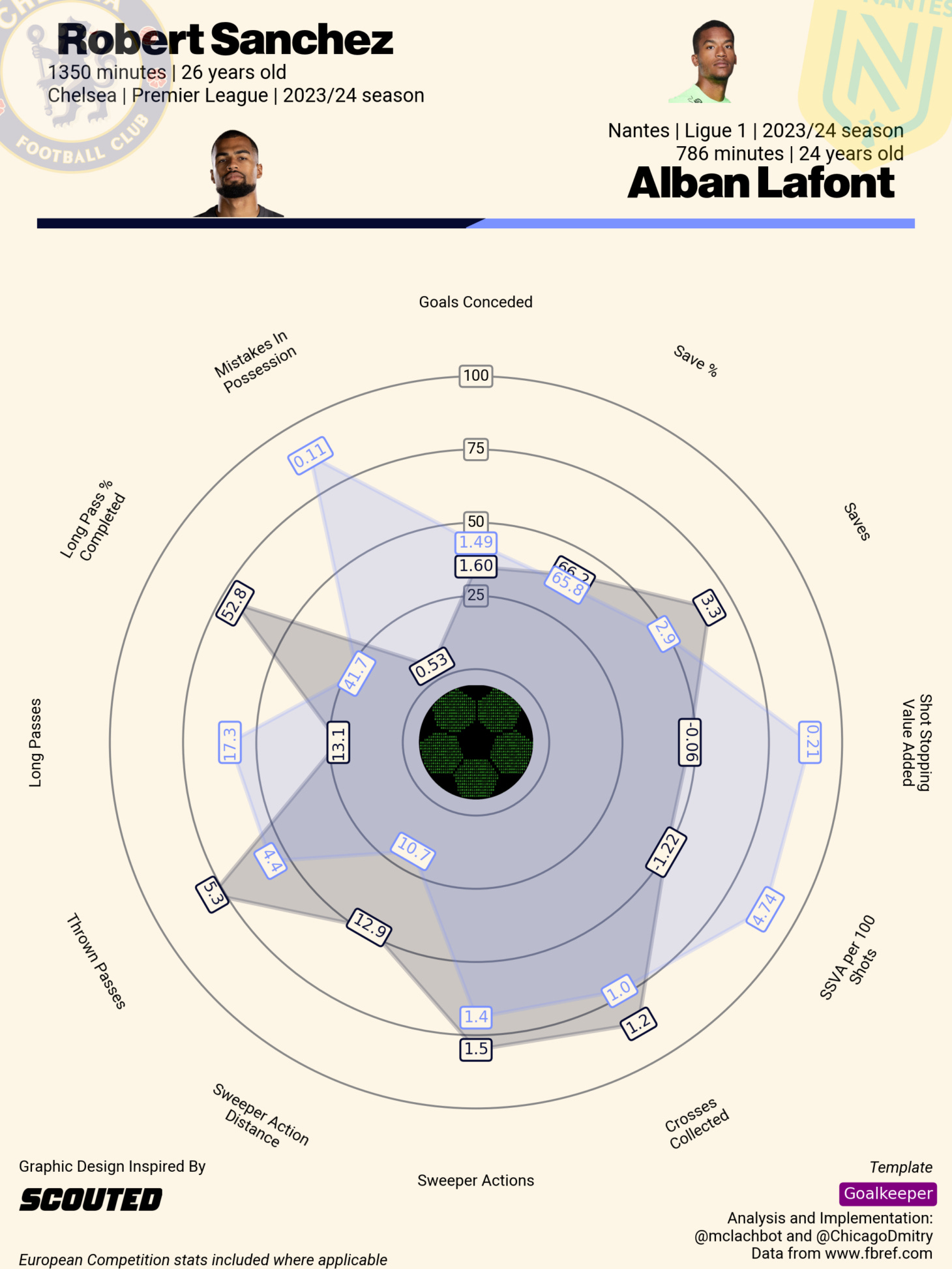
The idea of Robert Sanchez is interesting, dominant goalkeeper who catches crosses with long arms. Receptive to Toni Jimenez’s coaching (manufacture time to react by backtracking towards his goal-line as opposed to flavour of the month GK coaching to “reduce the angle” and get beaten across his body”)
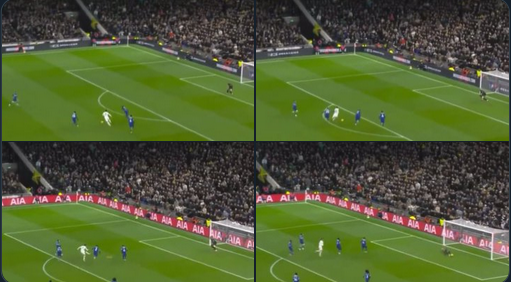
Good reflexes and wingspan is certainly better than doing it with shorter arms, and he claimed the September Goal of the Month with this one
In terms of footed play however, Robert Sanchez’s was never as good as portrayed
It took everyone’s new favourite manager Roberto de Zerbi benching him for a League One goalkeeper to prove that Robert Sanchez was indeed, not made of Steel(e).
Being tasked to play short doesn’t make anyoing doing so good at it.
Goalposts don’t move; play where the space is, and to a team mate preferably.
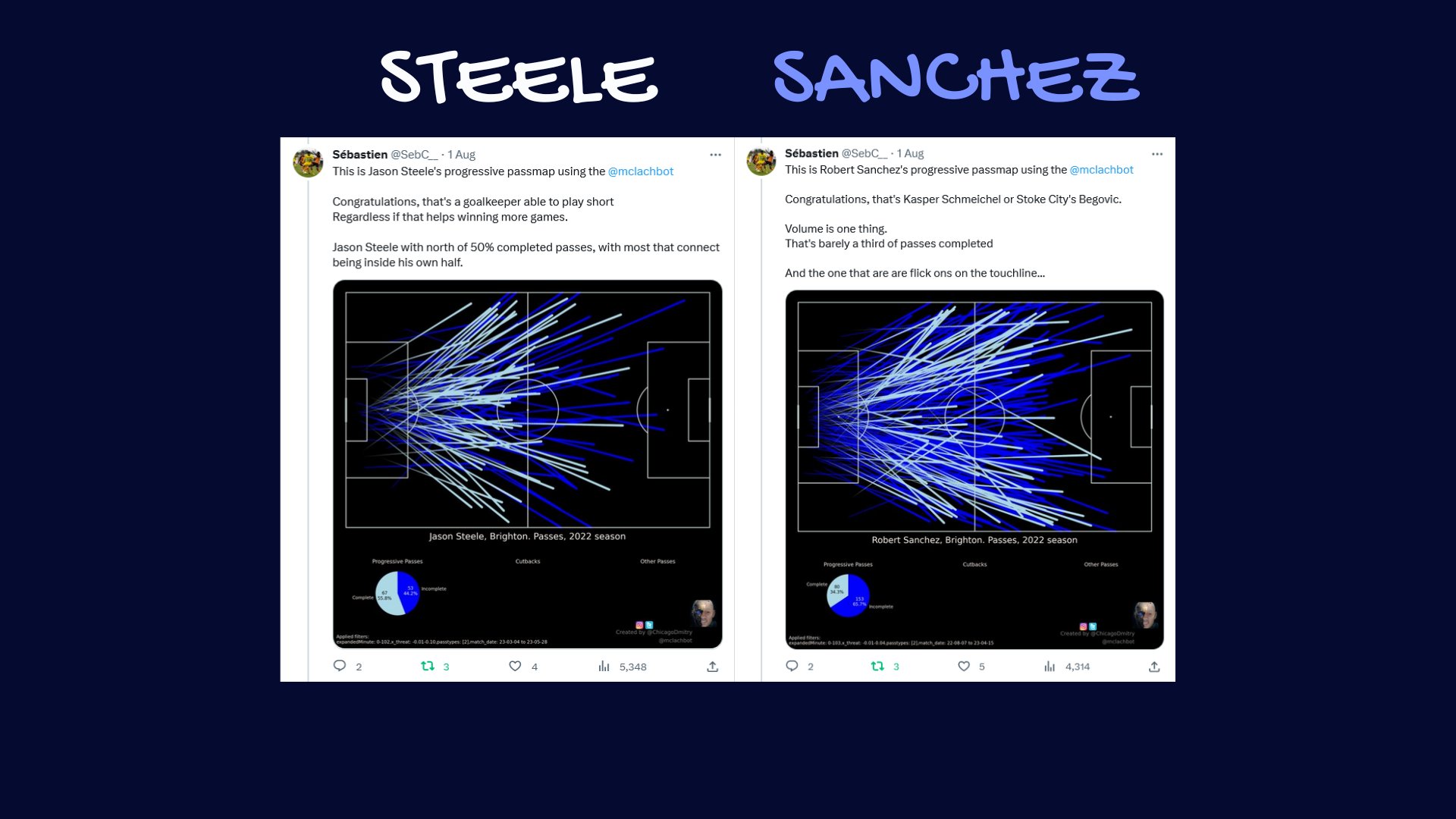
No poor soul who pointed that Potter’s mildly subversive Brighton were merely mid as opposed to cursed by xG gods were listened to, just as much as when De Zerbi pointed out that Steele was actually able to pick a pass inside his own half without turning the ball over.
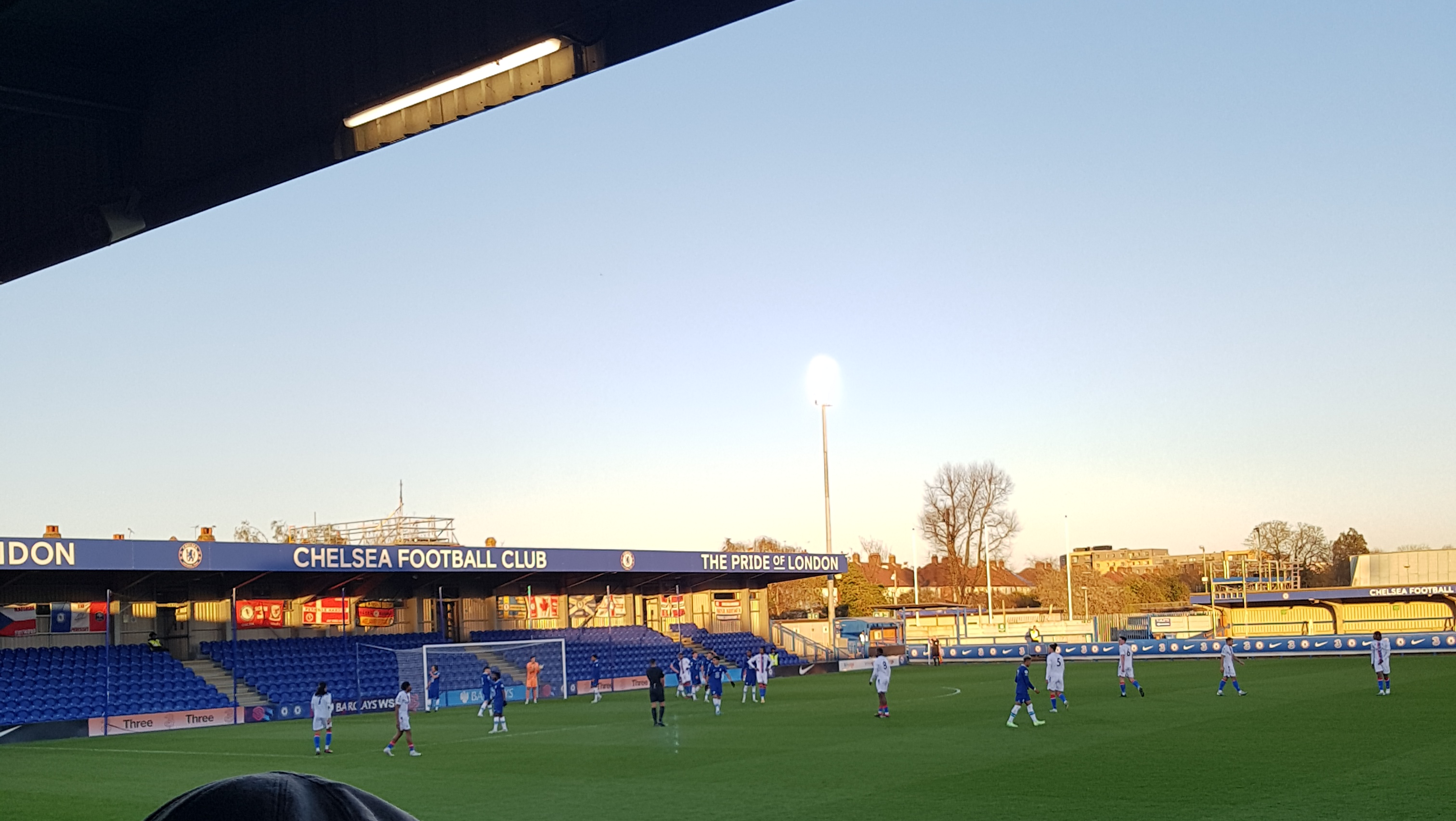
GK: Gaga Slonina
Signed from Chicago Fire with a lot of coverage and fracas, and featuring for the PL2 team where he showed good reflexes on his line and a degree of self confidence to act proactively off his line. The thing we’ll say is that he is in the process of aligning all the reputation and media coverage, interviews he delivered in the past years with performances in club
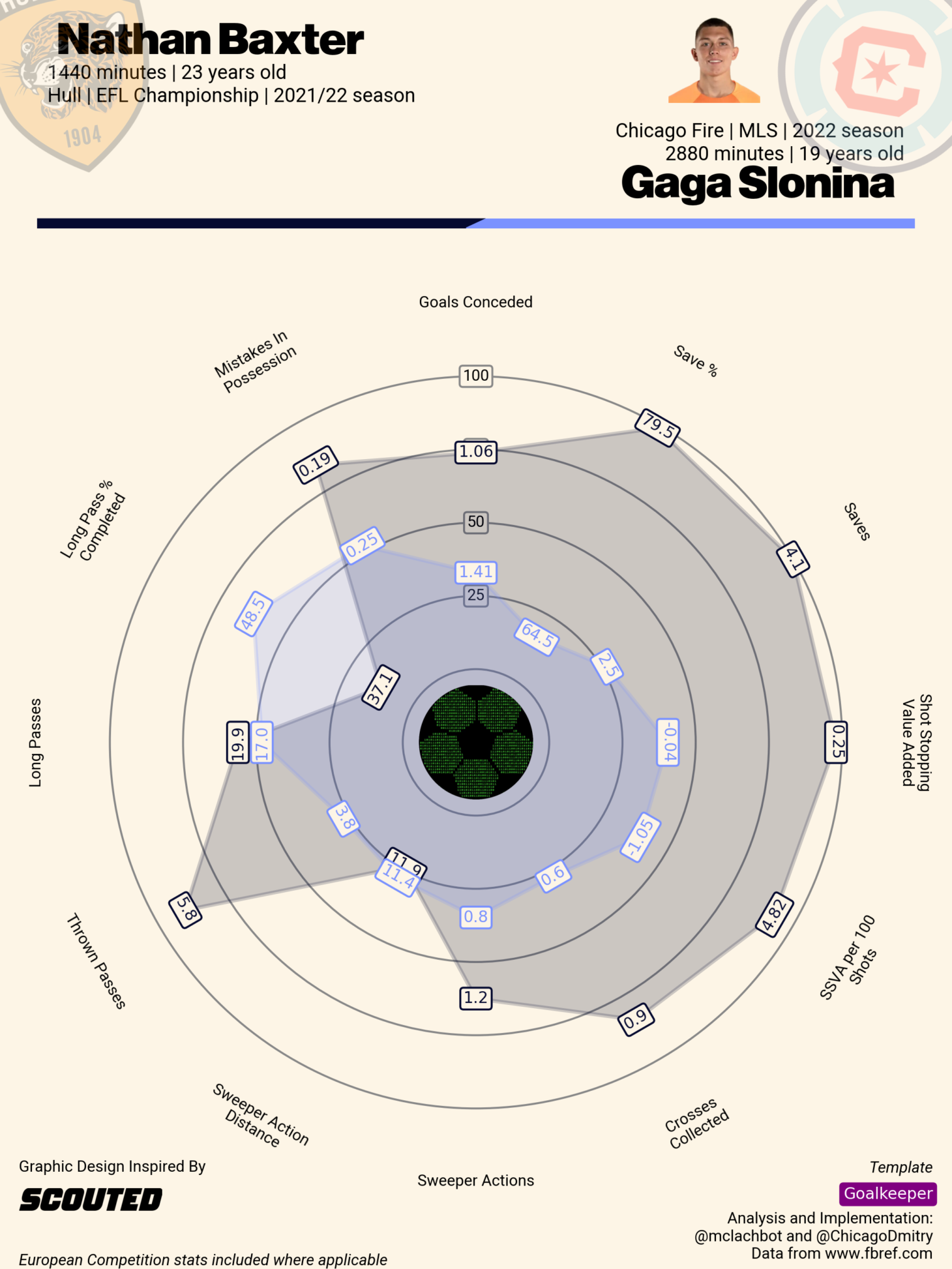
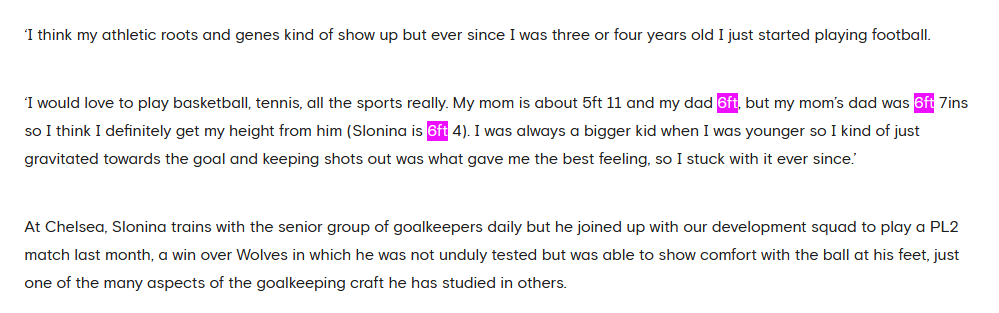
and that, just like height measurements, the ball doesn’t lie and if Harvey Vale is 5ft11; anyone’s due to find out that Gabriel Slonina definitely isn’t 6ft4.
Measurement tape in the country of NBA must be difficult to come by for professional athletes.
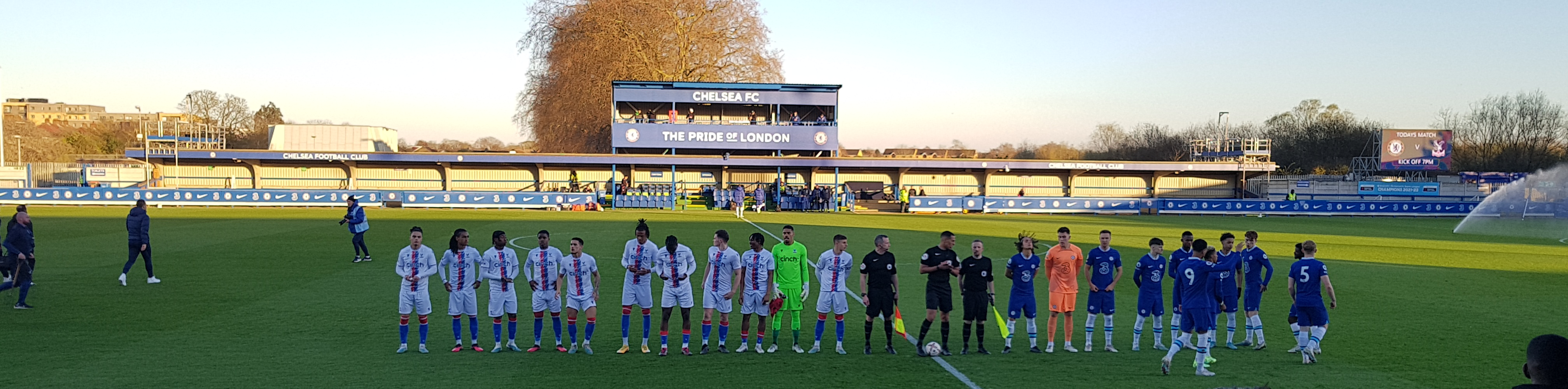
Bad loans are better than sitting on a bench, but again, the ball doesn’t lie.
Nathan Baxter will probably have a Nick Pope career arc and some England caps in his 30s.
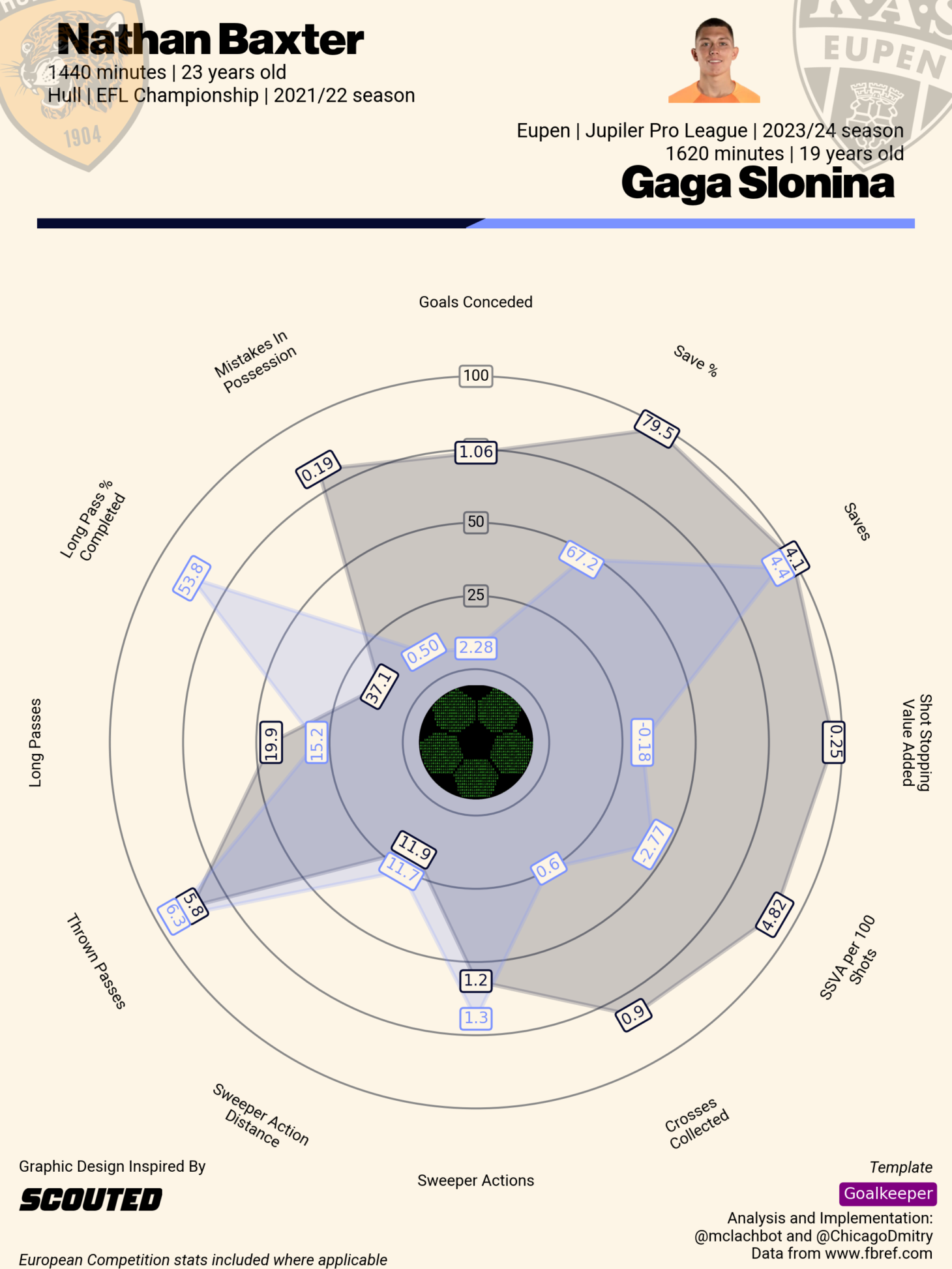
We’ll gladly pour half (or all) of the Sanchez money into the Osimhen bucket.



DEFENCE
Keep Marc Guéhi and Fikayo Tomori
Chelsea have Ben Chilwell and Reece James
Identified Benoît Badiashile and Wesley Fofana as elite talent addition
Have Trevoh Chalobah as borderline international level squad player, with the up and coming Levi Colwill.
Chelsea need: a backup left back, but did they need a backup CB?
Did they need to order a charging plug on Amazon, instead of checking if they didn’t have one in the desk drawer?
LEFT BACK
Pitch
A reliable left back deputy to team leader Ben Chilwell – the long stride goalscoring LB with a solid defensive improvement, capable in the air
A ground duel player to complement Chilwell’s skillset
or
A player able to play on both sides of the defence
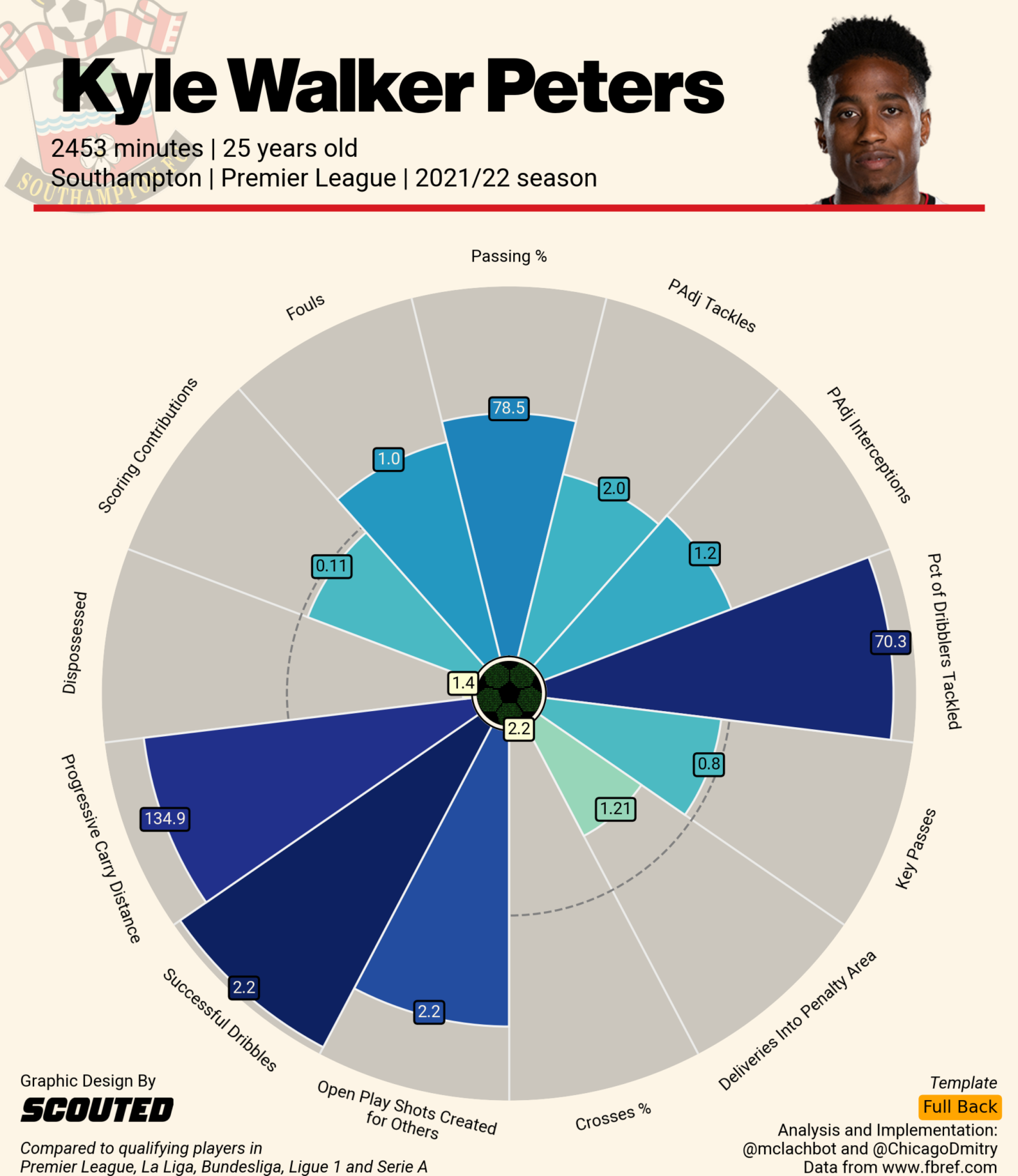
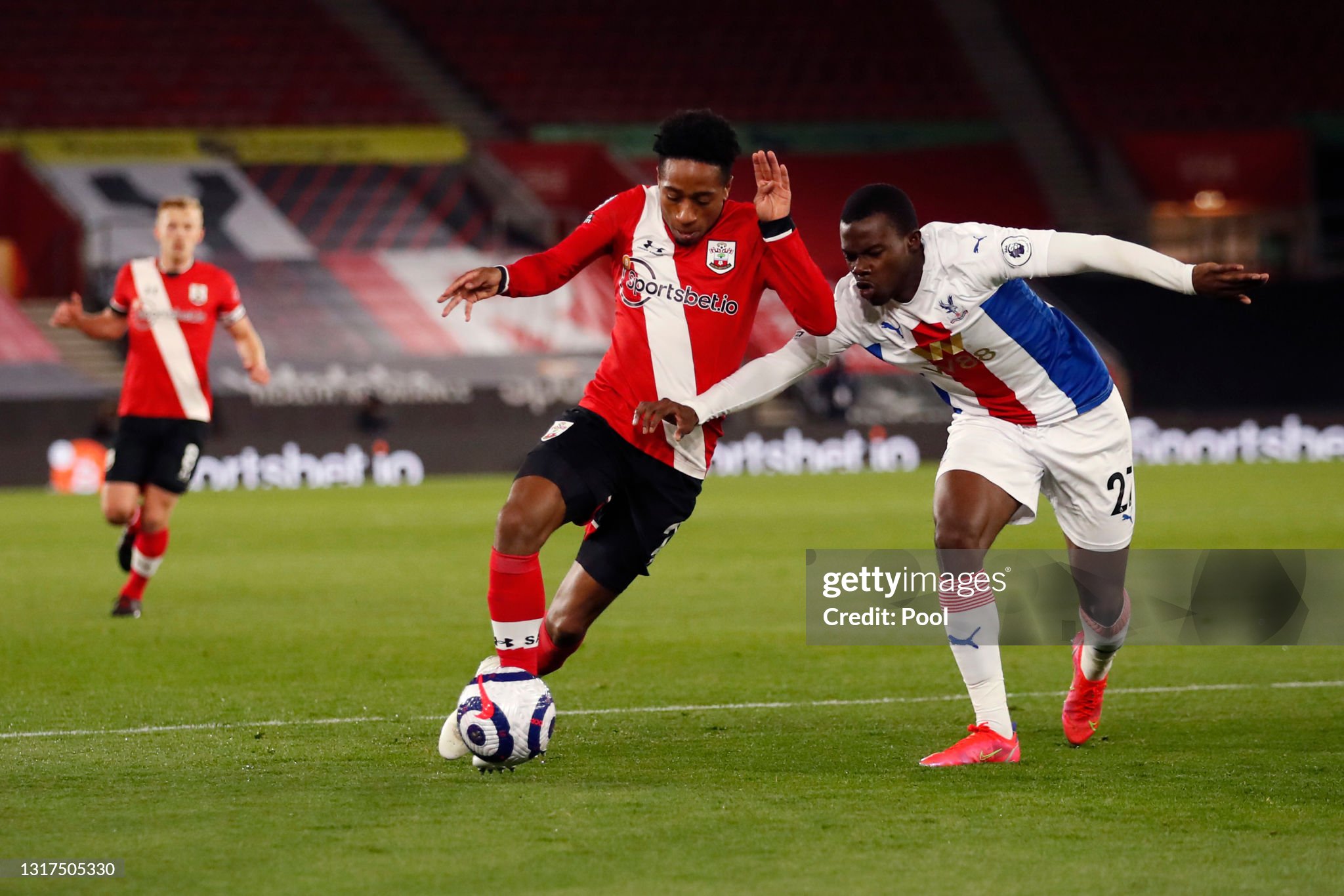
Kyle Walker-Peters – 1997

Fullback able to play on both sides. Masters every build up angle and type of pass to connect with team mates, inside, outside.
Intelligent and dynamic defensively, therefore never a liability for his team.
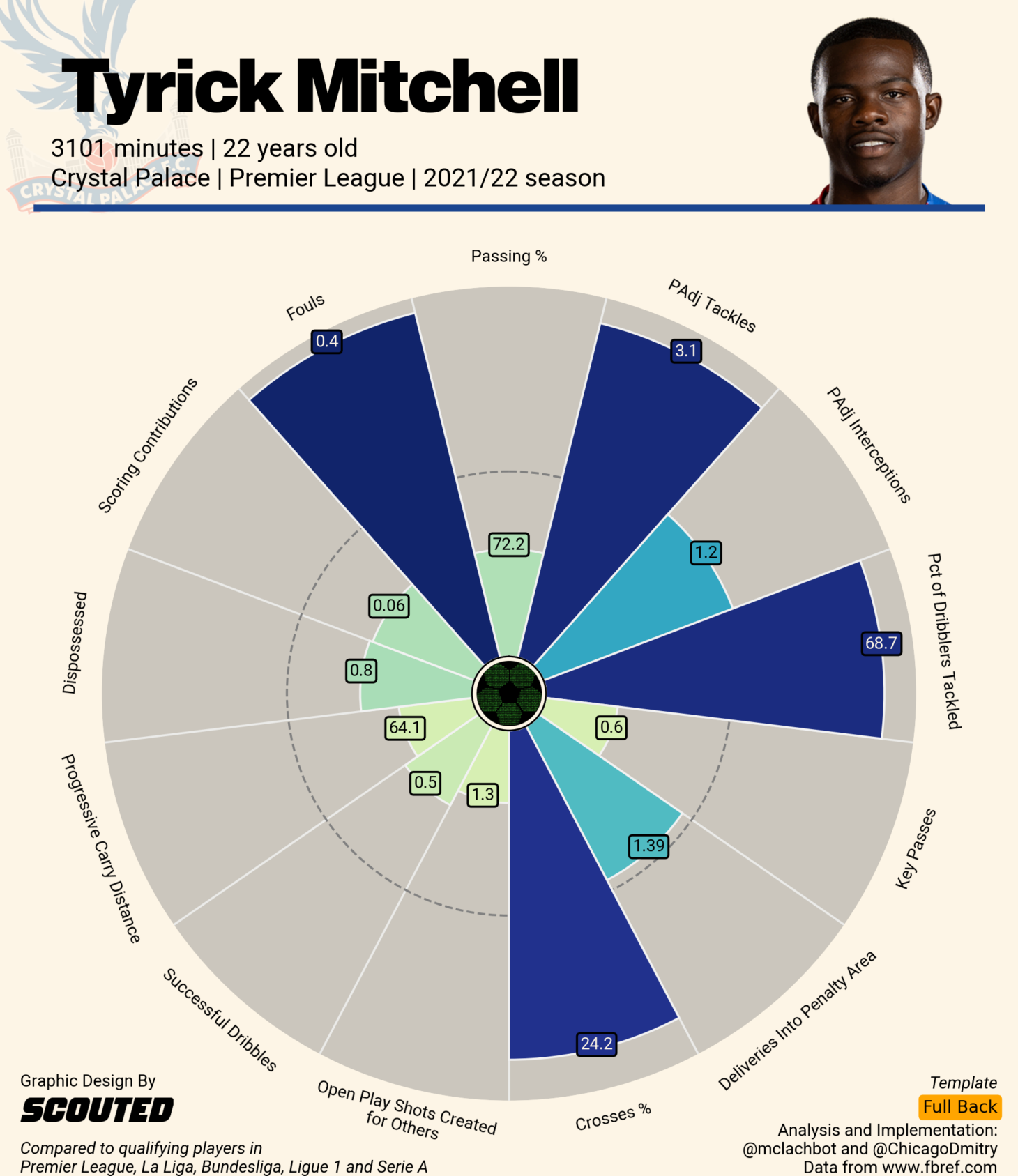
Tyrick Mitchell – 1999
The best defensive left back in the league, who’ll dominate match ups with a combination of footwork, focus and a streetwise attitude to stay very tight to wingers.
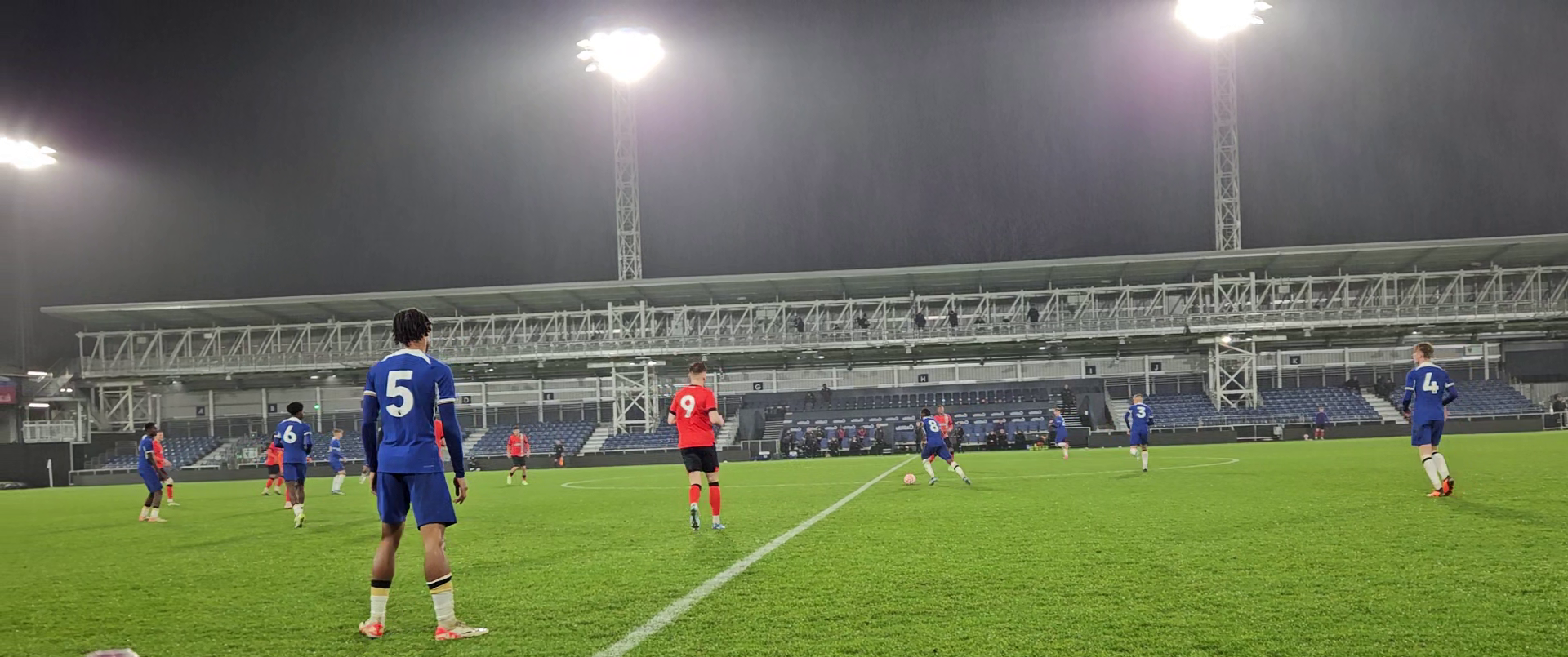
LB: Ishe Samuels-Smith – 2006
A young first team signing (5 milion from Everton) so far featuring for the U18 and has started popping up at PL2 level.
Ishe Samuels-Smith is a polyvalent defender, able to fit in modular 🛰️ tactical structures playing CB, LB or LWB.
Samuels-Smith has a raw base to start: can tackle
will be strong in the duel – showing signs he’s not moved easly as evidenced by his contribution on Zain Silcott-Duberry’s air conditioning triggering opener at Luton.
and finds a variety of solutions under pressure as a left back (going inside / outside).
Right now, his development will lie in having to channel his energy and technical execution to show more composure (when chasing wingers), or accelerate his execution (when not pressed, with more dynamic receptions on the half turn).
Nothing but positives at this stage, simply an acknowledgement that his involvement in 1st team training sessions don’t appear at this moment in time to warrant getting first team minutes as of yet.
He’s gravitating around the first team 🛰️

LB: Flush the Process
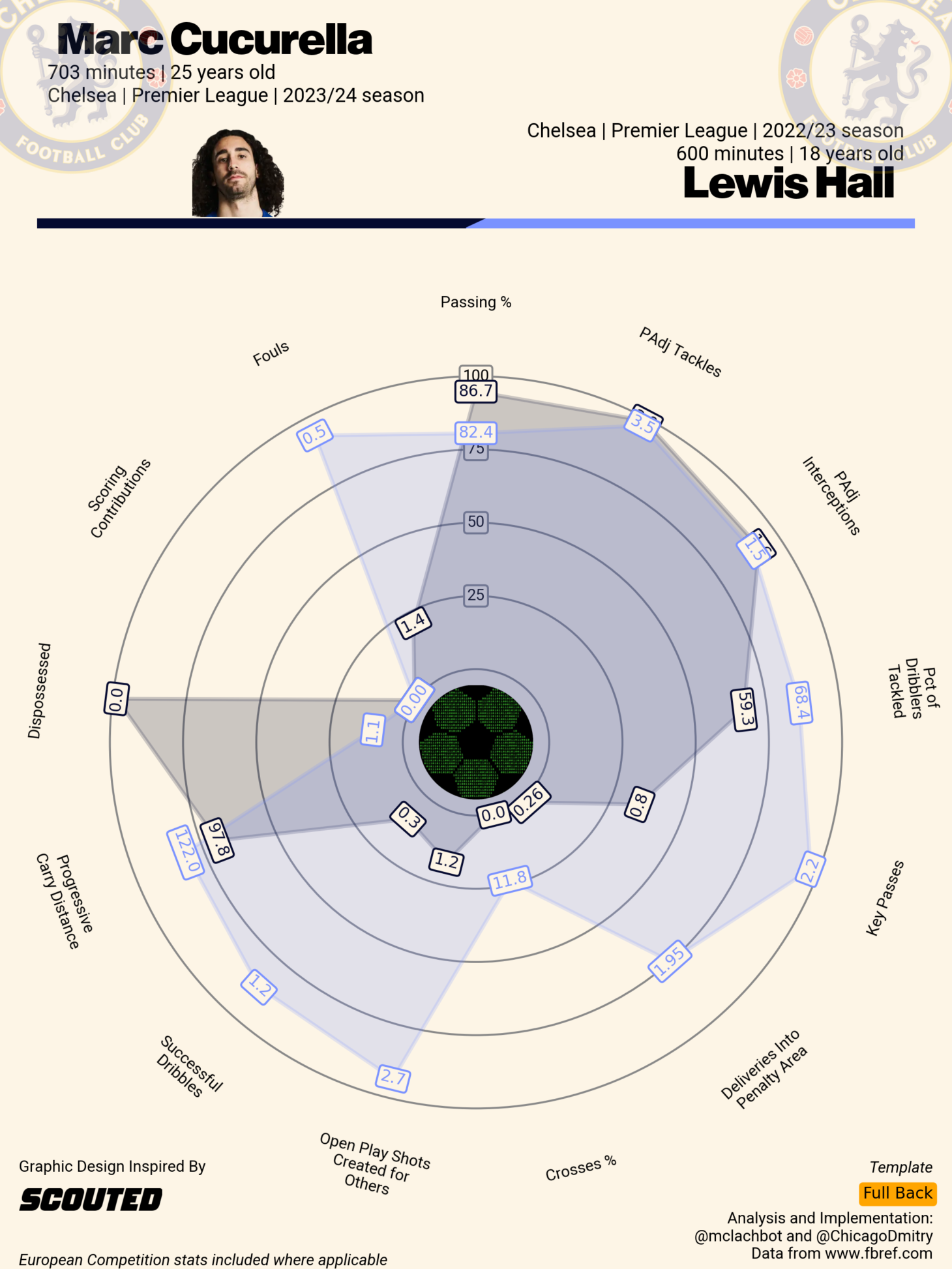
On the grapevine, we hear that club asked a consulting company to pitch a signing, they received a spreadsheet with “tackles attempted” and Marc Cucurella was on top.
Unfortunately, their 62 million player who could not defend at Brighton (vs Manchester United in May 2022) still cannot defend (vs Everton in December 2023) in a fascinating case study for science as for how long a process can be trusted before questioning whether there’s a process at all.
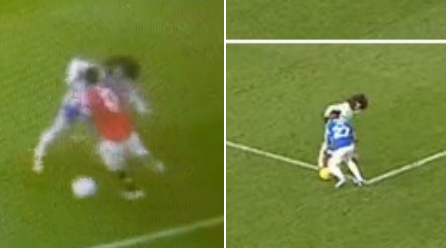
Cucurella is a Schrödinger Footballer, an attacking fullback (who can’t pass the ball in the box and reverts to hopelessly straying the ball back inside on the receiver’s wrong foot) when criticised for his defensive shortcomings.
Marc Cucurella getting torched on fire against Championship wide players.
And a defensive fullback when the observations into brackets is put forward albeit academies release numerous defenders with a better footwork than his when dealing with 1v1s.
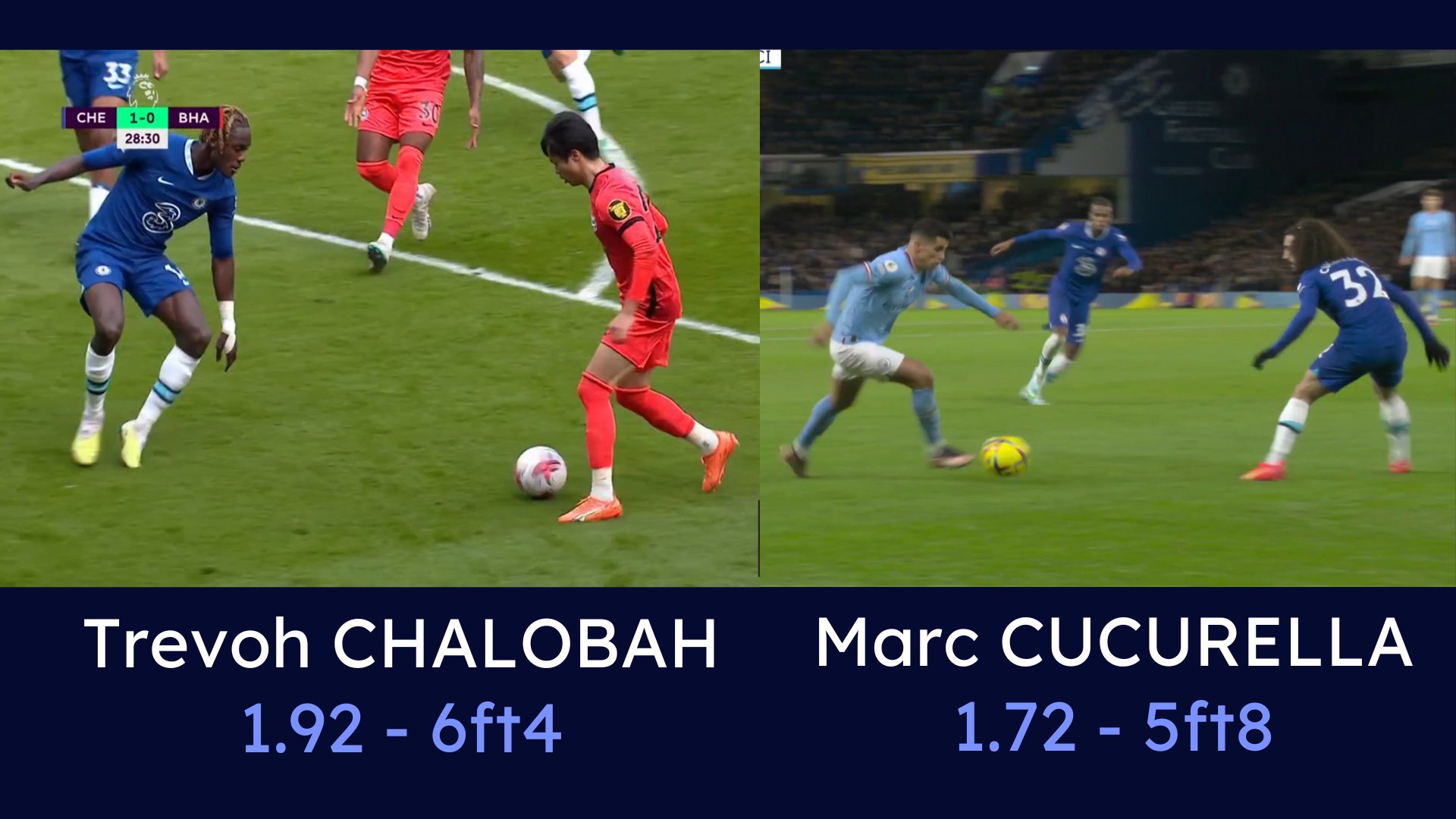
One of the most unfair realities on football is as follows, it blows into pieces every piece of discourse around opportunities, hardwork and maybe the utmost fundamental building stone of playing sport: play the best player regardless.
Respect and competence usually go hand in hand.

LEFT CENTRE BACK
Pitch
Dominant dueller with height and heading
Able to play the ball with needle passes or switches
Anticipation and reading to play an expansive brand of football
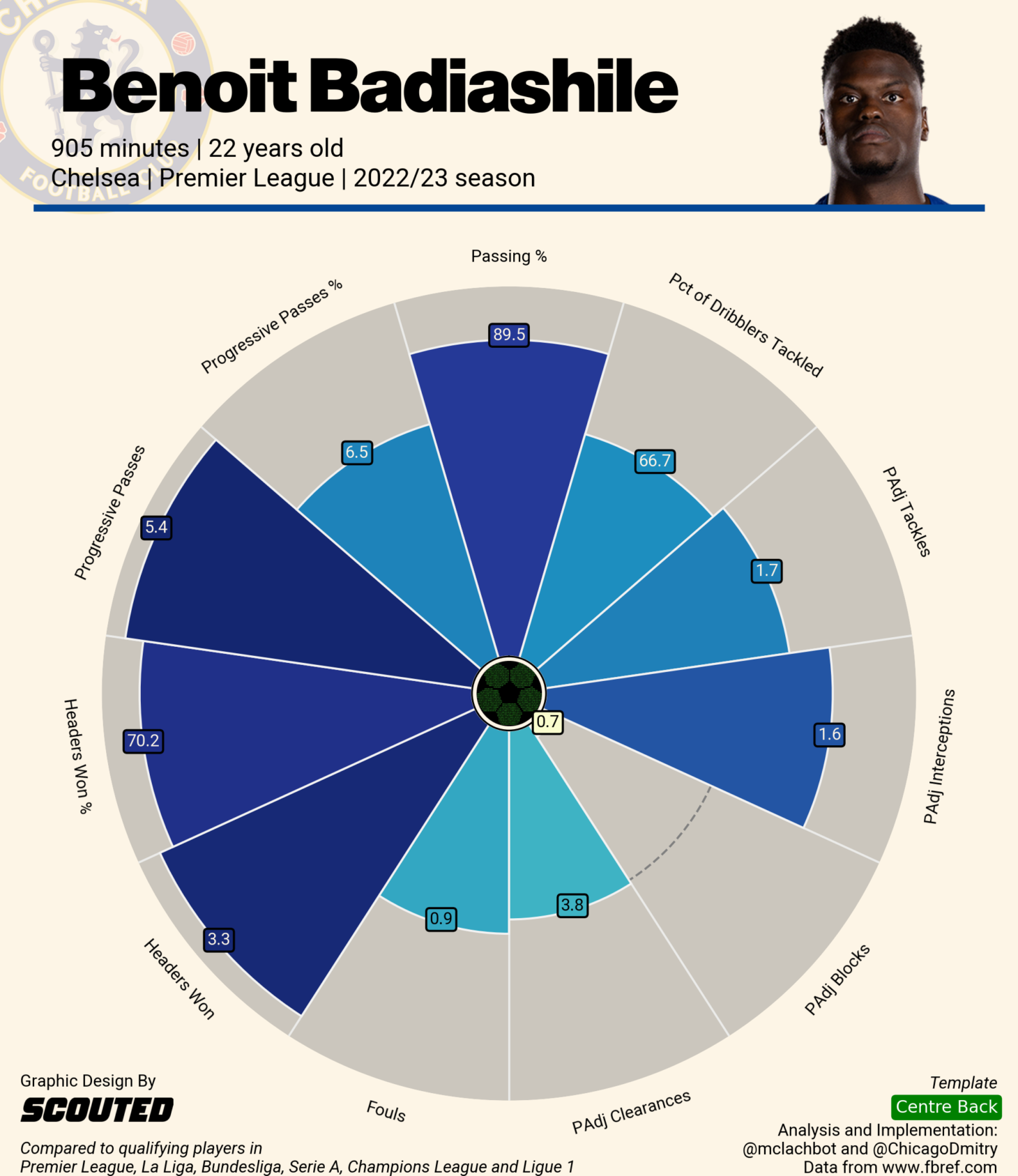
Benoît BADIASHILE – 2001
ahem.
Big Ben Covering the defence. Dude’s rapid
LCB: Trust the Process
Hitting the bull’s eye of what any successful transfer model of that dimension ought to be. Top 3 CBs in Ligue 1 since his debut in 2018-19 but under the radar because not in the usual loop of the sport desk hype train.
RIGHT CENTRE BACK
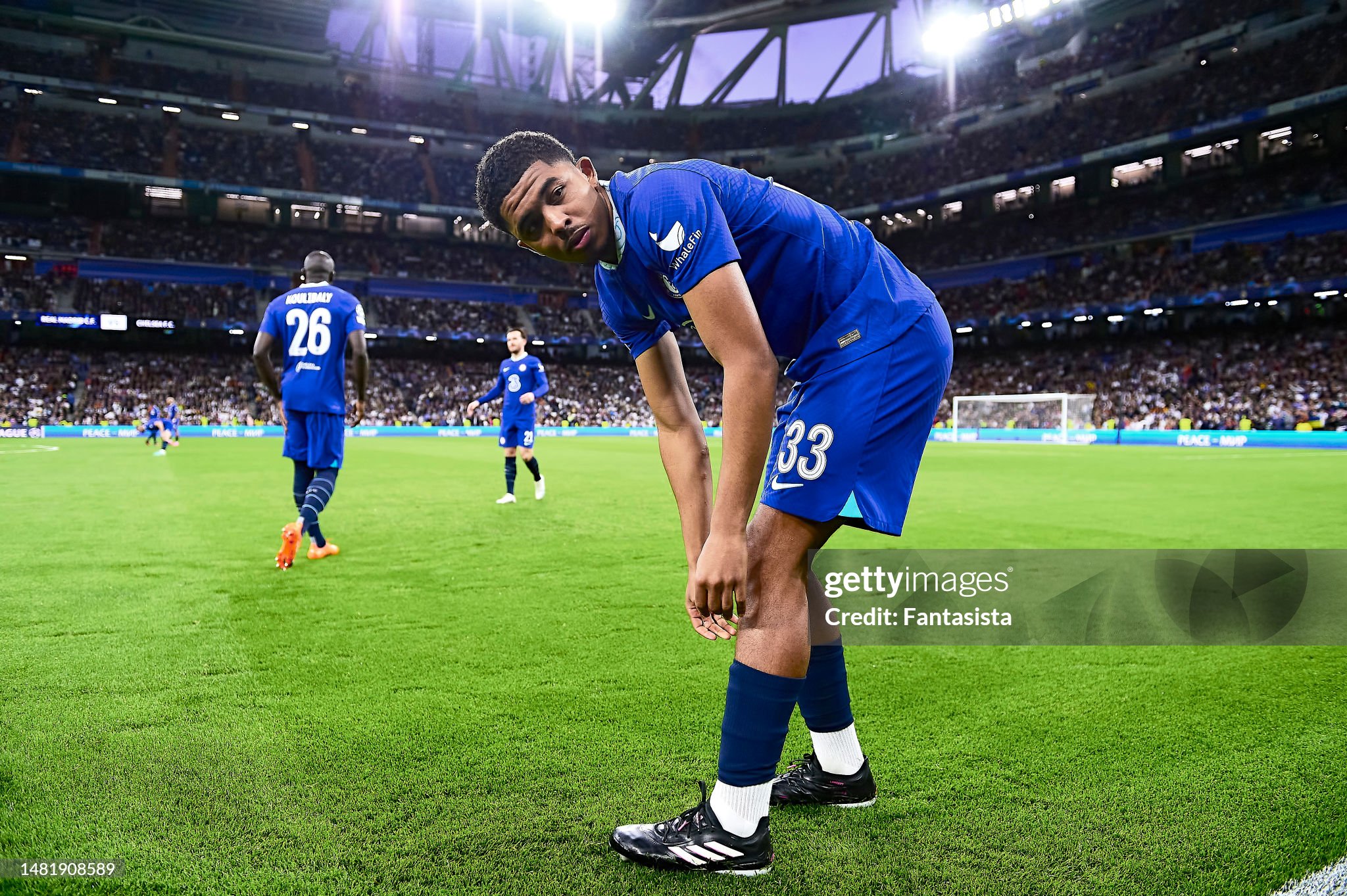
Wesley Fofana – 2000
19 years old, winning 72% of headers and 4.6 per game? Uber really eats
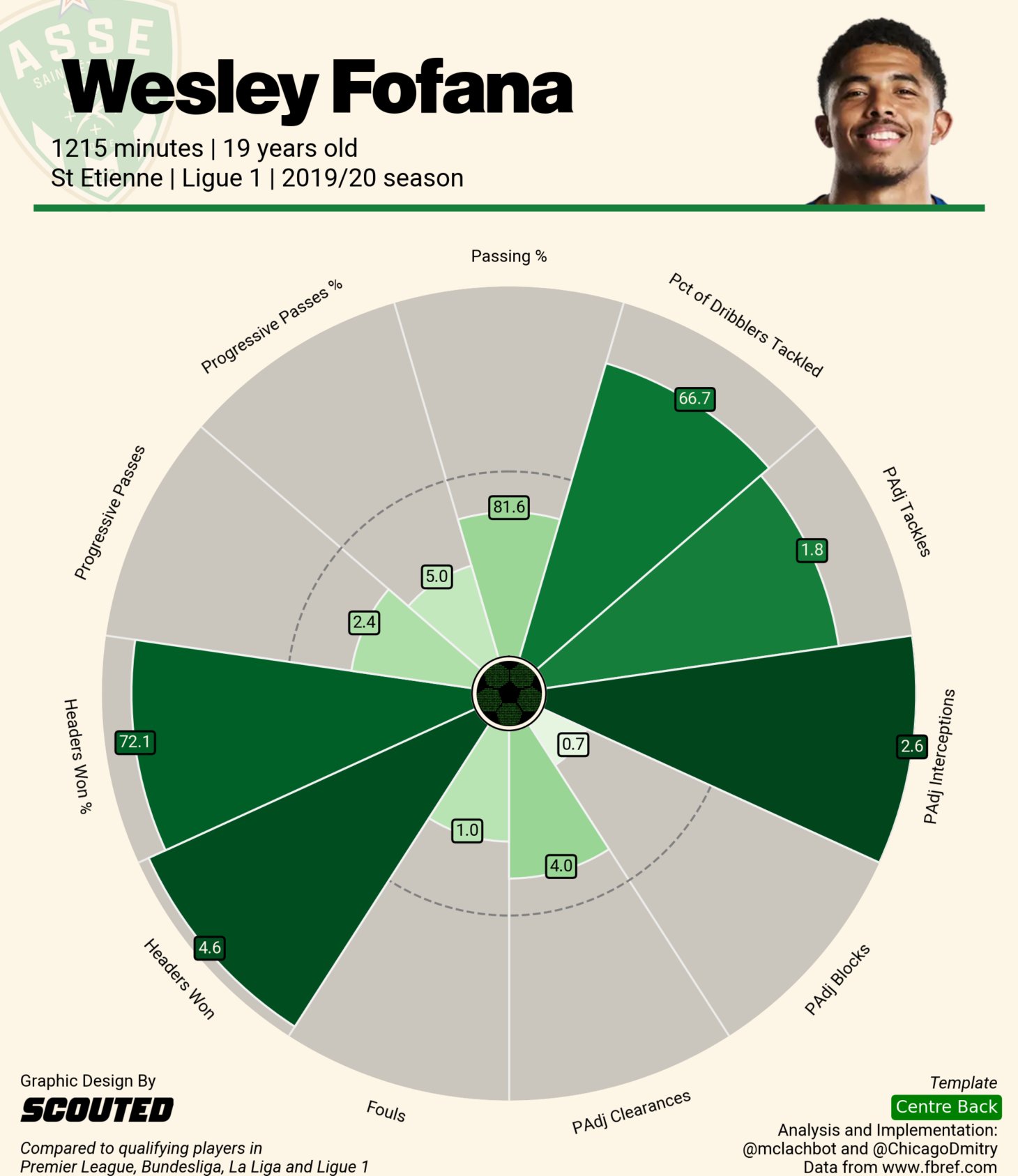
A razor blade CB.
✅Mitigate a dribbling winger in the channel with dynamic footwork.
✅ Keep a target man striker back to goal, with an efficient use of strength
✅Match up with a quick striker with sheer pace
✅ Win a header against anyone, with reading/jump and an ability to twist to flick it
For that, Fofana doesn’t need to be a bundle of muscles; smart set positions to approach duels prevents him to be knocked over every other shouler barge
RCB: Trust the Process
Many need to “deep” how incredible Fofana is
70% take on success, 0.6 p90 isn’t noise
2.2 carries (10+ yards ➡️🥅) p90!
1.5 carries into final third p90!
🥫Can opener cheat code
Also exposes him to action-ending tackles which is the only way to stop him.
Which makes him prone to get CONTACT injuries resulting of it
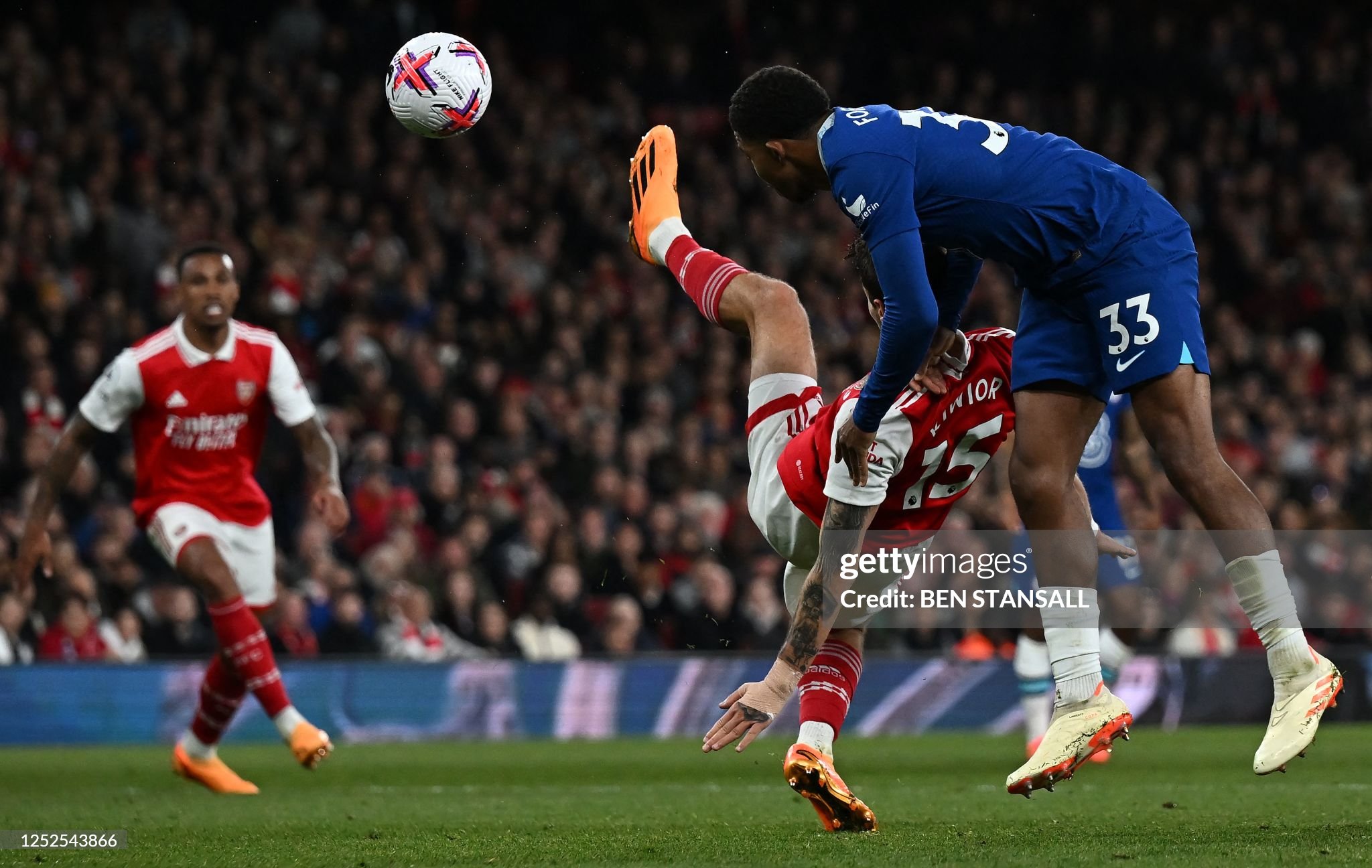
If we look at “talent ID” not as “good player is good” but going the extra mile to put his body in “danger” to stop a move

Wesley Fofana is right up there with the most impressive “scouting illuminations” you might come across. Determination, fearlessness
Can’t manufacture that, you have it or don’t (upbringing and responsibilities shape that)
Also; football data companies don’t account for socks height when evaluating defensive minded players and they definitely miss out on key information.
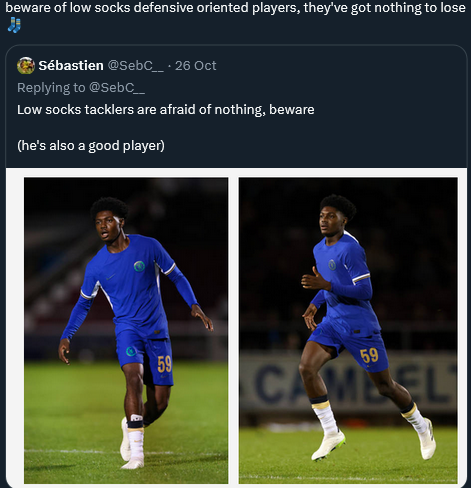
Trevoh, get in

Man of the Match Wesley Fofana (FA Cup Final 2021) will be better than Man of the Match Trevoh Chalobah (FA Cup Final 2022)
Fofana’s high are higher
Trevoh’s consistency and ability to drop 8/10 if called upon >>
As snarkily put forward during the summer, anything else than Badiashile Fofana Colwill Chalobah will be regrettable squad building leading to signing Harry Maguire in January (who for the record is an excellent cheat code PL centre back, insane in the air and fairly good even if 7 players are unbothered to defend in front of him. Maguire is better than Ruben Dias, not only to distribute the ball).
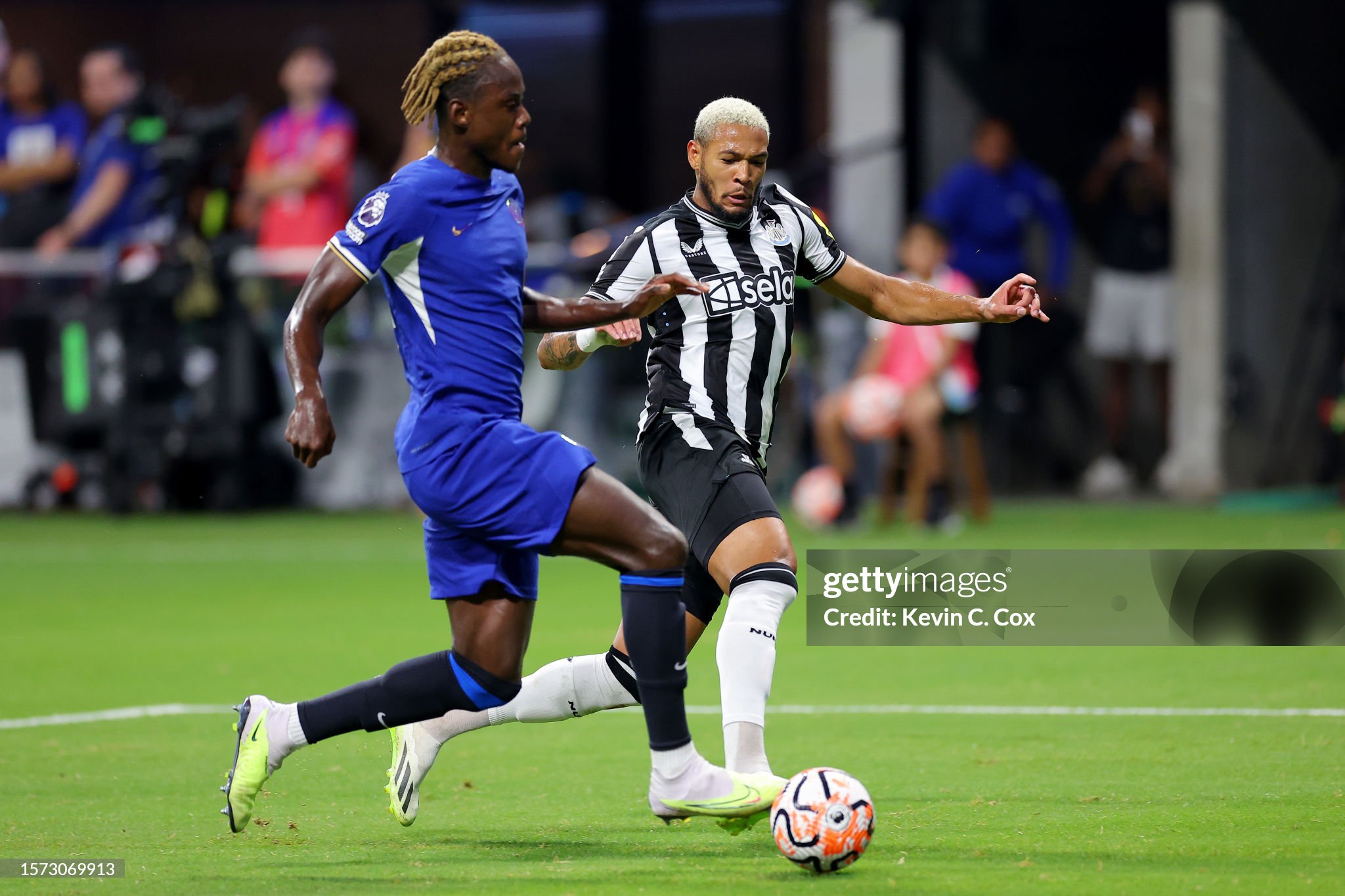
Chelsea turned their attention to another (good) refrigirator centre back in Axel Disasi, about a week or so after Chalobah’s injury.
However, how far did the needle move?
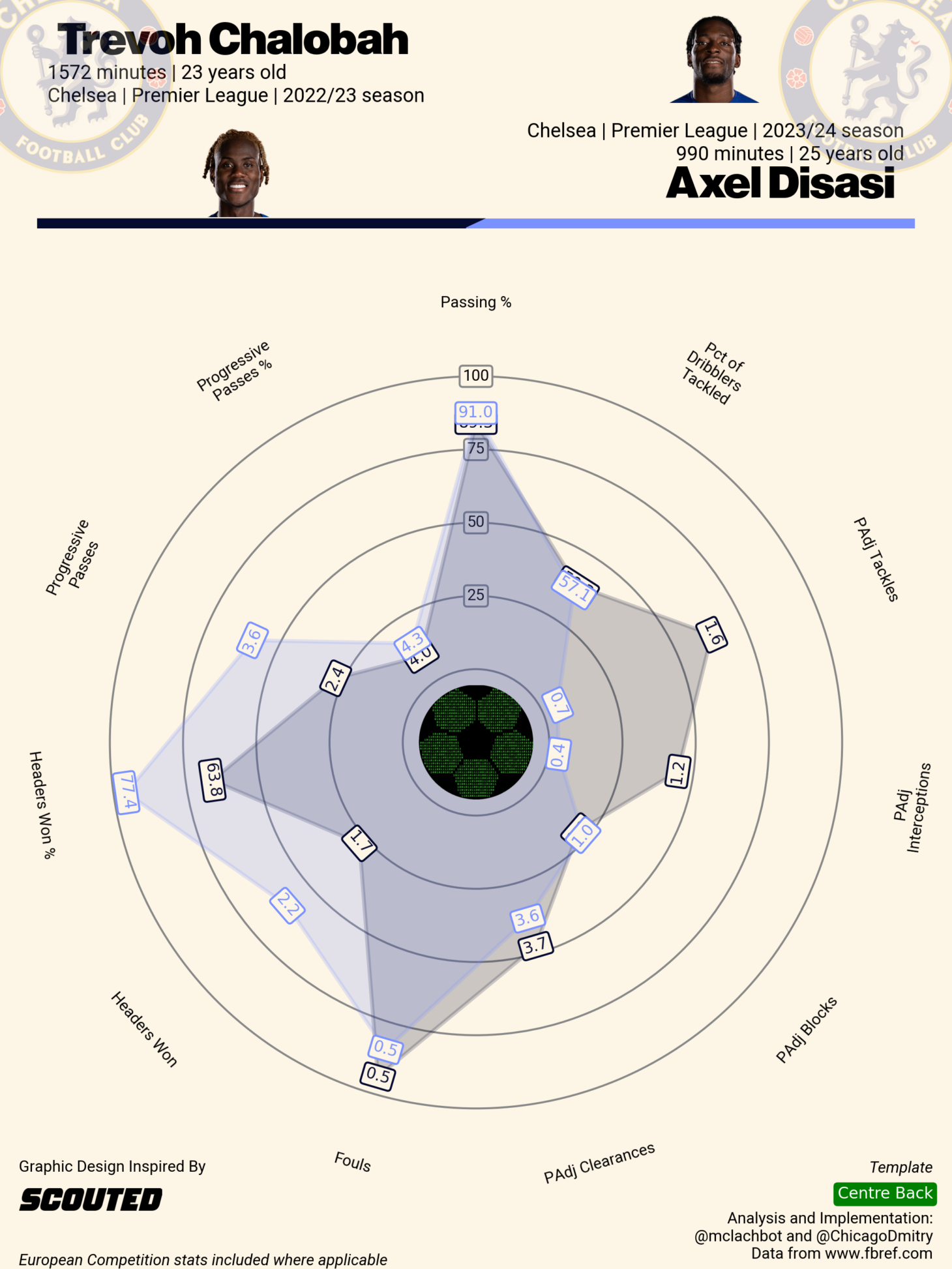
Tremendously, and we’ll give Disasi the credit that his dominance in the air (and availability) warrants; but the lean Trevoh Chalobah’s dynamism will make him a better option at LB LCB RB or DM than Disasi.
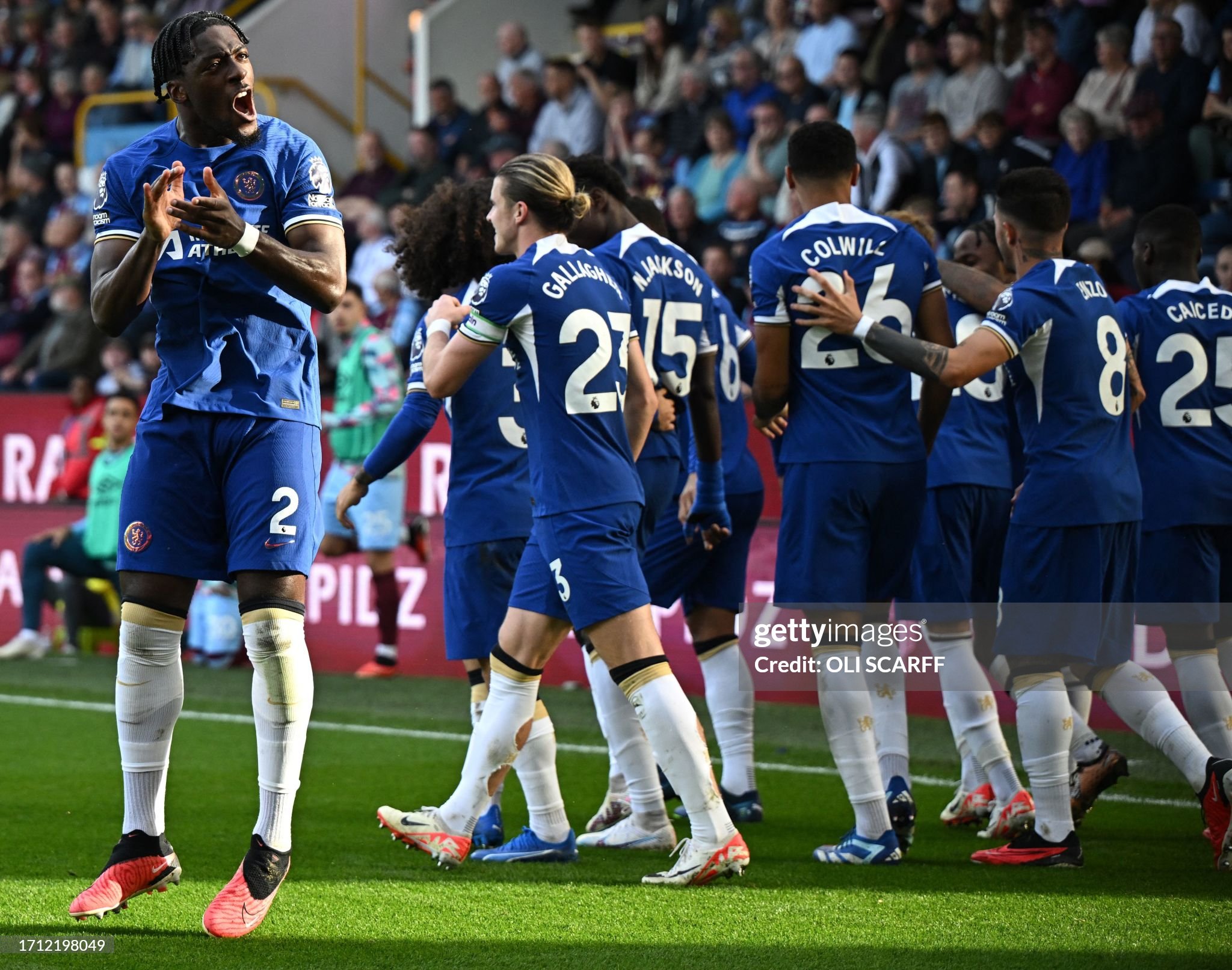
Disasi started his career with a couple of cameos at DM for Paris FC (after being a striker in younger age groups, having spent time outside a proper Academy system).
It’s correct to keep in mind that Trevoh Chalobah played in midfield in 4231 in a full season for:

Ipswich Town (18/19)

Huddersfield Town (19/20)

FC Lorient (20/21) in 532
So could fit in the “Eric Dier” midfield libero Poch likes Because he reads the game well, is quick, wins duels.
RCB backup: Flush the process
Disasi hasn’t been bad, he’s a leader and congratulates team mates on most goals. He’s been alright in the air and defending the channels.
He was signed a week after Chalobah’s injury.
What is the picture gonna look like when Chalobah returns?
if Colwill was trusted, then play him alongside Silva (or Badiashile)
If Colwill isn’t trusted, then loan him again
If a CM could deputy at CB like Michael Essien could back on the day
or Amadou Onana can, when he faced a club not terribly well run on the commercial side.
RCB backup: more money into the Osimhen bucket

RIGHT BACK
Chelsea’s contingency plan at right back has been dwelling for a very long time, evidencing the difference between the ruthlessness of clubs who consistently stay at the top (Real Madrid, one ceremony with a framed jersey and a few tears, and we move on – Ramos still plays, and Real Madrid keep winning) and those who expose themselves to air holes every 3 or 4 years.
2011 was one, 2016 was another, 2023 here we go again.
Cesar Azpilicueta’s legacy is immense on and off the pitch, and was part of that crop of intelligent unheard of signings. However, was he meant to get year extension after year extensions?
It’s difficult to foresee what would’ve been life with Tariq Lamptey, and other Valentino Livramento as Reece James’ backups.
The point here is very much that producing a player the level of Tino Livramento isn’t an easy feat, but it well within the realms of an elite academy’s range of action.
Therefore will save you the trouble of spending 27 million on a player from overseas.
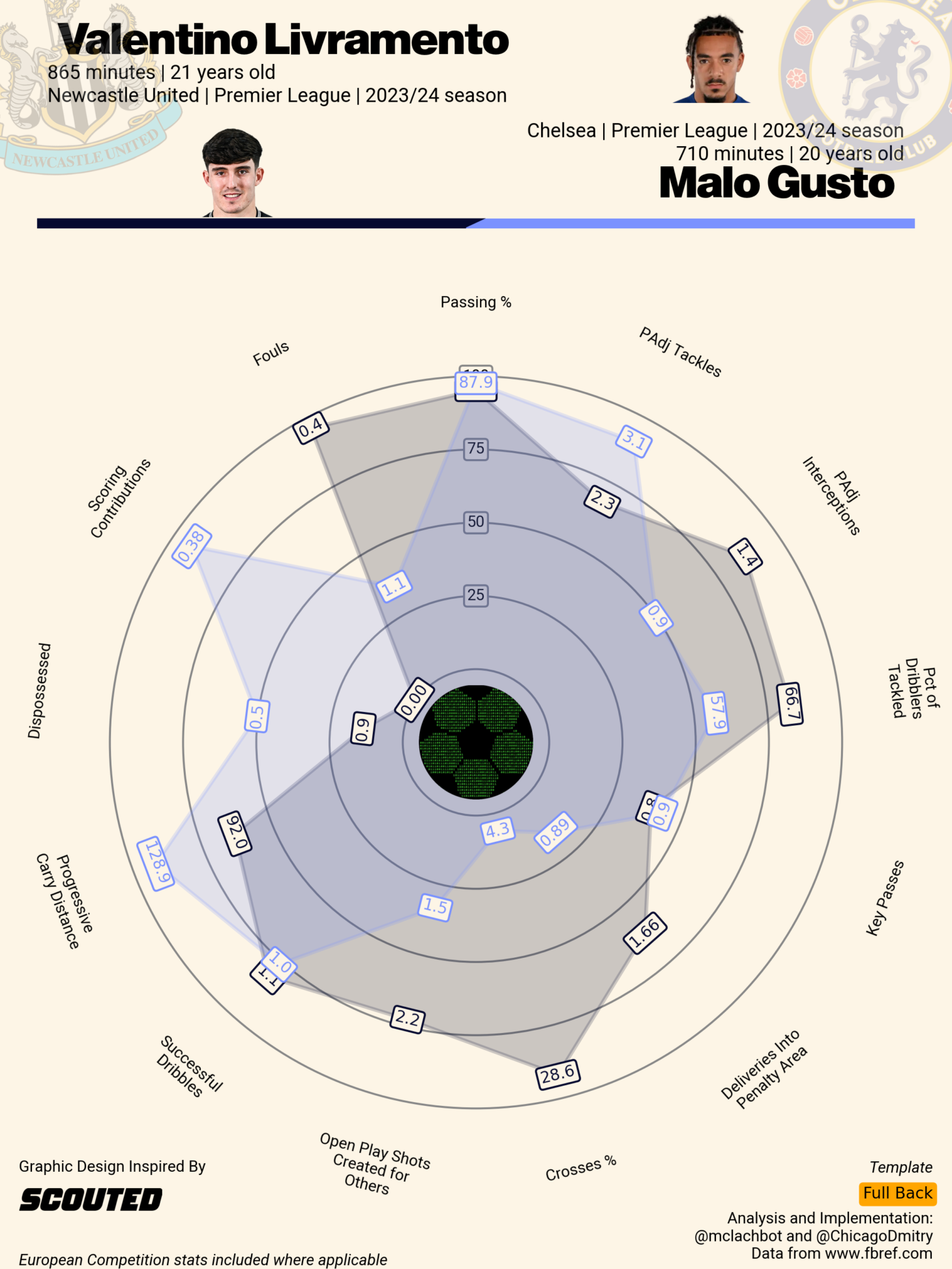
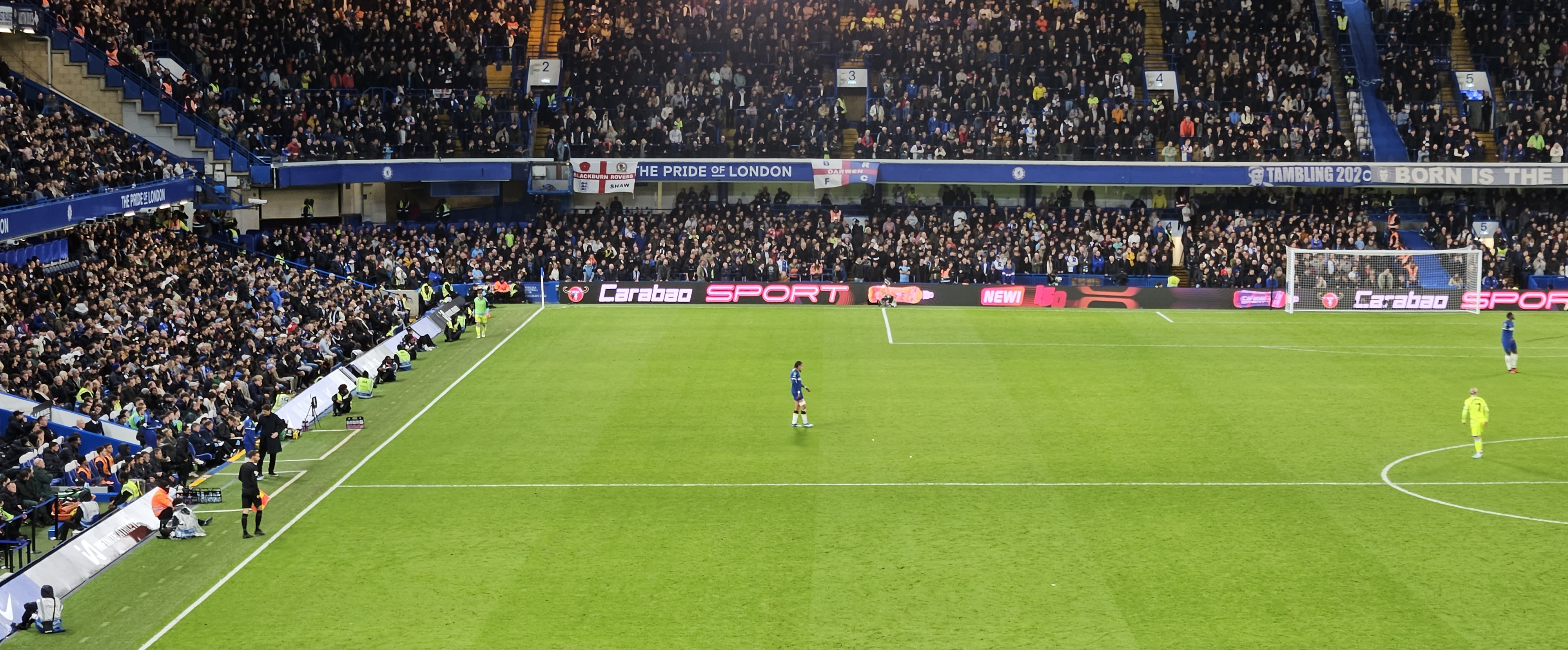
Malo Gusto Ello Ello
Malo Gusto epitomizes the French talent curriculum. A centre midfield by trade (with experience of rugby in his early years) has been talked into moving to right back to explore new opportunities.
Lyon walked the talk and after less than 30 games for Lyon, he was on the radar of top clubs thanks to his speed (the Timo Werner thing to reach peak pace very quicky) and rangy legs… fairly useful to recover from a bad initial positioning.
At first sight, the semi-educated guess would be that he’s all “fast twich fibers” and will never become Mr. Muscle Man.
Malo Gusto’s playing style very much ranks him in the “prawn sandwich” category.
Interesting between both boxes with separation movements and technical reliability, but with a casualness at both ends to keep markers or deliver a convincing final ball; that will require improving if he ever considers levelling up from being a career backup.
Six assist in 60 games for Lyon, but improving by the eye
Malo Gusto’s separation moves are acute (to be at technical distance to receive, using all the moves in the book),
Gusto was also at the origin of the equalizing against Newcastle. It is nevertheless intersting to note that Mudryk was outside the box on two consecutie crosses; eventually fluking his way to pick up and tap-in the backpass Trippier succesfully completed 200+ times over his career.
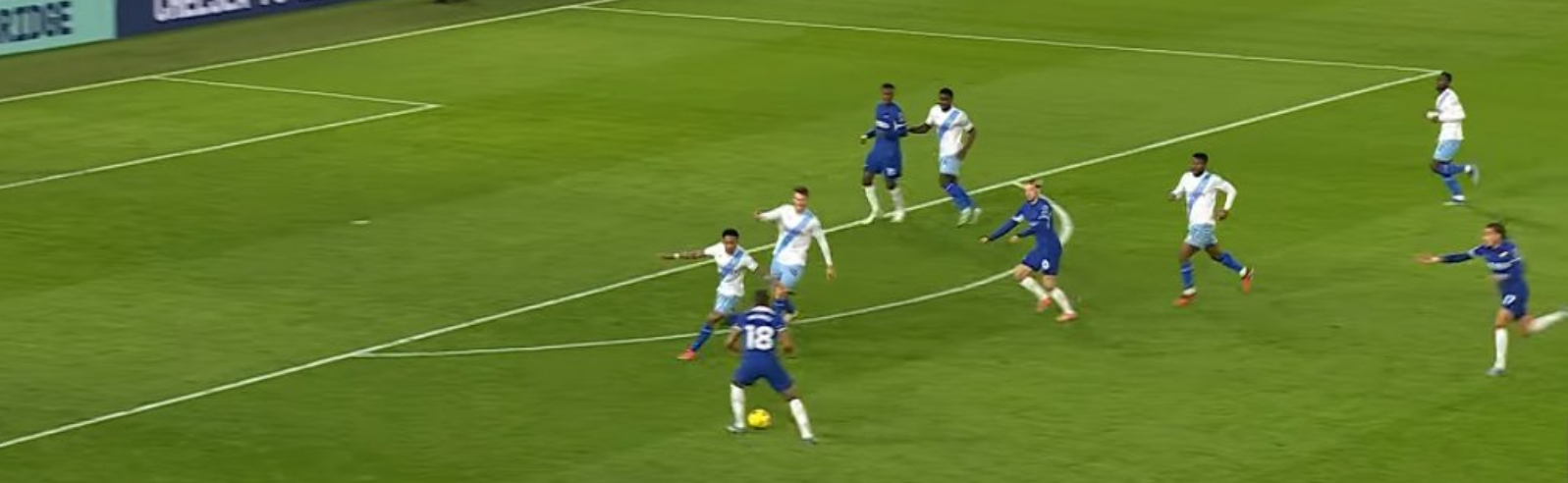
The french talent pool is a goldmine of talent, in which talent are athletes nevertheless. Meaning that if the approach of training doesn’t quite align with the (quite intense) reality of Ligue 1 (a meat grinder for dribblers, or a coaching enforcement sandbox: dare telling me to stop dribbling), that’ll inevitably pose two challenges once they get a move:
Bring players to a state of training and competing in a demanding league (that is new to them, especially when it comes to training speed at MD-2 and strenghen their hamstrings)
Handle with care the condition they find themselves in, that involves Grade I disguised as “not an injury” to “play regardless”, behind a smokescreen of PR (runs around the pitch, will be back soon) or simply one of two layers of band-aid.
Gusto’s cosplay in September fooled no-one, let alone those thinking it’s nothing short of shocking that a 19 year old player is already in a schrödinger state of “not technically injured as long as he can still run, see”.
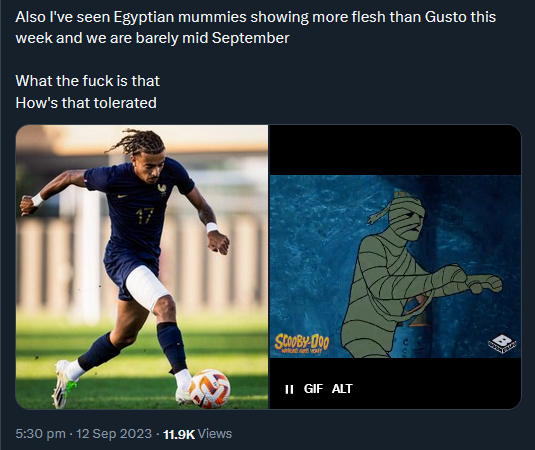
Training regime play a (main) part, but players never recover from injuries to go back to a zero point. There’s scars that make them prone to getting more injuries in the same area.
Or red cards:
Could Chelsea find a more equipped backup to James than Malo Gusto, with ability and a playing history in midfield? Maybe not.
Could Chelsea develop him instead. Absobvioulutely.
Especially as for all the boxes he succesfully ticks, heading (42% in Ligue 1, 37% in Premier League) and why he would play with more band-aid than an Egyptian Mummy are legitimate things to flag up.
RIGHT BACK: Flush the process
Malo Gusto Malo Gusto Ello Ello is a good player
Reece James, Tariq Lamptey and Valentino Livramento are Premier League standard player (not Championship journeymen), so there’s no world where it’s a good business to have sold two of them for a combined 10 million.
When the going rate of fullbacks is Ben White (50 million), or Cucurella (62 million), nowhere near justifying it.

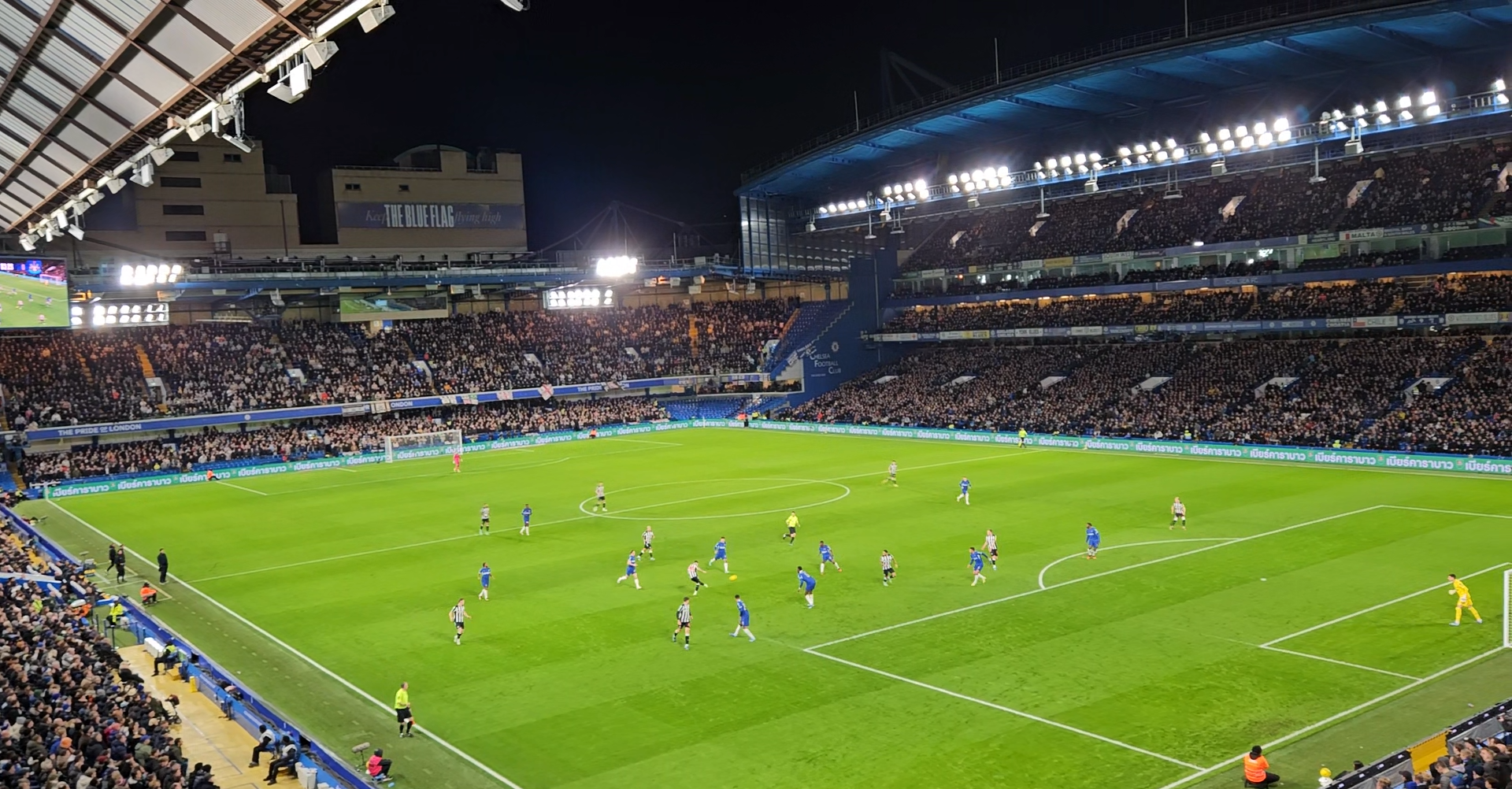
MIDFIELD
Playing “positions” is a social construct, it’s a fabrication to put players in a box.
Most of the time, to discuss the emperor’s new clothes.
What was Michael Essien’s “position”? 6 different answers, all correct.
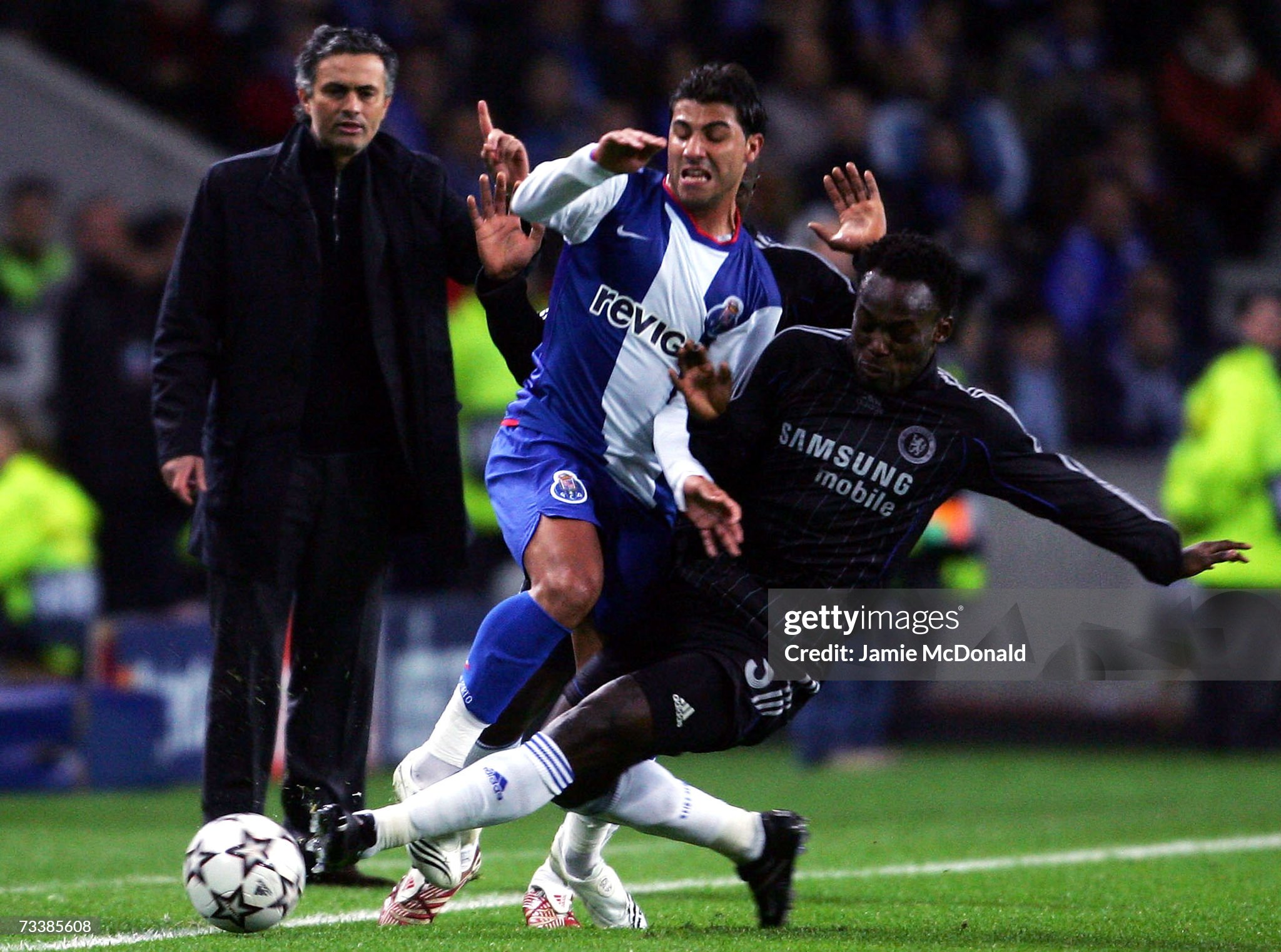
What happens anywhere the process is chopped into little bits so meaningless that people lose sight of the big picture?
Independent parts stop being useful in isolation, and the systemic strain it takes on the surrounding parts to keep it functioning “*as a whole* is often underconsidered before it’s too late.

In other words: the more you play theory players, the more it puts demands on the player next to them. And when the player next to them picks up an avoidable Grade III injury sidelining him for 6 months, well; the team finishes in 12th place.
The point isn’t that Billy Gilmour was gonna displace Kanté, more to make sure Kanté wouldn’t get stretched to his limit (and breaking).
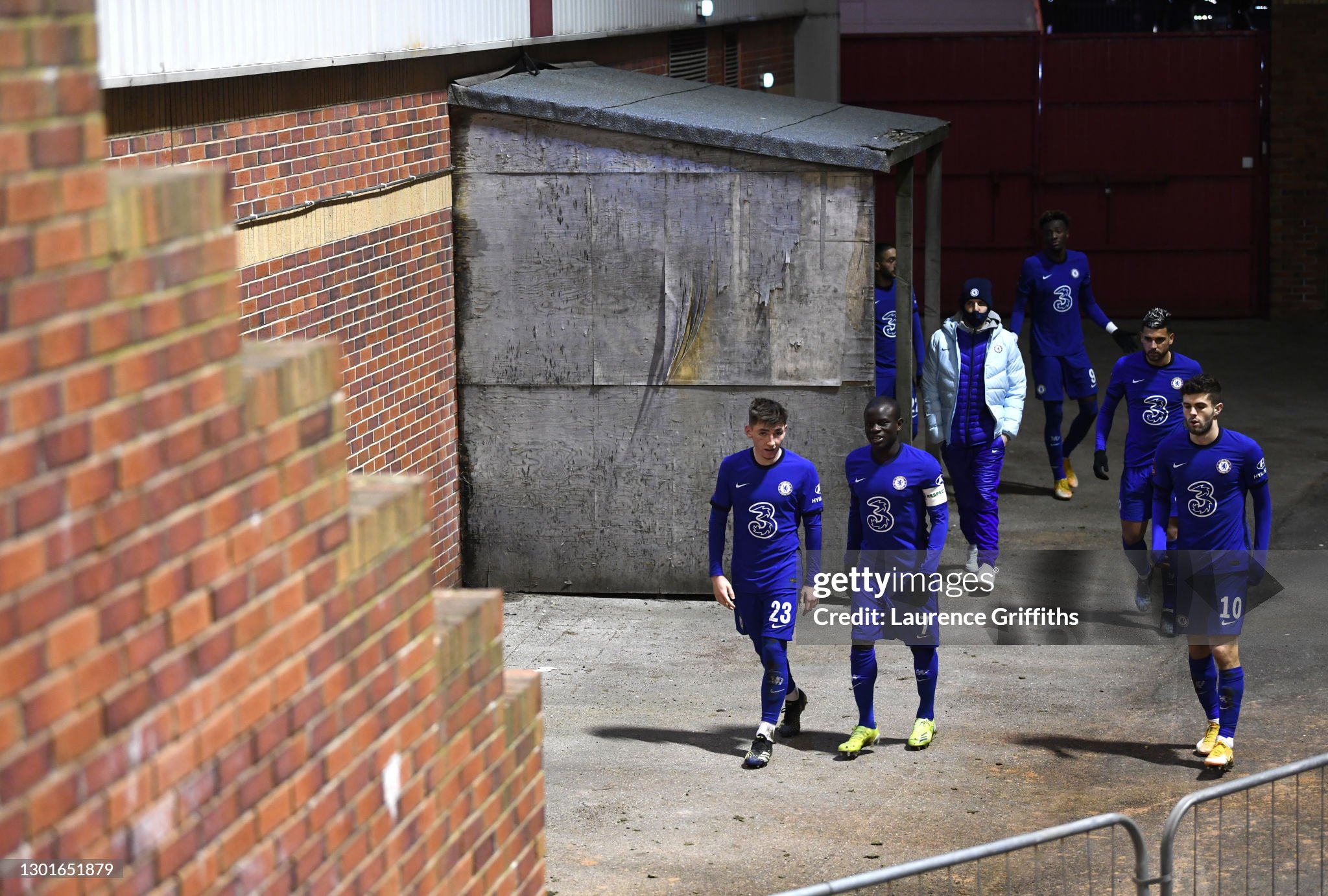
It also brought a welcome perspective (an eye opener) on so called “system players” that can’t really carry more weight than they already (struggle to) do.
Chelsea without Jorginho and Kovacic: 70 points
Chelsea with Jorginho and Kovacic: 72-66-67-74-44 points
Chelsea with Kanté and a set of extras: Champions League winners
Chelsea with a remaining cast of glorified extras taking most of the minutes and no Kanté / Mount: fully deserved 12th place, bang mid table in every metric imaginable and more.
Players are skillsets, not positions.
You can plaster and project individuals into roles, it will not make the skillset magically appear. Let alone the cutting edge in both boxes where it matters.
If the skillset covers 70% of the 100% that the role requires, that’s trouble.
Nature abhors a vacuum. That’ll result in an skillset “offset”, with players sucked into performing roles that aren’t exactly them (making them marginally worse at theirs) because the game demands it.
If the skillset covers 130% of what the role requires, then there’s a welcome overlap that the coach will be informed to take advantage of by carefully adjusting his areas of influence on the pitch. (Azpilicueta’s industrious defending behind Hazard).
Reaching a certain level of competition, everyone’s good at stuff.
The difference will be made by players who can provide more than what’s written on the tin.
Both in terms of ability to make matchwinning difference (the William Gallas Goalscoring Competence), or because their radiation beyond their zone of influence has a positive net value for the team (as opposed to being a burden that has to be shared).
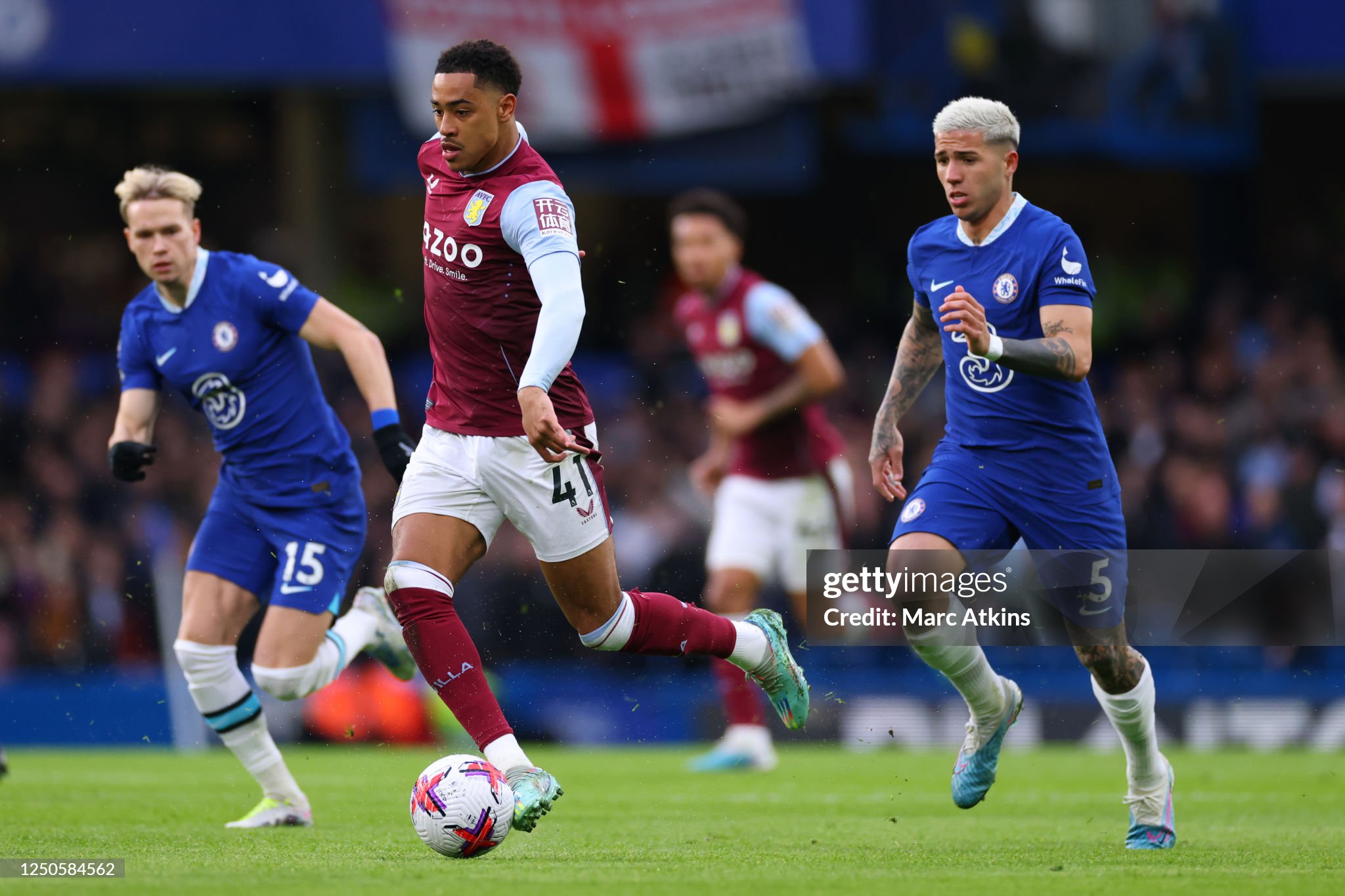
If Enzo has to get around the pitch, because Mudryk is a one-way winger, but Enzo’s composure evaporates; guess who takes the blame for his poor performances?
Enzo, and fanalysts blame the coach for yanking Mudryk early.
Pitch
Getting around the pitch and be more than semi-competent to handle large spaces on the counter
Be able to problem solve under pressure (playing tiki taka with the CBs ain’t it)
Win headers and get the ball back at a reasonable rate, including screening the defence and swarm attackers with double teams.
Have a tangible goal contribution scaling to: pass before assist, assist and scoring goals

Distance management and associated challenges
Contrary to popular belief (quickly mythbusted), the challenge of “talent ID” is not so much about “identifying good players” but very much scaling up what a player does at a better level.
What players do rely on absolute and relative abilities:
Absolute tells you how a player factors a decision on the pitch and gets around it to execute it, because the goalposts don’t move and the pitch is the same size. In other words, how a player closes down, spins or moves is universal to any football pitch. You have it or don’t, but players don’t become quicker when the game becomes more hectic at the top level.
Relative goes with the team the player plays in: are the distances small or big out of possession. Do you have close options in possesson or do you need a carry to open up a new picture?
Smaller distances make players look better.
Shorten distances, for who, what for?
Distance management is the blanket problem teams want to solve:
Get your best players close to dangerous areas
Therefore expanding other distances
Best – mean impacting games in a tangible and explainable way to your barman. Basically not Kai Havertz.
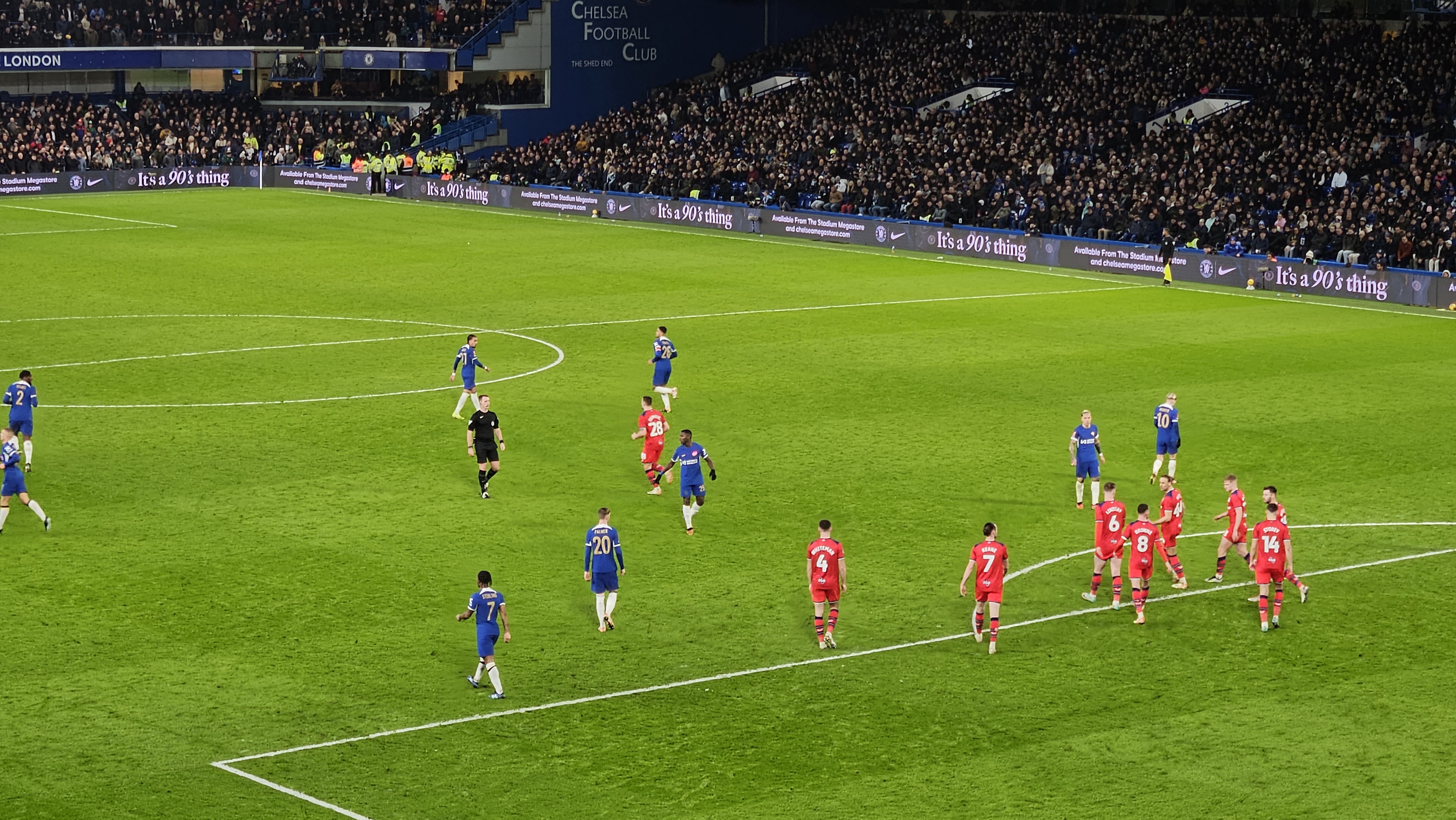
Short distances between attackers crashing the box, but garbage box movement means that leaves 3-4 players to handle a counter, where the coin can drop either way. Caicedo can’t possibly screen the entire width.
Take advantage of short distances by scoring goals (or making a foul)
Amadou Onana screening his defence: anticipation, coming alive, footwork to move and change direction accordingly. Clean tackle.
As for midfielders, the question asked is whether shortening distances for midfielders to look good, actually makes the team better (by taking attackers away from the box).
Short distances to get the ball back makes the midfielers’ task easier.
Consequently “makes them look better”
However will require some separation movement and players contributing outside their “role” such as Gallagher’s run.
Box presence and movement being much better, with Jackson, Sterling and Enzo all attacking a zone with more impetus
Not shortening distances for those who specifically require it as written on the tin, will just get the team carved open on transition.
Players are never 1 / 11 (9%) of the success of a team, the relations they have between each other is equally important as their quality.
Conjuncturally, a team playing all over the place might provide more indication as to how players handle game problems on the pitch…
as opposed to circuit-heavy approaches with small distances, like Brighton & Hove Albion.
Scaling that with bigger distances and more responsibility, gives a better outlook.
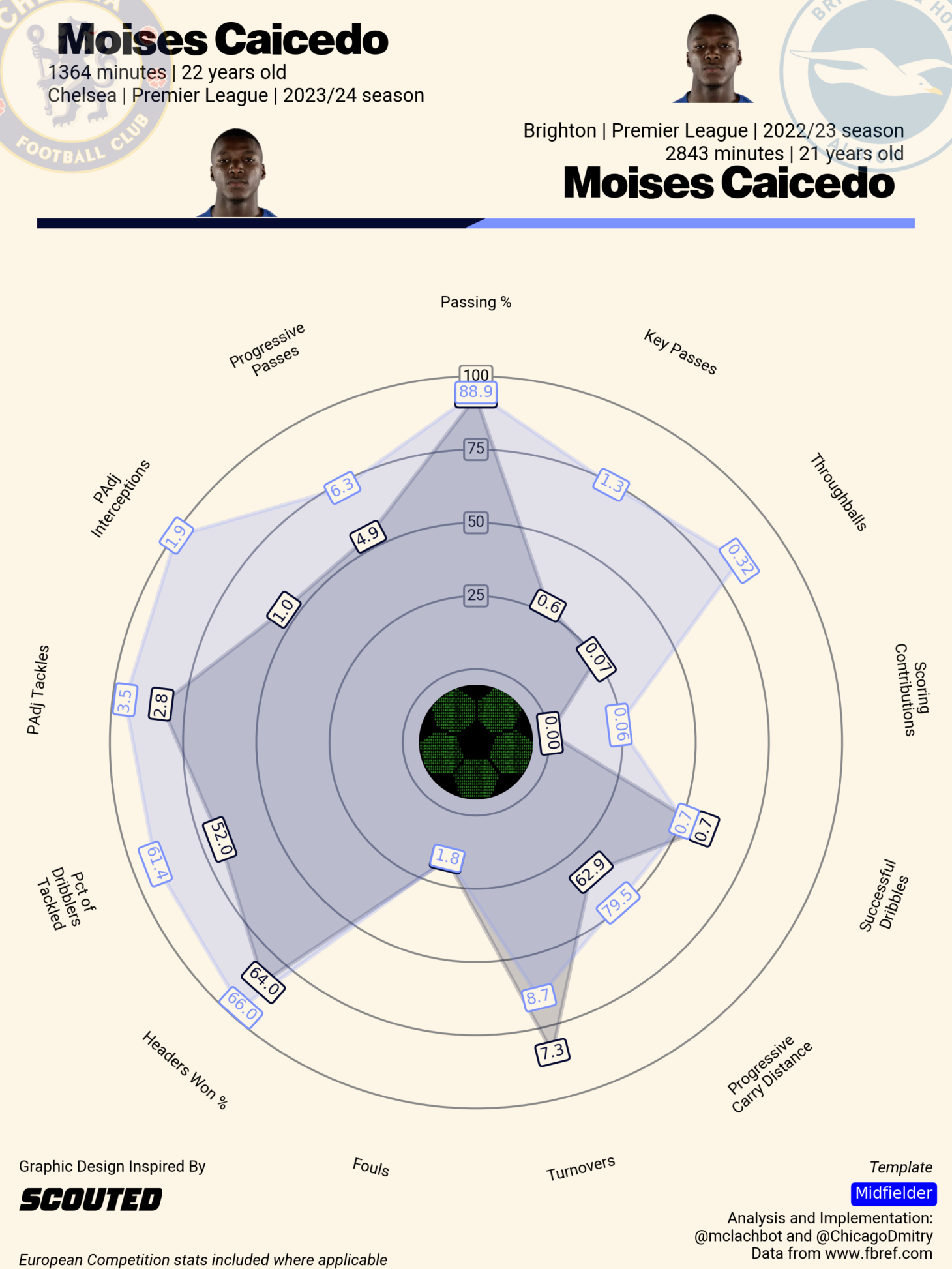
Caicedo is definitely between what he was made looking like at Brighton (the perception people had), and what he shows so far (related to his abilities, tested in a more scrutinised team)
At Chelsea, there’s more distances to handle, which is the situations a majority of top clubs have to handle (in order to bring their attackers closer together and to goal). Something Caicedo has fared fairly well here
More confidence and better fitness (after botched pre season) will probably see his performances improve in 2024.

Furthermore, midfielders’ contribution is and will always be centred around a combination of these skills.
There’s main traits, and secondary associated traits.

Head it / pick up second balls
Get it back / press hard
Score goals / make good runs
Create goals / pass it about
Obviously, a player who’s primary contribution is the blue attributes but doesn’t crack the main one, can’t be hidden forever behind a smokescreen of excuses.
“the more you play theory players, the more it puts demands on the player next to them”
Say hi to goalscorer Mason Mount, or playmaker Cole Palmer.
The stake is to gather a skillset with the two or three midfielders set to be paired altogether on the pitch.
Chelsea’s midfield three speed dating minute pitch would be as follow:

CAICEDO: I’m a midfielder mixing academy technique (every pass in the locker) and grit to win the ball back. I can bounce in all directions (start stop, run in “Z”) and problem solve under pressure.
Ball retention under pressure isn’t doing banana drags to avoid using his left foot
Whilst not quite in the Essien / Ramires territory of final third composure, Caicedo has a nice margin for improvement which he’ll hopefully translate at Champions League level knock out stage one day.
Things he’s not saying: I can sometimes over-evaluate my own strength and end up wrong side, and my end product once reaching final third need refining around the edges (of the box, to shoot and cross).
Will win a header against most, but not everyone. I’ll also pretend I don’t speak english when I clatter players in front of the ref.
The narrator: fee is outrageous, and the player very good. It is not nitpicking to ask why he makes these fouls around the box, and why his final pass/shot still require that much work.
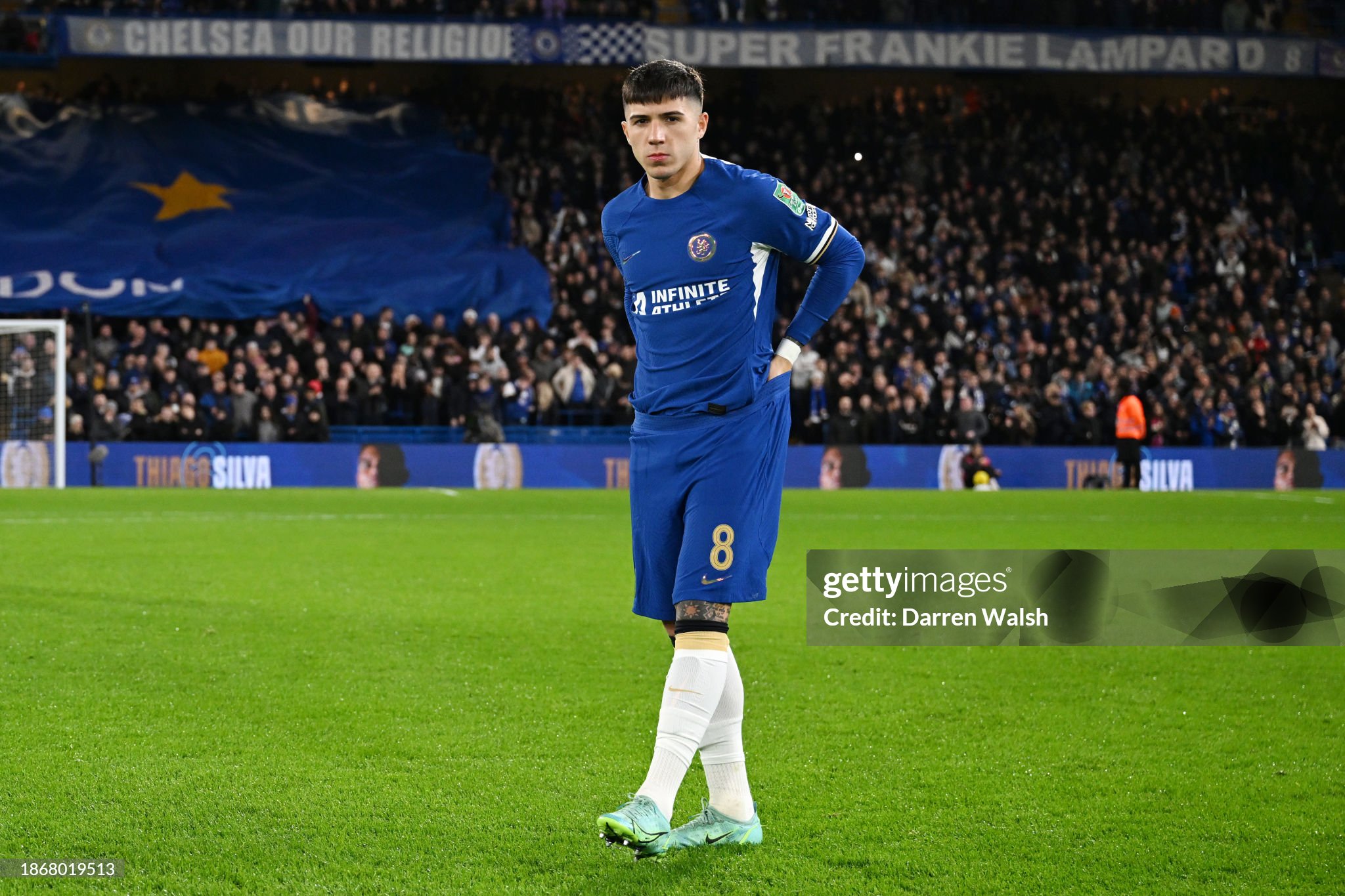
ENZO: I’m a midfielder who can receive the ball anywhere and create connections to allow team mates to be closer to dangerous areas. My muscular recoveries are evidence I want to do well.
Things he’s not saying: the more I scatter energy on the pitch, the less composure I have. Nor of a clue how to position myself in relation to my other midfielder counterpart and fullback. Headers are not for me, and I’m 43% through the John Obi Mikel Challenge (Hit Every Banner In The Shed End Balcony) after only on year at the club
Midfield cover 🤐
Disasi does well to squeeze in (he’s the 3rd RB!)
Caicedo’s footwork to double team is spot on.
Adingra is exceptionally dynamic when shifting to his right (Caicedo can’t get the right arm in his chest when spinning)
However, Enzo’s defensive cover 🤐
The narrator: players like Enzo don’t come around very often. He’s reminiscent of Modric for how he uses his entire foot to pass, and the way he knocks people off the ball. He’s got an aura about him which makes him an adequate figurehead for a project of this (financial so far) dimension.
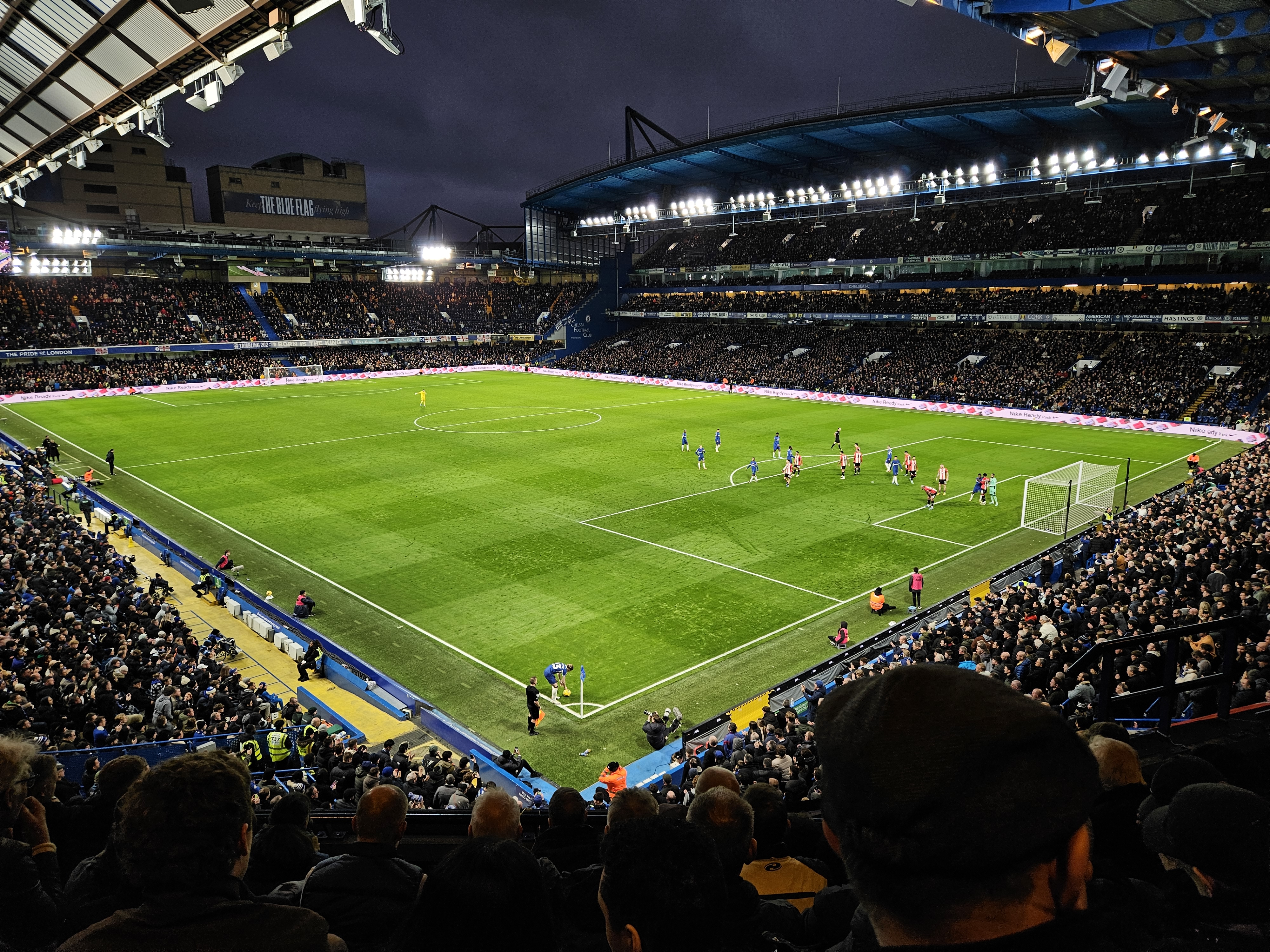
GALLAGHER: AMA and I’ll get it done. I can play anywhere on the pitch and will adjust my output to what the manager and the team demands. I can get on the ball a lot, or vacate space. I’m as close a guarantee that my focus will be unfaltering, even for the stuff people don’t notice (a lot – a lot).
Conor Gallagher putting out fires: the Chelsea Academy Graduate is the best player at the club to screen the back four. See how he reads the situation and wins a standing tackle to launch a counter.
Jackson’s movement across is decent to create space for Sterling to commit defenders, but Mudryk’s cosplay of the Liberty Statue is the reason Sterling turns the ball over for a lack of movement.
Things he’s not saying: I’ve got a ceiling that I’m pushing to the maximum of my ability, and will wind you up when you don’t need it. I’m a decent header of the ball but will predictably fall short if someone’s taller and better than me.
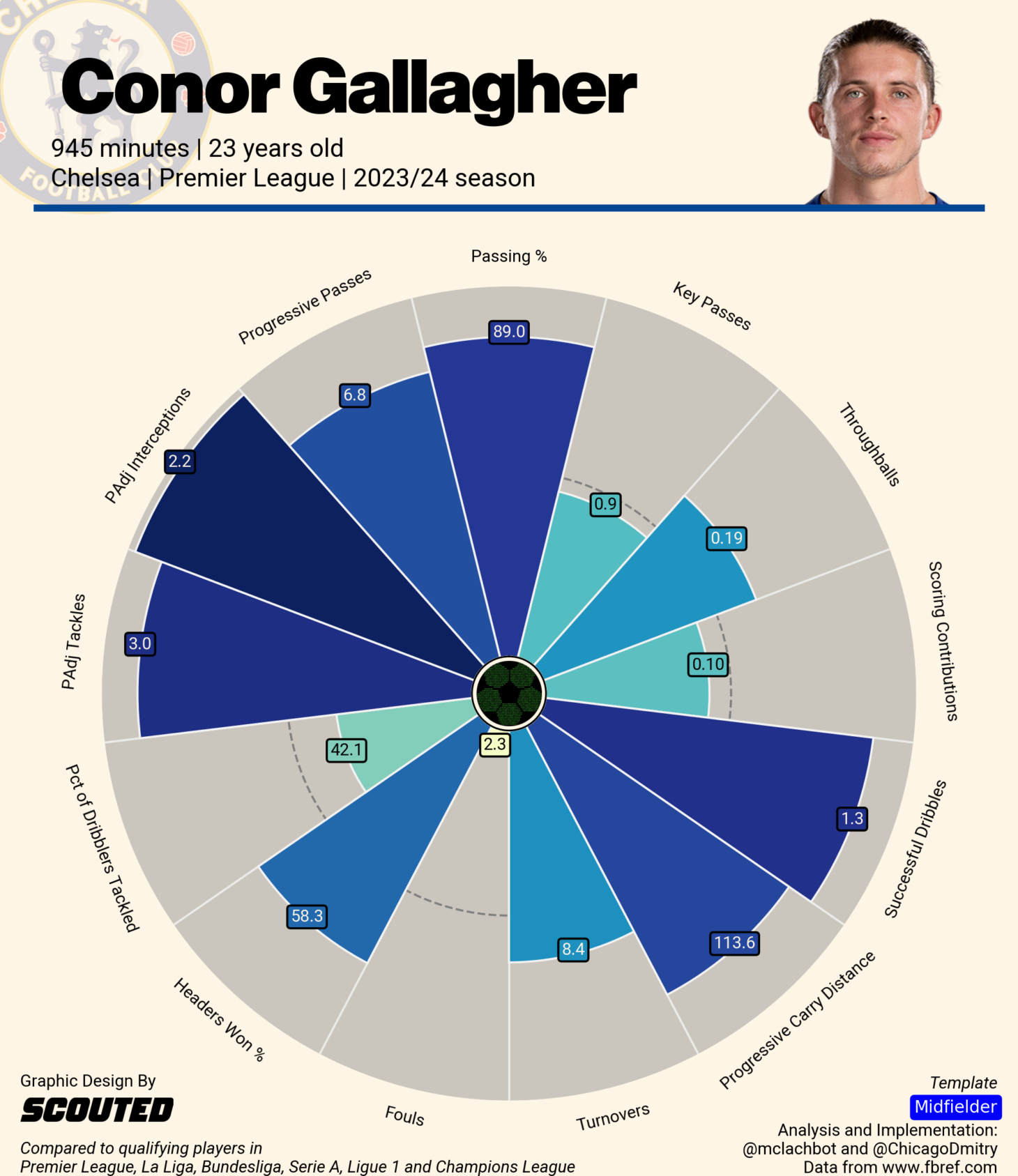
The narrator: Gallagher is the absolute top end of his cluster, on the basis that dynamic second ball runners usually can’t pass, and goalscoring players aren’t so good at getting the ball back. His attitude guarantees a 6.5-7/10 on a weekly basis.

LAVIA: I’m a dribbling box to box with problem solving skills under pressure, who understands when to play short/long. I read the game and can get to the ball quickly and generally know how to behave in defensive inbalance situations
Things he’s not saying: I sometimes look at clouds defensively and my double team game (covering fullbacks inside the pitch) isn’t foolproof, and tend to come alive only to receive it then decide what to do with it. I competed in 13 headers in the whole of last season. Even if I can pull out some surprising passes before assists, my crossing and shooting technique need a lot of work (even more than Caicedo’s).
There’s a legitimate question, centred around where Chelsea would be if Gilmour was able to build upon his back to back MOTM at Spring 2020, and not sent to Utah playing a summer footy camp in pre-season 22-23.
Narrator: Lavia is another one in a decade player, so much the combination of dribbling and getting around the pitch rarely merges with the composure to be extremely reliable to pass around the centre circle. That his secondary traits are being capable defensively is a welcome set of attributes; that in isolation – or based on his Southampton games – don’t make him a “base midfield” in a 2 or a 3.

UGOCHUKWU: I’m a tall midfielder who likes to get in a box, make runs and finish. Because I was asked to see games out at first team level, or maybe because I can, I’m capable at screening the back four and winning headers.
Things he’s not saying: I haven’t spend enough time in sandboxes to scale how good I actuallyy am and therefore where my priorities lies; should I become a behind the ball or ahead of the ball midfielder?
Much more than a lanky DM, Lesley was a goalscoring box to box at Academy link up: combinations and carries
A game of small details: Lesley Ugochukwu filling in and picking up runners
Narrator: a case of adequate talent ID, but also caught up in between chairs, that are what he can offer to a team right now and where his ideal development pathway lies on.
Jury’s still out, 70% believe he’s got a high ceiling, 30% think we’ve already seen it all.
Ethan Ampadu probably ran his course at Chelsea FC after a succession of loans, but how far his top flight season at CB/DM was?

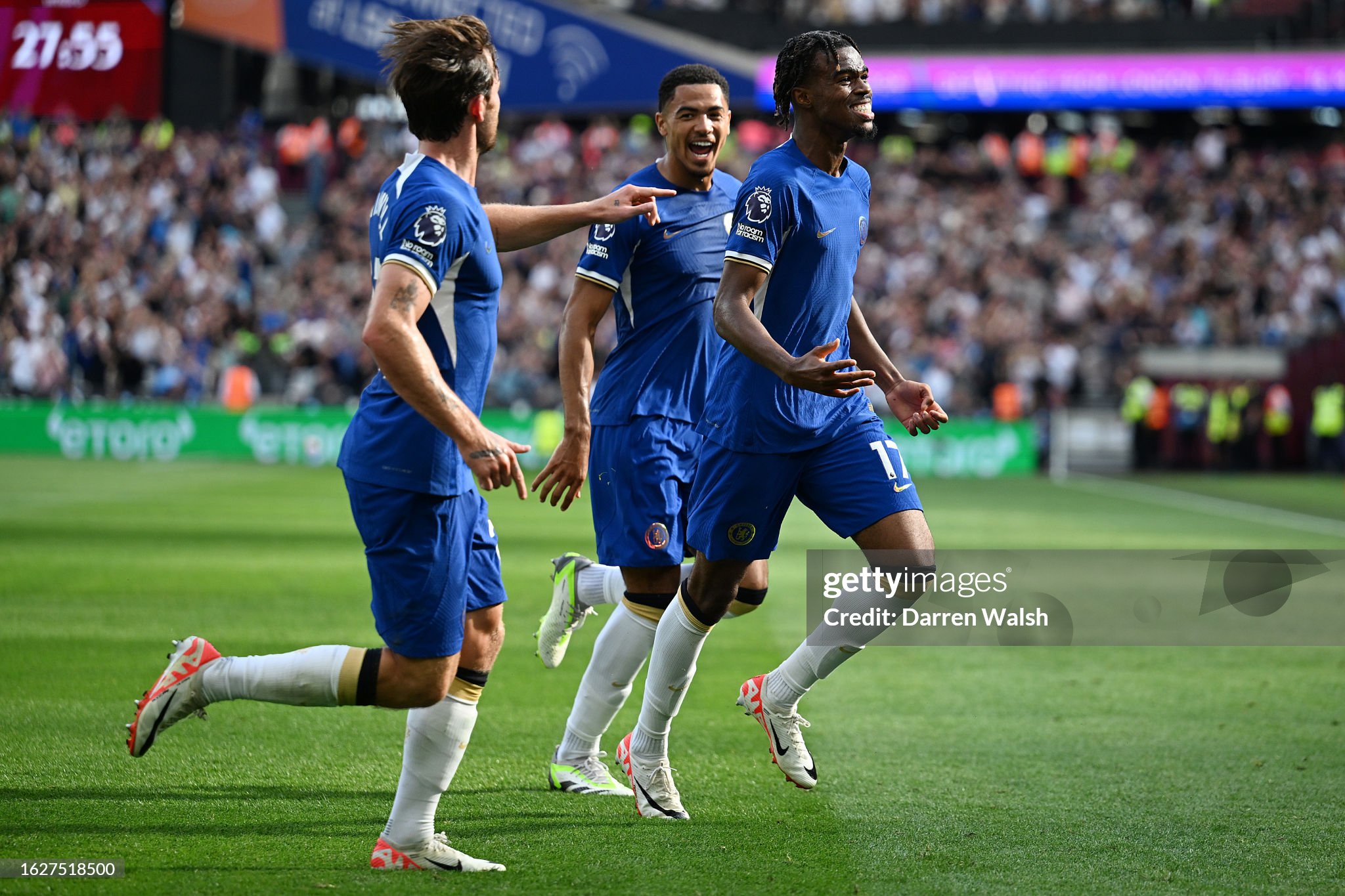
CHUKWUEMEKA: I’m a very tall midfielder who finds the pitch very small, I can carry the ball up the field, I like a slide tackle, I’m winger quick and think I like a slotted finish at the far post. I like a pass forward thanks to my quick feet to pull off passes, and find solutions in small spaces.
Things he’s not saying: I need to scale up my playing style by being more deceiving when looking to find separation, as my production would benefit from getting the ball with space in front instead of having to roll defenders and only coming alive to receive.
My defensive positioning is still very influenced by the ball, where I can find myself square or wrong side. My headed game is something I will develop with more upper body strength.
Narrator: a unicorn midfielder, (like Rabiot, Pogba…) dominating the pitch in all age groups. His primary quality lies in getting into final third on the ball, but all complemented by at least 6/10 abilities to win the ball back, get around the pitch, finish and general workrate.
His ability in tight spaces and speed completely justifies the mythical spiralling horn equid comparisons
In terms of players pushing for a spot, a quick word
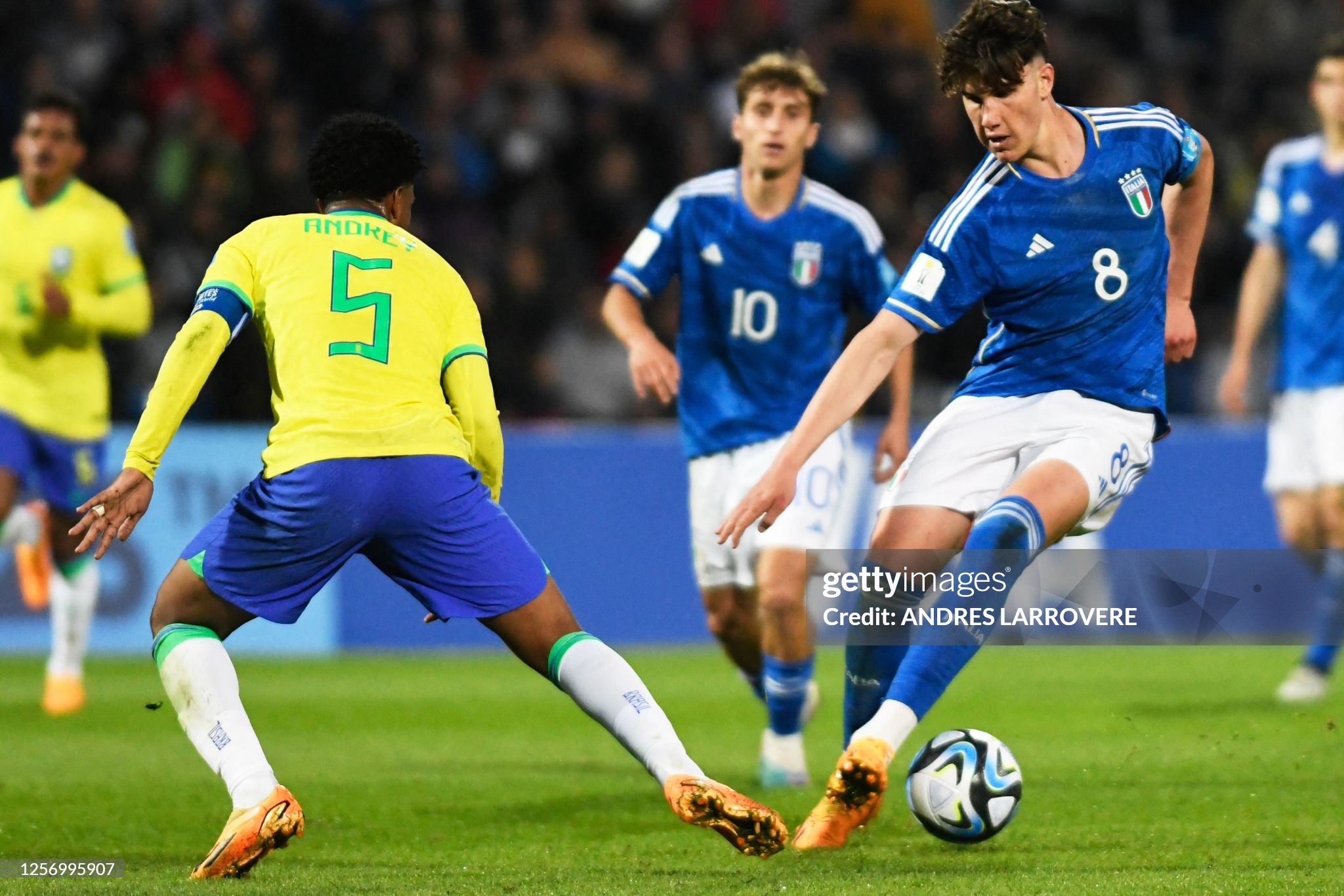
Andrey SANTOS: an all action midfielder in the mould of Caicedo, less refined technically, but keener to score goals. Very strong in the tackle, but going to ground more often than Caicedo does. A natural leader
Cesare CASADEI: a striker masquerading as a midfielder, with a knack for crashing the box and shooting for range. Scoring goals is the most valuable currency, and can absolve a lot of things including bobbly passes and questionable first touch. Wins headers.
Which, with goalscoring, is the one repeatable ability across levels and age groups.

Alex MATOS: profiled in depth. Quick attacker succesfully converted as a box to box, who can pass and cover space (close down, double team). Can win tackles and headers to the maximum of his ability (like Gallagher or Caicedo: better than most, not all of them). He would probably warrant some consideration as a RM to tuck in and make a 3 man midfield.
Charlie WEBSTER: a surprisingly nippy carrying midfielder (lot of small touches) with a long range of passing, albeit a bit one sided (rarely plays off the left). Has the currency to score goals from range. Industrious off the ball, with the odd foul.
Find a giraffe, why, what for

Chelsea found themselves at the low ebb of the wave, especially after the defeat at Everton (but being shoved into their own net at West Ham back in August was already putting #TheProcess through a fairly uncivilian induction to the very particular multiverse where David Moyes managed over a thousand games, crashing the top half of the table party).
Is Chelsea missing a tall dude to win headers?
How could Chelsea possibly do, considering they win just south of 2 out of 3 headers (57%, making them top of the class)?
Chelsea’s midfield situation is uncanny.
There’s 120+120+60 million on the pitch (300 million) and more on the fringe.
And you’d be damned for suggesting that any of them causes more problems than he offers solutions to a team (they don’t, they’re fantastic players).

That being said, in the context of the whole team, this is how Chelsea’s midfield situation could be summarized
Lack of goals
Lack of defensive know how on individual scale
Lack of height to use arms/legs in situations
Lack of heading ability
That none of the Chelsea signings look like to be in a position to adress that (and develop their primary game) is let’s say, unfortunate.
Enzo throwing arms (that was probably a pen on Sterling), not in position to cover Caicedo, already switched on to funnel the counter. Ends up wrong side, clips the player, makes a foul 6 minutes in
Caicedo Ugochukwu are good when providing support and getting into final third but their final product need scaling up.
Enzo’s all over the place but doesn’t get numbers, and loses composure to distribute and connect cleanly over 90’ when he needs to run all around the pitch. His defensive positioning to cover and double team is a liability, hence being shunted ahead of two midfielders.
Ugochukwu Gallagher are the most disciplined to screen but that takes out their matchwinning contribution (runs and shots)
Lavia will be a fantastic distributor (because he can do much more than five yarders), but can’t head. More reliable than Enzo to double team and screen, but still not the safety net you’d imagine.

Football’s vernacular language to decypher
Football is a parallel universe where things (sometimes embodying whole concepts) are never called by their name, but only shortcuts and proxy.
That doesn’t mean one would be enlightened to develop a way to read through it, because it’s not foolproof.
Sometimes the finger is put on the right thing at stake, sometimes it’s well off the mark (stacking players in roles).
It is something to have in mind nevertheless.
There’s players who win you games (matchwinners), and those who help you win games (facilitators)
If they don’t belong in the former category (score, stop goals) then they belong in the second category.
Facilitators need to get around the pitch, be quick or be tall.
They can’t cause more issues to a team than they offer solutions.

Good things often come in pairs
It’s like pulling a string of fairy lights, each one is attached to another.
Tall midfielders (at top level) usually come with a package that make them competent on either defending, or goalscoring.
Tall and quick is a hurdle jumper. Just tall is a basketball player.
Those who are good in small spaces on top of that are Nemanja Matic-standard of PL-winning midfielders.
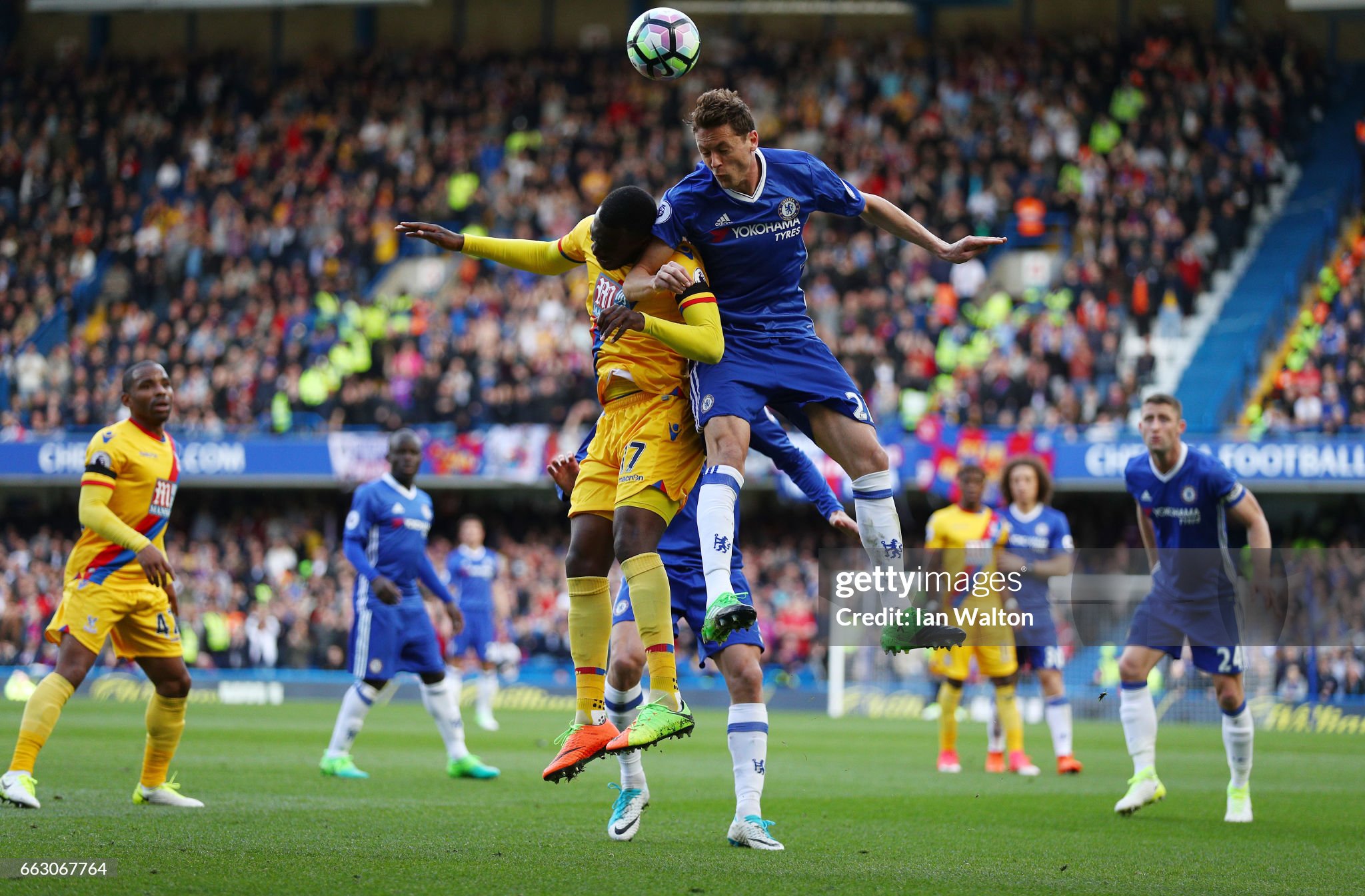
Those who score, are Michael Carrick, Fernandinho or Rodri.
But the vast majority won’t thrive in small spaces from a technical standpoint.

Therefore you’re looking at someone who overlaps:
– height + defending
– height + goalscoring
– height + covering ground

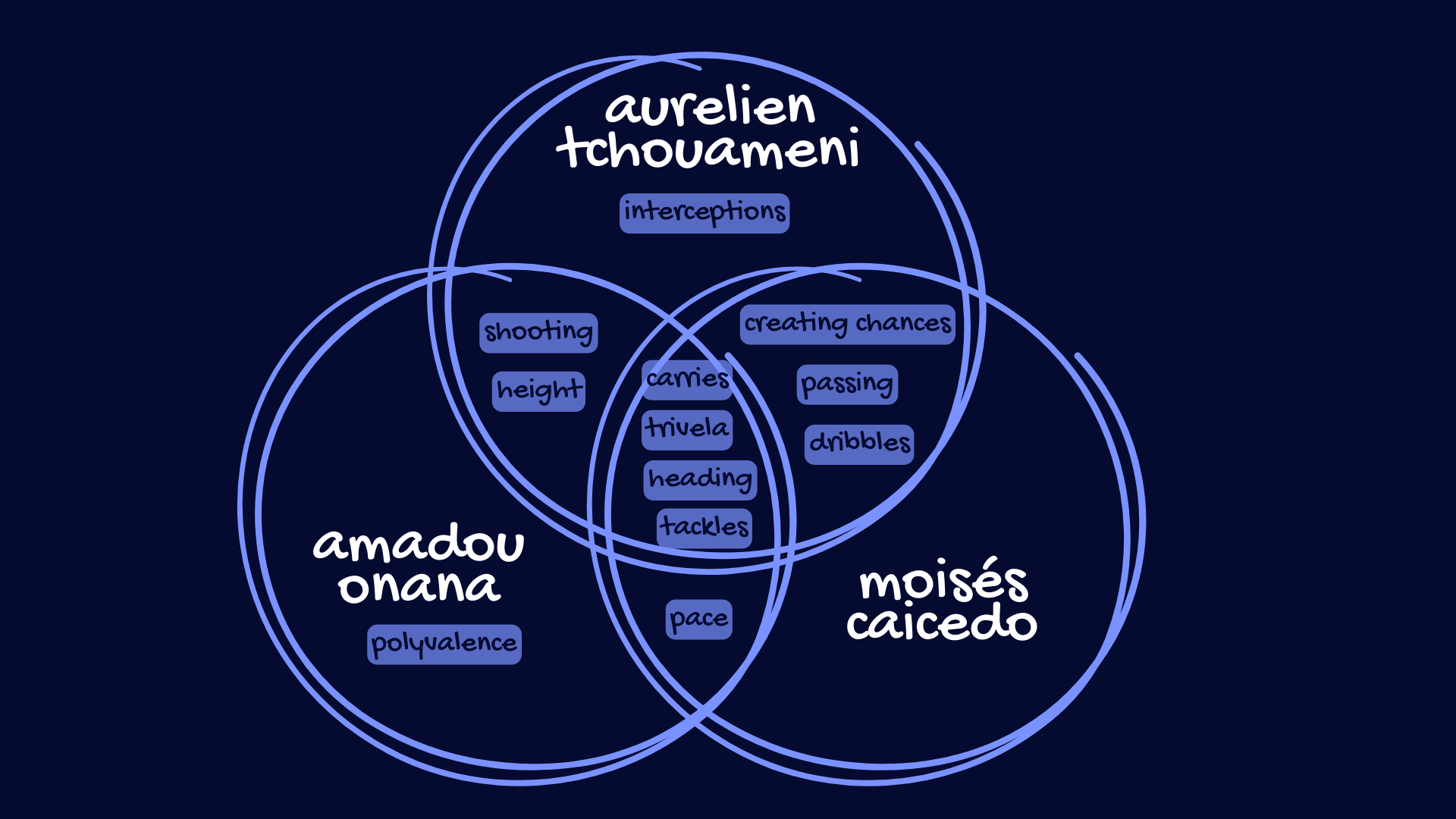
In the Onanarticle, an attempt at seeing what skills overlap suggested that Moisés Caicedo woud be the best “creator / dribbler” albeit Tchouaméni or Onana would get shooting and height
Was it what Chelsea needed first and foremost? Opinions might differ.
The rule of “5 headers”

The challenge of heading can be summarized by a simple rule of thumb: you got to have 5 competent outfield players in the air (half the outfielders) to match up on set pieces, and compete in open play (to win the first ball, can’t only pack the pitch with second ball winners – or passengers).
Chelsea’s defensive troubles on both set pieces, might stem from the lack of an identified set piece expert which is one of the season’s dissatisfactions.
But you can’t coach height, nor mitigate the shiver down the spine of everyone but 3 players whevener the ball is flying across the box.
In a sense, this adds up to the “whack a mole” problem related to picking lineups.
Finding match-ups is tricky to solve, by gambling on tall dudes being rubbish in the air.
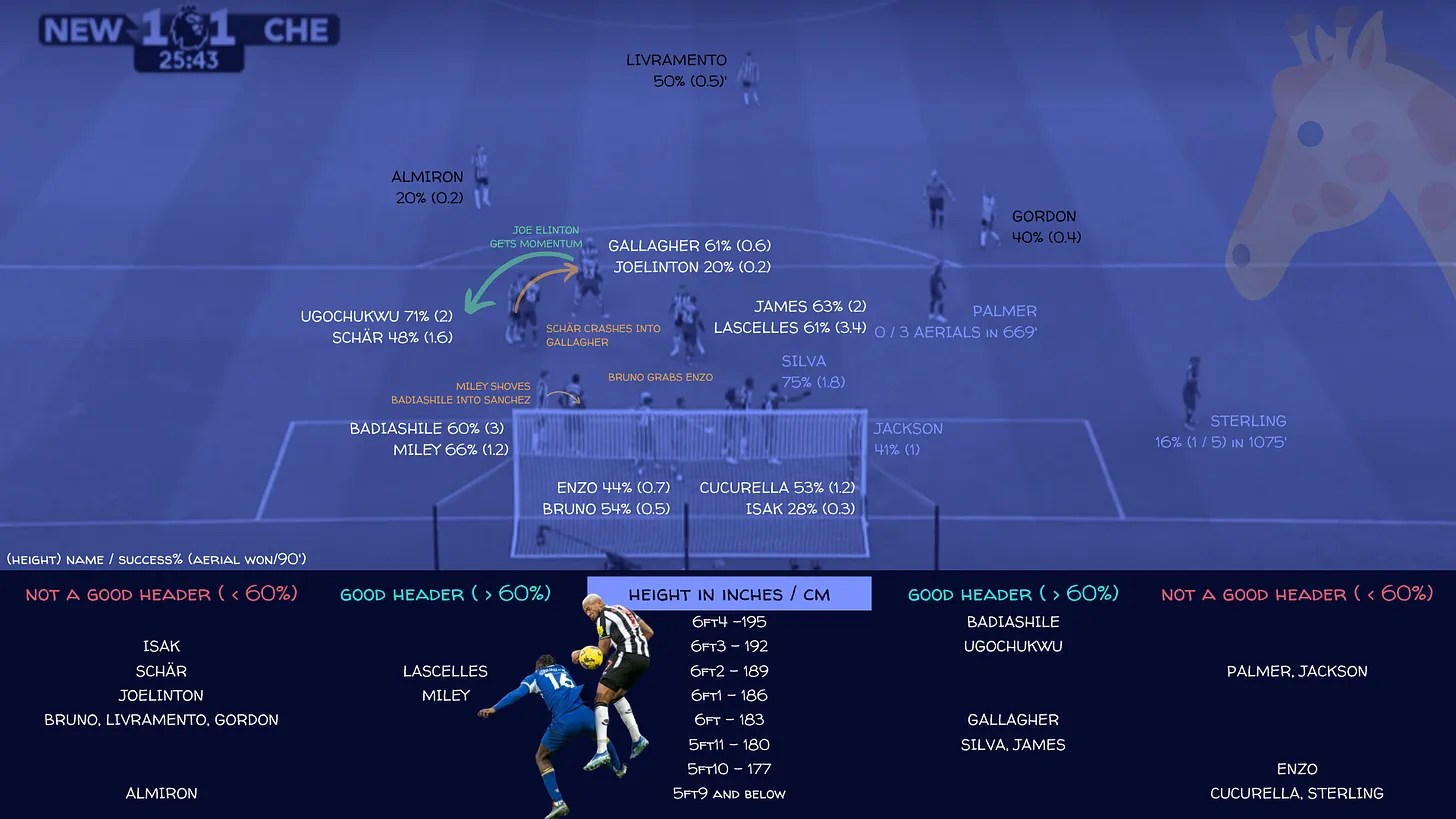
Zealotism to play the ball on the floor, will never compel the other team to not put the ball up in the air themselves for a game of coin tosses elbows out.
Switch at the far side to the weak fullback in the air, Colwill goes through for the 1 or 2 / 5 any CB is meant to lose. How a random diagonal ends up being a chance against.

Second balls is the quickest way to find a midfielder facing play in the opposition half, and it genuinely can turn momentum very quickly by piling pressure.
Even the mythologised Guardiola’s Barcelona 2009 everyone talks about, but never cared to analyse was no different;
Puyol, Pique, Busquets, Eto’o and Abidal (a CB at Lyon and France, playing LB at Barcelona) were these 5 headers (and tactical fouling to prevent access to their defensive half anyway).
And yet, set pieces was ‘09 Barcelona’s achilles heel.

How you spread out your 5 headers on the pitch offers leeway, albeit it’s obviously good to have one in each sector:
Back 4 or 5 competent in the air with diminitive attackers might create situational issues when looking for a relief pressure upfront. That was Tuchel’s Galaxy Brain Chelsea in the League (70 points, like everyone else) with Havertz – a mid header, Mount Werner Ziyech Pulisic Hudson Odoi as useful as a chocolate teapot once Abraham Giroud and Lukaku were deemed obstacles to Havertz picking up his weekly match bonus.
Undersize back 5 and juggernauts upfront is unheard of. The team that decides to play 6-2½ Oliver Burke as a winger, probably isn’t taking many prisoners at the back. United tried with Martinez and Weighorst, both out of the picture as we speak.
2010 Chelsea had Anelka winning 1.1 / 1.9 aerials, 2015 Chelsea had Oscar winning 1.1 aerial /90s. On top of Costa and Drogba (and then Abraham and Giroud) being the main outlet. Or Demba Ba and Loïc Rémy if required.
It’s difficult to expect a fullback to be both an agile open play goalscorer/chance creator and a towering player dominating aerial contests
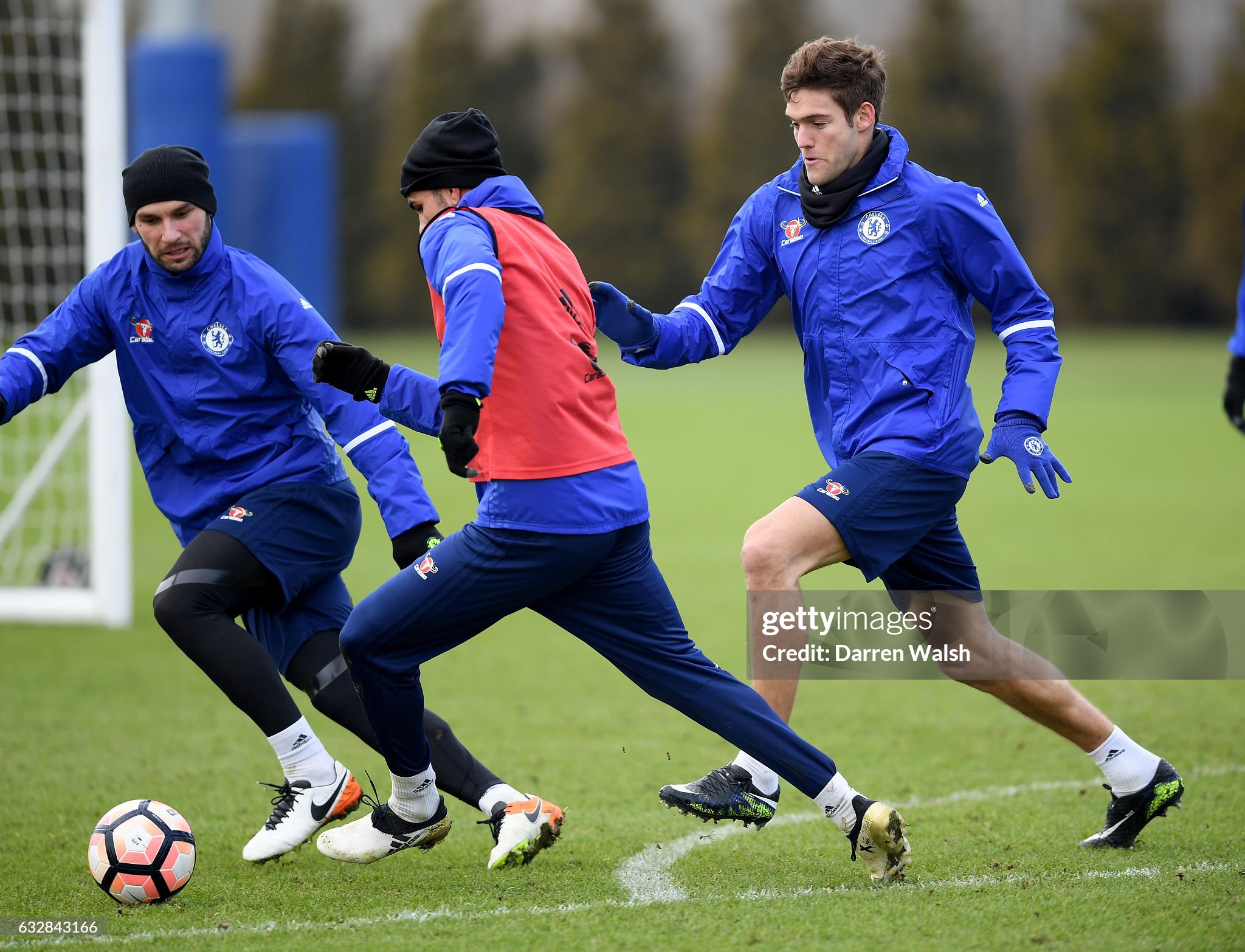
Chelsea had Marcos Alonso or Branislav Ivanovic, and to this day the majority of the fanbase never acknowledged them – beyond their iconic goals.
Fullbacks not particularly tall or competent in the air naturally puts an emphasis on midfielders or attackers to be.
An example against Sheffield United, overlaps both the “heading” and “distances” aspects already mentioned.
Caicedo wins 60-70% headers (under .9 per 90s), but will come short against a better header (McBurnie). Therefore, fielding a competent “second ball” winner is paramount, and Gallagher ticks the box Enzo doesn’t.
To an extent, it’s difficult to expect attackers who don’t read nor win second balls to be drawn to tighten the grids of the net (and get closer to the aerial drop point) but at the same time be closer from each other to perform small combination with supporting moves to the 9.
Chelsea’s 300 million midfield is going nowhere in the air, frustration about their relative incompetency in the air will have to be amortized over 8 years as well.

“Why do Chelsea play Disasi Colwill out of position, and why does Gallagher start over Enzo; we don’t have an aerial winning problem because we win 57% of them duels”
is some elite carpet pulling disingenuous narrative (or lack of dot connecting)
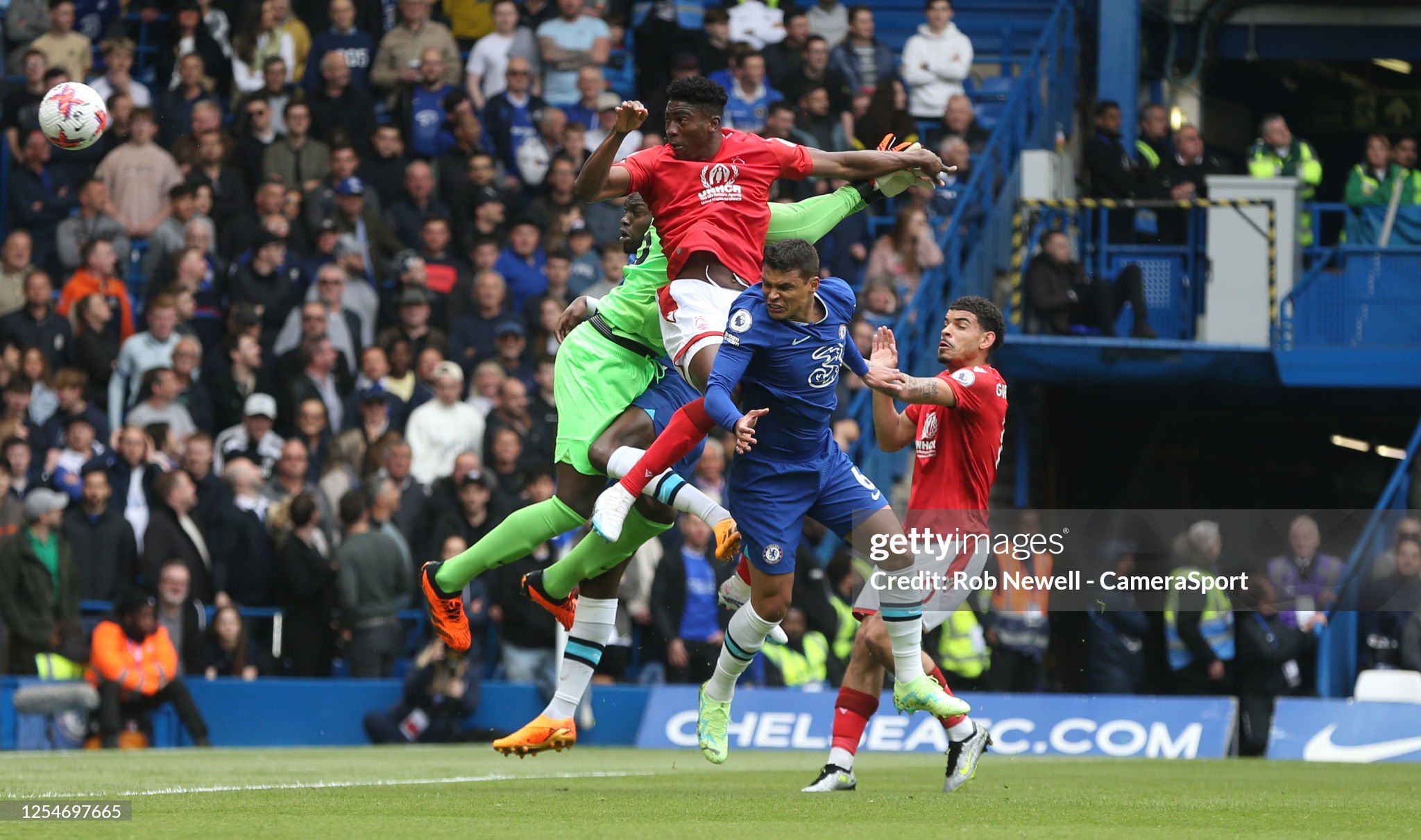
And it limits opportunities to play more attacking options at wingback, notably let’s say both Maatsen and Gusto (Cucurella is bad, including in the air, and only sees the pitch because Karen from bookkeeping follows up on their email every thursday).
Maatsen: 5ft6, 30-40% aerial duels won
Gusto: 5-10½, 42% aerial won in UberEats, 37% in Barclays.
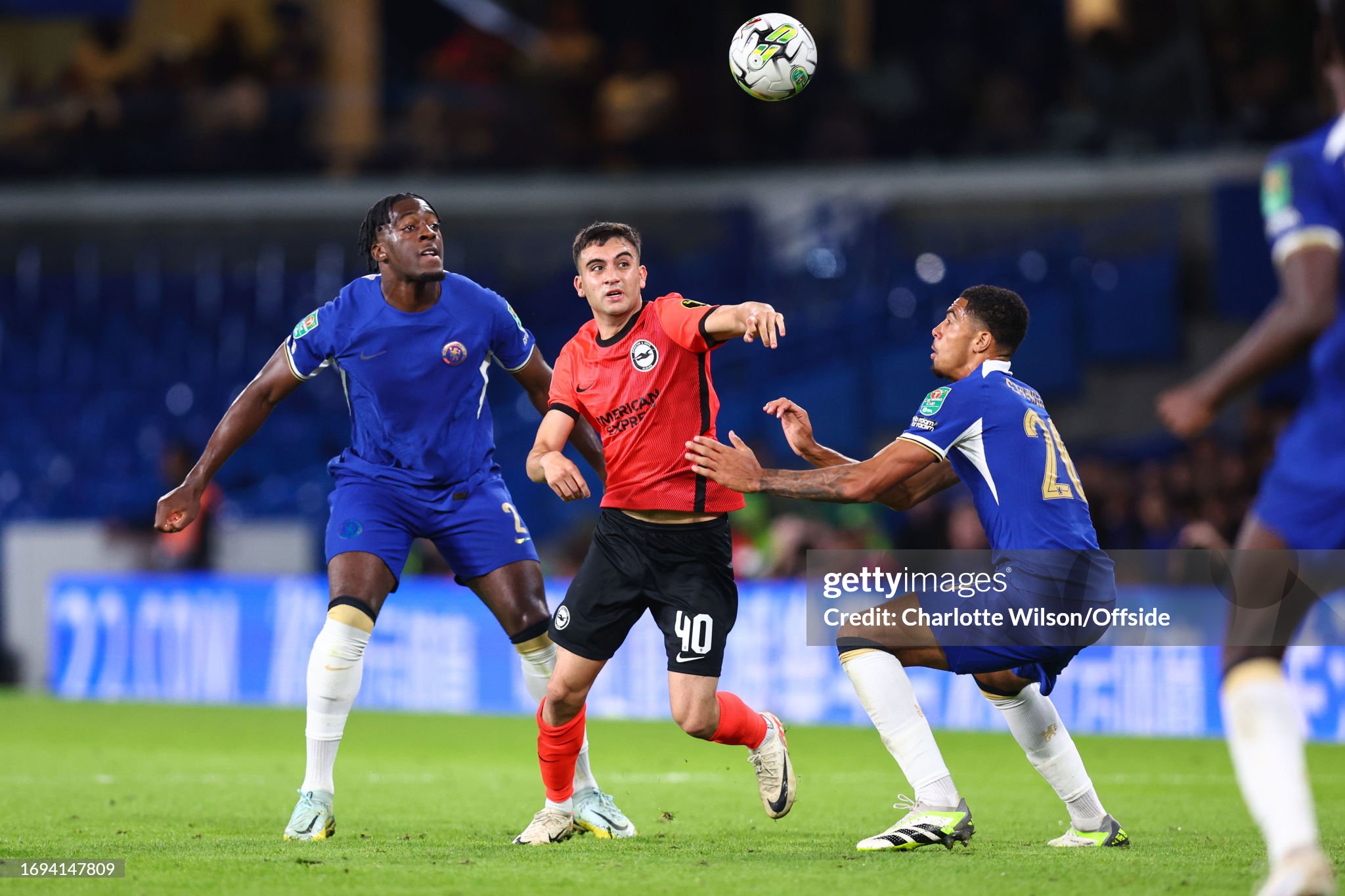
Onana, what’s my name
Taking the briefing verbatim (“Poch wants height”) as some forgettable Maniche / Candreva / Jorginho / Hysaj specific system player demand is missing the point.
There’s a perspective to it that is very much grounded in to the reality of the players CHELSEA ALREADY HAVE.
Gusto, Maatsen, Lavia, Enzo Mudryk, Madueke, Jackson are or might become good players in their own right. They’re also useless in the air:
Having in mind facilitating developping these players on their main attributes signifies taking into account how to “plug the holes” when building the squad to make sure the whole is harmonious.
And not some sick “whack a mole” challenge, that ends up with Colwill or Ugochukwu at LB or DM because it’s unserious to play 8 small or weak aerial headers, and two centrebacks including Thago Silva.
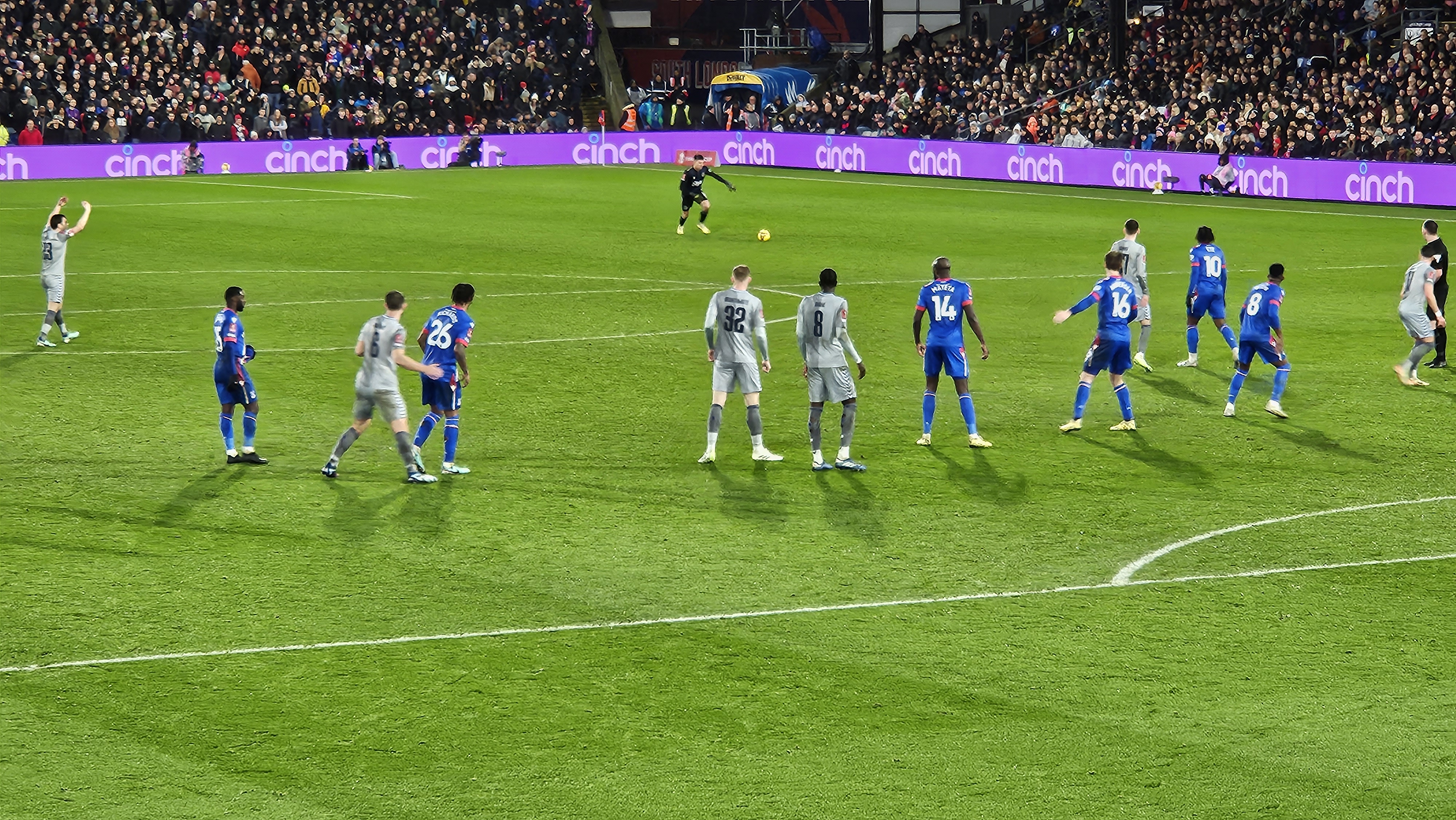
When the general theme of the reactions to Pochettino’s lineups / subs goes like this, for the 2-1 win over Crystal Palace in instance…
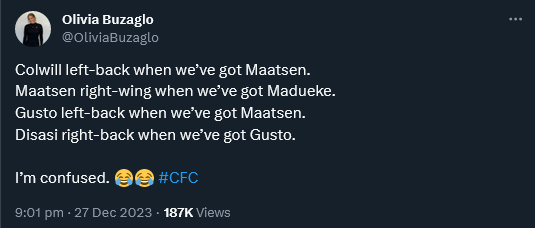
…the informed perspective looks like this, valid everytime the substitution pattern looks like this.
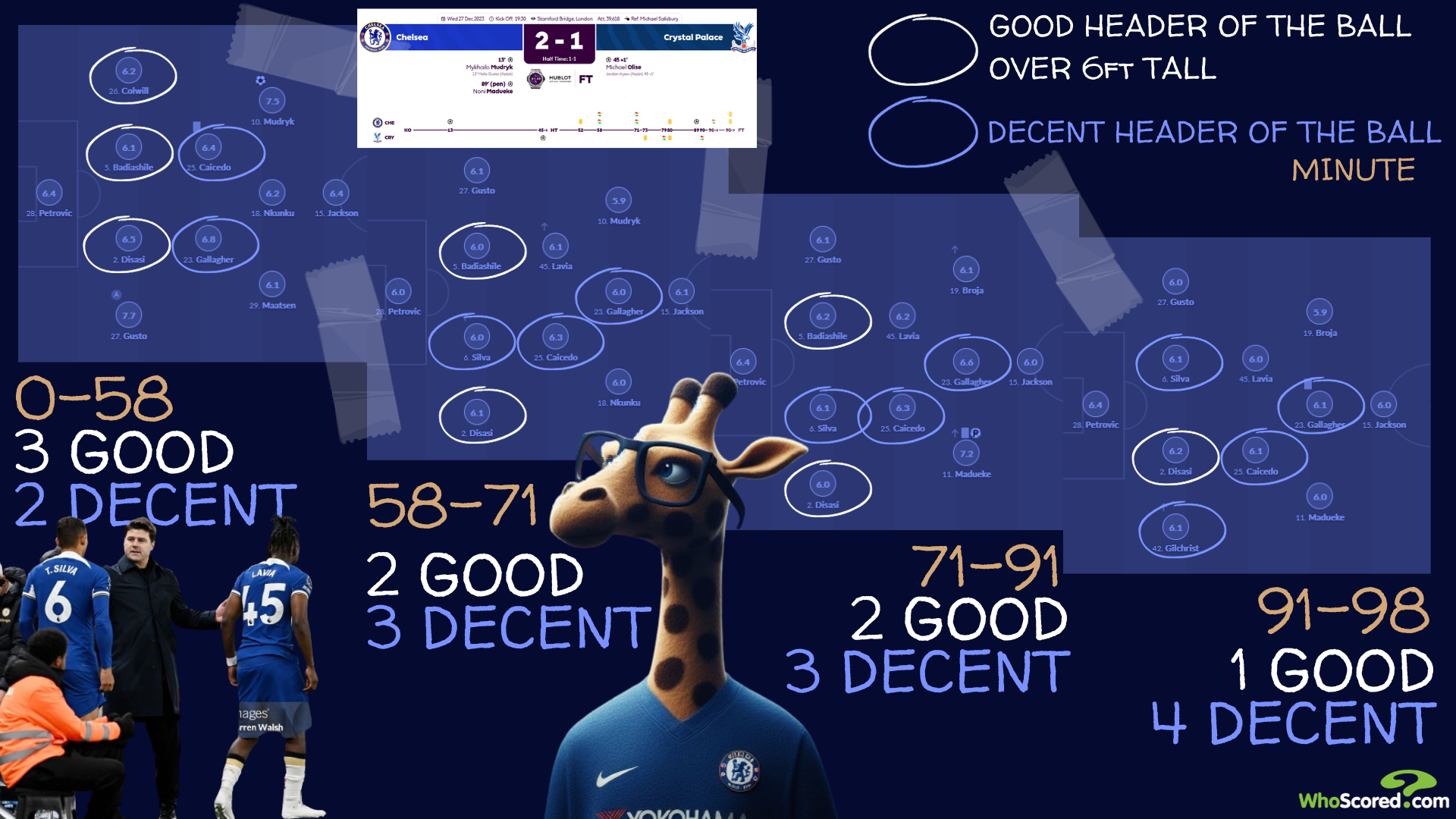
When the savant point at the moon, fools look at the finger
How does it held up together? sellotape will do.
The question is: how did we end up there

“bruh you made the sandwich”
Not Poch.
This thinking applies to any level of semi serious football.
Thiago Silva will win a duel against “most”
Difficulty to make it stick (Jackson), react on a “second ball” (Palmer) will generate a “tidal wave” against. With a fire put out by Badiadhile’s, definitely a Lamborghini CB
Observant onlookers have the right to point at a team deciding to play garden gnomes at any point in a football game.
Pep routinely starts 6-8 six footers, no wonder he can afford to play Foden and pretend Rico Lewis* or Grealish aren’t sweeteners to please the federation hosting the club with 115 charges.
*: “If he was a little bit taller he’d be considered one of the best players in the Premier League” – Guardiola in November 2023
Pep even has the courtesy to subtitle his pisstake, tacticos still take as gospel.
Look elsewhere fool!
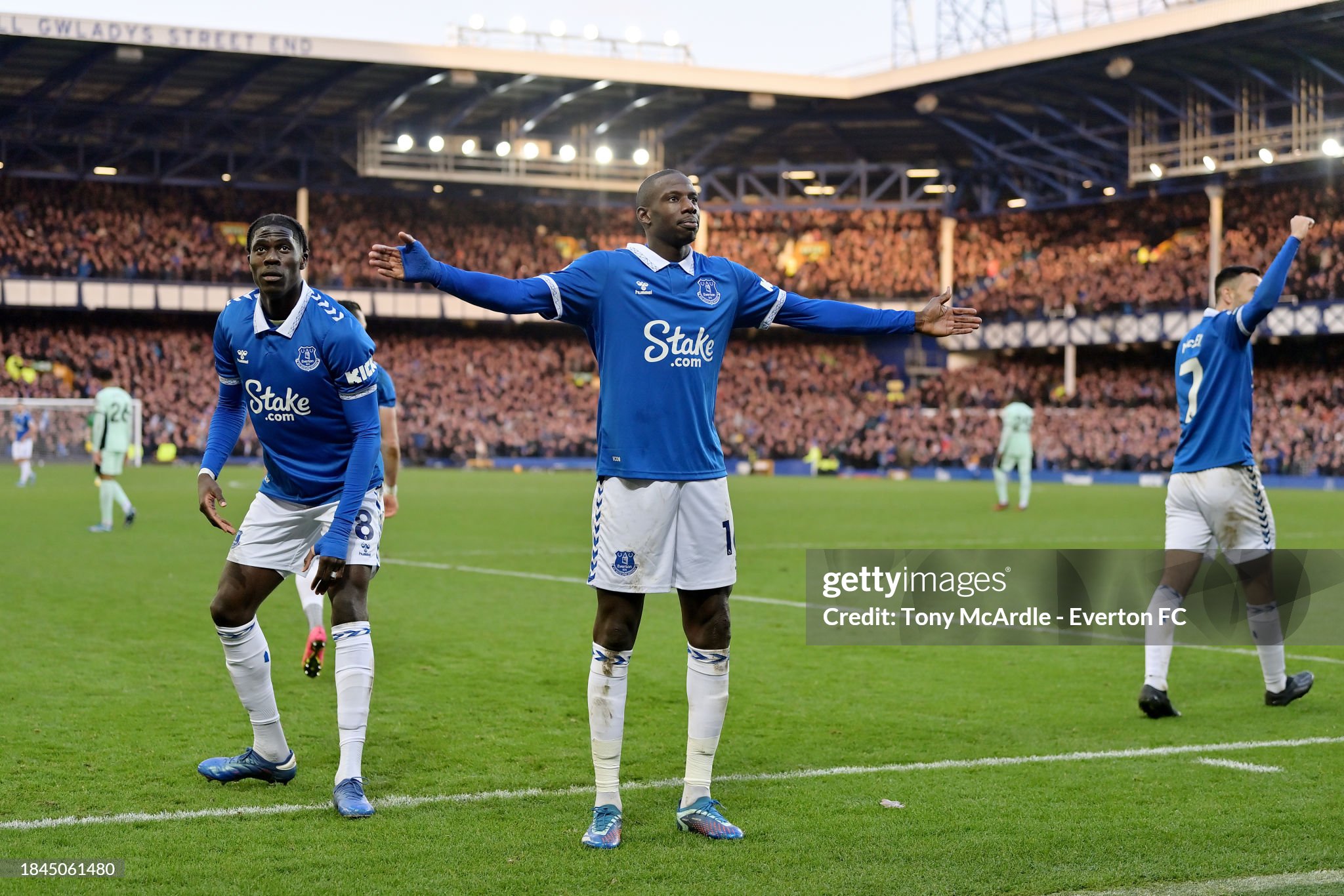
In the Onanarticle, an attempt at seeing what skills overlap suggested that Moisés Caicedo woud be the best “creator / dribbler” albeit Tchouaméni or Onana would get shooting and height
Was it what Chelsea needed first and foremost? Opinions might differ.
LMFAO since when you judge a midfielder on goals
The challenge of goalscoring is twofold. The famous theoretical conundrum is
“would you rather get a 30 goal striker or three 10 goals players”.
The practical reality is that whilst goals are expected to come from players getting in good positions more often, getting a goal contribution from other areas of the pitch is paramount.
Centre backs who can’t score between 2-6 goals a season, fullbacks who can’t get 5 goal contributions, midfielders who can’t get 2-8 goals a season.
And obviously wingers who can’t even get two calendar year goals.
…better be good at their main job
and even that will not top the fact that piling up Christensen, Lavia who per design don’t score; complemented by Mudryk, Madueke who by shortcomings don’t is a recipe for trouble (or poor squad building).
Both in terms of the strain it puts on goalscorers to deliver every week (Jackson, Sterling) as in terms of the thinking outside the box (that’s on brand) required to unlock or get back into games at least 6-10 times per season, when for some reason the team has a bad day at the office.
TikTok and YouTube killed football, but so did the broadcasting and access to full games.
Most who nitpick and over analyse performances when they turn up full games, probably don’t remember how ugly Manchester United used to W . I . N away from home.
3 / 10 shots, 0-1 Rooney playing off the striker, 9 points clear in February 2013
Spooky evening, even the Craven Cottage floodlights had seen enough
There’s enough evidence building up to games where you can have a solid hunch that a player “has a goal in him”, because he scores clutch 5v5 games in training, scored a handful of goals every season, scored loads at academy level, or just basically can shoot the football.

The litterature behind the attacking front 3
Klopp’s Liverpool (or Messi’s Barcelona, but let’s not open that pandora box and subsequent perceptions of midfielder roles), is obviously an excelent paradigm through which look at respective contributions.
Fabinho, Wijnaldum, Henderson; what did they do?
Fabinho screened, headed and passed. Wijnaldum was a formidable runner masquerading as a midfielder (because he could run and pass, which is rare), and Henderson brought presence, heading, enforcing and runs in behind
Yet all scoring goals every blue moon
Rodri and Fernandinho score goals, Kevin De Bruyne is a one-way Lampard (who’s defence, second ball winning and tackling was underrated) and Gundogan once was the team’s first or second source of goals.
Ivan Rakitic was quite mechanical, but also quite the complete midfielder behind one of the most impressive front 3 in the history of football (Neymar-Suarez, Messi).
Basically, if you don’t score: you’e either very good at duels, or make lots of runs ahead of the ball as part of the “rotation” movement to take out double teams so that the matchwinners can isolate.
Surely this kind of granular detail can’t have gone amiss when continuously thinking about what that 100-point team looks like.
Midfielders: hand on the clutch (or #FlushTheProcess)
Enzo, Lavia, Caicedo are fantastic players.
They don’t head the ball (Caicedo is good) nor score goals.
That puts strain on attackers or defenders to do it. Hence the freak lineups.
My opinion:
You have Enzo (passer extraordinaire) and Chukwuemeka (progressor / goalscorer extraordinaire)
Therefore you need:
Competent screening – a project player
All rounder who solves the space/heading equation
Recommendations were: Lucas Gourna-Douath and Amadou Onana.
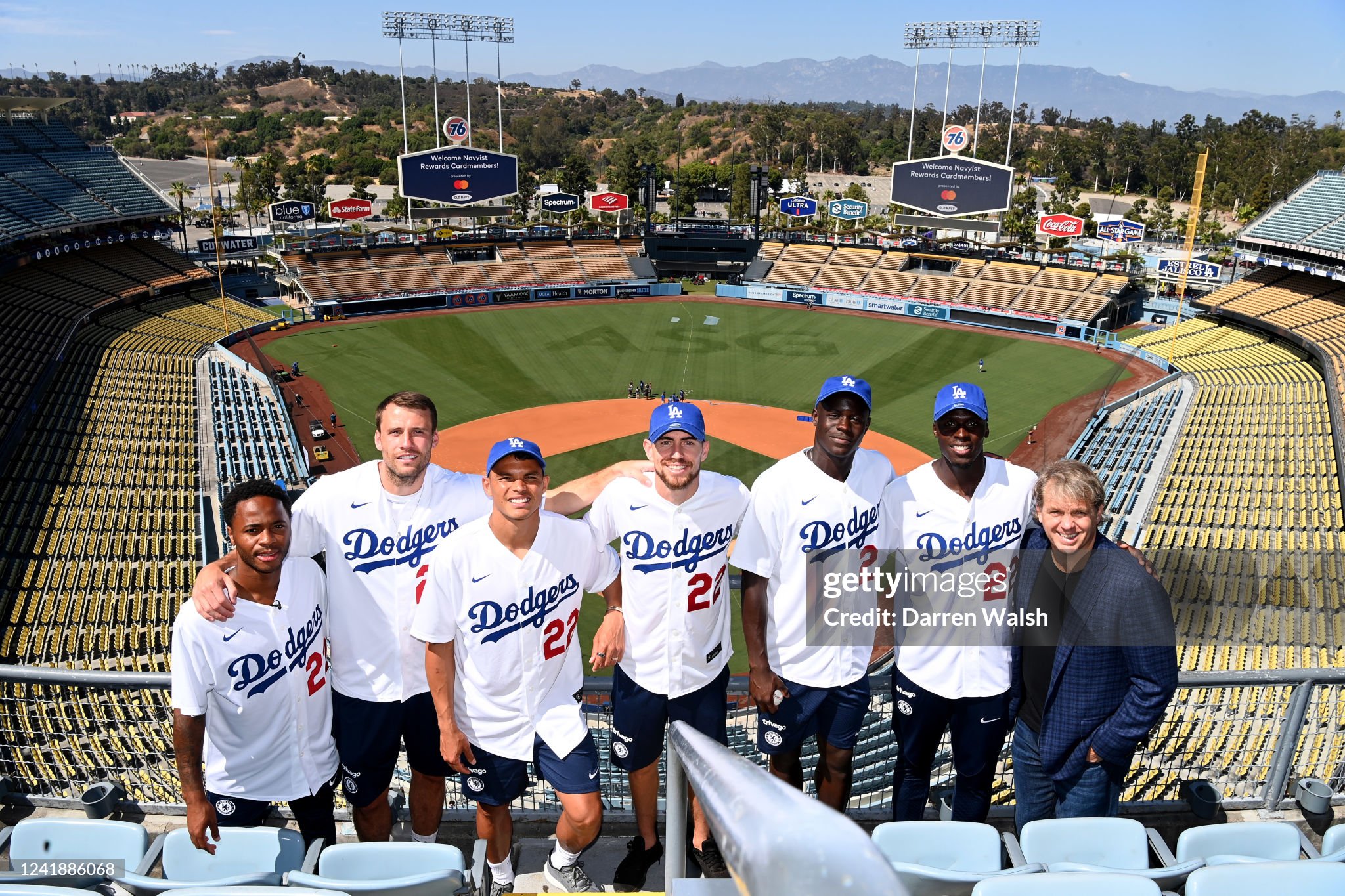
Not only Lucas Gourna-Douath would be the pinnacle of cross-sport acronymic puns (Let’s Go Dodgers), he’s also the best midfielder of his age group in Europe at screening a defence (and a butterfly ready to spread his wings as 8)
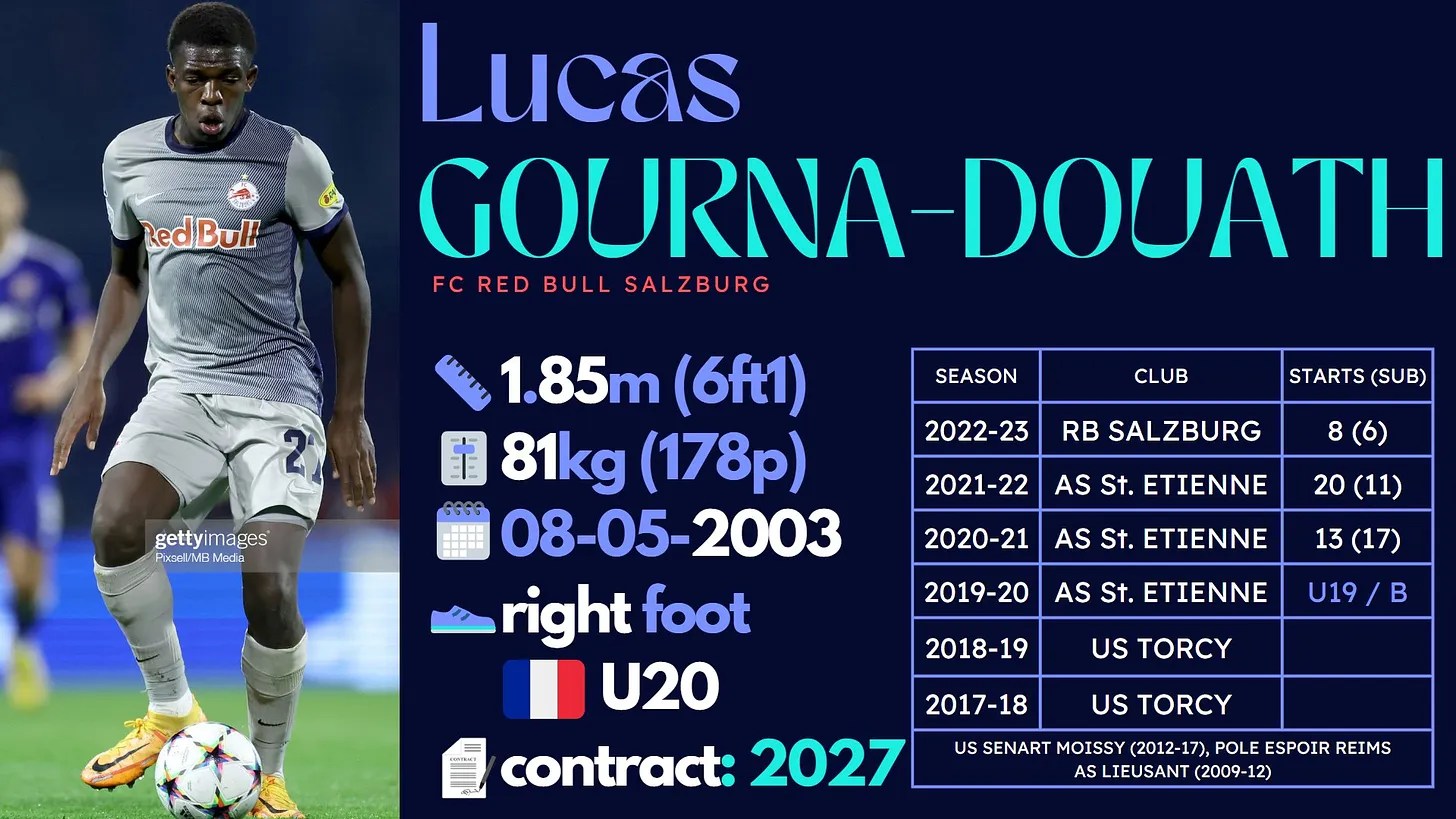
In other words: a box to box 8 with elite “screening” ability, who can catch up ground and progress play. As opposed as a good dribbling box to box who can pass but about average at screening (Lavia)
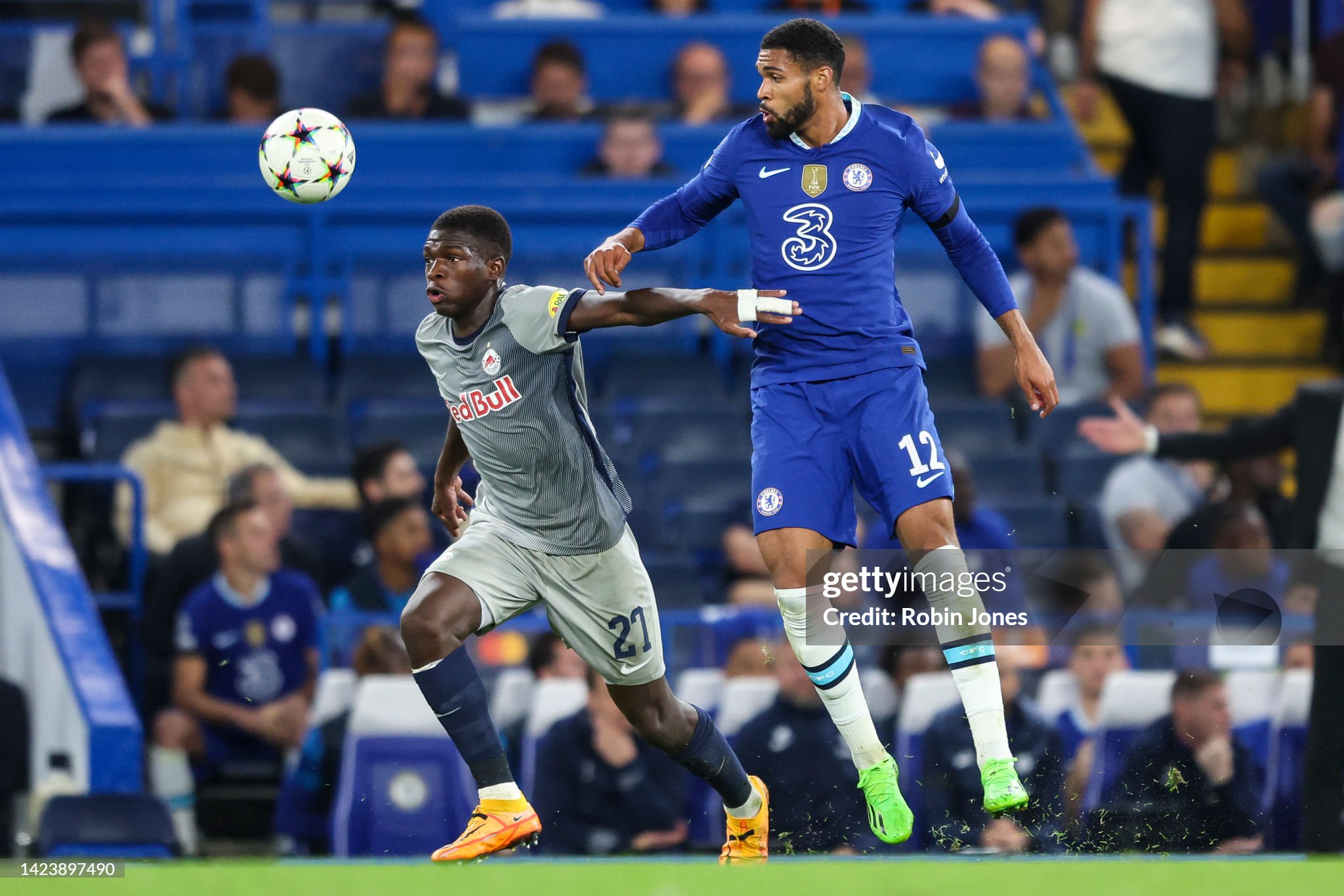
Onana has been playing CB (Lille-Chelsea 2022), CF (Chelsea-Lille 2022) and central midfielder (2-2 and 2-0 win) against Chelsea for two different clubs. Not only would cover more ground than Matic, win as many headers, more tackles with a winger’s speed but would more importantly allow Enzo to find space where he wants. And deputy at CB or as second striker if required.
We’re at the stage where Caicedo is taking over the “box to box, let’s score” duties and Enzo is in no man’s land between “can”t stay deep as can’t screen” and “not taking advantage of Gallagher’s decoy runs in the opposition half”
Amadou Onana on a reported 2k / week at Lille, 100k / week at Everton.
Lucas Gourna on a reported 2k / week at ASSE, 5k / week at Salzburg
Moisés Caicedo on a reported 15k / week at B&H, 150k / week at Chelsea
Roméo Lavia on a reported 25 k / week at Southampton, 45k / week at Chelsea
Say you get the first one (LGD) for 35 million (from RB Salzburg) and the other for 50-65 million for cash stricken Everton; that’s around 100 million.
Nowhere near the 120 + 65 million for Lavia and Caicedo, after briefing everyone and their dog (and influencers) about an interest that inflated the transfer fee eventually played after both players’ pre-season was severely disrupted.
It is with a significant smirk and snark that I can only observe that the Onana links still haven’t cooled down (another one identified by Frank Lampard OBE)

Despite Pochettino still having no influence over transfers whatsoever.
Some more money poured in the Osimhen bucket


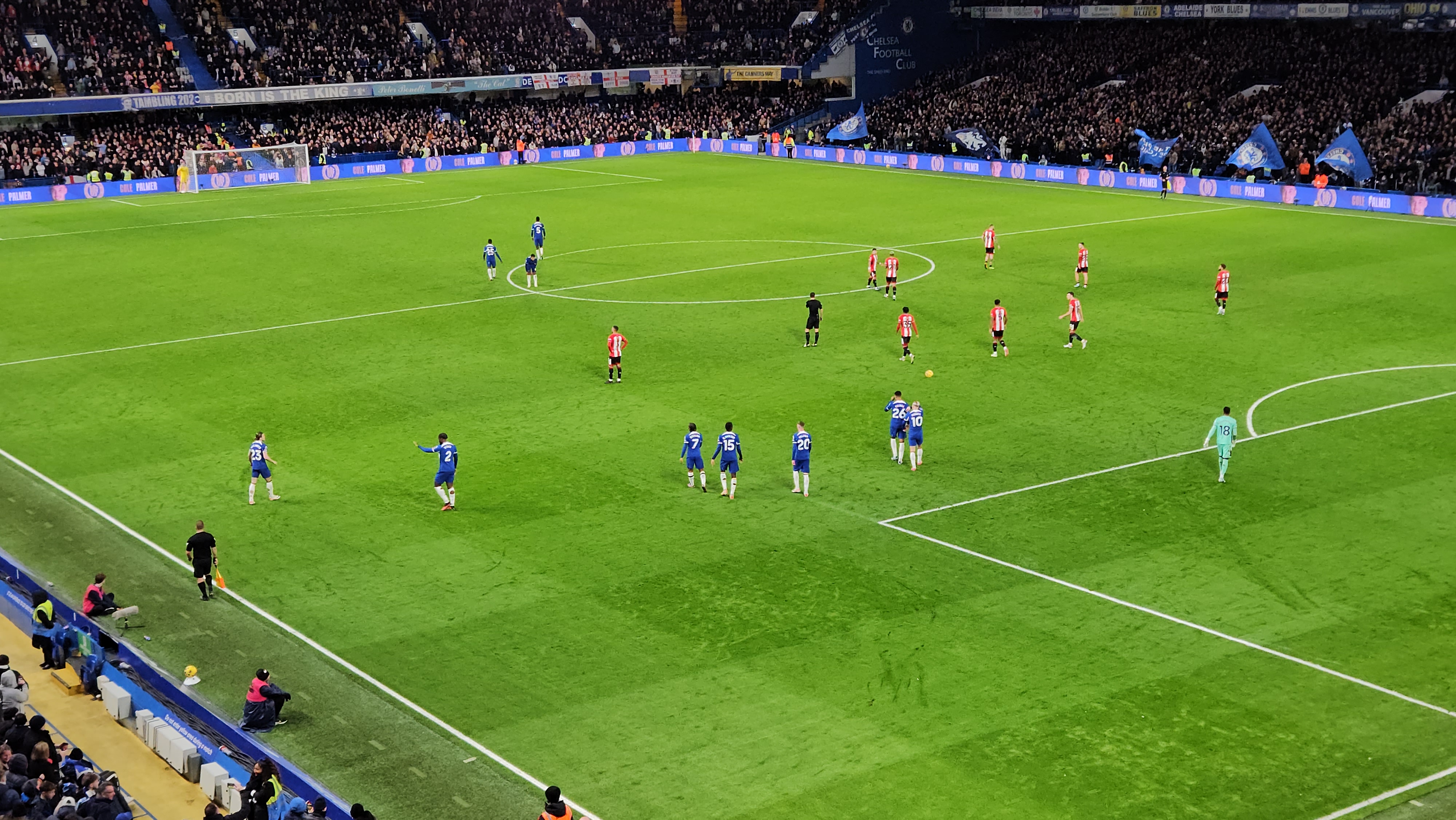
ATTACKERS
Midfielders scoring or creating goals will be an asset, because you can imagine midfielders/wingers taking corners (giving assists) or someone making the extra yard to crash the box. Midfielders making runs will bring more bodies in final third to get at the end of service (or pull players out of position).
What happens for the unfortunate club working on a budget, signing midfielders who don’t head, score or run beyond the ball?
Especially when said club initially wanted to loan Ugochukwu, and wants to turn the club captain into pure profit at the first opportunity.
Well, to put lightly, that puts a degree of expectations on the front three to deliver every week.
MFS: Mané Firmino Salah
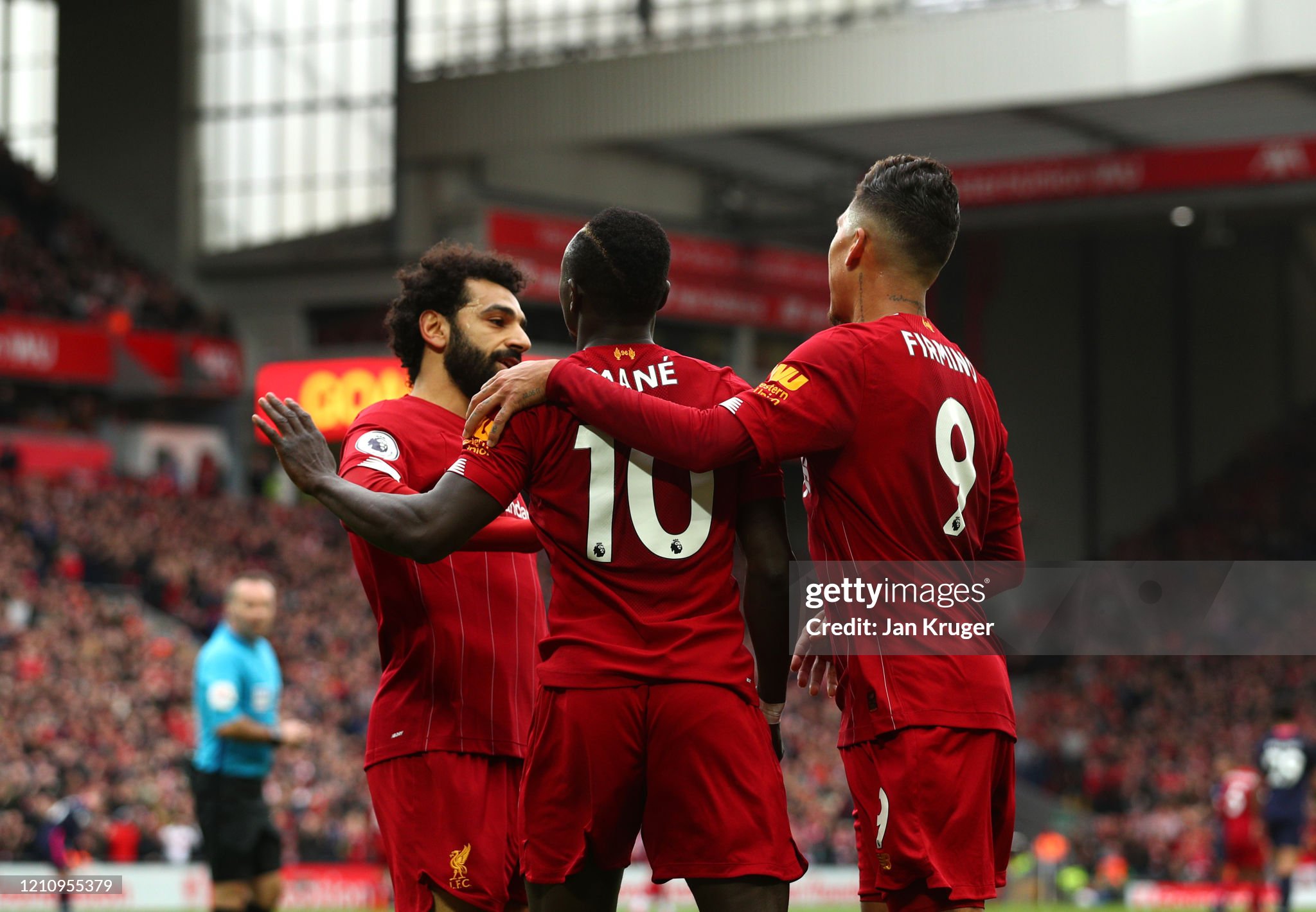
Liverpool’s iconic front three had a role repartition that was generally well captured
MANE: was essential to retain the ball around the box and make it stick in final third, made runs in behind, scored goals inside the box and got free kicks.
FIRMINO: was of course the wall pass striker, dropping deep to pull CBs out of position, working hard defensively
SALAH: was the goal machine, focusing on scoring goals from the edge of the box and running in behind. Not necessarily a tremendous 1v1 dribbler, but extremely powerful once he shifts the ball and takes advantage of the rotation to cut inside (Henderson dragging the double team out of position).
Mané was carrying Koeman’s Southampton to 5th place, playing off the striker and turning Matic inside out in a central position.
Firmino was one of the most impressive “system players” at the top level in recent years, knowing his strengths.
Crashing the box
If your CF is constantly unmarked, then you can win 9-0.
If your CF is marked, then you’ll look at overloading the pitch taking advantage of players that won’t have the same level of focus with relation to keeping markers on sight.
That can be because midfielders huff and puff (and wander between both boxes, never getting in), or because they’re drawn wide to support fullbacks.
Or they can do these things but don’t.
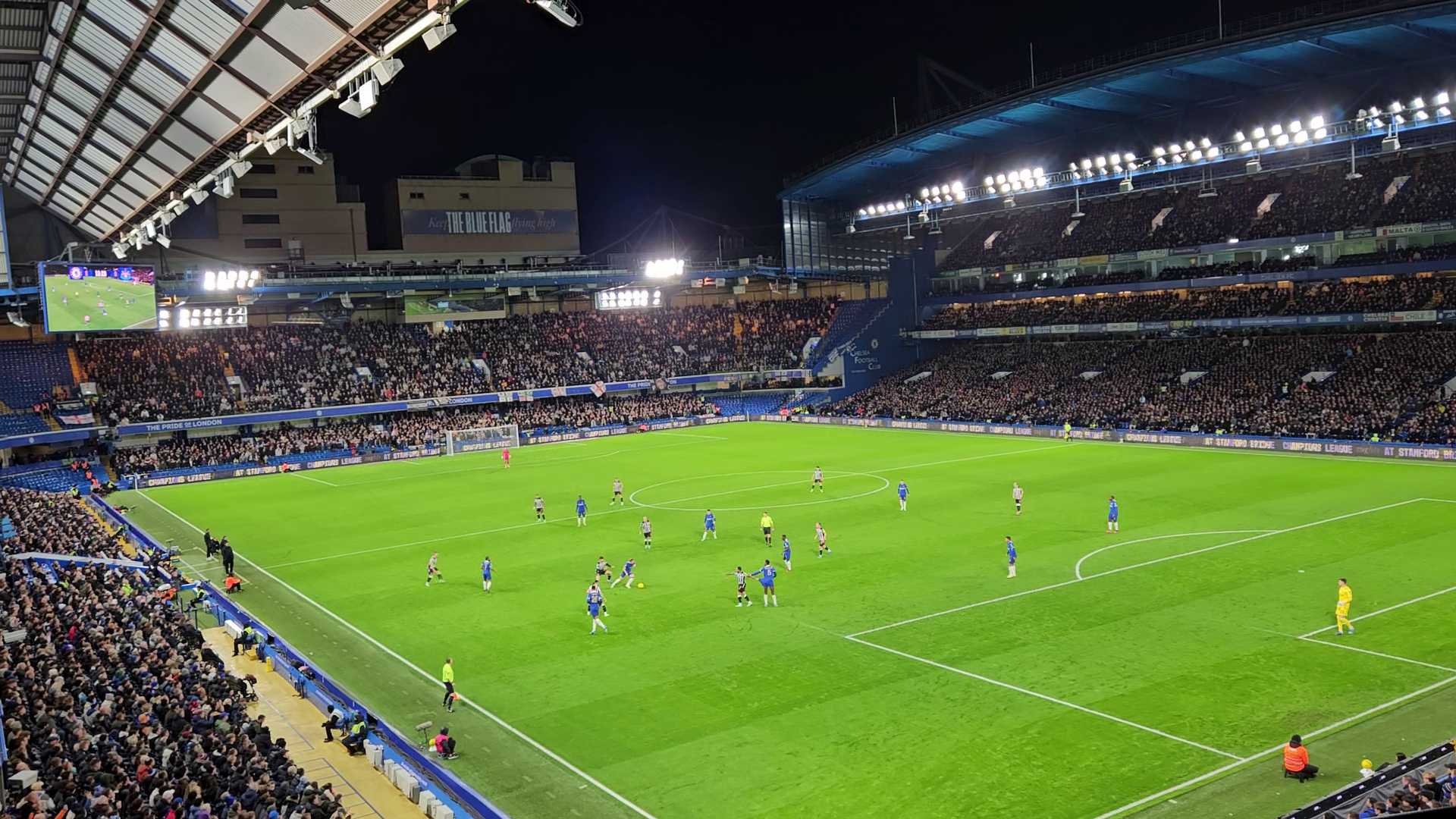
Expected shiver (xShiver)
You can obviously benefit from the space that someone like Lukaku pinning 2 CBs can create.
And beyond the tangible data, a striker’s expected fear (xShiver) he can generate is something hard to manufacture, but explains why defences wouldn’t care less about Havertz or Morata; but would give extra work to the laundry staff after spending all game wondering where has he gone now.
Wilson doesn’t collect Premier League defenders’ shorts, he’s just winding up Badiashile.

Foundations or penthouse
Succesful teams keep 5 to 7 players behind the ball at all times in possession
The balance can be struck in different ways:
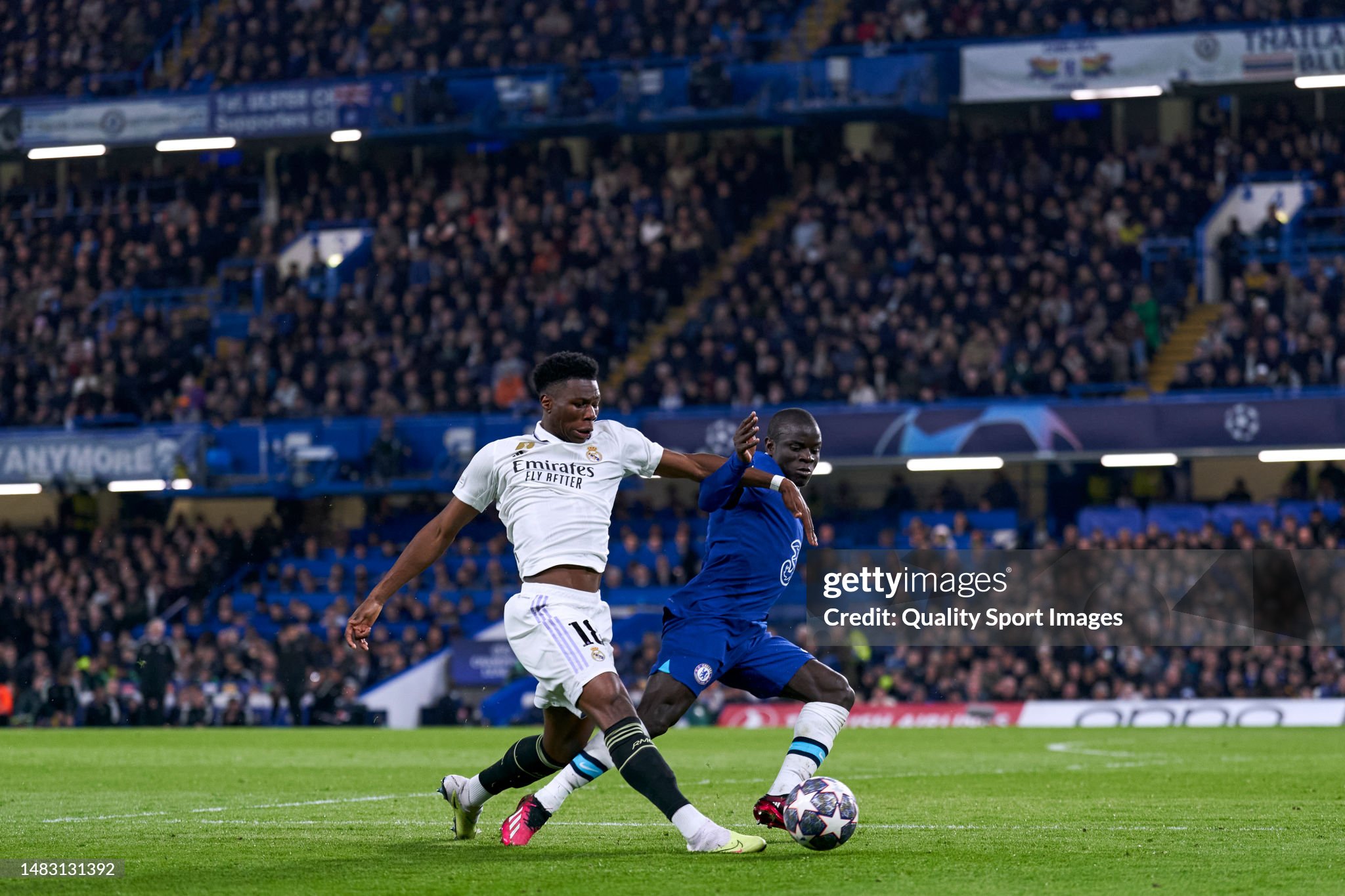
Get universal “space eaters” that can defend large spaces.
That’s what made Real Madrid and Sergio Ramos so succesful. Coaching Real Madrid means winning and playing well every week, and fit the 4 galacticos upfront. How you fill the remaining 4+2 spots has less to do with “galaxy brain tactics” than it has with players profiling: resilience, decision making in space, managing large distances off the ball (Tchouaméni) or with the ball with range (Modric, Kroos). That’s Casemiro, Ramos, Modric, Alaba, Rüdiger, Di Maria, Kroos.
Retain the ball expertly in attack,
something players like David Silva, Bernardo, Di Maria (through volume, rather than pure retention) did well over the years, but Willian (2013-2020), Oscar (2013-15) or Mount (2019-2022) were expert at closer to home.
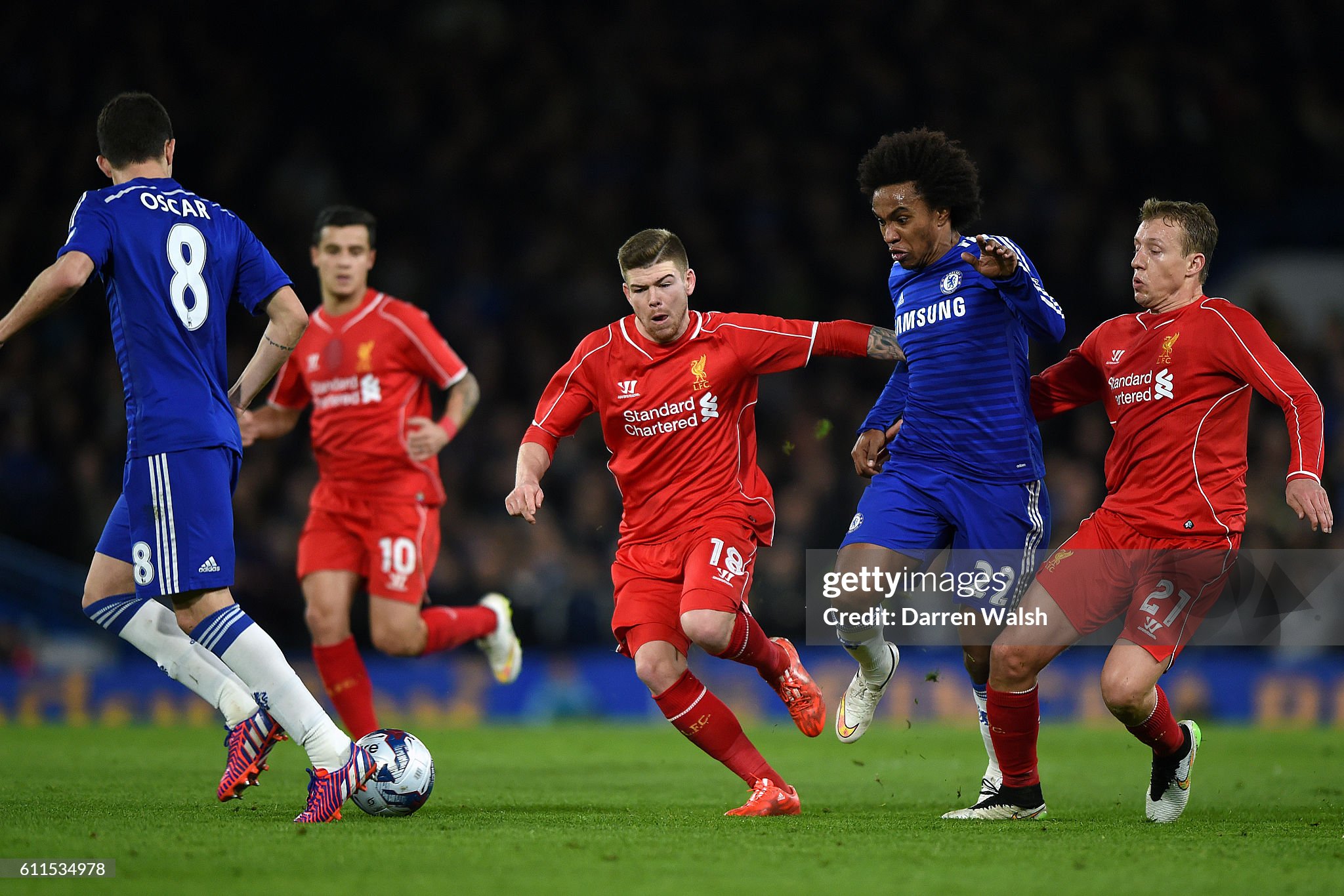
A story in interconnected parts: unsuccesfully picking up second balls make it difficult to know where the attack can start from. Sterling shows how influential he is to retain the ball in attack. When a play stems out of it, Chelsea failing to take advantage of a number of players in the box creates counter attacks against.
“attack” stems from possession stemming from winning it in the first place.
And making it stick
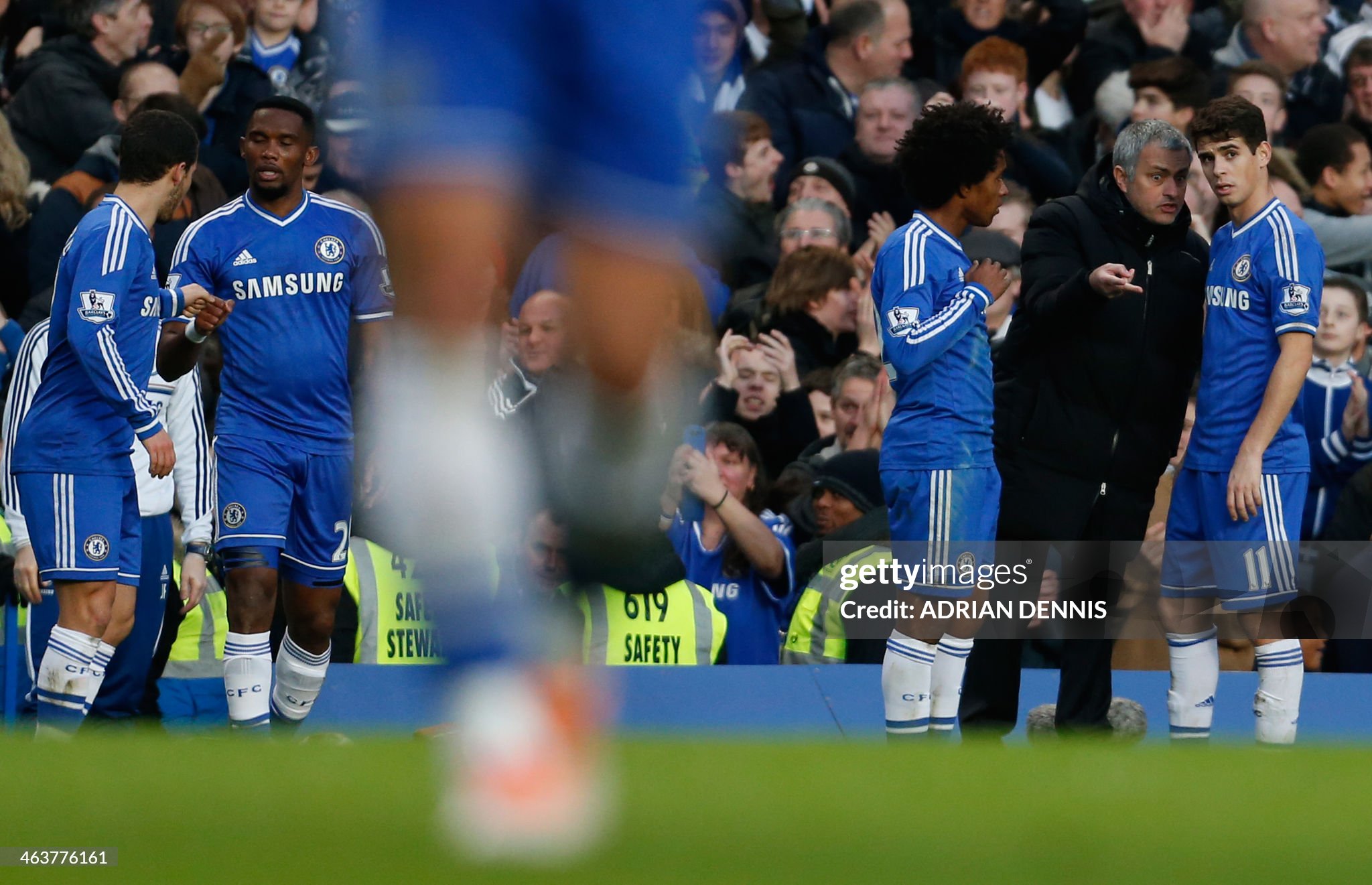
Some teams obviously decide to go for the second option (retain expertly in attack), and still retain the ball in the opposition half and still sign universal “space eaters”.
that’s also the story of Guardiola’s enthusiastic and brave entertainers, with a back four of CBs, one CB in midfield and 8 or 9 behind the ball bar the poacher and a wide runner.
That’s also more bodies already behind the ball to clip ankles in transition, so that the backline never has to defend into space.
Closer to home: Chelsea 2013-15 with Mourinho: Oscar and Willian work to retain and set up Hazard / Eto’o / Diego Costa. Fàbregas to connect, Matic to cover the pitch (and head)
Do you favour the wooden shack with an intricate foundation of triangles with no Wi-Fi at the top, or the luxurious penthouse with a spiral stairlift and everything you need at the top?
3-2 build up dictated at the pace of Jorginho’s five yarders with Havertz on top?
Or Modric accelerating the process by pinging trivela passes to Vinicius Benzema Rodrygo?

Profiling the attack
Out: Lukaku, Havertz, Werner, Ziyech, Hudson-Odoi, Pulisic, Aubameyang.
In: Raheem Sterling, Omari Hutchinson, Noni Madueke, Mikhailo Mudryk, Datro Fofana, João Félix, Cole Palmer, Christopher Nkunku, Nicolas Jackson, Deivid Washington, Angelo, Diego Moreira
Chelsea found themselves in the situation they wanted: a clean slate with everyone out and a new attacking forefront to build.
Aubameyang and Felix don’t deserve more attention than they already took: respectively, blindly following the head coach’s advice (so he wouldn’t complain) and trying to paint over the seismic crack that was discarding Lukaku and Abraham as if it wouldn’t have the direct consequence to score 40 goal in 2022/23.
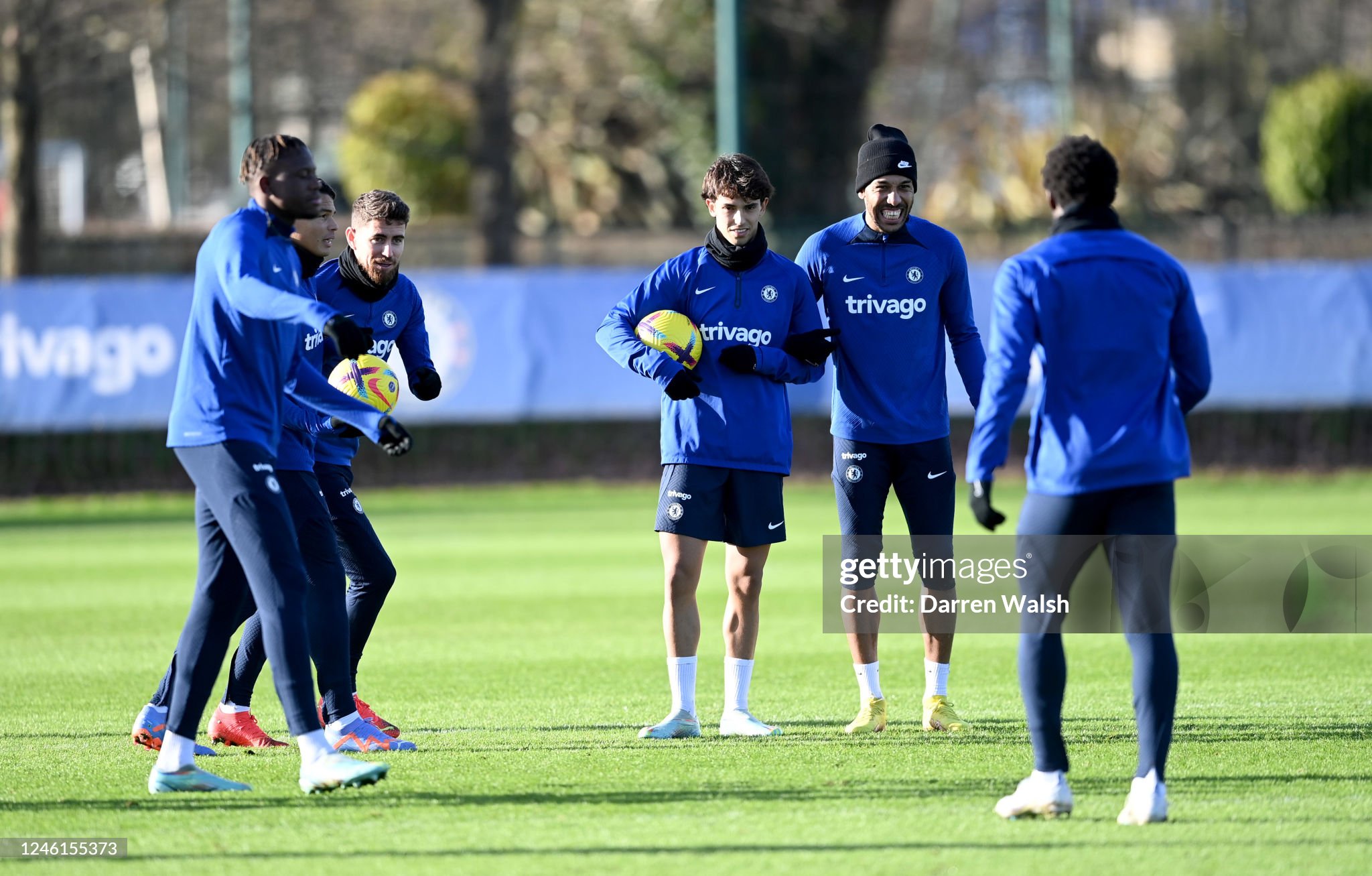

Ideally this is the pitch of the attacking options
You’d look for complementary skillsets, as in: if one does it, can the other do the other.
Into feet / into space
Assist / finisher
Dribbling / linking up
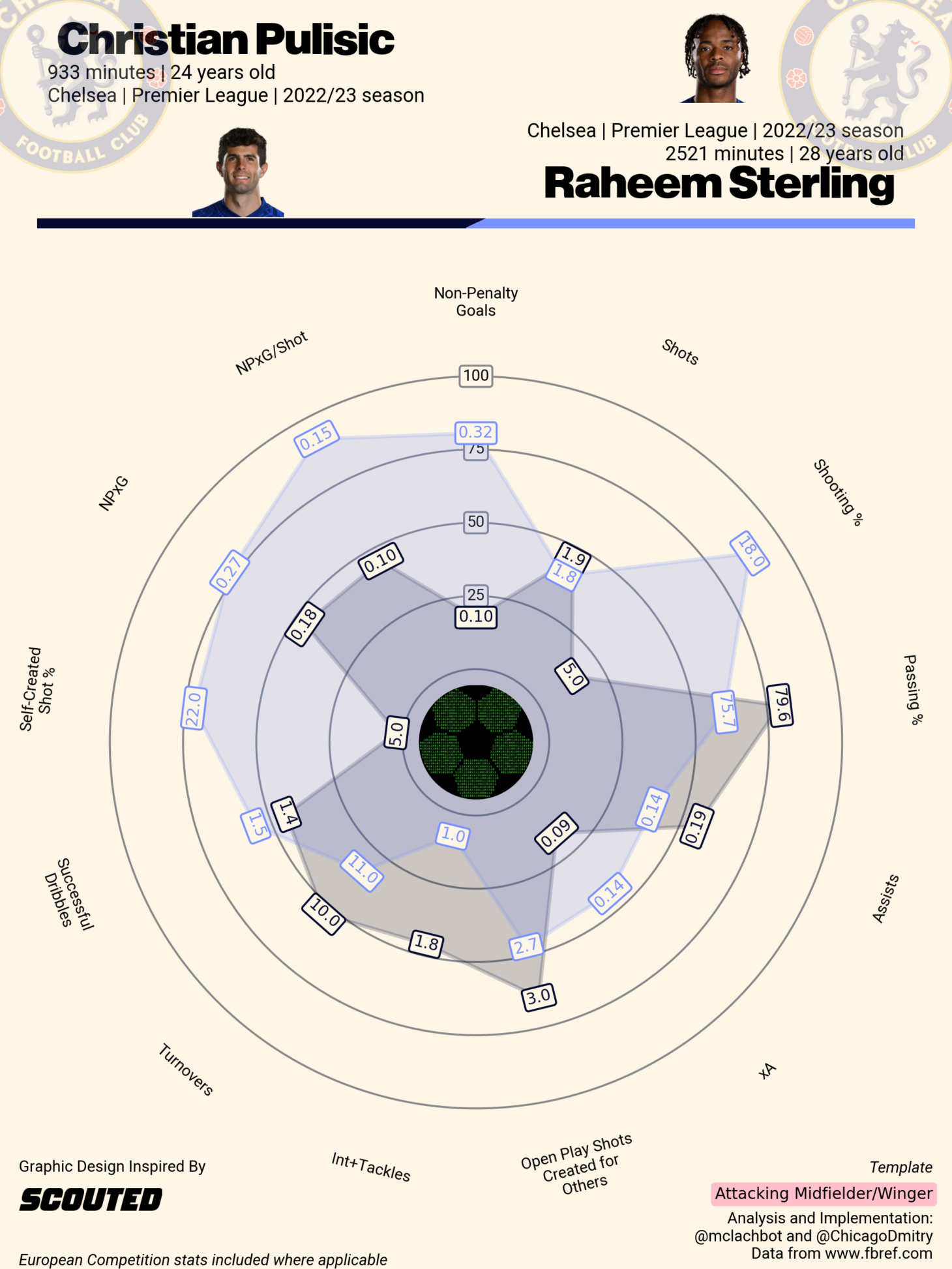
Raheem Sterling can do all of these things at a very good standard.

LW1: Dribbler with goal contribution, able to run and link up
LW2: [complement the above] Speed, assists/goals, and runs/link up
RW1: Cut inside, link up, workrate and goal creation
RW2: [complement the above] shot / assist, dribble in/out
10: connect attackers and retain in final third, with goals/assists
CF1: score goals, get near post, get hold of it and make runs
CF2: get hold of it, win headers, or run in behind (doing all is probably CF1)
CF3: score goals and be able to play from the wings
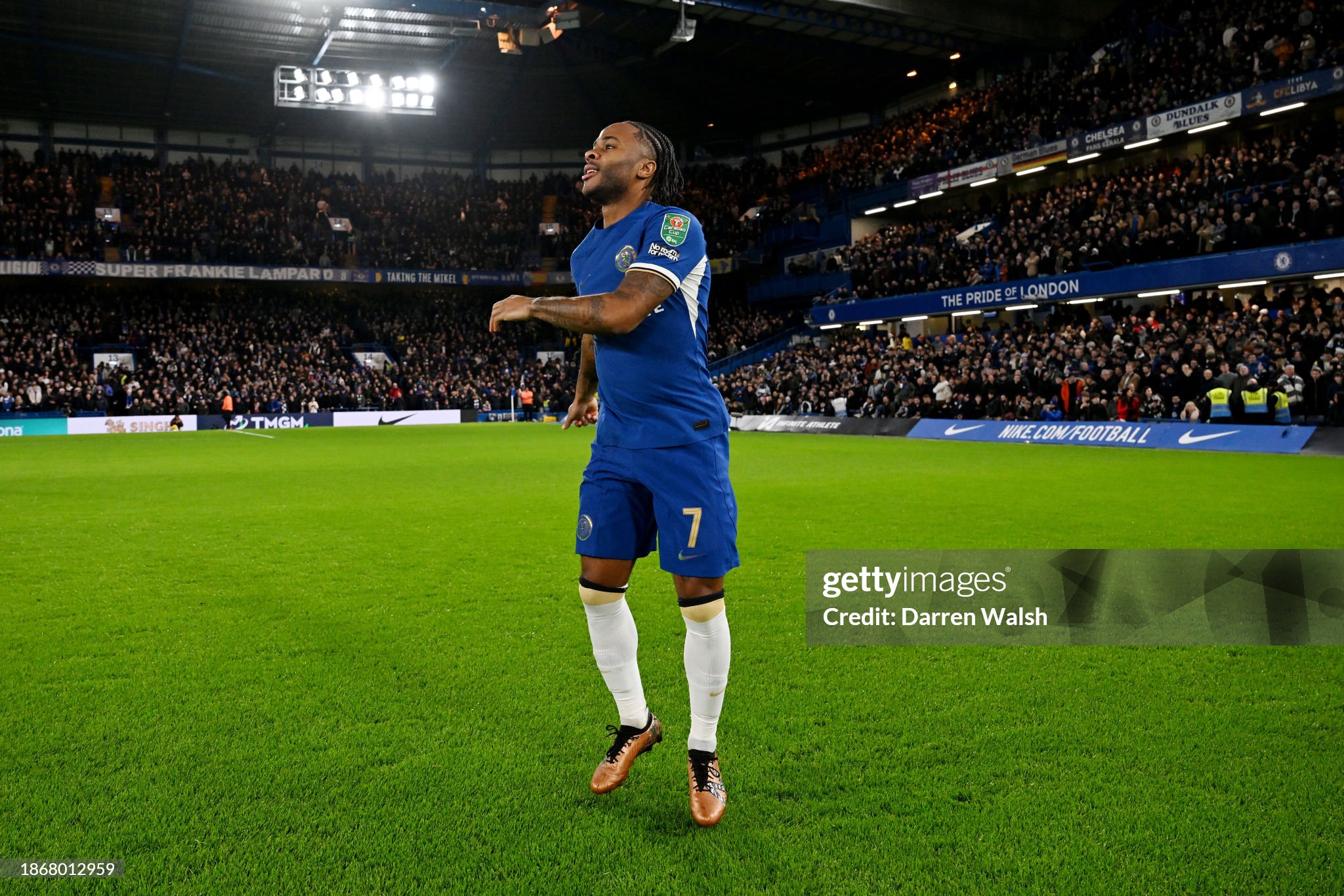
LEFT WINGERS
Raheem Sterling as posterboy
Raheem Sterling’s signing as a “posterboy” signing was relevant whithin the realms of what he’s actually about.
An electric attacker at Liverpool who could play LWB, RWB, 10, winger both sides and CF then signed by Pellegrini and Manchester City to reach the CL semi final in 2016 – what the narrative usually conveniently ignores.
Sterling was then funneled by Guardiola into a 15G 15A season player at City with workrate off the ball (pressing or tactical fouls) on the basis that:
Sterling is a coach’s dream, because talented yet willing to listen to tactical instructions (usually the lines intersect before that). Hence why he was Rodger’s variable of adjustment (with a fantatic spell behind Sturridge and Suarez), then Southgate and Guardiola’s go-to attacker on lineups.
Sterling’s also peculiar in the sense that the more time he has to make a decision, the worse it gets; yet he’s world class at executing a set of moves in small spaces (his diagonal carries, shift and curl it in the opposite top corner were all his City highlights were about)
Sterling is reasonably competent in: runs in behind, retention under pressure, drawing fouls, combination play with team mates, create and score goals. A complete package attacker, able to perform several roles.
Sterling’s been mostly used in “the Willian role”, which involve sharp separation and combination play to settle in the opposition half. Box movement is very poor with Jackson on a standstill glued to the near post CB and Mudryk outside the box, as usual for the two involved
For a club aiming at bridging the gap with City / Liverpool, it made sense to sign a Premier League proven attacker. He was never “the man” but one succesful attacker in a succesful attack, but the idea to have him as a primary outlet wasn’t outrageous nor was the expectation to get 15 goals+assists a season.
This is what you want Sterling to do: but where’s the box presence?
Instead of indefinitely expecting (formerly) Captain America to deliver, the upgrade from 150k/week Pulisic to 325k/week Raheem Sterling was probably worth the tradeoff.
That’s a lot of money, but with a returns of 15 goals and 9 assist in 46×90’ at Chelsea
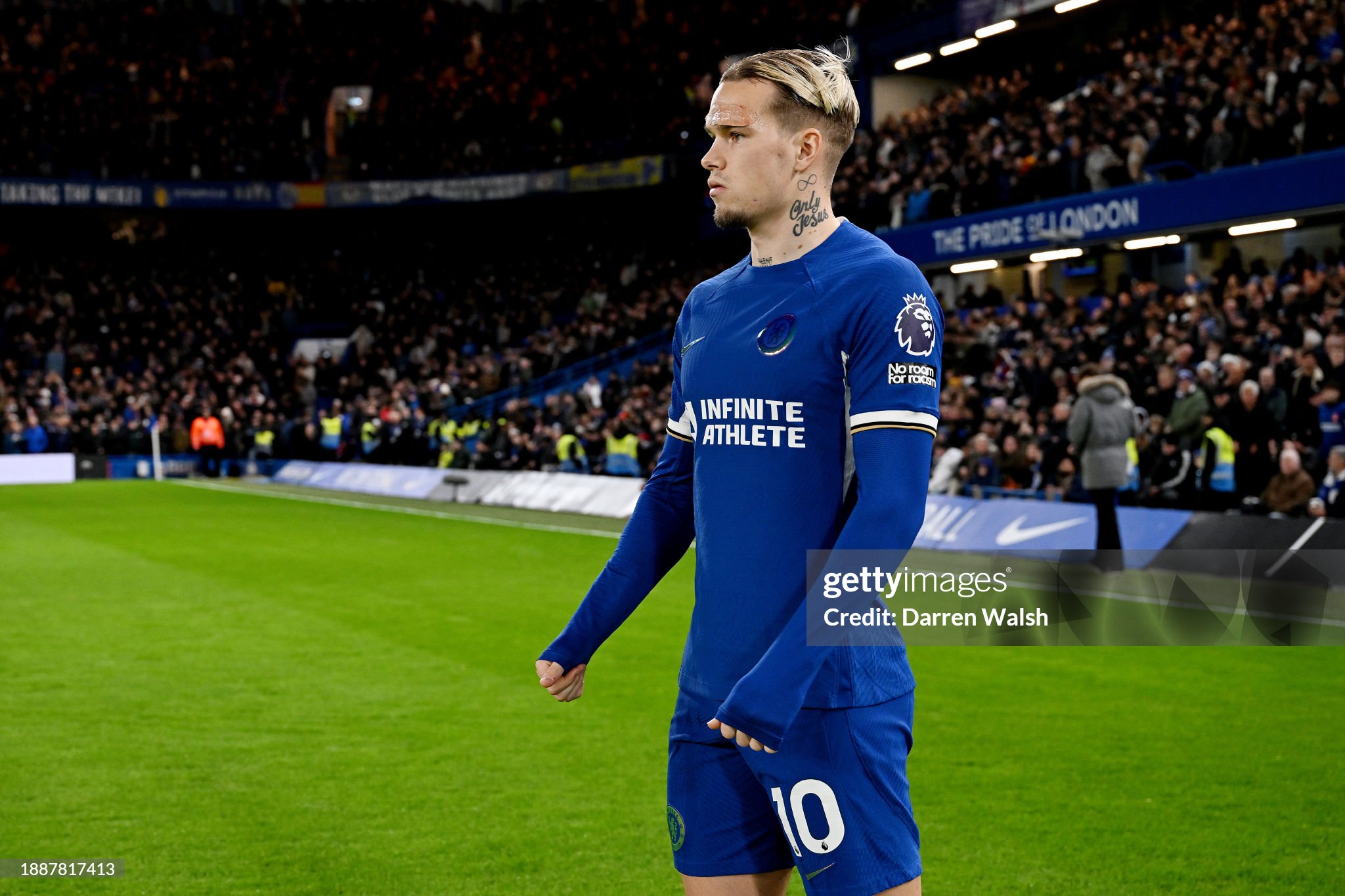
Mykhaïlo Mudryk wagging the flag
With the LW spot taken over by Sterling by design – and quality, it made sense for Chelsea to target a wide striker. With most of the “on ball / combination” things being part of what you get with the former QPR graduate, you’d have to look for:
a dribbler who runs in behind, contributes to goal and possibly with wokrate that the 550 pro game 27 year old Raheem Sterling might not sustain (especially with a bigger status).
Chelsea set their sights on Mykhailo Mudryk for reasons that bemused more than one. The bi-monthly briefings about his training goals or odds to get the Ballon d’Or are as many elements in favour of being the #1 target.
At the same time, another wide striker (on every big club’s radar) was doing waves before he saw his shot saved by Emiliano Martinez in the World Cup, missing the opportunity to score the clutchest goal in the history of the sport.
Kolo Muani already walked his path of penance from rotting in FC Nantes’ reserves and sent out on loan in 3rd tier, to impacting a World Cup final.
His adaptation, backed with a production backed/backing a level of confidence in his ability, wouldn’t have created the same amount of challenges Mudryk did.

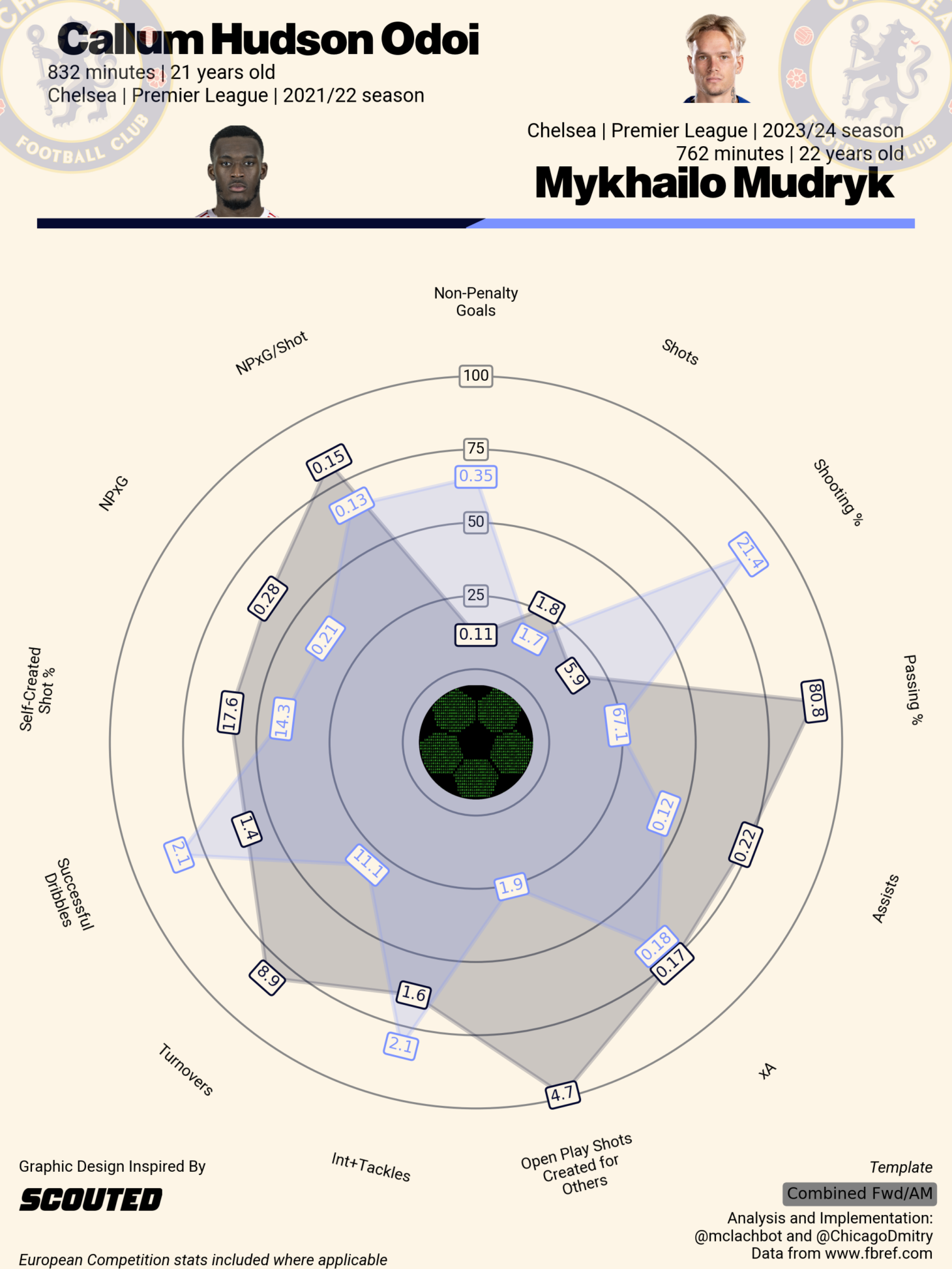
Closer to home, Chelsea deemed 150k a week Callum Hudson-Odoi born November 7, 2000; surplus to requirement, as opposed to January 5, 2001 Mikhailo Mudryk, signed for 70+30 million bonus on a 8 year contract for 100k/week.
That’s a creative player able to play anywhere off the front, find separation and create goals who was instrumental in the best spell Tuchelsea had in Autumn 2021.
Mudryk probably can do with an orange what most footballers can’t do with a football.
At the same time, his puzzling immaturity and inexistant tactical culture, combined with the pressure that a 100 million Euros (62+26 million pounds) transfer commands; puts himself in a peculiar situation.
His level of performance would probably warrant him to get off the bench from most mid-table sides, until he answers satisfyingly to some coaching fundamentals.
His reluctance to do anything else than turn a defender on his first touch isn’t backed with a semblance of attacking production.
Some marginal improvement start to be noticed in terms of ability to switch on before receiving, but which is still very stale when compared to Hudson-Odoi (or any academy winger, really).
🇺🇦🤨 MUDRYK: is he playing off key 🎼🎶🎲
This play encapsulates where Mudryk is at. Results require ingredients and individual performances where players take advantage of situations.
There’s so many things “tactics” can solve (or head coaches) when players are so far off the mark to interpret.
The answer lies both in coaching staff’s ability to help players perceive situations better… and players to absorb said coaching feedback.
The following play get you yanked, on any academy pitch at U17 level
❌find separation during the previous pass
❌backtrack back to touchline
❌receive at an angle
❌left arm to put tackler off balance
❌can lift a🚗but knocked off the ball 😅
❌needs to run *(* and not *)* to create separation
✅shit foul
That he is quicker than most and shoots hard creates a cognitive dissonance or discrepancy between shocking movement before receiving, and getting out the way with more speed than anyone (unless he’s tackled and dispossessed)
One would say that nails the complex discourse about ‘is modern football better or different than before”. It is quicker.
Being a 100 milion player means the status writes off being loaned out to Strasbourg or anywhere he would learn how to fit into a football team.
Which time will be dedicated to that? A partner club’s season, Chelsea FC, Pochettino’s? De Zerbi’s (when “unlock Mudryk” will be top of his job desc) ?
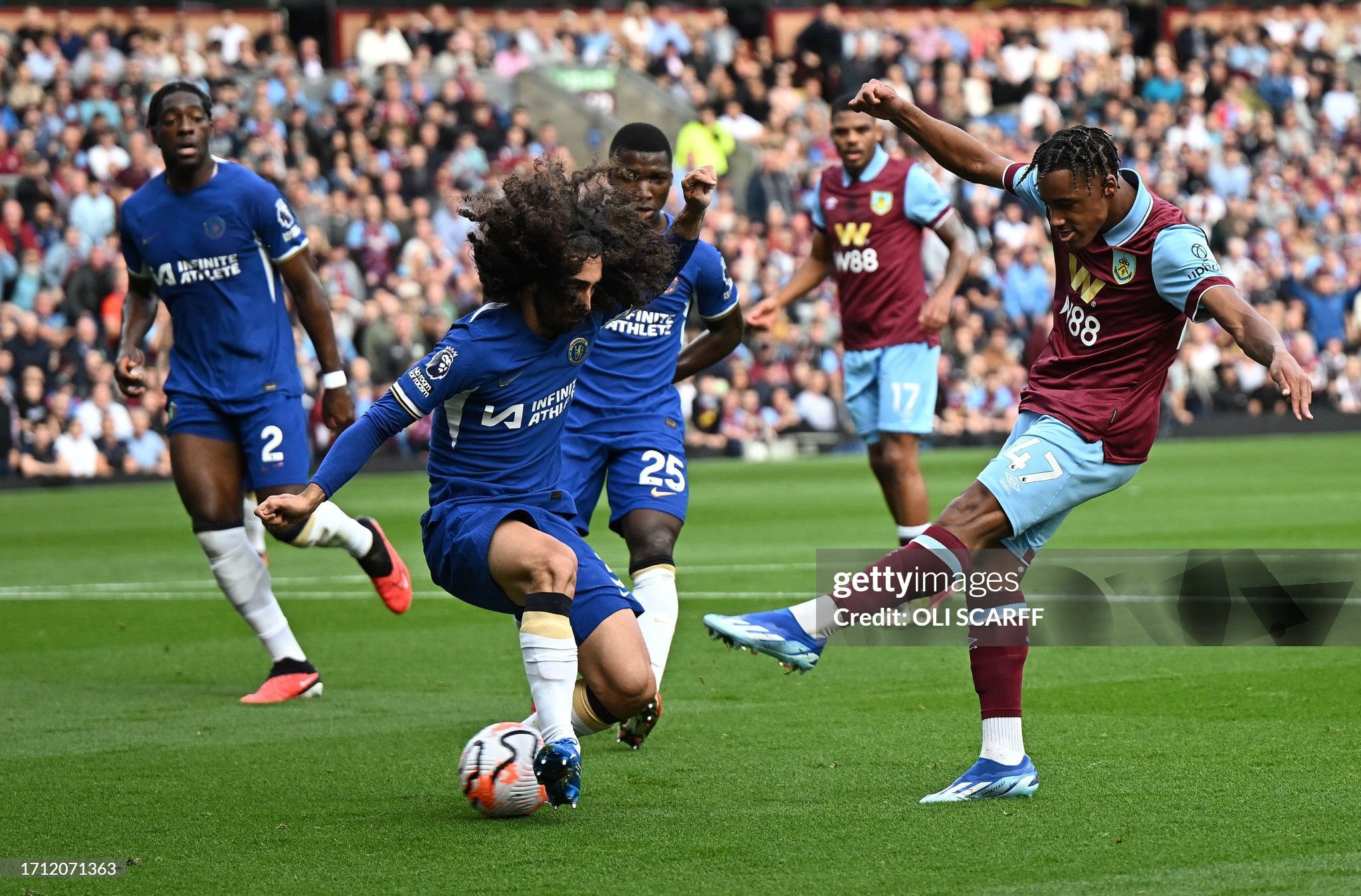
Here’s another alternative, a PSG graduate who refused pro terms to sign at ESTAC Troyes (part of the City Football Group) with good underlyings (dribbles, self created shots) in a disastrous – relegated team.
Joined Burnley for 12 million, on a reported 10k a week wages.
Being born in November 2004, he’s 4 years younger than Mudryk (01-2001).
Wilson Odobert is able to play RW, LW and impact games (3 goals 1 asists in 316 minutes as of Boxing Day)


RIGHT WINGERS
Assuming Chelsea’s idea was to get two “inside” left footed right wingers
One gathering a midfielder skillset: combination play, draw fouls, create chances. This one has an ability to take on in/out
One gathering a wide striker skillset: create separation and shoot, this one has a tremendous shot from range.
Chelsea also lost Mason Mount over the summer, who was the team’s source of chance creation, shot volume (and ball retention around the box) and had a Mason Mount hole to fill.
Their choice of RW was
Noni Madueke: 2002, 11K/w at PSV / 35 million, 50k/w at Chelsea
Cole Palmer: 2002, 20k/w at City / 47 million, 75k/w at Chelsea
The alternative suggested here would be;
Michael Olise: 2001, 45k/week before extension, 100k/week after
Mohammed Kudus: 2000, 20k/w at Ajax, 44 million 90k/w at West Ham
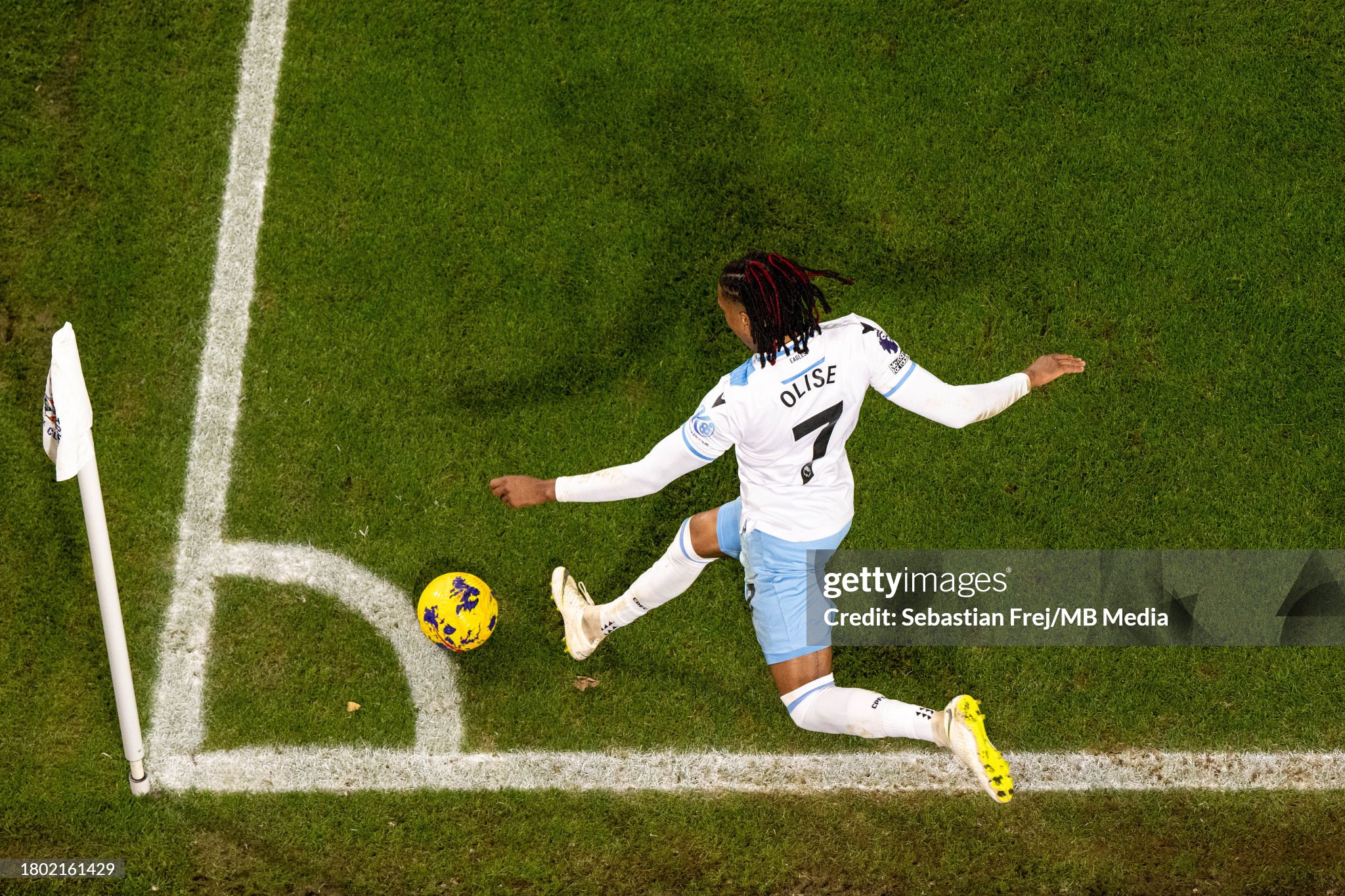
WIDE CREATOR
If we are looking at the “wide creator” option: Madueke vs Olise
One has to scale up taking into account the Eredivisie tax (basically shrinking everything a good 30-40%)
Madueke in Eredivisie (basically a spreadsheet addict’s wet dream)
2 / 5.5 shots, 35% accuracy 6% efficiency
5.6 carries into the box, 11 progressive carries
Madueke in PL: Noni, I shrunk the KPI
1 / 1.8 shots, 55% efficiency 11% efficiency
2.8 carries into the box, 5.8 progressive carries
The place where Madueke is at, has been covered here:
As a project winger behind a Champions League winger, Noni has all legitimity.
Performs well on the international stage such as vs Serbia U19s, one of the worst performances seen at this level.
As a starting winger for Chelsea, with a lack of end product (mostly cutting edge) and questionable defending (in 23-24), he wouldn’t start for the top 15 teams in Premier League.
This is the kind of undecisiveness, with a final ball that is neither a shot nor a cross, that explain why his minutes are restricted.
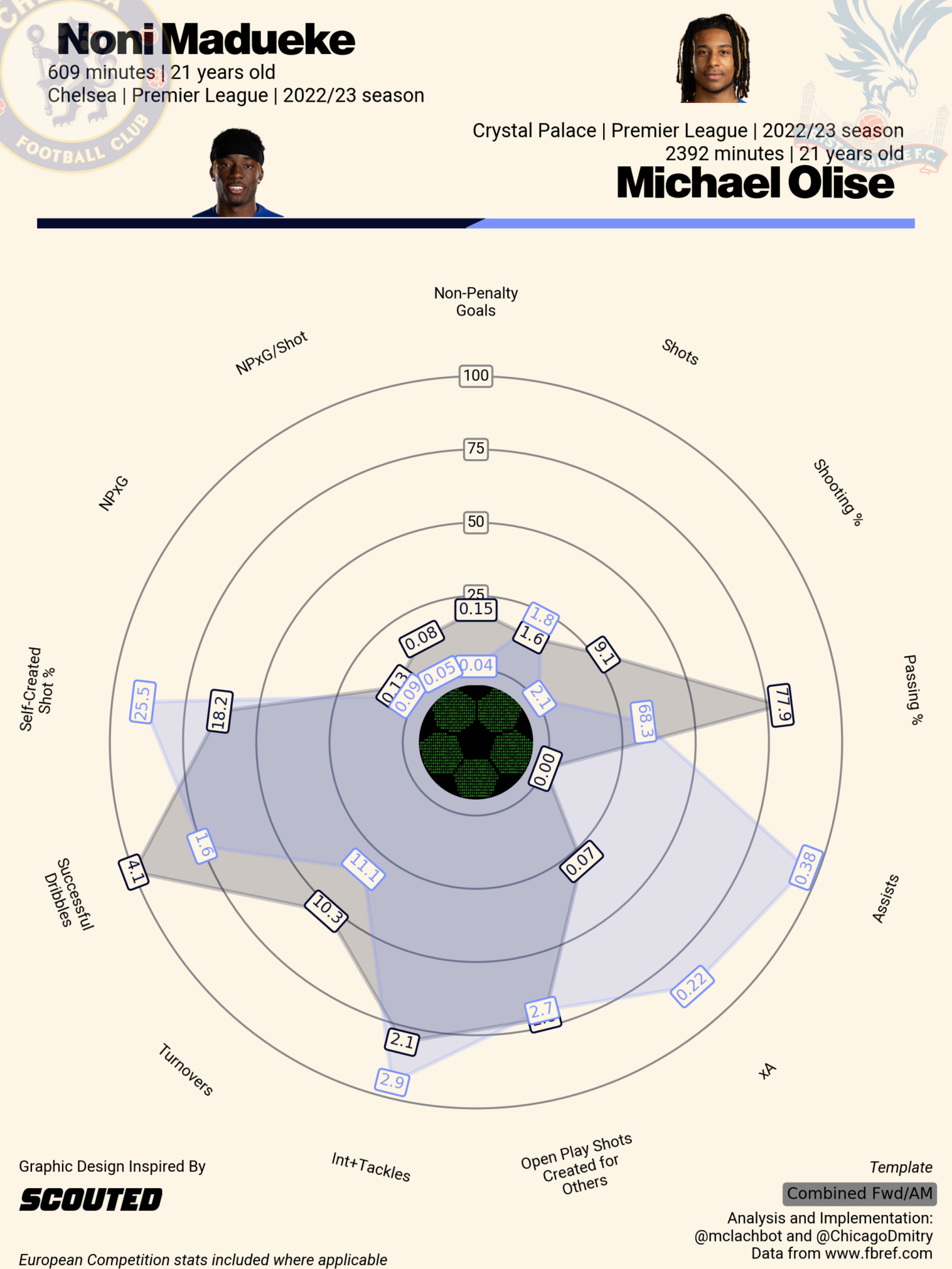
Michael Olise getting 11 assists for a team who scored 40 is definitely a bigger exploit than avoiding to tap-up a player with a release clause.
The former Chelsea academy graduate had his 46 games a season for Reading as a 19 year old, and the reason he gets to see a Premier League pitch for a Roy Hodgson team is that he keeps Roy Hodgson in a job. His production at one end, doesn’t impact what he does at the other.
Michael Olise is also a world class set piece taker, even if the majority of his deliveries from open play also look like being set pieces quality
None of it will surprise anyone who watched him at Reading, even in non conventional ‘tactical roles”.

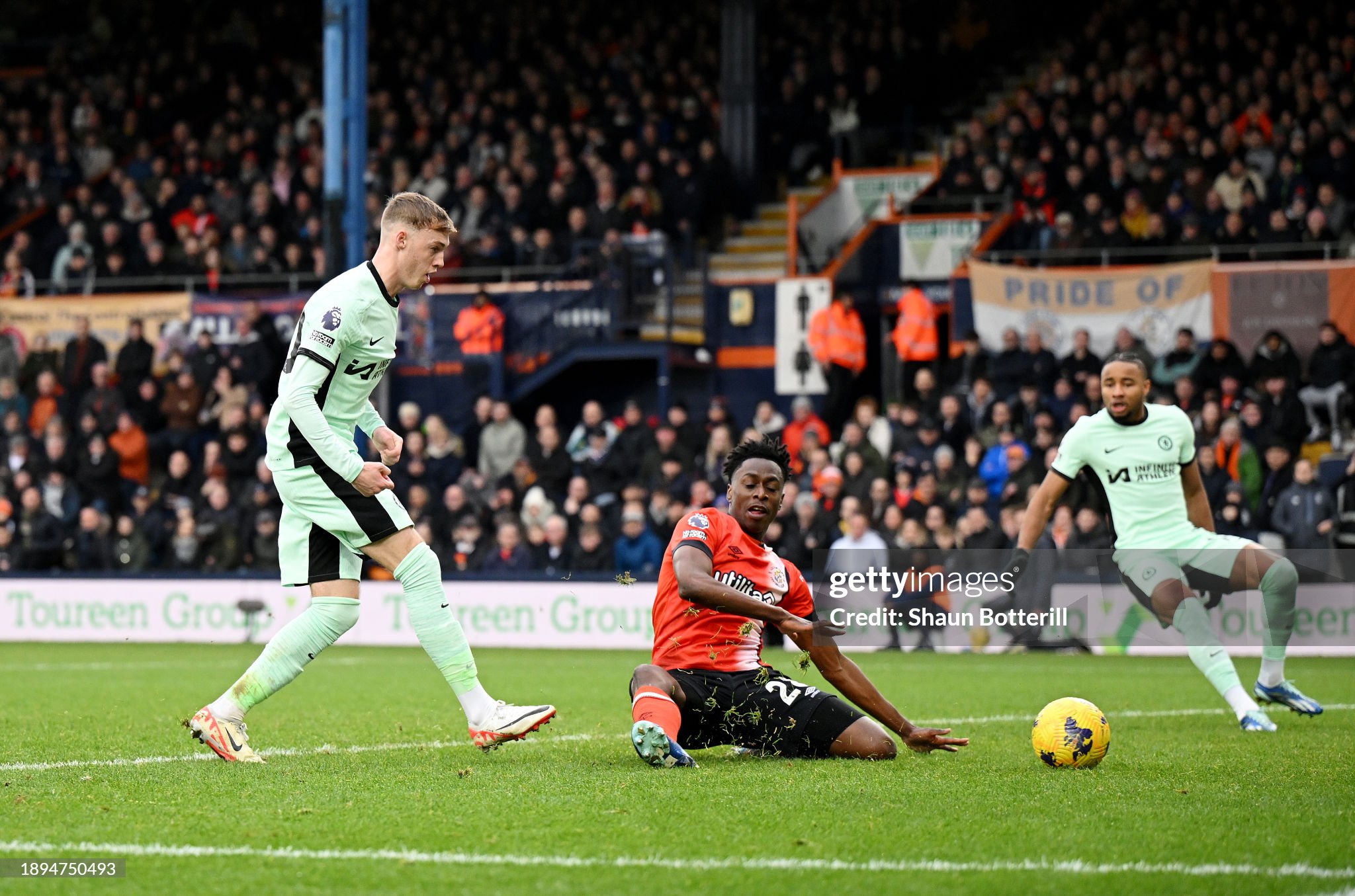
WIDE FINISHER
quoted above.
The players’ playing and contractual situation is eerily similar. Their club open to a move, and the player keen to embrace a challenge.
Cole Palmer: 2002, 20k/w at City / 47 million, 75k/w at Chelsea
Mohammed Kudus: 2000, 20k/w at Ajax, 44 million 90k/w at West Ham
Looking at someone who does “score goals” from anywhere he starts from on the pitch, Kudus would fit the bill. And getting into the first XI for David Moyes comes with the prerequisite to work off the ball, which he does.
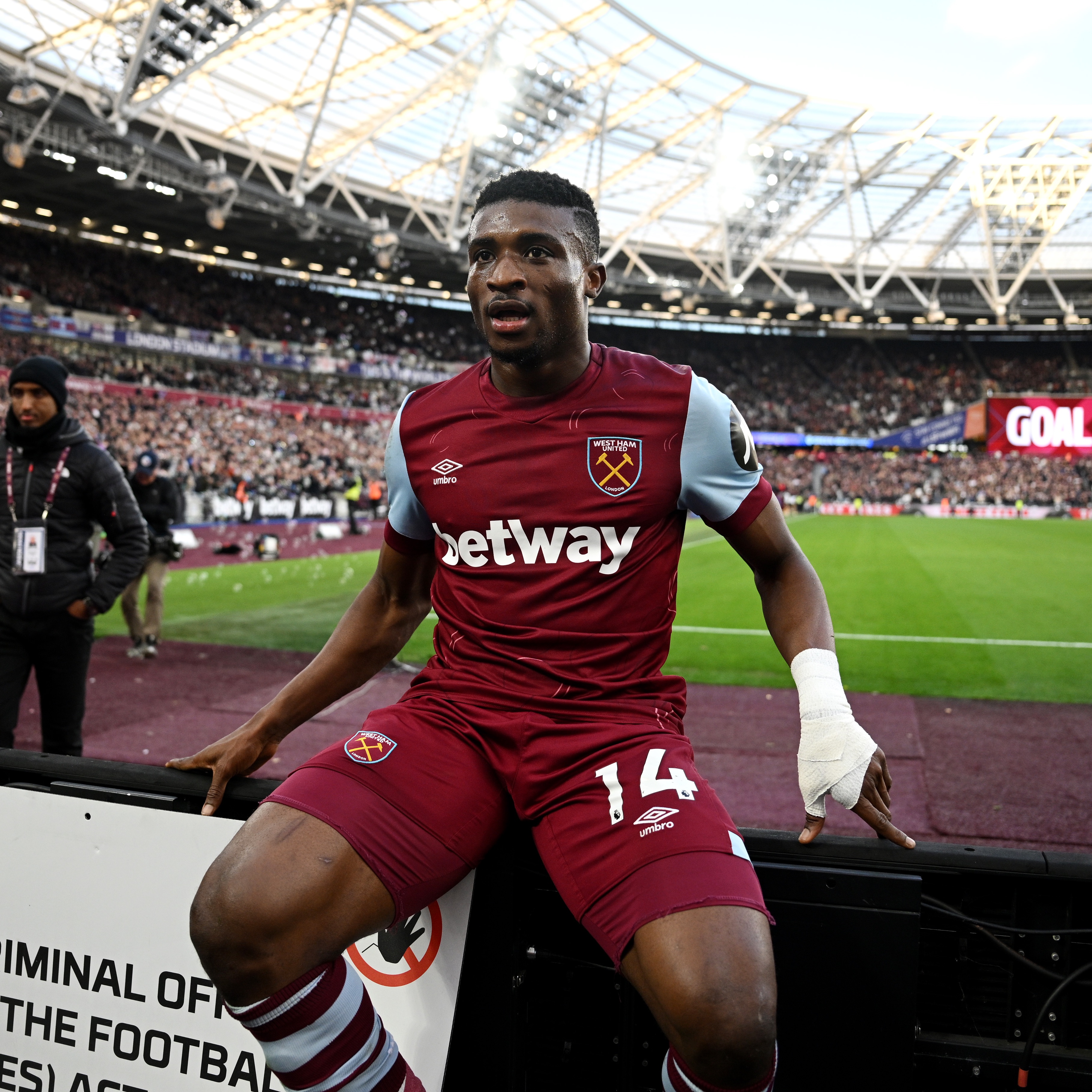
There’s surely things that are systemic to the way West Ham feed their front two early (that can positively influence the service they get), but whilst Palmer is a good shooter from range; Kudus looks clear as a “finisher” (from the same type of “expected chances”)
There’s satisfaction stemming from the fact that Palmer creates about one in 2 to 3 shots by himself.

This is what you want Cole Palmer to do: take on people, shift, chop, banana drag and get into shooting positions
Finisher vs Creator
Being an attacker at Chelsea comes with the pre-requisite to not look at one’s laces every other missed play. In that sense, Palmer, Madueke or Mudryk all have a high opinion of themselves and back themselves to become “the guy”
However, this is the summary we’d want to make for finishers
Palmer is an okay playmaker / chance creator, and good finisher.
Kudus is a better finisher
For creators:
Madueke is an alright creator / dribbler / average finisher
Olise is a better more creative wide player
What is creativity? It is coming up with unexpected solutions to game situations. Doing a cluster of identified actions very well with volume isn’t “being creative
Cole Palmer is a good player, who’s 2nd, 3rd ablities are better than most.
Is he “creative” in the pure sense of the term? Not necessarily.
Anyone who consistently watches Michael Olise could feel lucky if they can second guess his next move.
A creative player would make more of these receptions, and turns, in the build up of the goal… he scored by crashing the box with the right timing and finishing skill.
Left foot fetish
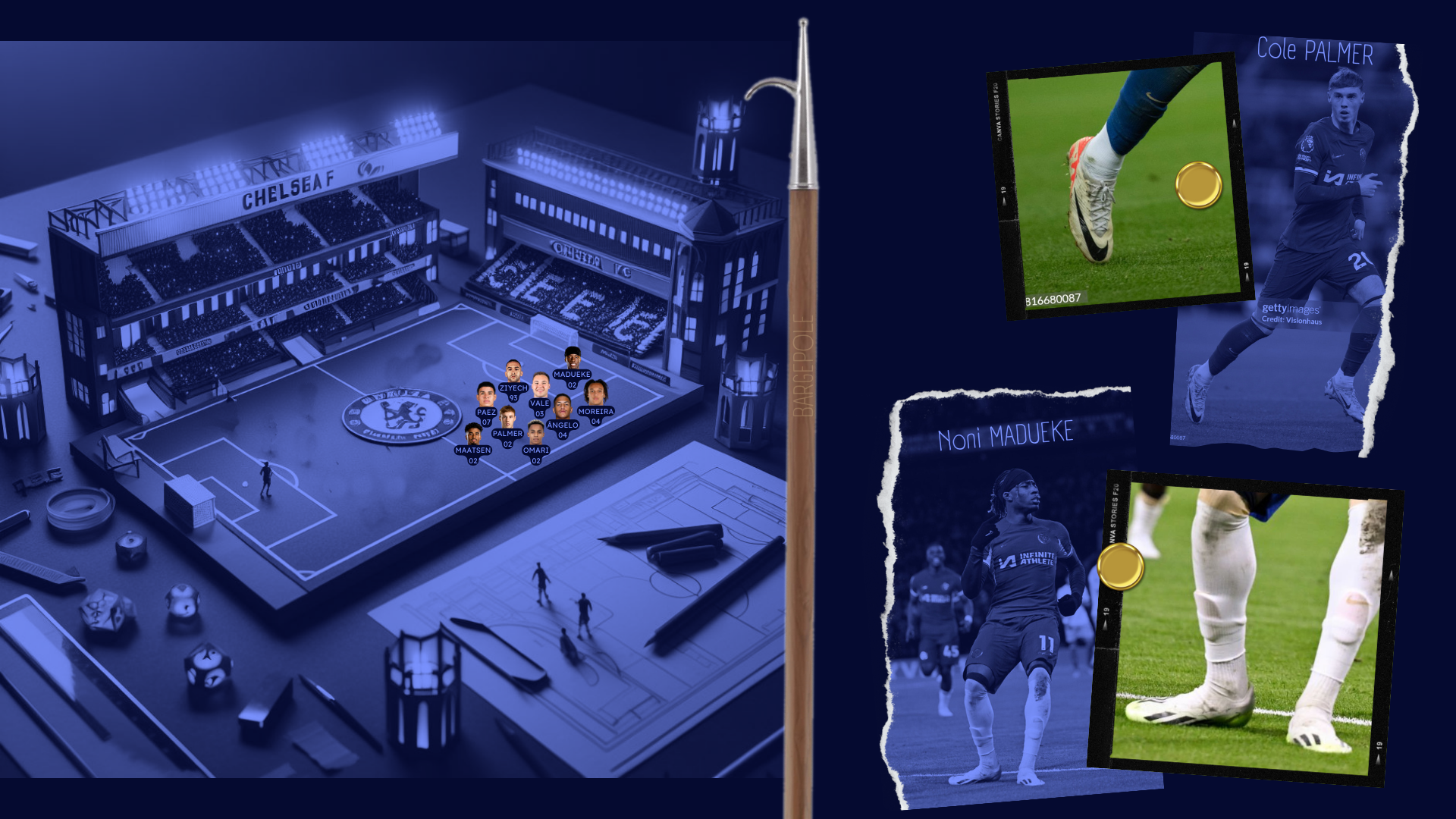
yes, we have questions.
Mostly about the pathway they’ll be offered to develop into better players if they can’t make it at Chelsea.
We also think they have humongous feet.
Paez is out of the picture for a couple of years so will be here and there on social media (or Fabrizio’s timeline). Ziyech will take one of the 6 loan spots next season, Maatsen is all but gone at this point.
Diego Moreira
Despite Chelsea’s social media team’s best efforts to give him the first team treatment, Diego Moreira couldn’t make the bench in (another) train wreck that was Olympique Lyonnais being rock bottom of Ligue 1.
His start against Wimbledon, punctuated with 16 turnovers of possession in a single half against a League 2 Team mean that if Lyon send him back, he’ll play PL2 football. Until getting sold for “profit” considering he joined as a free agent.

Harvey Vale
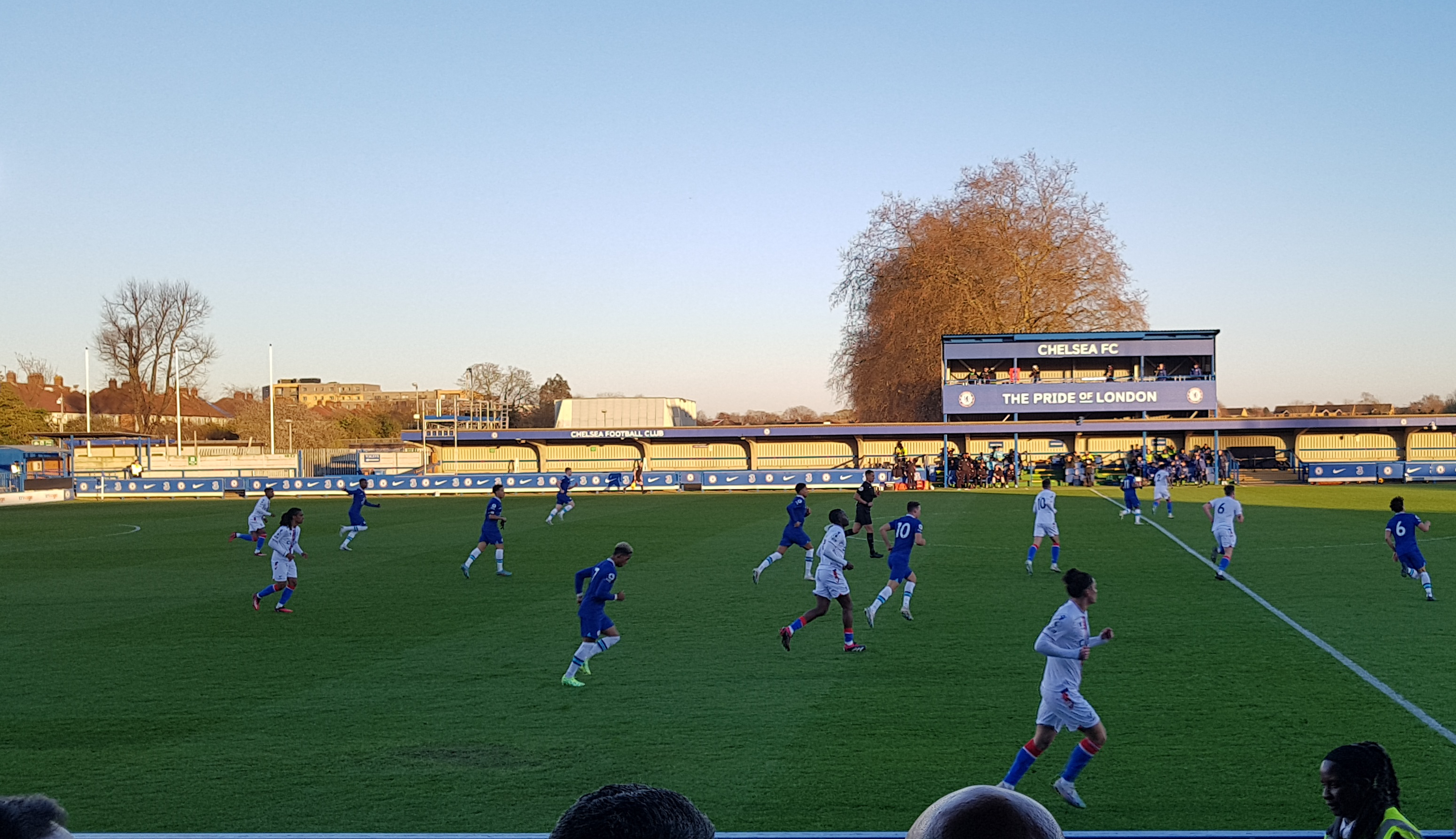
The captain of England U19s crowned European Champions in the summer of 2022 is Harvey Vale, one of the pure footballers at Chelsea who can play every outfield position: LB, RWB, CM, AM, 9, RW, LW.
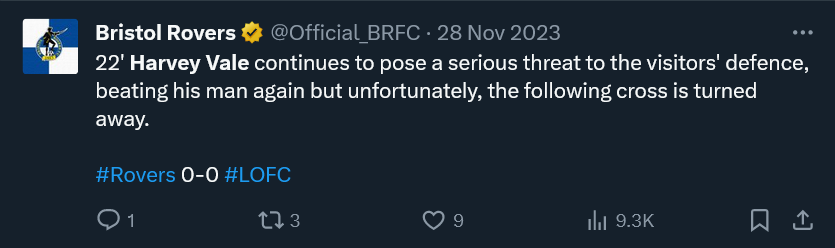
Whataboutry is equally annoying as people claiming the sun shines at their doorstep, so we’ll absolve ourselves of “if he was called…”
Harvey Vale has a rare ability to be unfazed by the rythm of the game, as if time freezes when he receives. It doesn’t, he’s just very composed.
He’s not about receiving and spamming clips over the defence, his feel for the rythm of the game is very impressive. That makes him a pockets players (on top of his workrate, finishing and ability to duel back to goal).
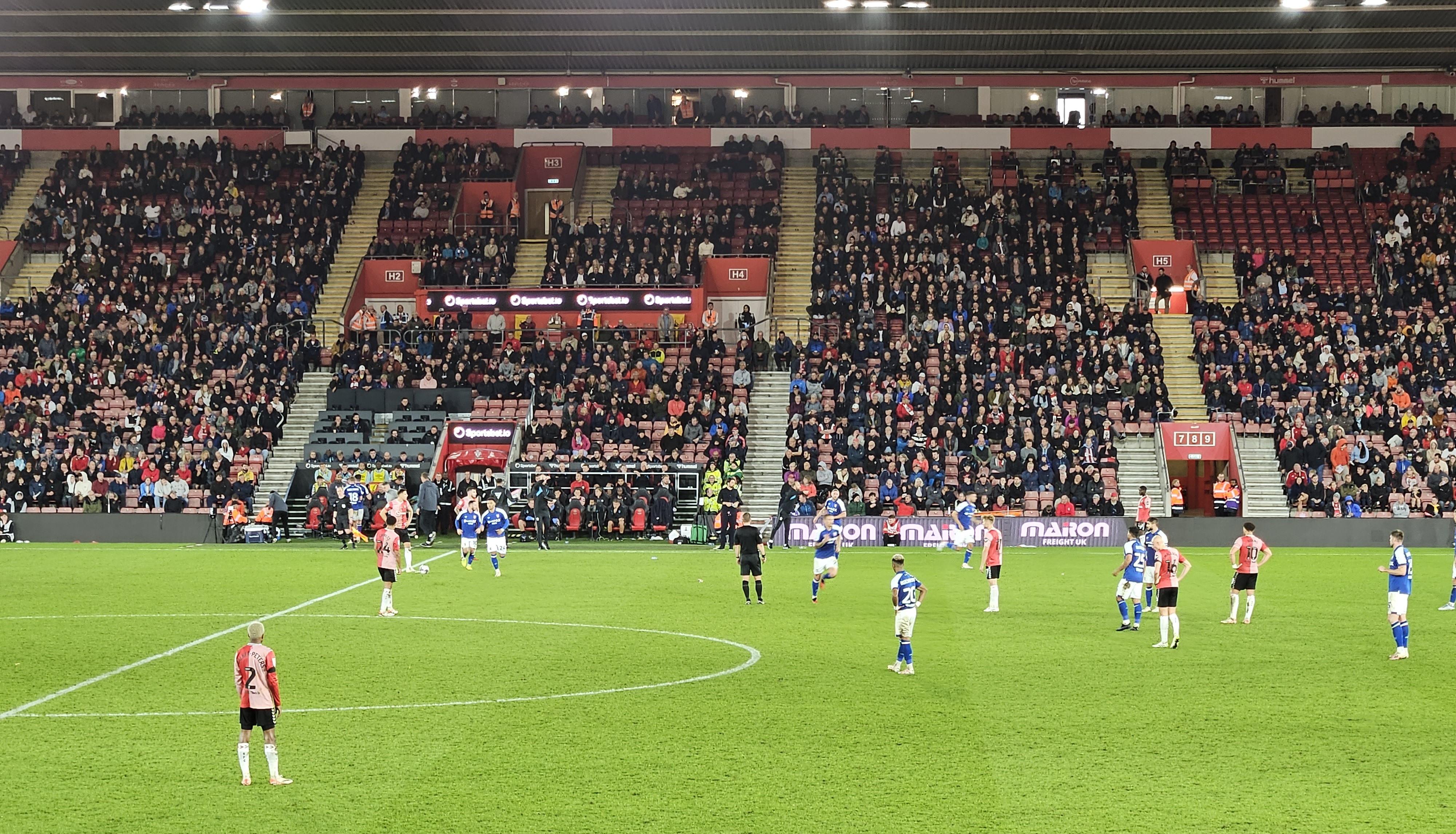
Omari Hutchinson
Escaping all the cheap “luxury, key-ring player” jibes by displaying his whole range of plays to help high flying Ipswich Town on loan, and on the left side of a 442 (his strong foot):
Can receive the ball and retain until he finds a good option around the box
Impossible to knock off balance so good he is at dodging or riding challenges
Very able to run around the pitch, his engine to go both ways (look for space in possession, swarm out of possession) brings flexibility to his team
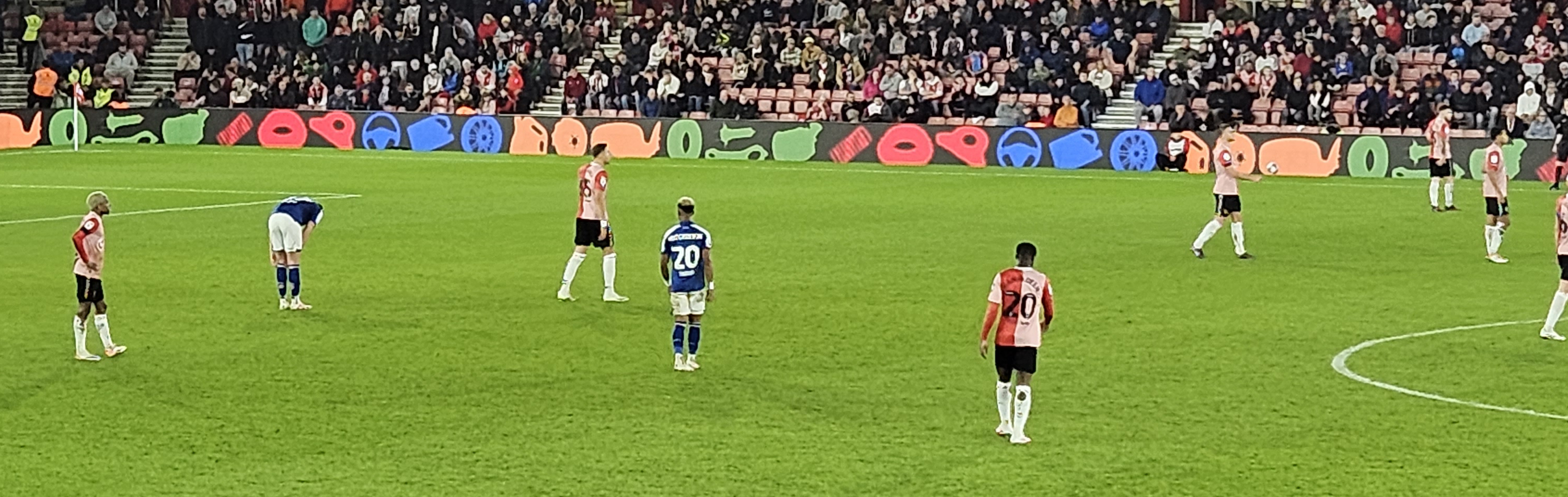
His margin for improvement used to be the ruthlessness to stop playing around in the box and finish off goalkeepers, something he’s definitely on his way to improving; as evidenced by his goal that day, off his own recovery.
Ângelo Gabriel
Me looking at Angelo’s 2 assist 0/8 shots in 742 minutes “Shit, damn, [***]”
The… left footed right winger is a young player (December 04), who has been adjusting to life in a new league (Ligue 1 is a meat grinder for dribblers)
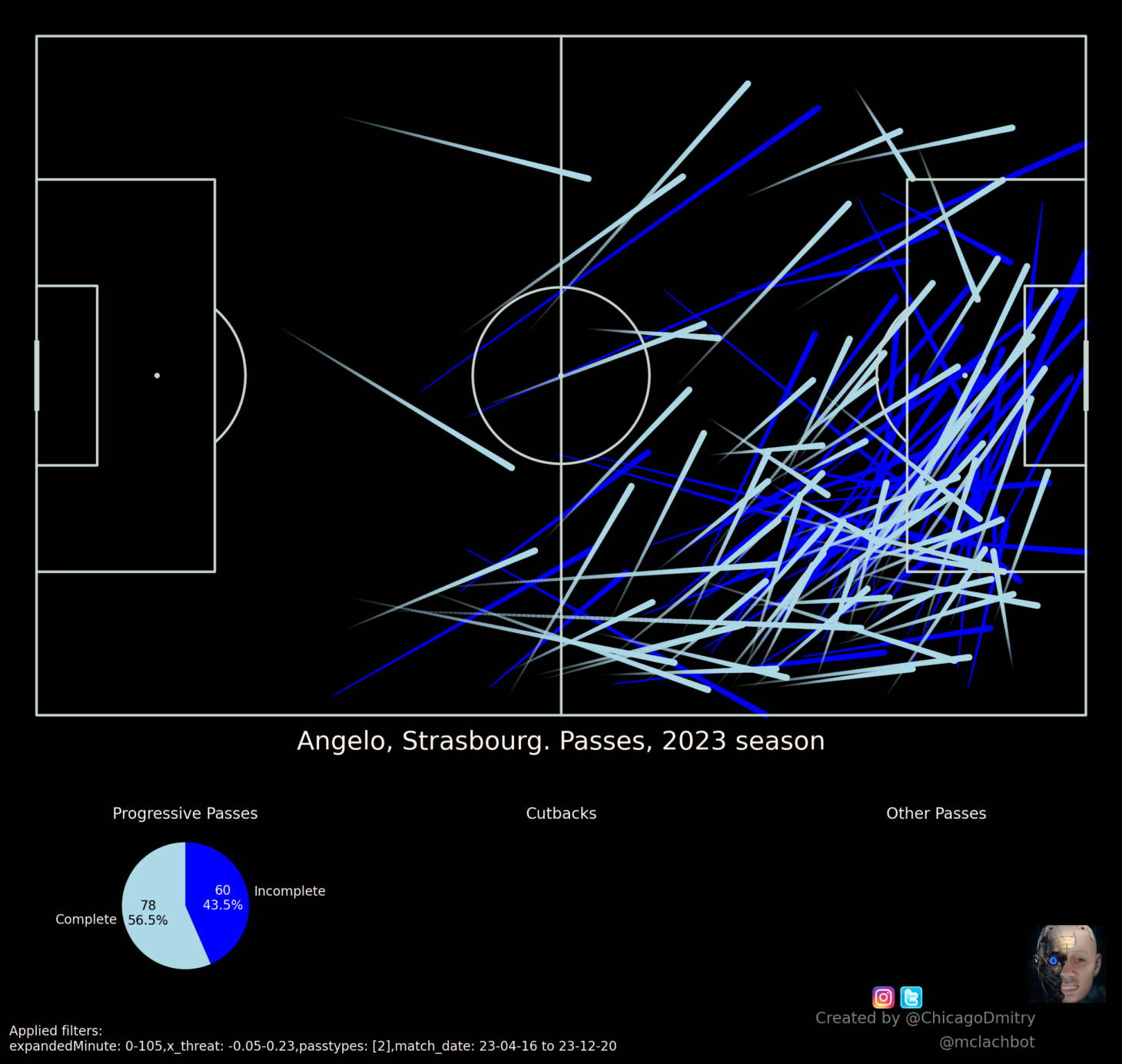
Angelo sure gets on the ball a lot, but Strasbourg’s attackers are fairly raw (Bakwa, the gigantic Emegha)
Volume is better than ghosting through games, and there’s hope he’ll turn that activity into numbers for himself or others
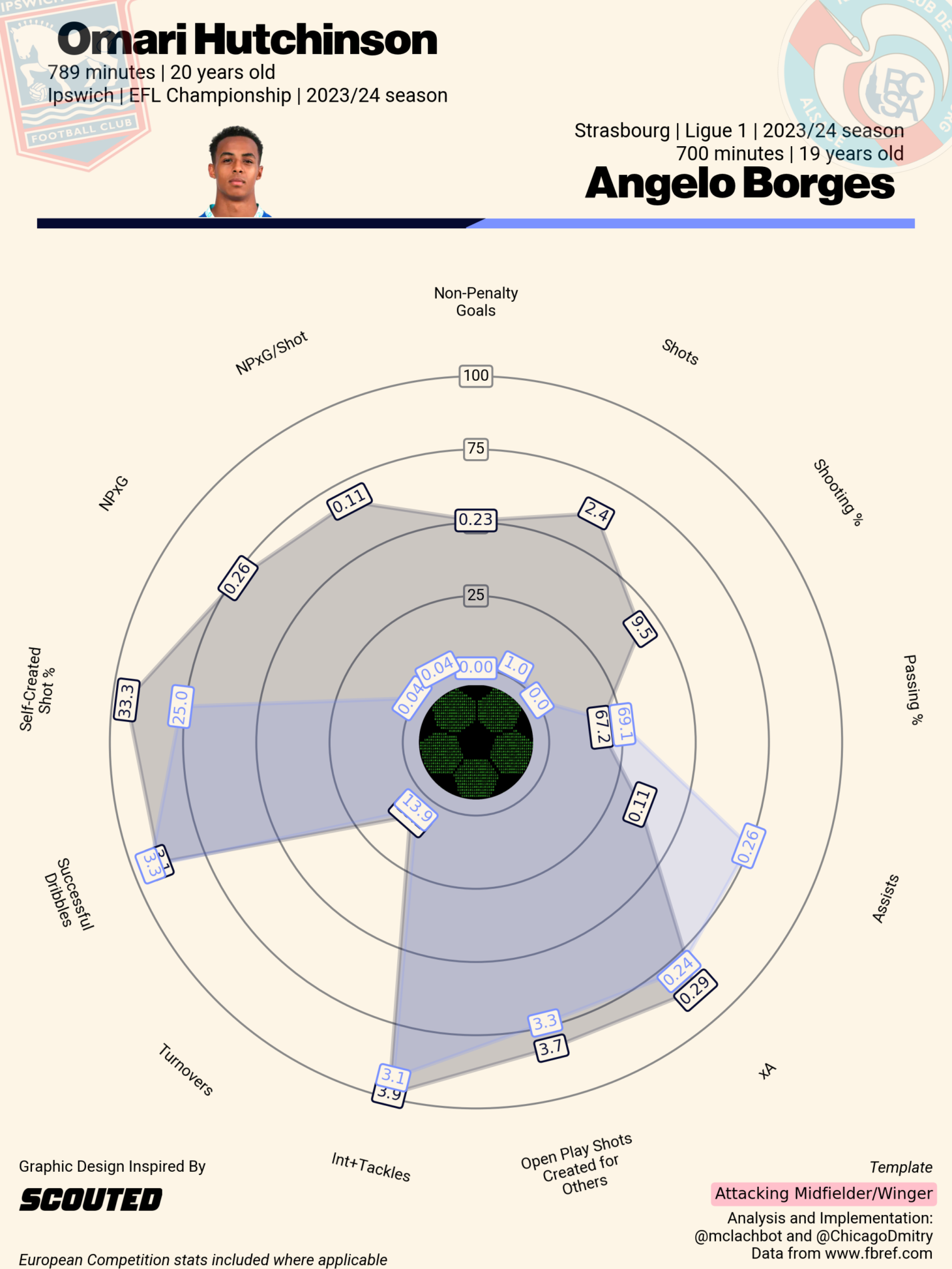
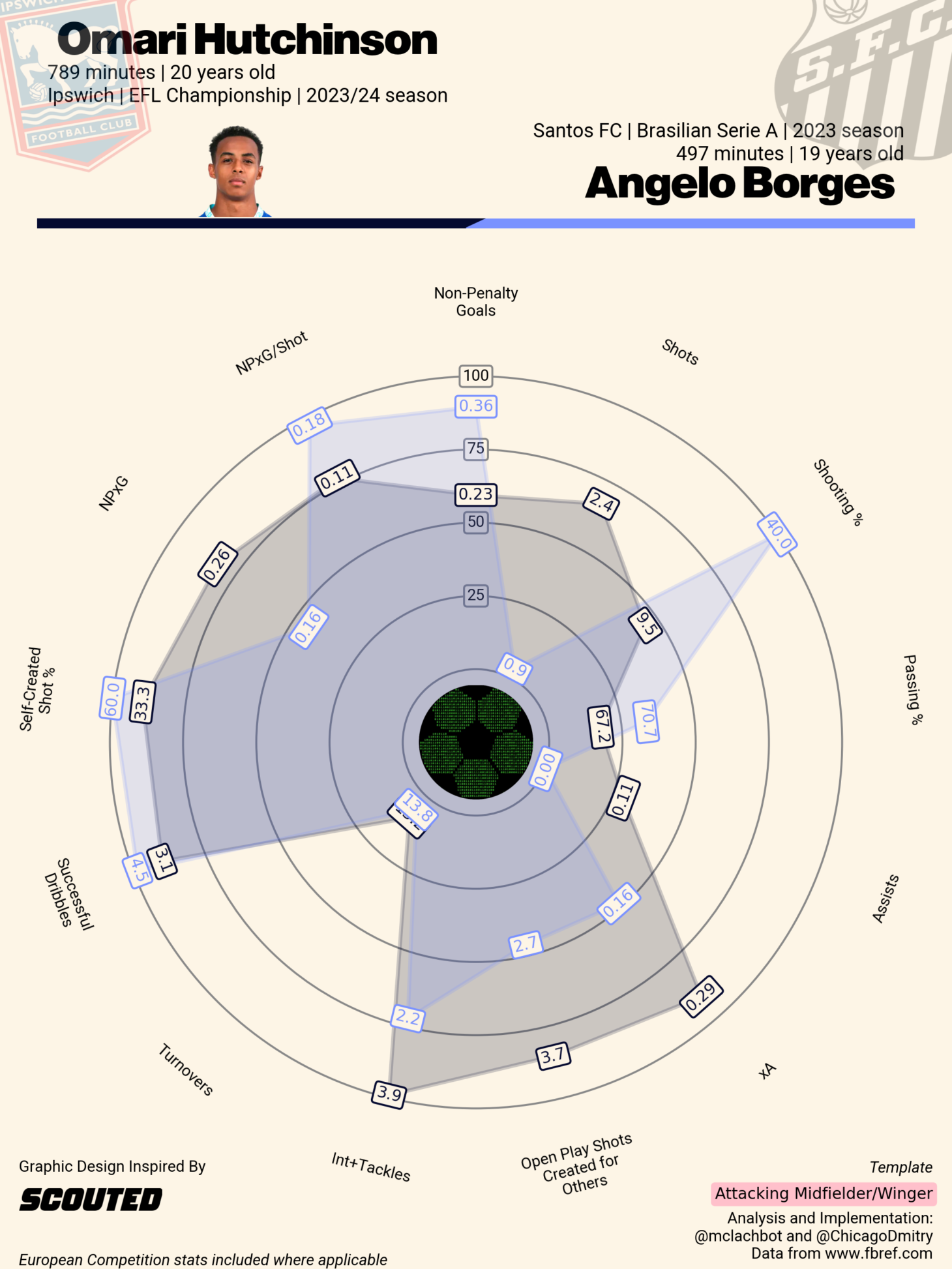
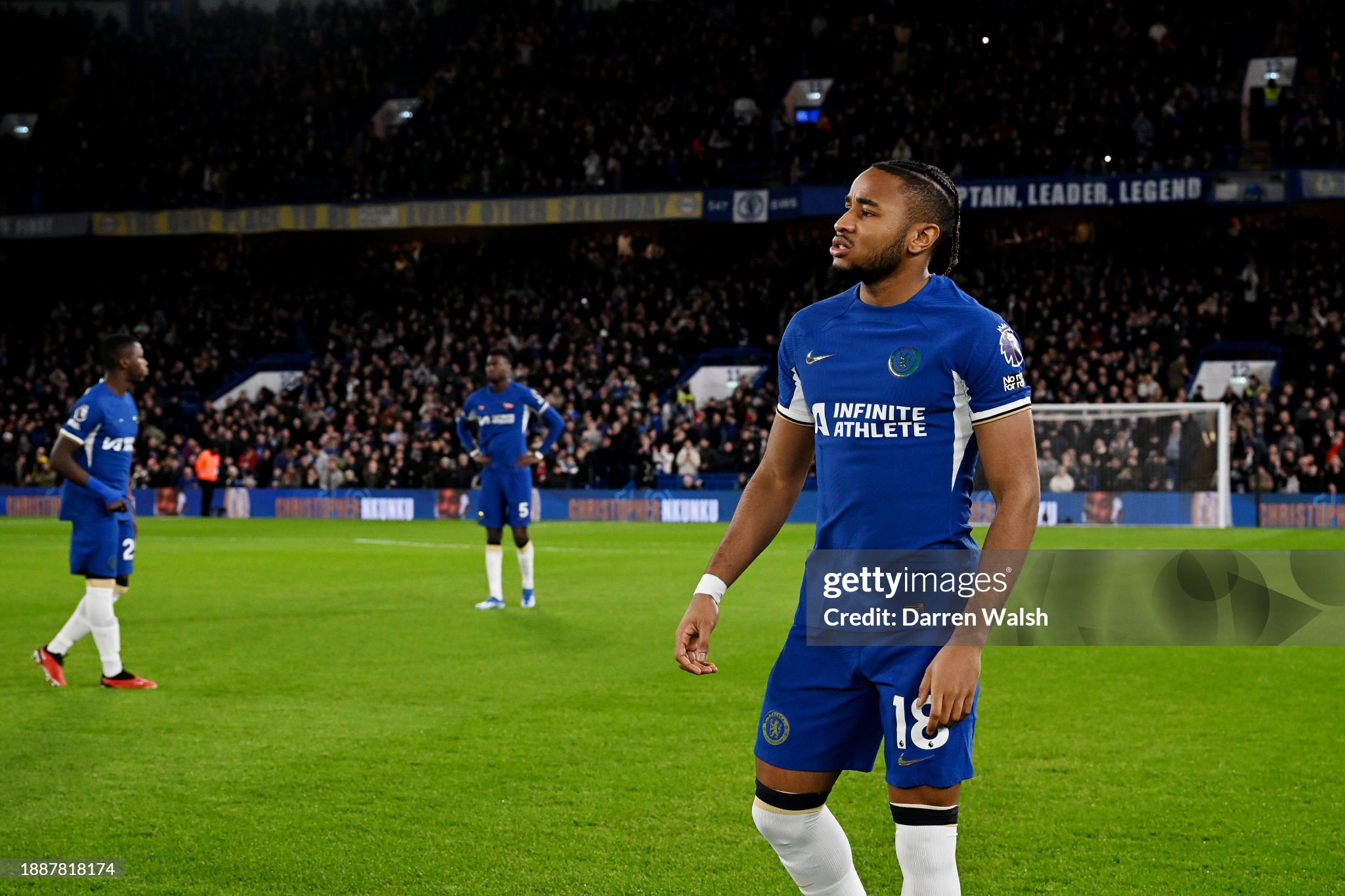
PLAYMAKER
Identifying Nkunku as the centerpiece of a newly created attack was hardly atom splitting, so much the PSG youngster had reasons to catch the eye as one of the best players France produced for a decade (2013, for the players born after 1995-97). Mbappé, Coman, O. Dembélé and Nkunku.
But also because he crossed Chelsea’s path (and notepads)
First in the UEFA Youth League 2016 where he played as a left sided 8, yet winning the penalty after Tomori clipped him inside the box 12’ in.
Tomori opened the scoring two minutes before, and Augustin would miss the pen.
Earlier this 2015/16 season, Nkunku started the PSG game a few days before the return leg of the Champions League vs Chelsea
A connecting 8-10 able to find angle only him can see, to retain the ball around the box; who developped a goalscoring skill that wasn’t necessarily foreseen.
He might not be the player some portray as some kind of back to goal striker… unless he takes creative liberties with the concept
Quite the all round attacker, the tallest diminutive player or the smallest giant, a demeanour made deceiving by his very high cut off socks.
Able to score the odd header and find his way inside the box, it is really unfortunate that he missed out on the World Cup 2022 and the first 6 months of the season for a contact/random knee injury.
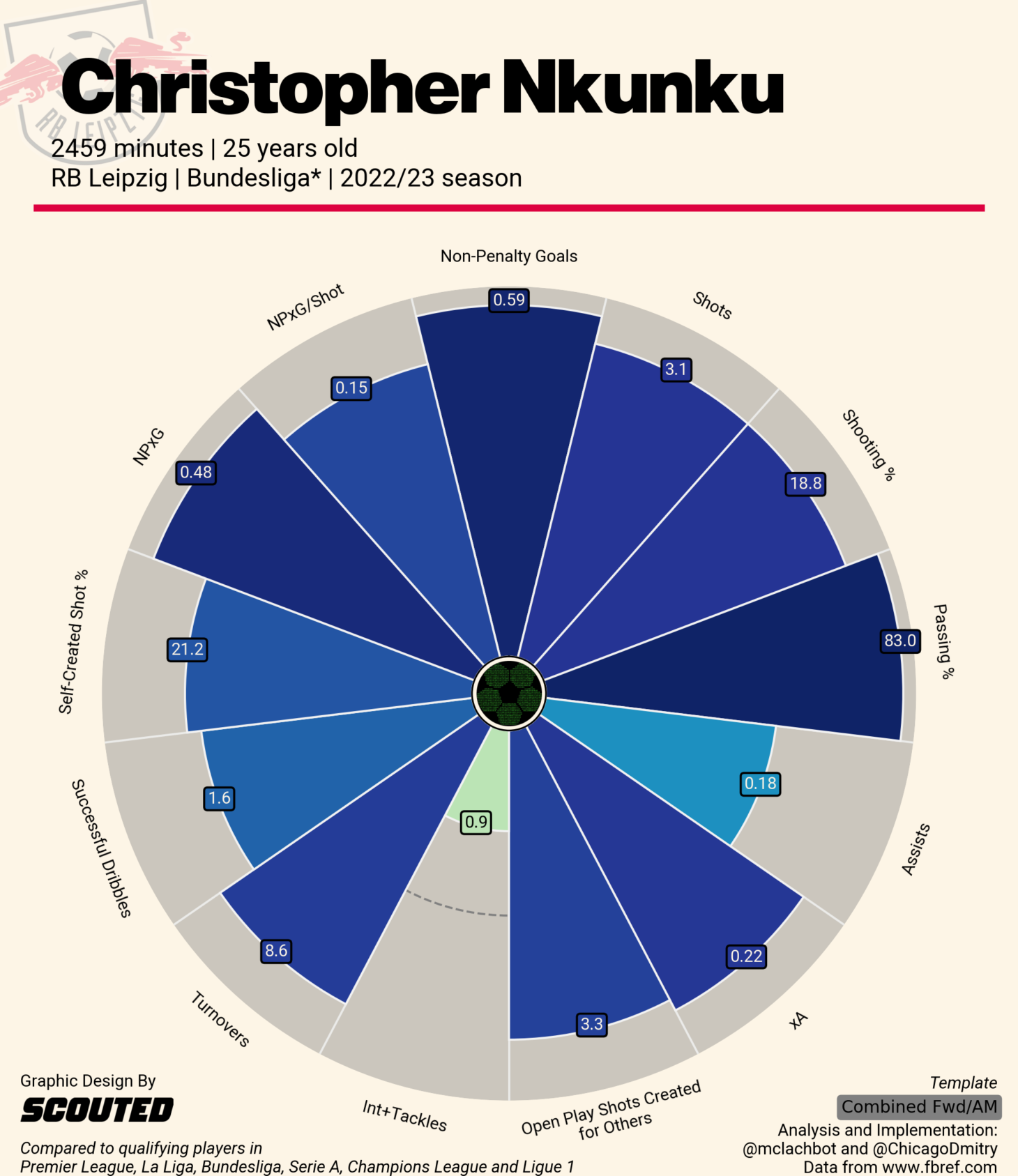
It is however interesting to wonder how far Cobham’s cream could rise, an it looks like Mason Mount’s 2021-22 season produced a comparable output.
Mount or Nkunku don’t necessarily shine by their “creativity” in terms of coming up with unexpected solutions (think Özil, Hazard), but their technical security and last pass/finish – when fit – around the box is just so valuable to a team.
Ideally, Mount would be your 3rd / rotation attacker behind an actual world class attacking trio. That Werner, Pulisic, Havertz never came any close to being besides the odd purple patch.
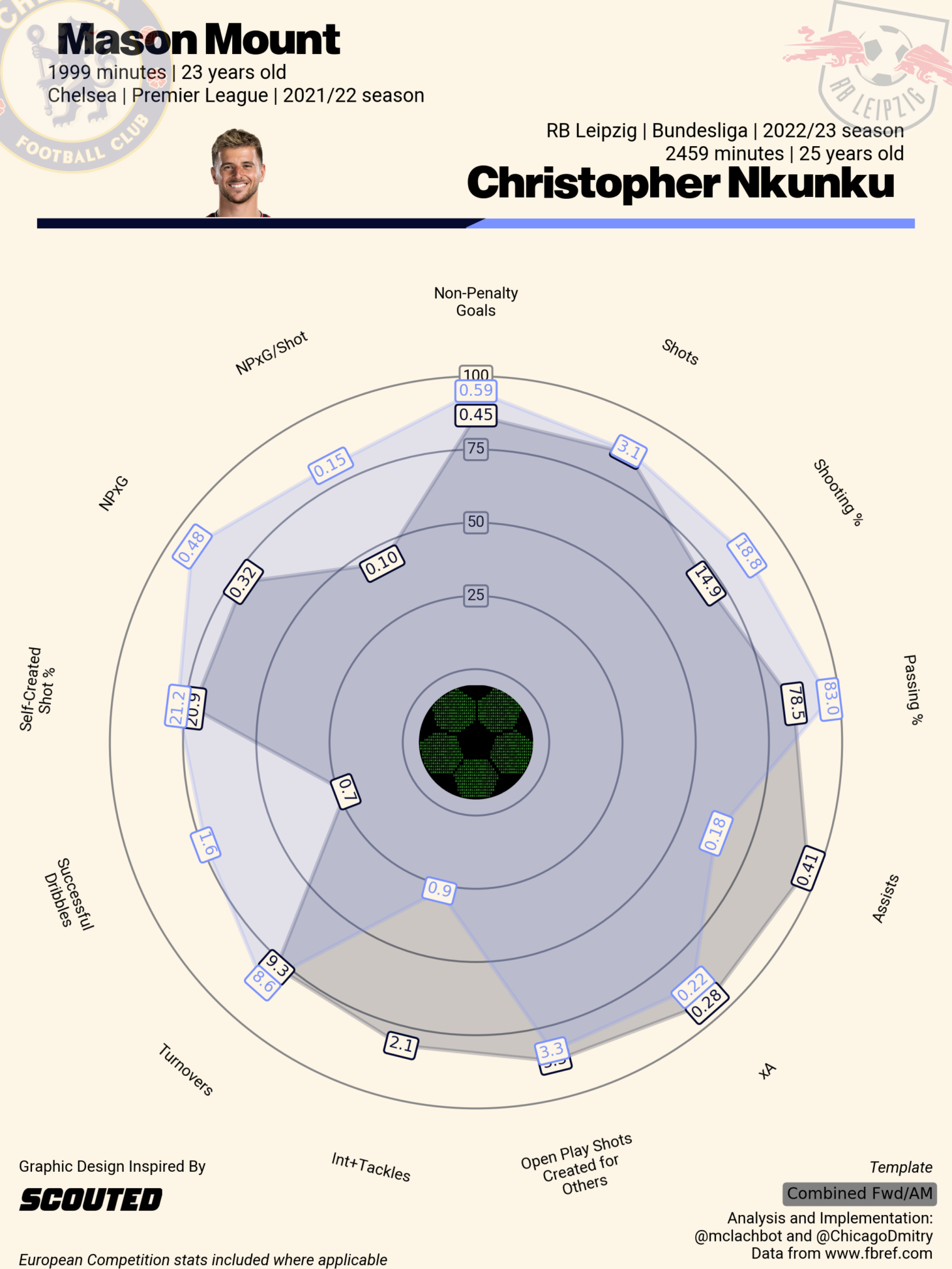
STRIKER
quoting
CF1: score goals, get near post, get hold of it and make runs
CF2: get hold of it, win headers, or run in behind (doing all is probably CF1)
CF3: score goals and be able to play from the wings
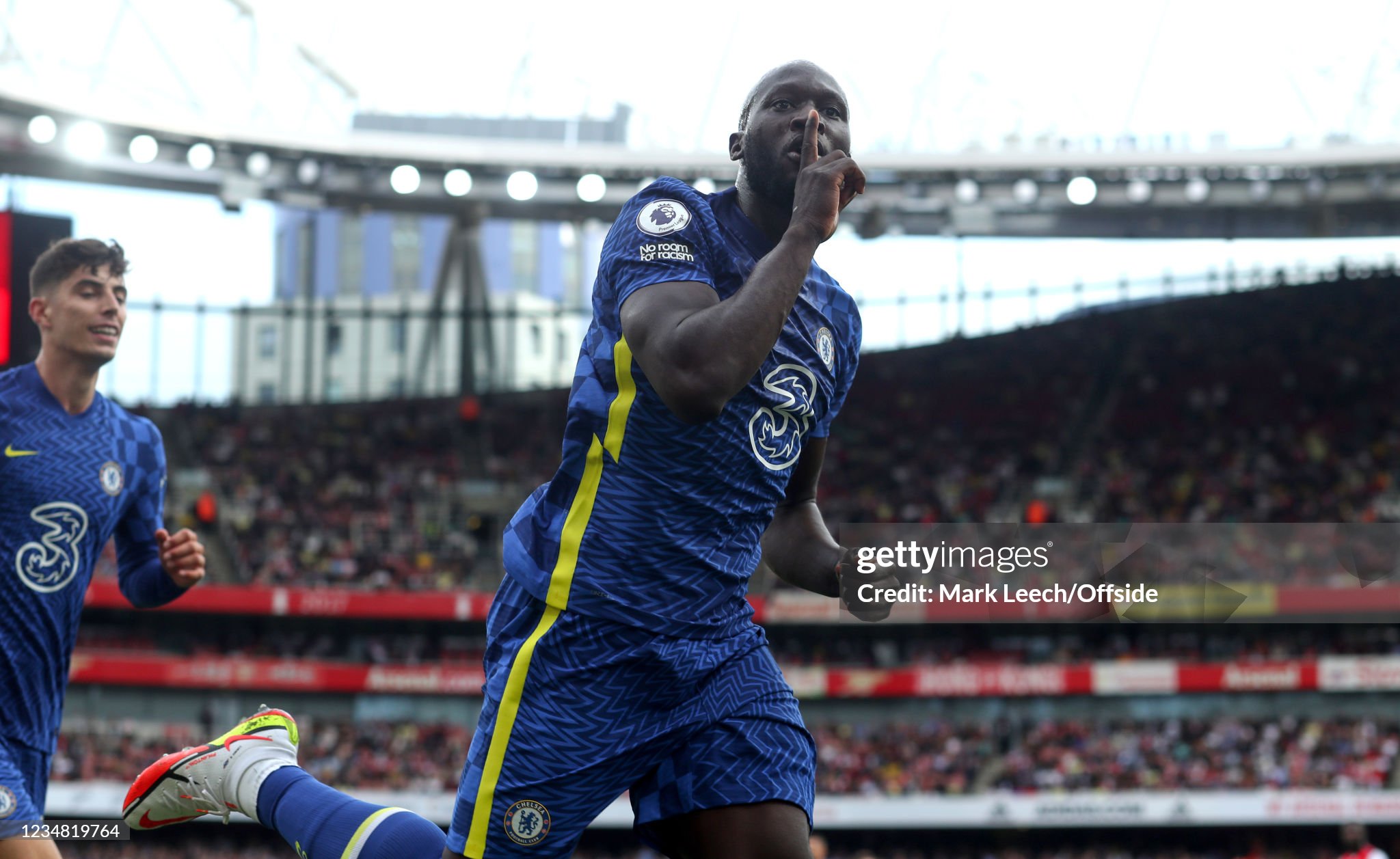
Romelu Lukaku
From the moment Havertz was deemed a better option to trigger Tuchel’s rotations (going to the corner flag to open the box for a wingback / 10 to crash it), than Lukaku scoring 15 in 30×90’
The relationship between Lukaku and Tuchel was broken.
From the moment Lukaku sat around a table and probably told the new ownership “me or Lukaku” and Tuchel was given the nod (only to get sacked in September)
The relationship between Lukaku and the club was broken.
There was no point considering including Lukaku in the plans, and he’s fairly entitled to his position. The narrative around these situations is never really informed, all the more because one man picks the lineup (and distributes opportunities) and briefs only get echo in one direction (and never when players complain, because why would they they earn a lot of money!)
Lukaku remained one of the safest bets to bridge the gap towards Liverpool and City, only if used on his strengths.
And also because the 9 market is scarce and that it would have been convenient to avoid binning Abraham and Luaku, preceding a 40 goal season and hanging by the remote prospect of signing Victor Osimhem for 150 million.
(that would definitely count as a John Obi Mikel assist)
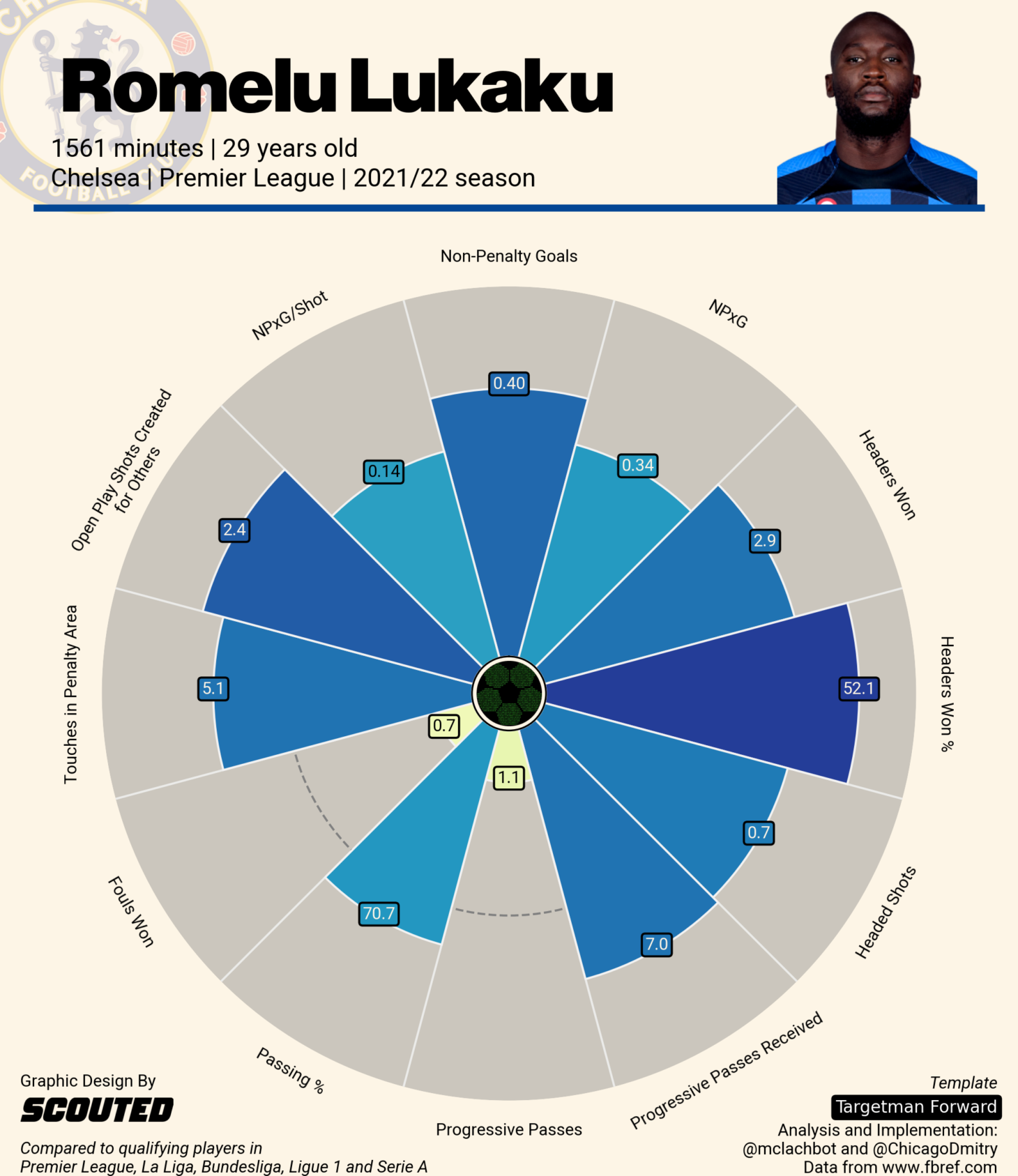
The main man
There’s very strong evidence that a combination of intelligent coaching and intelligent talent id (accounting for the global talent pool, as opposed to the entirety of one’s whatsapp contacts) can provide a club with efficient, functional and effective squad players.
In general terms, 60% people will settle that the best players score the goals.
A small minority, however, are too content to set a team for failure and a 40 goal 40pts season by selling their best attackers to play Kai Havertz instead.

There’s very little evidence in an open (and over-scrutinized market) that a club can get away with signing world class matchwinning talent, on a long contract with low base wage. The player will have offers with a better salary.
Or would demand one. Nobody’s playing out of their skin when the 3rd fullback earns 3x your salary despite stinking the place out in training.
This is how dressing room works all around the world.
Was there room for one “marquee” signing, whether it is Lukaku or Osimhen?
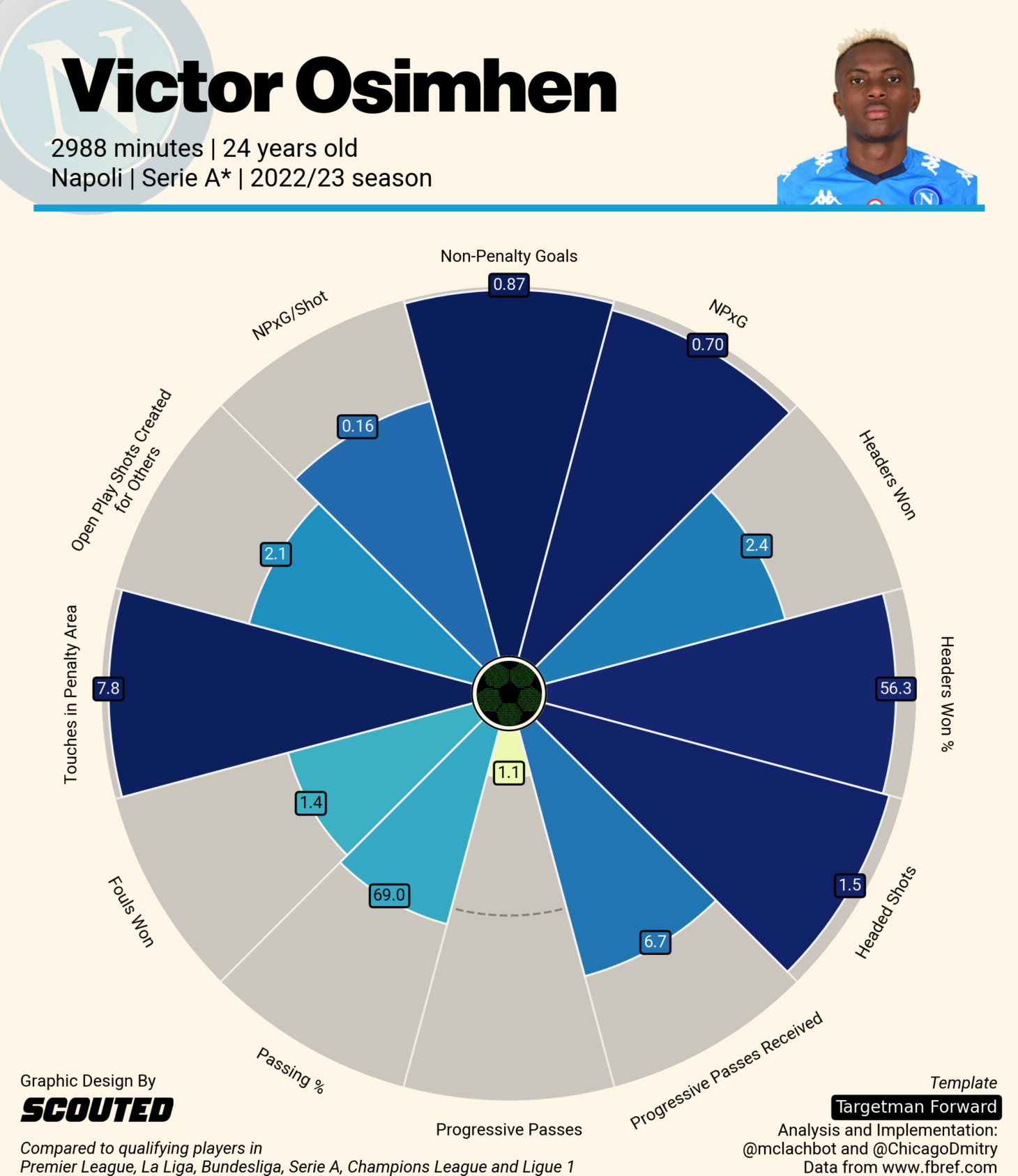
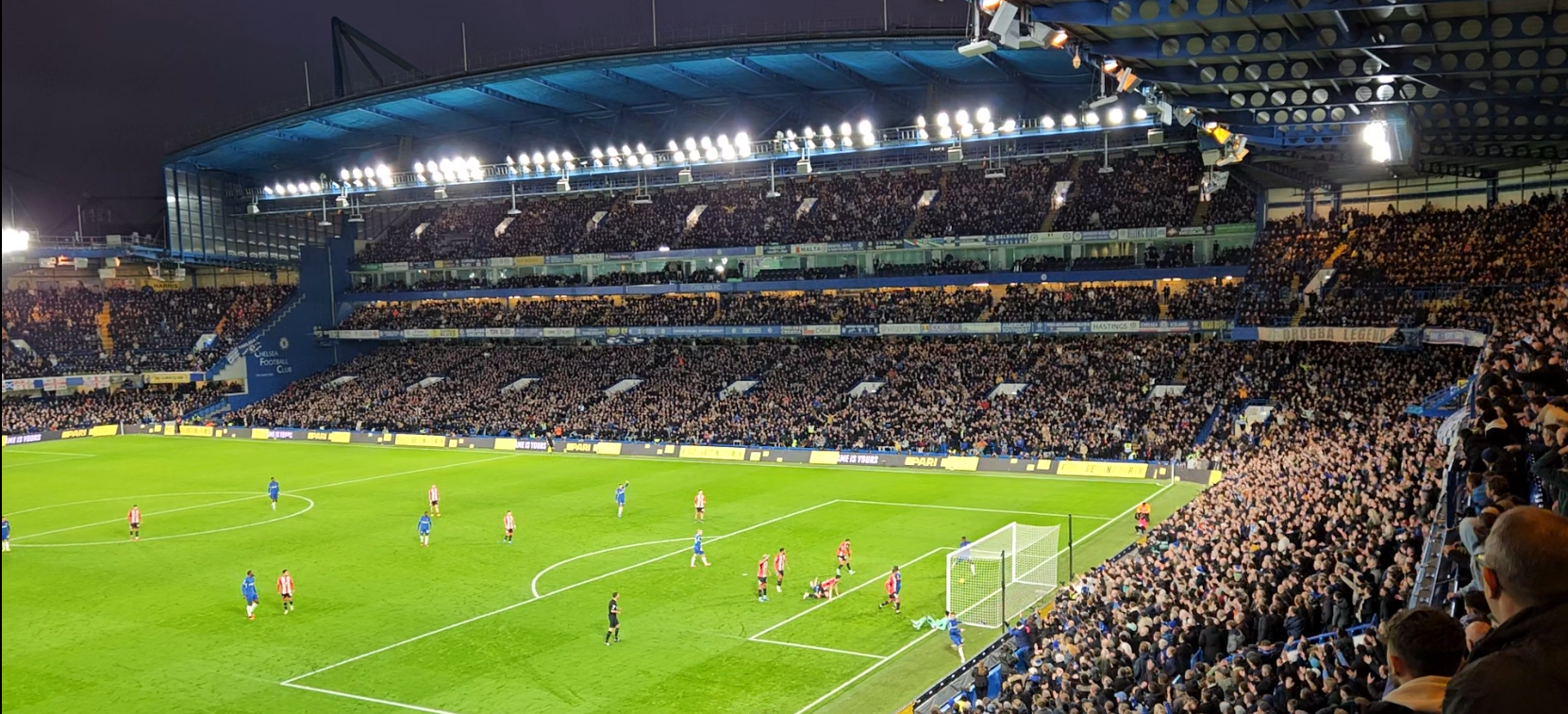
Second forward
Chelsea set their sights on a wiry striker, recently converted from wide / second striker to centre forward at Villareal.
Nicolas Jackson definitely belongs in the category of informed signings, with a hunch that he could lean the line being vindicated by 8 goals in half a season and pretty impressive metrics.

Jackson has quite the demanding schedule: develop his range of movements to suit the English game (run the channels) and technique to get hold of the ball back to goal. Whilst building some muscle in the gym, having to keep energy on week ends.
ideally, this is the kind of development process that benefits from shadowing a top striker (or rotating with a journeyman striker).

On a different perspective, clubs only develop into serious institutions when the interest of the club primes over pettiness and vanity projects.
Abraham not making the bench in the 2021 FA Cup final, and Chelsea losing without posing the single goal threat should have got Tuchel sacked on the way to pick his losers’ Cup medal.

Proudly displayed alongside the one lost to Rennes (French Cup 2019, 2-0 up inside 20 minutes), Bayern (DFB Pokal 2016), but also 2022 League Cup (Lukaku not starting, and AFCON penalty-winning hero Mendy yanked before the shootout where Kepa dived 8/11 times wrong side, saving none and skying his penalty), 2022 FA Cup final (Lukaku subbed for Ziyech to get a goal?).
We can’t help thinking that in the process of appointing legacy Chelsea staff in “head of football operations”, Abraham’s omission from finals was added up in the file to back up Tuchel’s sacking
Would Tammy Abraham become the figurehead 9 Chelsea fantasize over?
Maybe he could have challenged a 25 goal a season striker every week, or maybe he would have become this striker himself.
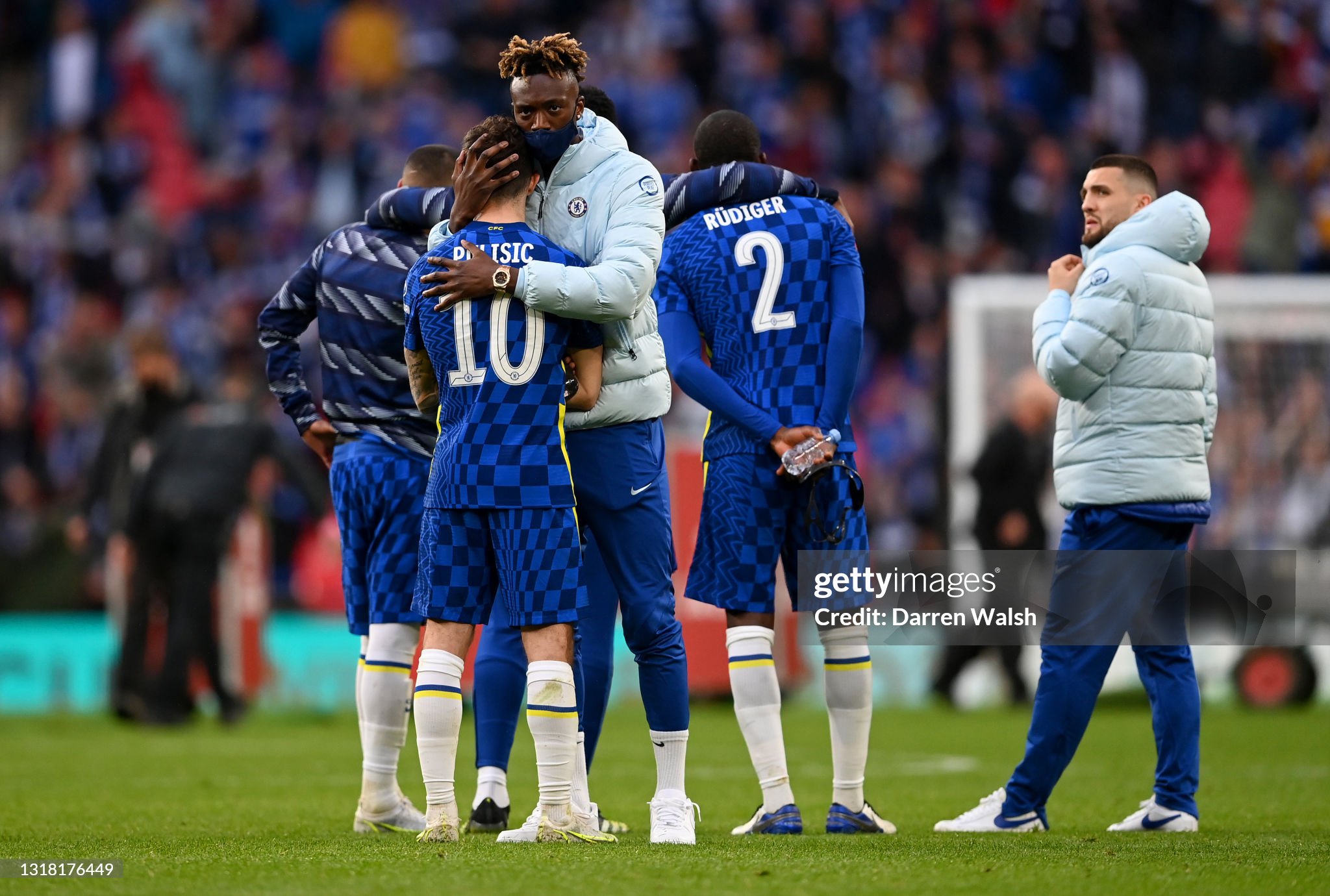
If anything, football is the scene of a sorry epidemic of short sight (hubris and hinsight), meaning that clubs never encounter different problems but the ones they already did.
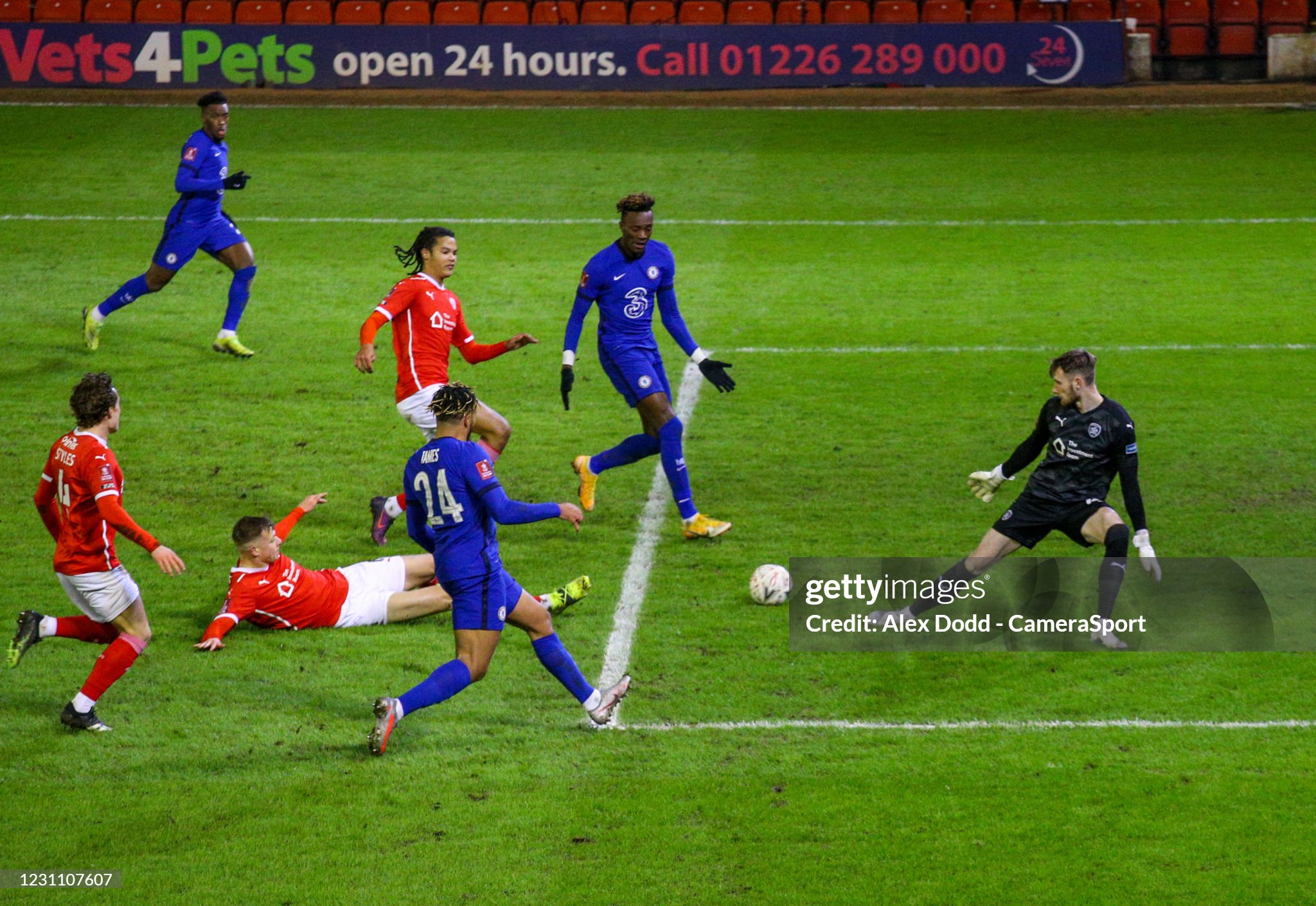
And more often than not, squander money to adress in emergency the wrong choice they made in the hope to fixing it. Or wonder if a 40 goal season had to do with cosmic rays, and not simply for letting driving out competent goalscorers.
Both first seasons as a center forward are very good. Abraham with a clear edge in terms of finishing ability and aerial play.
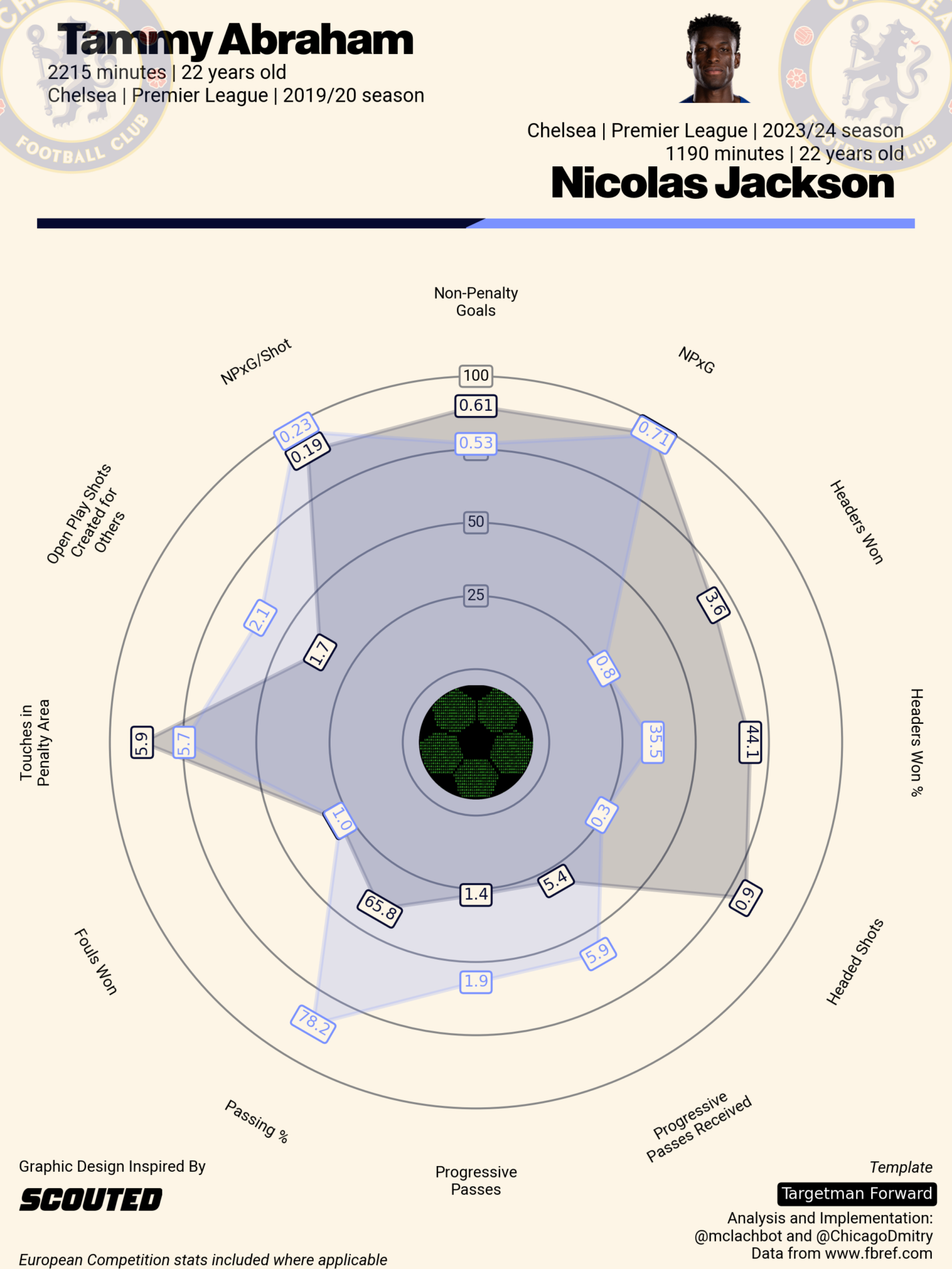
Jackson the better player to carry the ball,
pa
but definitely struggling to shut his clap when it matters, as evidenced by his 8 bookings for dissent.
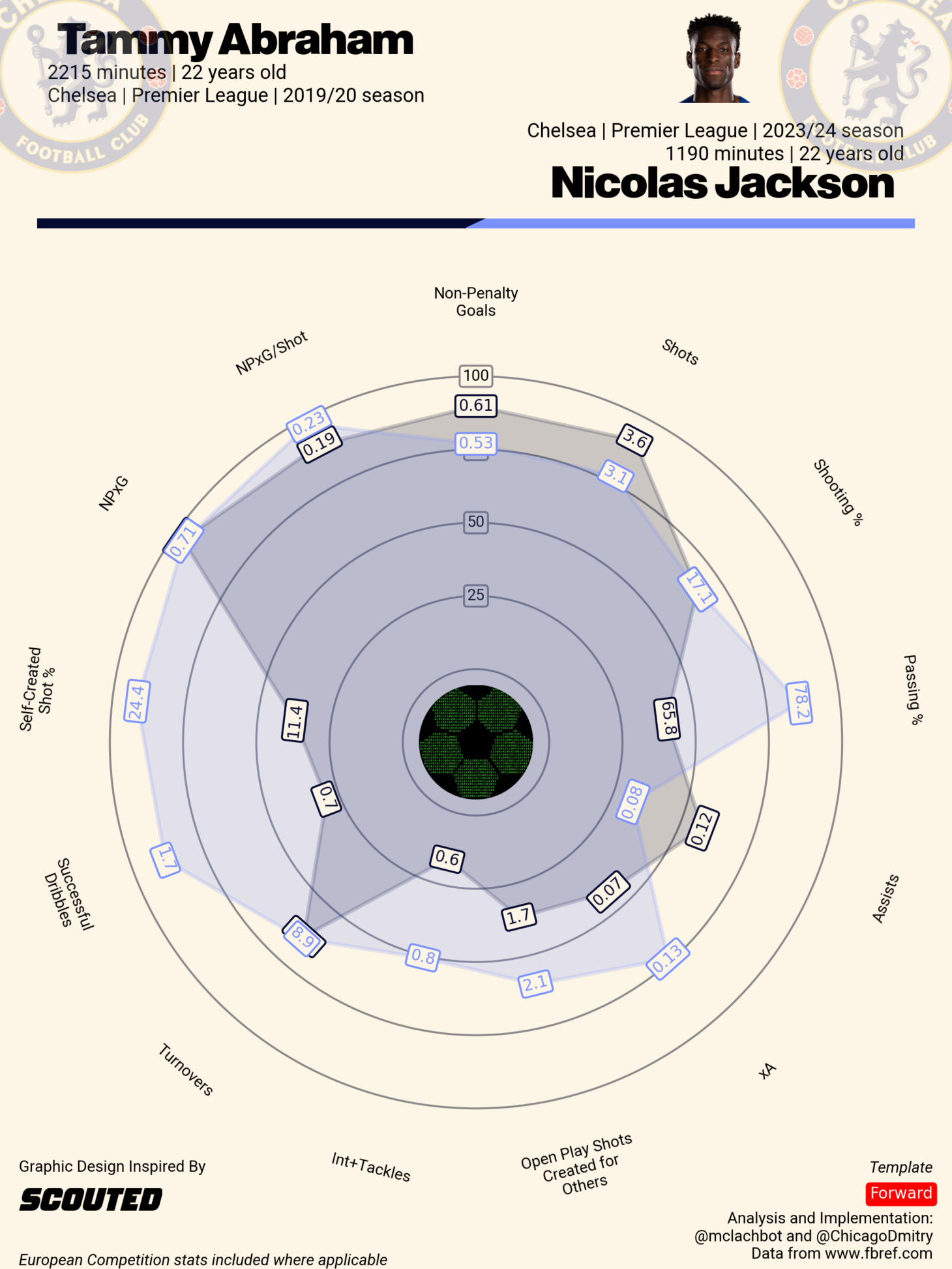
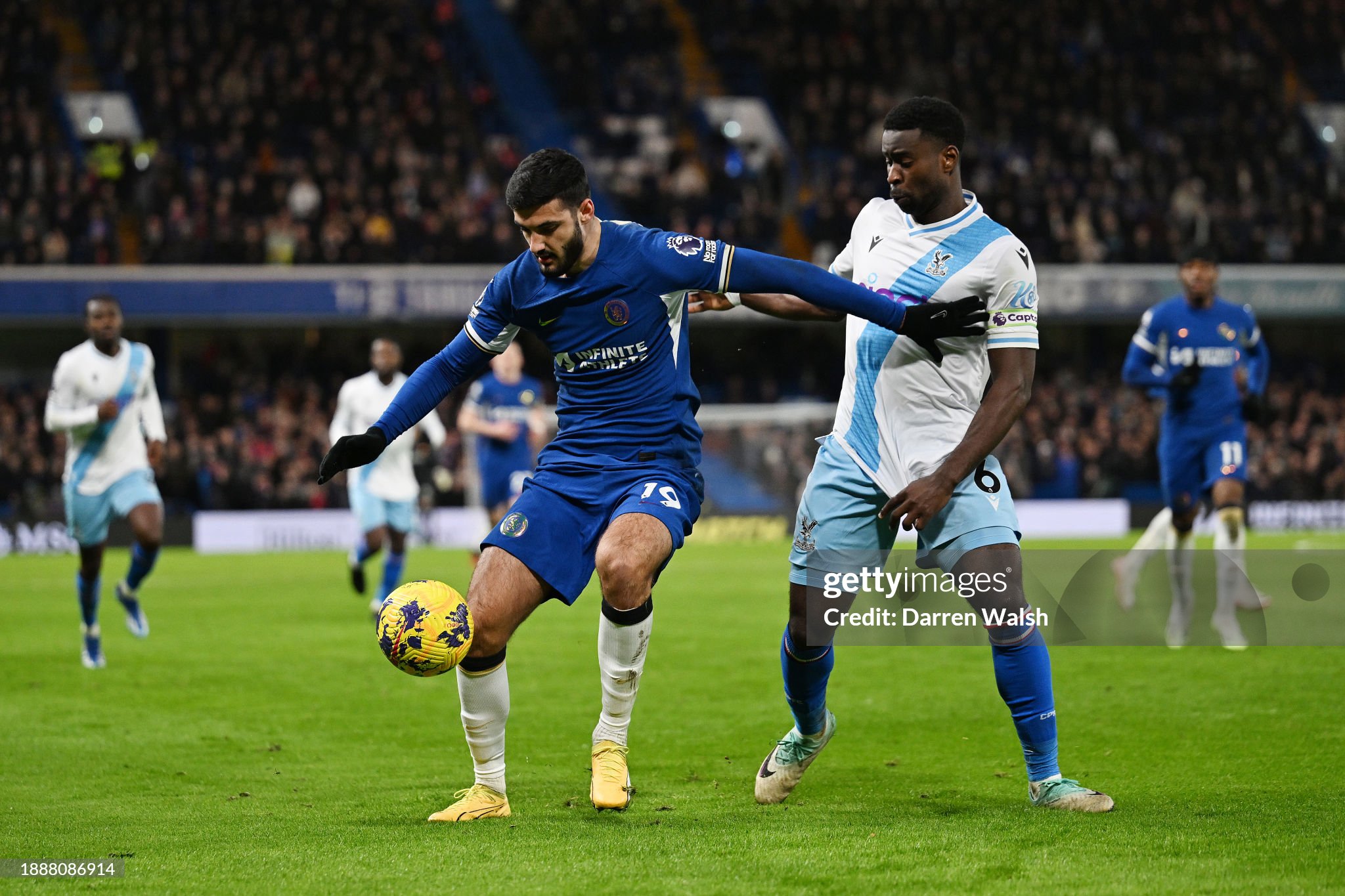
THIRD FORWARD
quote
CF2: get hold of it, win headers, or run in behind (doing all is probably CF1)
CF3: score goals and be able to play from the wings
It’s unclear if Jackson is seen as the #1 striker, to turn good when he will, and que sera, sera until then. Last season’s bank note bonfire on the João Félix loan* might suggest the club will apply the same kind of decision making.
*: 15 million loan + 100% wages, only to never play as well as he did for an opening half hour with no training at Fulham cut short by a 3 game ban. Simeone actually got the best out of him.
Broja, back from a big knee injury, would fit the person specification of being rapid and play off the wings. His 23-24 sample is probably too early to draw conclusions.
As a rotation / impact sub, Broja is fine. He’s an athletic freak, able to run from wide areas
Typical Broja run, and an equally typical bad first touch
he will shoot from stupid low angles in the box (which you want from a backup striker).
His movement on crosses is decent (even if his contested heading game is mediocre for a big boi)
He might want to add more finesse and variety in finishes, albeit his goal against Wolves last season showed he can slot the ball at the far post.
His combination play is too poor to entertain starting games consistently, with too many turnovers and decisions to turn that aren’t on.
Broja’s game back to goal is the bare minimum, better than nothing but closer to statpadding layyoffs than anchoring possesson around the box.
For flicks and combination play, the contrast between Jackson weak foot under pressure one touch on the turn… and Broja strong foot in front of him under no pressure
Pochettino’s position on Broja is not cryptic. Needs to smile more (catchphrase), needs to get to work (backhanded compliment), will be a top striker (compliment).
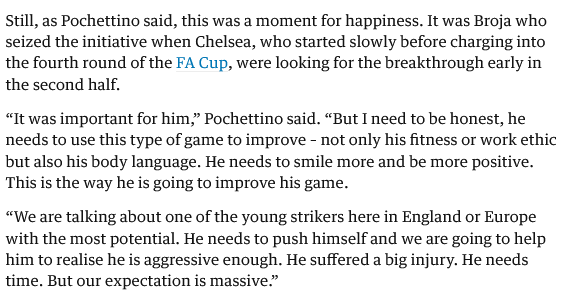
Ideally, the club would have identified a third forward: either their posterboy, or if not, someone that would do what the other two don’t do: which is heading, hold up play and with good movement inside the box on crosses.
Not only that would have allowed Chelsea to finish games with two strikers on the pitch, but also rotate Jackson: get 60 good minutes every week, or find a different profile when teams would sit off.
Simon Banza – 1996
Not quite fitting the criteria for #TheProject, but still worth being mentioned here.
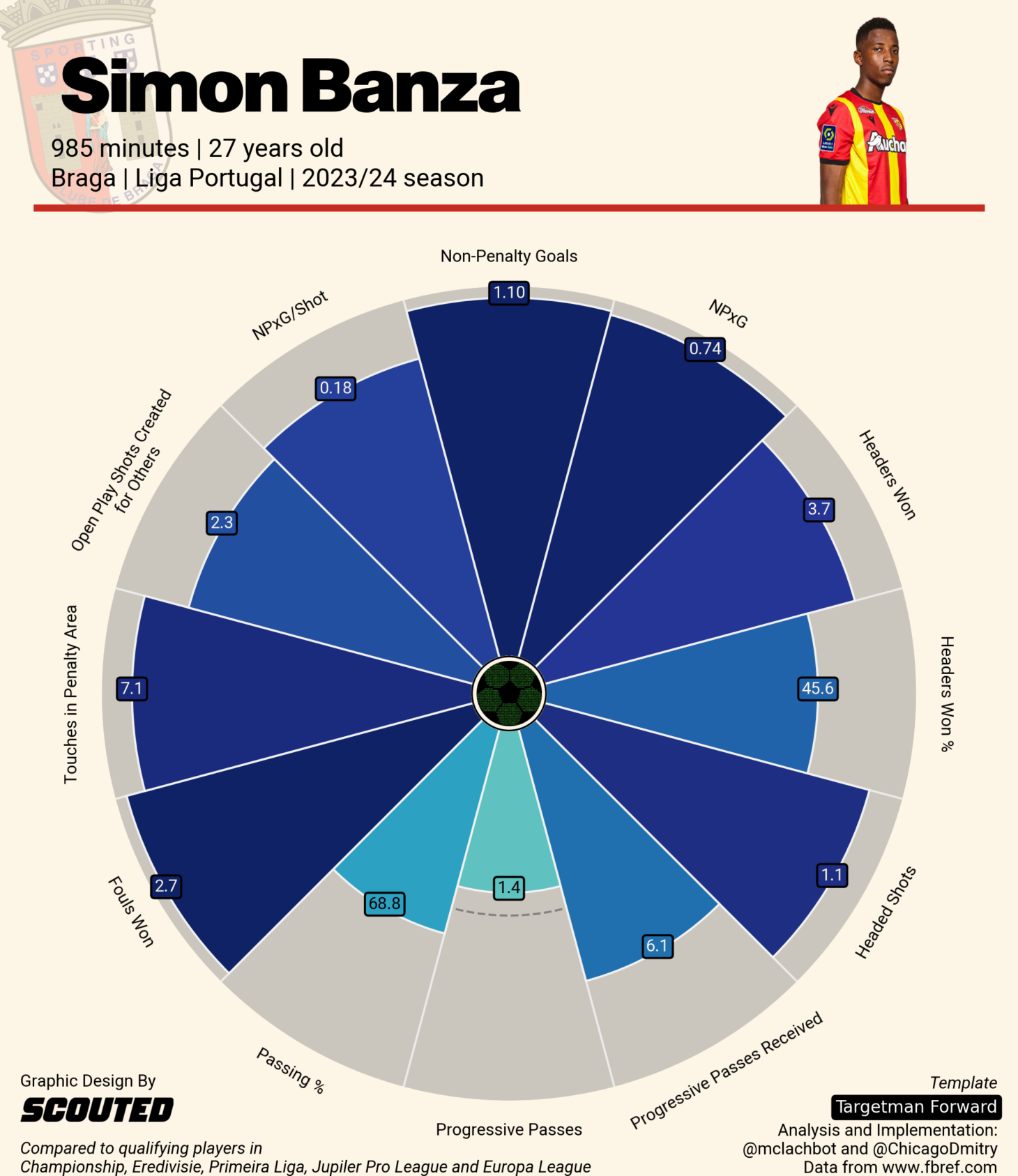
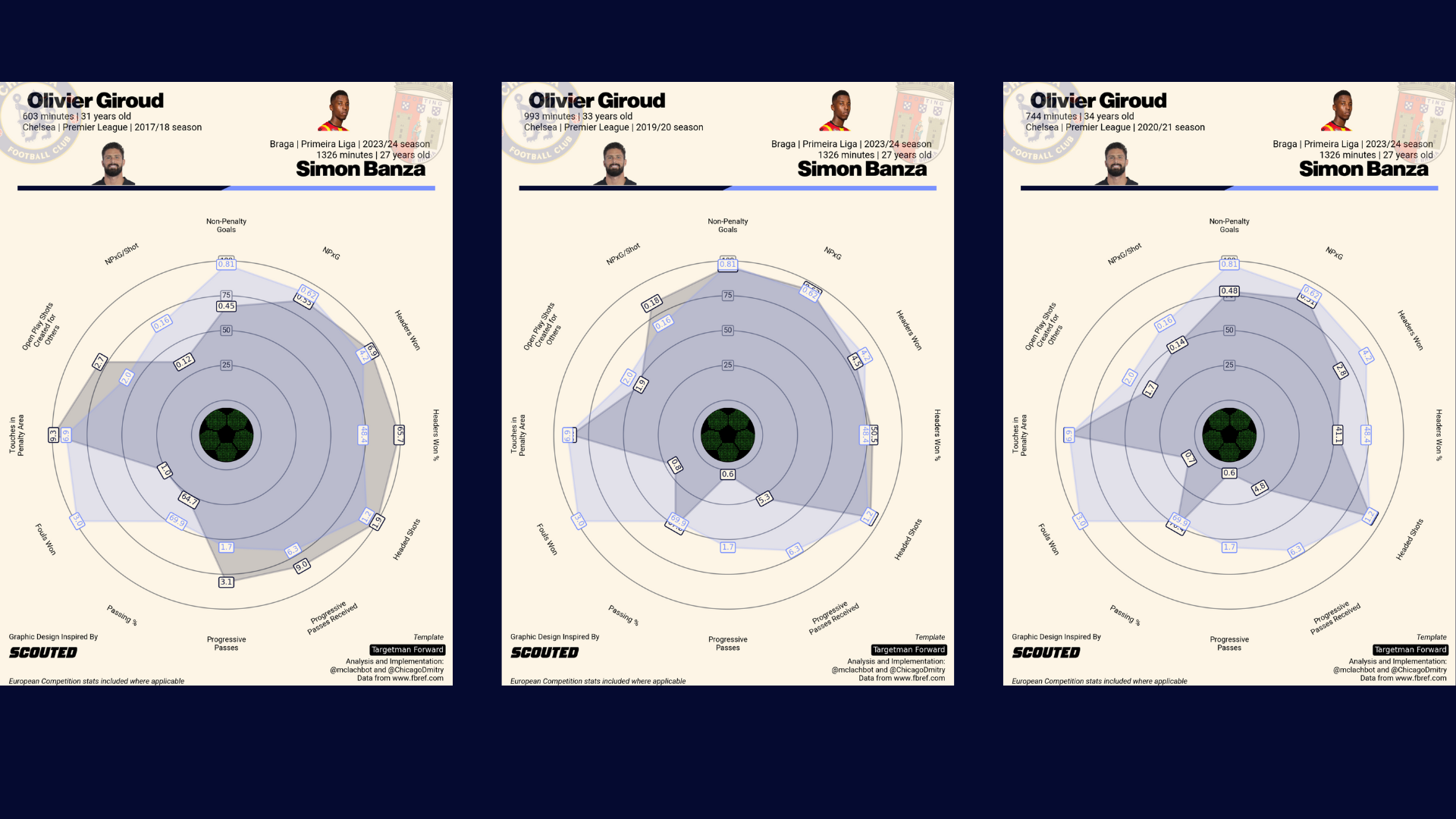
David Datro Fofana – 2002
Datro Fofana is reminiscent of the raw strikers you find lower down the levels in terms of general playing style: an all rounder – quite raw – in an era of super specialised (not always very good finishers) strikers.
Datro can carry, shoot, play off the wings, work hard, run the channels, hold the ball and draw fouls.
A fair assessment is that he’s about 60% where he should be in every aspect, but fueled by a strong self confidence and ability to come out with the unexpected. He’d benefit from a loan to score 12 goals in Ligue 1, more than the Champions League loan that proved a step too far
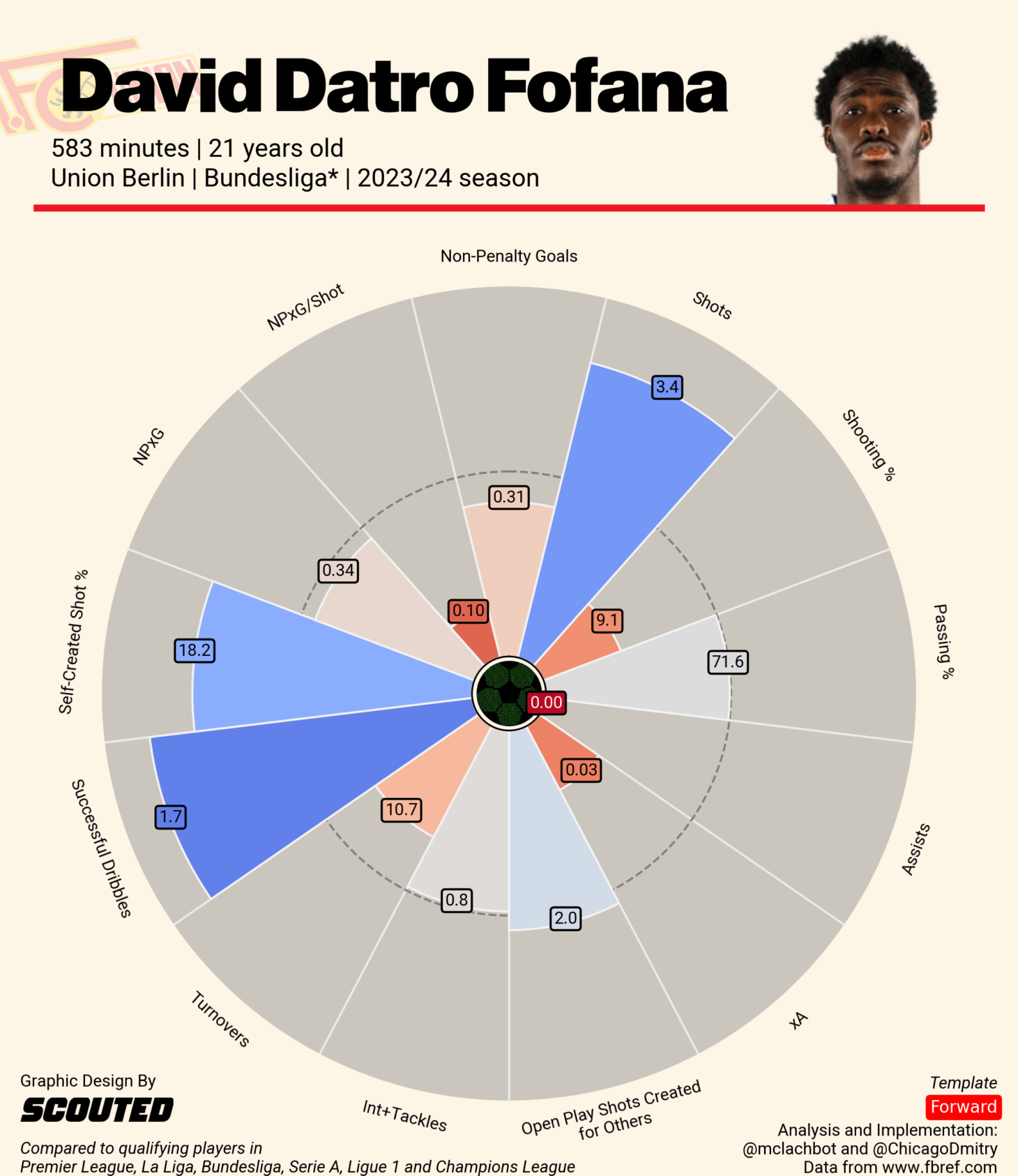
but for the fee invoked (10-15 million) he looks the ideal 3rd striker in a squad.
Acknowledge the background, and the raw skillset, and refine it.
Down the line, he’ll make more damage in the box where it matters, than a house cat in a china shop.
Covered extensively here:

Hugo Ekitike – 2002
Signed by PSG (and Luis Campos) whilst Newcastle was pressing before settling on Isak. On 90k a week.
A poacher extraordinaire, emperor of toe pokes that was all but discarded at Academy level for Stade de Reims before breaking through in the first team and scoring goals.
With a combination of excellent separation movement in the box, and quality of runs from central or wide.
A recommendation would have been to get the player on loan from PSG: if he plays well and helps you rotate your other strikers, fine. If he doesn’t, he gets an Eurostar return ticket back to Gare du Nord and Camp des Loges.
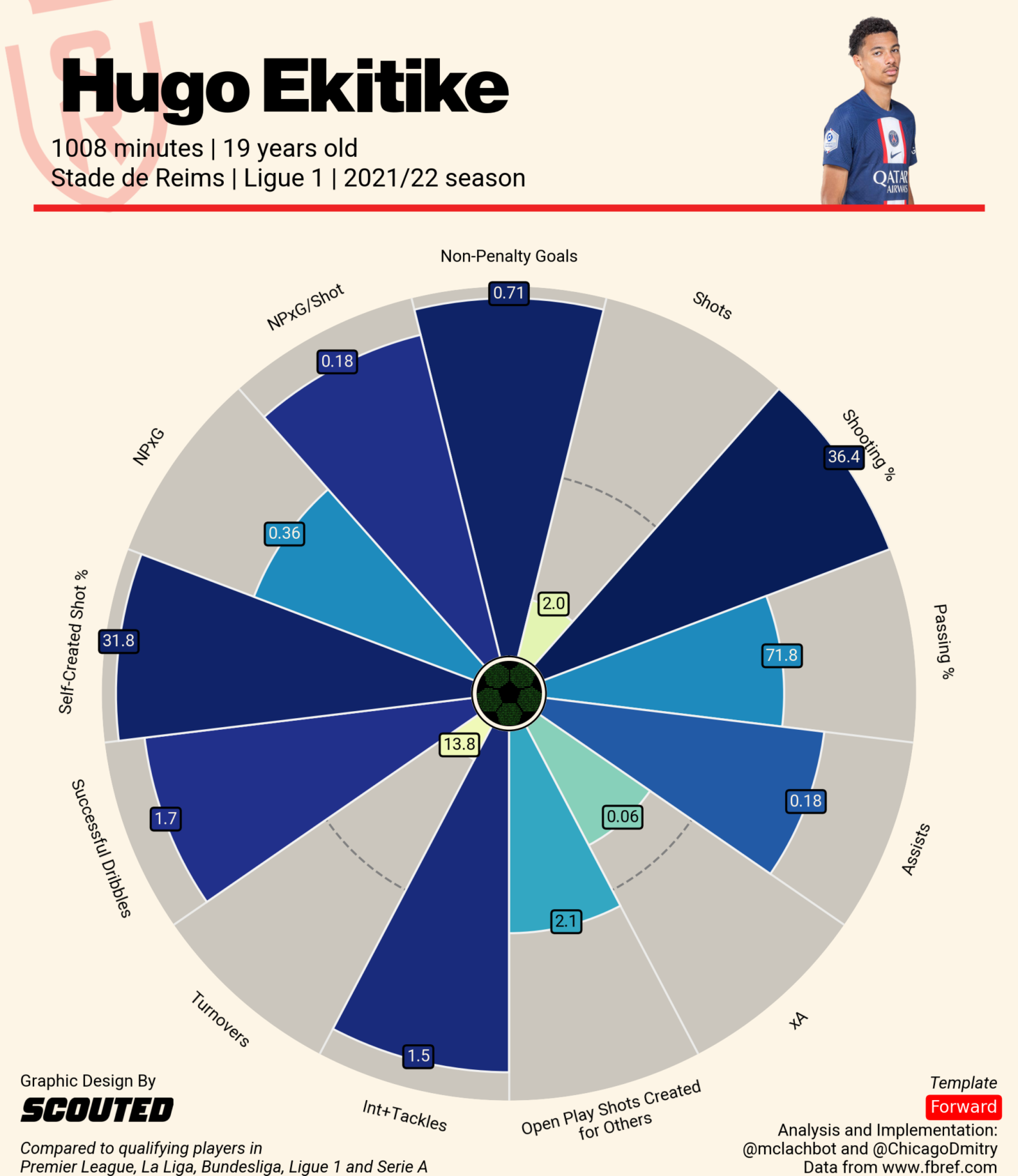
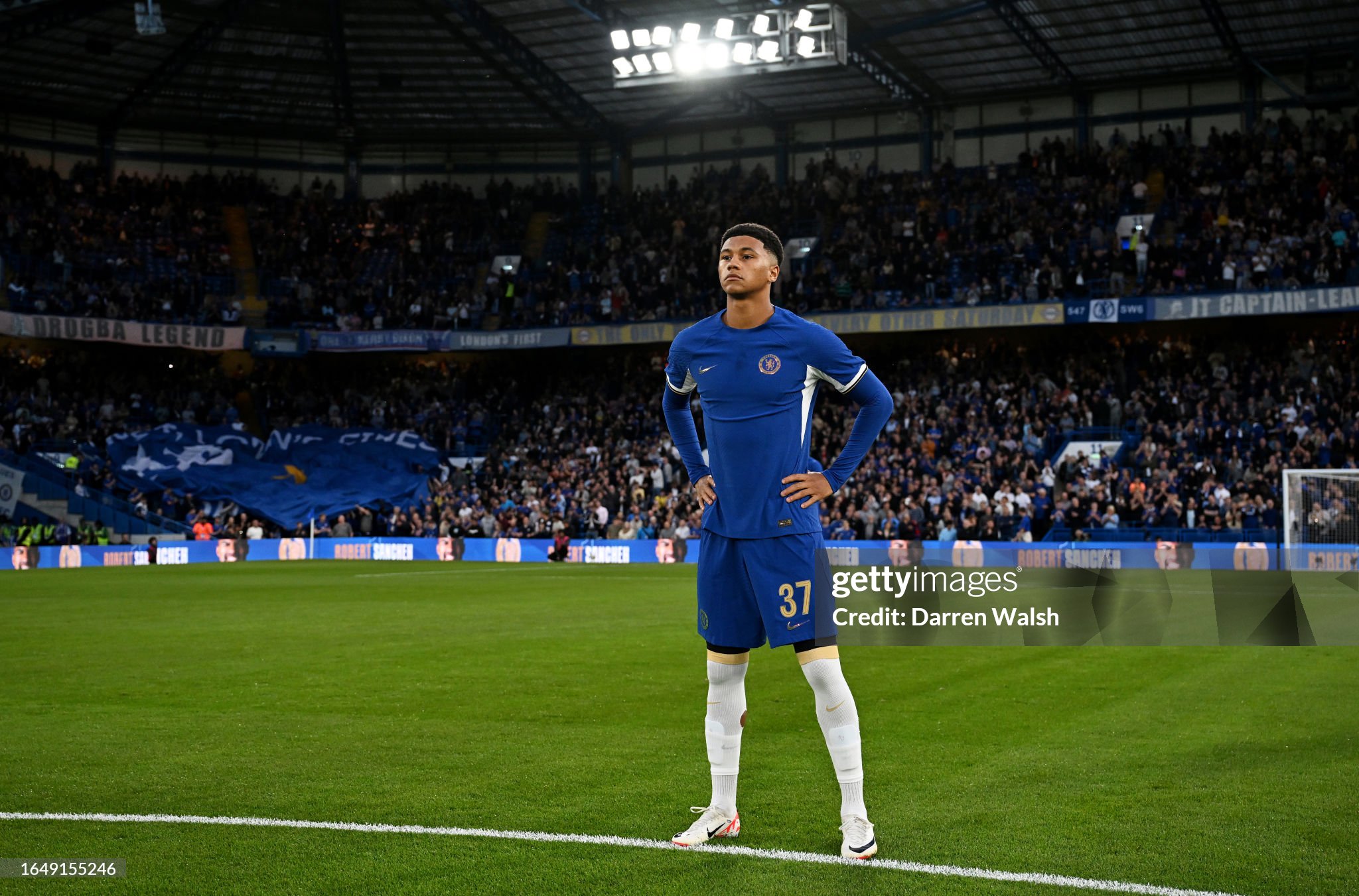
Mason Burstow – 2003
Probably “lowkey” for the record books, the last signing of the Roman Abramovitch era, for what it’s worth. Burstow’s rise has seen him getting the opportunities his improvement deserved.
One of the standout players in PL2, he’s got a combination of good movement in the box, channel running with an eye for the spectacular early shot to catch goalkeepers off guard. Fueled by a drive to succeed.
His inclusion in the pre-season squad was concluded by the equalizing goal vs Dortmund. Also got a start vs Wimbledon after the club signed Deivid Washington, and was brought on in search for a goal at West Ham.
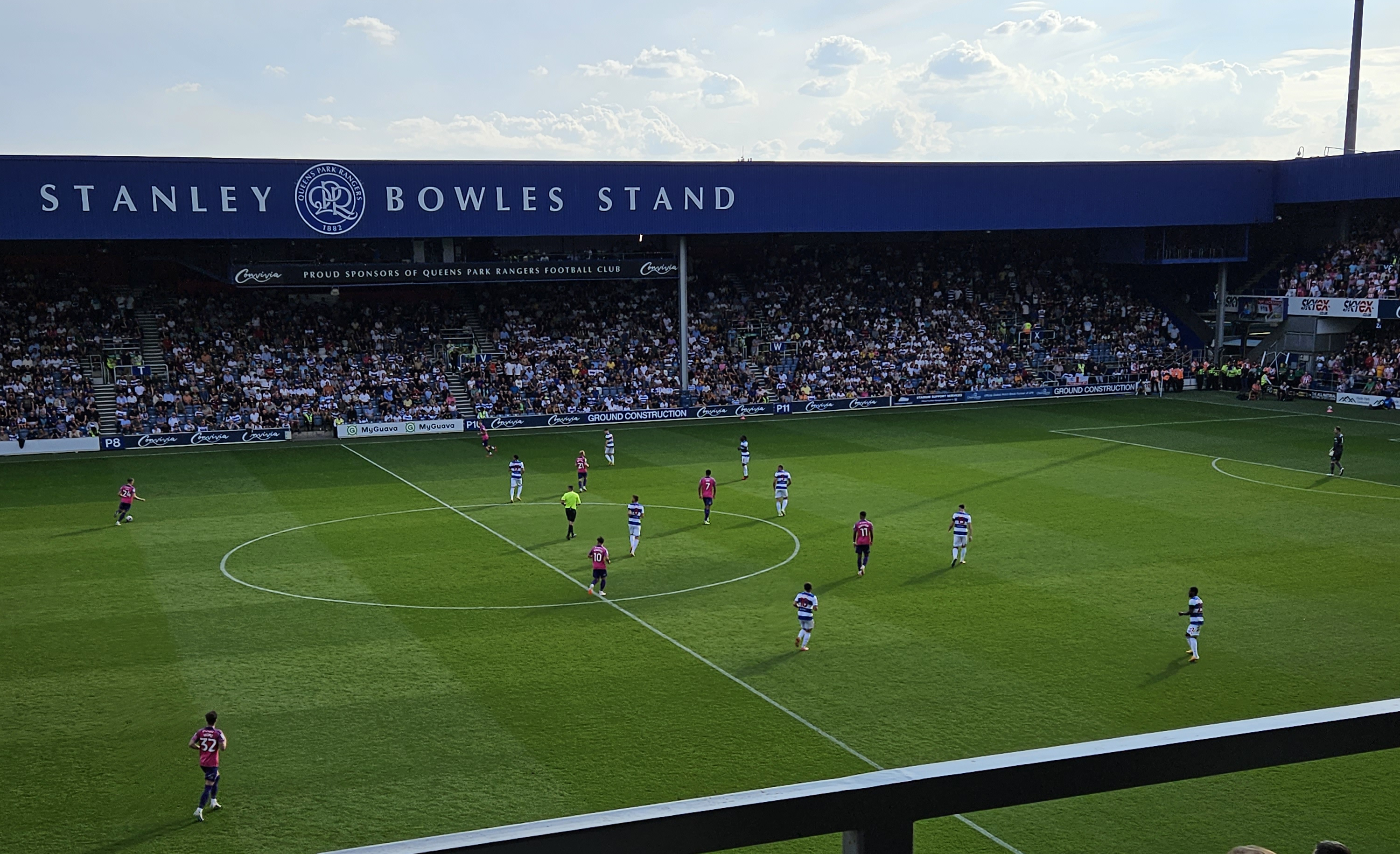
Burstow’s found it hard at Sunderland after Mowbray made a glowing review of his finishing ability in training. Still got a fair amount of minutes, for a 20 year old loanee with PL2 (and some League One experience at Charlton) for a Championship play-off hopeful.
Burstow’s darts at the near post make him an interesting one to keep an eye on
Burstow will probably develop into a fine 8 goal a season PL striker.
Washington, Jackson, Broja are all “wide strikers” and Burstow is the only one who can “lead the line” on paper. Which says what it says, that’s how it is.
Mason Burstow is a Chelsea player on loan to Sunderland
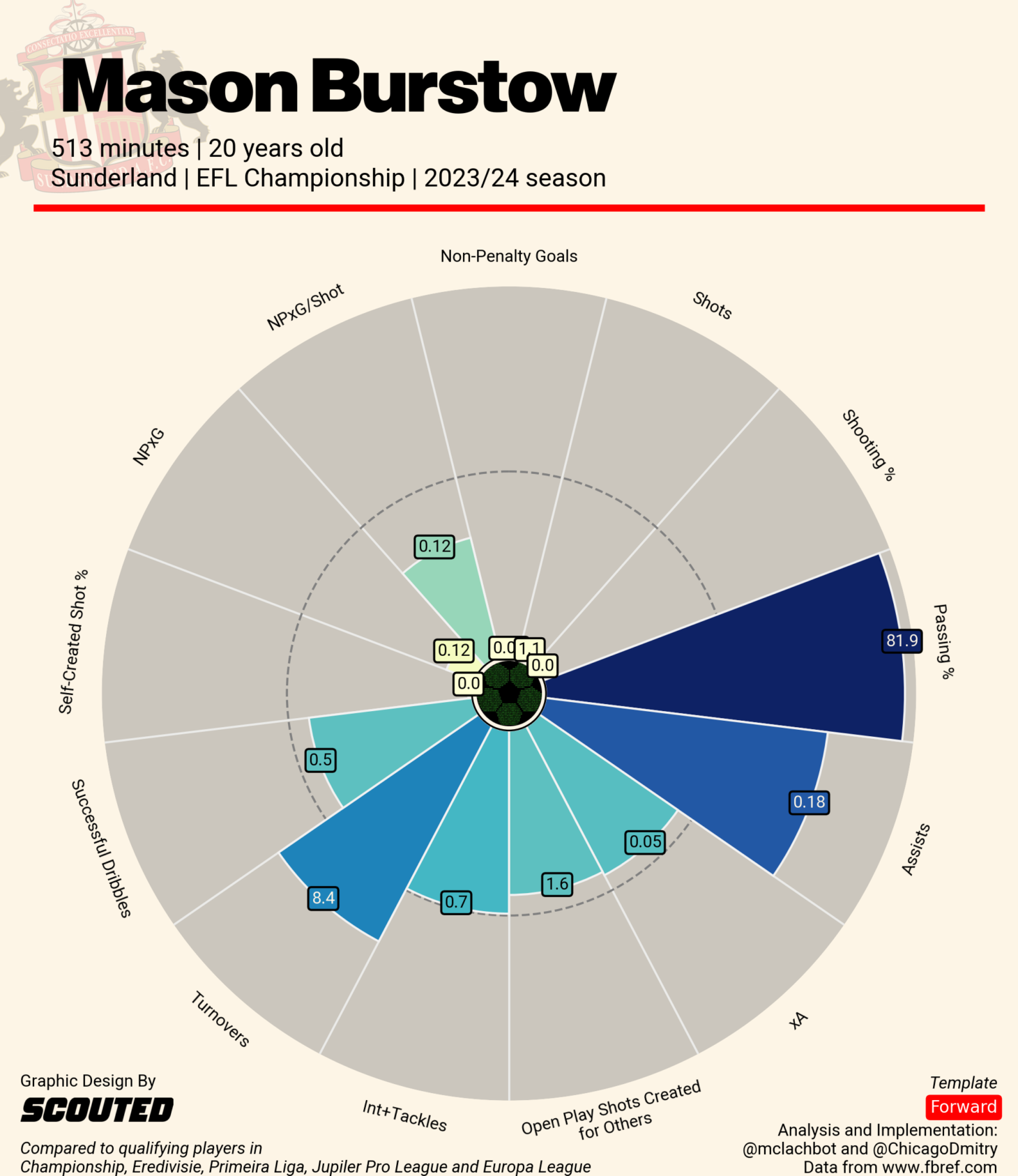
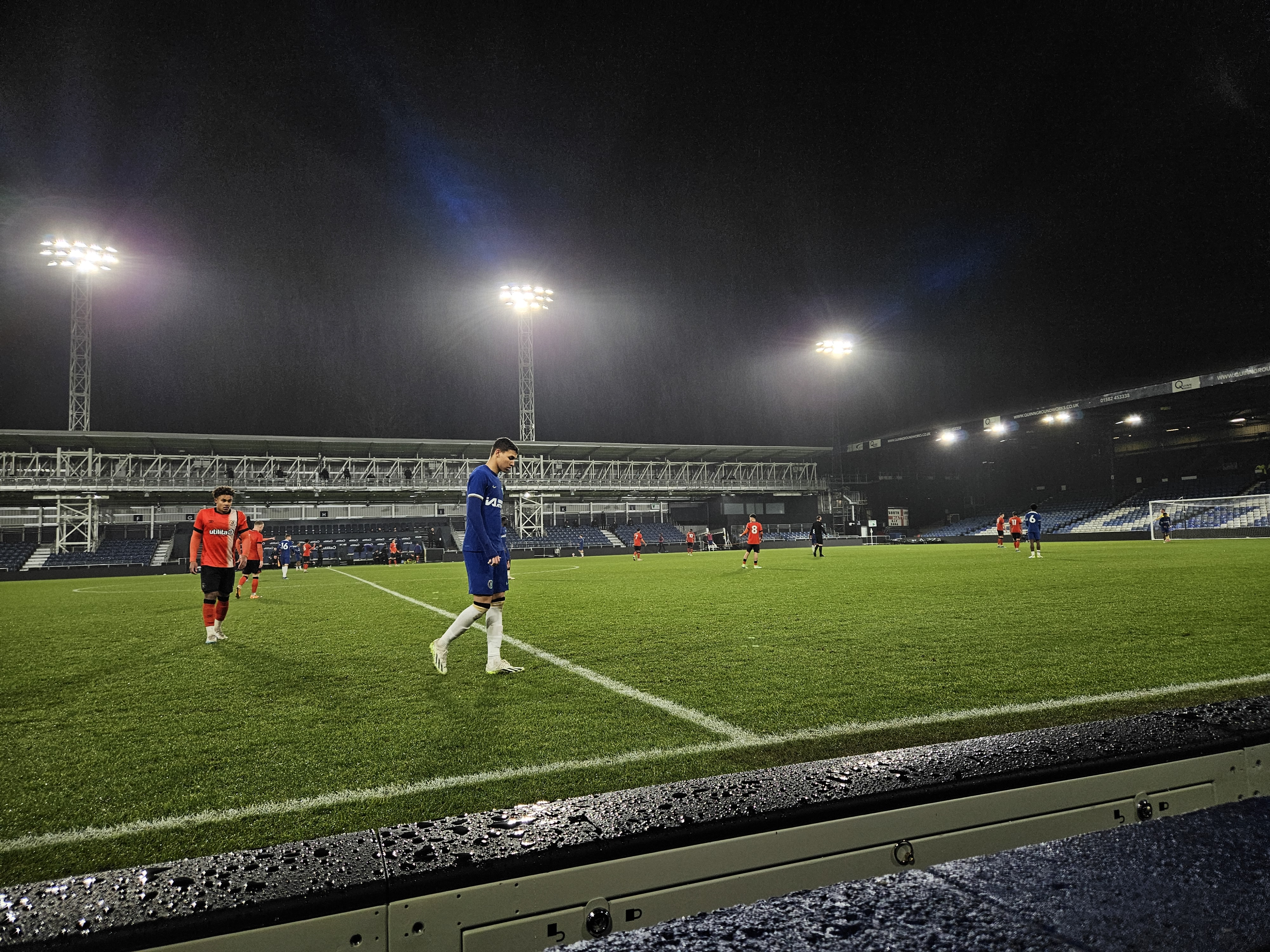
Deivid Washington – 2005
Washington will be profiled soon in depth here
Mosty restricted to building Castledine the sky in PL2*, not really getting off the bench let alone making the matchday squad most weeks. (making Jackson and Broja just the two of us them in the first team picture)
Editor’s note: *: “Combination play with Léo Castledine in Premier League two. We fired the intern into the sun”
Deivid Washington is a sound acquisition, for a quite tall wide striker in the mould of Martinelli (Arsenal).
Better at carrying from wide areas and finding combination play, which makes him a valuable option at senior level
than he is at shielding the ball back to goal, something at which he’s as undercooked as the chicken sold at Old Trafford
Washington is however extremely quick on medium-long distances (despite a heavier “gait” that decives onlookers… and defenders)
Folarin Balogun – 2001
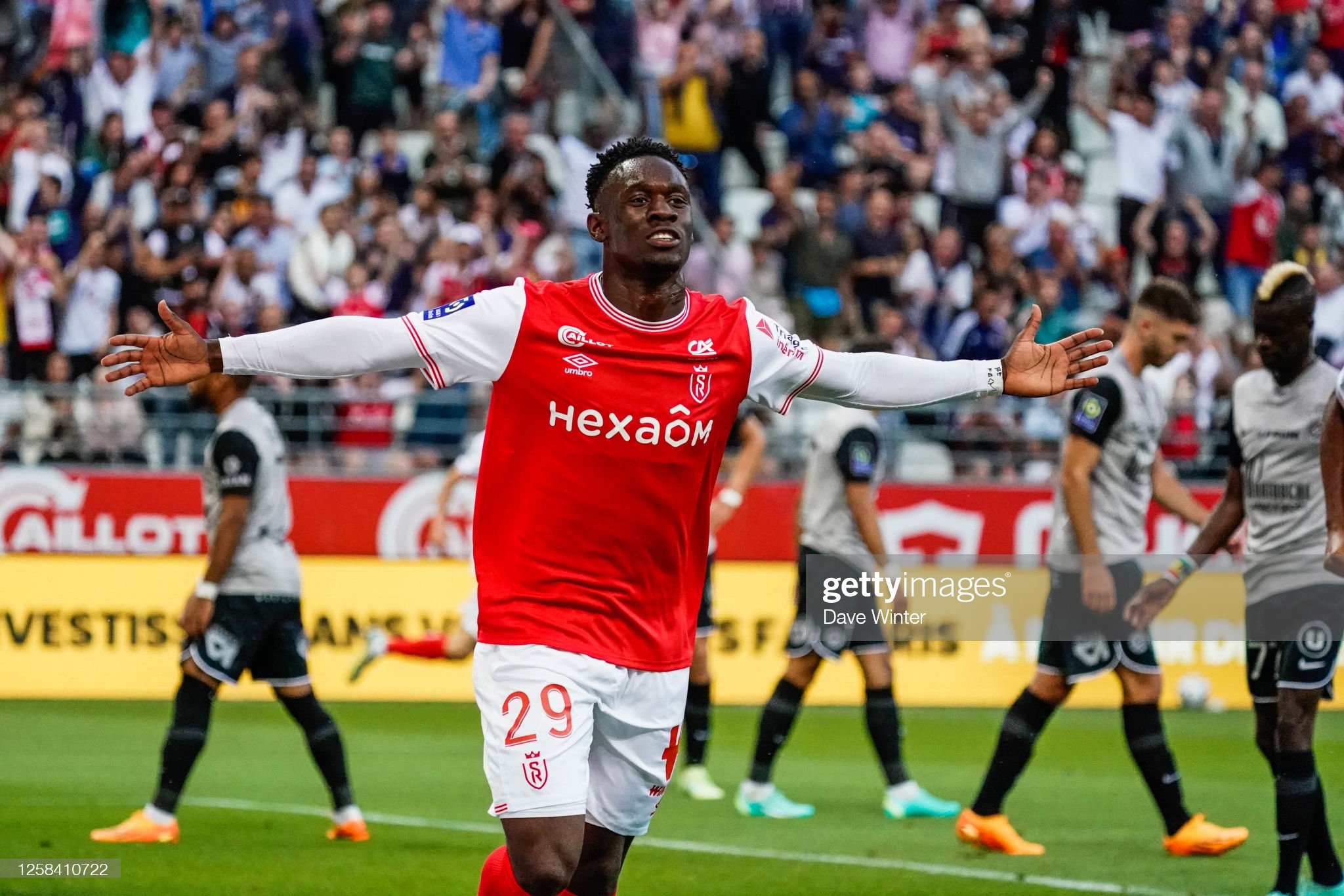
Guilty of being at the club before Señor Mikel’s revolution, meaning the credit would go to Hale End and not Señor Mikel, on course to finish behind Aston Villa, coached by the guy he replaced.
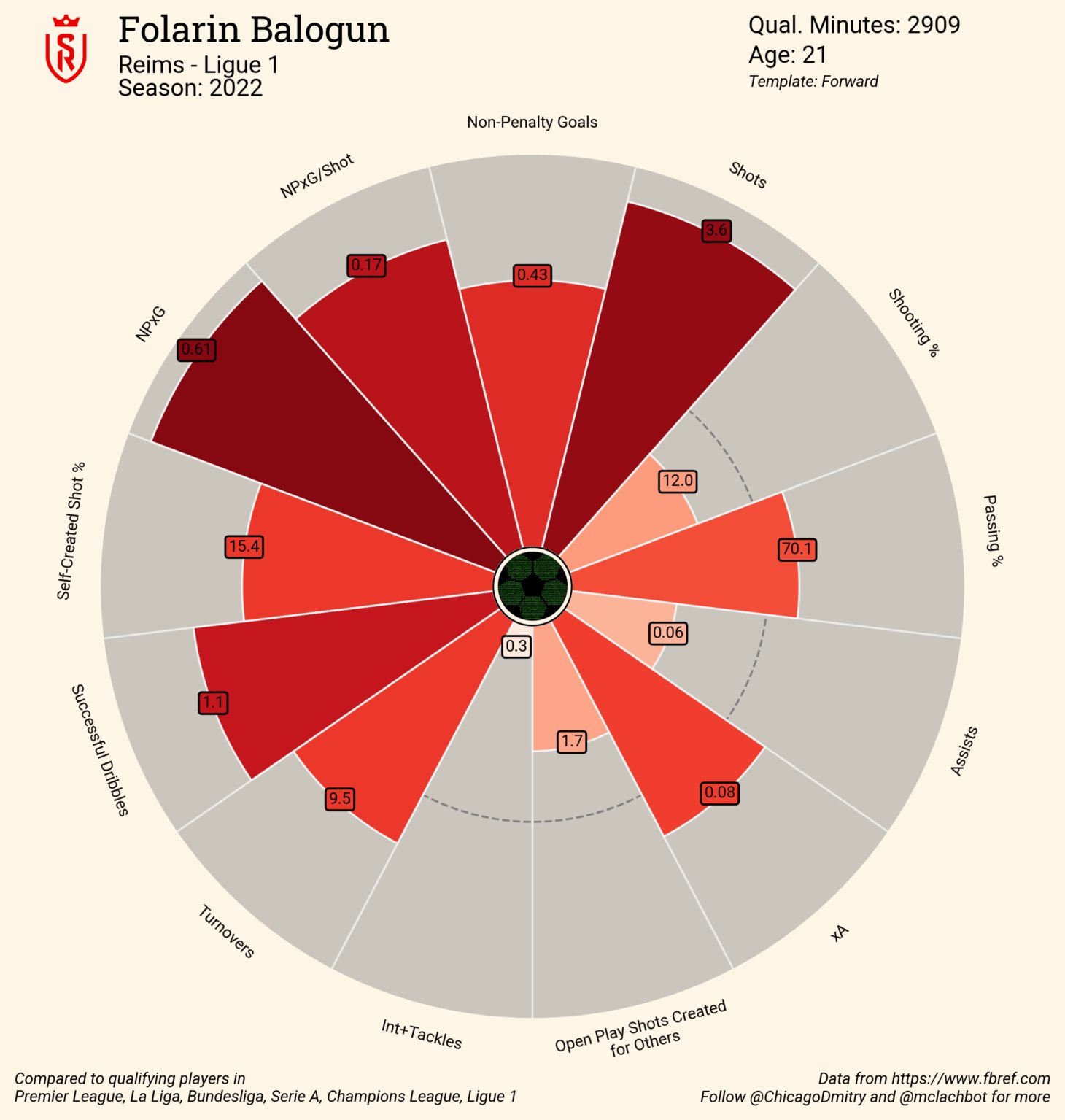
An excellent season in a team maximising his skills, Balogun stands out not only by his range of movement behind the backline… but also his footwork to set himself in shooting position and get shots off.
Dujuan ‘Whisper‘ Richards – 2005
Identified in the same “talent hotbed” as Leon Bailey, Richards doesn’t look a careless transfer from Chelsea’s perspective.
Left footed, with a good shot, there’s definitely a player there.
A transfer news broken by @FtblJoe several months before Chelsea did.

The question remains to scale up the exploits in Jamaican first division to European leagues. Which he will, because the profile and quality look obvious.
for a player who was essentially playing high school / college football about when Graham Potter was fucking about rocking at the Amex Stadim with Raheem Sterling playing left back, only to find out that the Brighton manager can actually deliver attacking forward thinking football without all that marmelade of passes around Marc Cucurella.

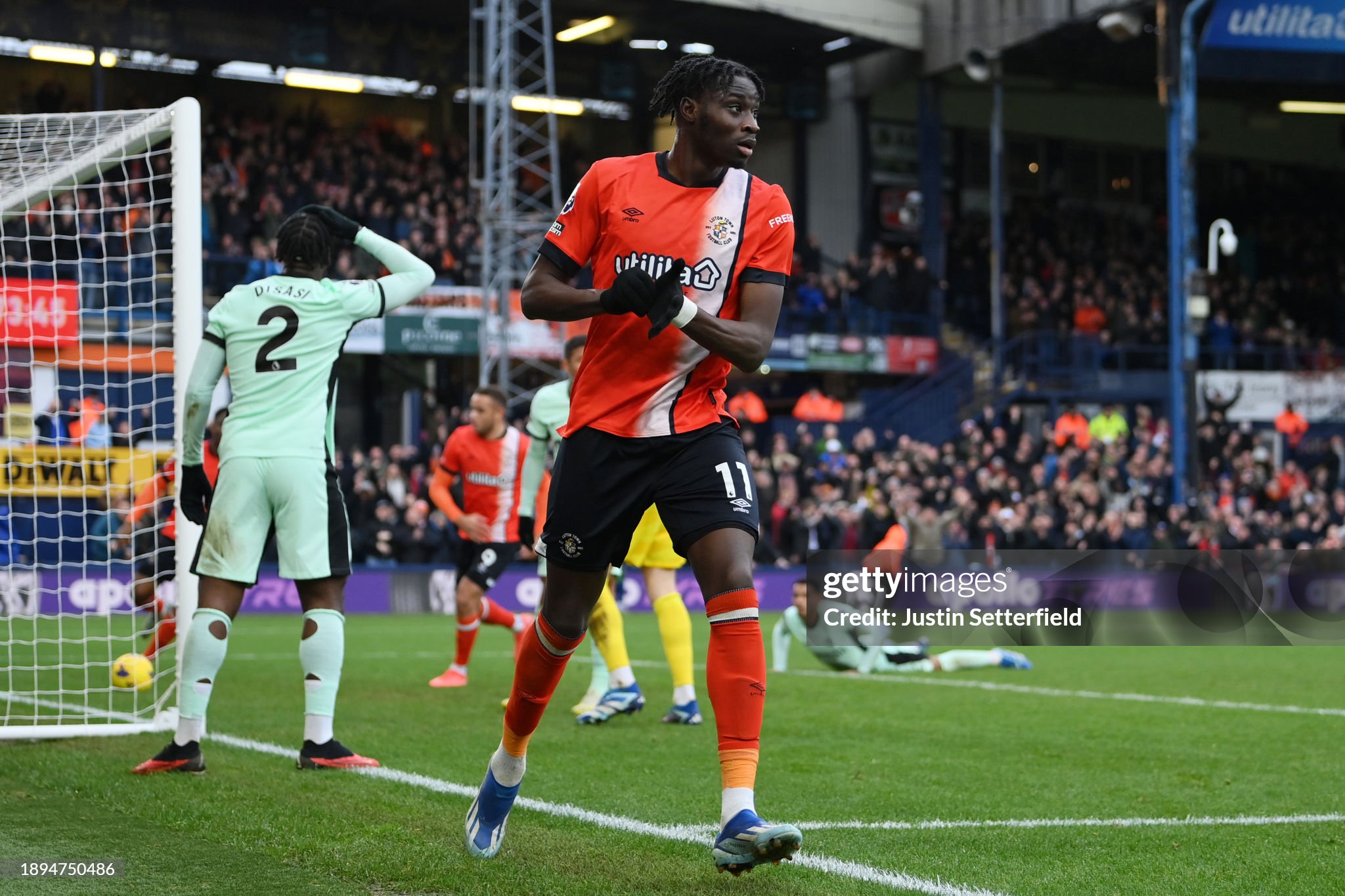
Elijah Adebayo – 1998
A player who would simulataneously adress Chelsea’s missing skillset upfront, and their centre back fetish; having had a run at centre back at Fulham academy.
Running the channels, get a lot of headed shots and being the go-to outlet when the team wants to get out of their half.
mood:

a skillset which translated alright in the Premier League
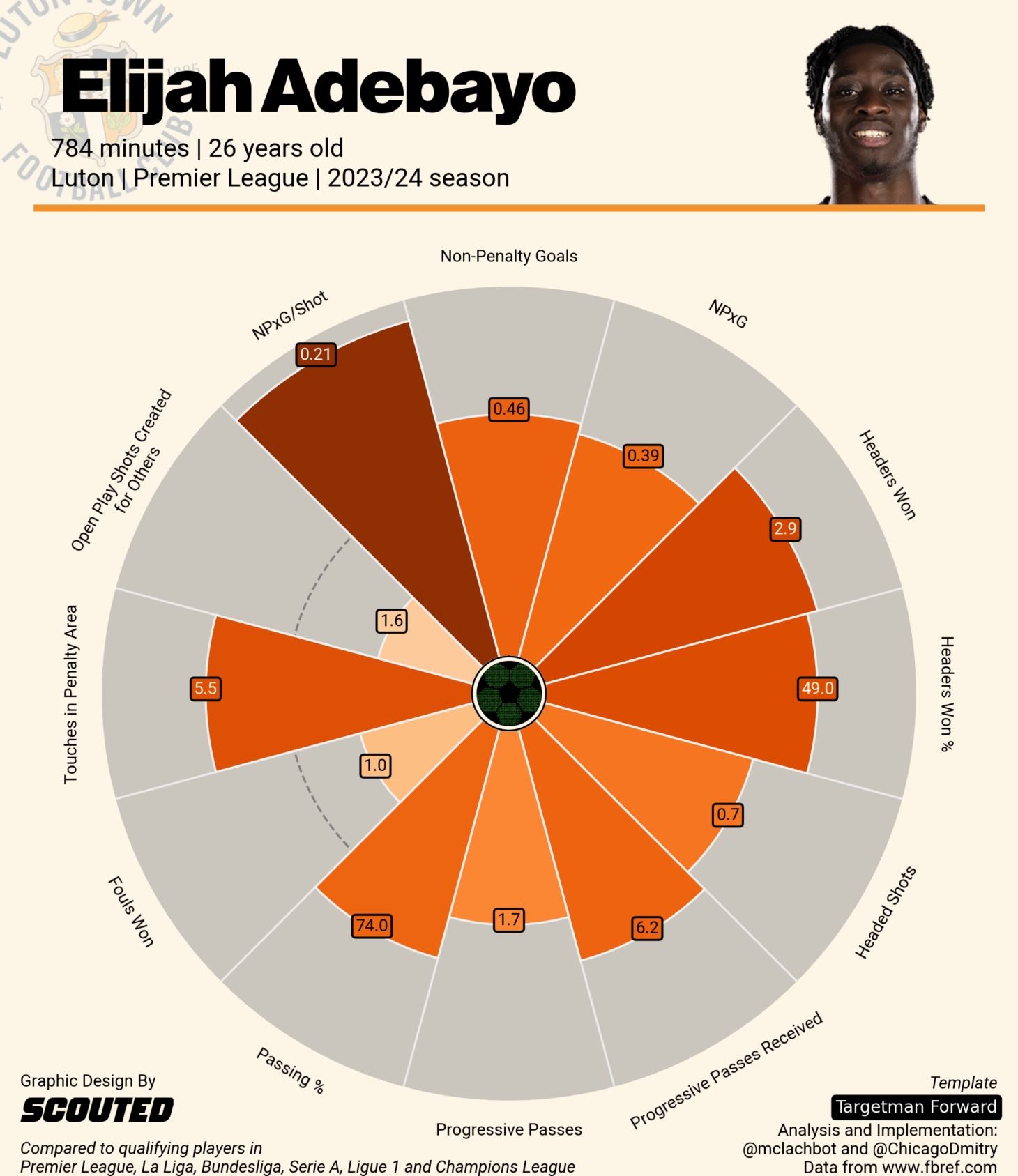
Heading and goalscoring are skills that translate through age groups and through the levels, when it’s based on a genuine know-how to get to the drop point.
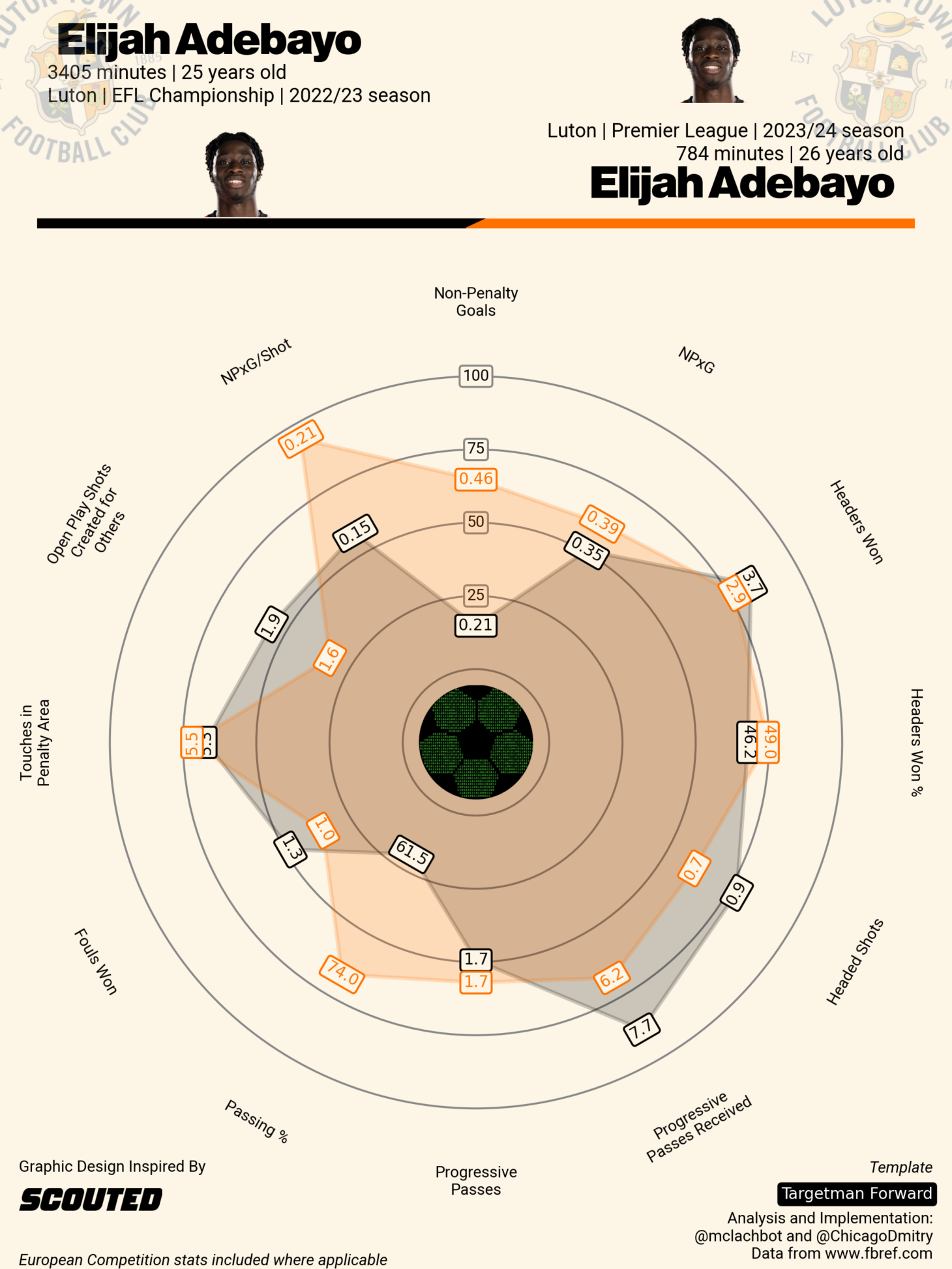
We want to sign that striker who played in the Championship last season.
Not this one, the other one
Ange-Yoan Bonny – 2003
A solid striker already, 188m (6ft2) and 88kg (190lbs), Bony catches the eye for his propensity to get around teams, overlap and provide good deliveries across the box in Serie B this season.
He’s not afraid to go through the ball with the laces, and can carve through a defence open.
He’s one of the players that can be foreseen into developping into a 9 one day: either by scoring a lot of goals, or being an absolute powerhouse defenders dread facing
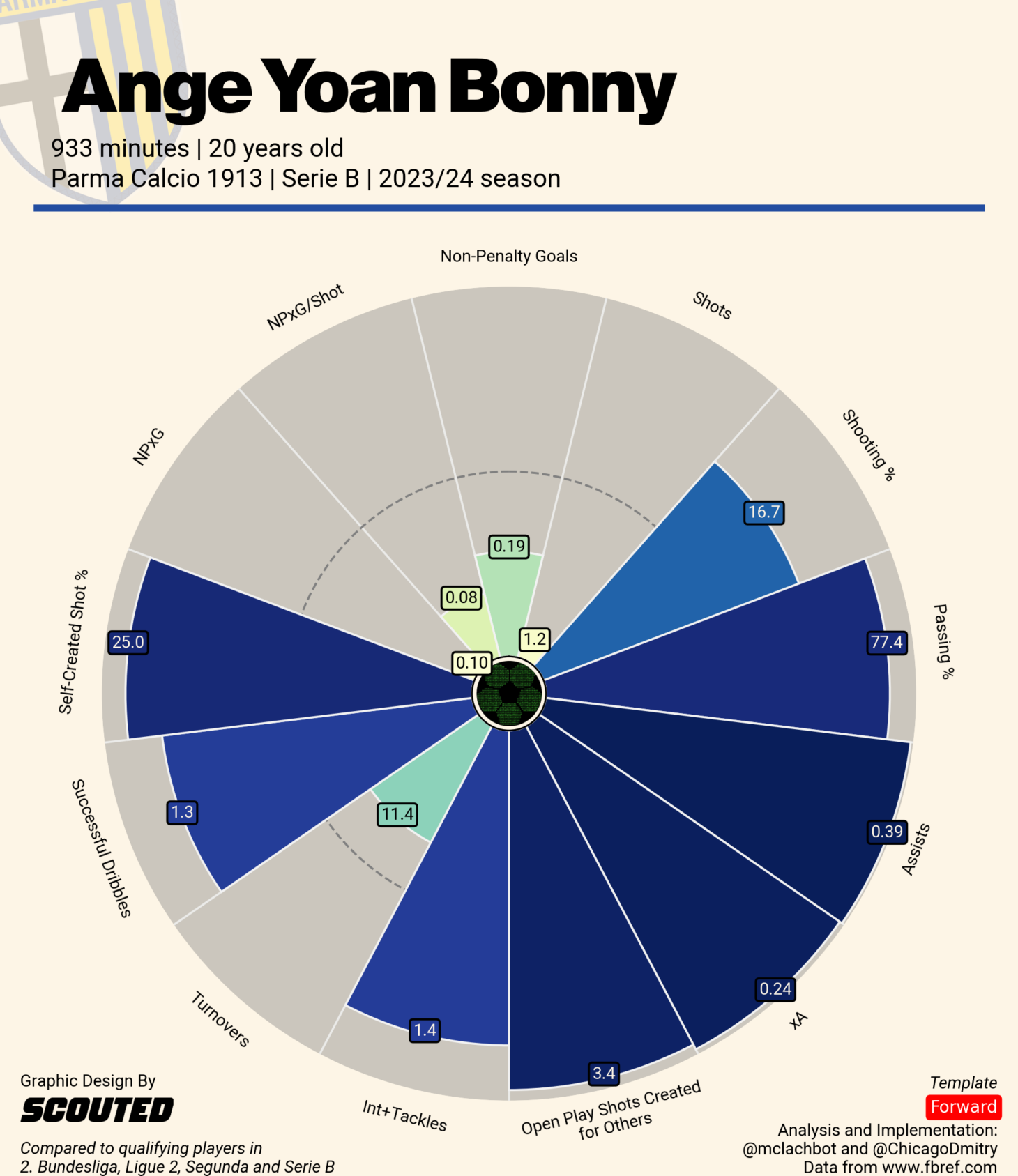

George Ilenikhena – 2006
If Chelsea was ever tempted to continue the Daniel Sturridge business instead of shipping him to Liverpool by the backdoor in January, there’s a player sharing an uncanny resemblance at Antwerp.
All type of finishes especially 1v1, impressive maturity to find separation and run in behind and some gamemanship against senior defenders.
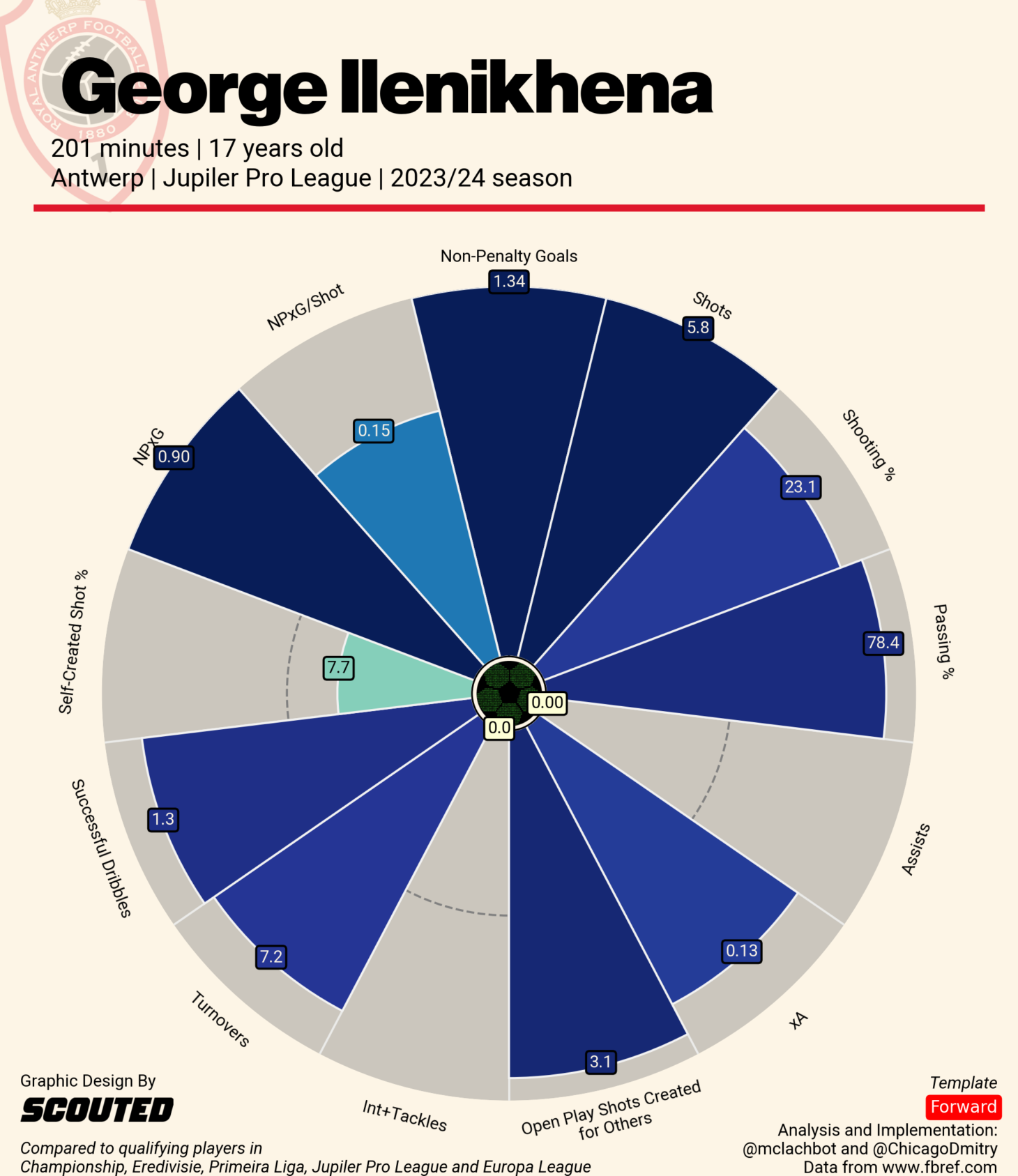
On a sligthly larger sample, including performances in the Champions League
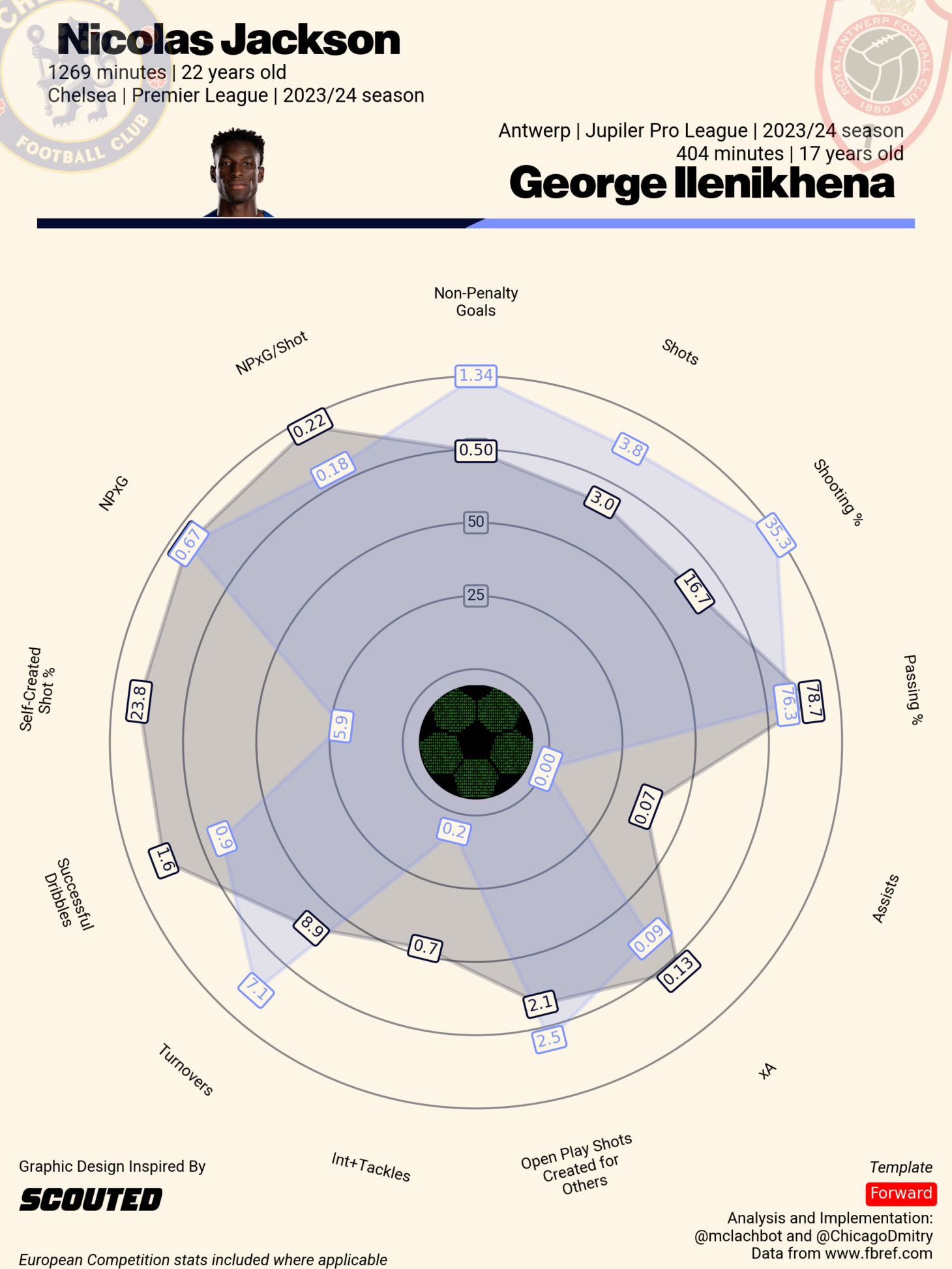
Attackers: trust the process
There’s reasons to believe Chelsea *might* have identified playes with a complete skillset, with a personality and playing style that might become “iconic” one day.
It all relies on the *might*, mapping an uncertain timeframe with the realities of weekly games, with Chelsea in 12th.
We can question their relative inefficiency after one year (due to lacking fundamentals in terms of separation movement in and outside the box), and the lack of serviceable attackers able to take some pressure off them (Ziyech being one on the wings, or a Demba Bargain striker).
With regards to the Osimhen bucket, whilst evidence is before us that the man hasn’t joined (yet), the level of spending isn’t outlandish in attack. 20 million punt here and there, some big money on one attacker (100 million) and a clever bet on Jackson (35 million).
The question is instead: has the money been invested on the right horses.
Keeping in mind that some might not have been interested in a 8 year contract on average market value wages. Olise, Kudus might prefer the Crystal Palace and West Ham option, then agent a big money move to Liverpool, Arsenal (Havertz is on 330k a week) or Manchester City


ROLE OFFSET
Squad building is as much an exercise in adressing needs, that it is to maximise players’ skillset (with aim at them being relied on as frequently as possible)
Sterling and Palmer are top players, but their primary quality doesn’t lie in goalscoring / playmaking
but creating danger with dribbles / shots
Brainstorming players’ ability (turning talent or “skill” into tangible contribution) in order or ability. Obviously, the more you rely on what playes are best at, the better, and the lower down, the more they’re not used in a most optimal way
Raheem Sterling
Separation / rupture dribbler who runs in behind, combines, draws fouls
Hold up play outlet, because he’s strong as an ox and never on the floor
Finisher / pressing workhorse off the ball
Cole Palmer
Wide finisher, creating separation with 1v1 shifts, drags and chops
Space roaming player who can find pockets and turn, play a final pass
Playmaking 10 (play the pass before the assist)
Right now, Chelsea’s squad building put the burden on (2) and (3)
The missing skillset upfront lies in a player able to hold the ball up, run the channels. Acting as a relief outlet so that he can either draw CBs out of position and/or bring players into play
Jackson has only recently being convrted into a lone striker, and hasn’t displayed the same ability to run the channels that any PL striker does.
His game back to goal is only decent, and he would benefit from having a closer player to lay the ball to.
Which he had with Christopher Nkunku in pre season.
And who he can’t have in Premier League at the minute:
Gallagher is closer to his CM partner to pick up second balls
Enzo isn’t necessarily a second ball winner, and is put at 10 as a result of his defensive shortcomings (positioning) more than per design.
Jackson has other qualities, including the one we could foresee on scouting tidbits without thinking it could translate that soon:
ball carrying facing play is what Jackson does well, at pace.
Talent ID is spot on
However, the role usage see Chelsea cry out for a 9 do do the “hold up play”
The consequence is that oher players end up getting on duty.
Politics also get in the way (or recency biais). Sterling is a 60 million player, 300k a week player. But has been so far used as a makeshift / shuttler / clogging the right side (as a right wing back, right winger) so that Havertz, Mudryk, Pulisic could stink the place out at CF and LW respectively.
That Sterling ends up feeling disgruntled is very much a process of Chelsea’s own making. Money can’t buy everything.
This is such a disingenuous can of worm discourse that it doesn’t warrant any more attention that it takes already. If he was whatever he is vilified for, surely he’d be happy with the money he and top level footballers make.
Yet he’s not and it’s not very hard to understand why
What Chelsea miss out on, is players maximised on their #1 skillset n attack.
Sterling *CAN* do hold up play. Is *HE* maximised?
Raheem Sterling as “long ball outlet”
However, who darts at the near post on this play where Sterling also acts as a relief outlet ?
Jackson acts as an uncooked 21 year old winger (so does Mudryk)
These plays don’t quite get captured on data, but are the game changing opportunities Chelsea don’t take advantage of.
Pochettino can only do with what he has.
Madueke is currently where critics thought Willian was at.
Questionable ball retention, no end product.
Is he Hallowillian?
Mudryk is a coin toss unwilling to run in behind.
Does the message sink in?
This explains mostly why Gallagher or Ugochukwu end up in “10, vacate and create space” roles, or “sitting and screen” that aren’t their #1 nor #2 abilities (but where they still perform well).
Nature abhors a vacuum, and the goalposts don’t move.
The game will remind you this by sucking players into performing it to get the game going forward.
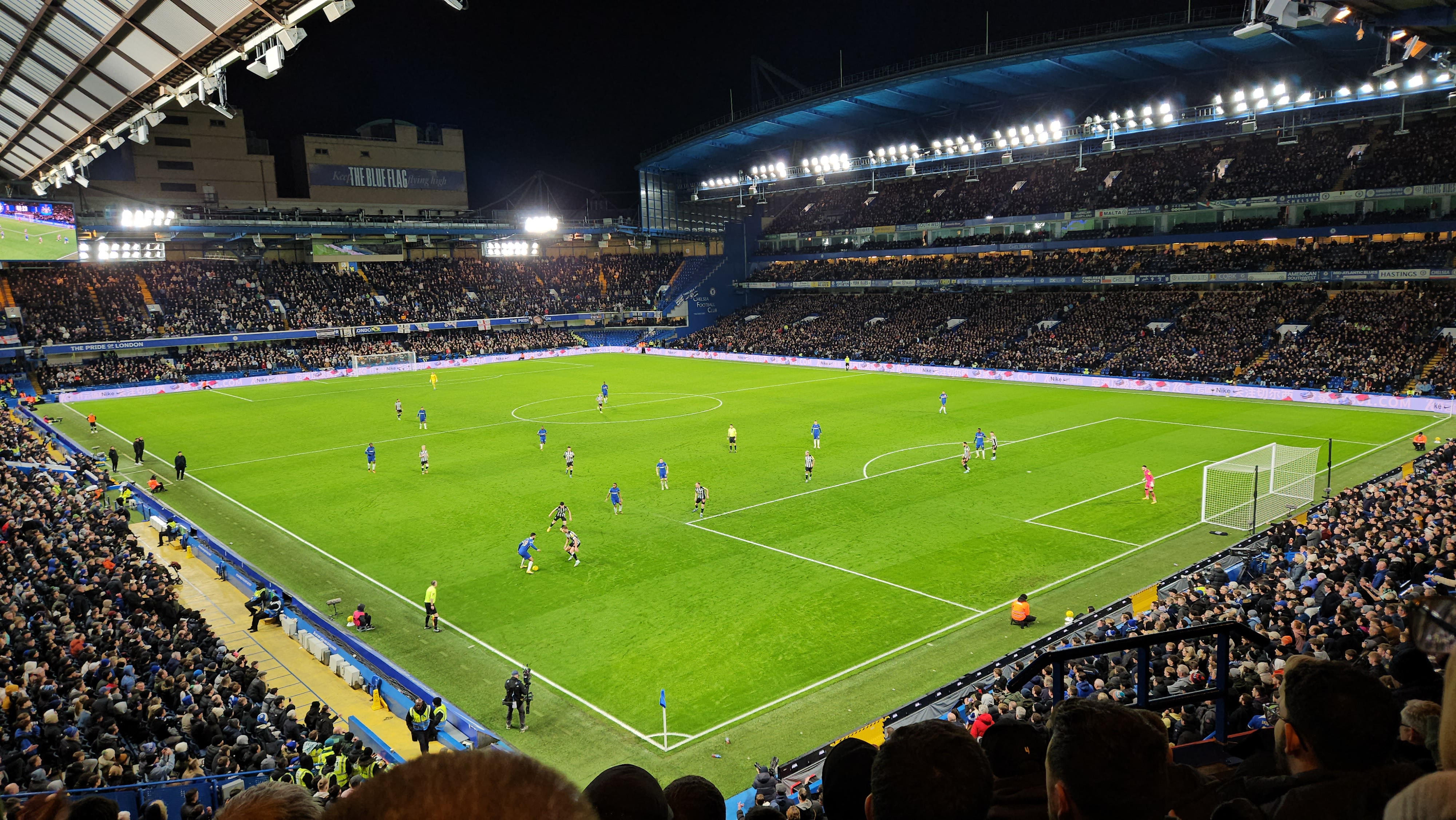
𝑶𝒏 𝒕𝒉𝒆 𝒘𝒊𝒏𝒈𝒔 𝒐𝒇 𝒍𝒐𝒗𝒆 𝒖𝒑 𝒂𝒏𝒅 𝒂𝒃𝒐𝒗𝒆 𝒕𝒉𝒆 𝒄𝒍𝒐𝒖𝒅𝒔
𝑻𝒉𝒆 𝒐𝒏𝒍𝒚 𝒘𝒂𝒚 𝒕𝒐 𝒇𝒍𝒚 𝒊𝒔 𝒐𝒏 𝒕𝒉𝒆 𝒘𝒊𝒏𝒈𝒔 𝒐𝒇 𝒍𝒐𝒗𝒆
Lumping the ball in the air for the big number 9.
It will be interesting to see Chelsea’s business strategy in the January window. For sure, being 10th for the second season in a row wasn’t part of the plan.
Because they haven’t spent enough in key positions? After 1 billion?
Because players haven’t been “coached” and improved enough?
Because players didn’t prove to be as good as expected so far?
Bruh, you made the sandwich.
Let’s see
We probably lost hope in expecting some sort of sit-around or interview on the official channels (are instafluencers part of the new multi-club model?) to speak in more specific terms about where the project is at and the challenge it found on the way.
Not every loss can be hidden forever behind a smokeen of briefs about transfer activity or training ground finishes. This is not anyone’s wish to see jobs being put in question, but as the chain of accountability in the process goes, football fans are well accustomed to witness in which order the turnover of people in charge usually occur.
Let’s just expect that the can won’t be kicked too far down Fulham Road whilst the inevitable family laundry occurs; in the hope the team can get better and come any close to the top 6.
Anytime from now would be welcomed by a significantly disheartened fanbase.


 Sébastien Chapuis