A few notes on left backs, fullback national development and lefties
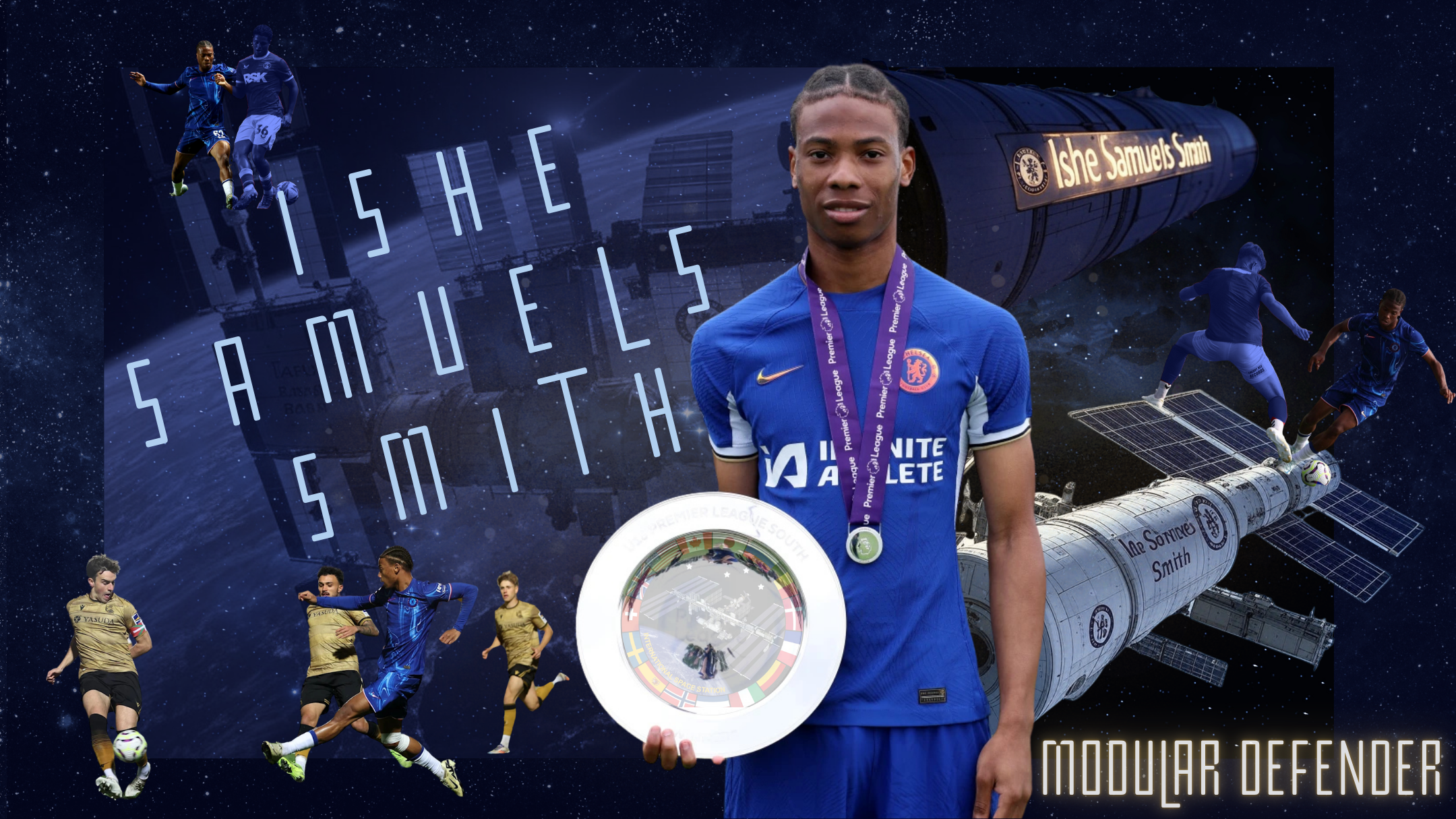
A few notes on Ishe Samuels-Smith
Clustering lefties, and left backs
Ishe Samuels-Smith, Modular defender in 2025
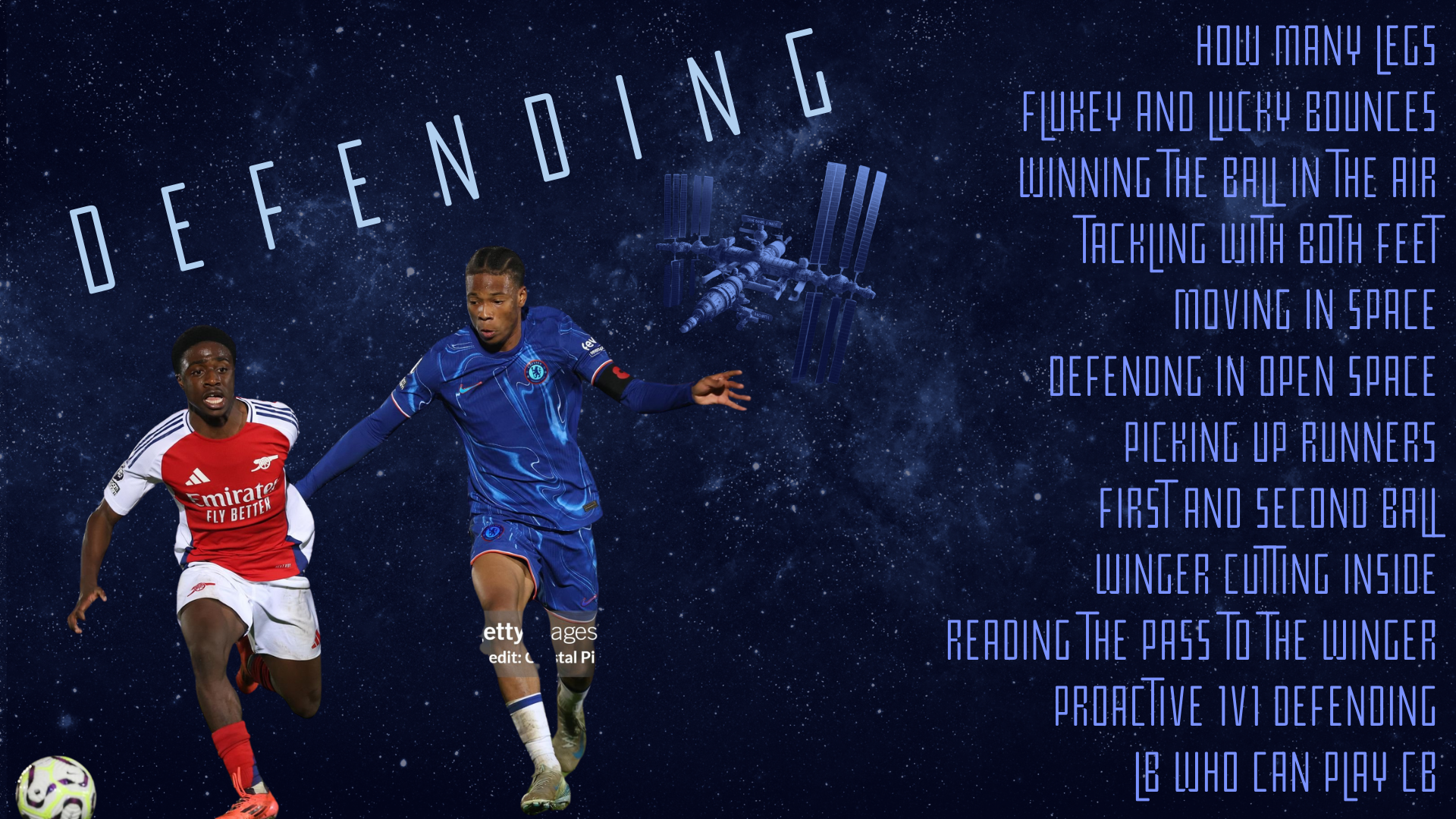
DEFENDING
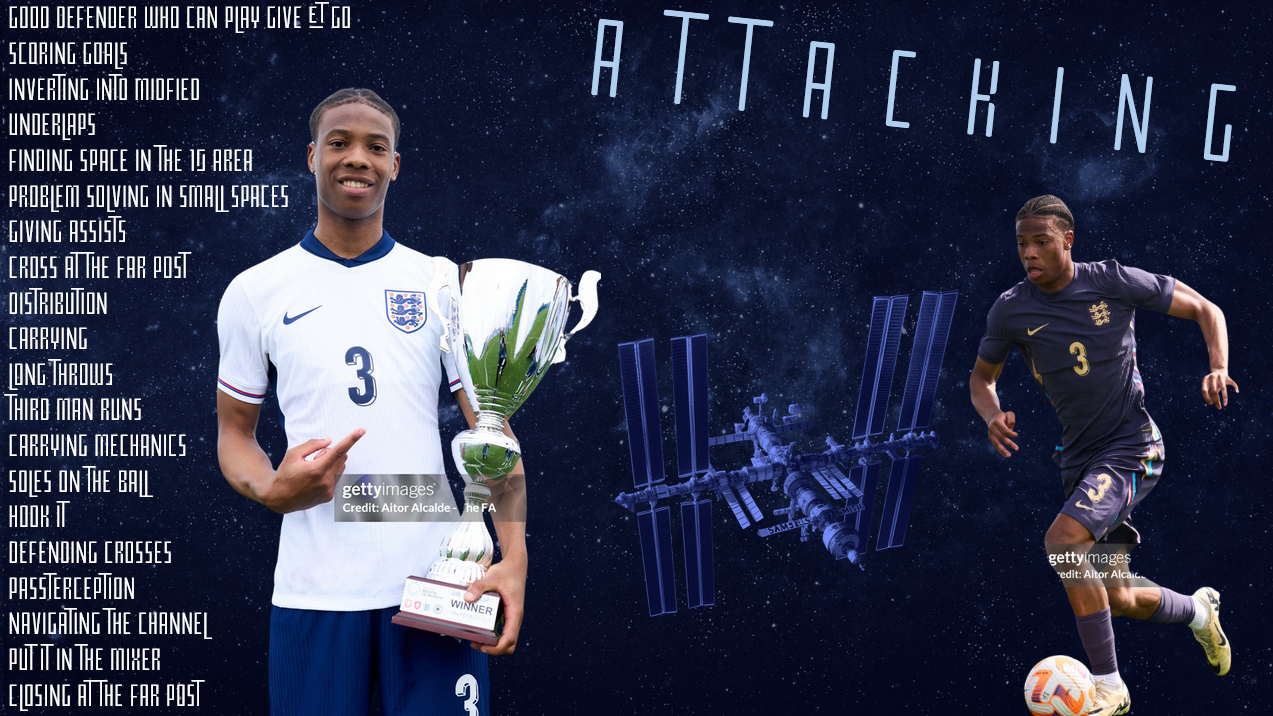
ATTACKING
The European Left Back landscape
Renato Veiga, who?
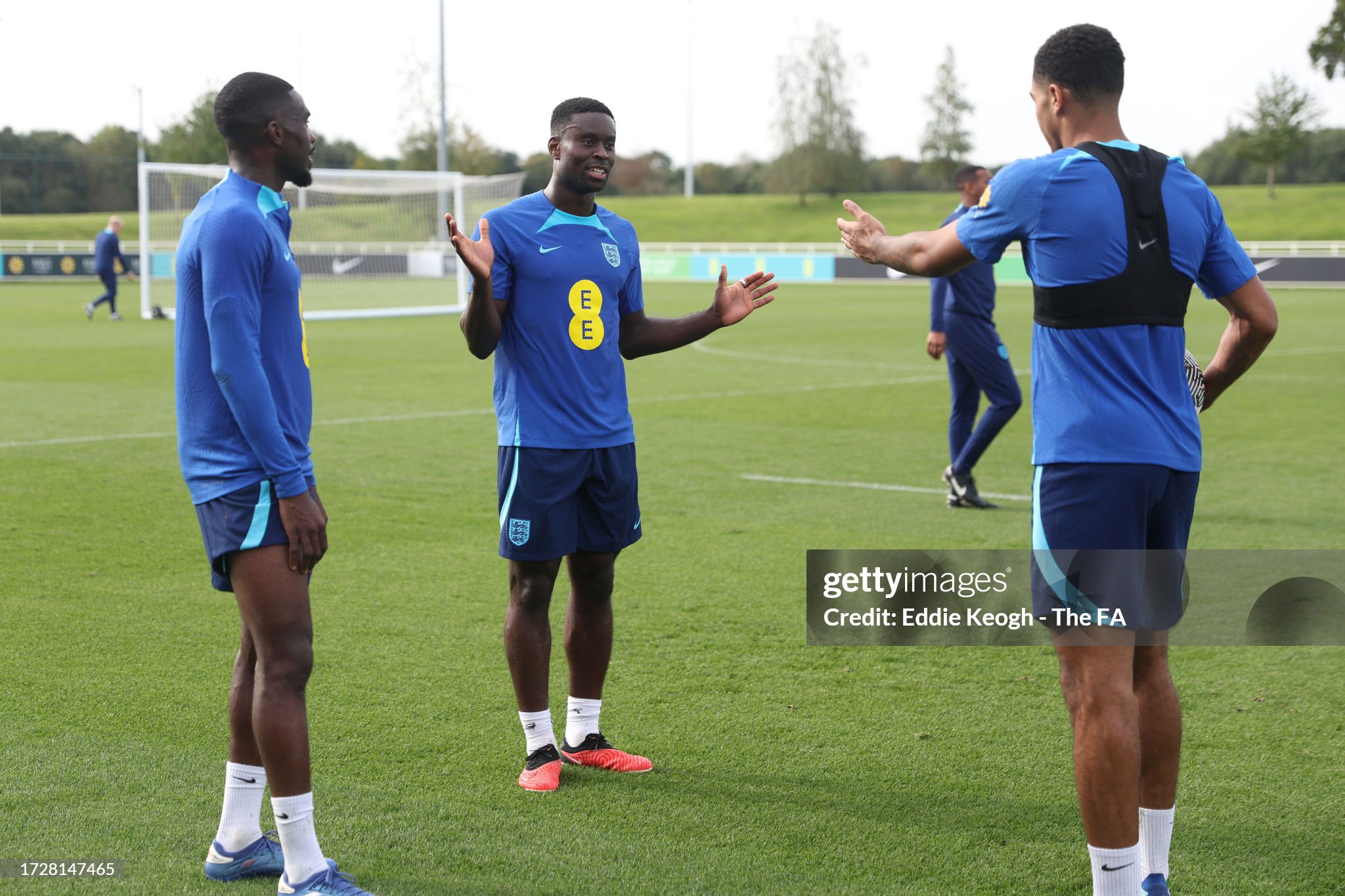
Ishe Samuels-Smith, as first seen in 2022-23
Some notes on player development, and fullbacks in particular.

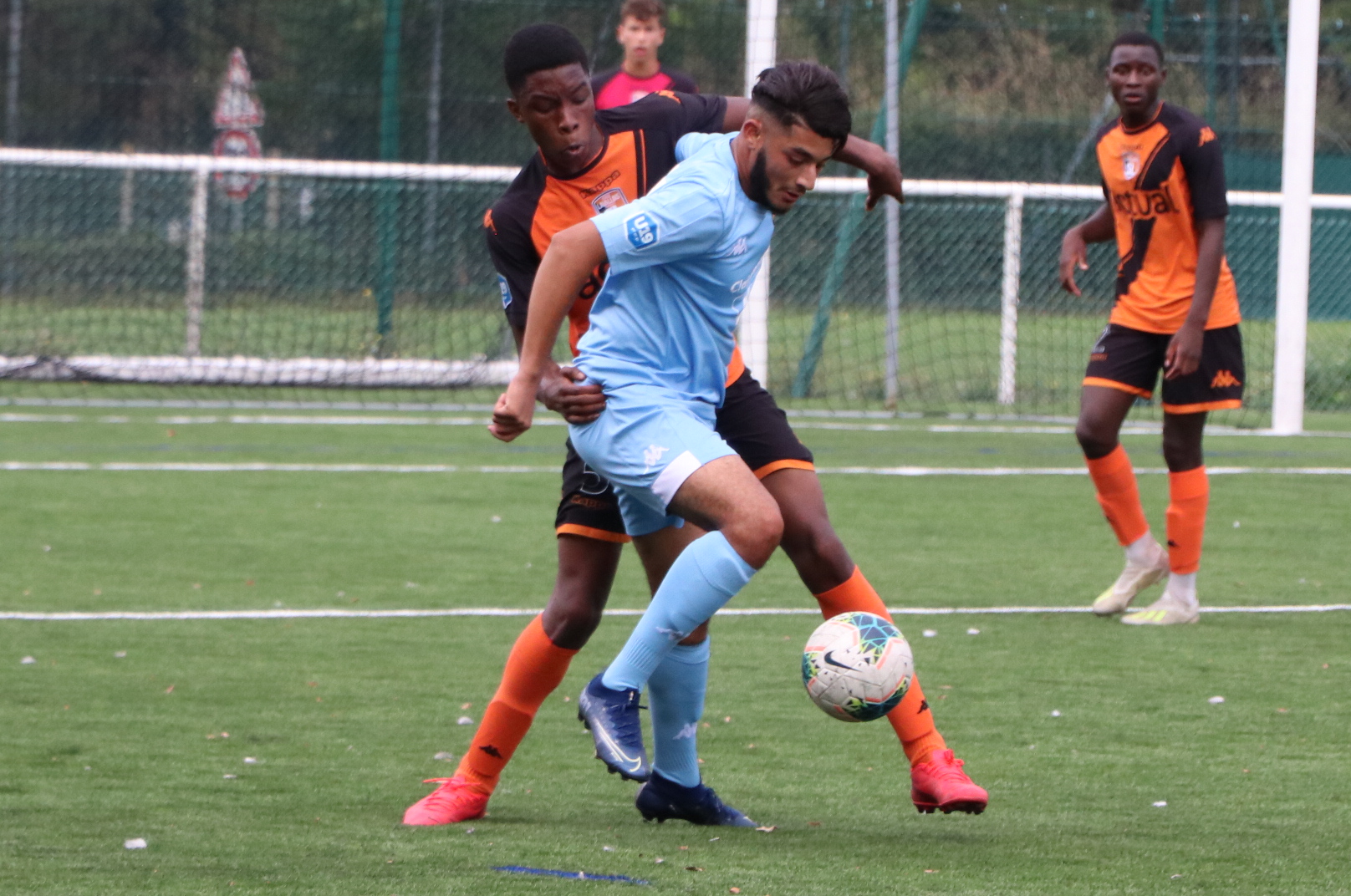
Having coached a few good players over the years, including two who are now professionals that I poached in Grassroots to jump at National level (with great success).
Competing for the same spot in the same team in the same season, and I could fit them in the same team to play off the park the rival club 9v11 in September 2020.
Bob the Squad Builder
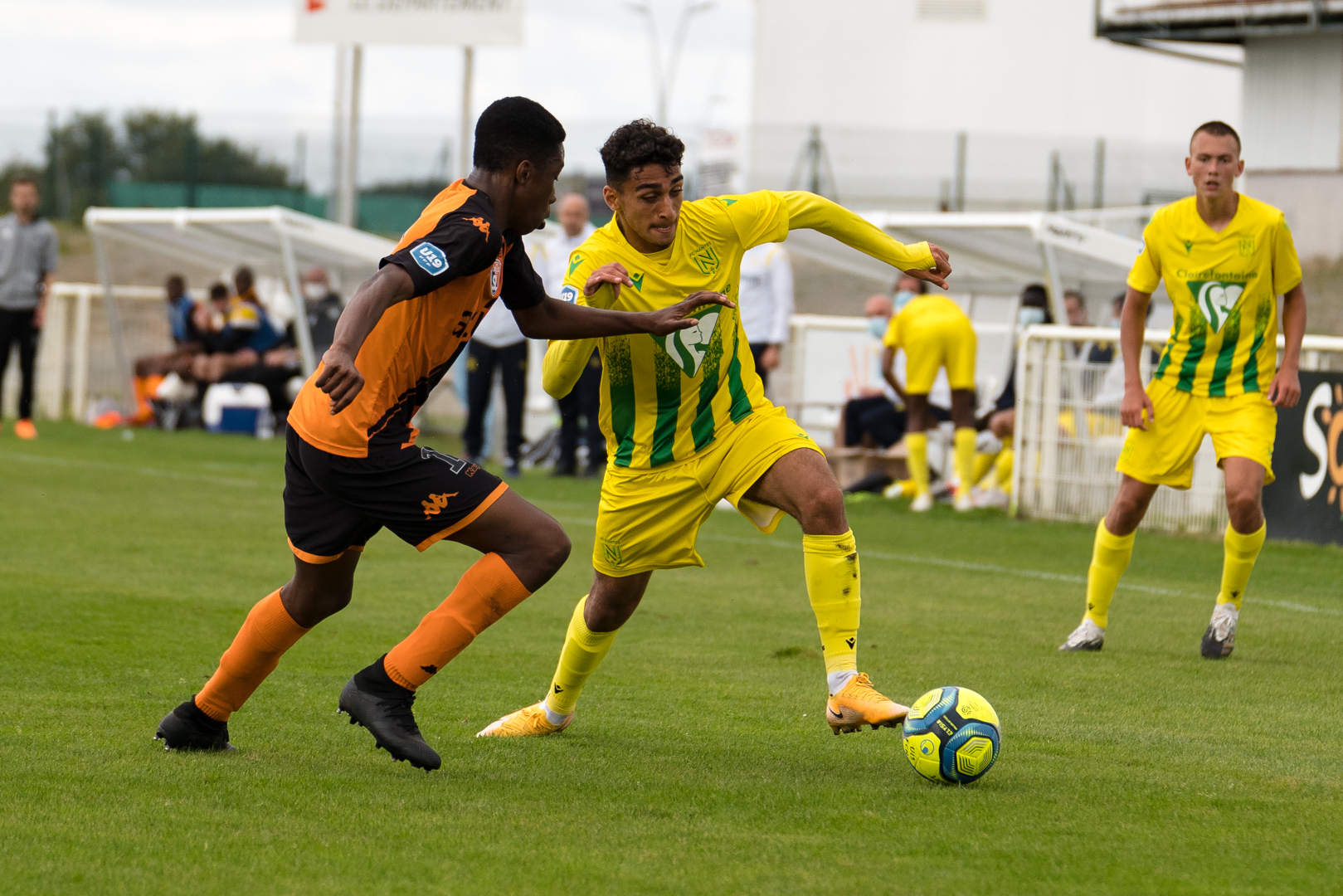
Winning 7/7 tackles in the first half vs the best team in Western France for his debut at National level on opening day.
I thought Nantes would snatch him at half time (they want him now anyway)
Or Lens to replace Khusanov.
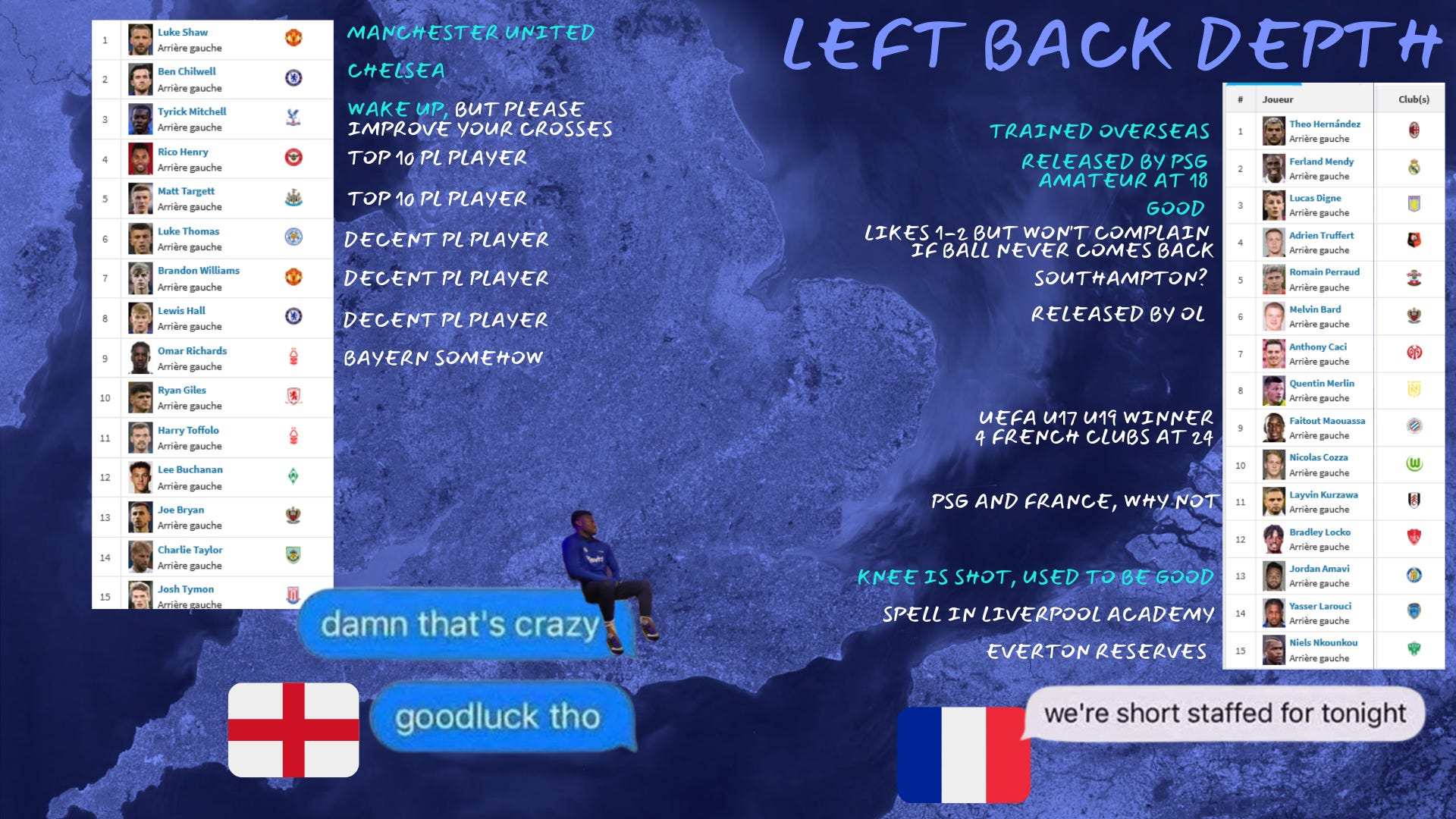
Clustering fullbacks
Fullbacks: is your country developping players
I am of the opinion that fullbacks is the real truther to evaluate a National curriculum of player development.
From the BIG BEN article ; England have a position specific curriculum.
France are taking chances, don’t really develop players, and fuck about with strikers converted at left back.
Lucas Digne is the only one with the entire toolkit (heading, crossing, defending, passing) and even academy curriculum.
From December 2022.
Maverick unicorns and alien are drawn from the GPS Lottery that makes a Mbappé see the light in Bondy, Haaland in Manchester or Bellingham in Birmingham. Let’s not get drawn into the pseudo science of how to manufacture athletes; which is a combination of genetics (height, fast twich fibers, and a variety of biological parameters) and upbringing
I remember doing a BSc research project, which was a 100+ people questionnaire about sport trying to investigate the relationship between playing sports and parents’ interest / involvement in it. I think one of the takeaways was that having parents who played at high level obviously helps from a networking perspective of access to opportunity, but the most interesting one (for what it’s worth) was that parents who played the sport at a half decent level find themselves in the sweet spot between understanding the dynamics, and not putting too much pressure.
Back to our fullback business, they are hardly the players who win you games growing up through the Academy age groups. The large majority of professional players played striker or midfielder (and finished games at CB, you know the jazz) for being better than their age peers and winning games when they felt like it.
Matchwinners at academy levels are usually the big city mavericks who can find unexpected solutions to new problems (that’s creativity) or be relentless in order to force a breakthrough (that’s problem-solving).
Ian Maatsen (22): solving problems
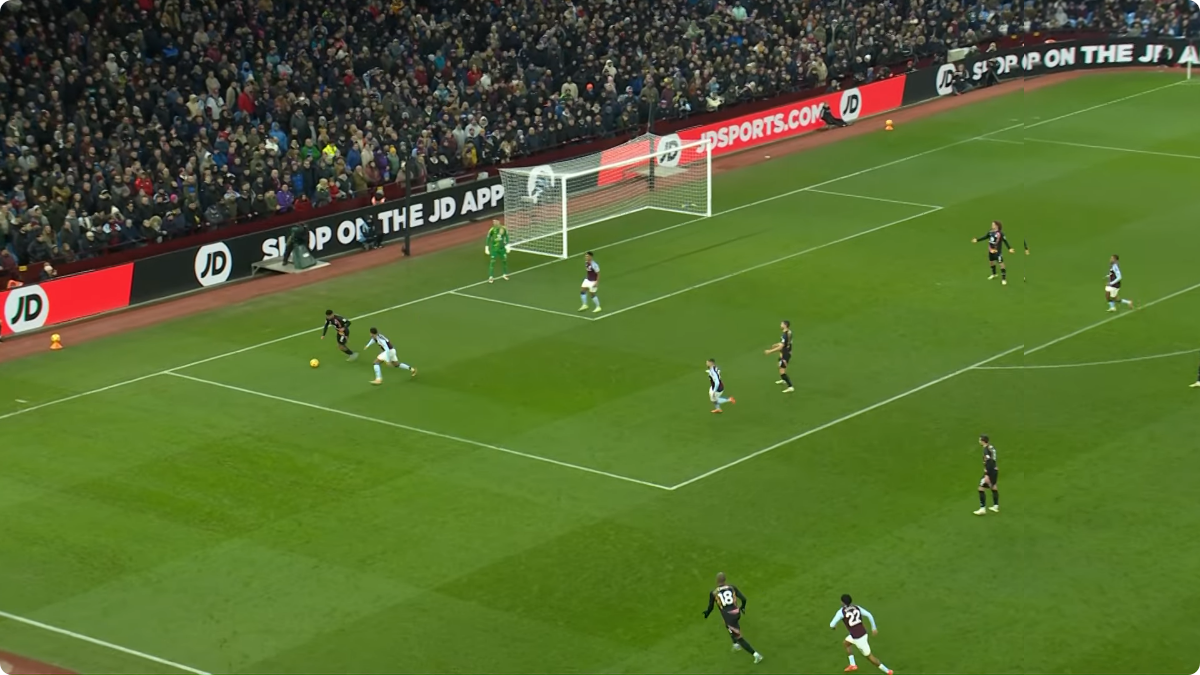

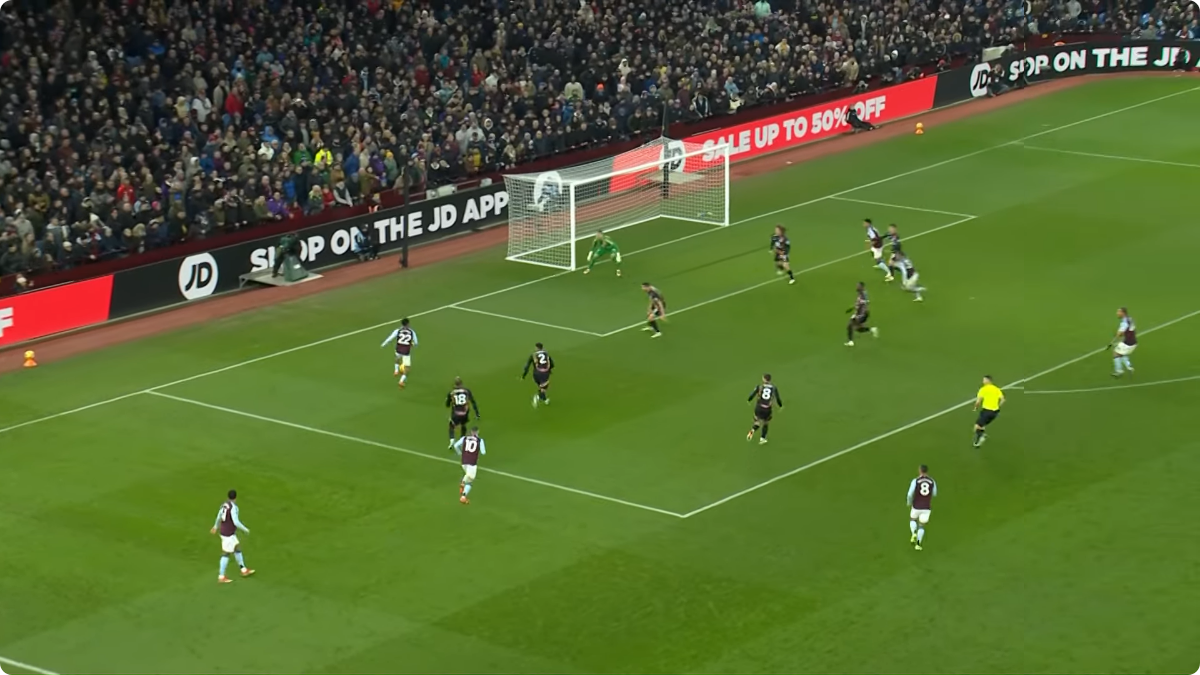
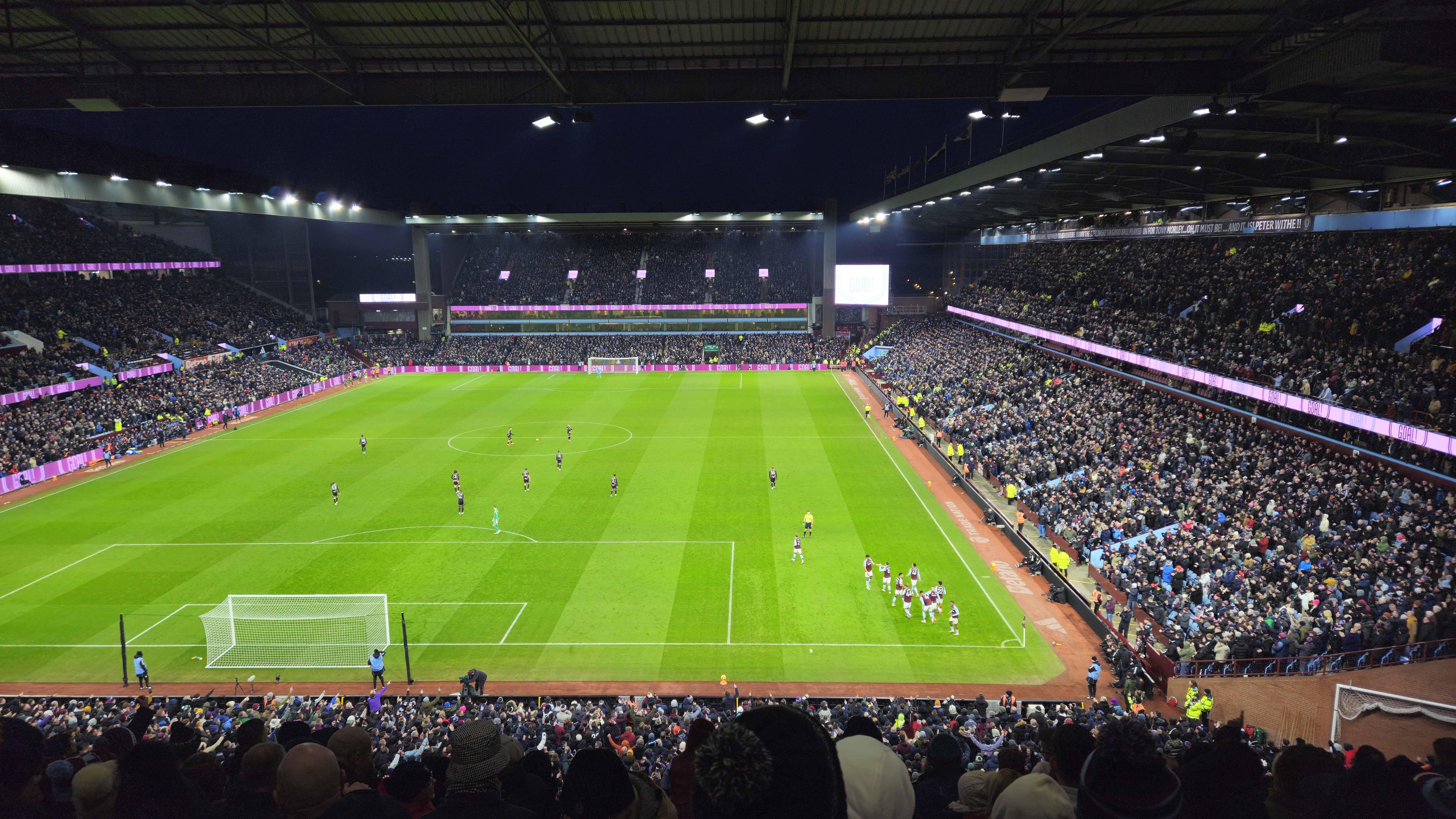
Life, in general, is about opportunities but not everyone has access to the same
On top of that and independently, not everyone perceives them the same way.
“Affordances” coined by Gibson in the 1970s is how someone views a locked door, and how someone finds their way in through the window. Do you see obstacles or solutions.
There’s two ways to nurture and develop people’s ability to face adversity.
Give them the solution (and a good life), that’s why very few middle/upper class sportsmen succeed in open access sport (Tennis, Golf, F1 and anything that costs an arm isn’t an open access sport)
Identify talent pools full of a demographic that has to find solutions to get on top of the number of age peers competing for the same chance; and finding a way through
Developping players through making them face a library of commonly encountered problems, to give them a toolbox of solutions.
This is the latter that interests us; even if eventually, the second will be at play for better clubs to sign players who worked on their craft.
Nature versus nurture. Not everything is god given, but not everything can be taught.
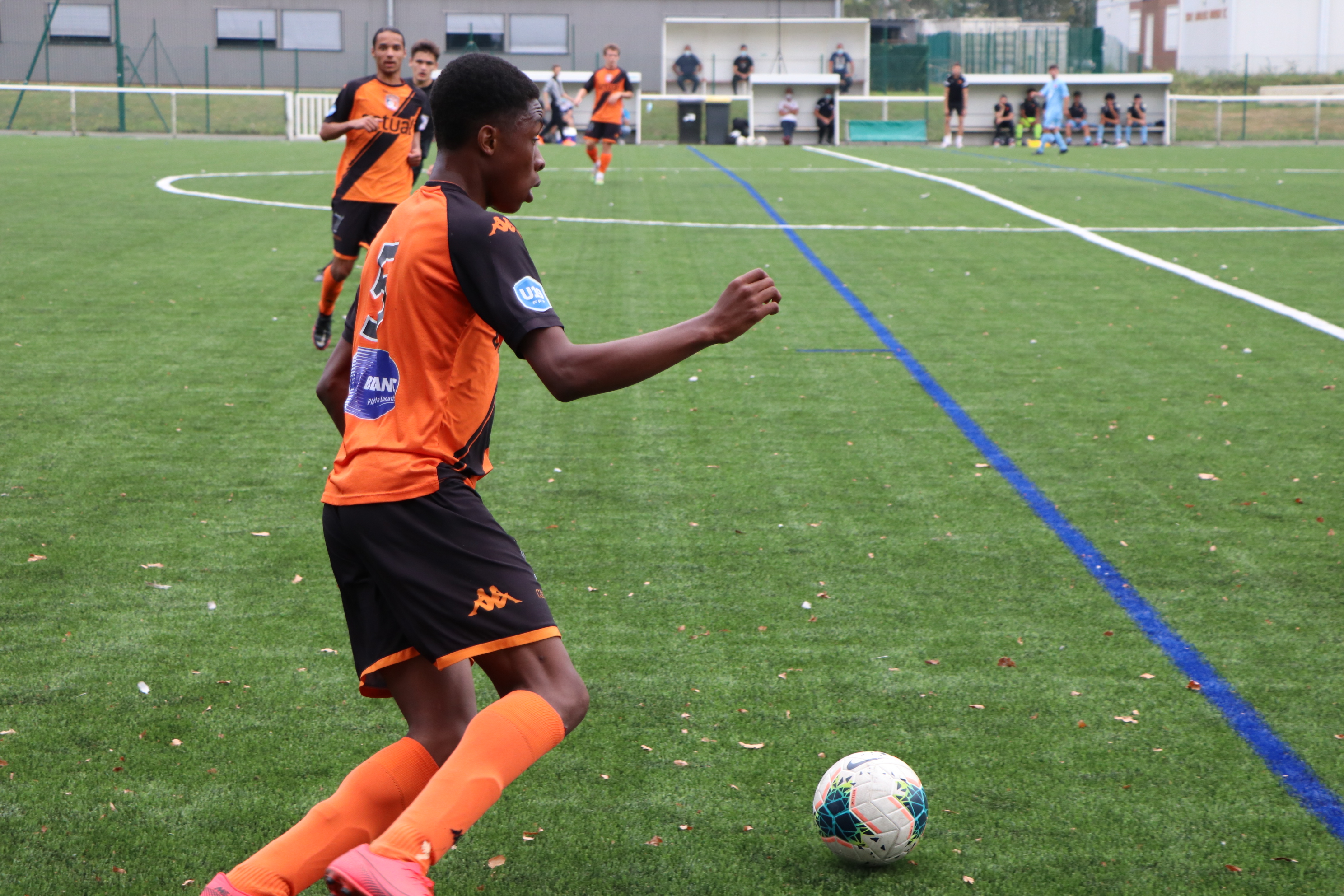
Developping players will rely on
Game realistic demands that align with the reality of senior football the closer you get to it
Game realistic training and player development to provide the practices that allow players to develop their skills and decision making associated.
Whatever his name (it’s not the point). The Angers U19 left back, French U19 Champion looked the part (have you heard dis and dat), now plays 5th tier French football.
Dembo, my idiosyncratic right back on wheels, is now a professional (and international) – a long journey coming from that quick winger “not good enough” and “wouldn’t think he made it” by your local sunday league local football experts.
Ultimately, looks get you places in football, output and outstanding abilities make you break the ceiling (and clubs put money on you).
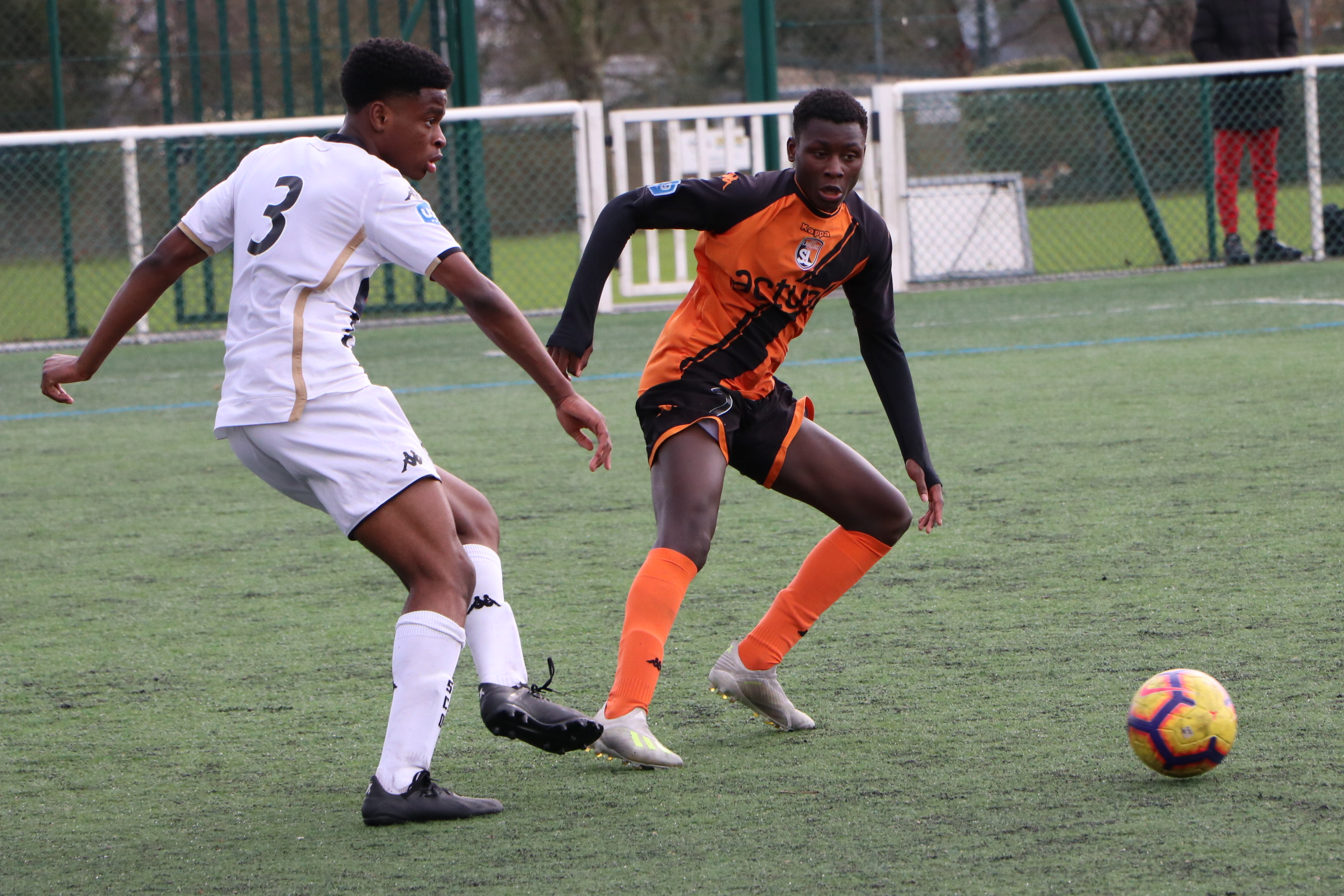
Nobody grows up dreaming to becoming a Gary Neville
Coined by Jamie Carragher, “you’re either a failed winger, or a failed centre back”
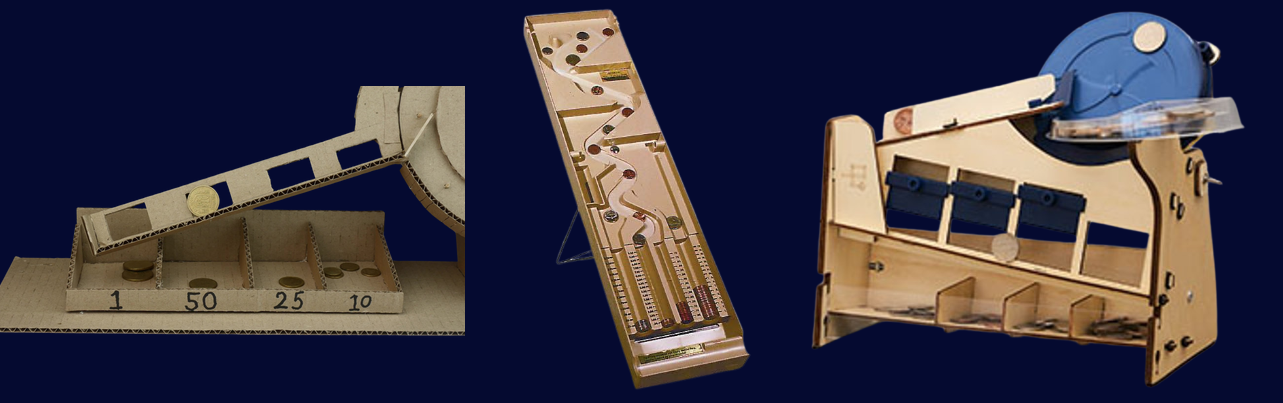
Speaking of coins, this is a cookie cutter, or “coin sorter” framework
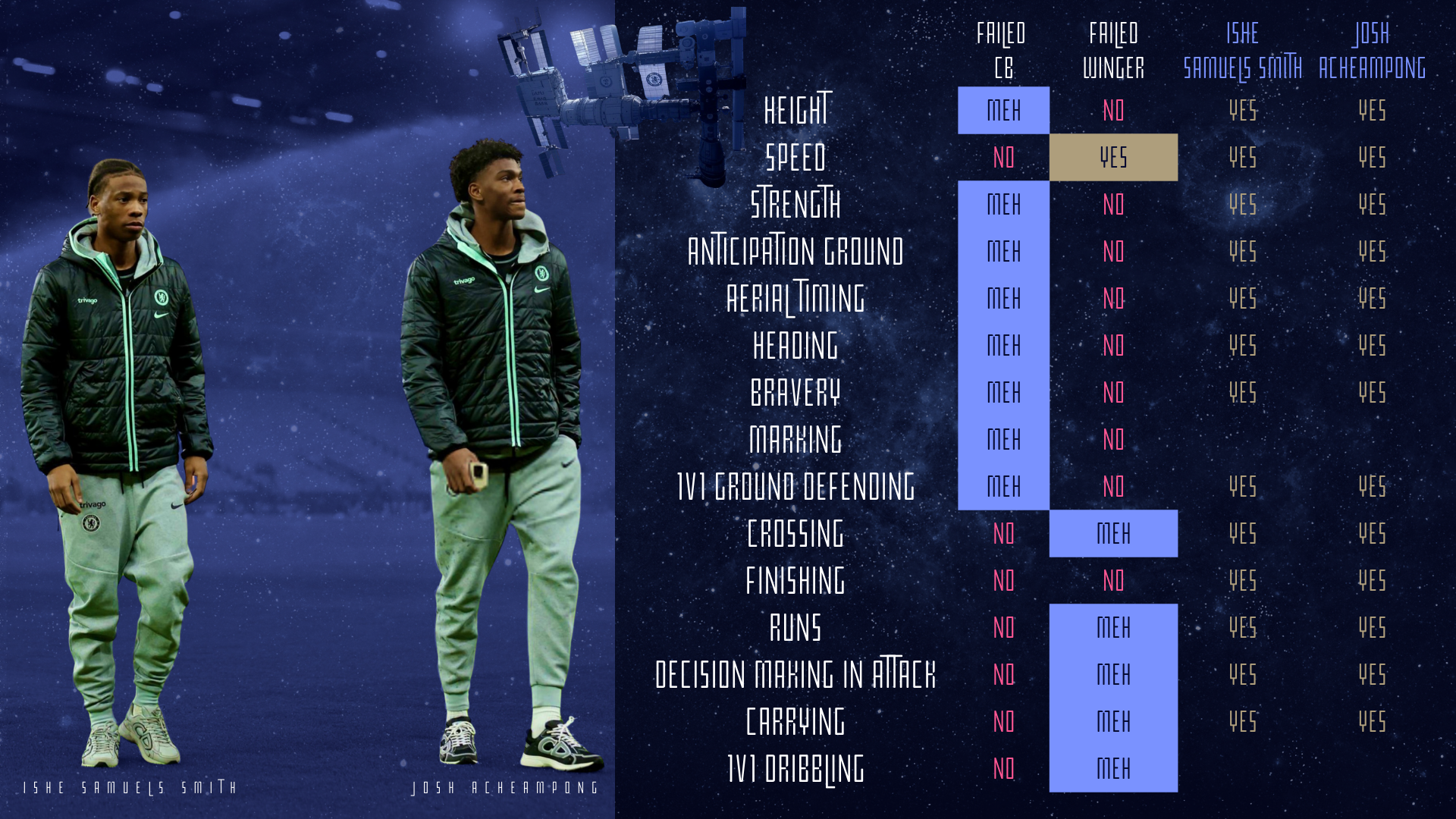
In other words, what you might be able to work around. This isn’t capturing 100% of the pool of converted players into fullbacks, there’s also central midfielders like Malo Gusto.
There’ll be players who get a “yes” in some categories, but it’s generally accepted that if you’re tall and brave you’re a CB whilst quick and dynamic end up at fullback; until they either improve or are released.
The overlap of both (brave and quick) is Wesley Fofana, meaning world’s best.
Same for “tall and ground defending”, we’re talking Rüdiger.
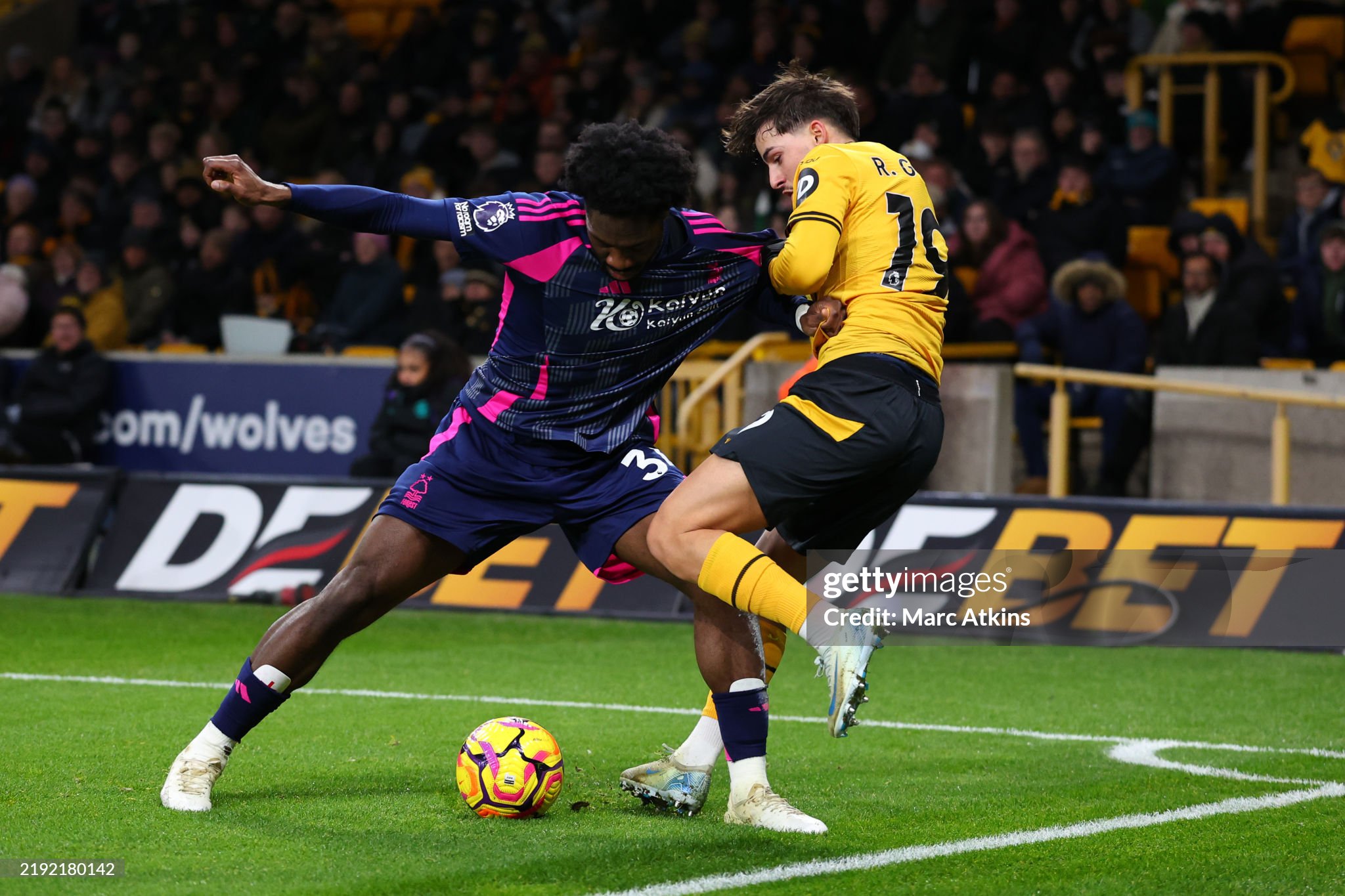
Lefty vs Righty
Producing top level fullbacks stem from: identifying players that fit the bill, and developping their key attributes.
Doing it for right backs is difficult, and the real evidence that a player talent pathway isn’t just “play quick kids upfront and at the back” and “dribbling ones in midfield” but answers to a specific role description.
Just like at any school or field of work. A bullet point of ability that players can or can’t do.
Doing it for left backs is all the more difficult because you’re looking at the 10 to 12% of the (global) population that use their left limbs predominantly.
There’s of course the case of people who are dissociated and write with the right and shoot with the left. And Ousmane Dembélé
The left and right side of the brain
Silver lining for lefties, even if the evidence isn’t directly conclusive.
The brain is cross-wired, meaning that the right side controls the left side of the body and vice versa.
Scientists at the University of Oxford say that the brains of left-handed people work differently than right-handed people.
In a study, the brain was monitored in left-handed participants. Scientists say the two sides of the brain were better connected in lefties and more co-ordinated, particularly in the areas that involve using language.
Chris McManus, from University College London, author of the book Right Hand, Left Hand says:
“If you are left-handed you might find yourself with a slightly unusual way your brain is organised and suddenly that gives you skills that other people don’t have.”
It’s often claimed that left-handed people are more likely to be creative and good at art or music. However there is not enough scientific evidence to prove this so far.
Scientific evidence isn’t overly conclusive to expect any left footed to be overly gifted.
But it’s commonly accepted in football scouting that
A right footed player can develop a good left foot to be equally capable with both. John Terry, Fikayo Tomori and Marc Guéhi are evidence that hard work comes to fruition
A left footed player will have it easier to get a beter strong foot (left) than a righty would ever dream of. Colwill, Badiashile (welcome to the penitentiary, Jhon Duran) are good examples

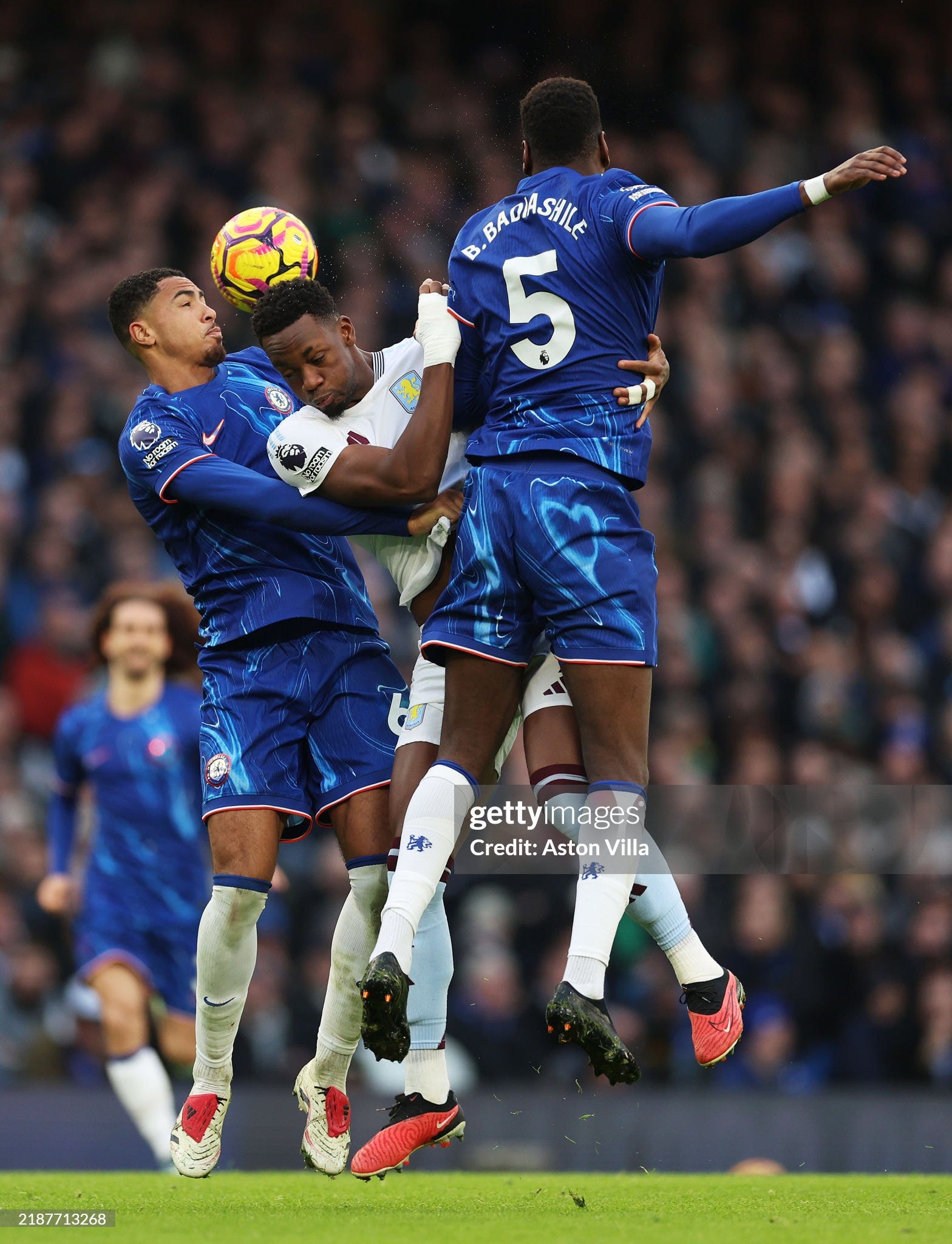
In other words, if you have a good lefty; you get hold of them.
Chelsea’s Left Back avenue: Boulevard of Broken Dreams?
Over the years, Chelsea had a number of players featuring for their Academy age groups on the left side of innovative 343 systems (that pre-date Antonio Conte’s arrival) as you can read about here:
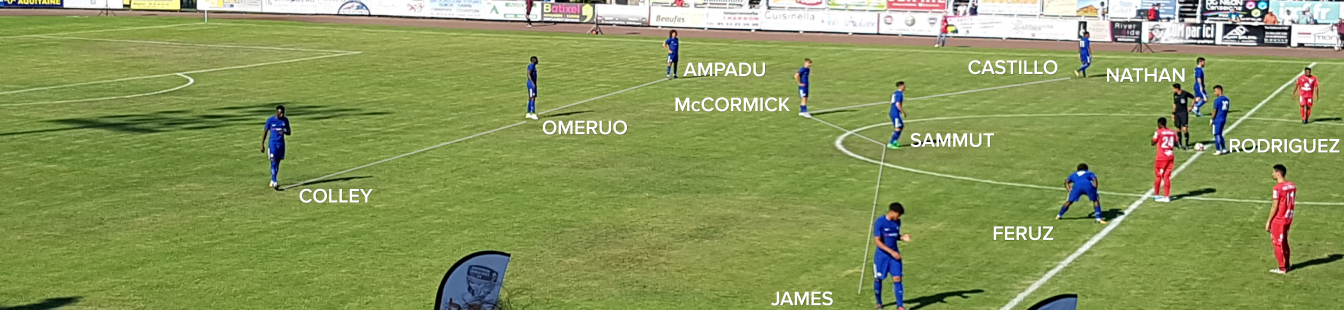
that made them dominate FAYC (6 wins in a decade) and UEFA Youth League (3 finals, two successes)
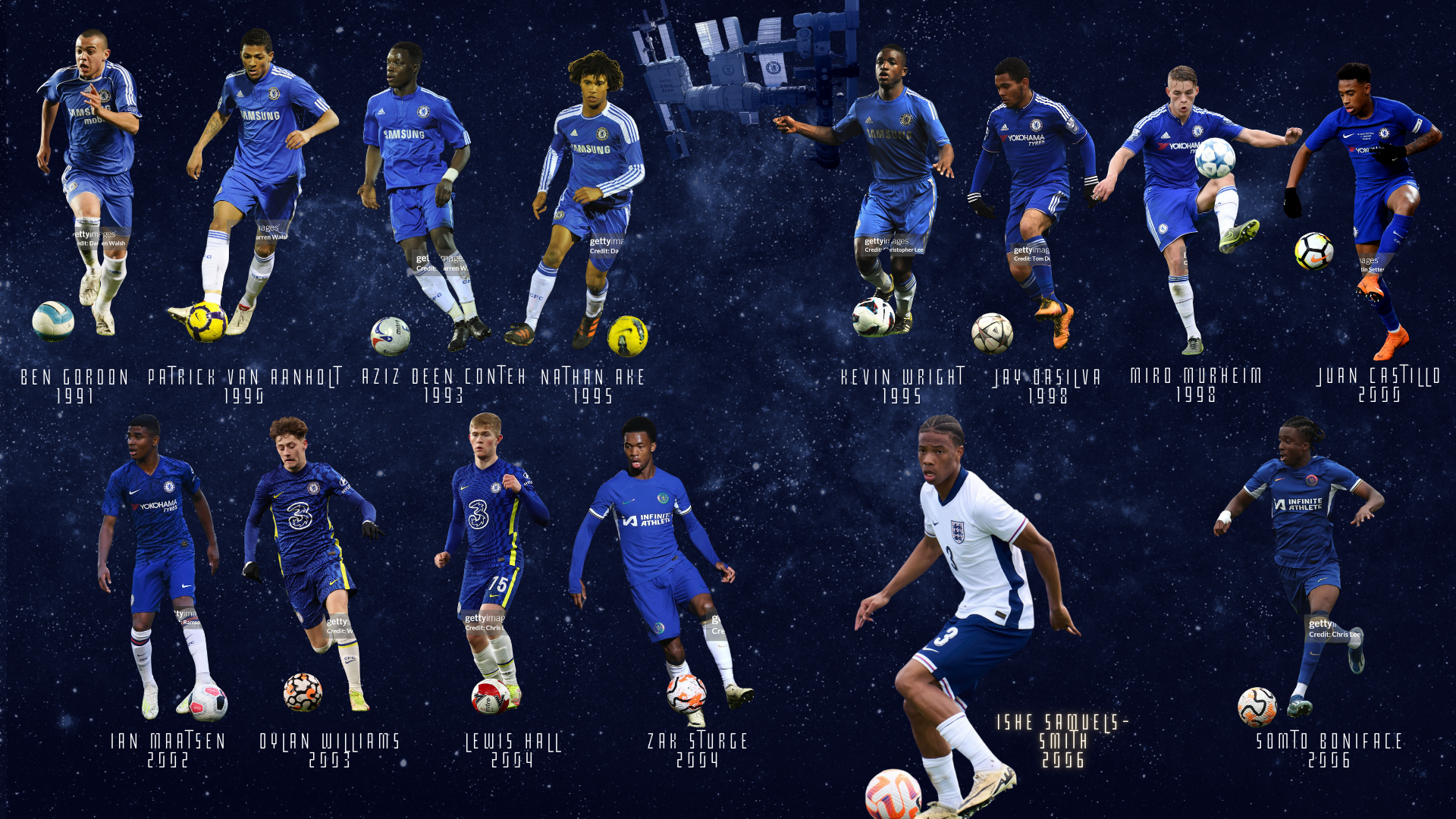
For the left back position; the common theme is that Chelsea was usually seeking for external talent to join their ranks. This is the hopefully exhaustive alumni of Cobham / Chelsea Academy left backs. Some of them signed after U15 U16.
Ben Gordon
Patrick Van Aanholt
Nathan Ake
Aziz Deen Conteh
Kevin Wright
Juan Familia Castillo
Miro Murheim
Ian Maatsen
Jay Da Silva
Dylan Williams
Zak Sturge
Ishe Samuels-Smith
Somto Boniface
The four dutchmen (PVA, Ake, Castillo, Maatsen) include three very fast counter attacking fullbacks, coming from behind the ball with a bit of a shot and finish about them. And Nathan Aké, that Benitez and Conte liked (albeit gave him one start and one appearance overall in half a season, called back in 2017)
Aké and Da Silva signed at 13-15 from Feyenoord and Luton made the backpages
Williams, Sturge were domestic opportunities signed from Derby County and Brighton respectively mostly to reinforce the Development Squad and will probably navigate in the football league for a few years. Miro Murheim was signed from Swizerland
Chelsea “produced” produced Somto Boniface who joined as U9 and Kevin Wright, Aziz Deen Conteh and Lewis Hall a central midfielder by trade, given a debut by Thomas Tuchel aged 17
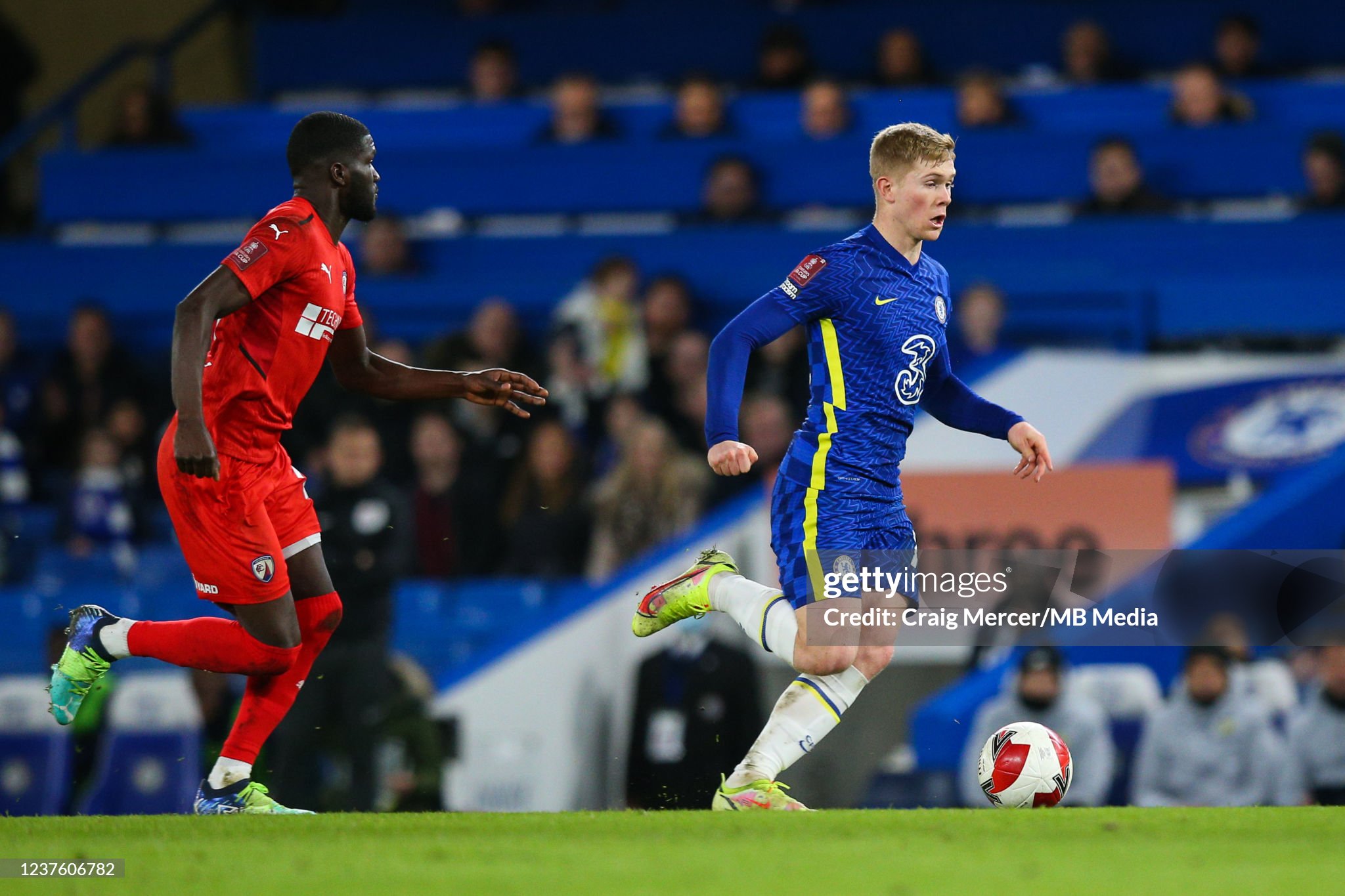
The other theme was that Chelsea was often playing right footers at left back in recent years: Brodi Hughes, Silko Thomas, Zain Silcott-Duberry, Derrick Abu, Henry Lawrence and the best of the lot Ola Aina – set to qualify for the Champions League (or more) with Nottingham Forest Castoffs.
All “inverting” before it was cool, receiving, crossing or finishing from the left.
Mirroring the Mourinho framework, who won Premier League titles with William Gallas and César Azpilicueta at left back. Gallas, a 6ft striker converted at 17 as a central defender. And Azpi, tucked in shorts. “A team of Azpilicuetas”
Or their own CBs on the occasion: Levi Colwill (that I first saw vs Arsenal U21s) or Jay Clarke-Salter.
One could write a book about how Chelsea ended up having none of them play for the first team, a window of opportunity that passed by when Conte gave Aina his debut in 2016.
And more recently, Chelsea treating Maatsen and Lewis Hall as “PSR compliance commodities sweeteners”.
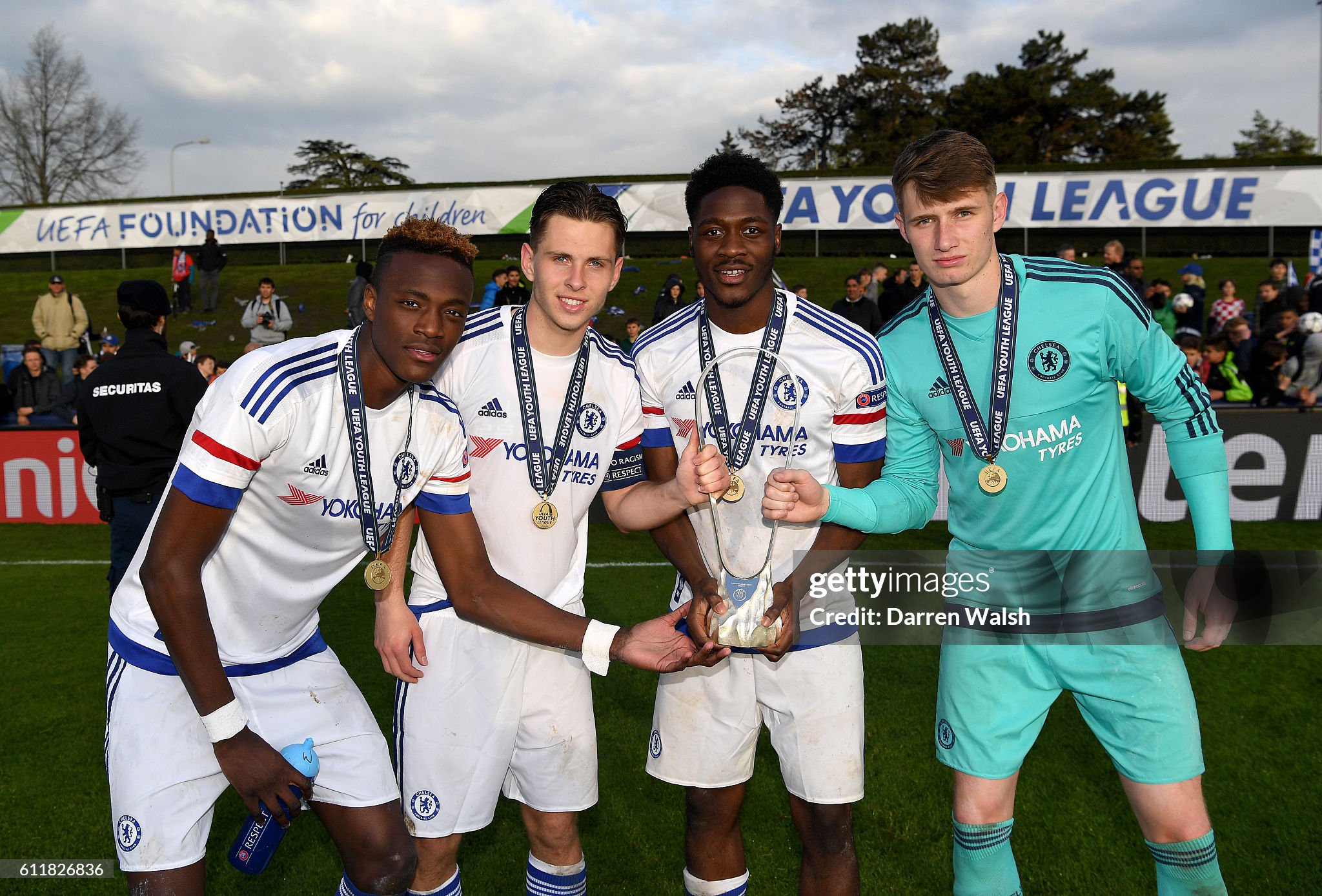
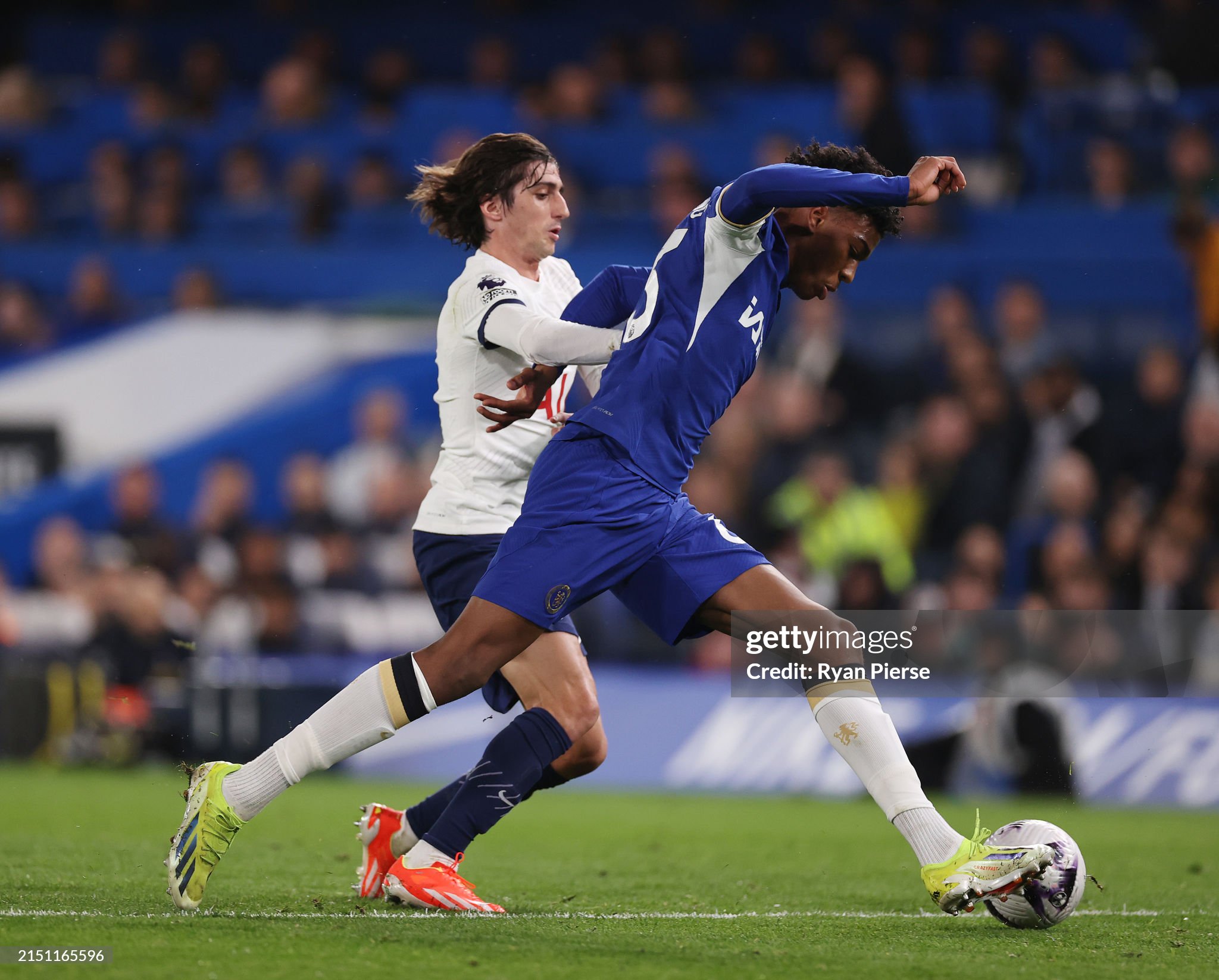
Josh Acheampong and Ishe Samuels-Smith
Josh has been profiled in depth already, on par with being one of the biggest CB prospects in Europe (the one you may think of, he wasn’t playing fullback)
One other signing went under the radar in the summer of 2023.
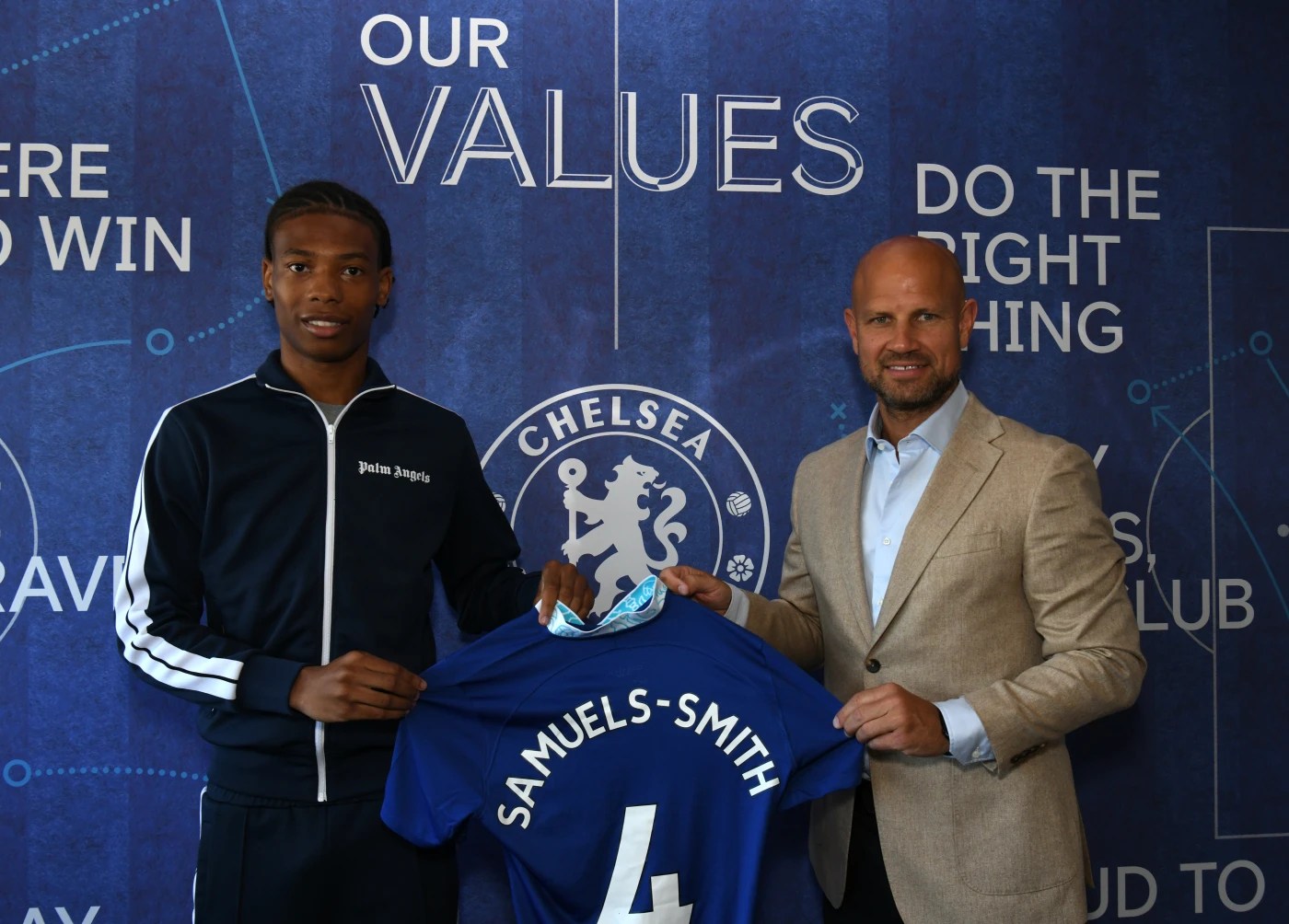
Chelsea signed Ishe Samuels-Smith from Everton for a reported £4 million
Pictured here with Jim Fraser (Academy Director), working in conjunction with Neil Bath, Director of Football Development and Operations.
Chelsea’s seismic changes during the summer of 2024 have been documented here and is the Formula One equivalent to binning Adrian Newey, replacing them with Red Bull cast-offs. Some of them occupying the same function for a club playing second fiddle to Chelsea winning 6 FAYC and 2 UEFA YL in the 2010s.
On the framework presented above, both players fare very well when it comes to the mix between profile and ability. They can play at left back and centre back.
Ishe Samuels-Smith: Modular Fullback
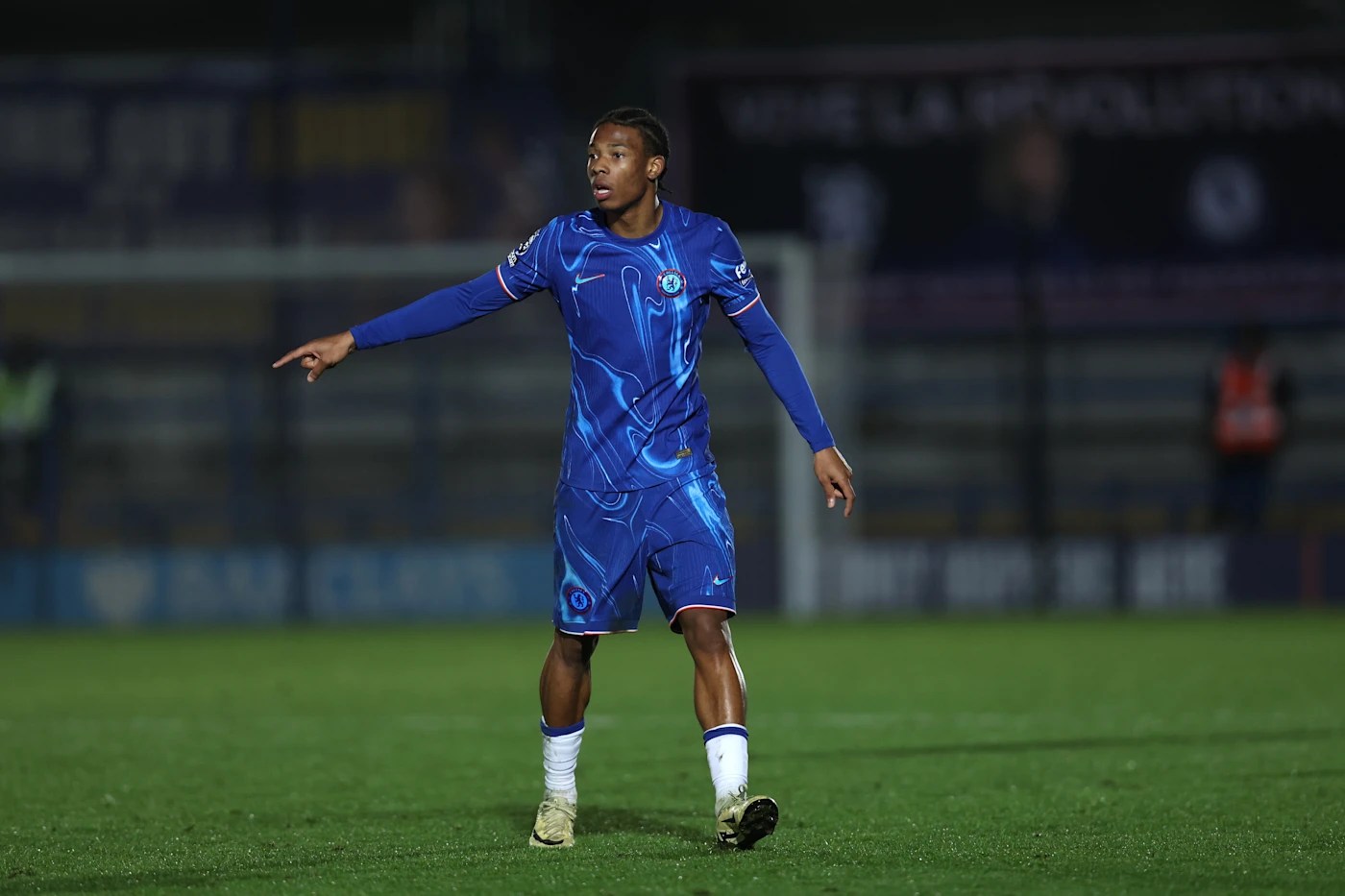
DEFENDING
First, a look at defensive fundamentals. Tackling, heading, blocking.
Players can always break their ceiling, but some fundamentals are easier for some than others. A chicken won’t block a shot. Creating pathways is about giving opportunities to the ones who show, not the ones you wish showed according to your (baised) beliefs (or interests).
It doesn’t take forever to spot a good player: there’s everything you need for the trained scout’s eye.
2v3 defending
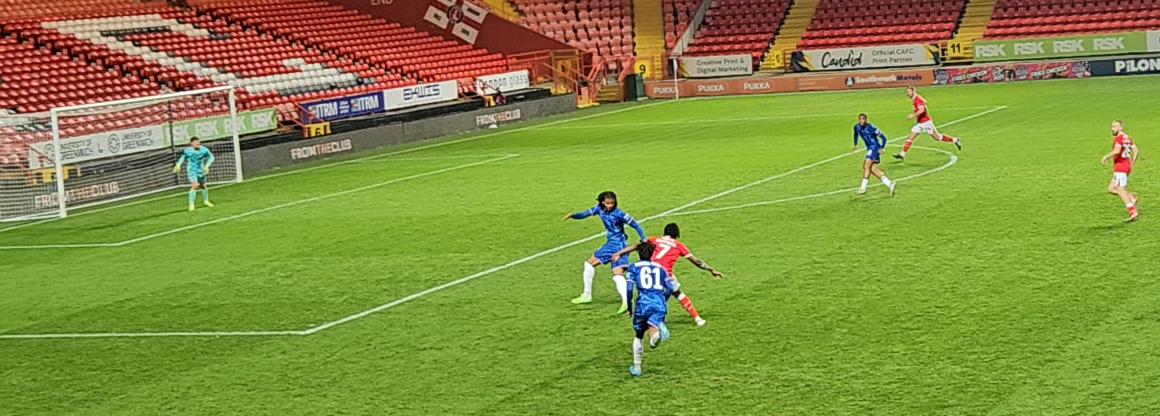
Block before a change of direction
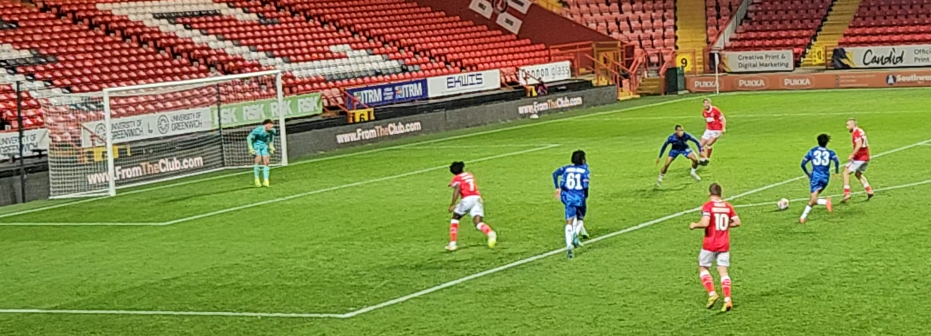
Squatting to block a possible shot
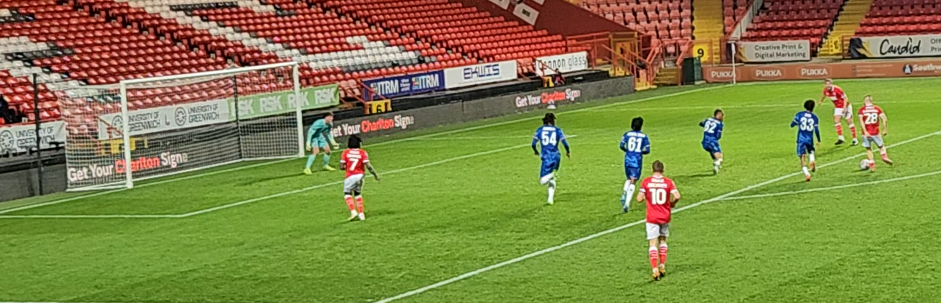
Making up ground bouncing from the previous “squat”
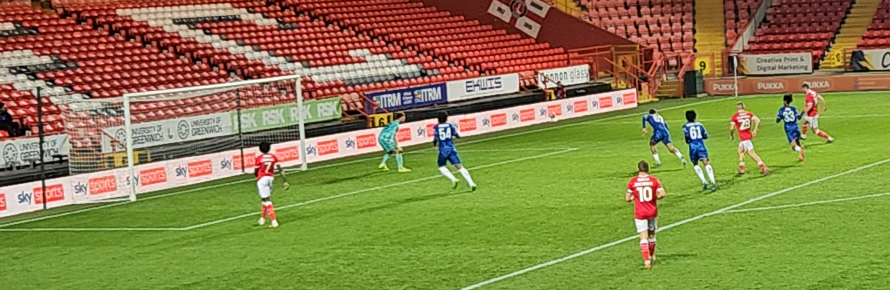
Throw a leg to block
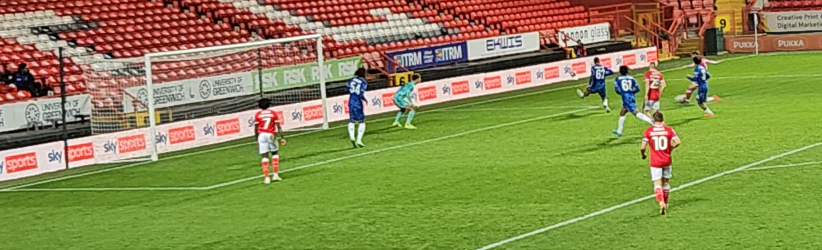
Reflex move to lower the leg from point blank range. Could’ve flicked in, but good reaction nevertheless
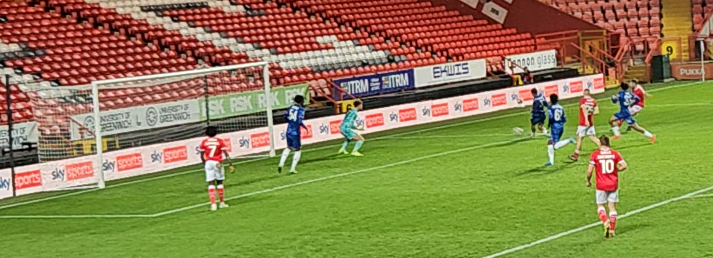
How many legs
ISS is difficult to get past 1v1, for a combination of good footwork, proactive attitude to duels (which you find in French CBs like Todibo, Fofana who snap before getting skinned) and low balance to go to ground easily
Lowering the stance, shoulders over toes, eyes on the ball
Textbook position for 1v1 defending

Having squeezed in half a yard
Flukey and Lucky bounces?
The first thing one will notice with Ishe Samuels Smith, is the ridiculous knack for getting every fluke and second ball bounce going his way. The low socks give an impression of being out of place, and it couldn’t be more wrong
Efficiency over looks. This is a scouting “illumination”, if you watch loads of players and flash on that ability to nick the ball three times in a row without making a foul.
Which is intriguing, because you can see players slightly more refined techically, but also less keen to get stuck in, in the academy system.
This is also a combination of being on toes, and managing his core stance so that his legs can move freely (as opposed to moving awkwardly, being either off balance or feet planted in fresh cement)
Another instance against… his twin brother.
About to be nutmegged, but still a trailing leg that keeps the bounce and prevents his sibling to get past
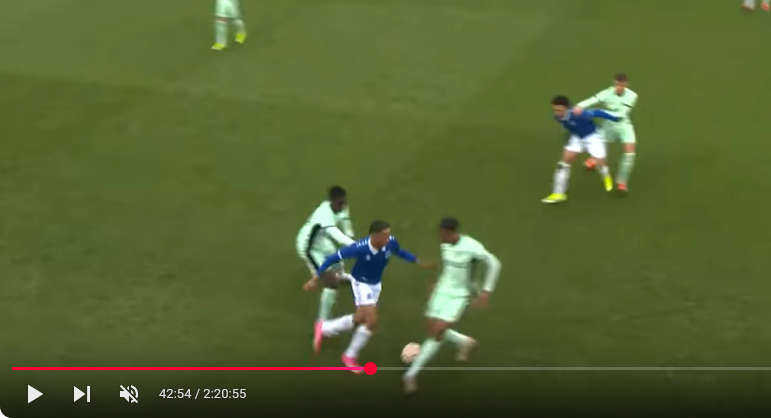
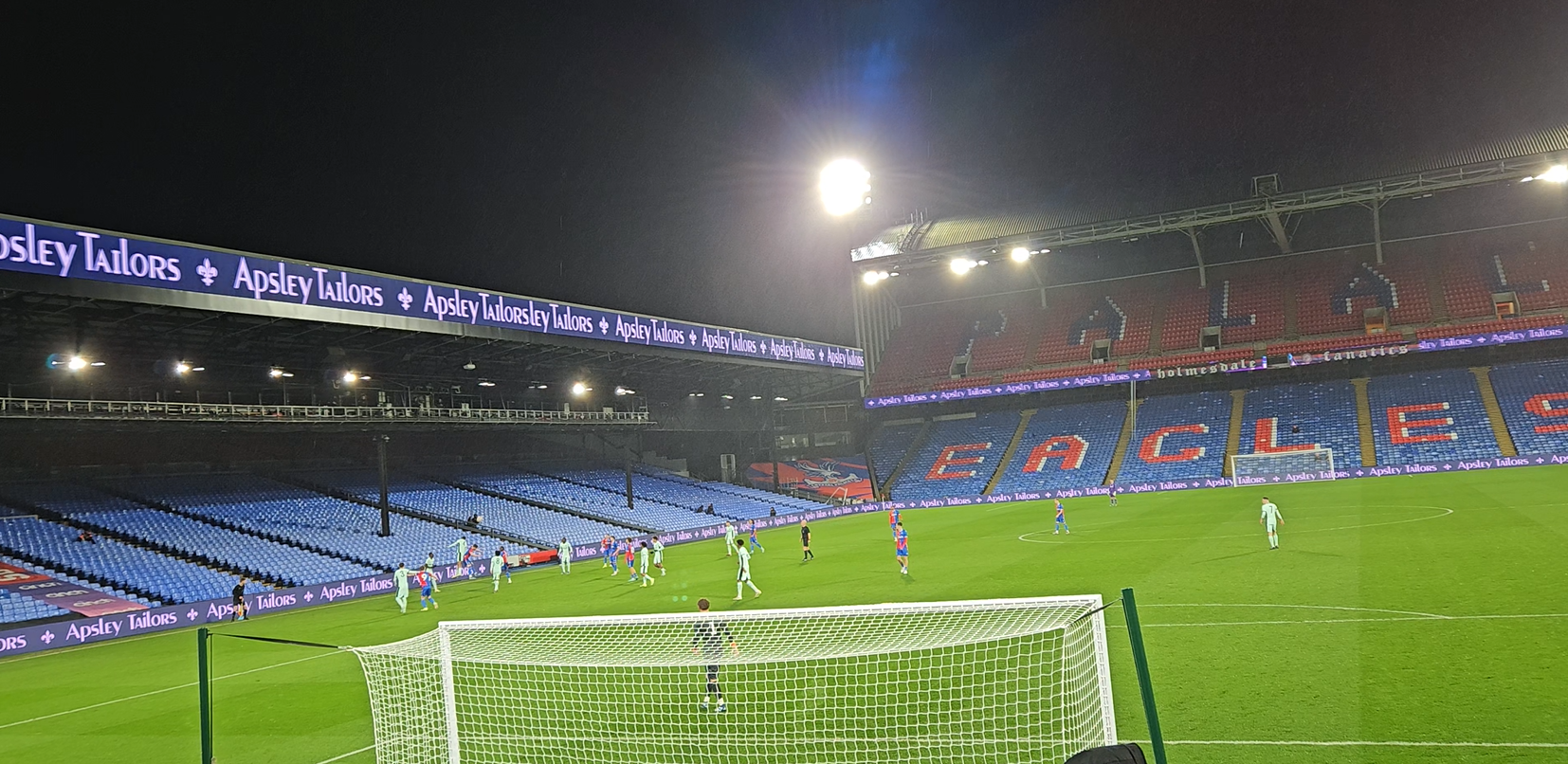
Winning the ball in the air
ISS’s reading in the air is good, and the impressive thing is how strong he is when opponents bounce off him.
Fielding headers is important, 5 (that won’t make you lose it) then you can focus on the other 5 who’ll win you the game
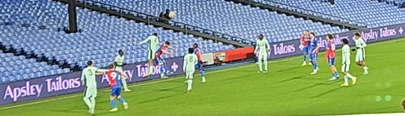
ISS is dominant in the air, and is trusted as CB (and the other way round)
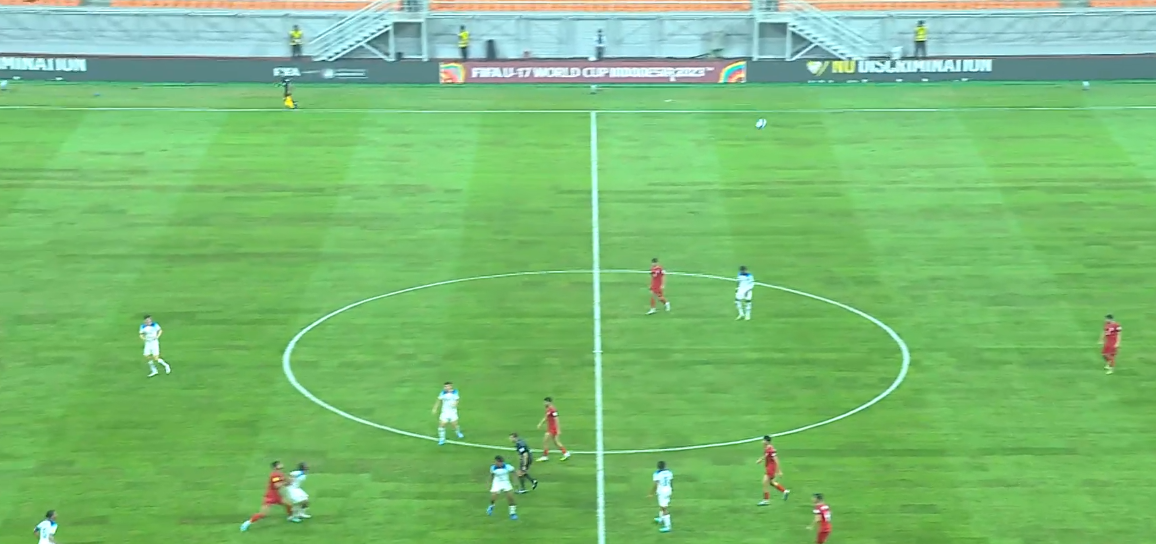
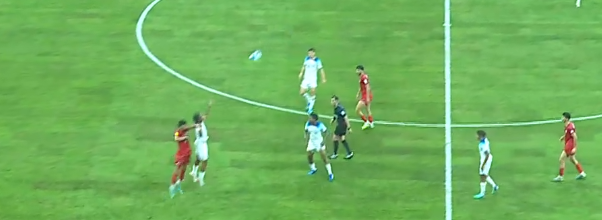
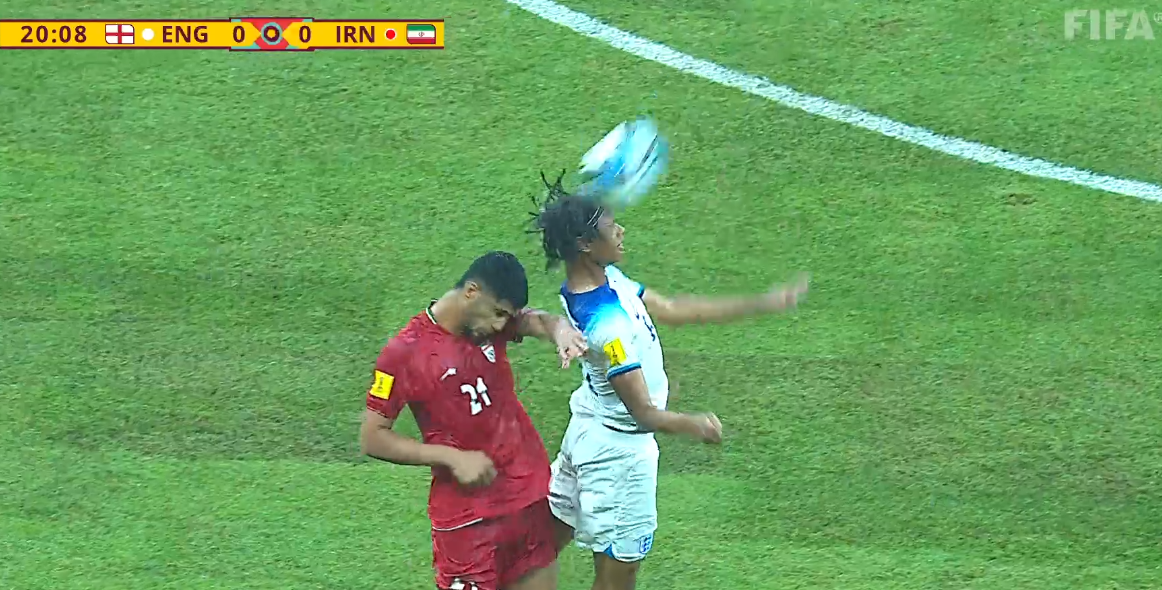
Another instance, getting in front
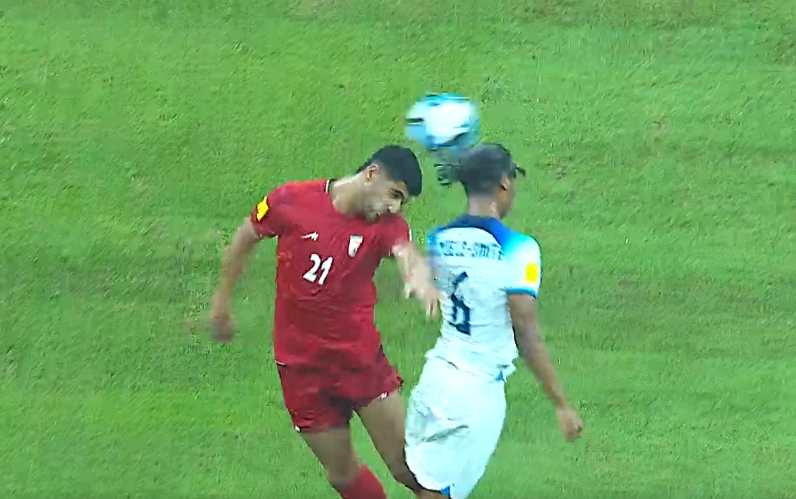
Long ball on the fullback; the EFL special (from Teheran to the end of the world like Stevenage) – lost by Joseph Johnson (Luton)
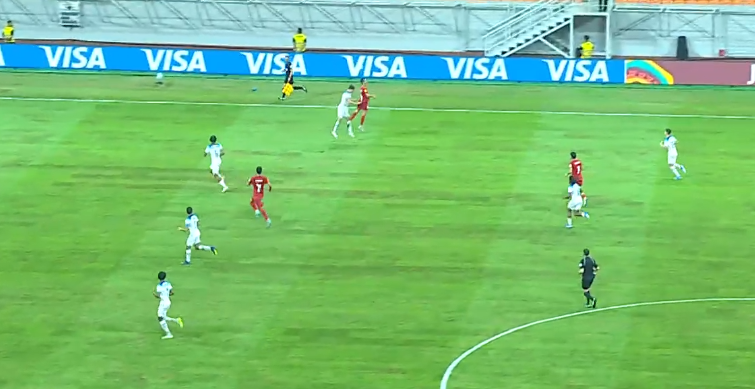
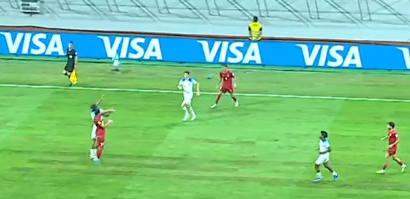
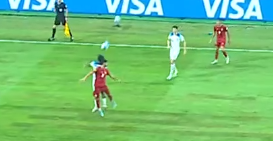
Second ball, Lewis Skelly (jumping, good luck moving him an inch even in the air) draws the foul
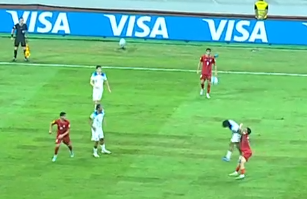
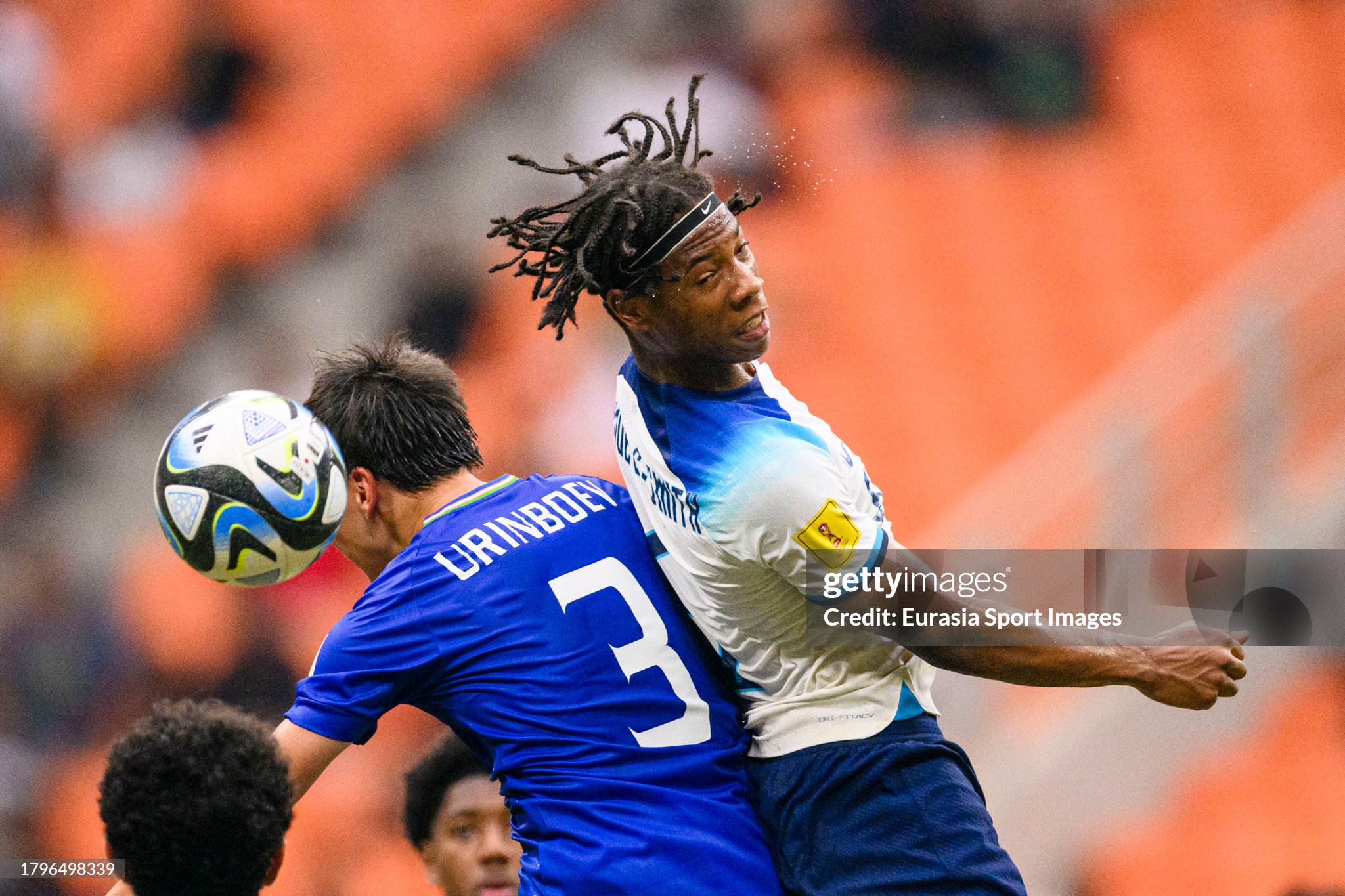
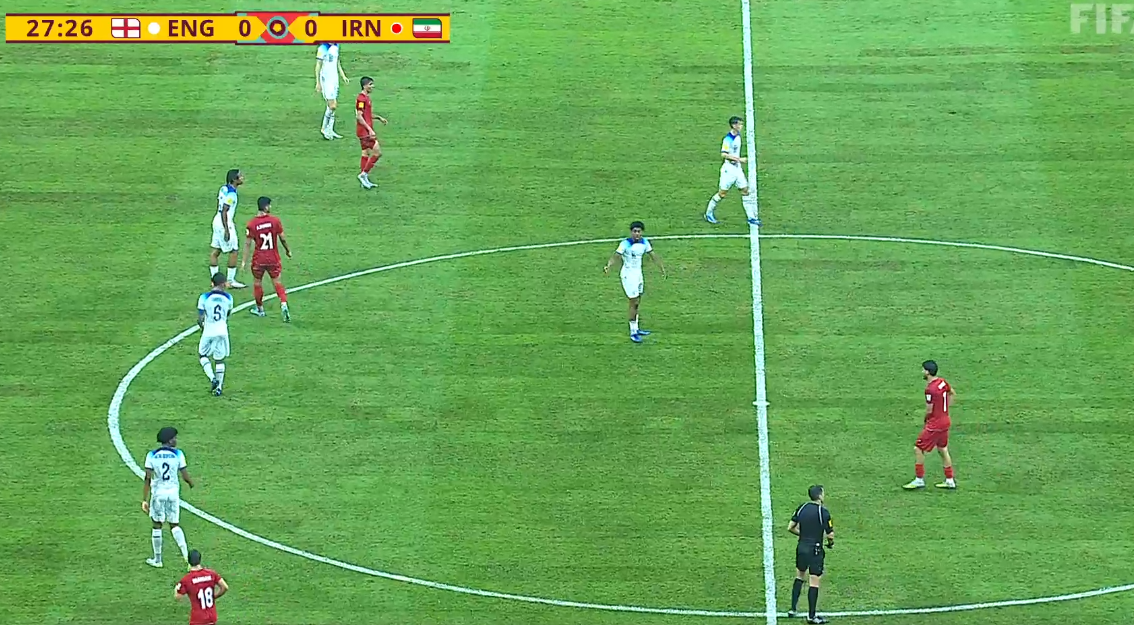
Winning headers, so does his club and country mate Josh Acheampong

But unlike his CB counterpart Lakyle Samuels (Man City)
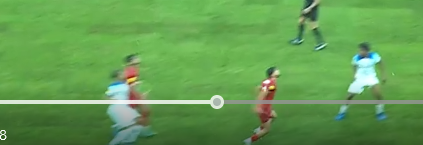

Tackling with both feet
One standout ability ISS carried through the Academy system is his slide tackling, another throwback aspect of his game where academy defenders are more taught to “stay on your feet” and intercept, gegenpress (or do contactless defending, WiFi press)
Tackling with the left leg
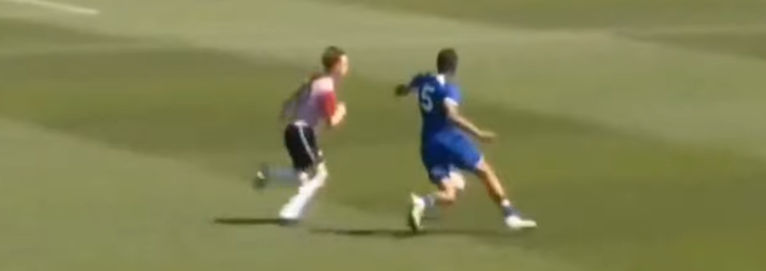
With minimal contact bar the shoe with the ball.
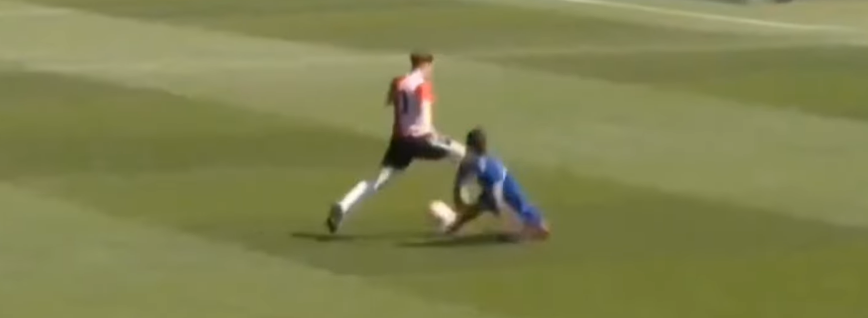
Tackling with the right leg
That’s “skill”: connecting with the ball to get the desired effect, volley it back for a team mate


Last man defending; using his arm to put the shoulders off balance

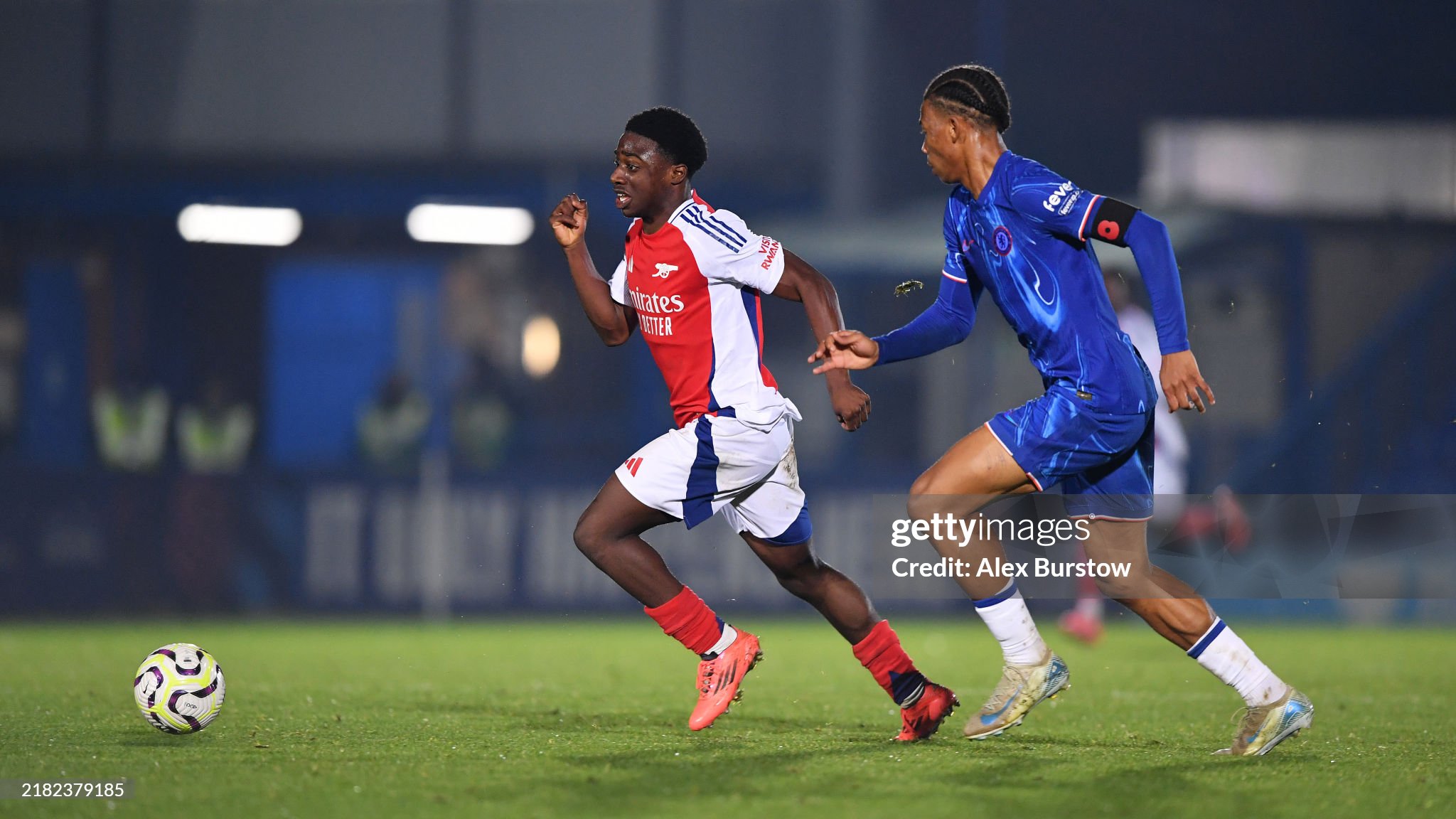
Moving in space
Can you move? Can you move fast?

Right foot set strongly, left foot opens up to change direction
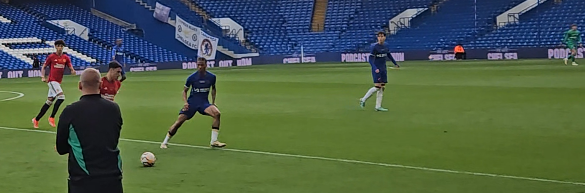
Comparing to Dujuan Richards who probably didn’t have as much S&C development work, cutting with the right leg going across (instead of blocking with the right and opening the left leg)
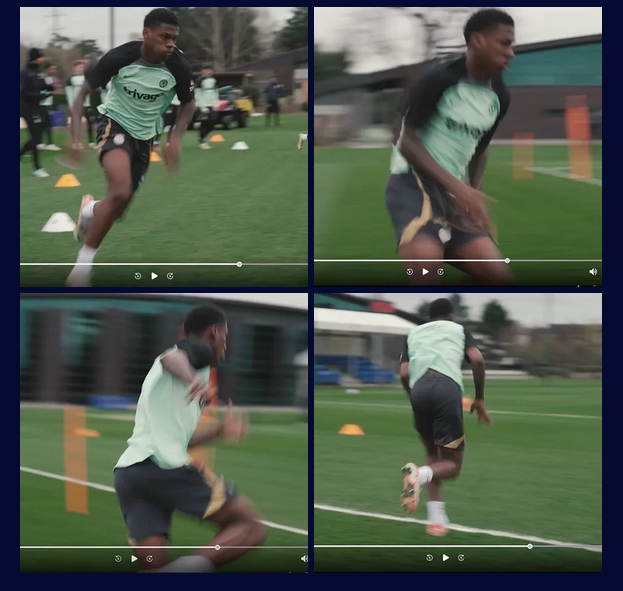
Snippet from this:
Backtracking at pace without losing momentum, that’s top level. More on the management of runners later
Ishe Samuels Smith is athletic: quick and strong: another combintation of traits that makes him a valuable option in a squad

On a second ball from a corner as one of the two players on rebounds (got to keep duellers at the back, can’t just put the quick wingers that explode on these rebounds)
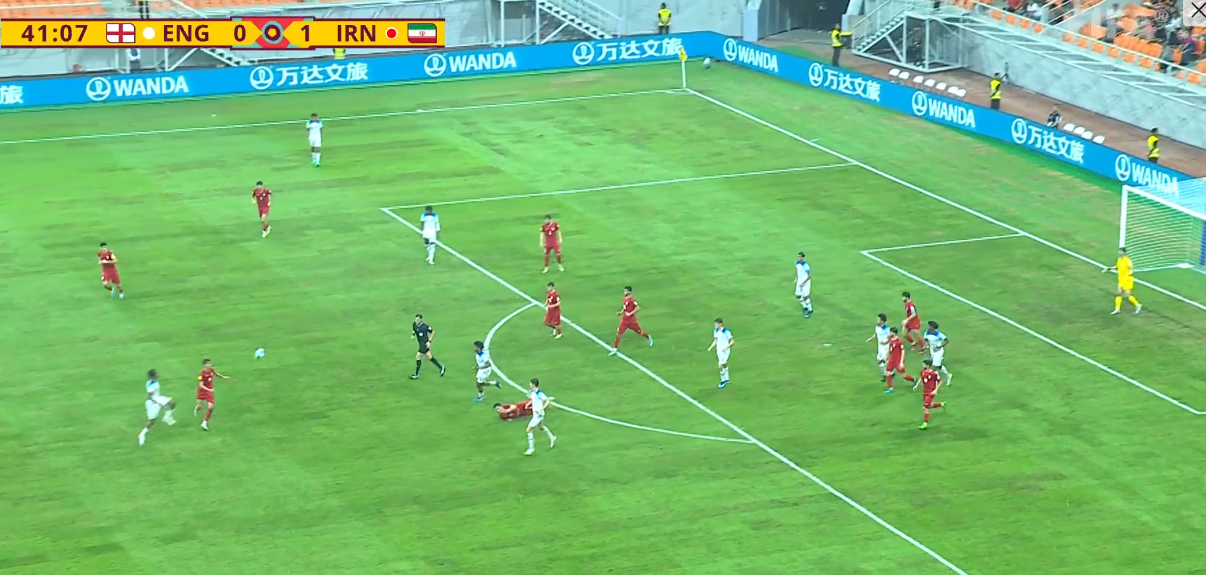
Getting the efficient flick (clean, forward, far from danger)
Opponent explodes on impact
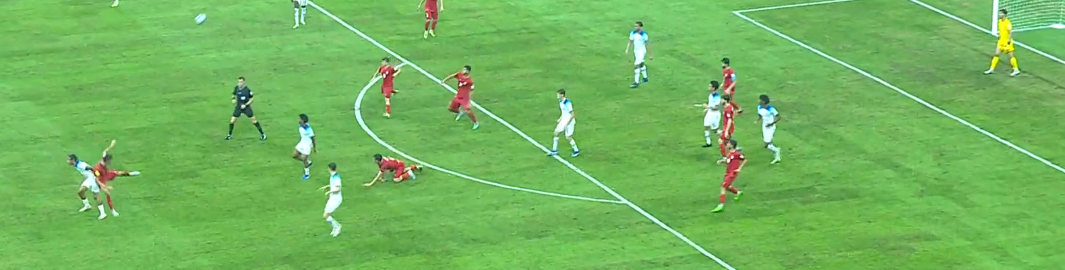
Ball is volleyed for the 1v1 at halfway
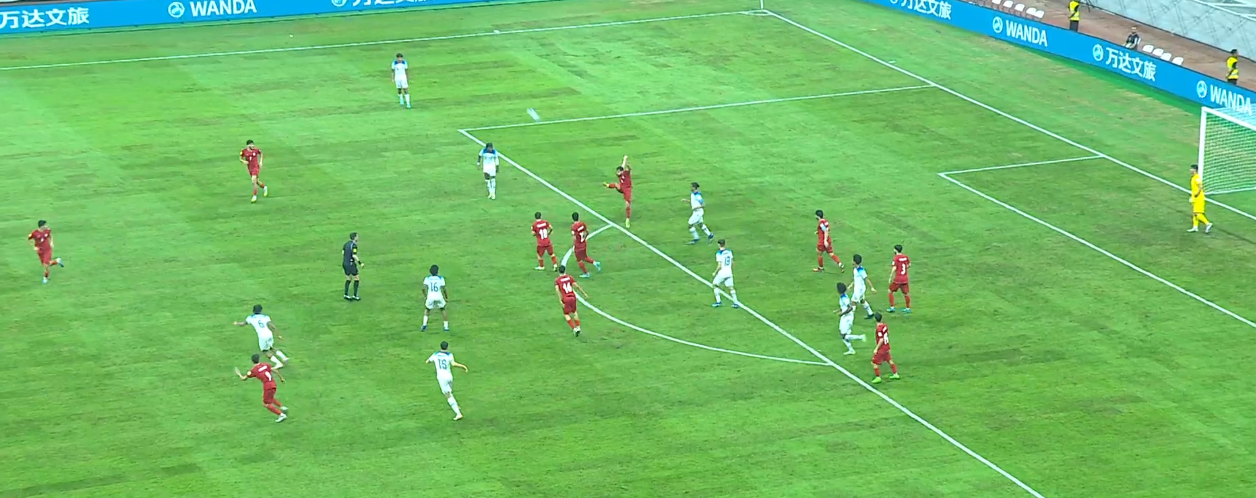
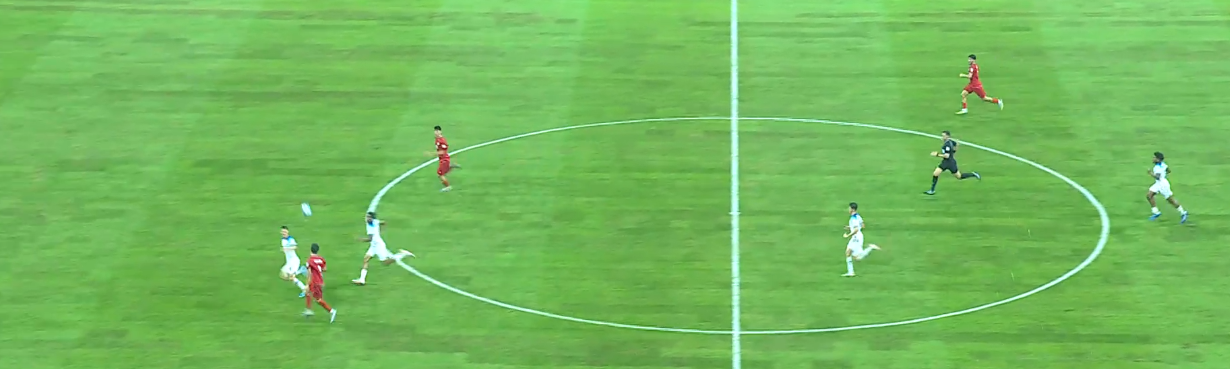
Confortably headed back to the keeper
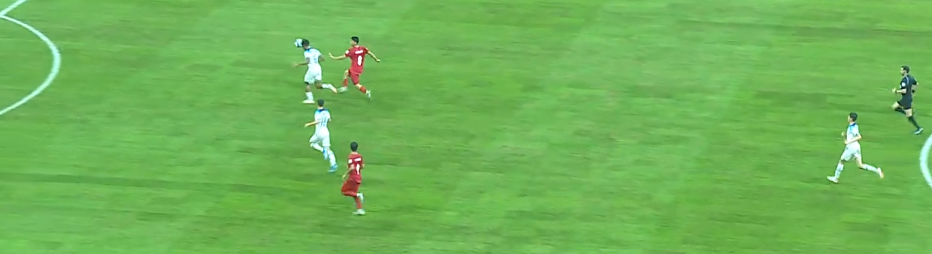
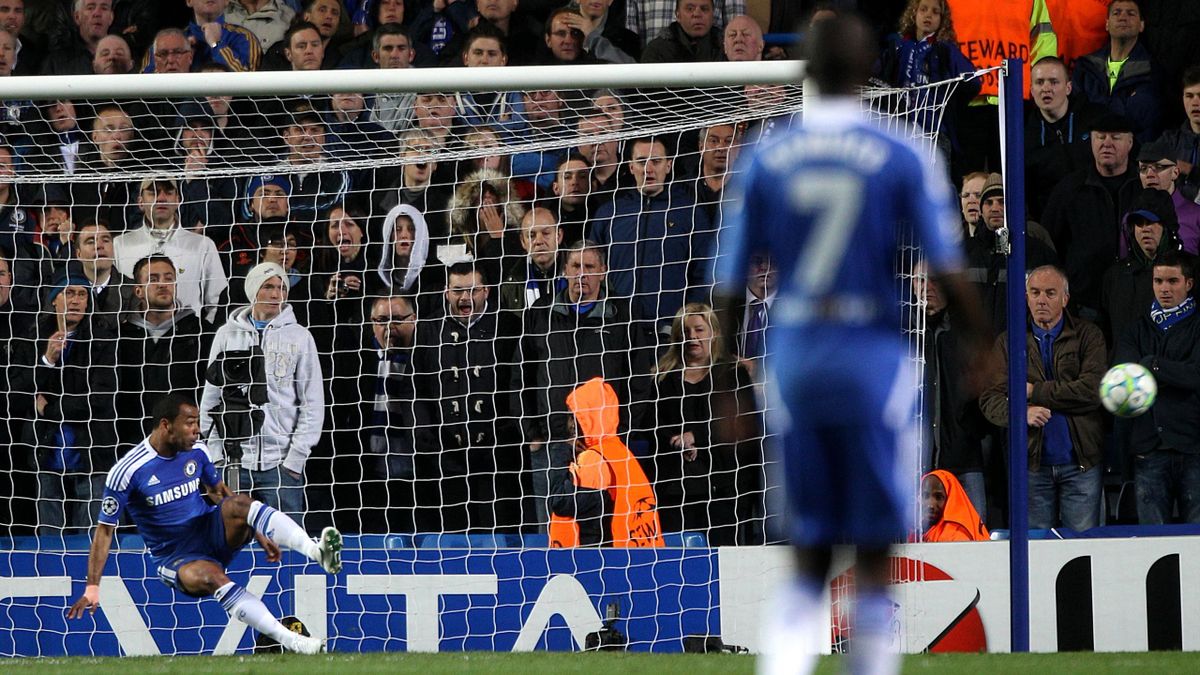
Blocking shots
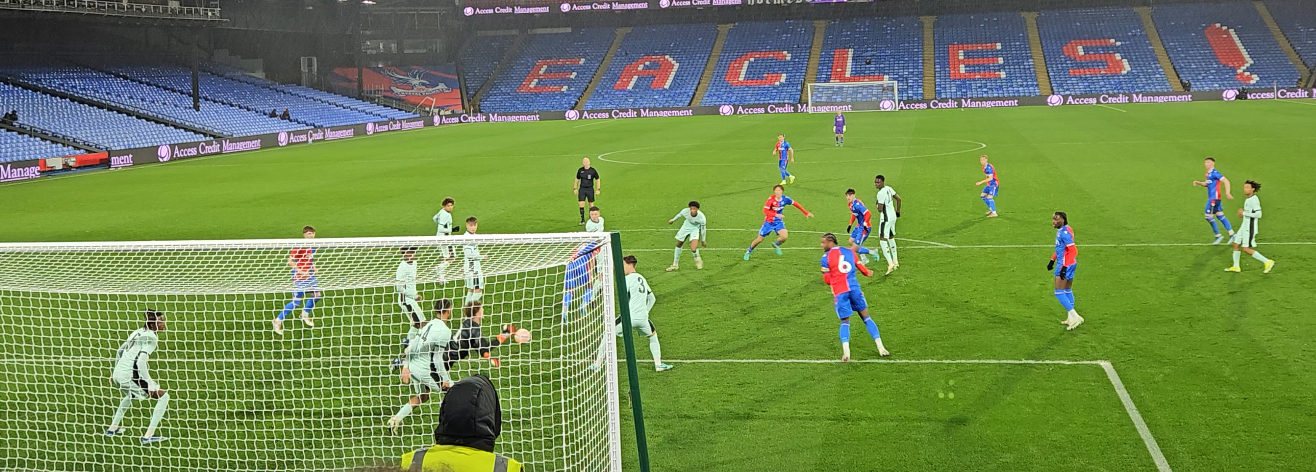
Going back on the goal line like Ashley Cole
Ready to block the shot without using his hands. Like… erm. yeah let’s move on
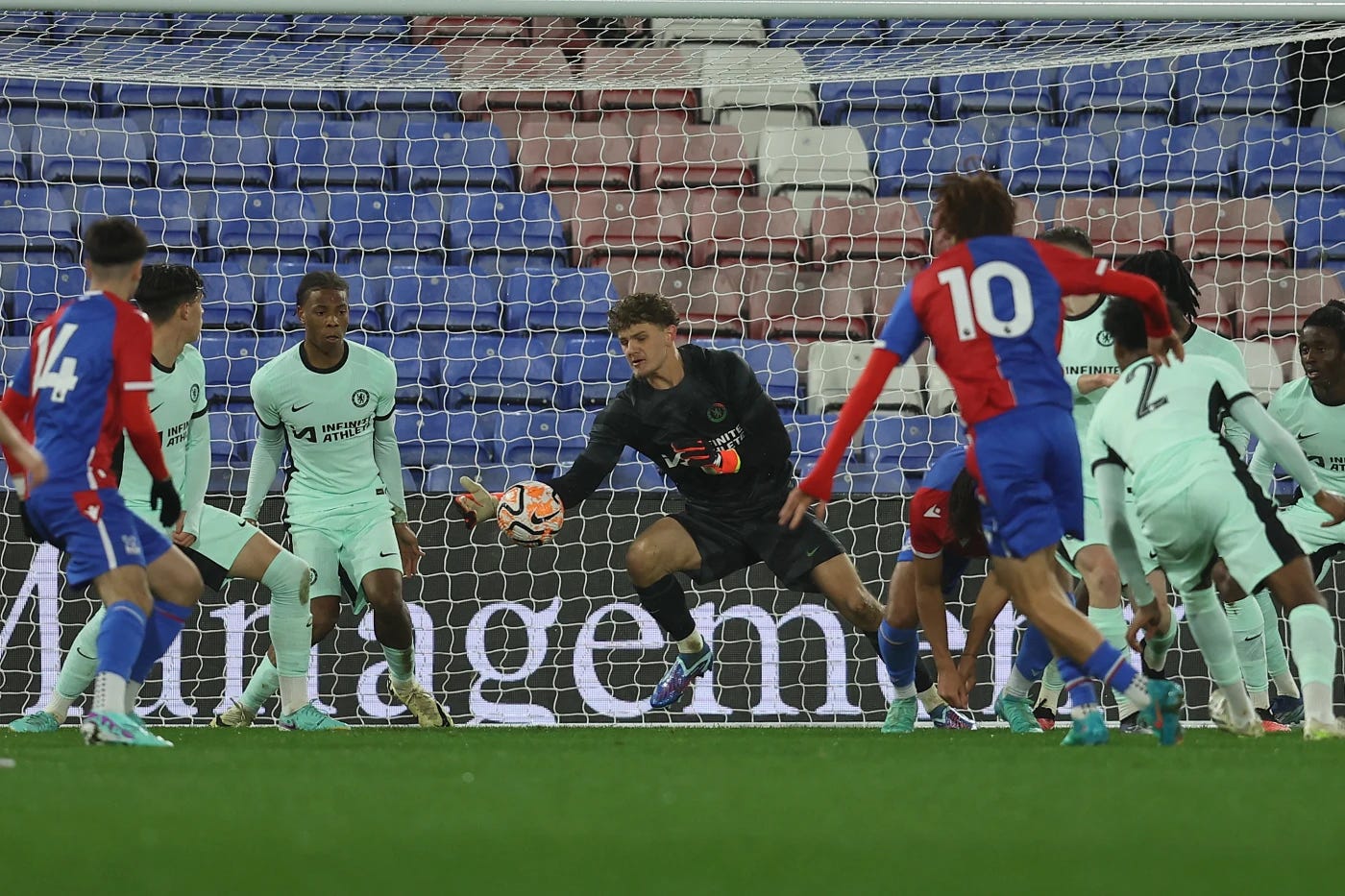
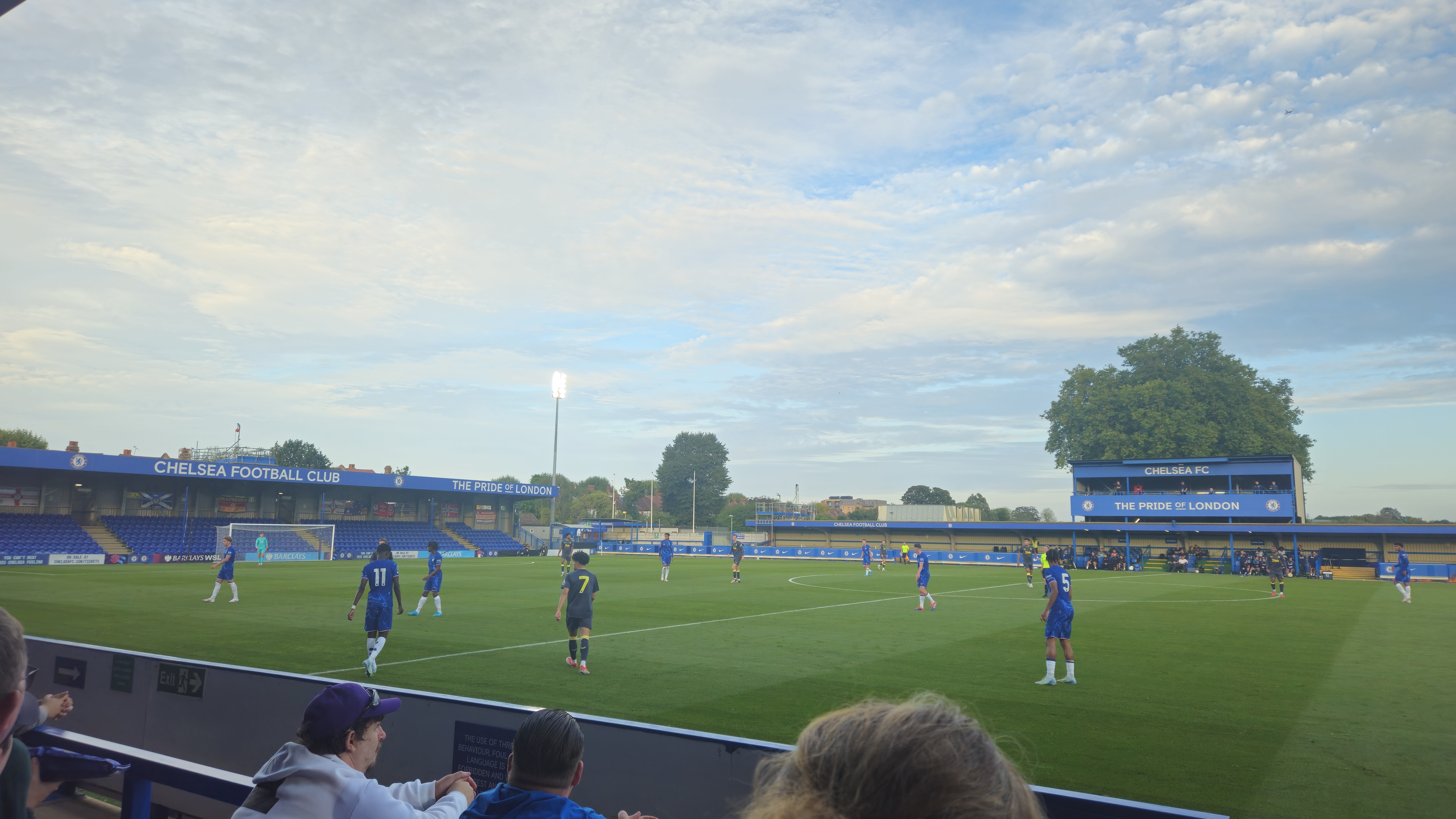
Then, a look at defending in space and decision making
Defending in open space (when the carrier isn’t closed down)
Picking up runners
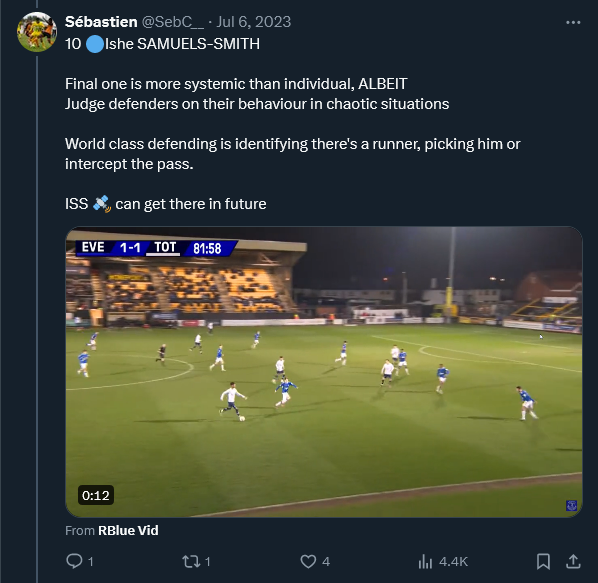
More on that later, from the original scouting thread
There’s a few situations that teach you more about a player that will a majority of useless “set defence” “settled possession” will ever do. Sample size is smaller, but more valuable
Behaviour on “open” defensive situations are essential to evaluate defenders’ decision making
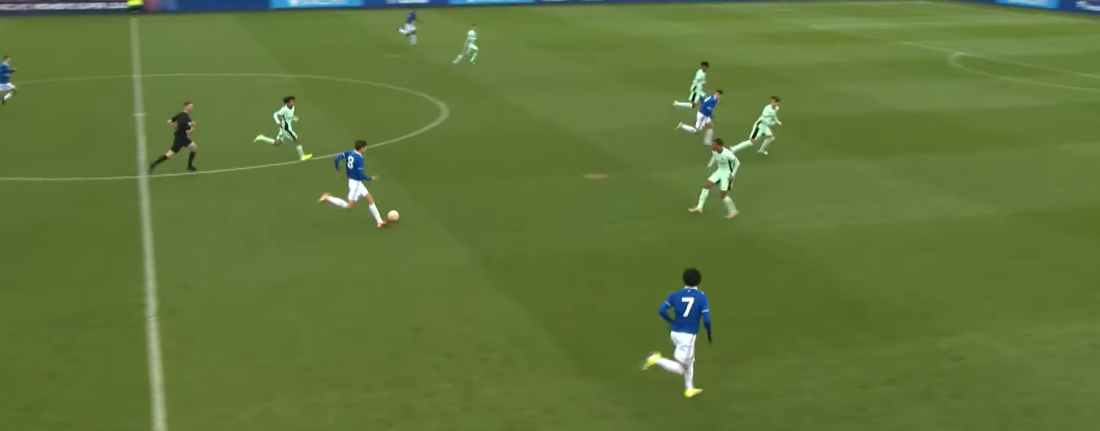
Ball reaches the 9 = defnsive pyramid
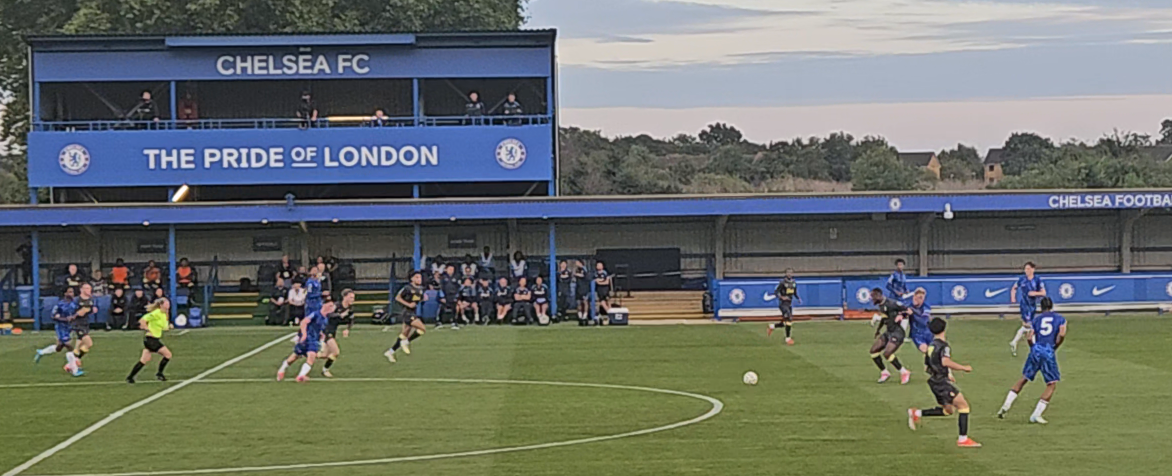
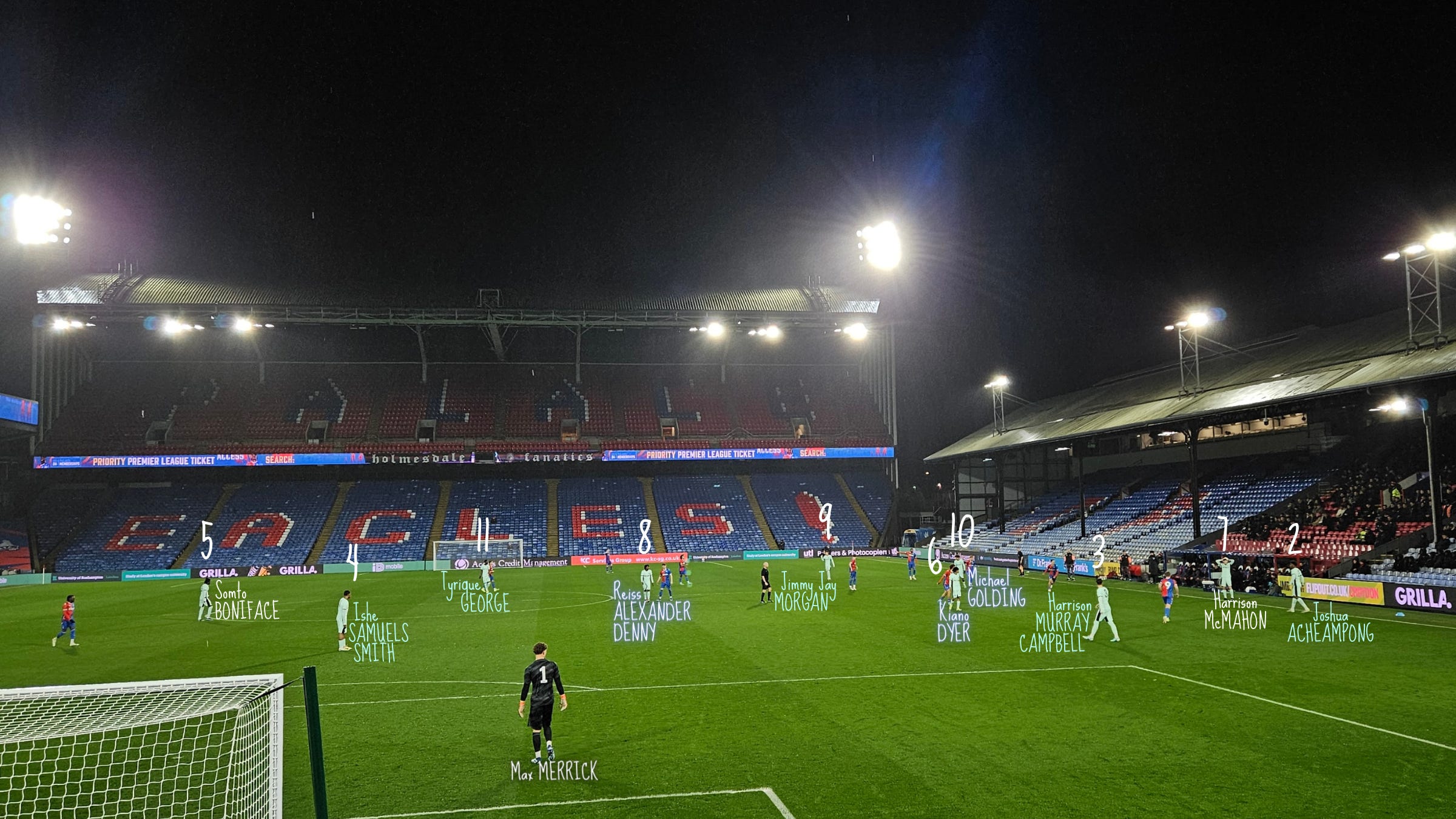
HMC (Harrison Murray Campbell) and ISS cover Billy Gee (CB) stepping out
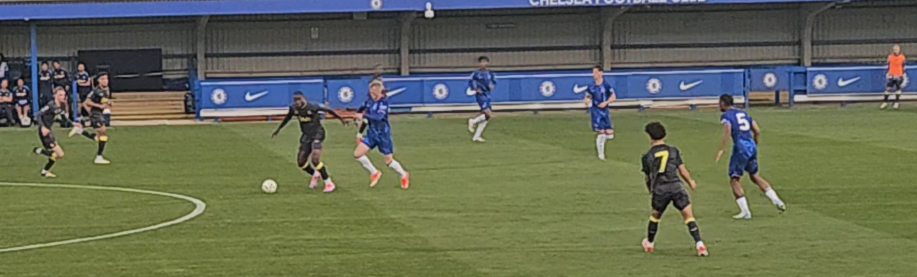
There’s a situation to handle; midfield situationally over-un by Everton.
An average fullback jumps on (7) and leaves an enormous gap behind him

ISS checks and sees a runner flat out, far ahead of Billy Gee who can’t immediately recover Chelsea is 3v4
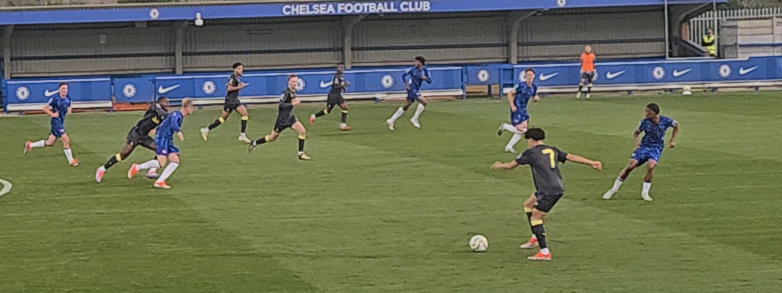
Decision making is therefore to delay to wait for players to come back behind the ball

Despite Billy Gee’s effort to stay alive on the play (and grab his opponent), he’s still out of position so ISS has to delay
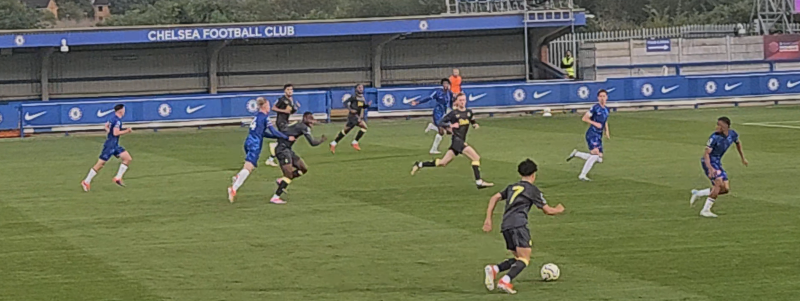
Staying on the line between ball and goal, on toes. Picking runners. Stopping in the height where a shot from range becomes a goalscoring chance (rather than a speculative shot)
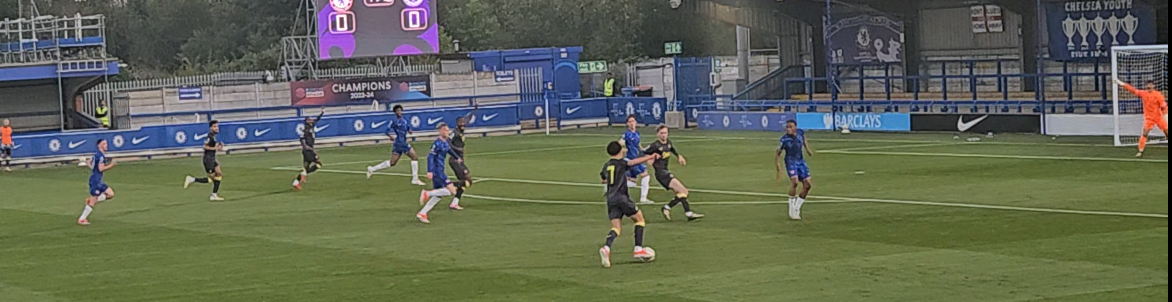
Block on the imaginary 20 yard line
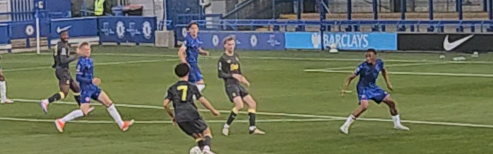
Position not quite held, a smal “parasite” hop disrupts it
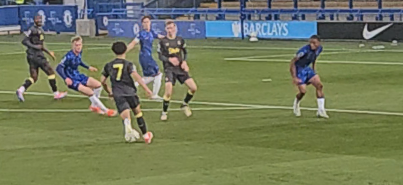
Truther at top level isn’t speed, it’s deceleration and efficiency of changes of direction. Everyone’s kinda quick
ISS gets slightly carried off balance here
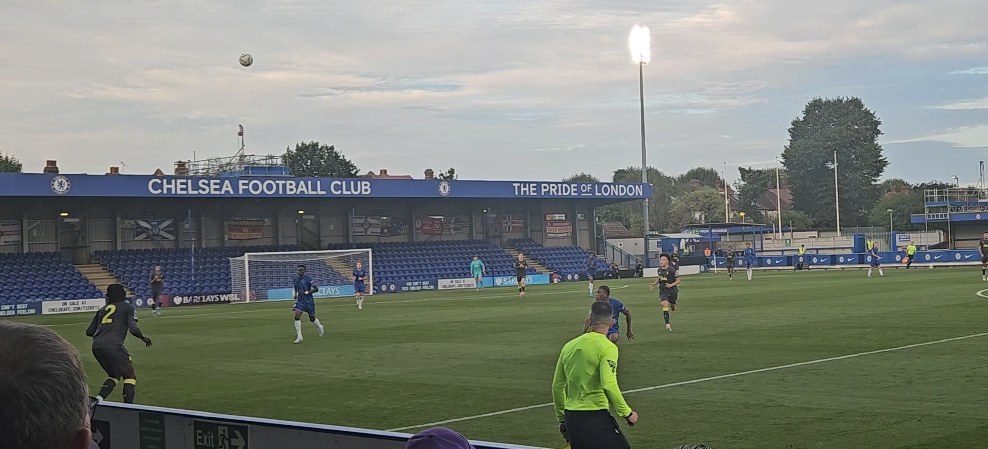
Narrow back four, force the opponent into making a decision.
Good Mourinhesque defending: narrow back 4 at 20 yards, and defend the goal.
If you can’t get the first, seek for the second
This is a EFL classic, switch far side and flick on for a midfielder attacking the channel
ISS sees he’s far from the first, so backs off to keep space in front to close down the second
Closes down *forward* the second ball
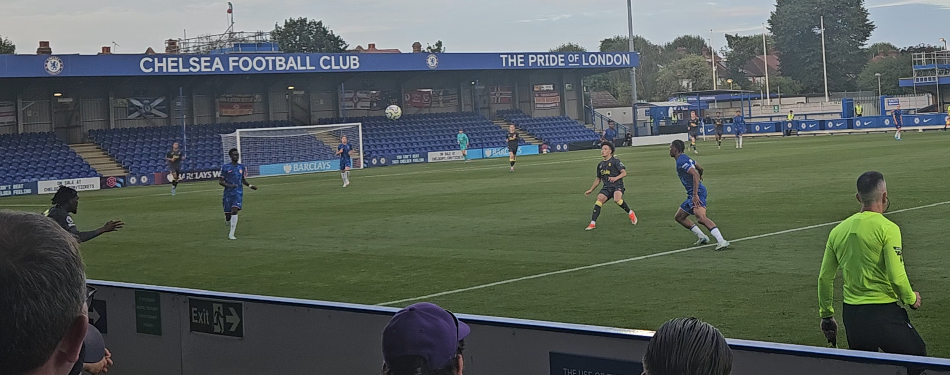
Still a yard short, backs of to protect the space and wait for his team mate to get back behind the ball
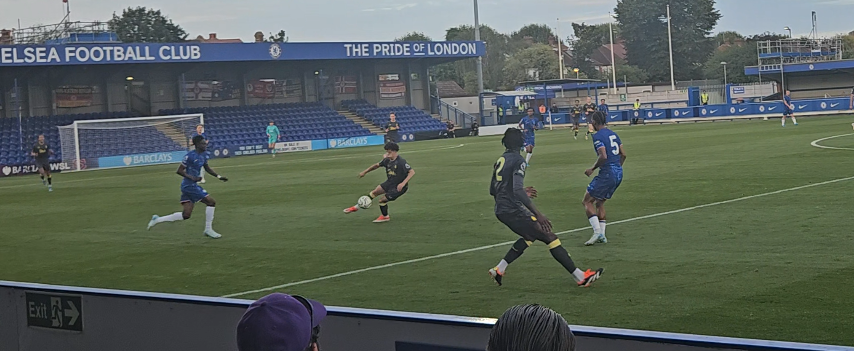
This is a situation that can easily backfire, if the player inside follows up on the flick on, the CB rushes out and clamps the runner and it’s a big yellow card
Defend against winger cutting inside
He’s got the ability to tackle with both feet, and that play wasn’t flukey
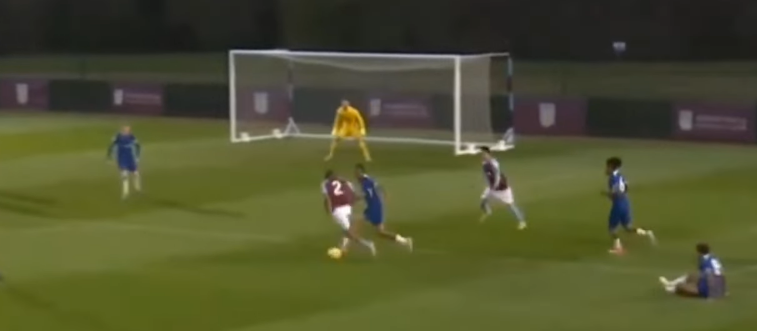
This might be the one thing that sees ISS get caught a few times I’ve seen him.
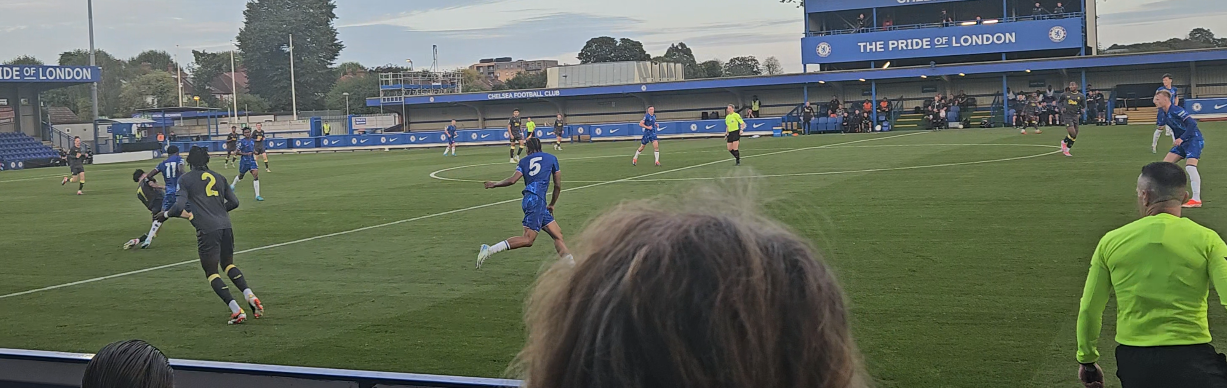
Situation is a 2v2 with a runner beyond, if the fullback isn’t commited, it’d be relevant for ISS to pick the runner and Reiss Denny to do the double team to defend the guy cutting inside/
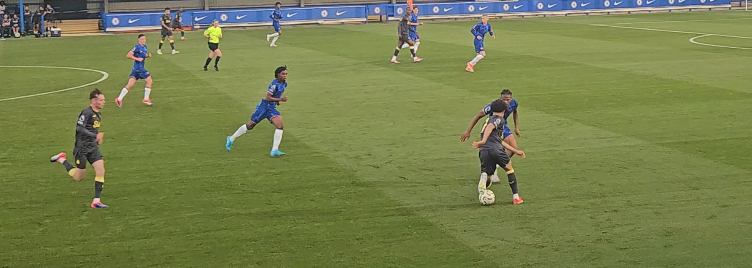
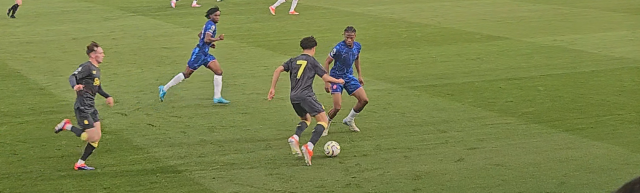
Bit flat on the stance, instead of keeping feet closer together (to kick start in another direction). Ideally, left foot lands below the shoulder
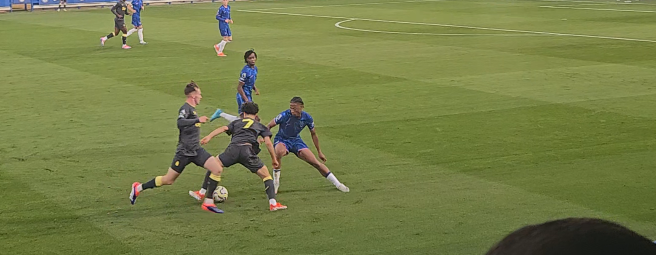
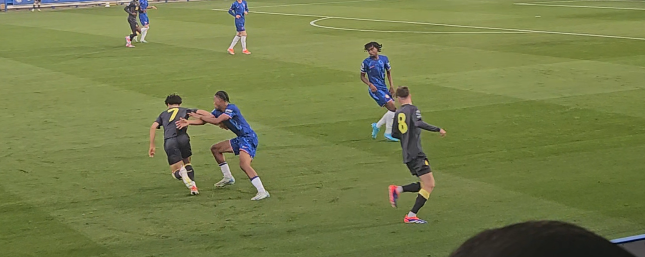
The angle of approach not quite good (not between the ball and the goal – the Caicedo special) and gets rolled
There’s of course good instances of defending like vs Manchester United in the U18 Playoff Final

With that trademark trailing leg
Due to the strength he can generate to stand on his left leg, so that the right leg can move (not stiff, not planted in the grass).
And maintain his balance (chest not going backwards)
Reading the pass to the winger
That, and that kind of pass that ISS sometimes mis-reads.
Backtracking when carrier isn’t closed down is good, and he misjusdges the flight of the ball, but still has the movement to catch up
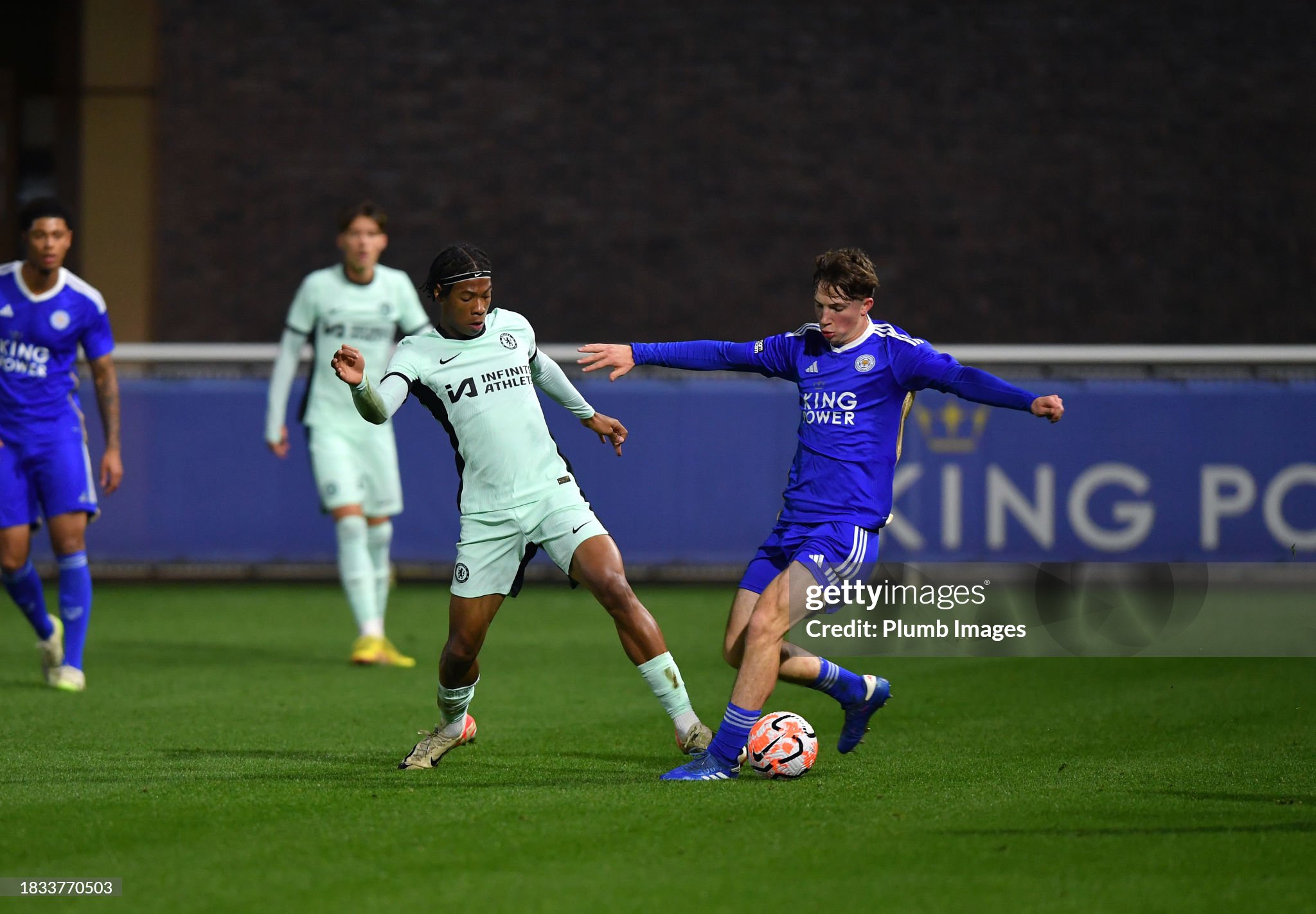
Proactive 1v1 defending
It’s often overlooked how defenders (without the ball) can have an edge, with shoulder drops, squeezing in and using their arm
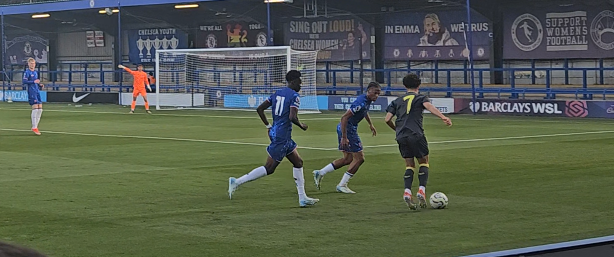
Snapping like a chameleon
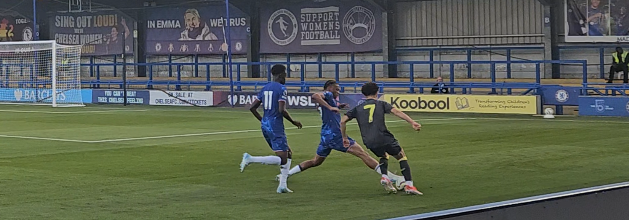
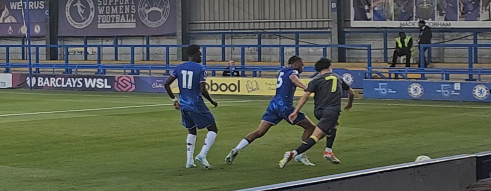
Tapping the left arm to prevent it getting in front
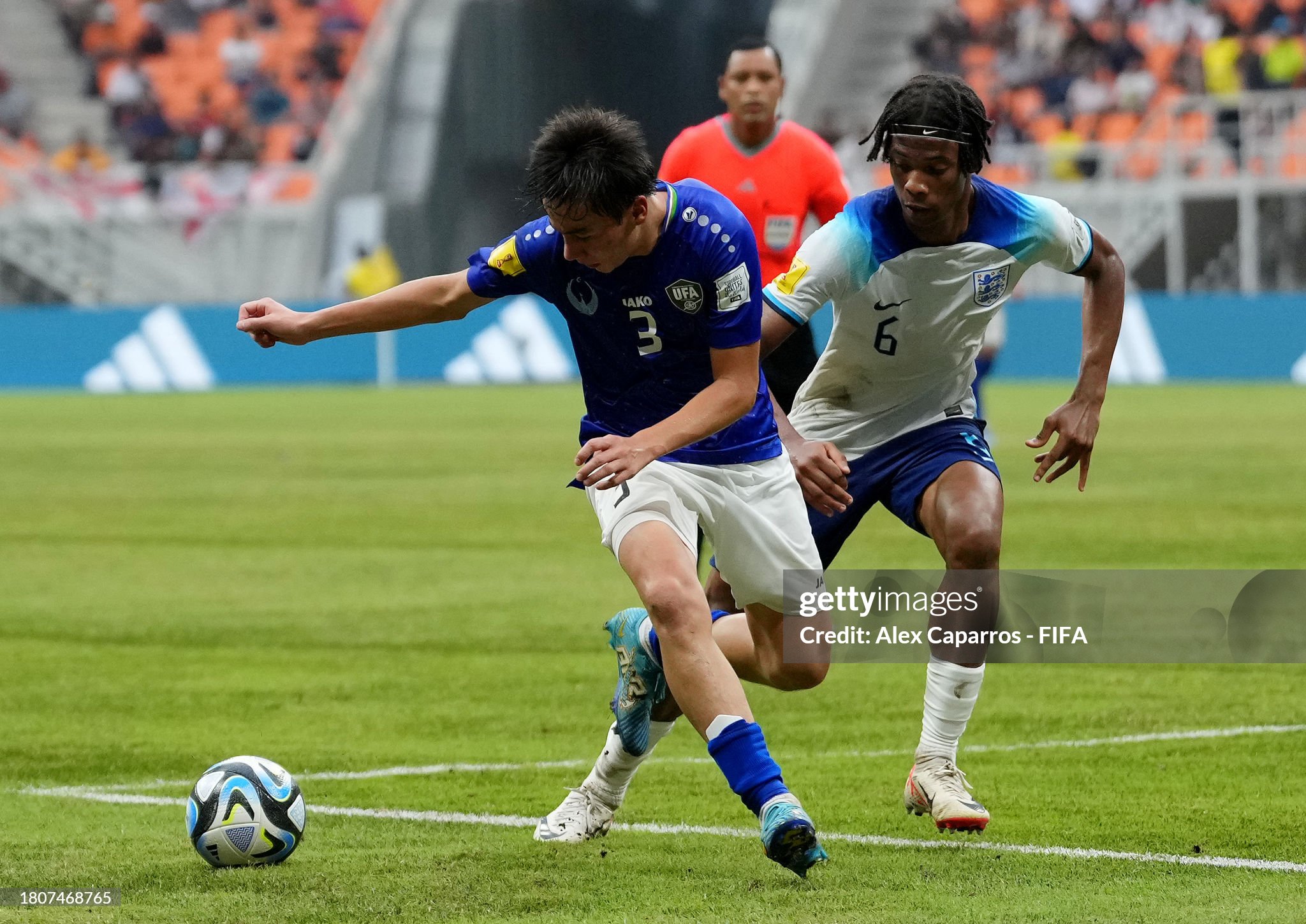
A LB that can play CB
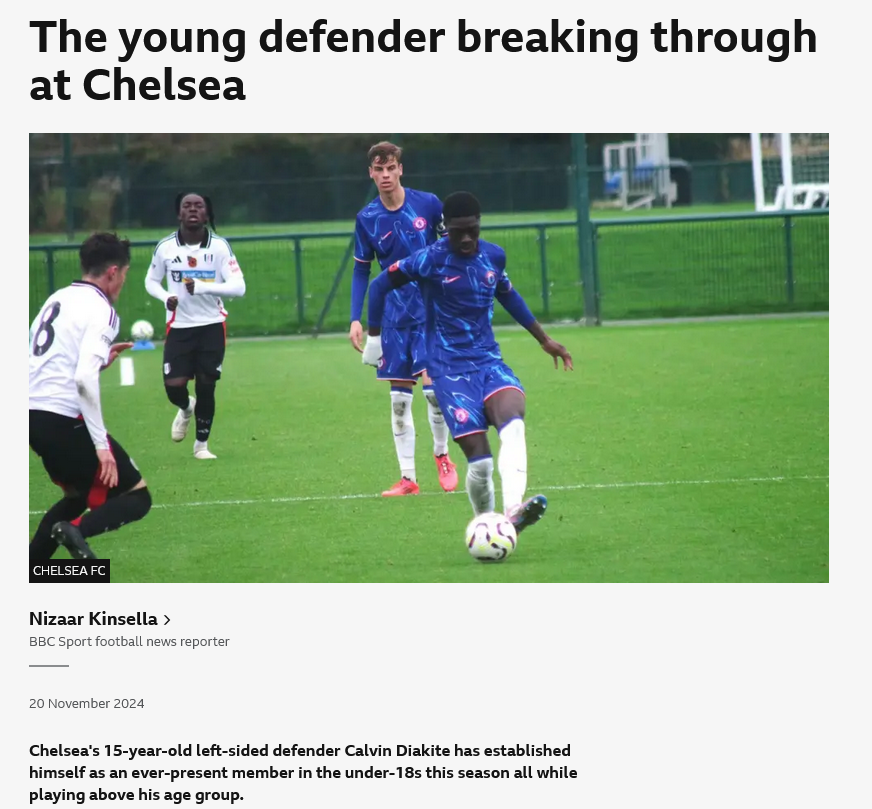
What probably made Chelsea materialise a transfer for Ishe Samuels-Smith is the fact that he can play equally at CB or LB, which few of the players in the list mentioned – until Calvin Diakité makes the step?
ISS in a modular back four
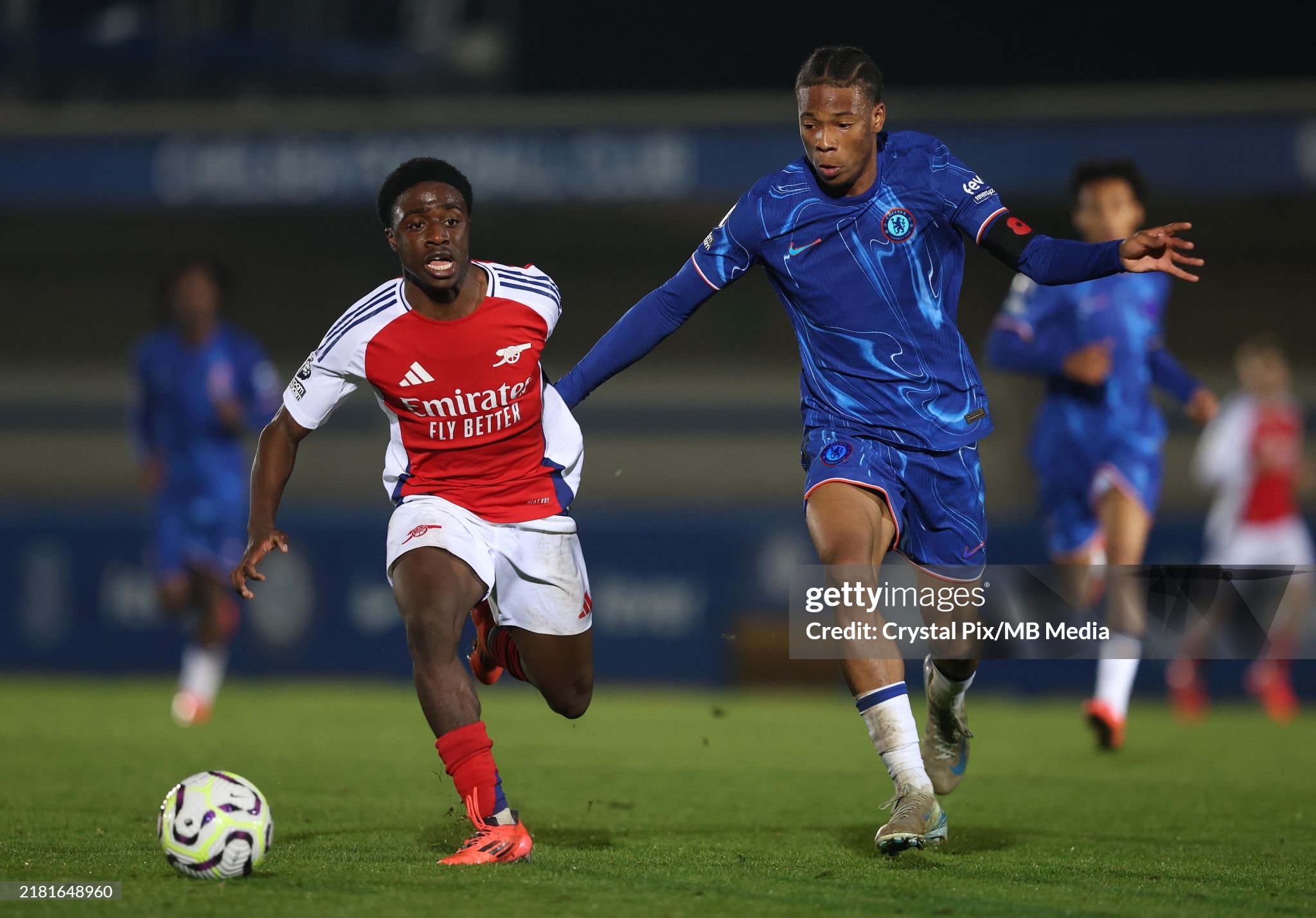
ISS in a modular back three
Negative pass, get up a few yards

Already on the move before the long channel ball is sent

Delaying to squeeze in the space
And able to re-start from the same location
Richard Olise commits in the 1v1, so Ishe doesn’t sit on the fence and runs back to the box

Perception action: carrier has time and space, runner is about to drop off the front
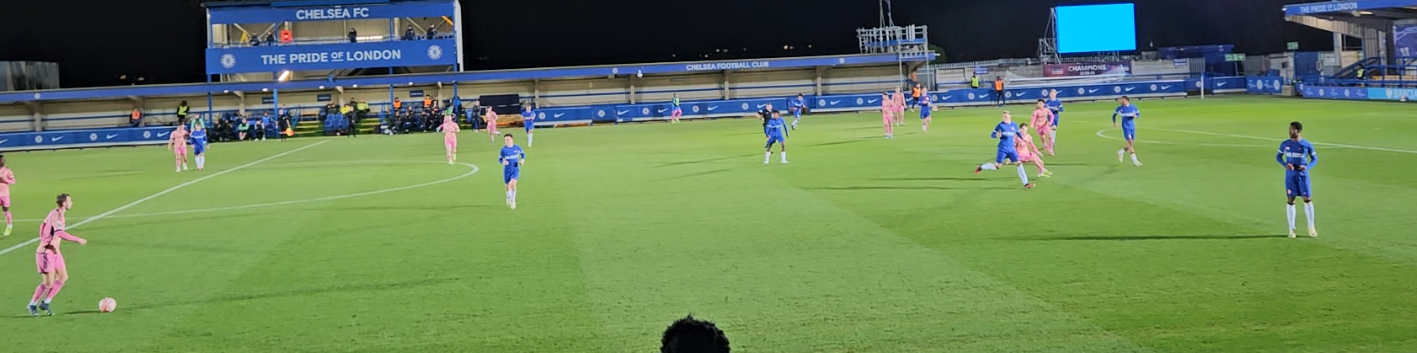
This kind of defending is very valuable
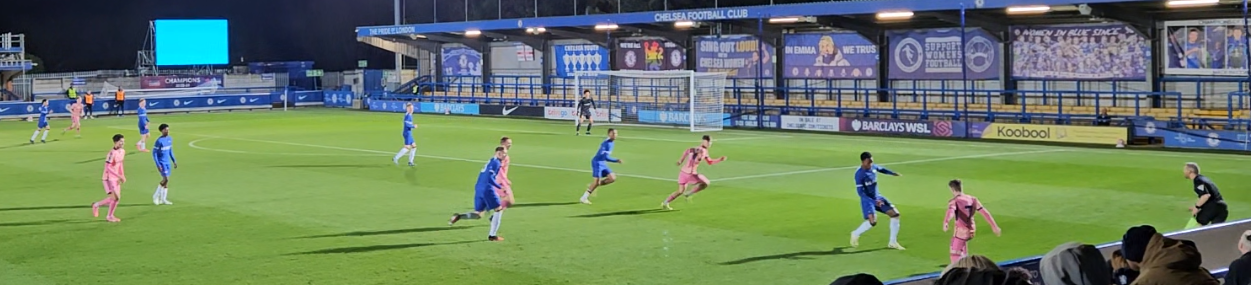
A majorty of defenders are either comfortable in the central band (box) of the pitch, not beyond. Or beyond (not inside). Think about a CB as fullback, or a fullback at CB. John Terry vs Ashley Cole.
Yet Ishe gets across the trajectory and wins the ball cleanly

Being able to transition from that situation to a ball around the corner is a top football league (or top level, actually) play for the attacker that will get in the “door hinge” (CB out of pos
ition, fullback out of position, DM not positioned to screen – cheat code to draw a foul and relieve pressure)
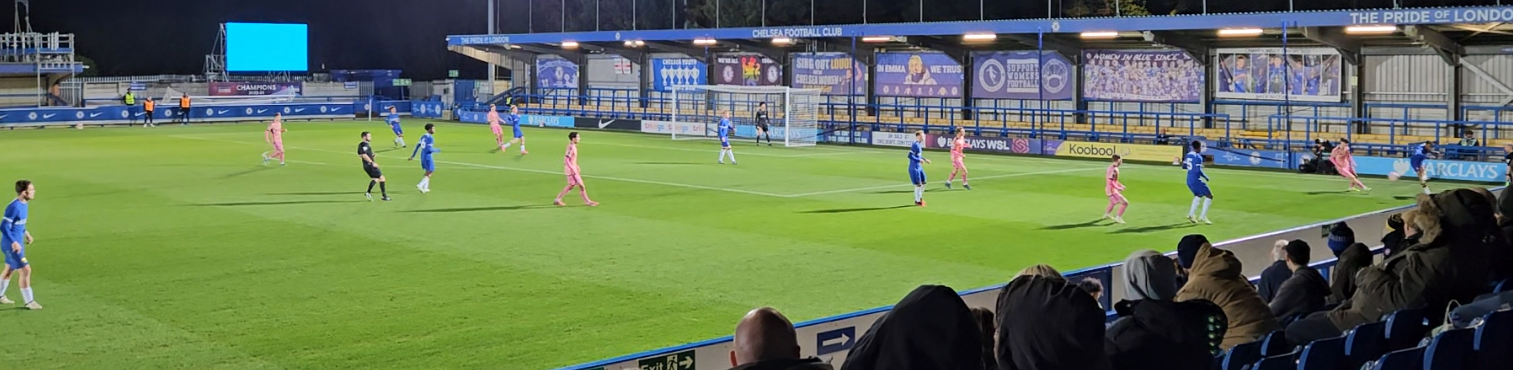
Defend when exposed
Carrier not closed down = take a step back, it’s easier to defend against a carrier (who might have a lose touch) than a quick runner (who won’t tangle his feet when running without it).

Spatial positioning is good, to not be drawn into a non area: defend the near post, or defend wider than the box; not in between
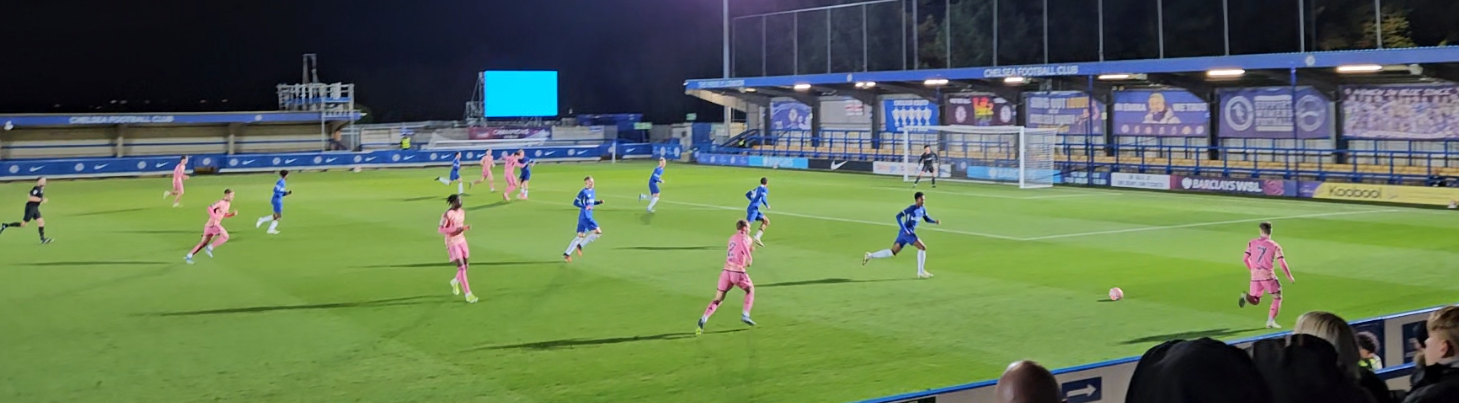
The way the situation is handled with the rotations isn’t ideal, as ISS defends more as a left back assuming there’s a CB picking up his marker
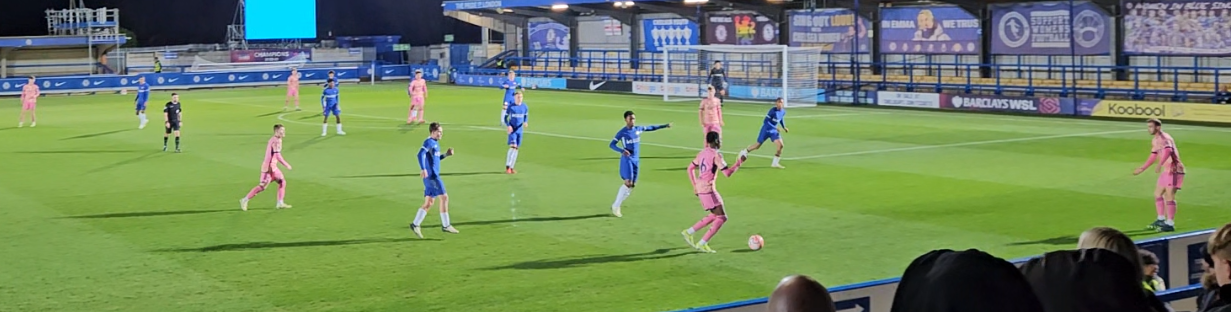
Nevertheless comes out on top with his trademark proactive tackling
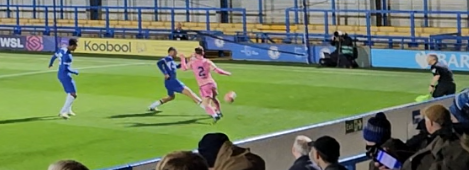
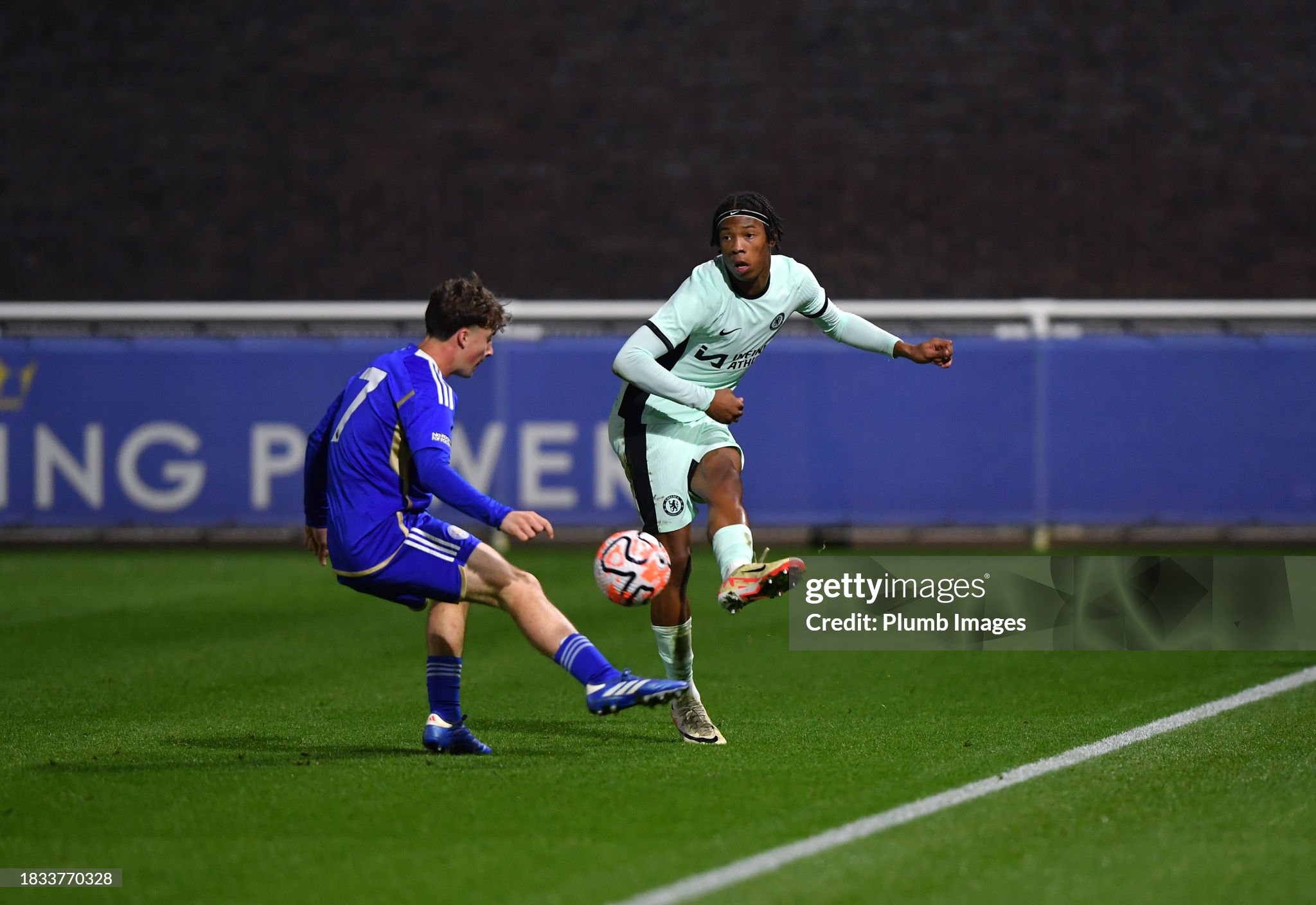
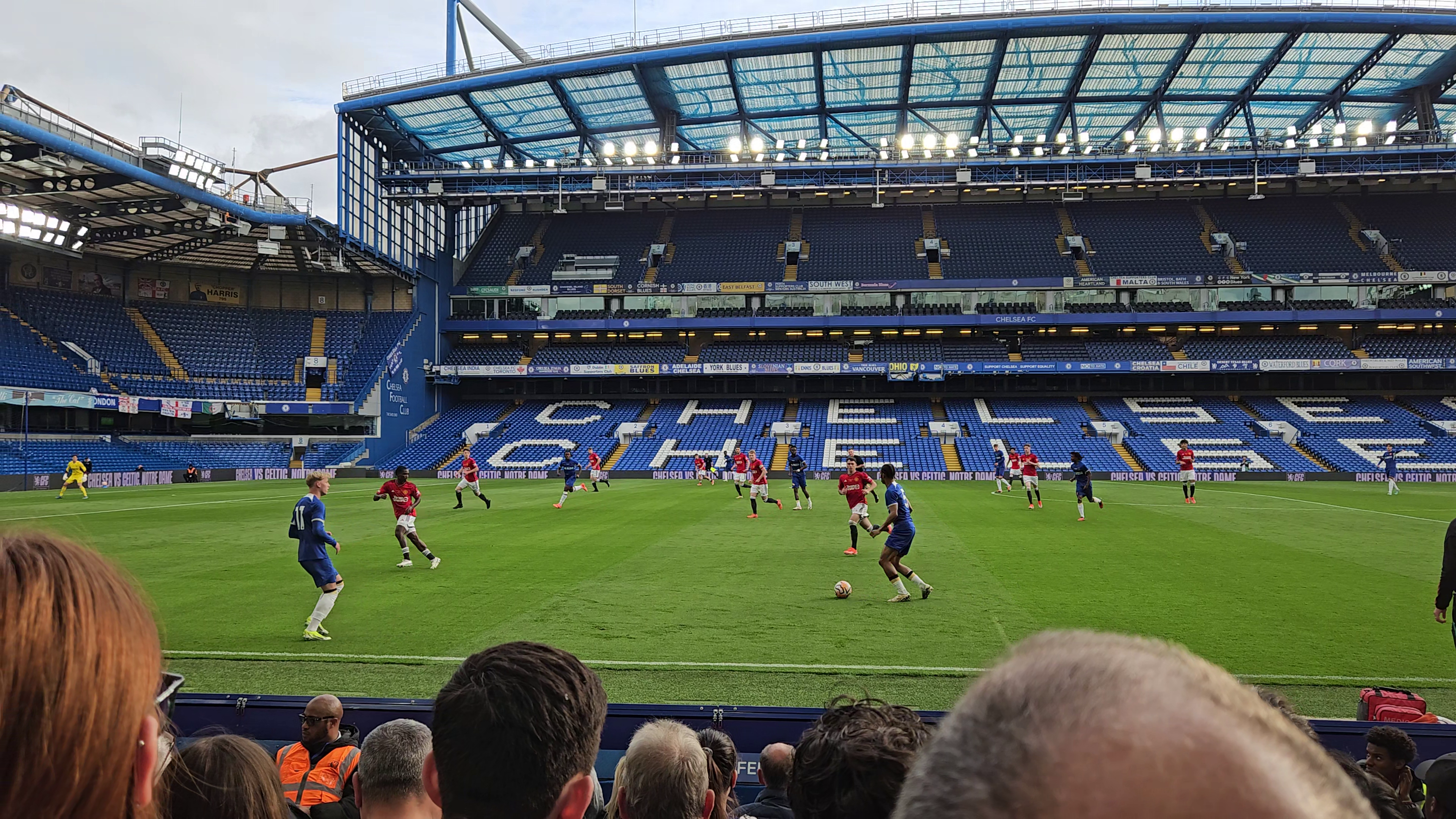
Good defender who can play give and go
Ishe is an authentic defender with a lot of good fundamentals
In attack he’s also able to contribute with straightforward moves like give and go, attack the space to vacate it for a team mate.
The idea conveyed here is to think about the yin / yang, or the profiling expanded on at the start: most young good defenders can’t pass, most converted wingers/strikers can’t defend to save their life
Here, you get someone who’s efficient at both. And can head the ball (which gives any coach one less headache to find his 5 headers to start a game – to match up on Set Pieces).
Scoring goals
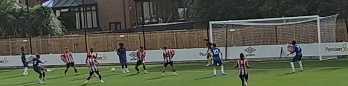
ISS might not score as many goals as Van Aanholt (or Somto Boniface) but he certainly can lash out a volley, set up by Shim Mheuka
Support right foot pointing to target
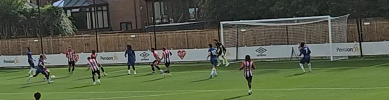
Left foot toes pointinf towards the target, arms for balance
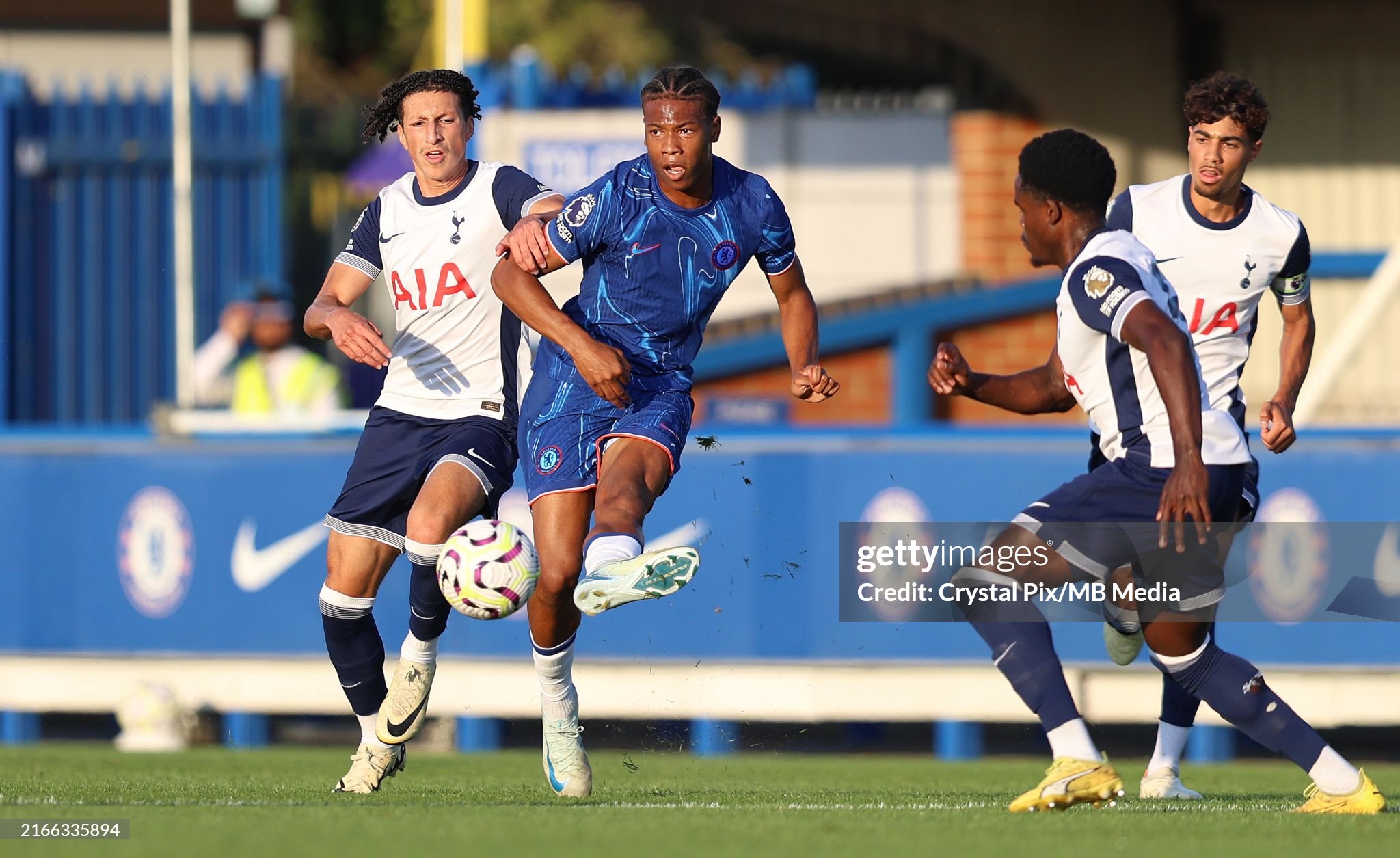
Inverting into midfield
The new buzzword or flavour of the month concept.
Food for thought
The relationship between the player and the ball is universal. Good players find space, players feed the best players to help the game move forward. Valid on boarding school rugby pitches, and docks in Montevideo in the late 1890s as it is in 2025 (give it to Palmer).
The key is to maximise having the best players in the best areas, the difference maker is the output, not the process. Gloating about moving the ball through different areas don’t make you a better coach, only if it makes the team more efficient.
Good players can receive in any location
There’s three scans before receiving, having got on the move (as C) during the pass from A to B
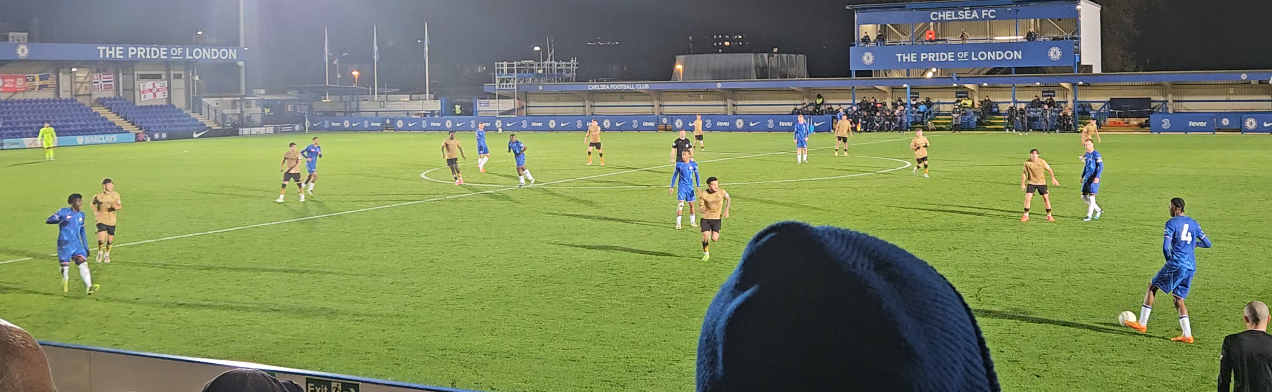
Balanced first touch on toes (more on that later), cushioning the ball without killing it
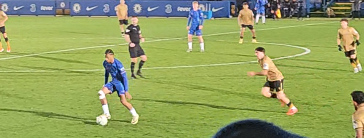
The speed of execution between the first and second touch is good

One area for improvement: ISS was carrying diagonally, then cut to a straight line

Closed down by Real Sociedad’s french CM, he’s going left
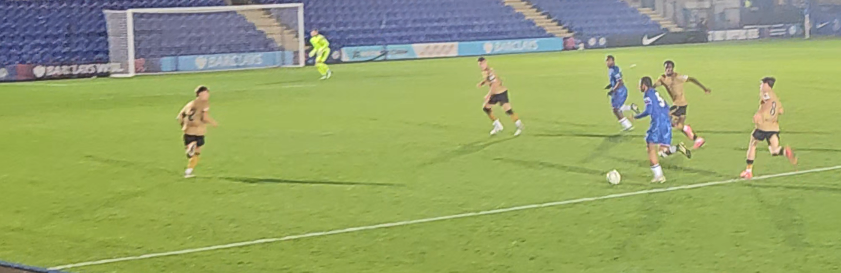
Eventually playing on the toes of the right back (2) which is good
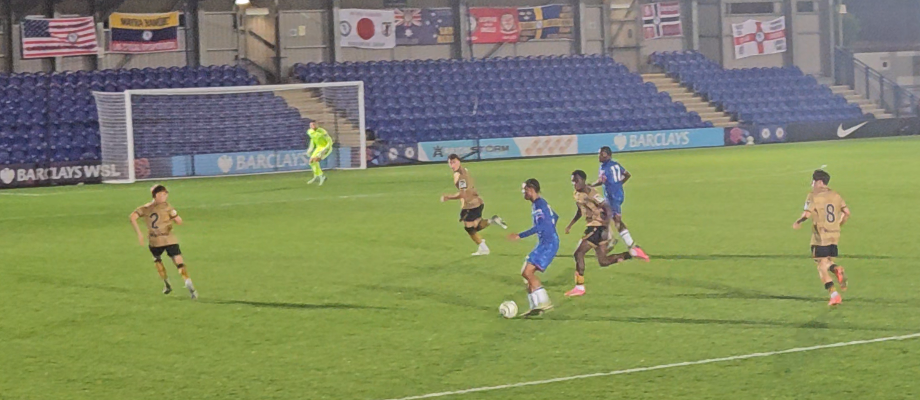
Room for improvement would be to always carry slightly diagonally, commit the DM and the RB to play the winger – which gives the winger a bit more time in font when receiveing.
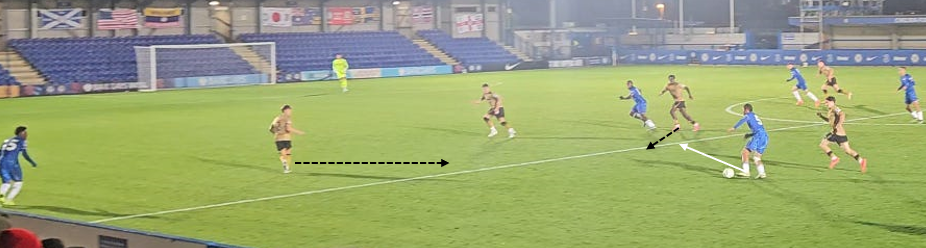
rather than “evading” the DM and eventually playing the way he’s facing
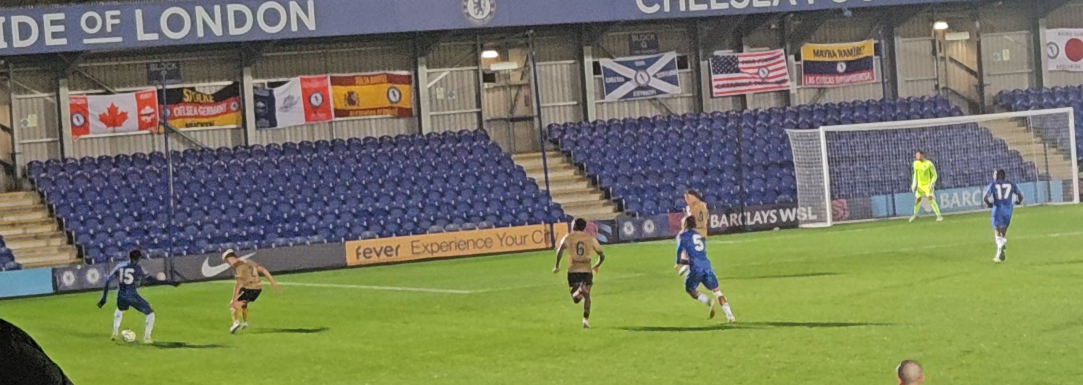
Ishe then takes an attacking position via an overlap, taking care to lap his winger only when he’s got the ball in control.
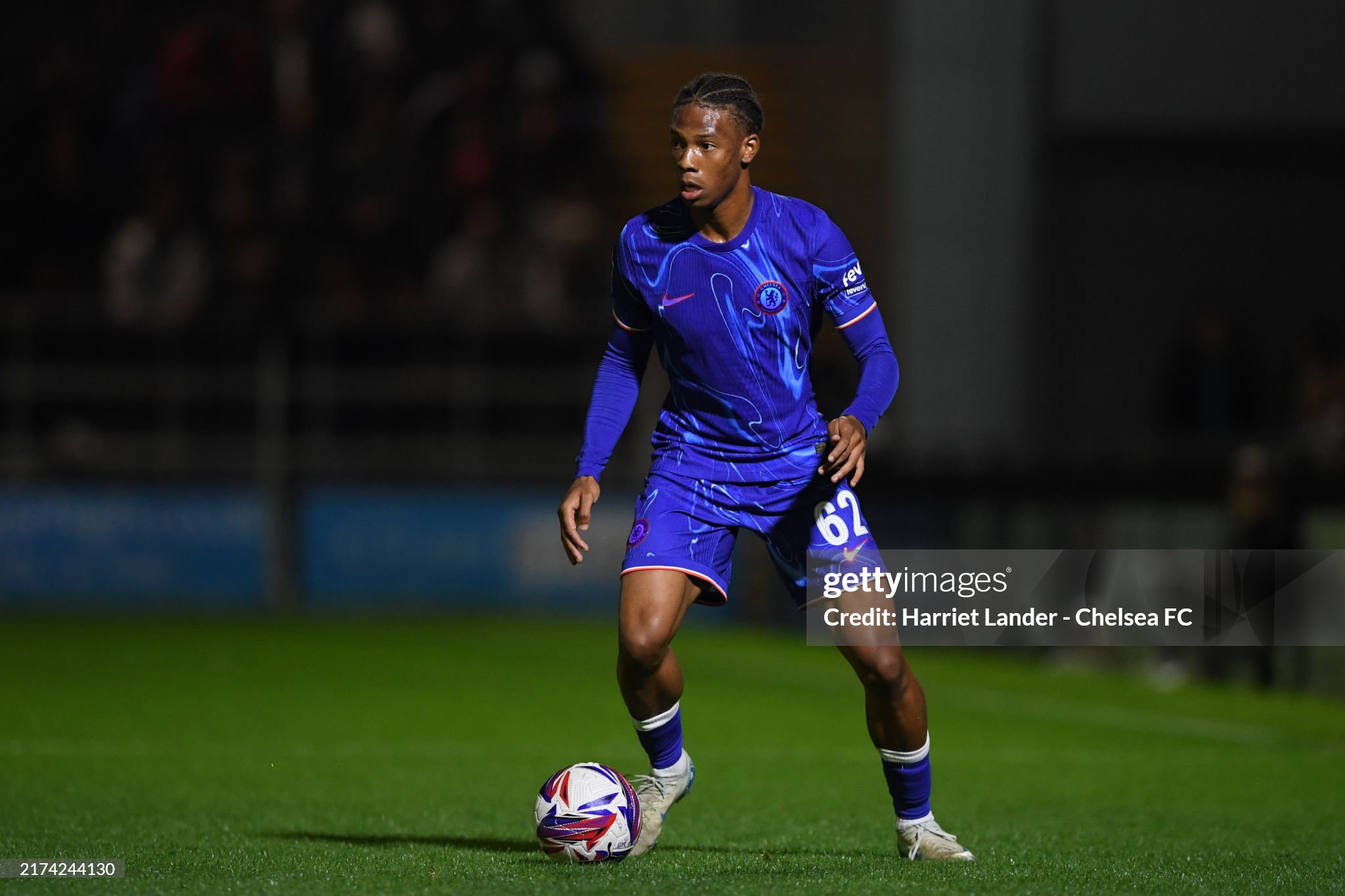
Once good players start seeing the game (affordances) as boxes to crash, the perception changes completely to identify the space to go into, and when.
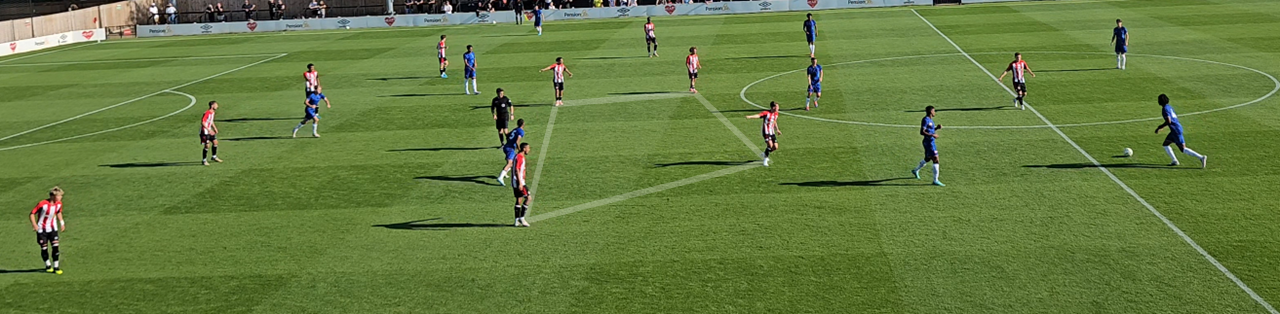
For whatever the pros/cons of “inverting fullbacks” is (getting left backs as 10 more often than creative players?)
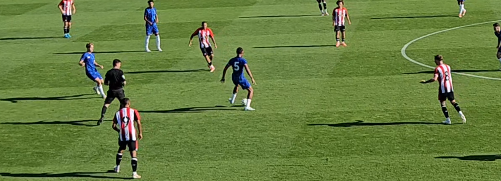
That wasn’t a super time efficient turn, ball is killed and would’ve been better being moved on with the Heung Min Son special (left right carry)
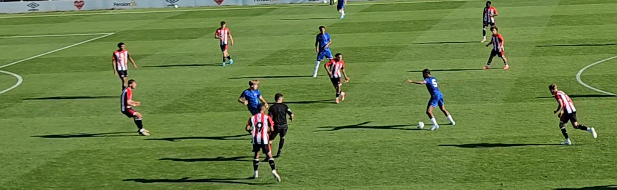
However, the masked pass worked in the pocket for JJ Morgan
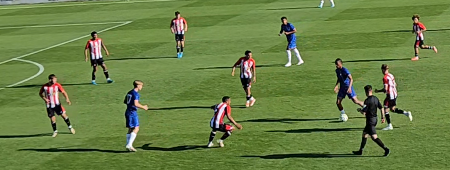
Curving the run to stay onside

ANother option for George there would be to play ISS who’d backheel the ball (or cut it back)
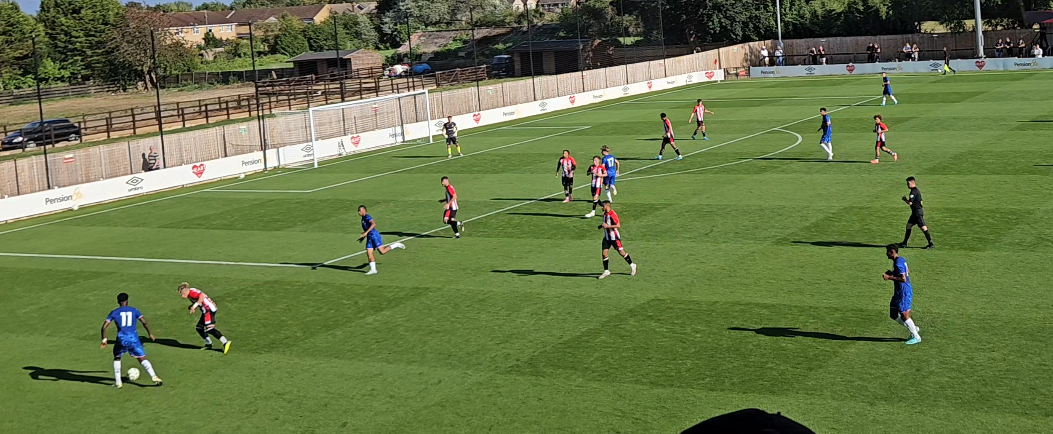
Tuchel drilled that move a lot and got loads of goals out of James, Alonso or Chilwell
Underlaps
Against the strongest player at U18 level; Ethan Wheatley
Finding space in the 10 area
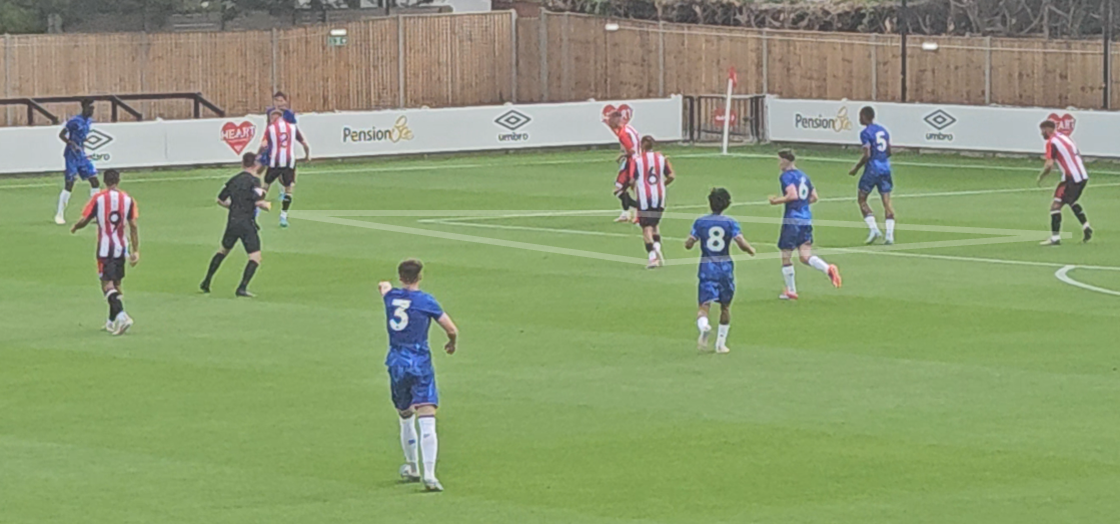
Problem solving in small spaces
Efficiency rules over aesthetics.
Clipped pass to the fullback to avoid the trailing striker leg is good solution to the problem
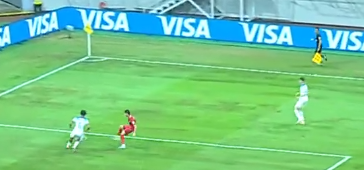
Cruyff turn pass is another good solution to that hospital pass (that he should’t have received back)

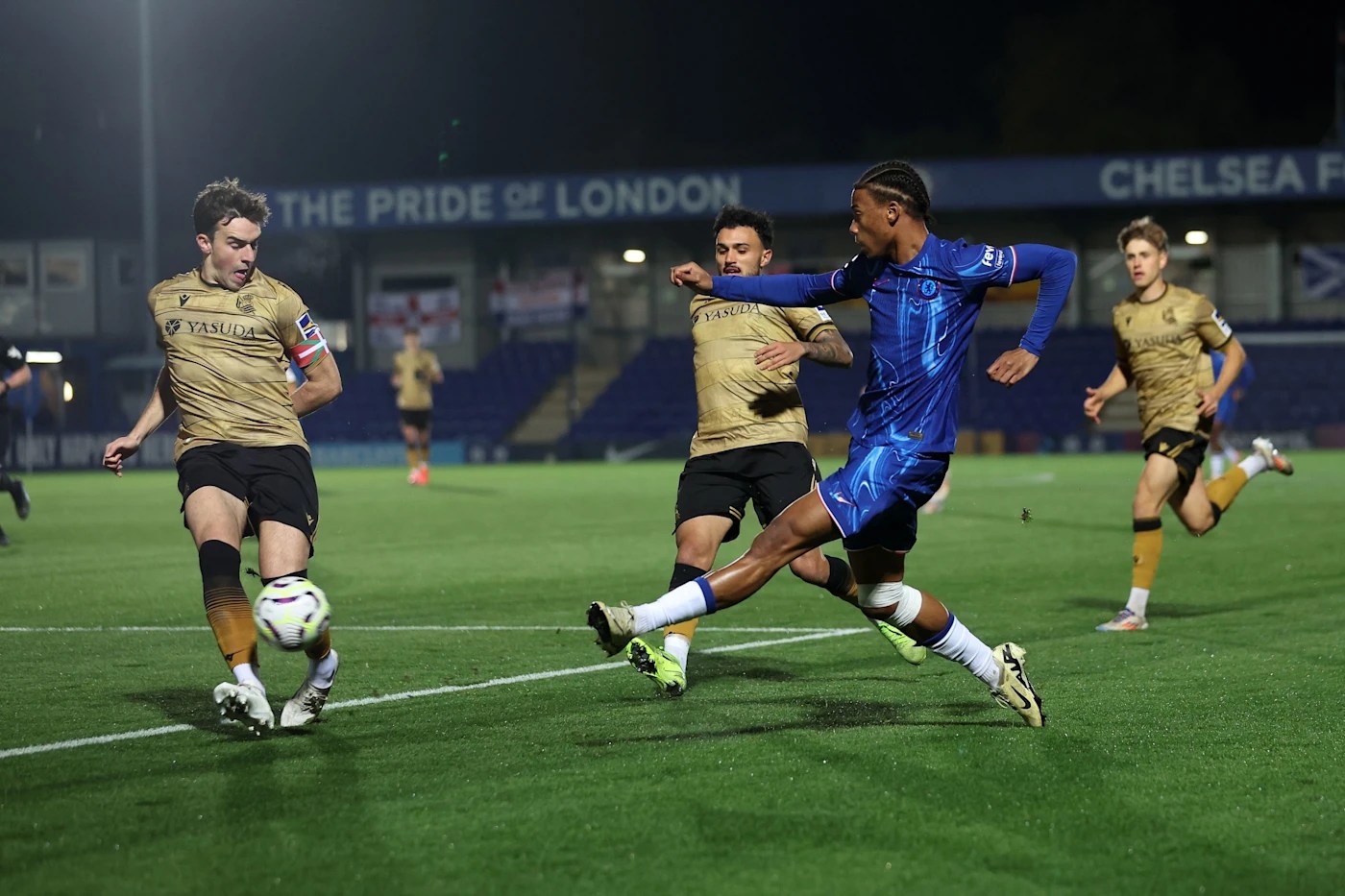
Giving assists
One key scouting bullet point is movement. Good players move, and watching a pickup game tells you who are the good players.
Side comment; that’s why “play der play der” coaching is a disaster at academy level, for dwindling the freedom of movement. And making it somewhat harder for the casual eye (not the scout) to tell apart system players given a living by a choregraphy and coaches yelling “half space half space”, and good players who naturally find space
Work on universal “separation to receive” yes, do that thing I saw on twitter last week of the run around in circle. What are we doing here. Intellectual laundering.
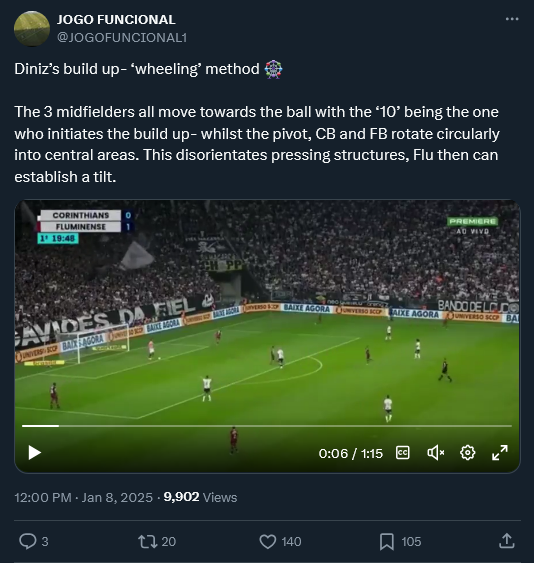
Whatever.
Point is,
Movement is a truther
Double movement is a double truther: can you change gear in the same play to make something happen, having already roamed in good positions.
Read the situation.
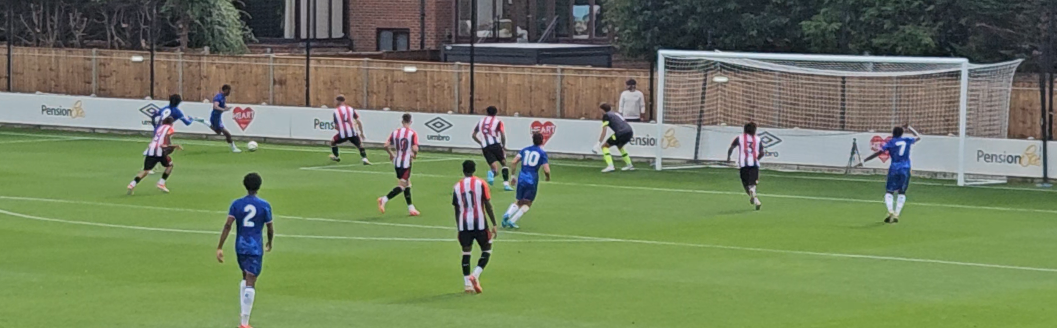
Chelsea 2v3 on the wing, but Mheuka pins the CB, therefore there’s space in the wide area of the box
(not Mhueka. Kinder Bueno / Shim Mheuka and Bryan Mbeumo)
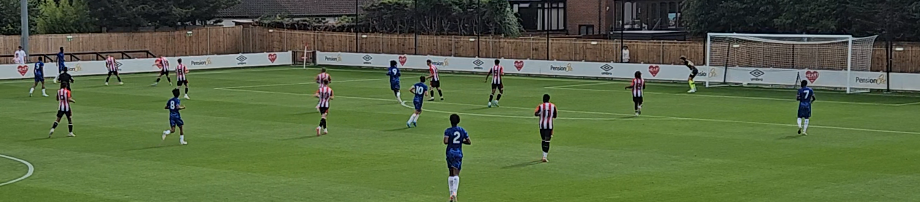
ISS opens his right foot as much as he can, so that the hip turns and the cutback reaches Mheuka
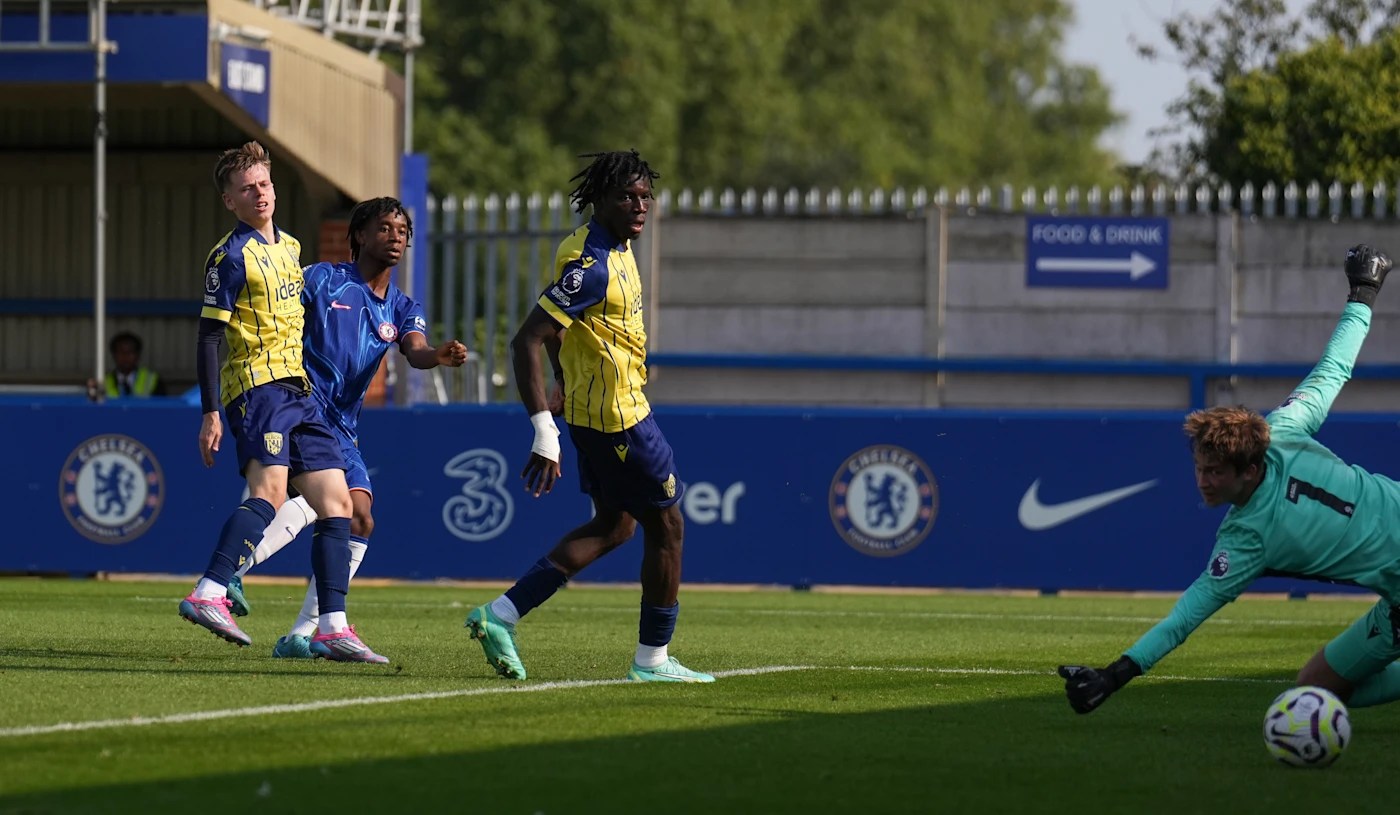
Box presence to assist Reiss Russell-Denny vs WBA
Cross at the far post
Som Sam Rak-Sakyi things at the start.
ISS with the underlap from LCB. The Sheffield United with Wilder or Conte special/
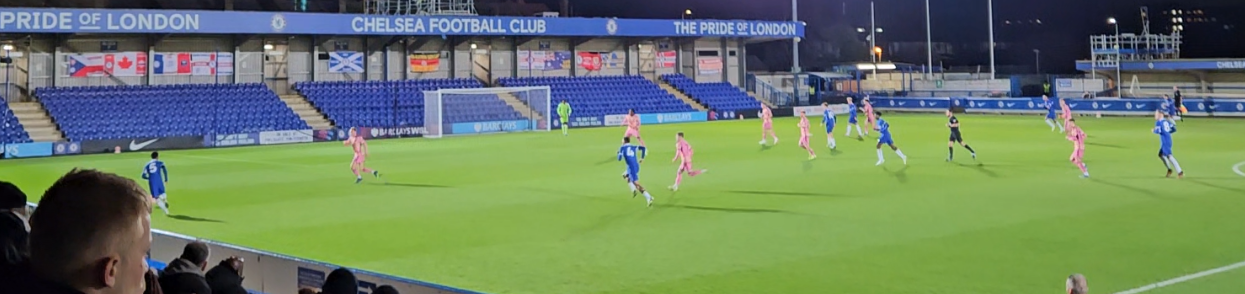
That clipped cross at the far post is recommended by the Association of People Who Know Ball, if you get to the byline, clip at the far post. That’s a token goal
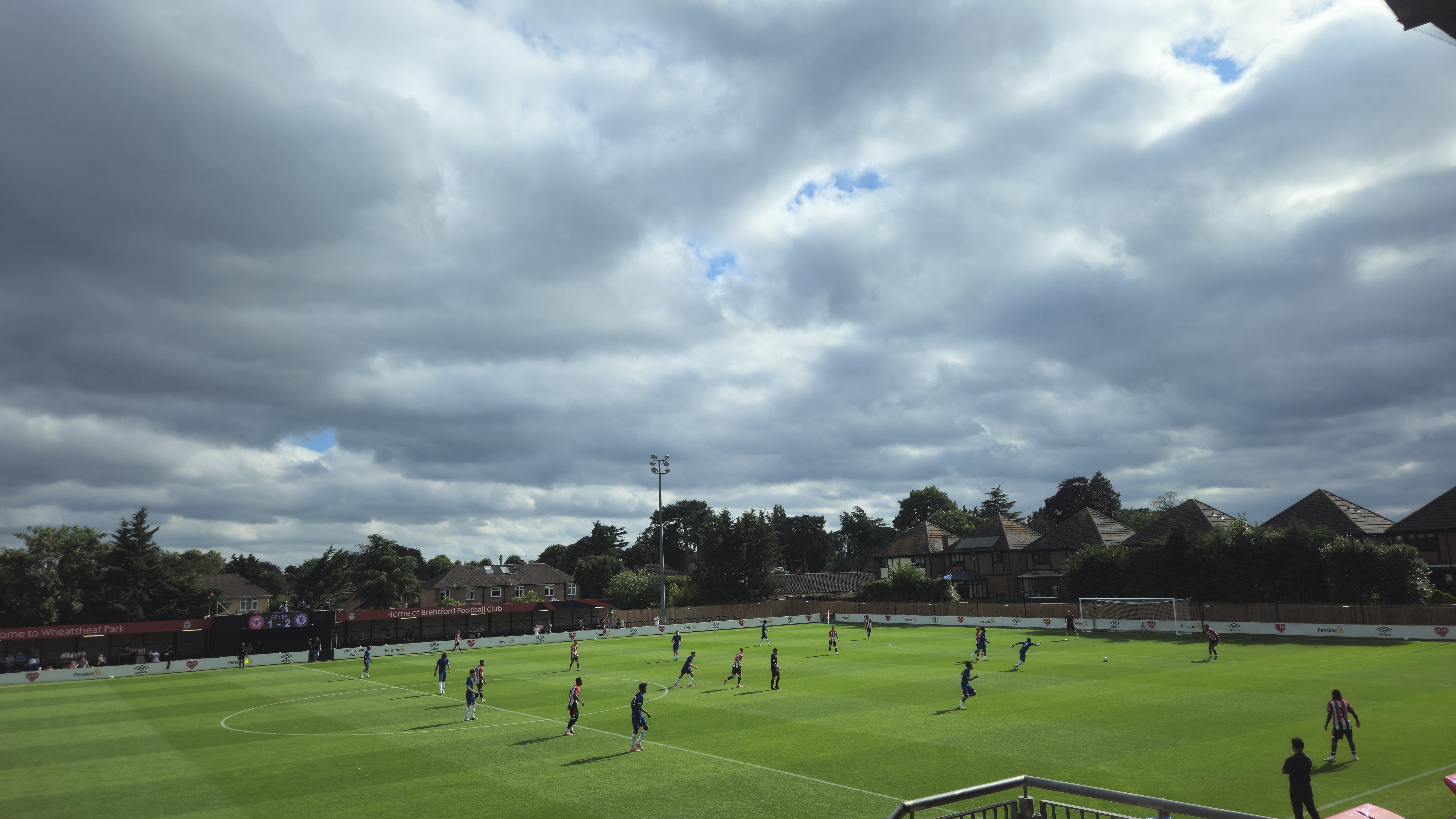
Distribution
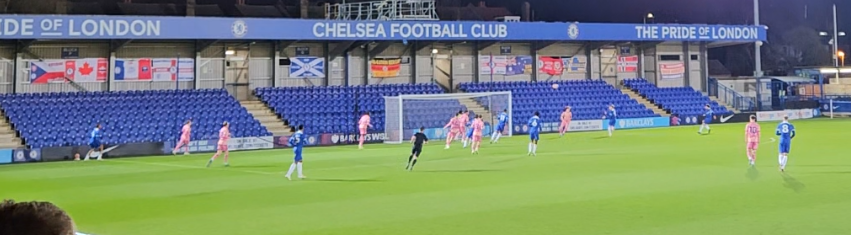
This is a well hit pass, on the “tropic of cancer” without getting off the pitch nor bouncing. Top level pass, the looks of the carry / movement (fairly alright, not the smoothest) is irrelevant if players can hit these passes

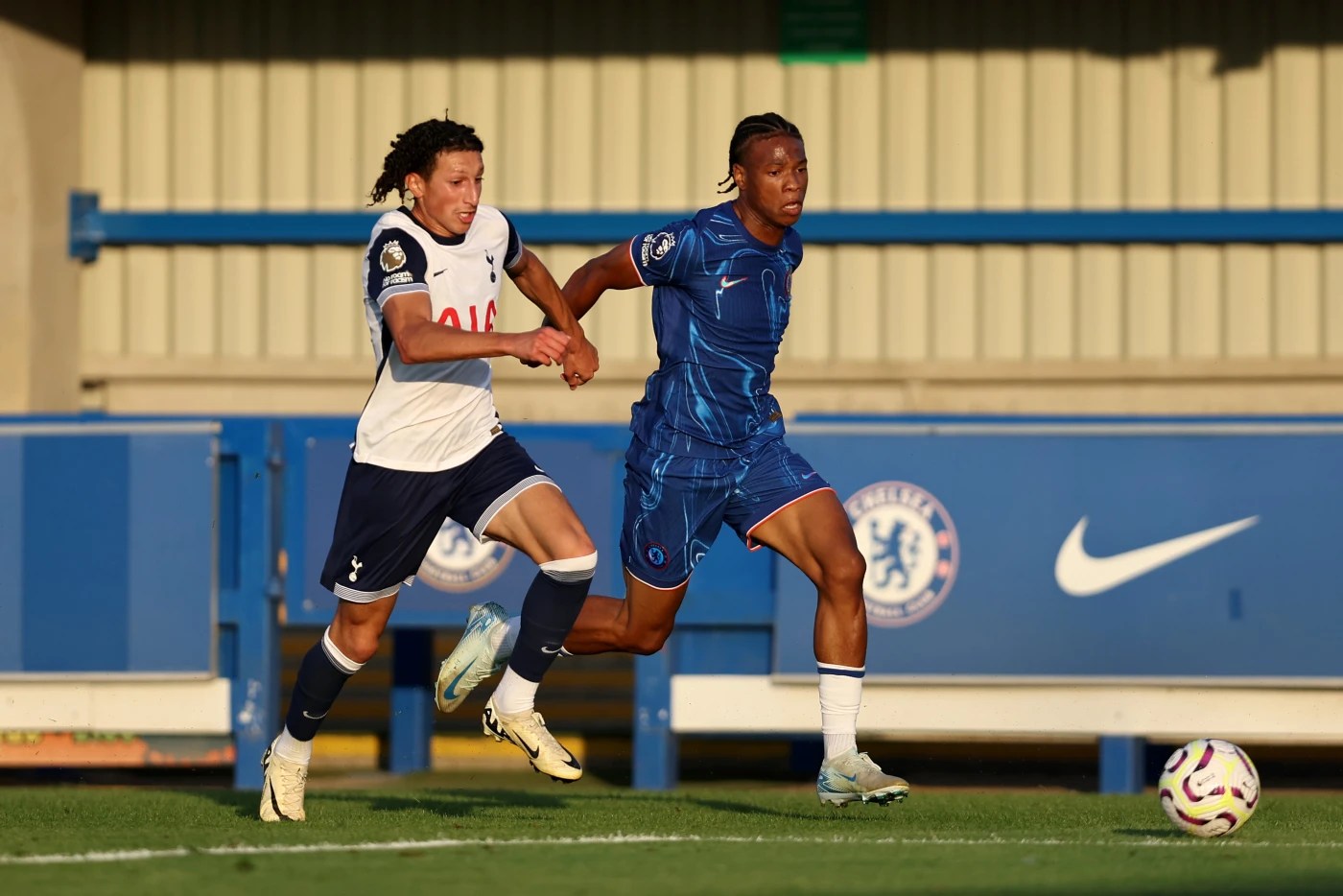
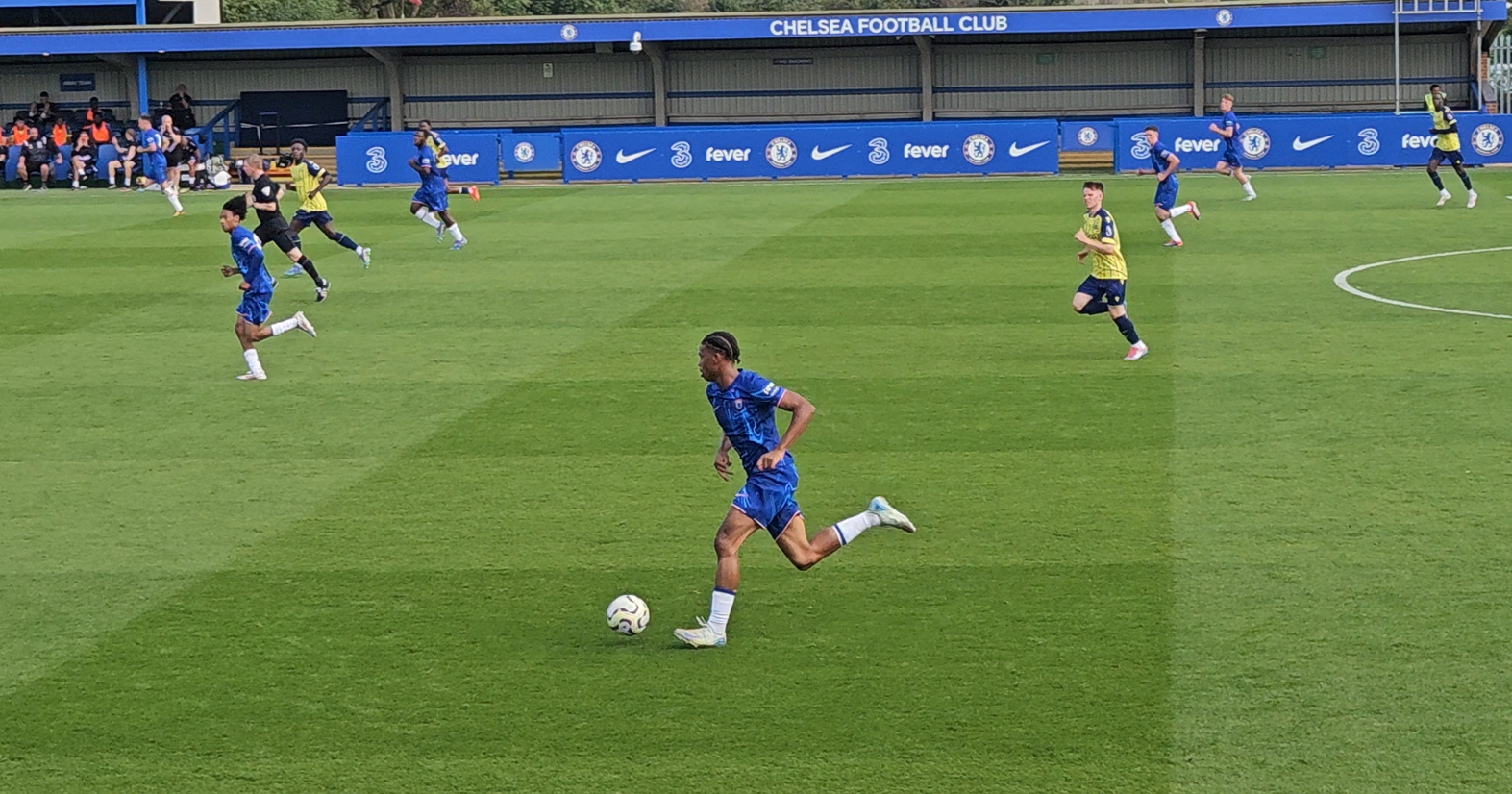
Carrying
ISS is a player that looks eager to play senior football, more open play carries to gain ground – academy possessionball hits the bottleneck that the best players play together therefore dominate opponents, limiting turnovers of possession
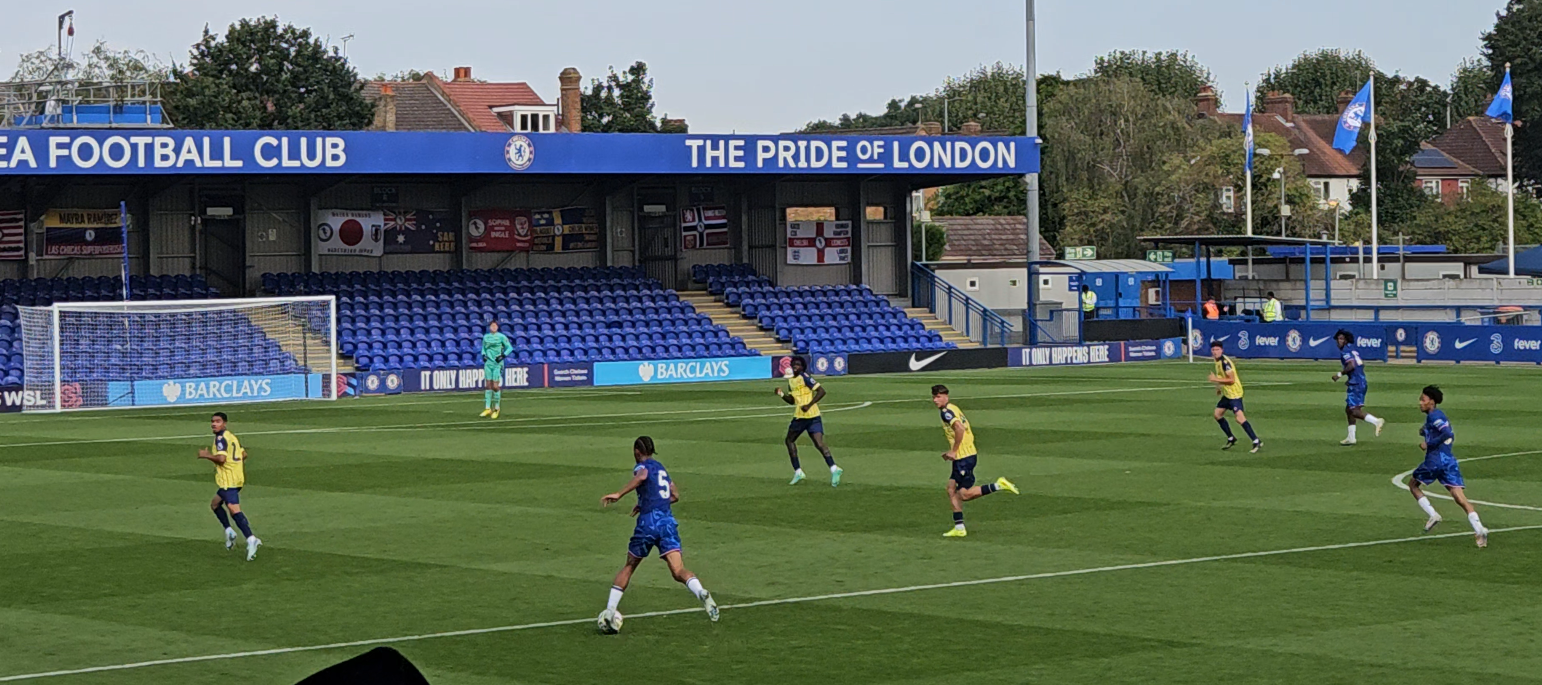
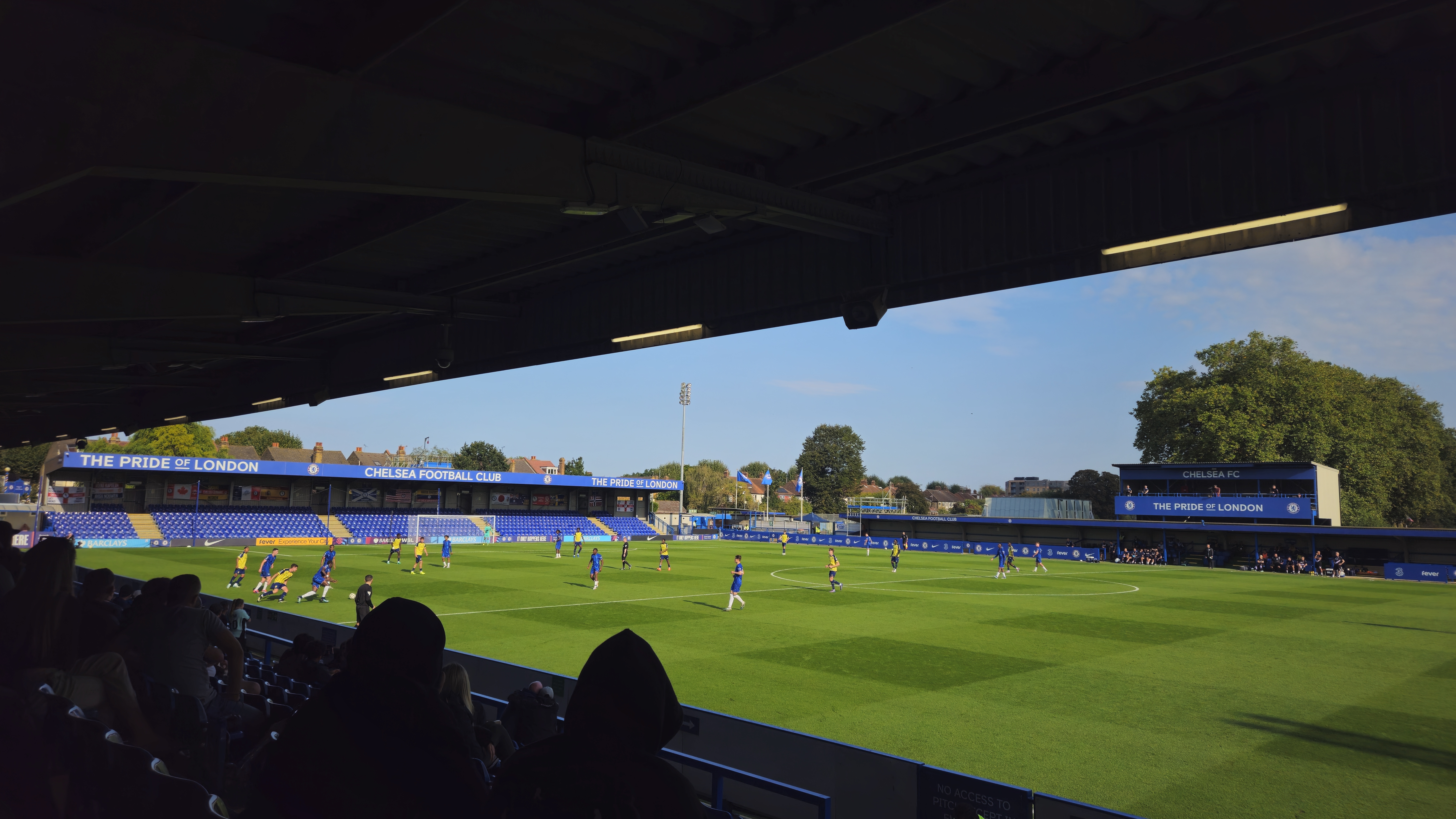
Ishe Samuels Smith played LB for Chelsea U18s against… his twin brother Odin Samuels-Smith
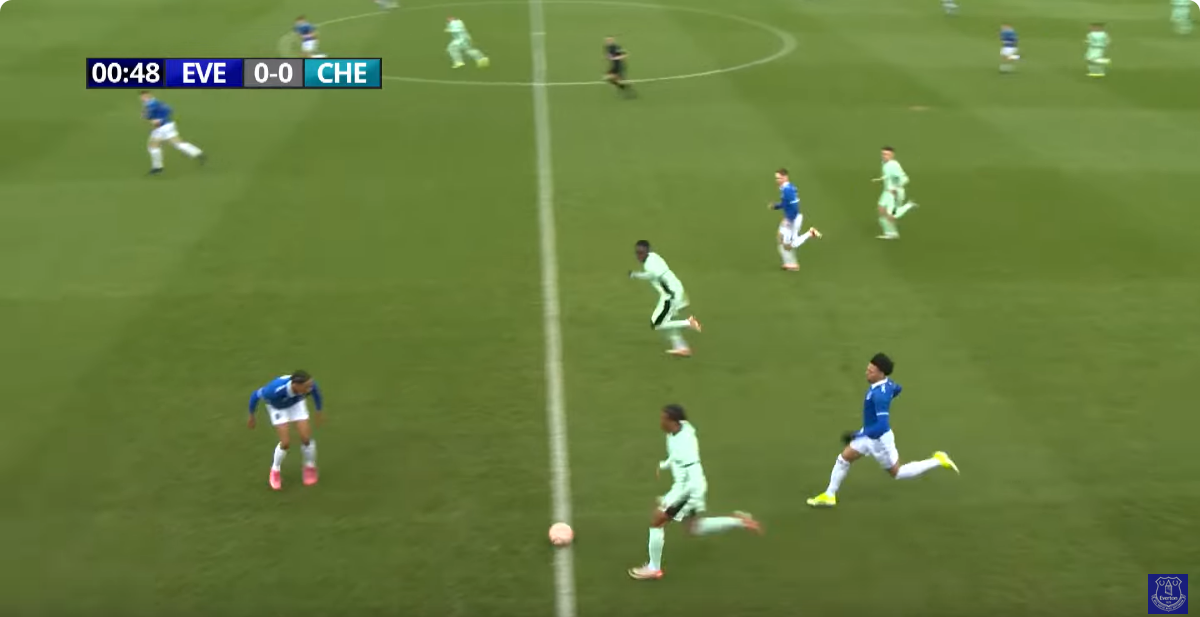
Long throws
Another thing senior coaches will like, ISS has a bit of a long throw in him.
Put the ball in orbit etc etc…
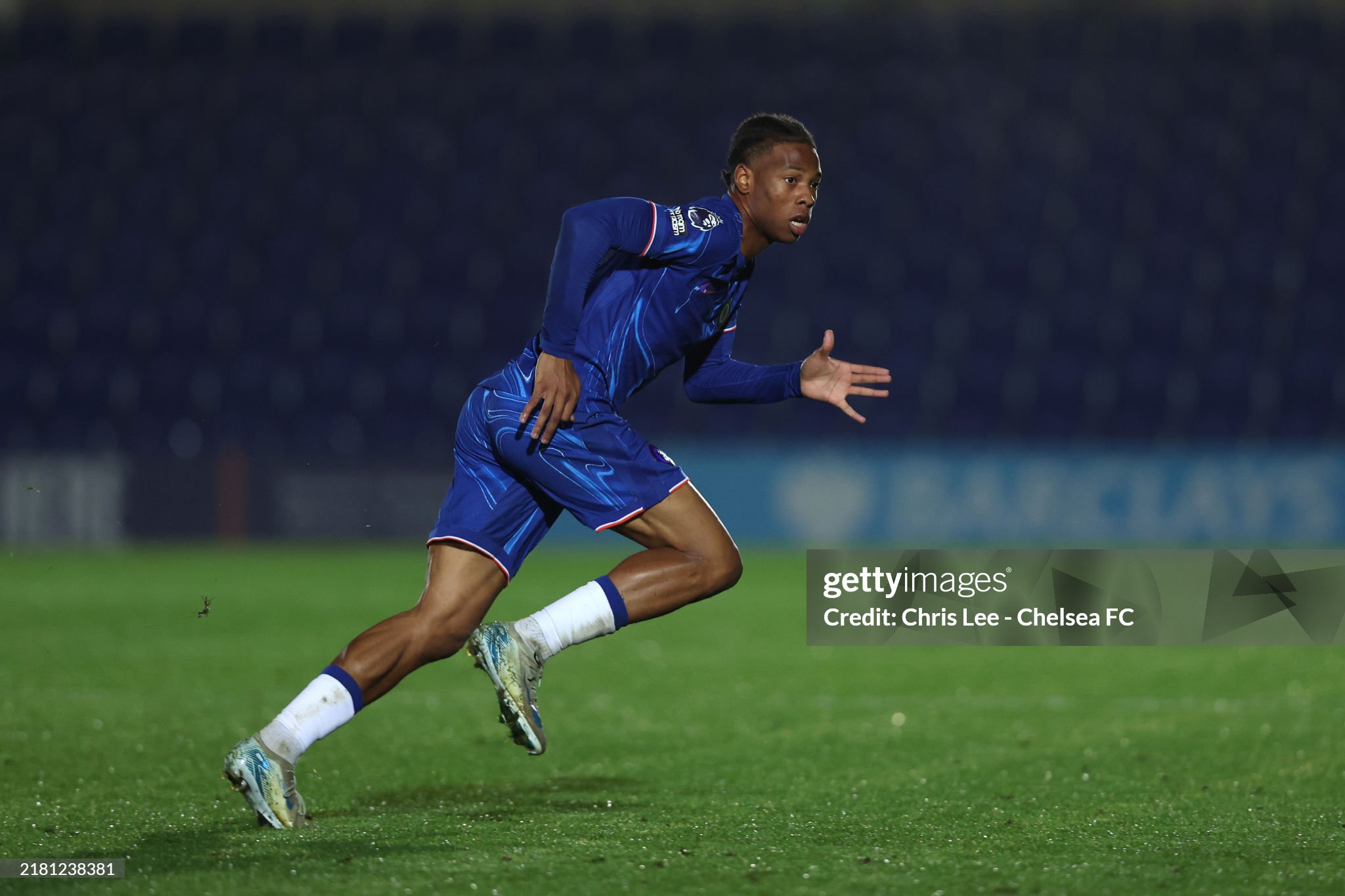
Third man runs
Ishe’s reading of the situation to get involved as a third man runner is good
He’s not the Van Aanholt, Maatsen type of diminutive left back.
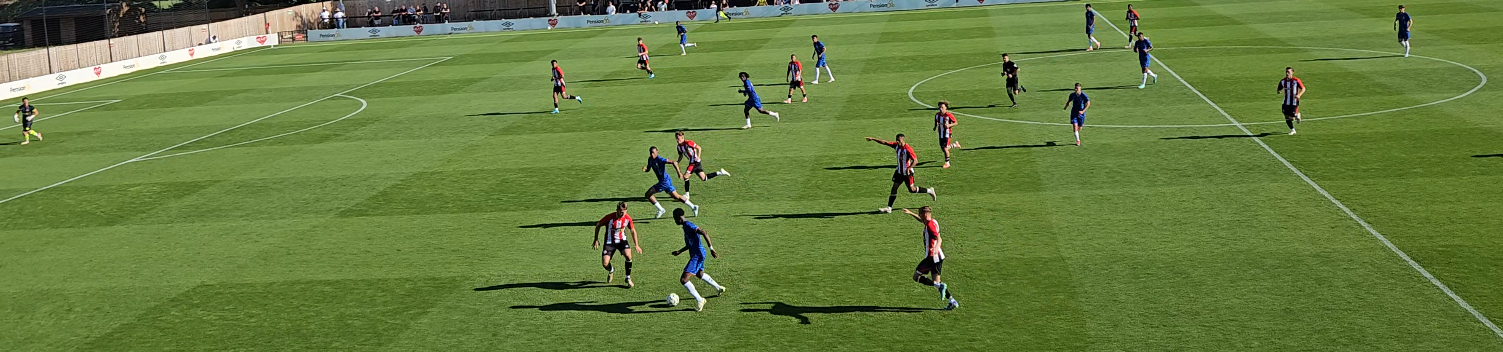
Ishe will close on 6ft2, coming up like a train
James is 1.79 (5ft11), Chukwuemeka 1.88 (6ft2)
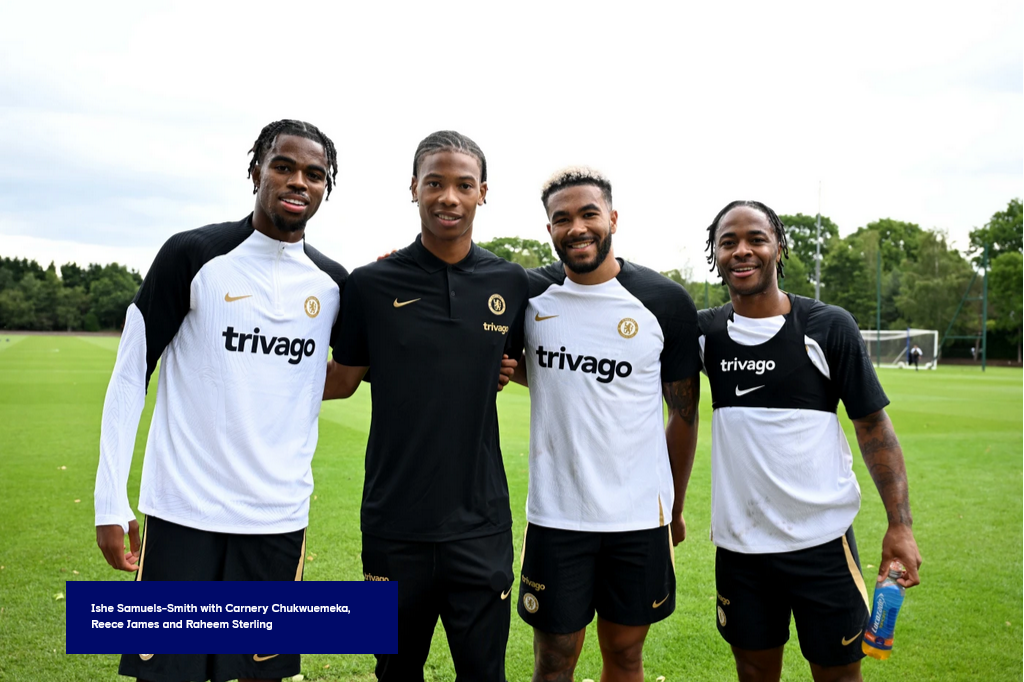
Carrying mechanics
ISS isn’t the smoothest carrier in terms of relationship with the ball, and could gain from more purpose in the drive, chopping the ball etc… but on the other hand his game is *effective* and the movements / passes answer to what the game demands.
My opinion is that it might leave people who watch him a bit on the fence, before watching more and make up their mind.
Patrick Van Aanholt would be easier on the eye. Was he a better player overall?

ISS is hard to knock off the ball:
Soles on the ball
That’s not the cleanest sole drag, but that’ll do
Hook it
Another efficiency of substance over style. Low volley that connects quickly and keeps danger out, to turn a defensive lose ball recovery into something the team can build on.
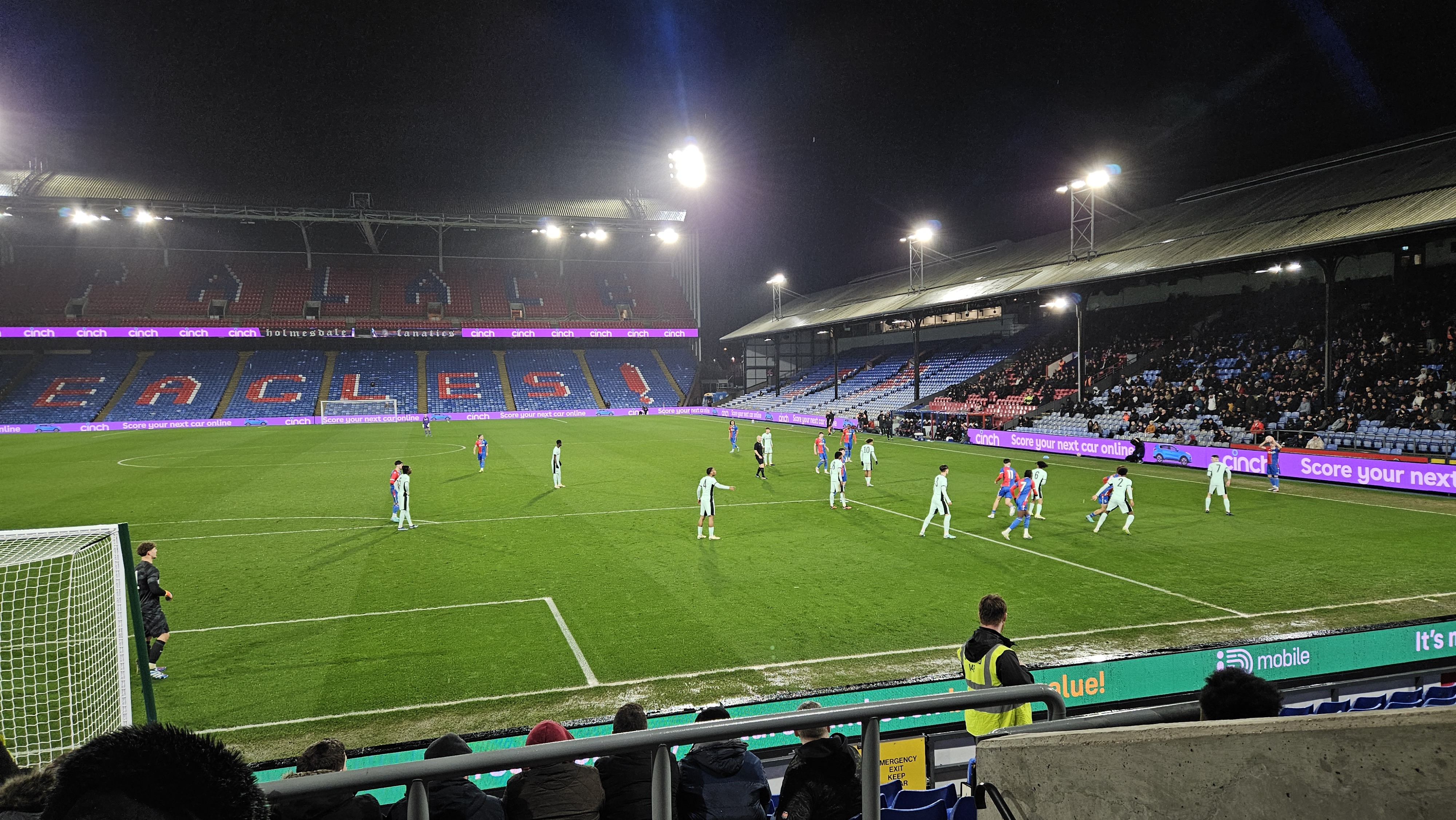
Take one touch, two, three and that might be a different story.
ISS has that “no nonsense” defending to kick the ball out of danger
Defending crosses
This is an outstanding cross, that lands towards the T and allows a striker (alive) to draw a foul and act as a pressure relief
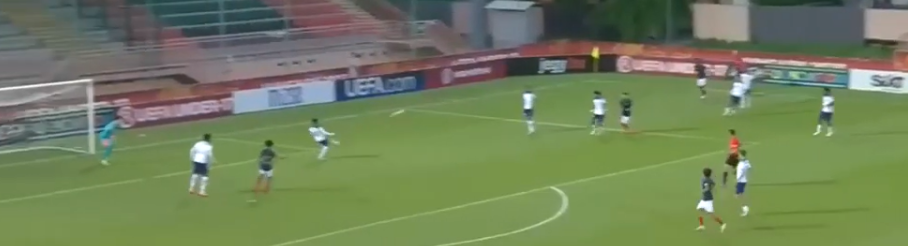
Passterception
Football is a game of marginal gains, can you execute quicker your play in the chain, so that down the lines the only players who require time and space get more of it.
None of this “sole on the ball” bullshit.
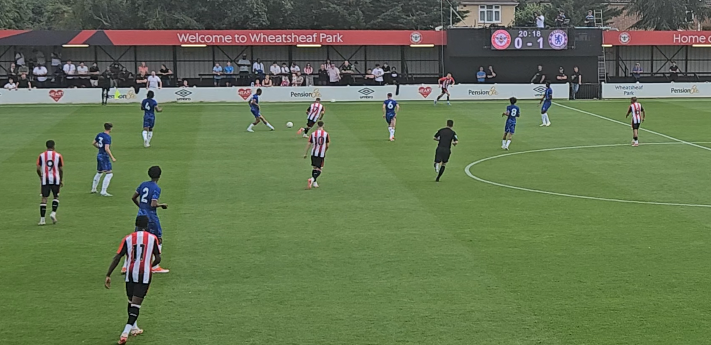
Navigating the channels
Rafael Benitez – 2004 La Liga winner with Valencia, bring back Tacticoachs with credentials would have loved Ishe Samuels-Smith.
Combination play down the line requires game intelligence to attack the correct space, it’s very much a game of 0 and 1. Play where the space is
Reiss Russell-Denny “rolled out” as left back, Ishe stepped up in the space vacated.
Basic rotation
Succesfull carry towards the inside forcing the defender (blue boots) to make a decision: he’s on toes
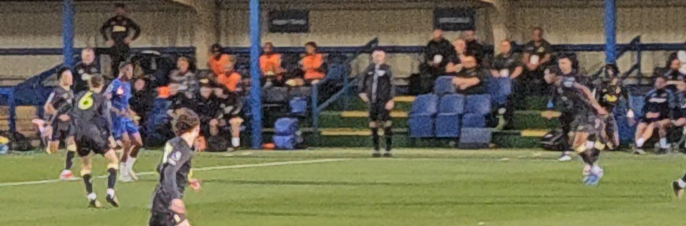
Wait for the defender to take the bait and land the feet apart, flat footed, balance leaning towards the inside
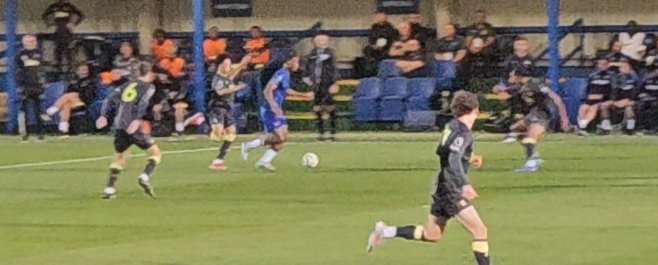
And time the release with an outside of the foot poke once the defender takes the bait iside – that’s good perception / action.
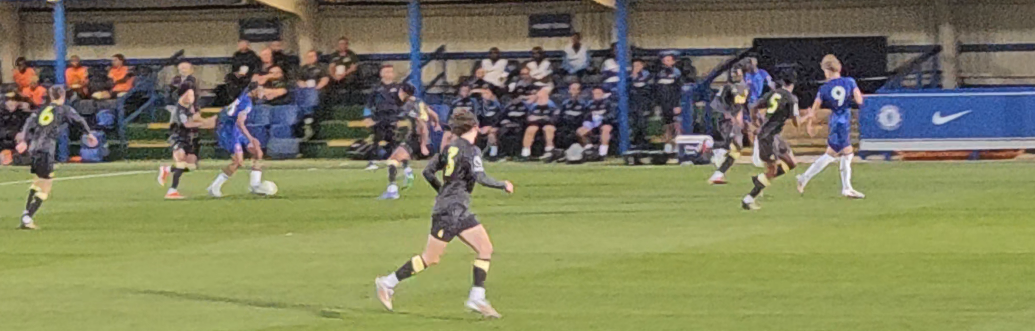
Then a good sprinting motion (calf and chest in the same plan), kind of a double acceleration.
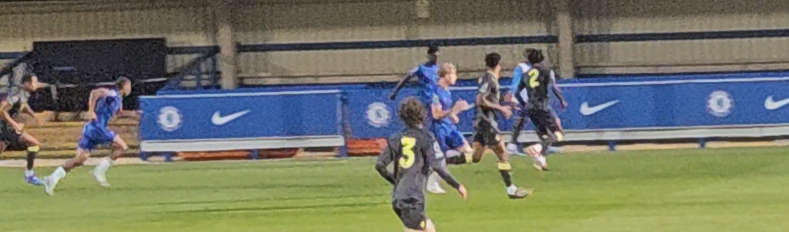
Checking his shoulder
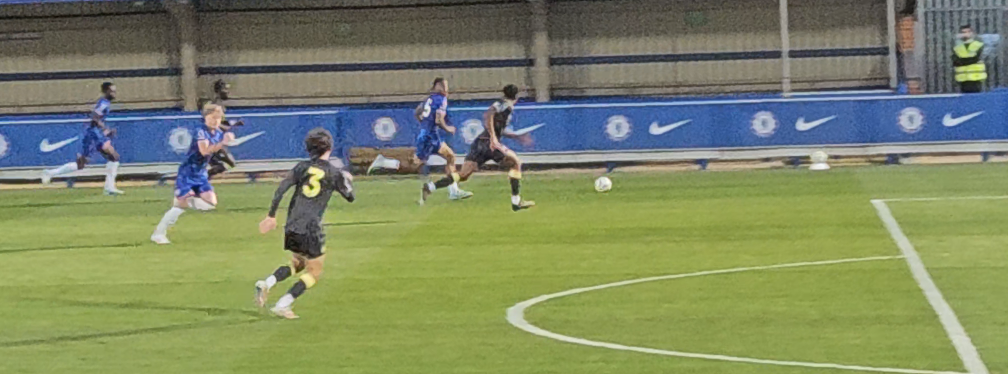
JJ Morgan delayed his sprint around the penalty spot for about a split second
Ishe’s clipped cross avoids the leg of the defender
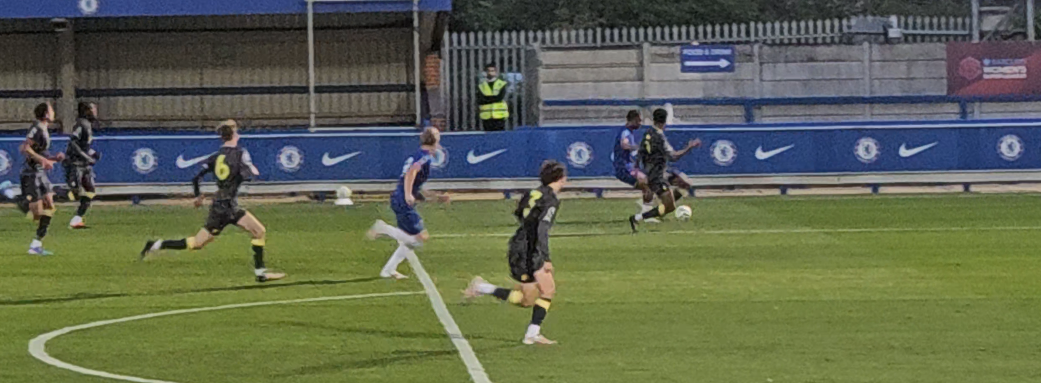
And reaches the “mixer” between last man and GK. Good delivery
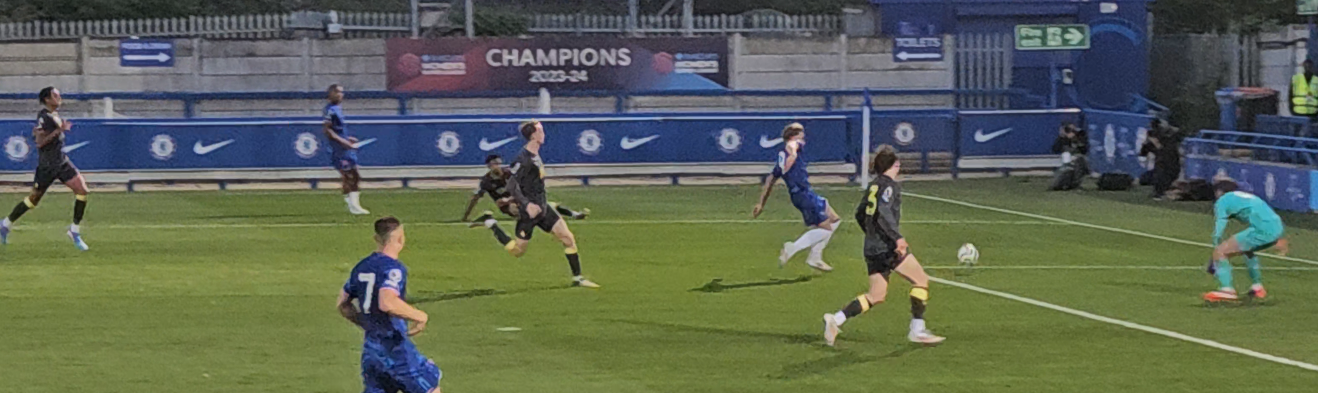
Creating the goal for Donell McNeilly in the FAYC 10v11
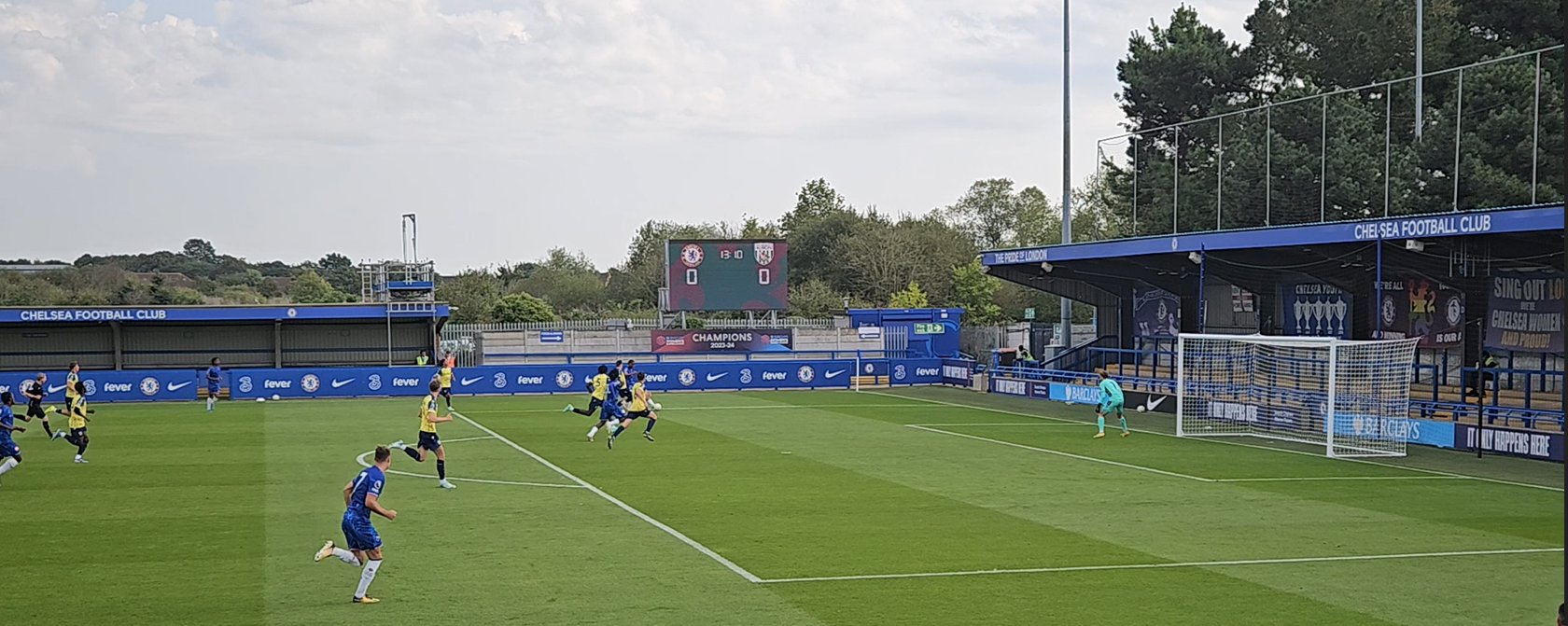
Put it in the mixer:
Making sure to put the ball between goalkeeper and defender
Closing down at the far post
ISS has the engine to go box to box, and go the extra mile to crash the box.
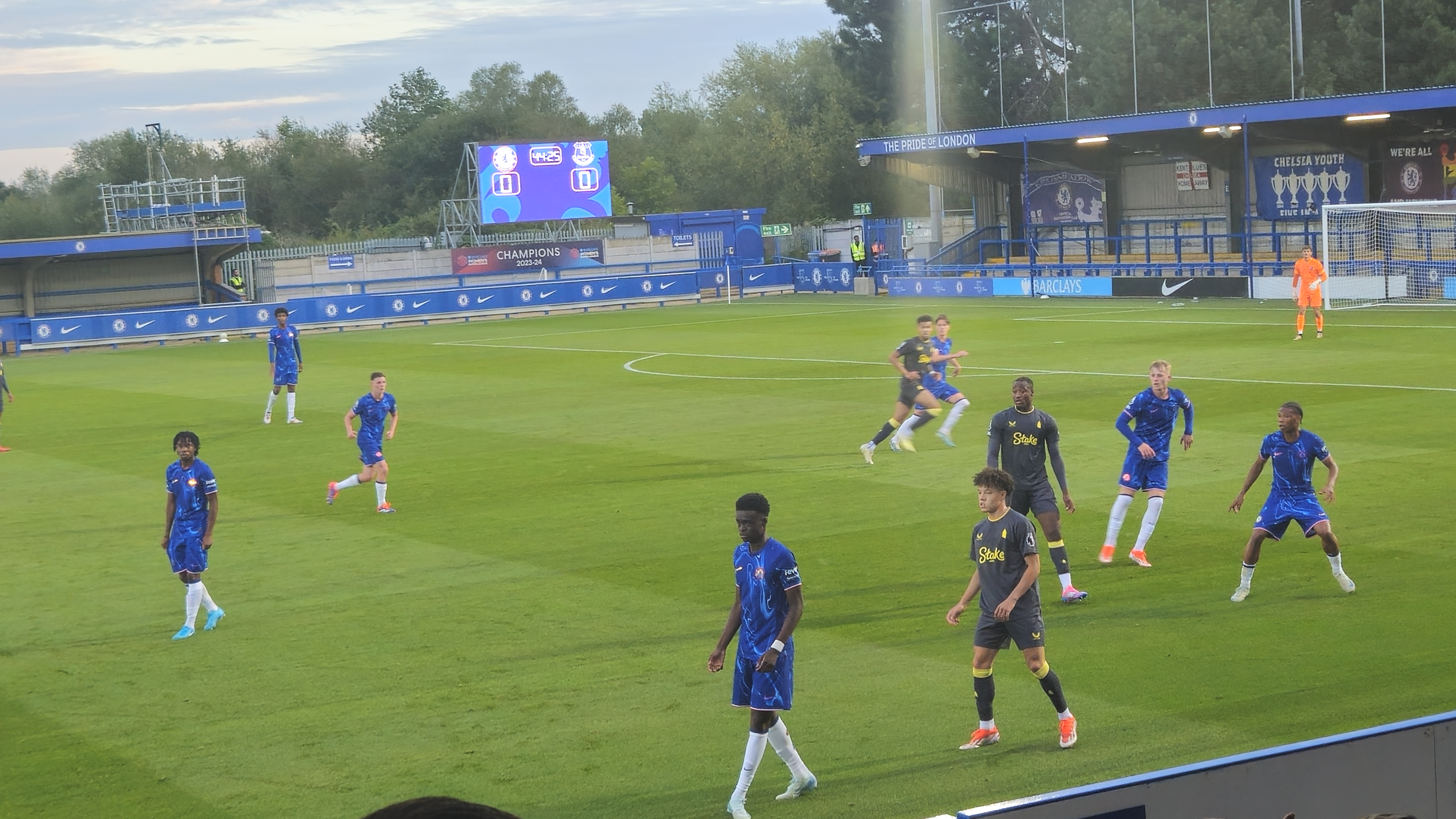
Drawing fouls in the air
ISS wins the ball in the air on a regular basis, and draws fouls all the time in PL2 when he gets a nudge in the back.
There’s a question about translating his game at senior level, where players who are dominant in PL2 (the small pond) get a chance in PL (the big pond) and immediately become “the small full back to attack at the far post” or on diagonals
Other players just don’t make the cut.
Pinging a diagonal
Hitting a diagonal across the pitch whilst running requires skill and technique.
ISS isn’t at Trent Alexander Arnold or Steven Gerrard stage of technical fluidity, but the intent is more interesting than the aesthetics of the execution.
Carry one way, see far side, ping a diagonal. Lots to like here even if the trajectory could be a bit lower, more with the laces (between two players)
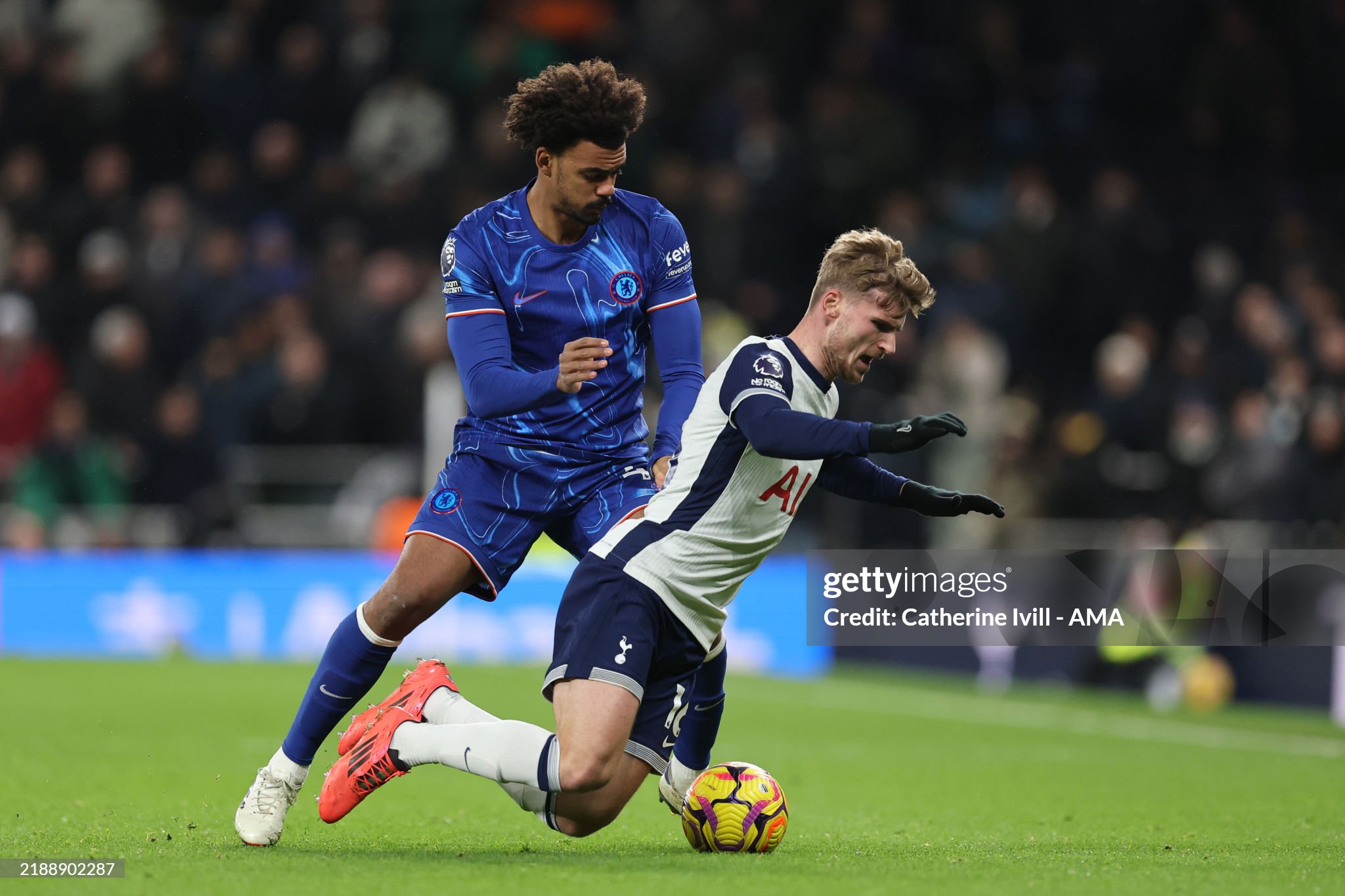
The sorry Renato Veiga experiment being almost over after only 6 months, the following conclusions can be drawn
Don’t sign players based on Data, someone playing all over the pitch, tackling all over the place will have “event surface” overlapping different position categories. Someone tackling out of position in midfield might get incorrectly flagged as “midfielder” in an algorithm. That doesn’t make them midfielders
Use a comprehensive recruitment process; involving character assessment, which might limit PR disasters such as a player making clear he sees himself as a CB whilst the requierments for the role being the moon to him.
Players are skillsets, not positions. Giving a fancy tactical role in a fantasy set up don’t give the game awareness and decision making associated
On the other hand, good footballers will play everywhere because it’s about moving on the pitch, in all directions, before the ball moves.
What a waste of 6 months, that could’ve been fructified differently using the talent at home (what’s the role of a Director of Talent if not to acknowledge the one at home already).
Ishe Samuels Smith is the one Chelsea signed via their renowned academy director Neil Bath (the Adrian Newey of Academy football) and Jim Fraser, Head of Academy recruitment (the equivalent to Manchester City’s Joe Shields ; a few FA Youth Cups and Youth League apart, about a dozen in the same decade working on the same London talent hotbed).
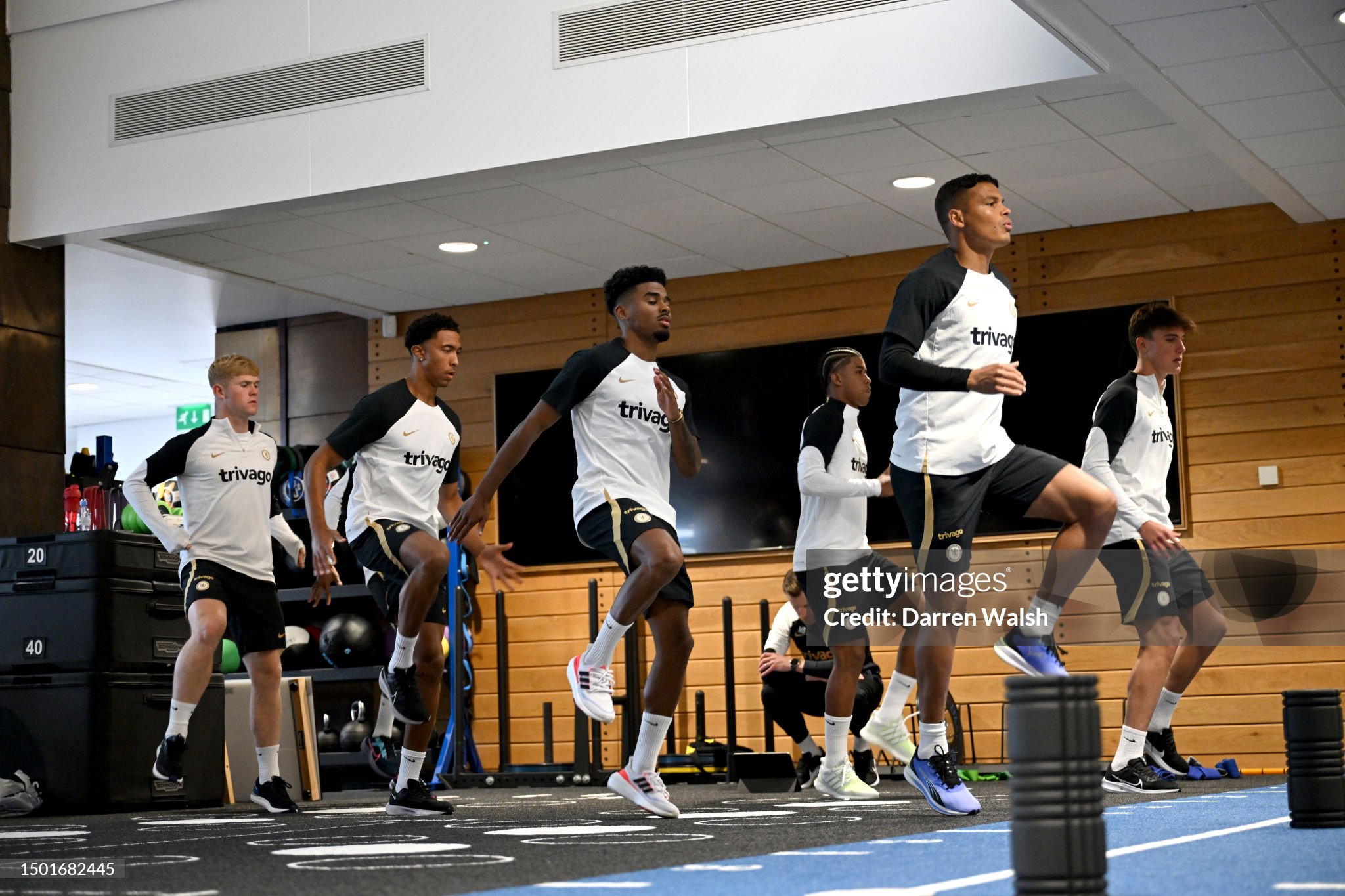
What’s the European Left Back Landscape for players born after 2000
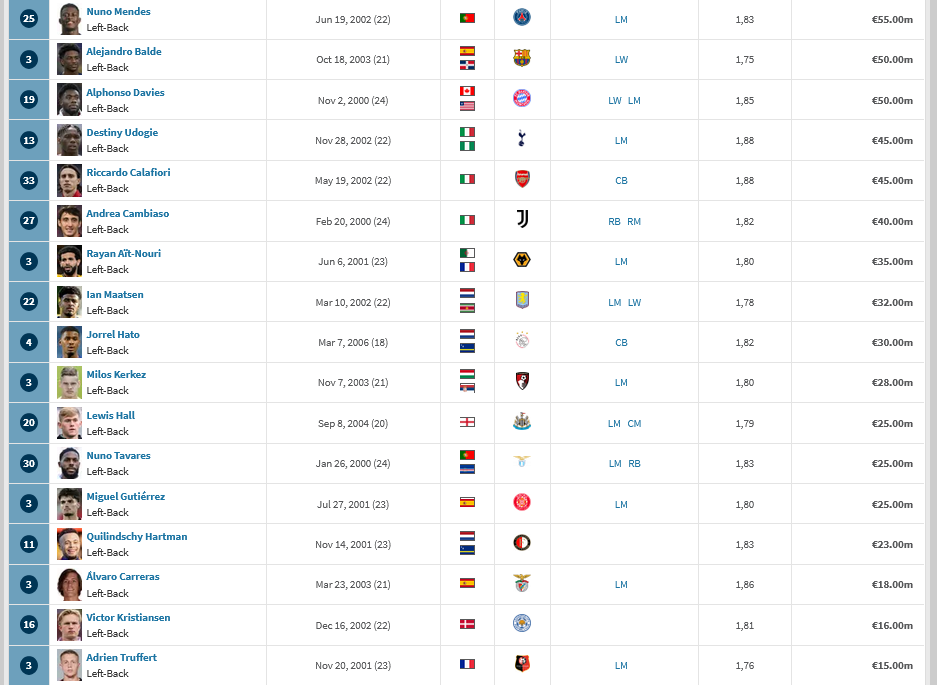
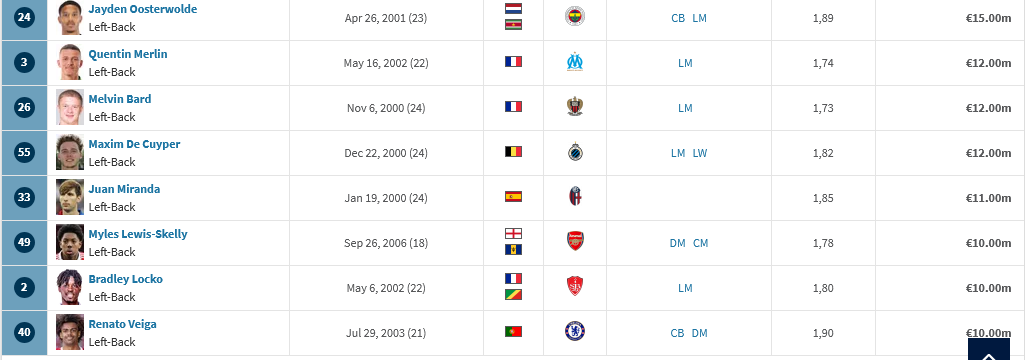
Three players are out of reach financially (Mendes, Davids and Baldé), some are between CB and left back.
Chelsea owned two of the 11 most valuable left backs (set by fanalysts). Sold both to
Make the 35m + Maatsen for Duran (150k a week) deal collapse, Duran now quoted 80+ million to PSG or Barcelona.
Sell Lewis Hall to fill the Caicedo GoFundMe and spend 115 million on a guy you don’t want to enter either final thirds on the pitch.
Then after that, you’re left with players who all share flaws, or generally unproven in the English league system.
Veiga is a massive flop, so is Wiley at Strasbourg.
Chelsea was linked with Loko, didn’t pursue.
Left backs are in demand, and the sport is screaming for a young and leading, defensively competent left back
Anyone who’s ever worked from close or afar in recruitment knows there’s no bargain; especially on markets everyone prowls in already.
There’s *always* a catch, and nobody games the system; some just take longer than others to figure out how they’ve been fooled listening to themselves only and not paying attention to red flags
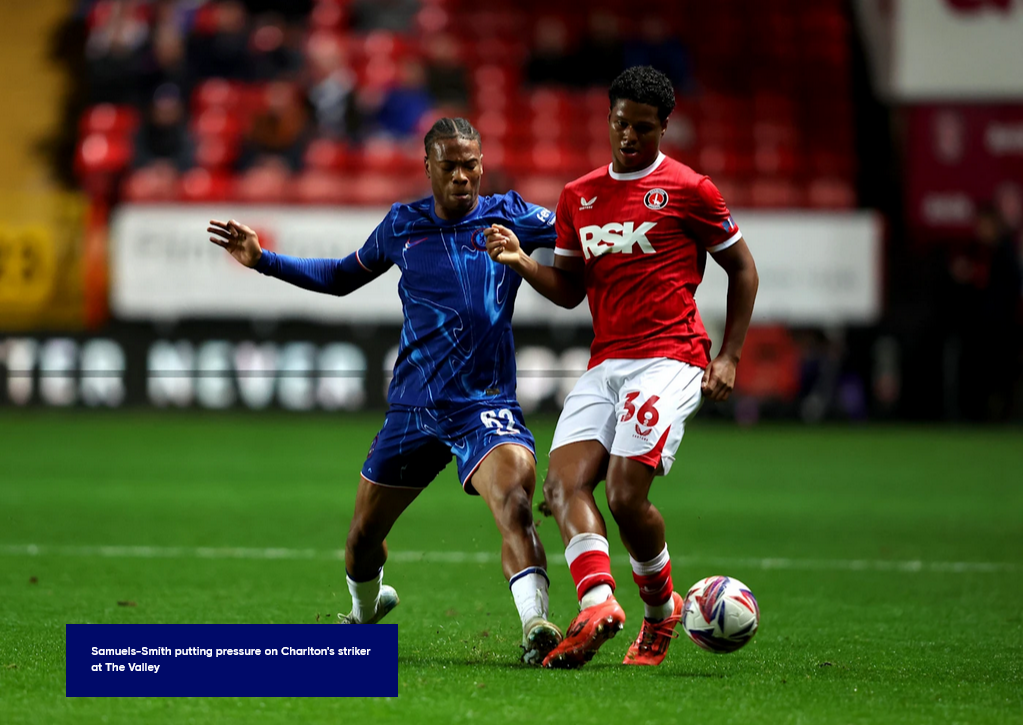
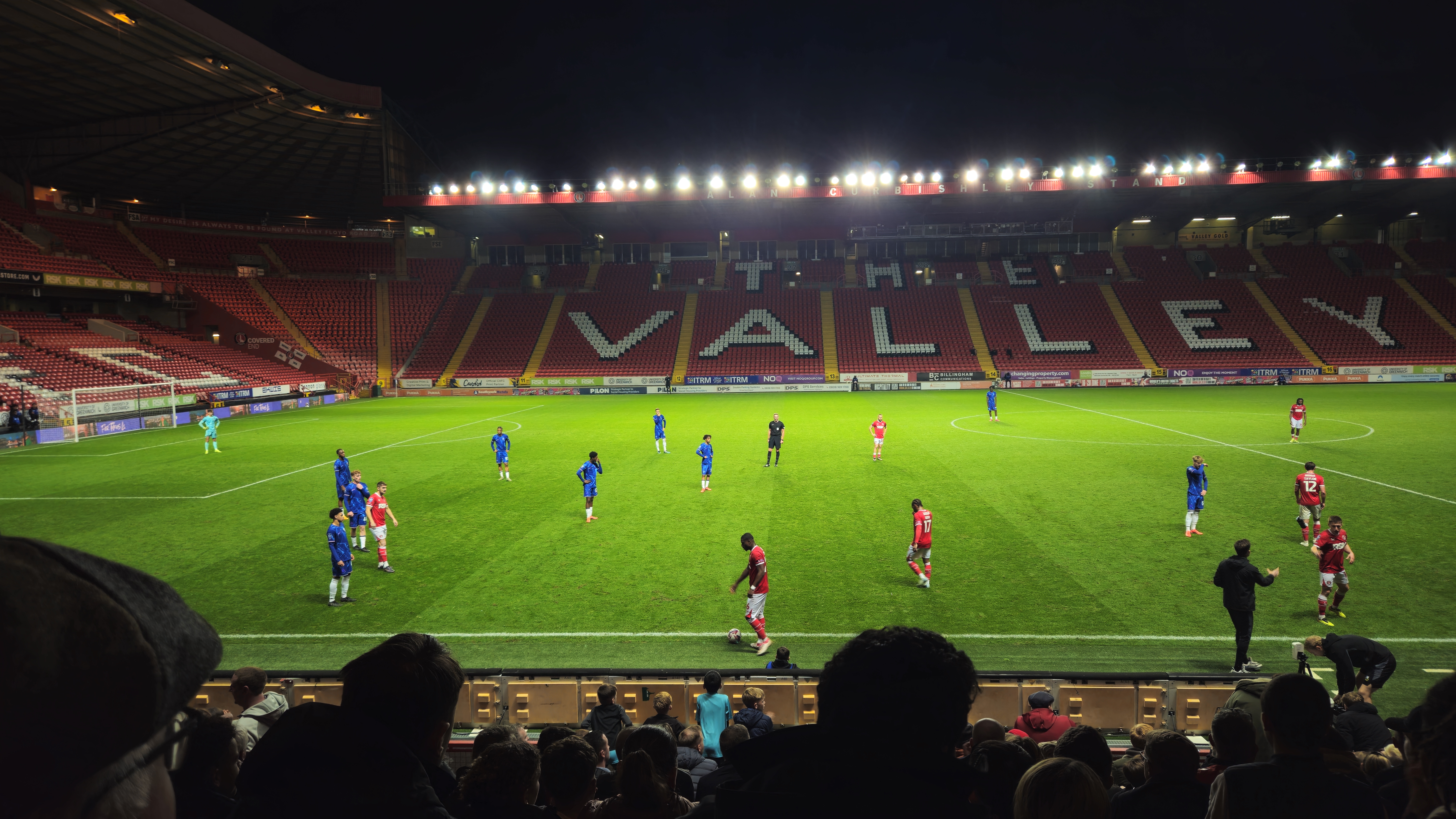
ISS: Internal Solution to Snafu ?
Situation normal: all fucked up
Experience in football teaches two things: sense and nonsense”
“is he better than what we’ve got”
Samuels-Smith actually does all things you expect from a defender, and fullback. Plays CB/LB, with the fundamentals that sometimes go missing: heading, clearing, tackling.
With a knack for blocking shots and getting “lucky” bounces, for a lack of better word.
His decision making is complemented by an ability to read danger, and move around the pitch quickly in all directions and dimensions (turn, jump, change gear).
Never goes to ground if not for tackling, or draw a foul, he’s a Stonehenge rock.
There’s quality in terms of attacking output, a relentless volume of runs to enter final third and drag runners out of positions, and few but fine attacking deliveries with the whole range of cutback, far post, mixer.
That’s a good player, also 6ft1.
That’s a veru valuable player especially considering all the alternatives (Dorgu, Locko, Meghoma, Hato…) all seem to have one thing missing.
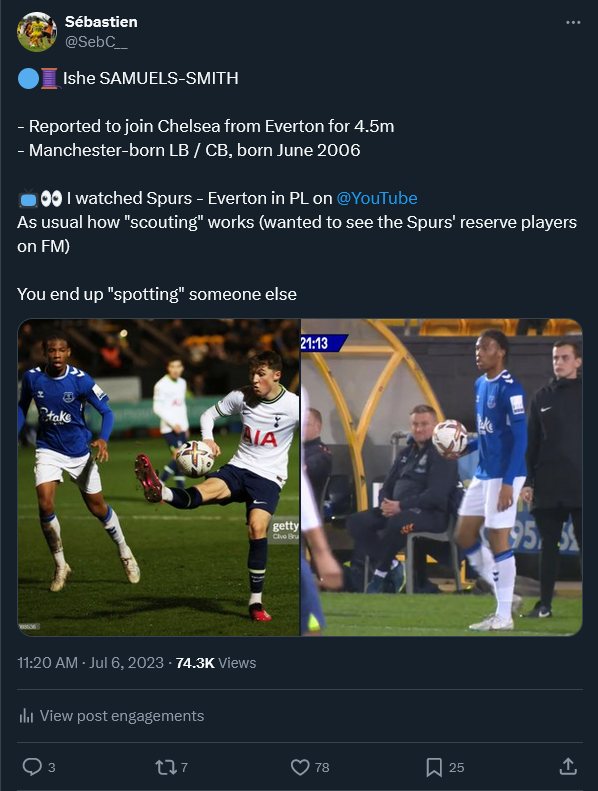
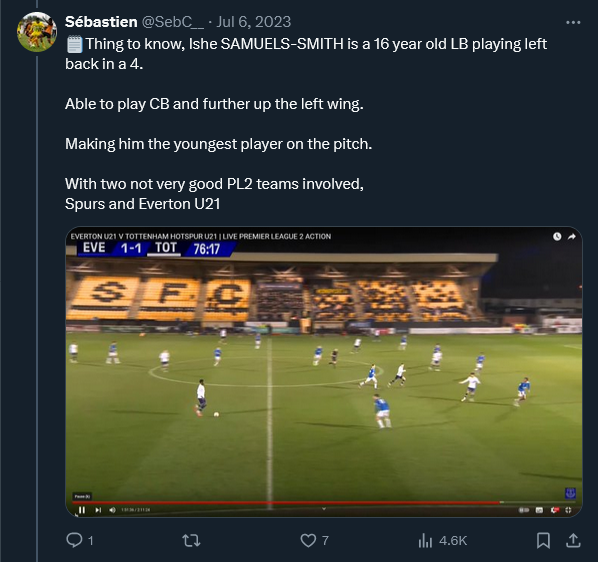
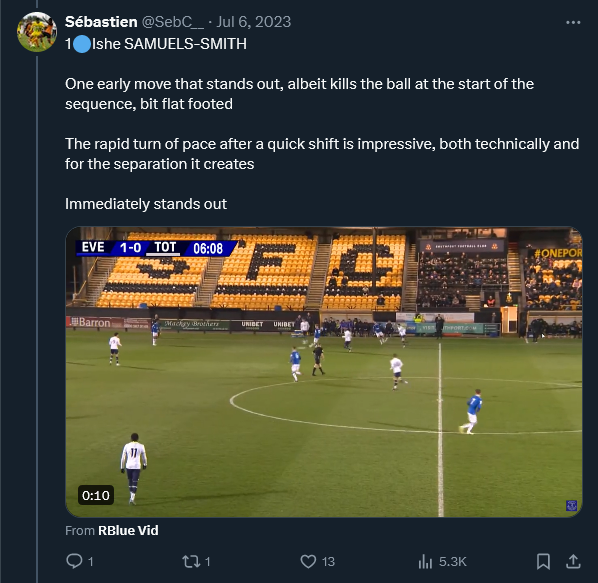
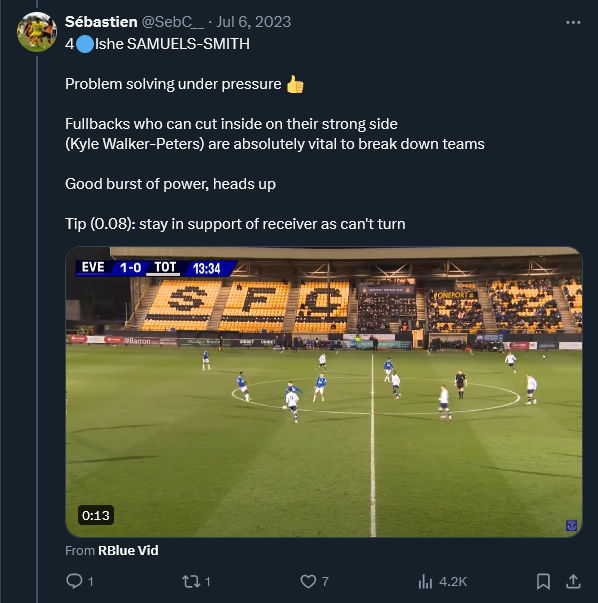
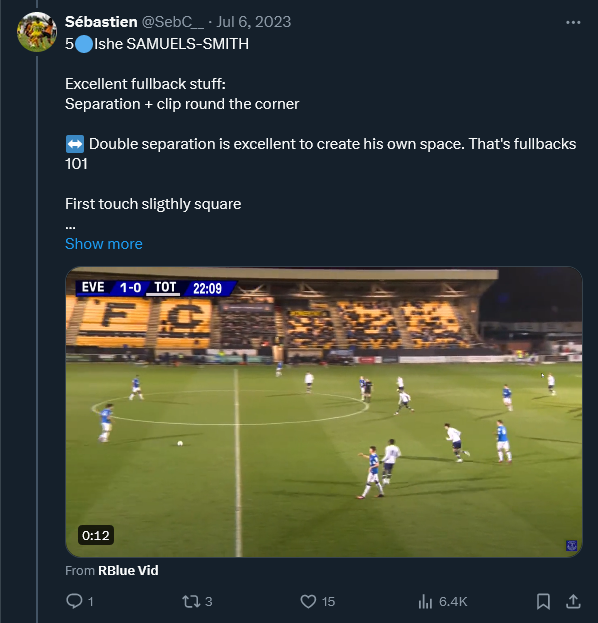
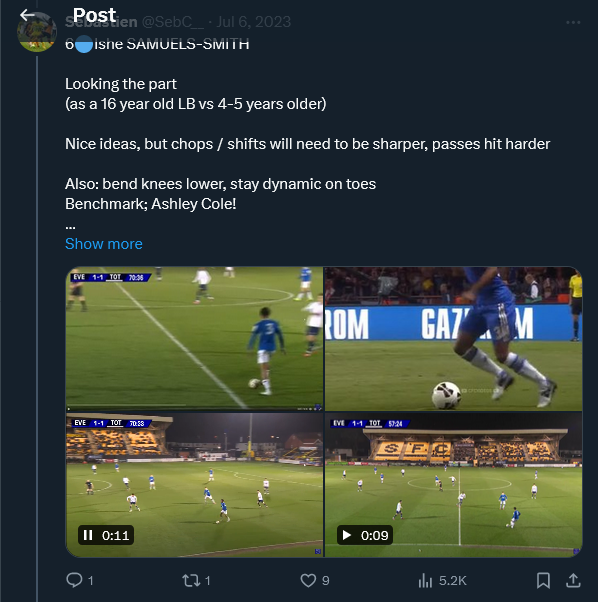
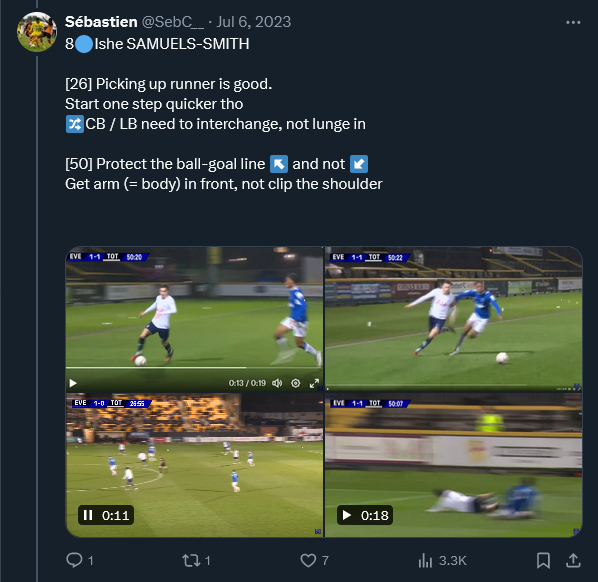
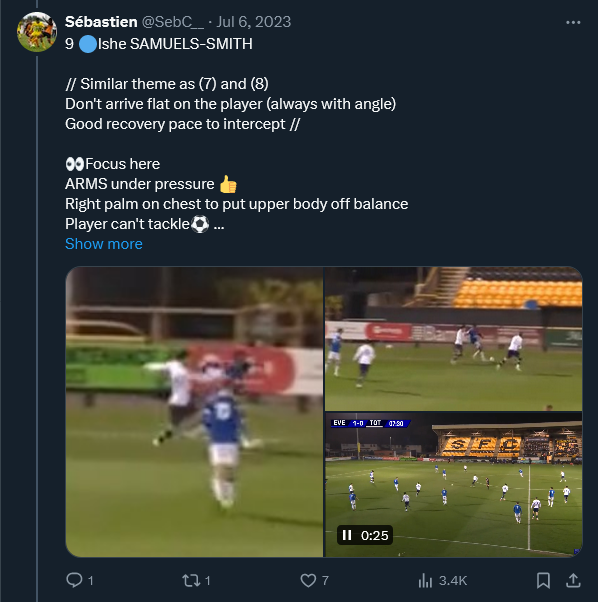
ISS: Snapshot from June 2023
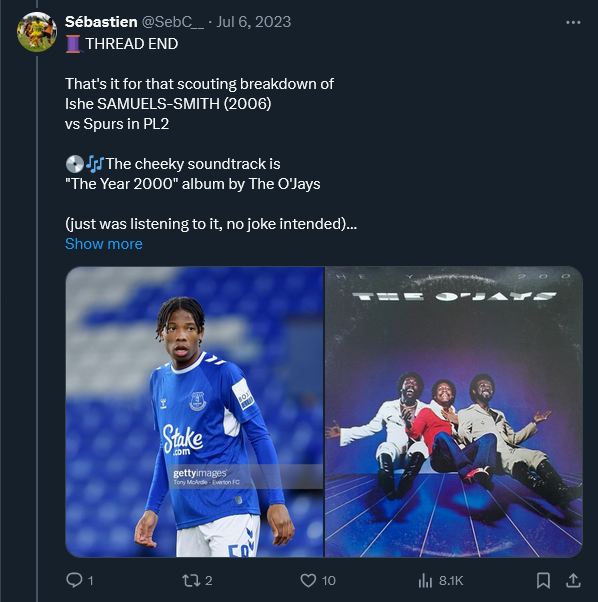
I posted that thread in June 2023 when the transfer was announced




 Sébastien Chapuis